


Japan is a magical country: once is never enough, and people keep coming back for a second, third, fourth trip and beyond. The most popular prefectures are usually Tokyo, Osaka, and Hokkaido. Because they are so popular, their top sights are often packed with travelers. If you'd rather visit quieter places and see real local life, we've gathered 15 off-the-beaten-path prefectures that are well worth the trip. Each one holds its own against the famous names. So pack your bags and let's get started.
1. Okayama
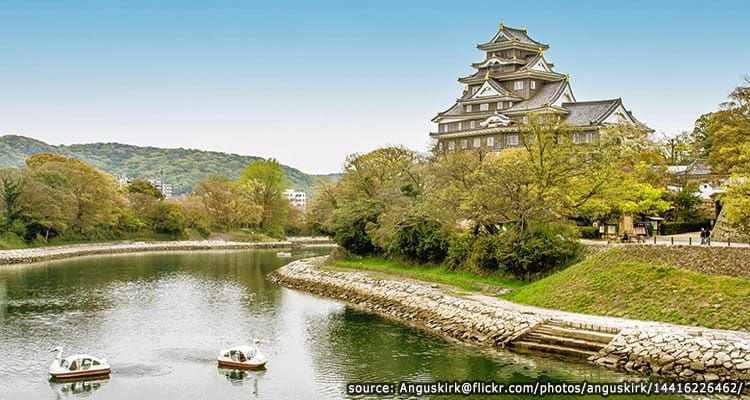
Okayama Prefecture is located in the western part of Honshu, in the Chugoku region. Its nature-focused attractions stand out, including Inujima Island, a quiet island known for its art, and the Hiruzen Kogen Highlands, a famous Jersey cattle-farming area that feels like stepping into a movie set of a farm. If you want a relaxed atmosphere in town with a nostalgic feel, head to the Kurashiki Bikan Historical Quarter.
As for local specialties, peach lovers will fall for the soft, juicy white peaches that are considered the best in Japan. If you love smooth, tender meat, try Chiyagyu beef, which practically melts in your mouth. There's also an abundance of fresh seafood, including Spanish mackerel, octopus, and oysters, for you to enjoy to your heart's content.

2. Mie
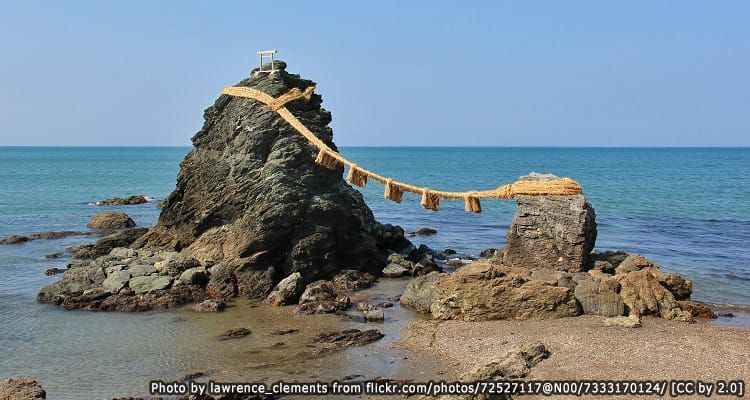
Photo by lawrence_clements from flickr.com/photos/72527117@N00/7333170124/ [CC by 2.0]
The food here is just as impressive, starting with Matsusaka beef, world-class quality beef that every meat lover knows. The seafood is even more amazing, with Ise lobster, abalone, and oysters, plus local dishes worth trying such as hamaguri clams, tegone-zushi, sanma-zushi, and mehari-zushi. None of these dishes are easy to find elsewhere, but in Mie you can try them all.
3. Kagoshima
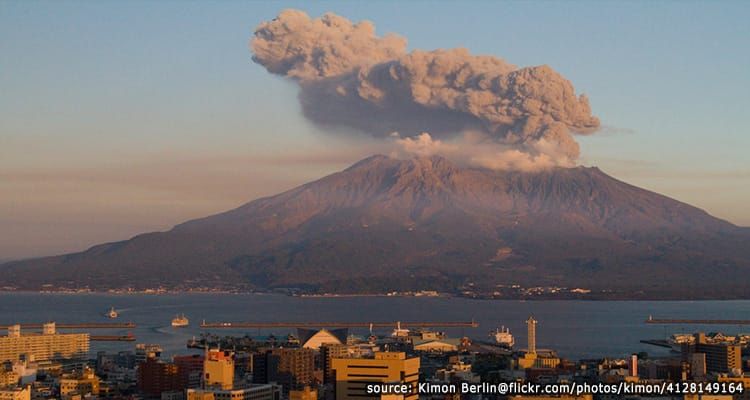
kagoshima
Kagoshima Prefecture is located in the southwest of Kyushu. Its attractions are just as appealing as anywhere else, including cultural sites such as Terukuni Shrine, home to the Rokugatsudo Festival, and Kirishima Shrine, the oldest and largest Shinto shrine in the Kyushu region. Senganen Garden is beautiful in every season, famous for its stunning flower fields. Yakushima Island is so rich in nature that it's registered as a UNESCO Natural World Heritage Site. Sunamushi Onsen offers hot sand baths on the beach, ideal for shy travelers since you're buried in sand while wearing a yukata.
The prefecture's famous products include pottery bowls and crystal glassware — you won't be disappointed by the fine pottery and colorful crystal glass, both with truly striking designs. The food is just as abundant: sweet potato lovers will be thoroughly satisfied, as the flesh comes out smooth and sweet as candy once roasted. For a savory option, don't miss Kagoshima ramen, with its distinctive, well-balanced rich broth and soft, chewy noodles — one bowl is never enough once you start.
4. Okinawa
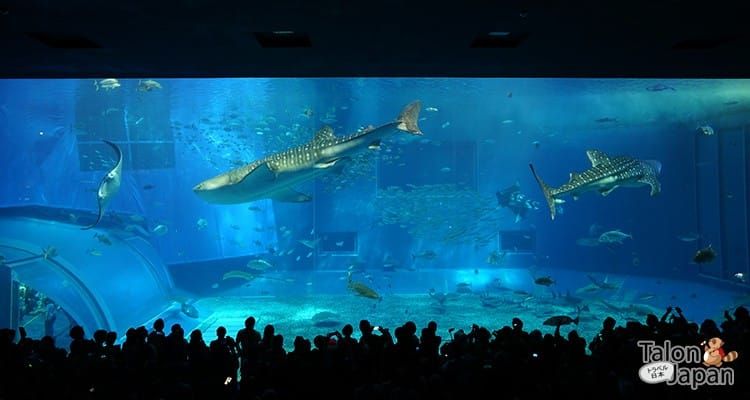
Okinawa Prefecture is located south of Kyushu. It has a distinctive language and culture found nowhere else in Japan, shaped by influences from the various nations that once traded here. Many people may already be familiar with karate, one of Japan's national sports — it actually originated here. The climate is also a favorite among travelers, especially from Japan and Korea, since it's warm year-round with mild winters. It's so popular that it has earned the nickname "the Hawaii of Japan."
If you're wondering what to eat in Okinawa, try purple sweet potato — it's genuinely good, available both as sweets and roasted whole. Another must-try is Orion beer, hard to find anywhere else and considered Okinawa's local beer. If you enjoy it and want to know how it's made, the brewery is open for factory tours. Besides beer, there's also a local liquor called "Okinawa awamori," still made using traditional methods, with rice imported from Thailand. There's plenty to see too: Shuri Castle, a World Heritage Site whose vivid red walls make an impression even before you reach the entrance. Ishigaki Island has soft white sand beaches against deep blue seas, perfect for relaxed snorkeling along the coral reefs. Taketomi Island preserves traditional Ryukyu culture, with a village that keeps both its old houses and traditional way of life intact. Finish with some shopping at Kokusai Dori, where the souvenirs are full of character, mostly items that reflect Okinawan culture — perfect as gifts.
Note: The main hall (Seiden) of Shuri Castle burned down in 2019 and is being rebuilt. You can go inside from November 23, 2026. Other areas of the castle park are open.
5. Shiga
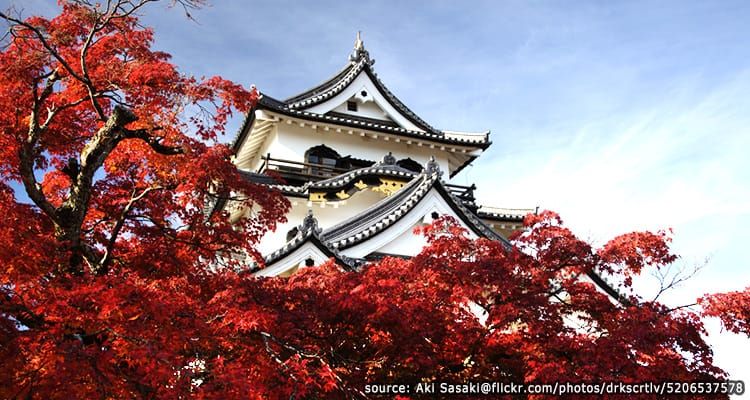
Shiga
Shiga Prefecture is located in the Kansai region, bordering Kyoto to the west. If you're visiting Kyoto and want to find a quiet town with a countryside feel, this is the place. Its famous products include rice, green tea, and fish from Lake Biwa. Sushi fans looking for something different should try funazushi, fermented crucian carp sushi, while meat lovers can try the renowned Omi beef. Pickled vegetables such as pickled burdock root are also worth trying, with a flavor unlike anything else. Local dishes include somen noodles, grilled mackerel from Hikone, and champon noodles — you'll find these on the menu at almost every restaurant in the area.
Attractions here range from cultural sites, such as the ninja house in Koka and the bunraku puppet theater in Nagahama, to a scenic walk at Nagisa Park overlooking Lake Biwa, Japan's largest lake, in the daytime, followed by an evening fountain and light show. For beautiful panoramic views, head to Mount Hiei in Sakamoto — it's stunning, especially during peak spring or autumn foliage season. Genkyuen Garden is a great spot to take in the scenery during those seasons too. And don't miss Hikone Castle, one of only 12 castles in Japan that survive in their original form, also designated a National Treasure.
6. Yamaguchi
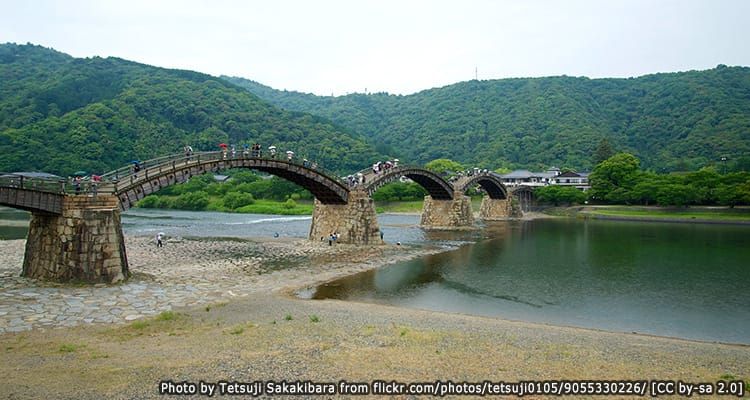
Photo by Tetsuji Sakakibara from flickr.com/photos/tetsuji0105/9055330226/ [CC by-sa 2.0]
7. Ehime
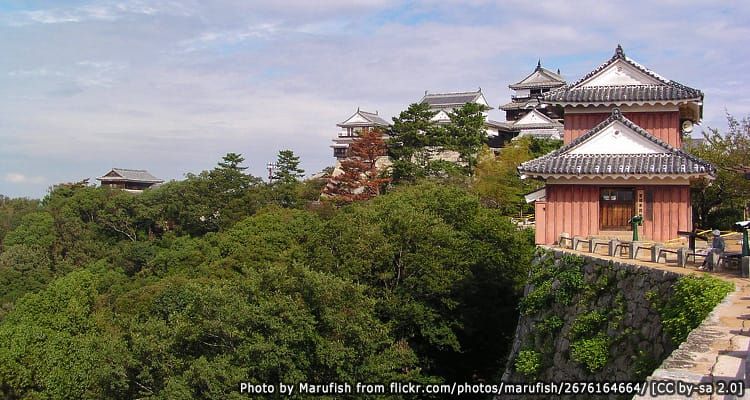
Photo by Marufish from flickr.com/photos/marufish/2676164664/ [CC by-sa 2.0]
8. Aomori
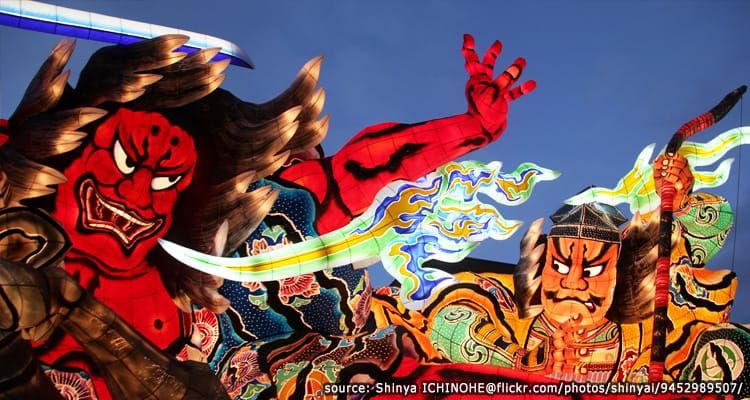
Aomori Prefecture is located at the northernmost tip of Honshu, in the Tohoku region. You shouldn't leave Aomori without trying its apples, since it's one of Japan's finest apple-producing areas. For the full experience, pick fresh apples straight from the tree and buy processed apple products in Hirosaki. Attractions include natural spots such as Hirosaki Park, spectacular during autumn foliage season, and the Shirakami-Sanchi mountain range, registered as a Natural World Heritage Site, so expect plenty of forest and mountain scenery. It's not all nature, either — cultural attractions are just as impressive, such as the Nebuta Museum Wa Rasse, a highlight for its display of the colorful lanterns and equipment used in the Nebuta Festival, and the Tachineputa no Yakata museum, which displays the giant lantern-decorated floats used in the Tachineputa Festival.
9. Oita
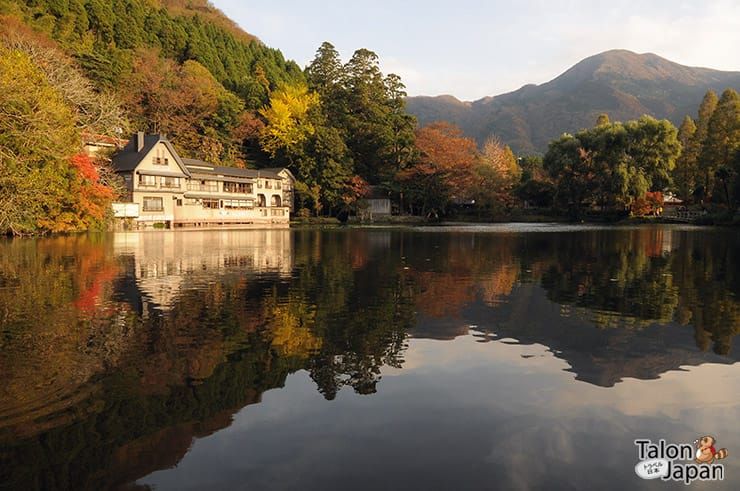
The atmosphere at Kinrin Lake, Yufuin
Oita Prefecture is located in the northeastern part of Kyushu. It's known nationwide for its hot springs, producing more natural hot spring water than anywhere else in Japan. The most popular towns among travelers are Beppu and Yufuin, and there's more here than the usual soak-and-view-scenery hot spring experience: options include the hot sand baths at Beppu Kaihin Sunayu, the mud baths at Beppu Onsen Hoyoland, and the steam baths at Kannawa Mushiyu. And it's not just these two towns — hot springs can be found all across Oita Prefecture for you to enjoy however you like.
Besides hot springs, the prefecture has plenty more to offer, including Isshinji Temple, especially beautiful in spring, and Usa Jingu, a classic, historic shrine. Stroll along Yunotsubo Kaido in Yufuin for a relaxed walk past charming houses, or visit Kuju Flower Park for spectacular flower displays in every season. Finish at Futamigaura, known as the "husband and wife rocks," a stunning spot especially at sunrise.
10. Ishikawa
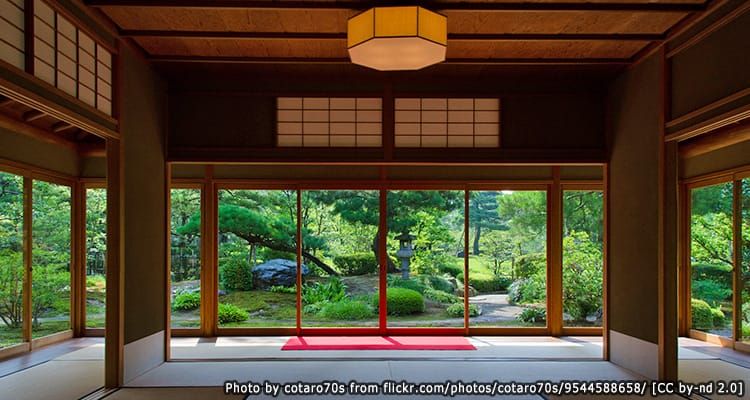
Photo by cotaro70s from flickr.com/photos/cotaro70s/9544588658/ [CC by-nd 2.0]
There's plenty worth buying as souvenirs too, such as Kingyokukan, a sweet made from agar jelly and sugar, with a light texture and a really charming look. Rakugan is a sweet made mainly from flour and sugar, with added sugar crystals for a special touch. Jiro-ame is made from rice and barley, naturally sweet, and good for both kids and adults. These are just a taste — there's plenty more to shop for and try once you get there.
11. Yamagata
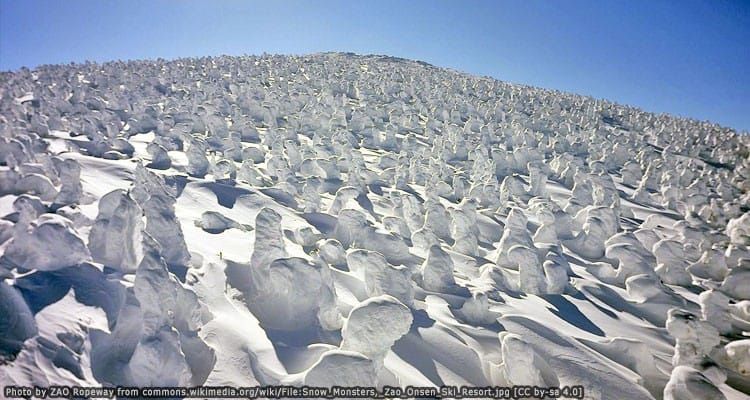
Photo by ZAO Ropeway from commons.wikimedia.org/wiki/File:Snow_Monsters,_Zao_Onsen_Ski_Resort.jpg [CC by-sa 4.0]
Its attractions are just as strong, covering both nature and hot springs. Risshakuji Temple is a beautiful temple surrounded by nature on a hill with 1,015 steps — it may take a while to climb, but the view at the top is well worth it, with plenty of scenic rest points along the way, so the walk goes by easily. The autumn foliage season here is guaranteed to be stunning. For snow lovers, take the Zao Ropeway to ski and see the natural phenomenon known as "snow monsters." After a long day, relax and unwind at Ginzan Onsen, a hot spring with a history spanning several hundred years.
12. Miyazaki
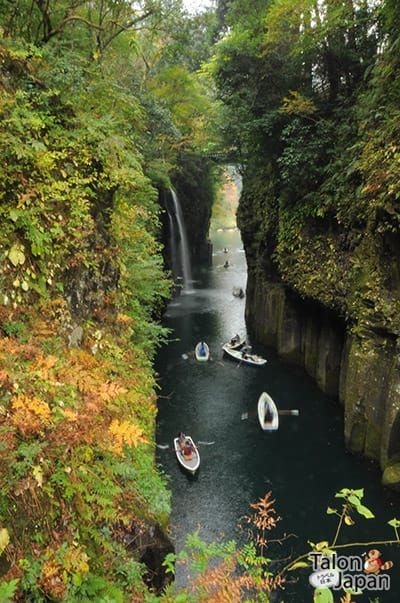
Minainotaki Falls at Takachiho-kyo Gorge
Miyazaki Prefecture is located on the eastern side of Kyushu, along the coast facing the Pacific Ocean. It's a great destination whether you want the sea, mountains, or culture, all in a relaxed setting without the crowds. Attractions include Udo Shrine, unusual for being tucked into a cave along the coastal cliffs — a rare find. You can pray for love or children here, and the walk with the views along the way is enjoyable too. The Moai statue garden, known as "Sun Messe Nichinan," sits at the foot of a hill overlooking the sea and has become a well-known landmark here. Besides the panoramic views, there are shops and small activities to enjoy at a relaxed pace. Mount Kirishima is a favorite destination for hikers who love the outdoors.
The food here is just as satisfying. If you like trying local dishes, this is the place, with a wide variety on offer. There's jidori chicken, with a distinctive texture different from regular chicken, served grilled or in a salad. There's also Ogura Chicken Namban from the restaurant Ogura, similar to fried chicken karaage but with a different sauce. Hiyashiru is a soup made from mashed grilled fish, cucumber, tofu, and miso, said to be a favorite among local farmers — simple-looking but genuinely refreshing once you try it. For meat lovers, Miyazaki beef is delicious simply grilled, without needing much seasoning at all.
13. Toyama
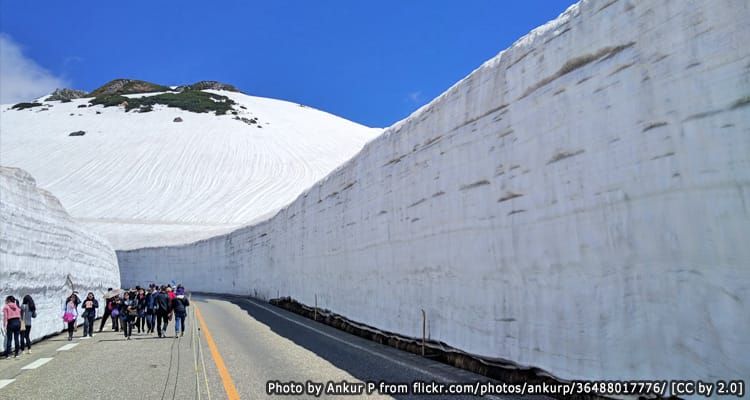
Photo by Ankur P from flickr.com/photos/ankurp/36488017776/ [CC by 2.0]
As for food, Toyama's rising star is firefly squid, known as "hotaru-ika" — small squid that glow in the dark sea, as the name suggests. Beyond being beautiful, they're also delicious, especially as tender, fresh sashimi or lightly battered and fried, which is just as good.
14. Akita
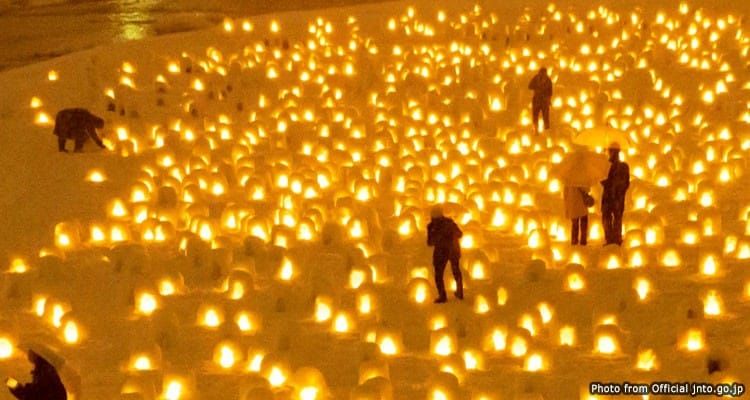
Photo from Official jnto.go.jp
Akita Prefecture is located in the northern part of Honshu, in the Tohoku region. Its attractions are strong, and so are its festivals. Highlights include the Kakunodate samurai district in Kakunodate, known as "the Little Kyoto of Tohoku." It's the top spot for a nostalgic atmosphere that feels like stepping back into the past, with traditional samurai-style houses surrounded by nature. In spring, walking among the houses lined with cherry blossoms along the streets is an unforgettable experience. Learn about the history of the famous Akita dog breed at the Akita Dog Museum, then take in the view of Lake Tazawa from Goza no Ishi Shrine, and relax with a milky-white hot spring soak at Nyuto Onsen.
To see the Akita Kanto Matsuri, a nationally famous lantern festival ranked among the great festivals of Tohoku, plan your trip for early August. For a romantic winter atmosphere, try the Yokote Kamakura Festival, held for hundreds of years to honor the god of water, taking place in mid-February each year. And you can't miss the region's famous pufferfish, considered some of the finest quality in Japan, along with products made from rice grown in Akita Prefecture — try them once and you're sure to fall in love.
15. Kagawa
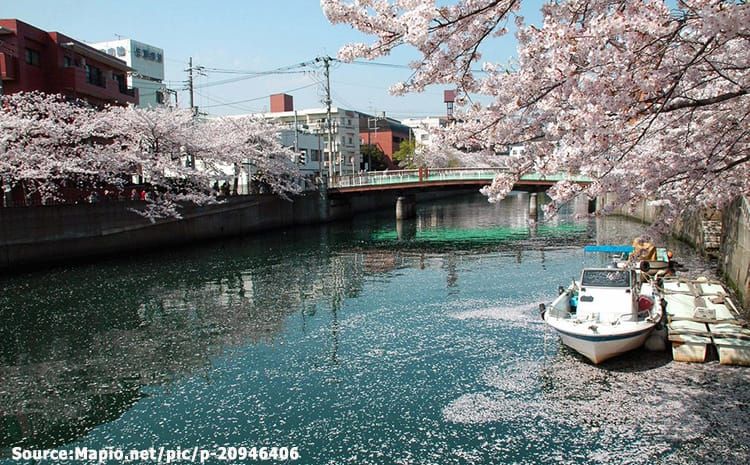
Kagawa Prefecture is located in the northeast of Shikoku, with its northern area bordering the Seto Inland Sea. It's the smallest prefecture in Japan by area, but what it lacks in size it makes up for in quality, with plenty of attractions and food packed in. Recommended attractions include Reoma Resort, home to Shikoku's most spectacular flower gardens, blooming year-round with seasonal flowers to enjoy no matter when you visit. It's not just flowers, either — there are several other zones worth exploring, including NEW Reoma World, packed with rides, and the Oriental Trip zone, featuring architecture modeled on popular attractions across East Asia. If you're in the mood for an island feel, visit Takamatsu City, home to attractions such as Takamatsu Castle, a castle facing the Seto Inland Sea that, despite losing several sections over time, remains beautiful and worth exploring. Also visit Ritsurin Garden, a Japanese-style garden so exceptional it earned a three-star rating in the Michelin Green Guide.
As for food, you can't come to Kagawa without trying udon. This is truly the place for udon, especially the dish "Sanuki udon" — it may look plain, but the flavor is wonderfully smooth. If you want to learn more or try making Kagawa-style udon yourself, visit the Nakano Udon School to learn every step of the process and taste your own results.