




September in Japan is a great time to visit, since the weather starts to cool down and there are plenty of interesting Japanese festivals for travelers to join, especially those related to the harvest and the changing of the seasons. Today we're introducing 9 Japanese festivals held in September. Let's look at what each festival celebrates and what it offers visitors.
9 Japanese Festivals Worth Visiting in September
Moon-Viewing Festival (Tsukimi)
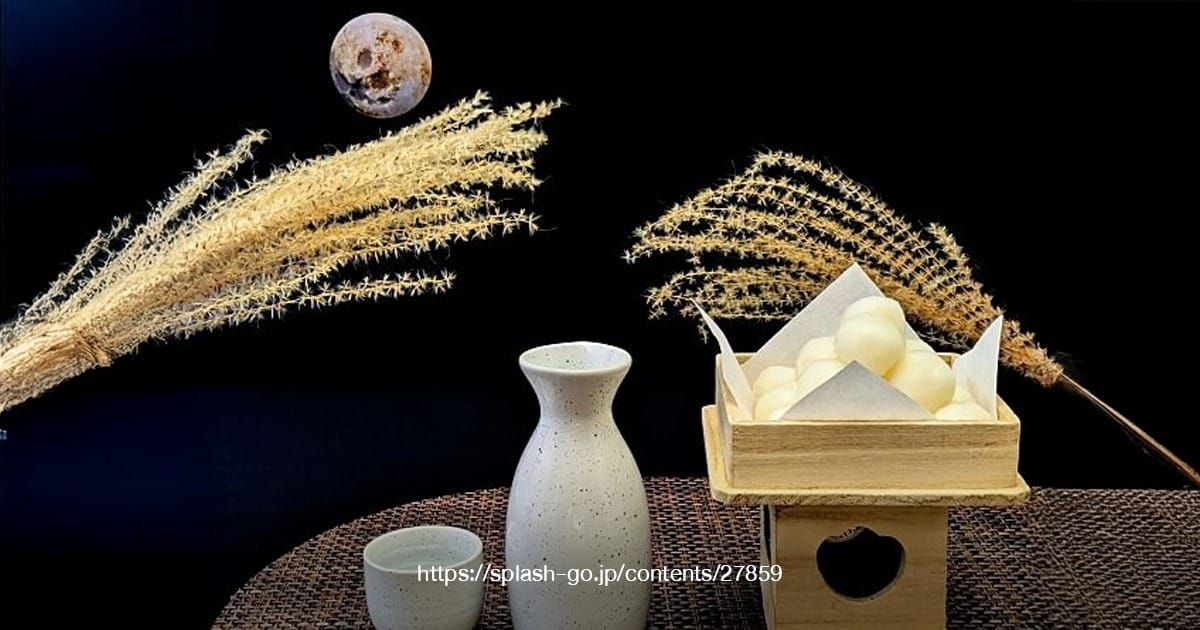
Tsukimi literally translates to "moon viewing." It's a traditional Japanese festival held to admire the beauty of the moon in autumn, when the sky is clear and the full moon looks its best all year. When people talk about "Tsukimi," they mean the whole set of customs related to moon viewing, including decorating spaces with susuki, or Japanese pampas grass.
Another side of the moon-viewing festival is celebrating a bountiful harvest. Since autumn is when crops fully ripen, villagers would offer produce such as taro, chestnuts, and beans, and most importantly, "tsukimi dango" — dumplings made from rice flour shaped into round balls like the moon — to thank the moon for the harvest and celebrate its abundance. So Tsukimi is not just about viewing the moon, but also a time to appreciate nature's generosity and celebrate the season's abundance.
Autumnal Equinox Day (Shubun no Hi)
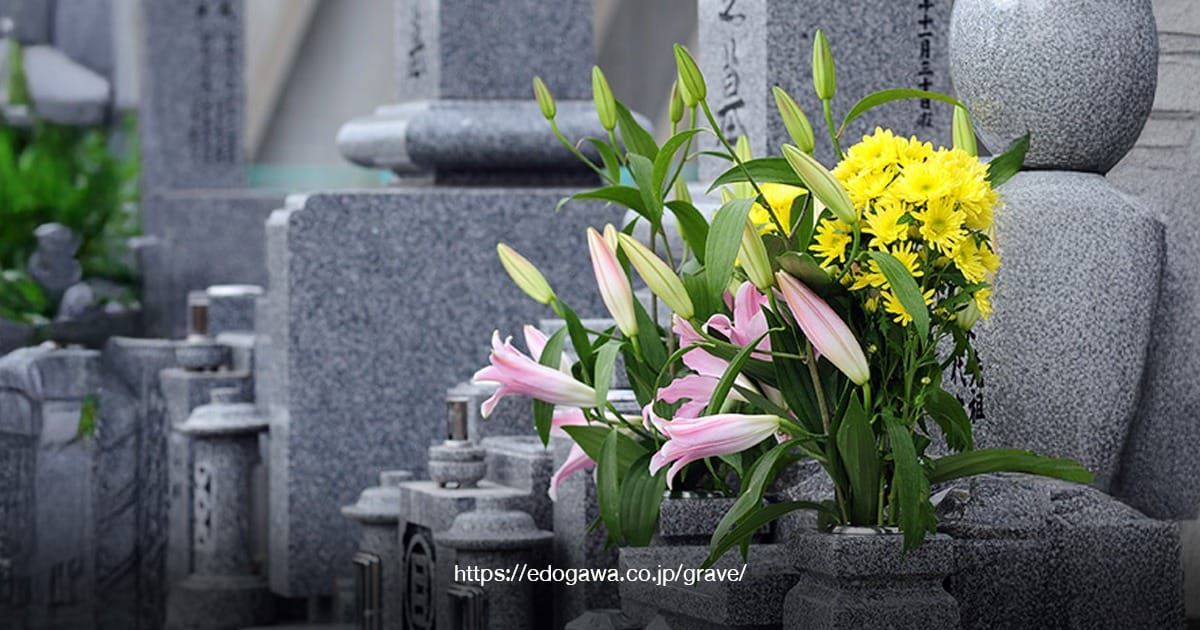
Autumnal Equinox Day, or Shubun no Hi, is one of Japan's public holidays. It marks the start of autumn, when day and night are of equal length. After this day, daylight hours grow shorter and nights grow longer. The Japanese consider this an important day for honoring their ancestors, visiting graves to clean them and lay flowers as a sign of respect. Shubun no Hi generally falls between September 22 and 24 each year, and is part of a seven-day period called "Aki no Higan," a time for paying respects to ancestors and making offerings for the deceased according to Buddhist belief.
Kishiwada Danjiri Festival
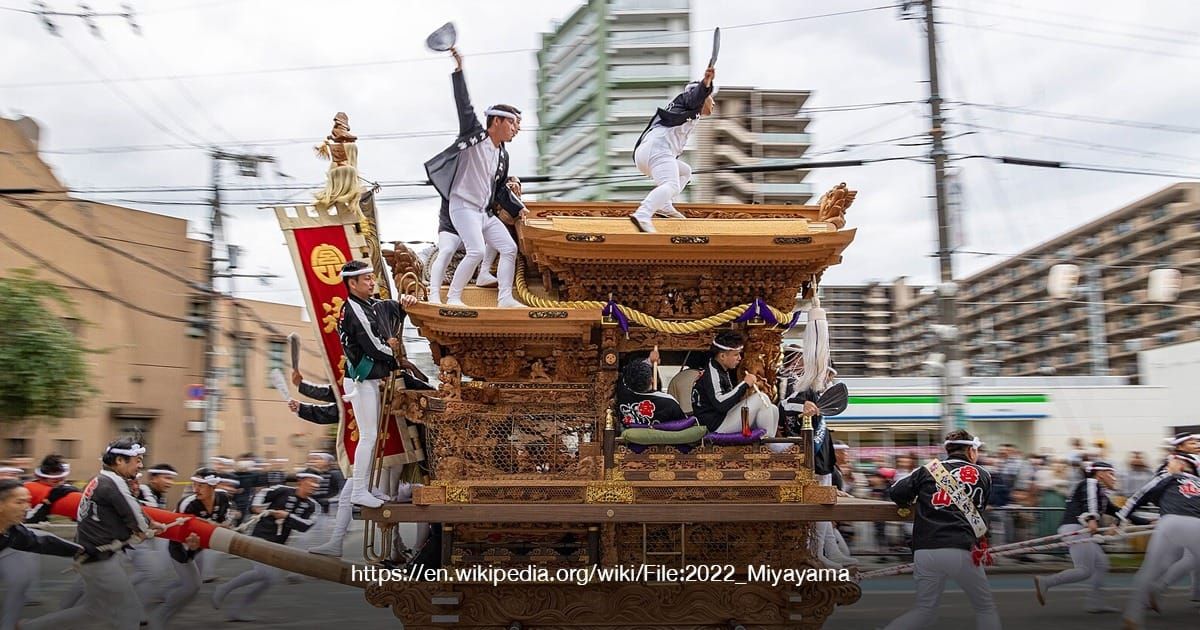
The Kishiwada Danjiri Festival is one of the biggest and most thrilling festivals in Japan. It's held across various neighborhoods of Kishiwada City in Osaka Prefecture, with a main parade route that is easy for spectators to follow. It has a history of more than 300 years, originating as a prayer for a bountiful harvest, and has since evolved into an event celebrating community spirit. It's held every year in mid-September, usually falling on the weekend before Respect for the Aged Day.
The main highlight is the parade of large carved wooden floats called "danjiri," which weigh more than 4 tons and stand as tall as a two-story building. Participants pull the danjiri along the streets at high speed, and the most exciting moment is when they turn a street corner, which requires great strength and skill from the team to make the turn precisely and quickly. On top of the danjiri stands a team leader called the "daikugata," who leaps and dances along with the rhythm of the procession, putting on an amazing display of skill and courage.
Kakunodate Festival
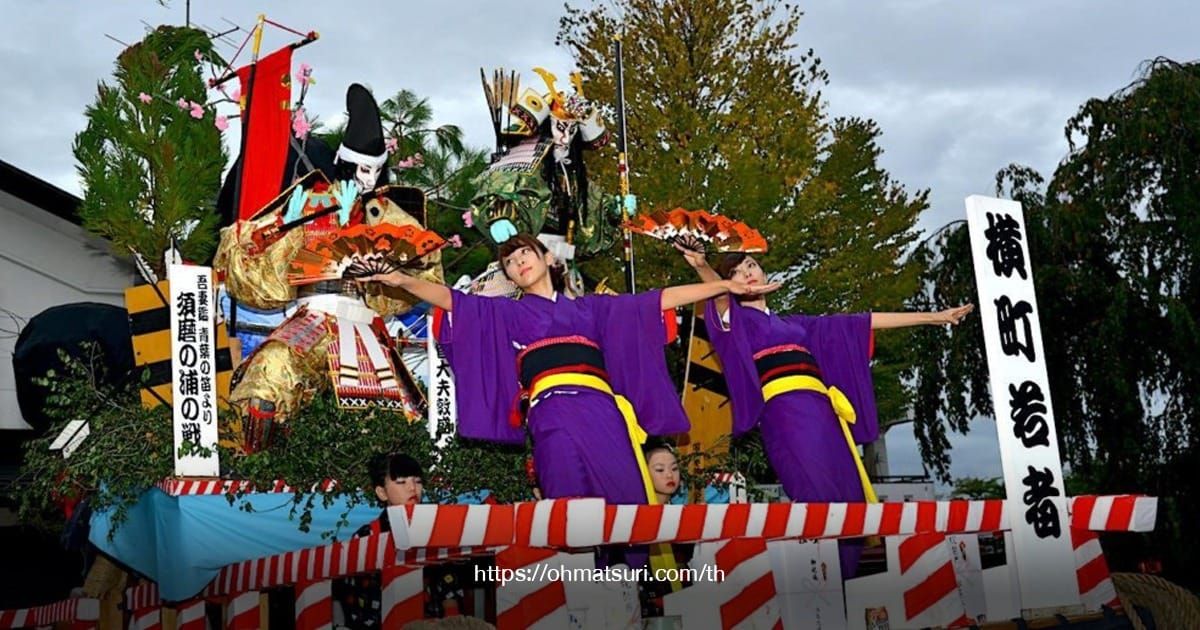
The Kakunodate Festival, also known as "Kakunodate-matsuri no Yama-gyoji," is a famous, long-standing festival in Kakunodate, Akita Prefecture. It's held every year in early September, around September 7-9, and blends beliefs from both Shinto and Buddhism. The main highlight is the parade of floats called "hikiyama," decorated with samurai dolls and kabuki characters.
What draws visitors the most is "Yama Buttsuke," or the float clash — the climactic moment when floats from different groups face off and collide fiercely to decide which one gets to move forward. There are also women in brightly colored kimonos performing traditional dances, accompanied by music played on traditional instruments aboard the floats. The festival has a history of more than 350 years, was registered as an Important Intangible Folk Cultural Property of Japan in 1991, and was added to UNESCO's Intangible Cultural Heritage list in 2016.
Owara Kaze no Bon Festival
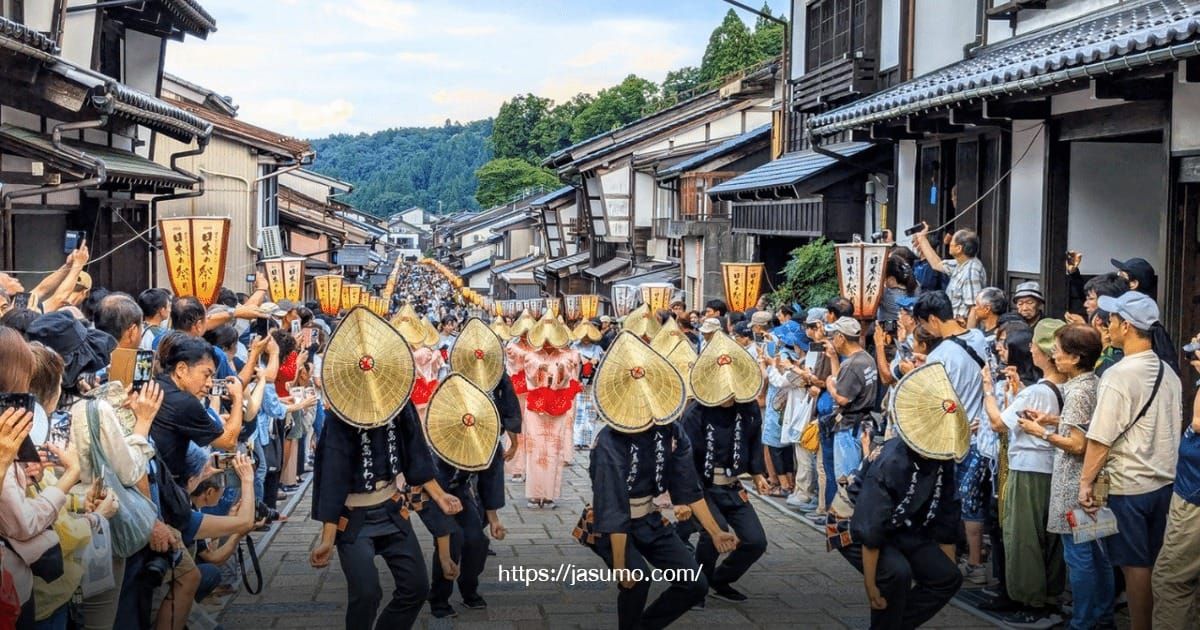
The Owara Kaze no Bon Festival is one of the most beautiful and charming dance festivals in Japan. It's held in Yatsuo, Toyama Prefecture, every year in early September, from September 1 to 3. The name "Kaze no Bon" means "the Bon festival of the wind," and it's held to pray for protection from storms and for favorable winds for a bountiful harvest.
Participants wear yukata and large straw hats that cover their faces, and dance through the town's narrow, beautifully decorated streets to music played on traditional instruments. The graceful, gentle dancing combined with the lovely music fills the whole event with a mysterious, enchanting atmosphere, making it a memorable experience for visitors.
Cosmos Festival
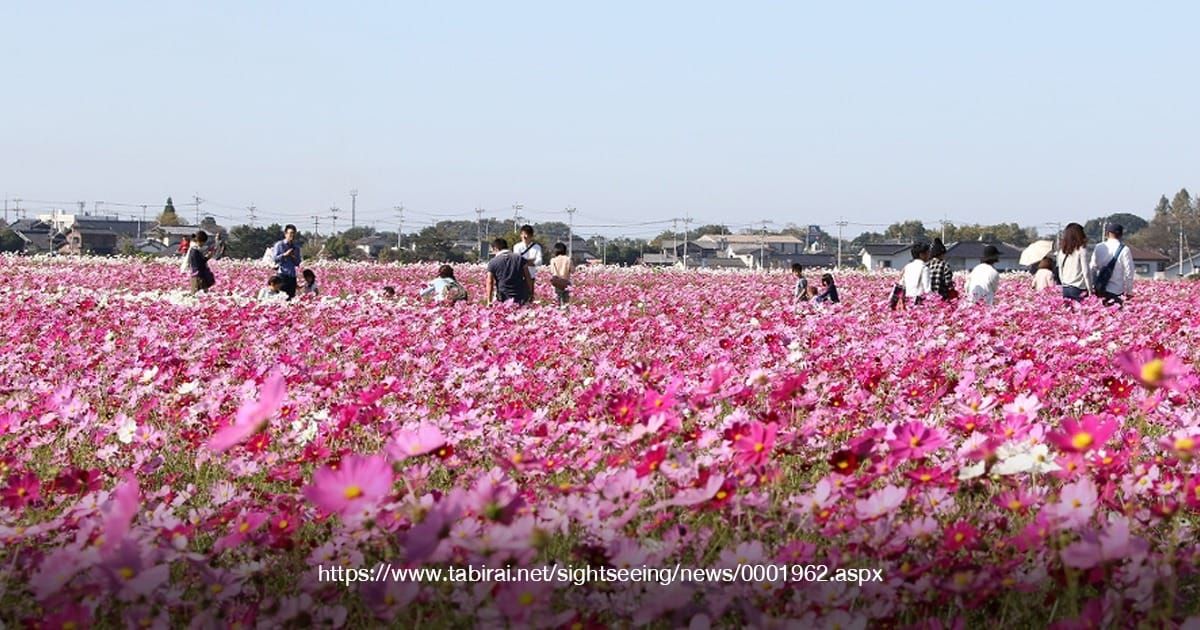
The Cosmos Festival is a popular festival in Japan held to celebrate the blooming of cosmos flowers, seen as a symbol of autumn. It's held in many places across Japan, each with its own atmosphere and beauty. Cosmos bloom in autumn, usually from late September through late October, and in some places into early November, depending on the year's weather. Popular spots to view cosmos in Japan include Showa Kinen Park in Tokyo, a large, well-known park that hosts flower festivals year-round. In autumn, more than 4 million cosmos flowers bloom across its hills, creating a striking patchwork of color.
In Nakatsu, Oita Prefecture, there's the "Sanko Cosmos Festival," one of the largest flower festivals in Japan, with more than 27 million cosmos flowers covering an area of over 15.6 hectares. On Nokonoshima Island in Fukuoka Prefecture, an island close to Fukuoka City, there's a large cosmos field overlooking the sea, so you can enjoy the flowers and the beautiful ocean scenery at the same time. There are also cosmos festivals in many other areas, such as Toyono in Osaka and Kiyozumi in Hyogo.
Note: The Sanko Cosmos Festival is held for the last time from October 8 to 25, 2026. It will not be held again after that.
Chofu Fireworks Festival
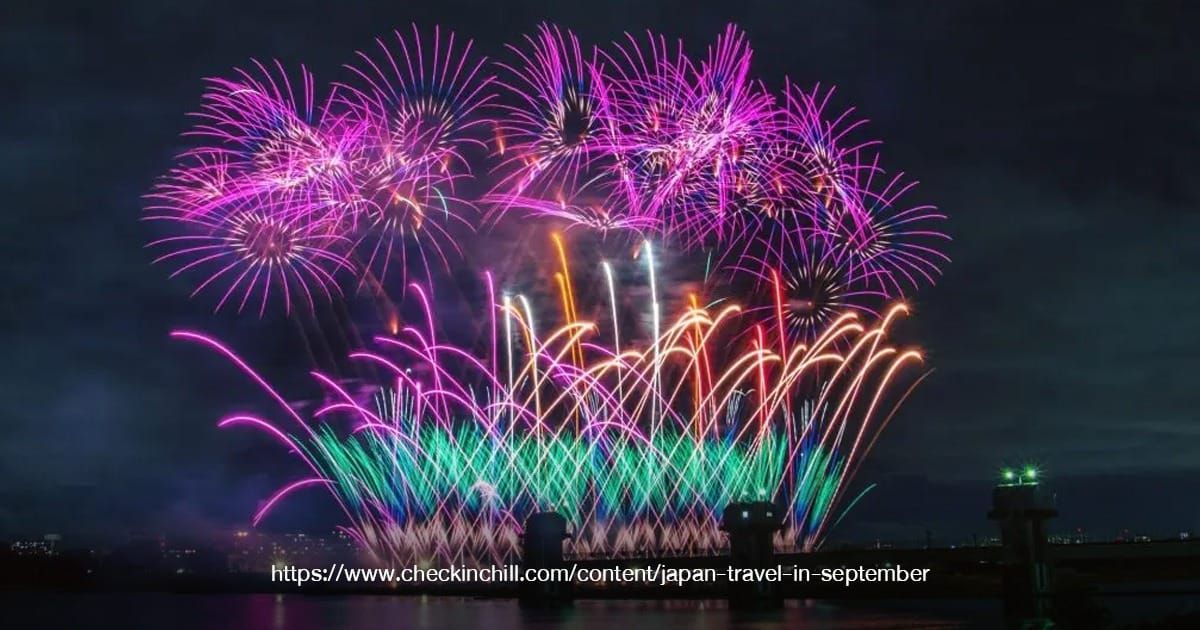
The Chofu Fireworks Festival is one of the most popular fireworks festivals in Japan. It's held along the Tama River in Chofu, Tokyo. What sets it apart from other festivals is that it takes place in autumn, usually in September. The riverside area in Chofu is known for fireworks displays perfectly synced with music, called "Hanabillusion," a blend of "Hanabi" (fireworks) and "Illusion." Fireworks are timed to the rhythm of the music using special techniques, creating a stunning experience that immerses viewers in both sight and sound. Each year, more than 10,000 fireworks are launched, including extra-large fireworks and creative pieces designed by artisans from across the country.
Sapporo Autumn Fest
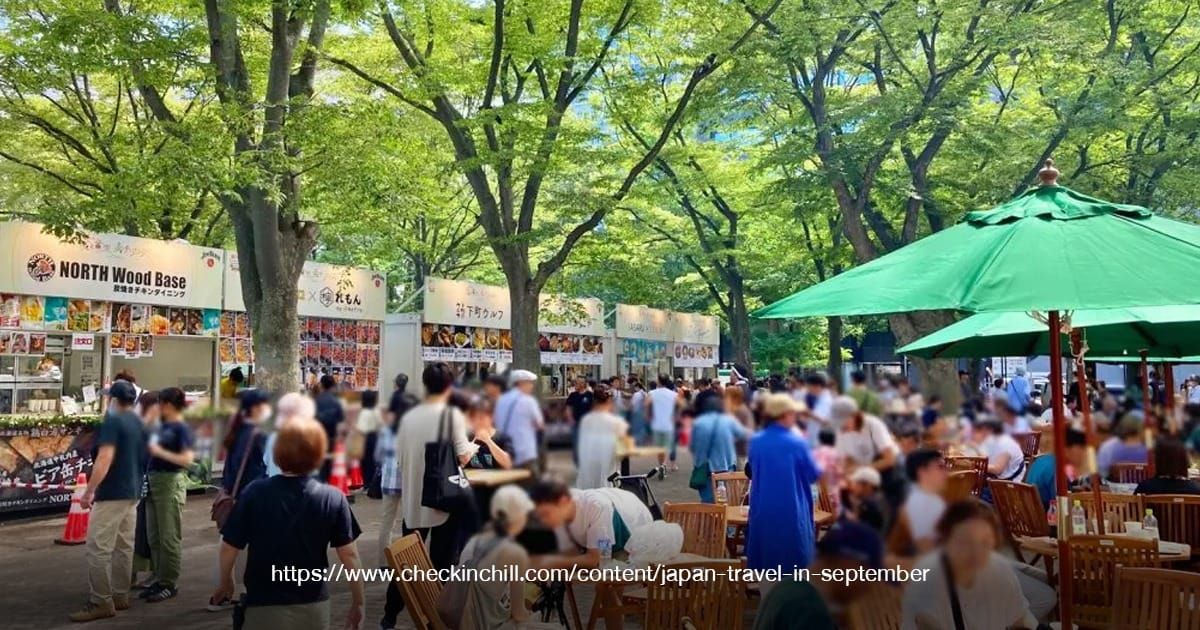
Sapporo Autumn Fest is the largest food festival in Hokkaido, held to celebrate the year's bountiful harvest. It runs for about three weeks every September, at Odori Park, a large public park in the center of Sapporo, with the event divided into several zones by food type.
This festival is a paradise for food lovers, bringing together delicious dishes and seasonal ingredients from all over Hokkaido in one place — fresh seafood, grilled dishes, meat, vegetables, fruit, wine, and local sake. The atmosphere is lively, with many people coming to enjoy great food in the cool, pleasant autumn air. It's a wonderful chance to taste Hokkaido's seasonal specialties at their best.
Summary
Those are the September festivals worth planning around. Each one offers different activities and points of interest, but each one carries a deeper meaning rooted in Japanese tradition. If you're planning a trip to Japan during this time, consider marking these festivals on your itinerary — you might get to join in the fun and experience another memorable side of Japan.