


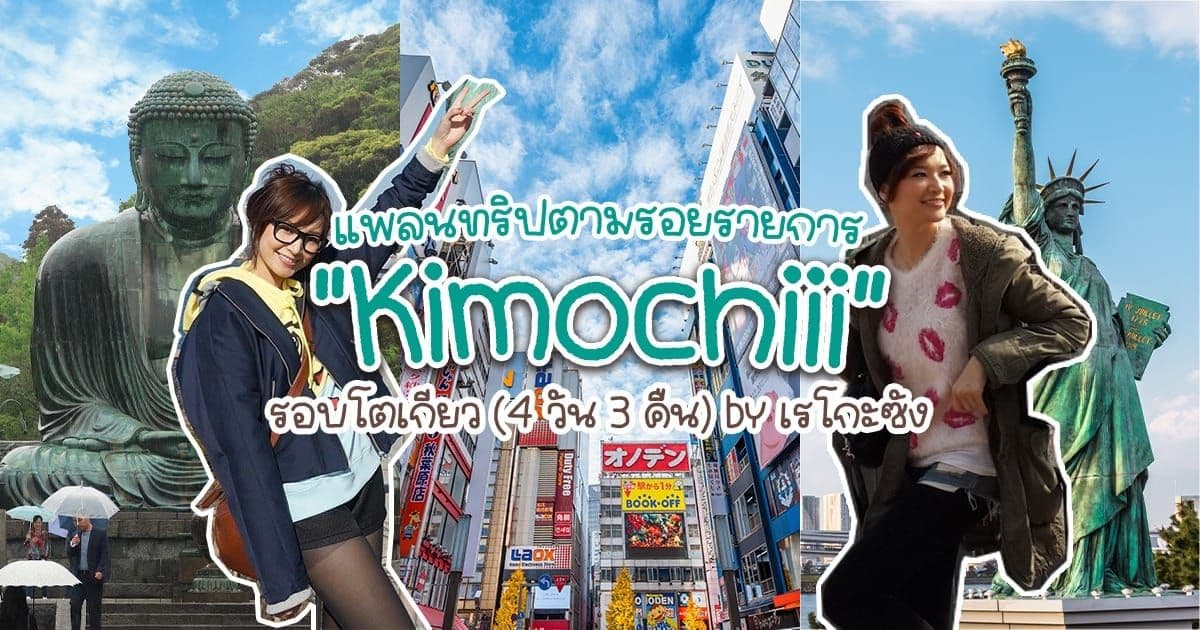


KI MO CHIII, the Kimochiii show is coming back!
First, a quick hello. Many readers will know us as "Reiko-san" (formerly Editor Reiko), host of Kimochiii in Japan, a YouTube show about traveling in Japan that ran from 2012 to 2020, when the pandemic brought it to a stop.
Good news: we're now putting the team back together to film a new season, so we wanted to tell you about it from a travel angle. For anyone who's been a fan of the show for a while and wants to visit the locations we once filmed, here's a plan you can follow and retrace our steps.
This plan is a 4-day, 3-night trip for people who have watched Kimochiii and are on their first or second visit to Japan, without much experience traveling independently. So we've focused on Tokyo and its surrounding areas.
Let's get going.
Follow the fun of Kimochiii! around Tokyo. This plan is great for fans of the show who are first-time independent travelers to Japan.
The times given are rough estimates and may vary a little, since the transport you choose may differ from ours.
ーーーーーーーーーーーーーーーーーーーーーーーーーーーーーーーーーーーー
4-Day, 3-Night Tokyo Trip Plan Following the "Kimochiii" Show, By Reiko
| Tokyo Trip Plan Following the "Kimochiii" Show | |
| Day 1 | |
| Time | Place |
| 6:00 | Arrive at Narita Airport |
| 8:00 | Travel into the city |
| 10:00 | Leave luggage at APA Hotel Shinjuku |
| 12:00 | Walk around and have lunch in Akihabara |
| 18:00 | Walk around and have dinner in Shinjuku Kabukicho |
| Day 2 | |
| Time | Place |
| 7:00 | Leave the hotel |
| 10:30 | Enoshima Island |
| 12:30 | Lunch at Enoshima Koya |
| 13:30 | Kotoku-in Temple |
| 15:30 | Kannon Coffee cafe |
| 16:30 | Yuigahama Beach |
| 19:30 | Return to the hotel |
| Day 3 | |
| Time | Place |
| 9:00 | Leave the hotel |
| 9:30 | Kawagoe, rent a yukata at Kimono Rental NANAKO |
| 12:30 | Lunch at Ogakiku |
| 15:00 | Return to Tokyo |
| 16:00 | Nakano Broadway |
| Day 4 | |
| Time | Place |
| 9:00 | Leave the hotel |
| 10:30 | Toyosu Fish Market |
| 12:30 | Odaiba |
| 15:00 | Go back to collect the checked luggage |
| 18:00 | Narita Airport |
Day 1: Tokyo
Morning, 6:00, arriving at Narita:
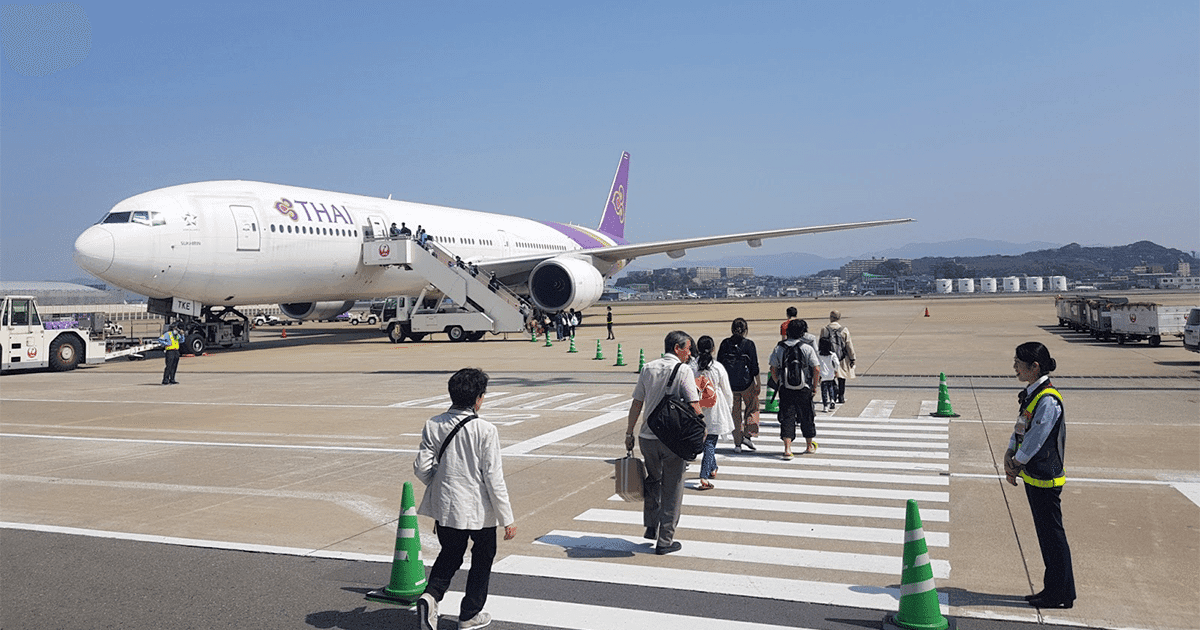
Flights that depart late at night usually arrive in Japan in the morning. How long it takes to get through immigration depends on how many flights land at the same time. Budget about 1.5 to 2 hours at the airport for immigration, collecting your bags, and using the restroom.
We recommend registering for Visit Japan Web beforehand to save time, so you don't have to fill out a form later. It helps a lot — you can just open the screen and let the officer scan it.
Don't worry or feel nervous going through immigration. Japanese immigration officers aren't as strict as you might think. Have your itinerary ready to explain where you're staying and what you're visiting — printing it out is even better. If they ask questions, answer confidently in English or Japanese (whatever you can manage).
When you collect your bags, staff with a detector dog may come around to check for prohibited items. Food containing meat is strictly forbidden from being brought into Japan, whether fresh, dried, or well packaged — even a sandwich from the plane isn't allowed. Finish it before you enter the country.
8:00, traveling into the city:
You can travel into the city by train or bus, depending on your preference. Personally, if we land and head to Shinjuku we like taking the bus, but if we're heading to Ueno we prefer the Keisei Skyliner.
If your plan involves taking the train often, we recommend buying a Suica prepaid card as soon as you arrive, so you don't have to queue for tickets every time. Loading it with around 3,000 yen the first time is a good start.
10:00, arriving in Shinjuku, leaving luggage at the hotel:
Check in at a hotel in Shinjuku, on either the east or west exit side. Hotels we've stayed at while filming include APA, Prince, Gracery, and IBIS — all close to the station, so dragging your luggage isn't tiring. We recommend staying at the same hotel for the whole trip, so you don't have to pack up and move. Most hotels allow check-in from 15:00 onward, so leave your luggage and head out to explore.
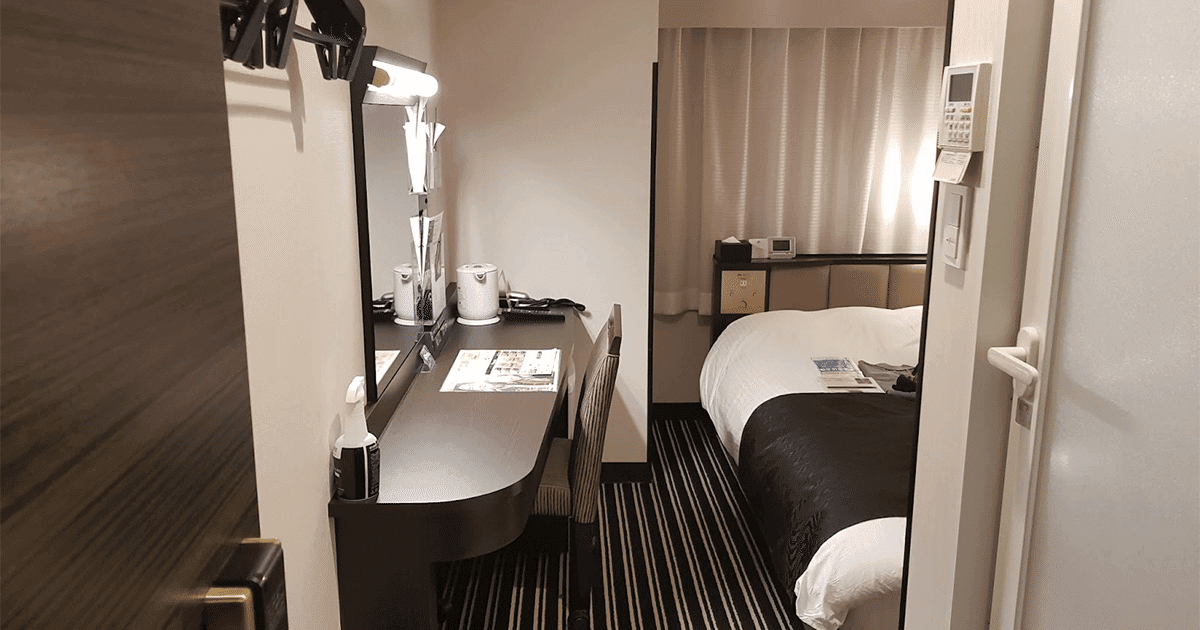
We usually stayed in Shinjuku when filming Kimochiii, because it's convenient, with plenty of shops and restaurants, and it's a transport hub that's easy to connect from. We mostly took the train when heading out to film. Even though we were filming, we usually traveled simply, except when heading to other prefectures, where we sometimes used a van or a rental car.
Examples of episodes filmed in Shinjuku:
SS2 EP1, Bunka Fashion College
SS3 EP4, a shop selling single-color toys (this shop has since closed down)
SS5 EP5, inside a host club
Around 12:00, leaving the hotel and heading to Akihabara:
You can get there by the Toei Shinjuku subway line to Iwamotocho Station, a short walk away, or by the JR Chuo-Sobu Line to Akihabara Station, taking no more than 30 minutes.
Have lunch in Akihabara.
Kanda Matsuya https://maps.app.goo.gl/6ES1WEgtLxuhMhTr9
This is a long-established soba shop, open since 1884, ranked among Tabelog's top 100 restaurants. Soba is one of Tokyo's signature dishes, and this shop's specialty is fresh, handmade noodles, making it a great first meal of the trip. This is it — we've really arrived in Tokyo.
(Open from 11:00, closed every Monday)
Afternoon, 14:00, walking around Akihabara:
There are countless shops selling toys and collectibles, a paradise for anime, manga, game, and idol fans. Bring plenty of spending money — there is a huge range of items here, and it is easy to keep buying. Wander into the side streets and you may find small shops with hidden gems.
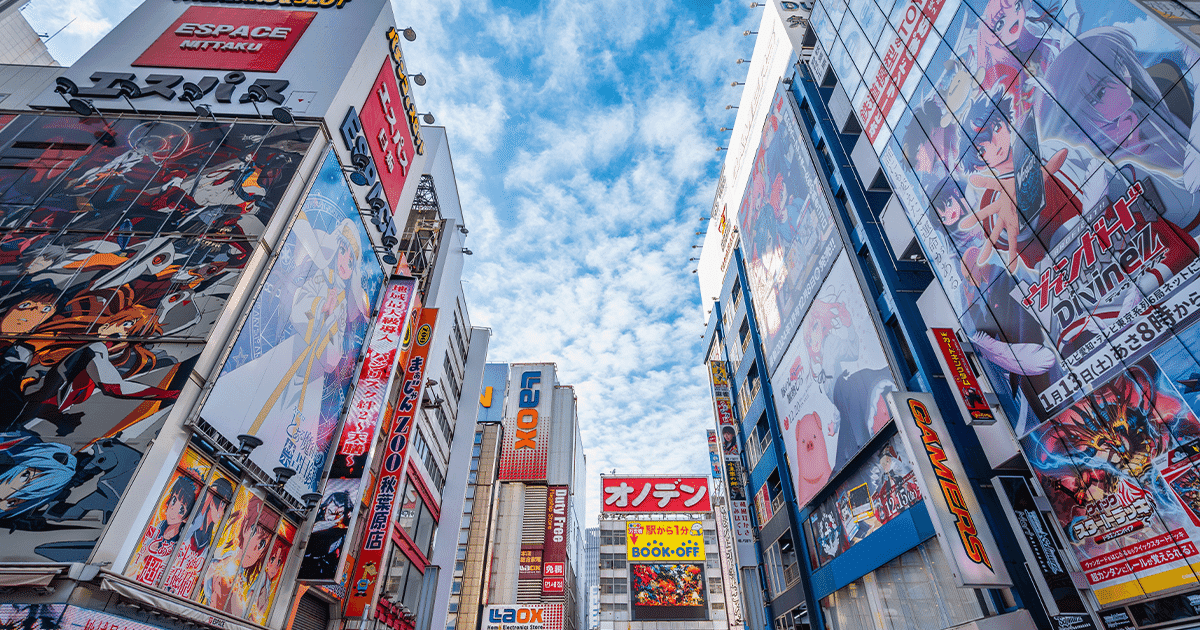
You'll also see maid cafe staff calling out to passersby along the way. Personally, we think this kind of shop is worth visiting for the experience, in the Japanese style — don't expect too much from the taste, and be prepared for prices to be fairly high. But if you've come this far, it's worth trying once.
Recommended maid cafe: Maid Dreamin Akihabara Heaven's Gate https://maps.app.goo.gl/VL8XEJh8PVb2NZpp7
This is a well-known maid cafe chain, with several branches in Akihabara alone. You can pick whichever branch is convenient. If it's your first time, we suggest trying a larger, more established, well-reviewed branch first. Once you're more familiar with it, you can try smaller, quirkier shops. We recommend checking the price list carefully before entering, so there are no surprises later.
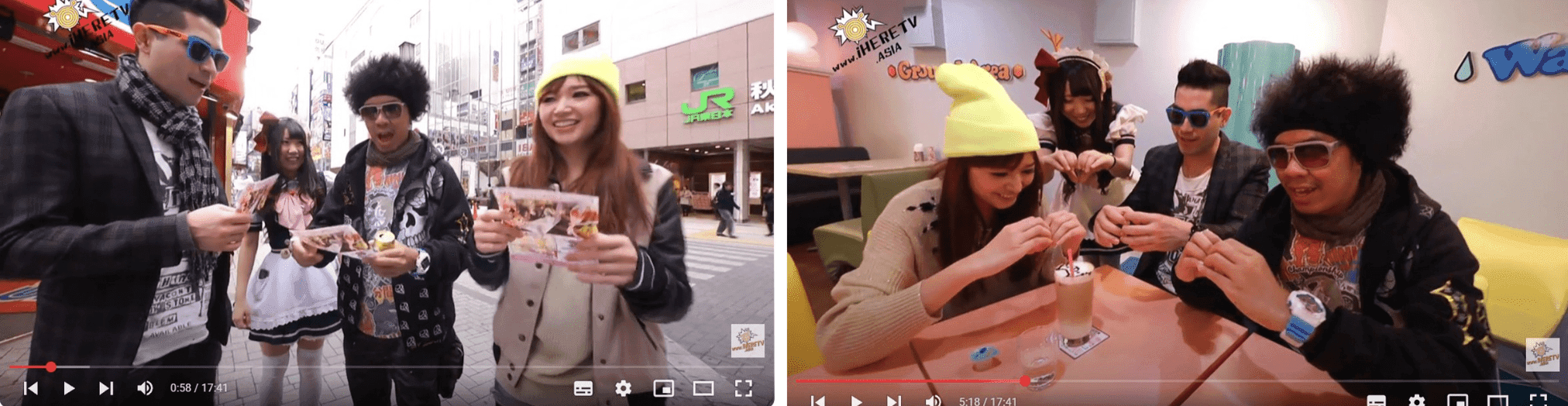
Examples of episodes filmed in Akihabara:
SS2 EP4, visiting otaku territory, Akihabara
SS2 EP6, Japan Maid Cafe
Evening, 18:00, back to walk around Shinjuku Kabukicho, looking for a late-night meal:
There are many Japanese-style izakayas here. After wrapping up filming, our crew liked heading to a yakiniku restaurant or an izakaya in this area.
Recommended spot: Omoide Yokocho https://maps.app.goo.gl/F9AQ6AYczF4KzgqE8
This is a small alley near Shinjuku Station packed with restaurants and drinking spots all in one place. It's right in the city center and gets plenty of foreign customers, so some places have English menus and staff who can communicate reasonably well in English.
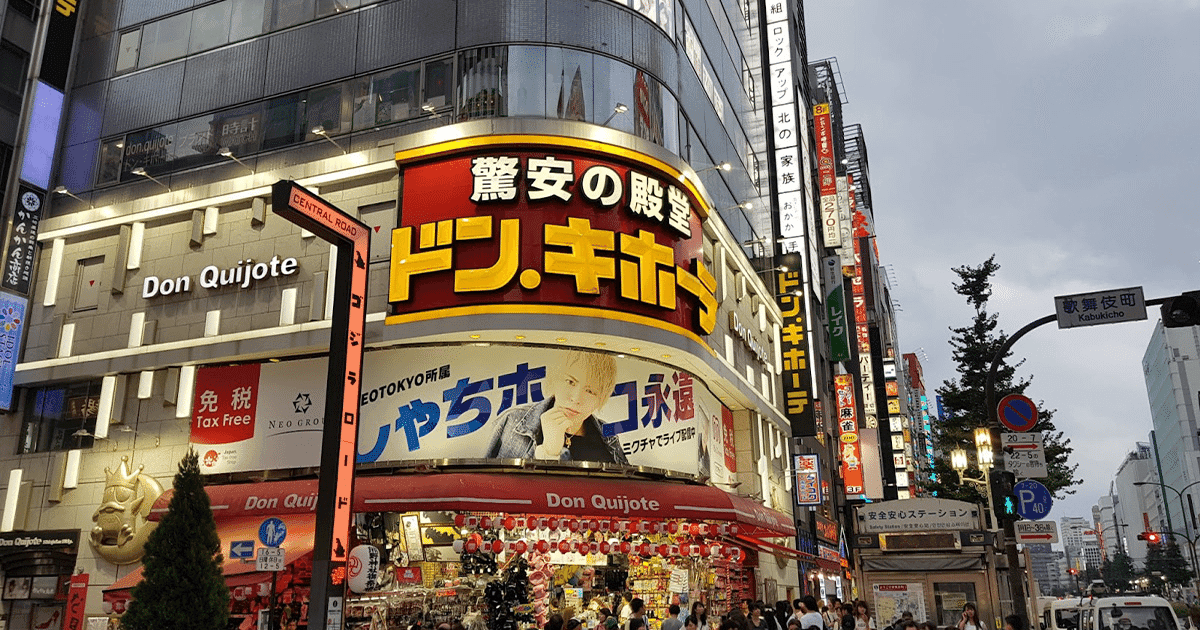
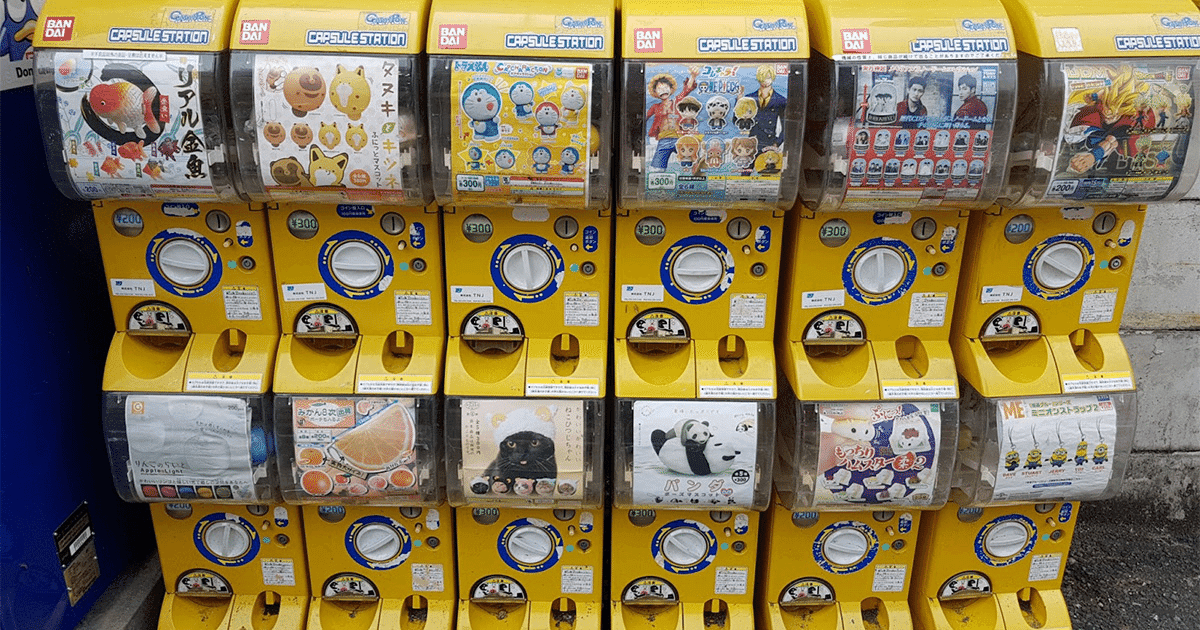
After eating, head into an arcade to try claw machines or gashapon as you like. Shops around here stay open late, so if you're not tired you can keep going, or drop into the 24-hour Don Quijote. Where you head after that is up to you. But we'd recommend heading straight to your hotel to rest on the first day, since there are still many more days of exploring ahead.
-—————————--—————————--—————————--—————————--—————————-
Day 2: Kanagawa (Enoshima & Kamakura)
Morning, 7:00, setting out:
Today we'll take the train to Kamakura, a charming, hugely popular town near Tokyo. We'll start at the Enoden railway, one of the most iconic locations from Slam Dunk. The earlier you go, the better, since this famous spot gets crowded if you arrive late. Setting out around 7:00 gives you plenty of time to explore, and aim to reach the Slam Dunk photo spot by 9:00 at the latest. (If you're tired from traveling and want to take it easy, you can go later, but you'll have less time to sightsee.)
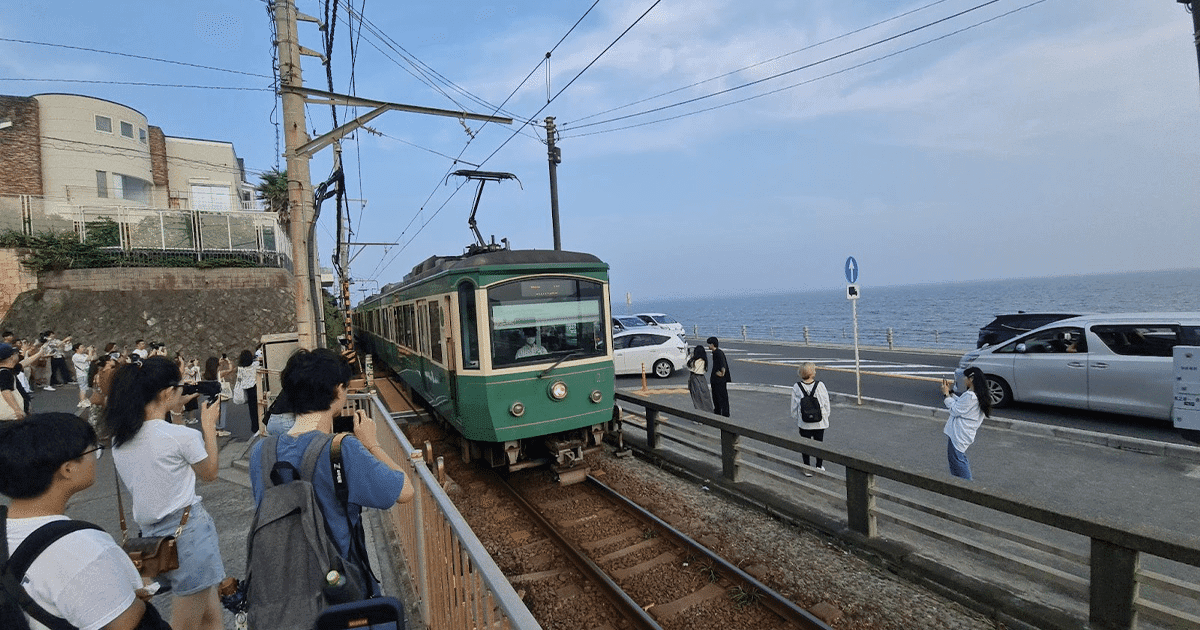
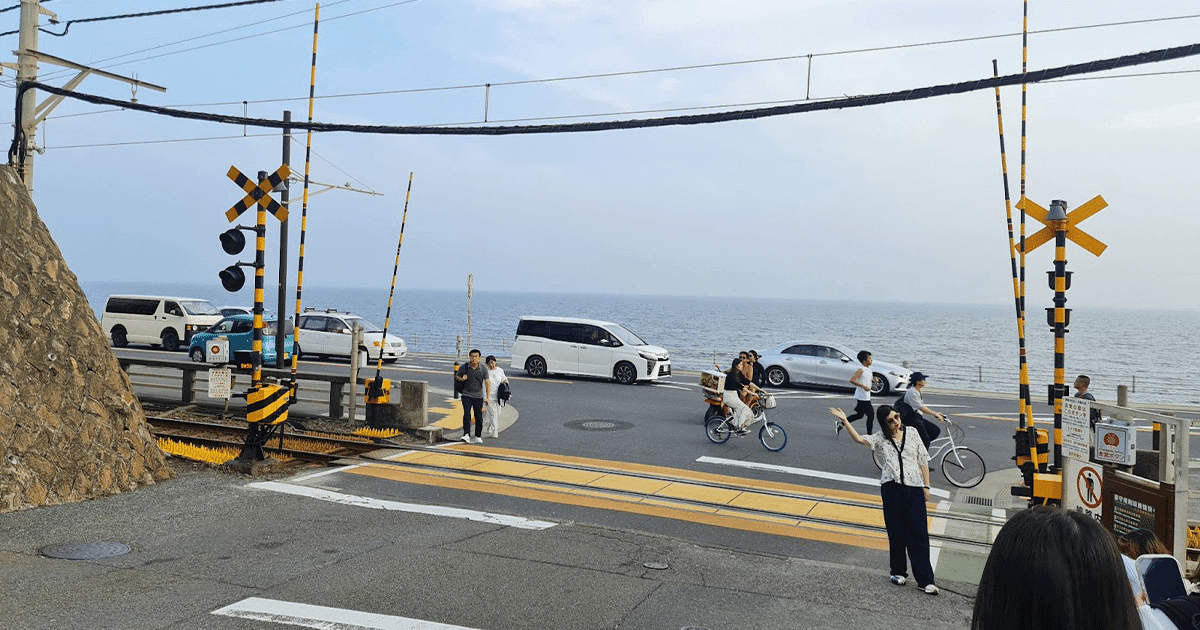
From Shinjuku Station, you can take either the Shonan-Shinjuku Line or the Odakyu Line (both take about the same time, around 1.5 hours).
If you take the Shonan-Shinjuku Line, get off at Kamakura Station and transfer to the Enoden line to Kamakura Kokomae Station.
If you take the Odakyu Line, get off at Fujisawa Station and transfer to the Enoden line to Kamakura Kokomae Station.
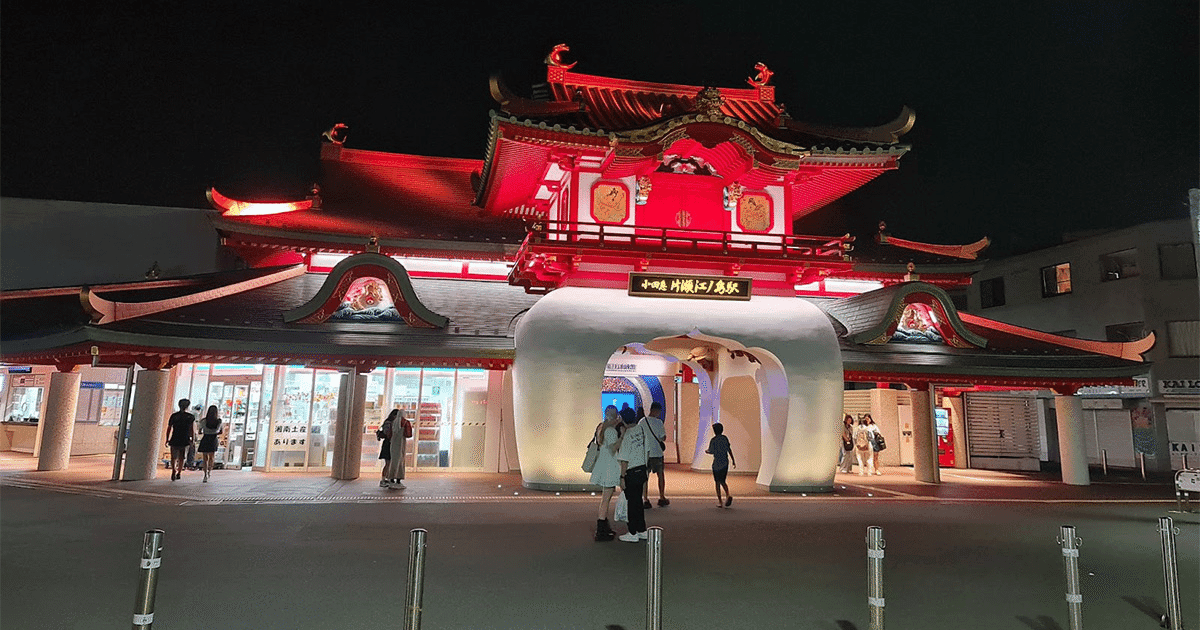
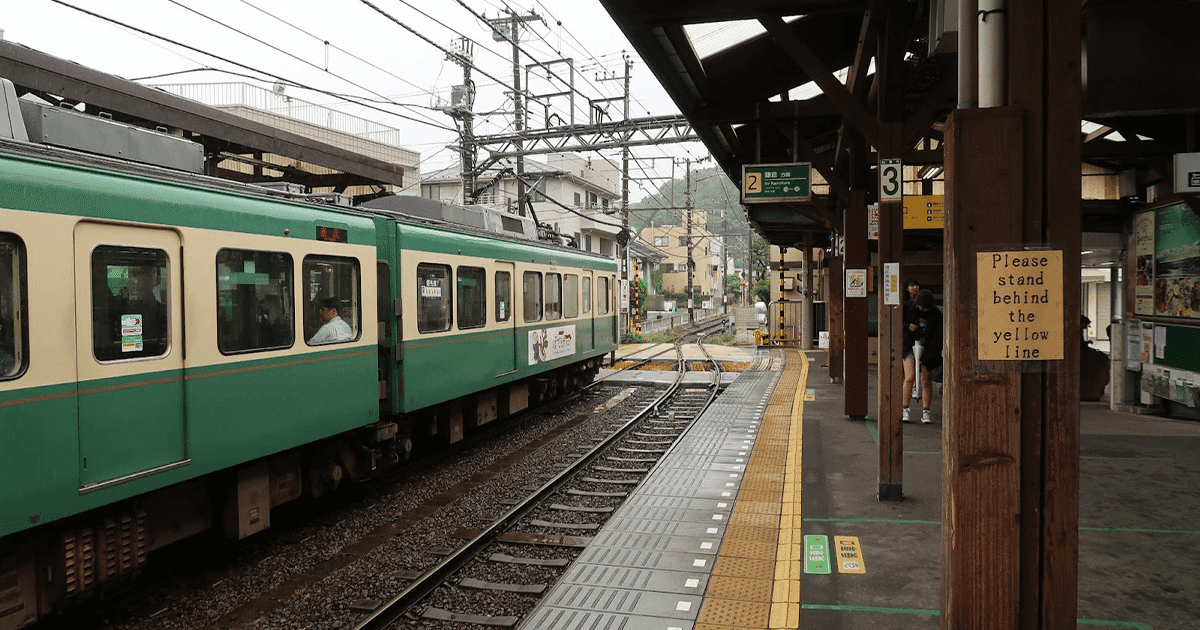
Around 10:30:
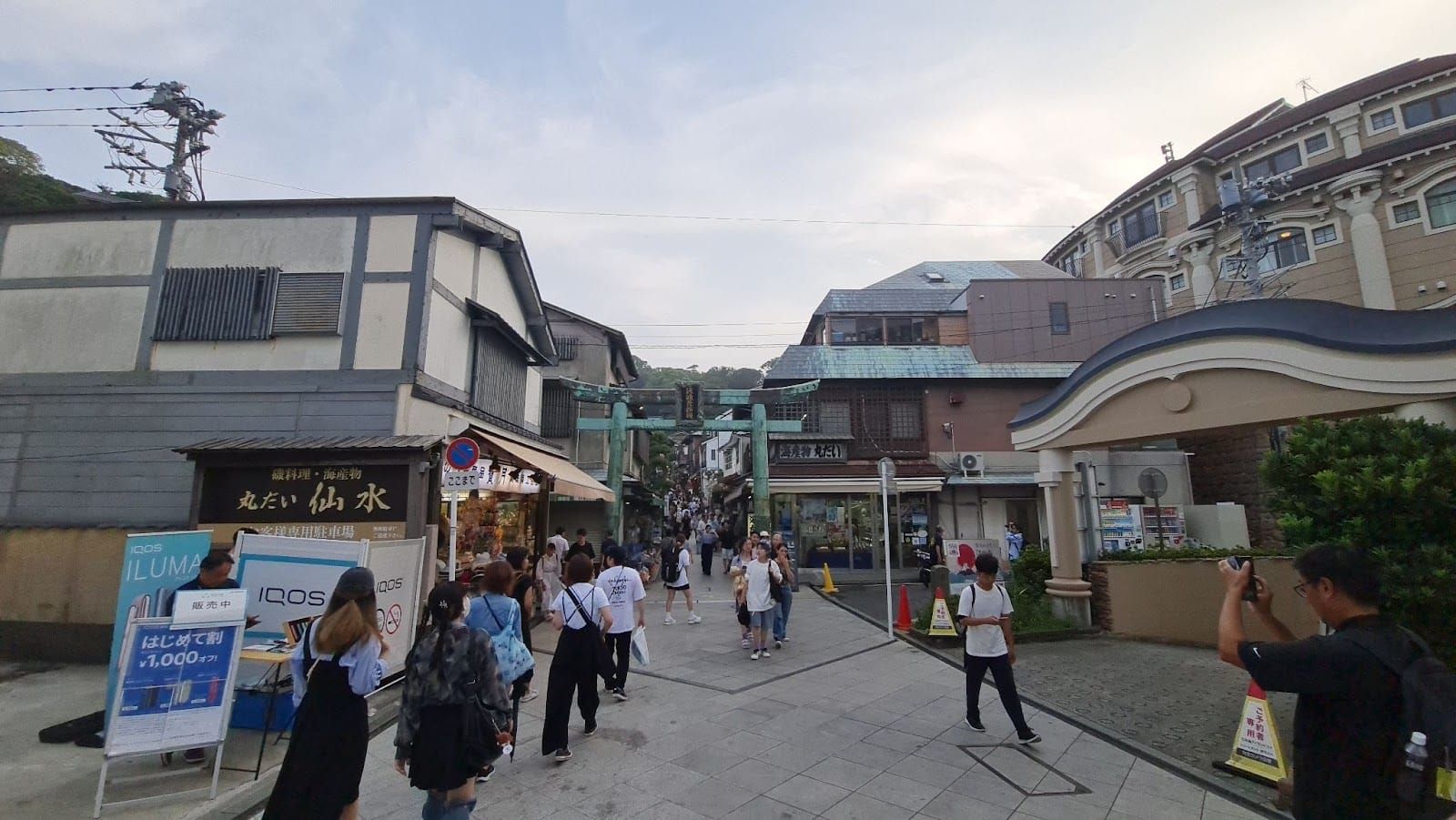
Once you've taken enough photos, ride the Enoden to Enoshima Station to reach Enoshima, a tied island. It is compact, but it has a lively collection of shops.
On the island there's a shrine, shops, and a tower you can climb for a view (admission charged). This shrine at Enoshima enshrines Benzaiten, the deity associated with the arts, music, and learning — worth a visit if you work in one of those fields. Near the top of the shrine, there's a spot where you can rinse coins in a spring using a basket, said to bring good fortune.
Cat lovers will definitely enjoy this area, as it's known for having lots of cats.
The path lined on both sides with shops selling snacks and souvenirs is fun to stroll through while snacking. If you're getting hungry, we recommend the shirasu don, a rice bowl topped with whitebait and a local specialty here.
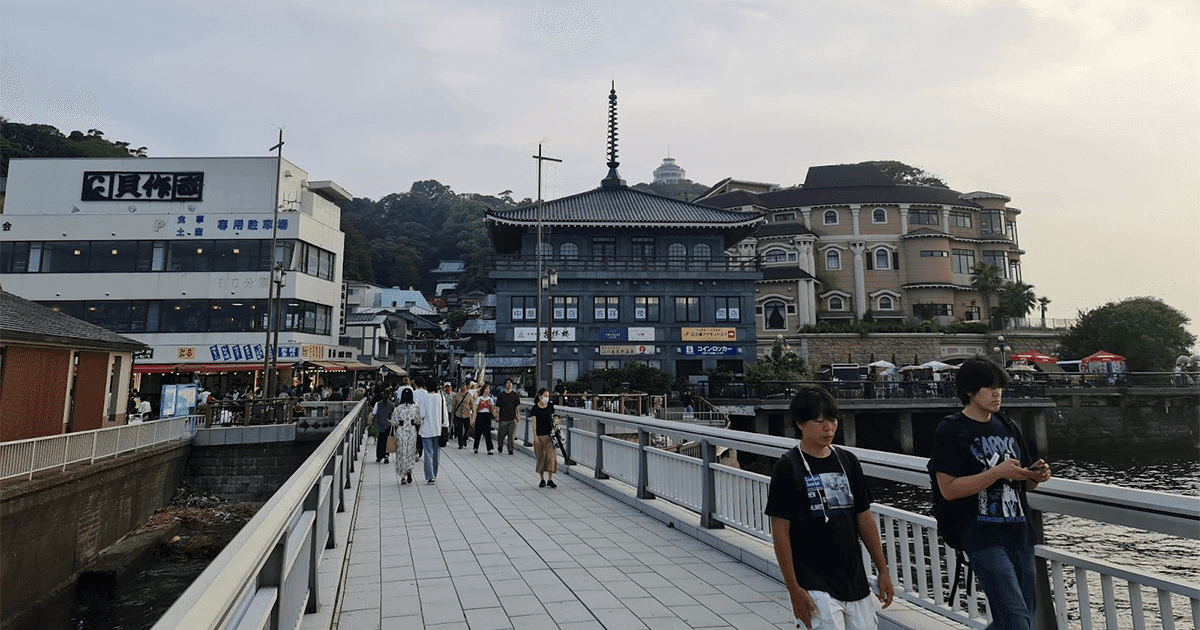
Lunch, 12:30:
Recommended shirasu don shop: Enoshima Koya https://maps.app.goo.gl/7f6Wzu5Tb72ipi2G8
This seaside restaurant looks out over Enoshima and the harbor, and has a relaxed atmosphere. Being a well-known spot, you may have to wait a while in line during lunchtime on holidays. Besides the shirasu don, it also serves a range of fresh seafood. In summer you can sit outside. It opens from 8am, so if you get there early, try the fisherman's breakfast set.
Afternoon, 13:30:
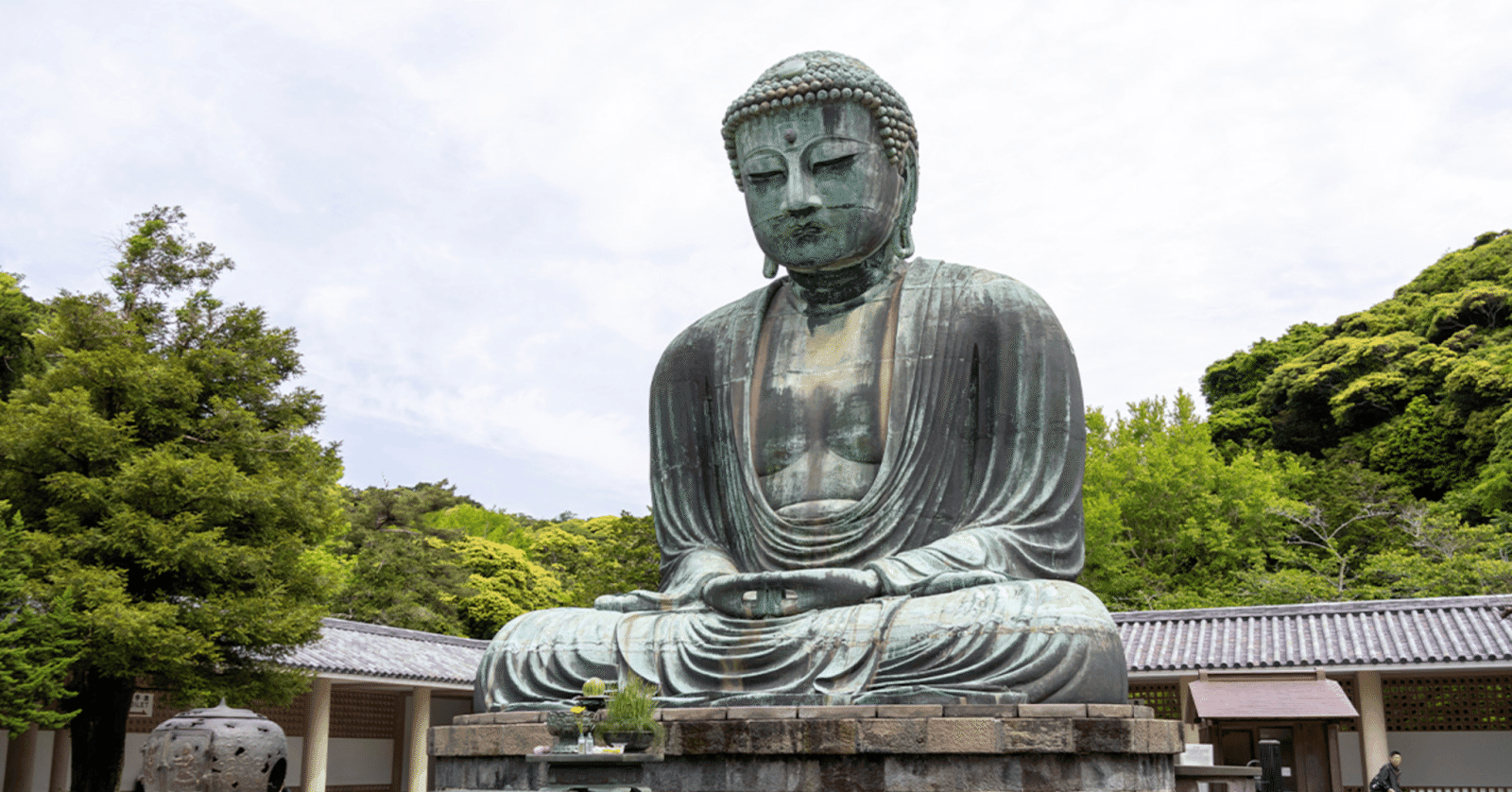
Take the Enoden to Hase Station, then walk about another 10 minutes to visit the Great Buddha of Kamakura at Kotoku-in Temple, one of the must-see landmarks. For good luck and to wish for another trip back to Japan, besides paying respects and taking photos outside, you can also go inside the statue for an extra fee of just 50 yen and see the Great Buddha from another angle — well worth it.
On the way back to the station you'll pass Hase-dera Temple on your right, home to a large, centuries-old wooden statue of Kannon. If you visit during the rainy season (June to early July), you can see its colorful hydrangeas in full bloom, a signature feature of this temple. A must-shoot photo spot is the large red lantern next to the gate.
Cafe stop, 15:30:
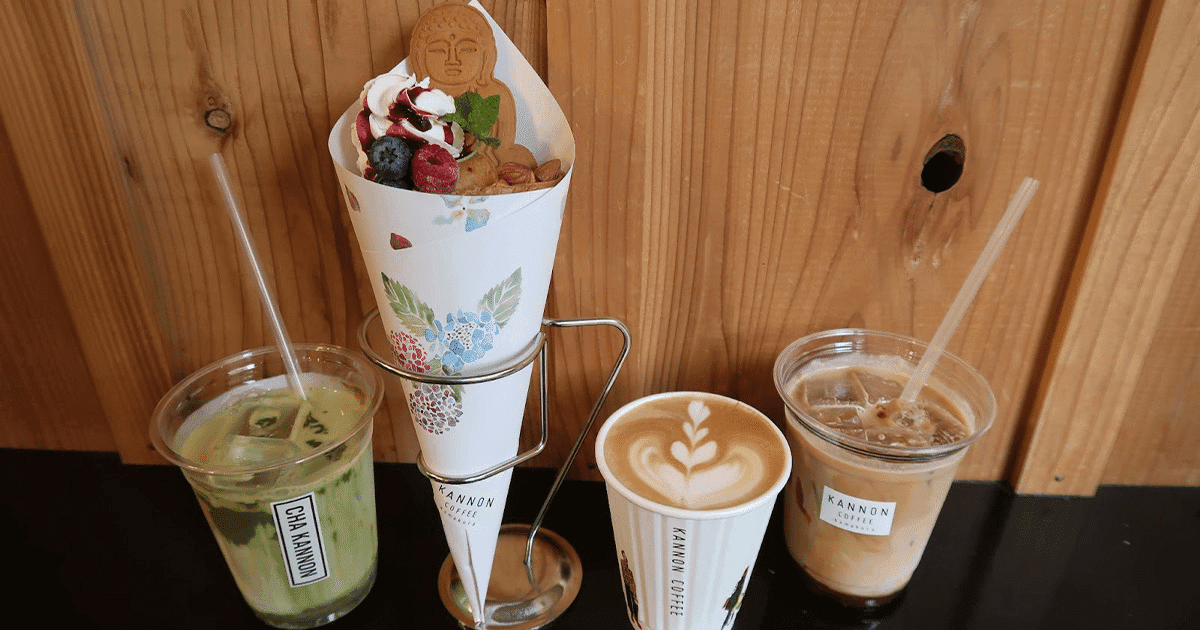
After visiting two temples, turn out from the exit of Hasedera and you'll find the well-known cafe Kannon Coffee, known for its Great Buddha-shaped desserts. Don't judge it too quickly — what looks irreverent elsewhere is perfectly acceptable in Japan, and the menu is well worth trying.
Evening, 16:30:
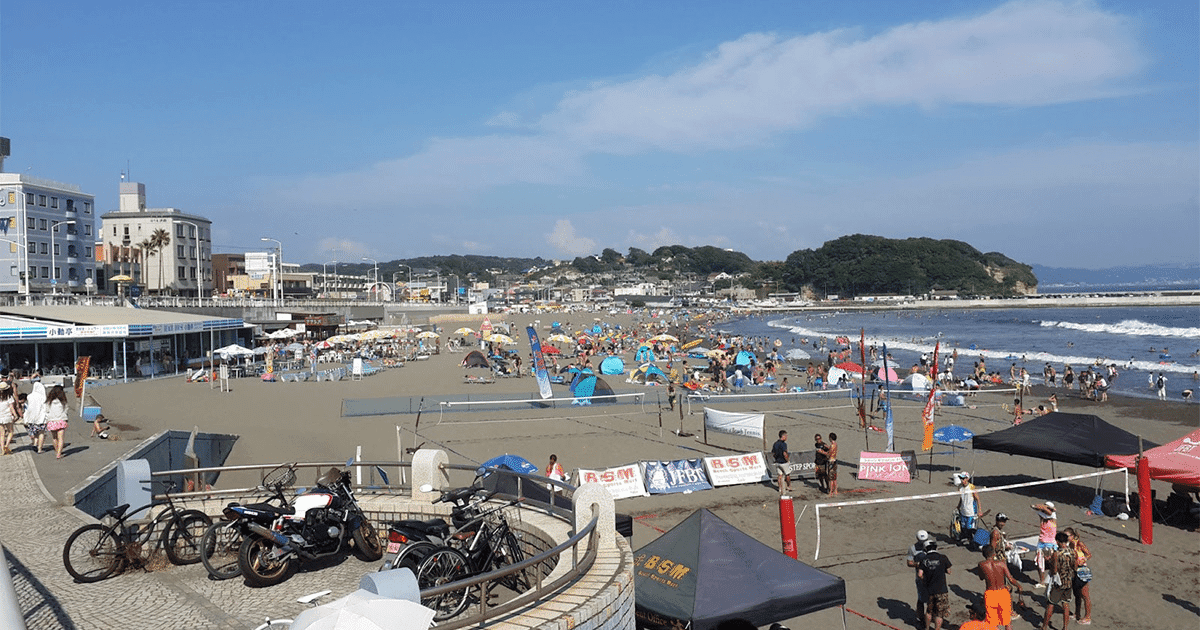
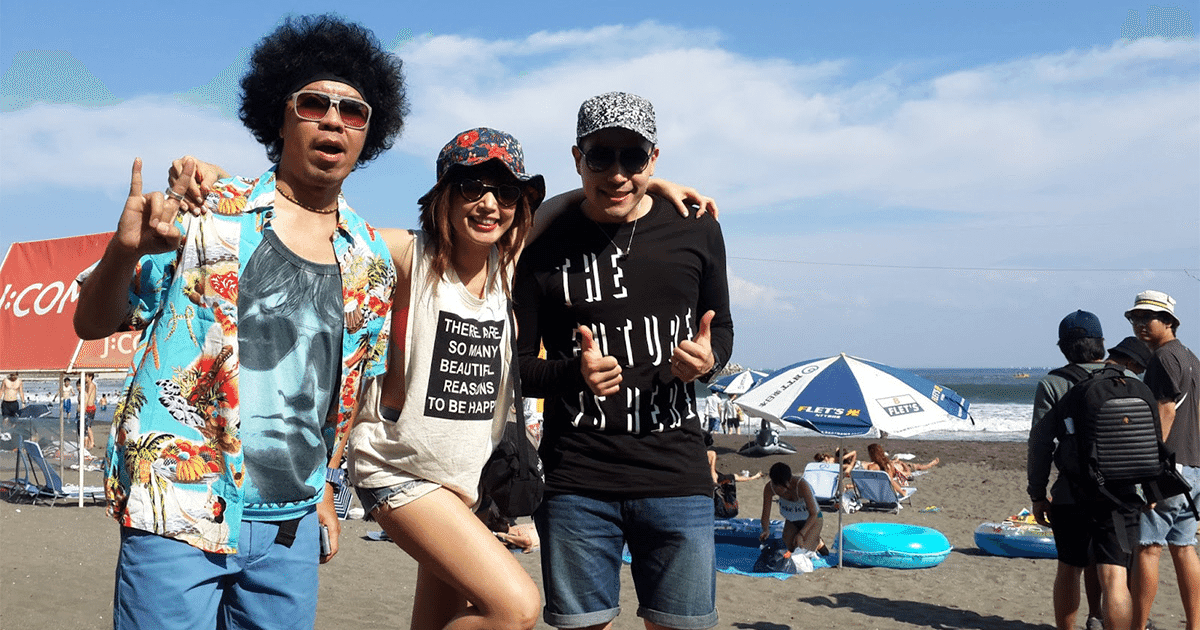
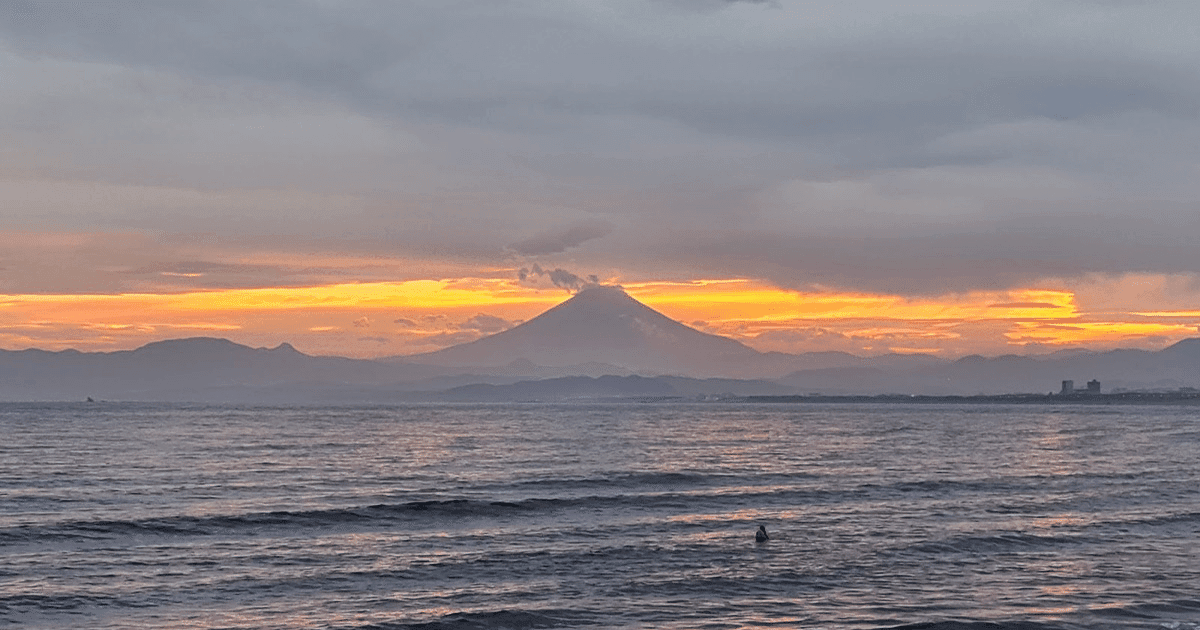
As the sun softens and the air turns pleasant, walk from the temple toward the sea — just 15 minutes or so — and you'll reach Yuigahama Beach, the location where we filmed interviews with young Japanese people by the beach. In summer with good weather, you may catch the "bright blue Japanese sea" just like in our clip, and surfing is popular here too. You'll see plenty of surfers, along with runners and others out exercising.
Evening, 19:30:
After watching the sunset, head back to Shinjuku, Tokyo, by either the Shonan-Shinjuku Line or the Odakyu Line, whichever is convenient.
Examples of episodes filmed in Kanagawa Prefecture:
SS4 EP2, the bright blue Japanese sea
-—————————--—————————--—————————--—————————--—————————-
Day 3: Saitama (Kawagoe)
Morning, leaving the hotel at 9:00:
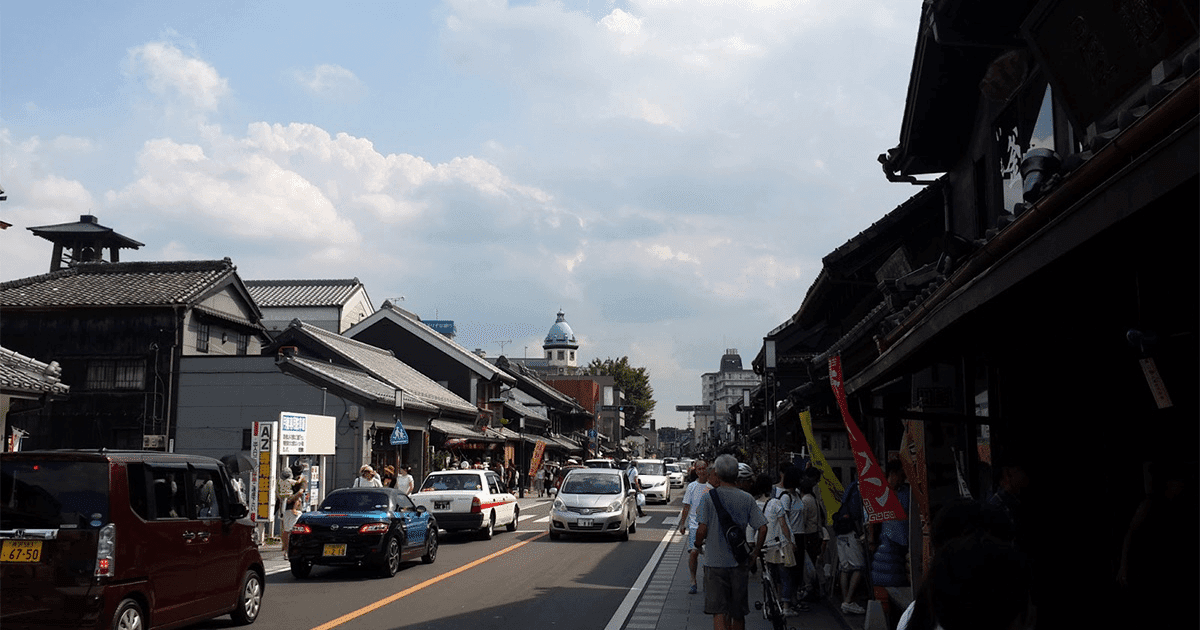
Today, let's experience some old-fashioned Japan, in neighboring Saitama Prefecture. We'll head to Kawagoe, a historic town near Tokyo. From Shinjuku Station, take the train to Kawagoe Station — either the Saikyo Line or the Fukutoshin Line works, both direct and taking no more than an hour.
Yukata rental shop, 9:30:
Start by heading into a kimono or yukata rental shop — there are plenty of choices near the station. Then take photos around the old town, which feels like stepping back into the Edo era. Don't miss the local specialty here, unagi rice bowls — there are several shops offering it.
Recommended yukata rental: Kimono Rental NANAKO https://maps.app.goo.gl/mMe2zhBkpbA9U5vn6
It's close to the train station and easy to reach. Besides the usual cute, colorful yukata patterns, there are also antique, vintage-style options and modern ones. There are also stylish choices for men. Rentals include the full outfit, accessories, and hairstyling service, starting from 3,500 yen.
Lunch, 12:30:
Recommended unagi shop: Ogakiku https://maps.app.goo.gl/jxUpkRpKJ6P5SY4t6
This is a long-established, well-known unagi restaurant in the area, founded in 1807. Highly recommended if you want to try the traditional flavor, but watch the opening hours: 11:00–14:00 and 16:30–19:00. We recommend getting a queue ticket first and going for a walk while you wait.
After eating, take some more photos, then head back to the rental shop to return your outfit before heading back into Tokyo.
Examples of episodes filmed in Saitama Prefecture:
SS5 EP1, the cold-defying dumpling festival
Afternoon, 15:00:
Head back to Tokyo, taking about an hour.
Afternoon, 16:00:
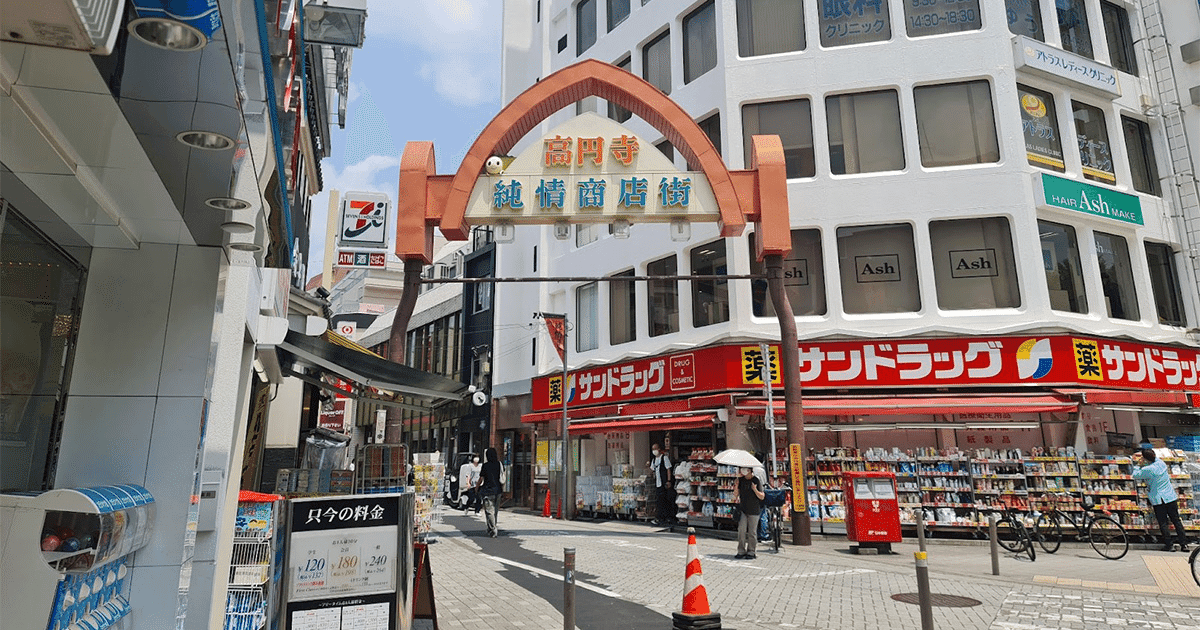
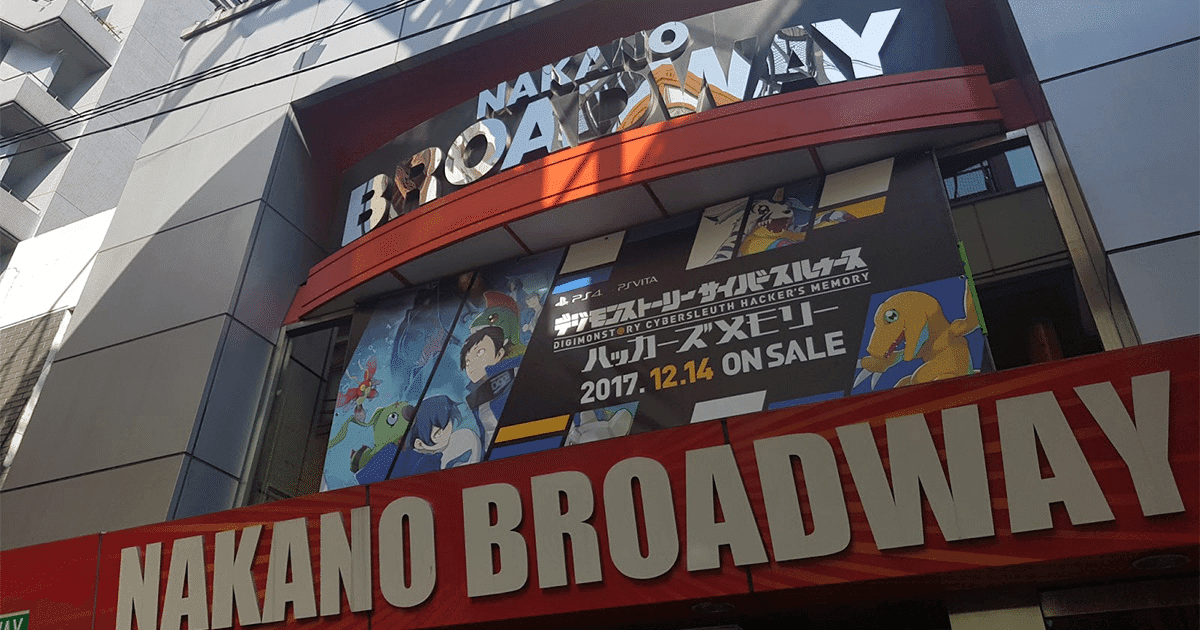
Get off at Nakano Station to browse toy shops at the Nakano Broadway shopping area (a former filming location). It has a huge variety of items for sale, packed into floor after floor of small shops. Then check out secondhand clothes at Koenji Station (the next stop), known as a hip, trendy neighborhood, with cool, hard-to-find secondhand clothes and plenty of stylish-looking shops, though not upscale — more of an edgy vibe. After that, look for a live house to catch a live music show and find somewhere to sit down for drinks and a late dinner.
Recommended mall: Nakano Broadway https://maps.app.goo.gl/Q97CvDMLE7P8nY8x5
This long-established mall is a hub for Japanese pop culture of all kinds, including games, manga, anime, clothing shops, and knick-knacks. People of every age and gender come here to browse, and it was also a filming location for our episode about all sorts of unusual smells.
Recommended live house: Jirokichi https://maps.app.goo.gl/ZVpuJHwoNA11dBoQ7
A long-established live house over 50 years old, with live music across many genres nearly every day. Admission starts from 3,000 yen, and it is open from 18:30 until 1:00 the next morning. Check the artist lineup at https://jirokichi.net/
Examples of episodes filmed in Nakano:
SS8 EP8, all sorts of unusual smells
-—————————--—————————--—————————--—————————--—————————-
Day 4: Tokyo & heading home
Morning, 9:00, leaving the hotel:
After checking out, bring your luggage with you so you don't have to come back to the hotel. Take the train from Shinjuku Station, change at Osaki Station to the Rinkai Line, and get off at Kokusai-Tenjijo Station. Leave your luggage in a locker at the train station, then walk to Ariake Station and take the Yurikamome to Shijo-mae Station to reach Toyosu Fish Market.
Arriving at Toyosu Fish Market, 10:30:
Toyosu Fish Market is the market that moved from the former Tsukiji site before the Tokyo Olympics. Enjoy raw fish, sweet egg omelet, and fresh seafood.
Leaving the fish market to see Gundam, 12:30:
Then take the Yurikamome to Daiba Station in Odaiba to take photos with the Gundam statue, pick up souvenirs at The Gundam Base Tokyo, and stroll around shopping in Odaiba (another former filming location). If you still have room in your luggage, this is a good place to buy souvenirs and check them in, instead of carrying them onto the plane.
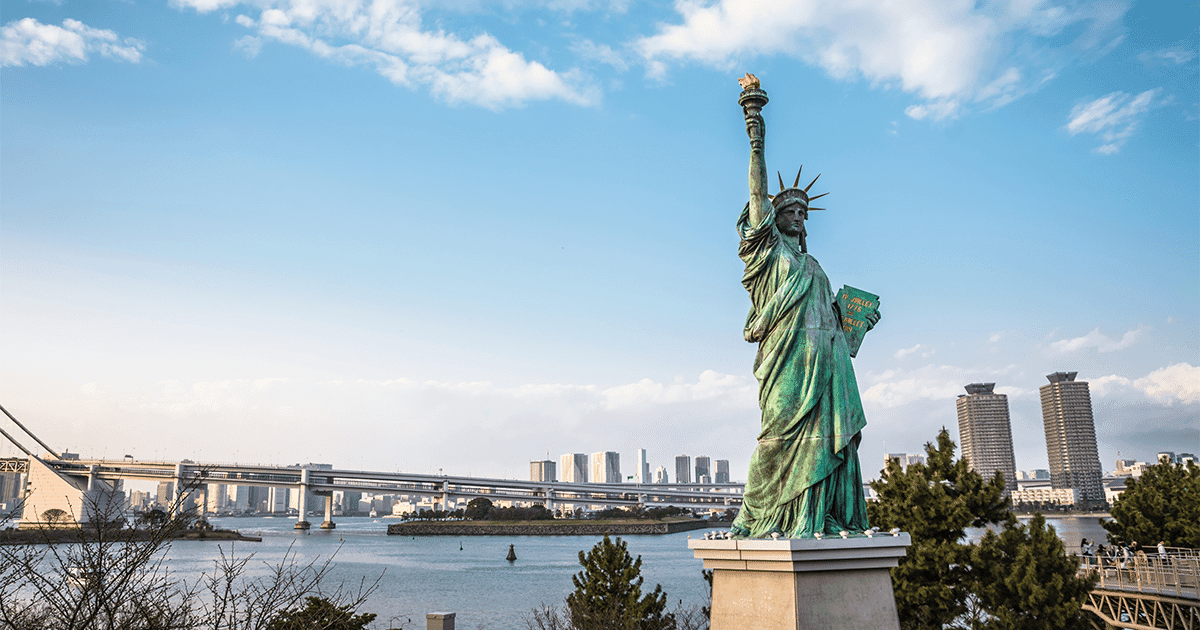
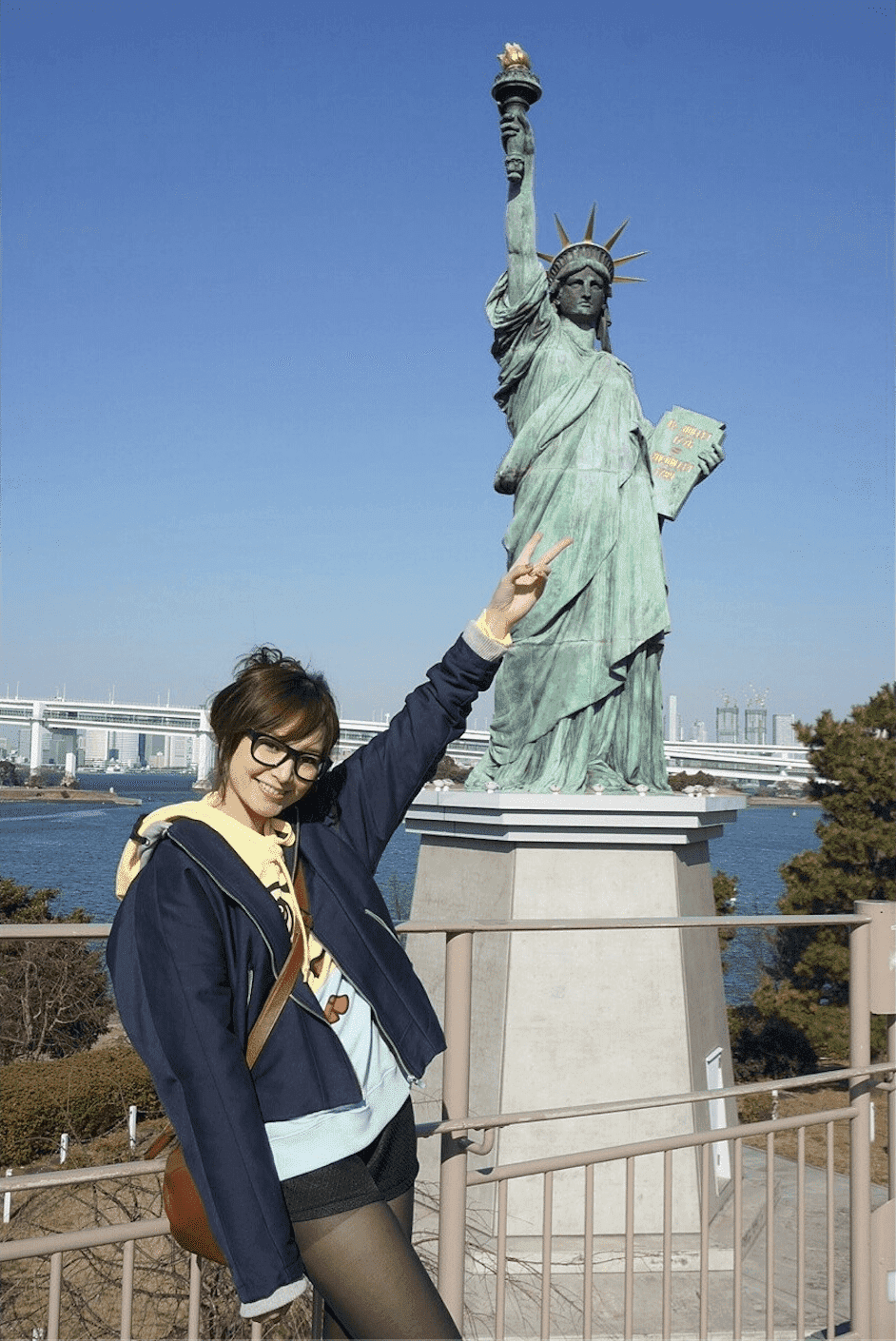
Leaving Odaiba to collect your luggage, 15:00:
Stop by Kokusai-Tenjijo Station to collect your luggage from the locker, then head to Narita Airport by train. You can choose from several lines, such as the Rinkai Line or Yurikamome Line, though you'll need to transfer either way. Double-check your route on Google Maps when you travel.
Examples of episodes filmed in Odaiba:
SS4 EP10, Summer, following the Toyota legend
SS7 EP11, Toyota Safety
Evening, arriving at Narita Airport, 18:00:
If you are on a night flight, arrive several hours early to be safe, in case check-in lines are long (this varies by season and airline). Board your flight and head home safely.
You'll also need internet access to stay in touch while traveling. These days it's easy, with plenty of options, including:
- Pocket Wi-Fi: the advantage is you can share it across several devices at once, but the downside is you have to keep it charged and it adds weight to your bag.
- eSIM: another very convenient option, no need to swap SIM cards — just use the number from the eSIM you purchased. Good for anyone who doesn't need to use a phone number for calls while traveling.
- Roaming: this turns on roaming from your home number, which is convenient since you keep using the same number abroad. It may not be as cheap and can't be shared across as many devices as other options, but for convenience, it's our pick.
Another thing worth paying attention to is buying travel insurance. We've seen many cases of people traveling abroad without it, having an accident, and facing enormous medical bills — a huge burden for the family, whether flying them home or paying for treatment locally. So we'd recommend buying travel insurance too. These days it's easy to buy online.
-—————————--—————————--—————————--—————————--—————————-
Closing
And that's a sample plan for Kimochiii fans who want to follow in our footsteps around Japan. We've focused on easy-to-reach spots close to Tokyo first — once you've done a few trips and gotten the hang of it, you can head out to other cities.
Anyway, our show is coming back under a new name and a new channel, Kimochiii Original — follow us on YouTube. And if you love our show, don't forget to share this Talon Japan post so more friends can see it. Have a great trip to Japan!