


When it comes to Japan's standout attractions, soaking in an onsen is one of the first things that comes to mind. That's because onsen are found all across the country, and not just in large numbers — the quality is excellent too, with each one offering its own unique properties. Onsen bathing relaxes both body and mind, and it's also great for the skin.
Let's take a look at the best onsen in Japan — the must-visit spots that will make you want to book a trip right away!
50 Places in Japan You Must Visit
1. Kurokawa Onsen
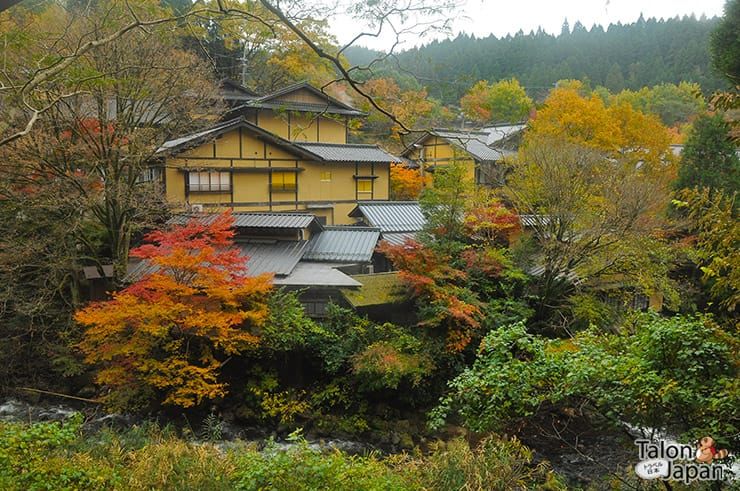
Autumn foliage in Kurokawa Onsen
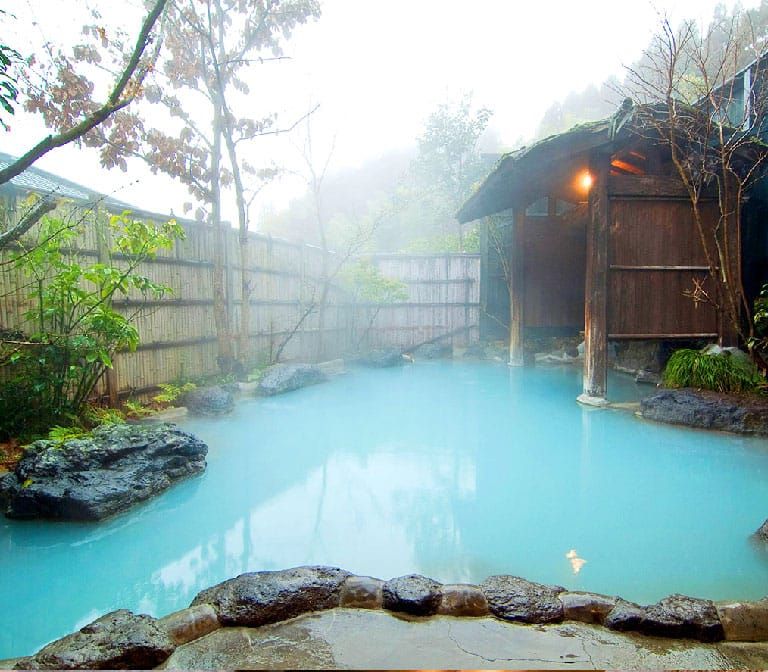
Photo from https://www.kyushuandtokyo.org/spot_121/
Kurokawa Onsen is located north of Mount Aso in Kumamoto Prefecture, in the central part of Kyushu. It's considered one of Japan's most enduringly popular onsen towns — whenever hot spring towns come up, Kurokawa is always near the top of the list. Its charm comes from how well it has preserved its old-town atmosphere: as soon as you arrive, you'll notice there are no modern buildings or neon signs like those found in big cities. The local community has worked together to preserve the town's traditional character, with buildings built mainly in classic Japanese style. This has allowed Kurokawa to retain the mystique of an old Japanese village along with its beautiful natural surroundings. The town is small enough to explore comfortably on foot, with wood-and-stone walking paths running alongside a river, giving it a rustic, timeless feel.

2. Ureshino Onsen
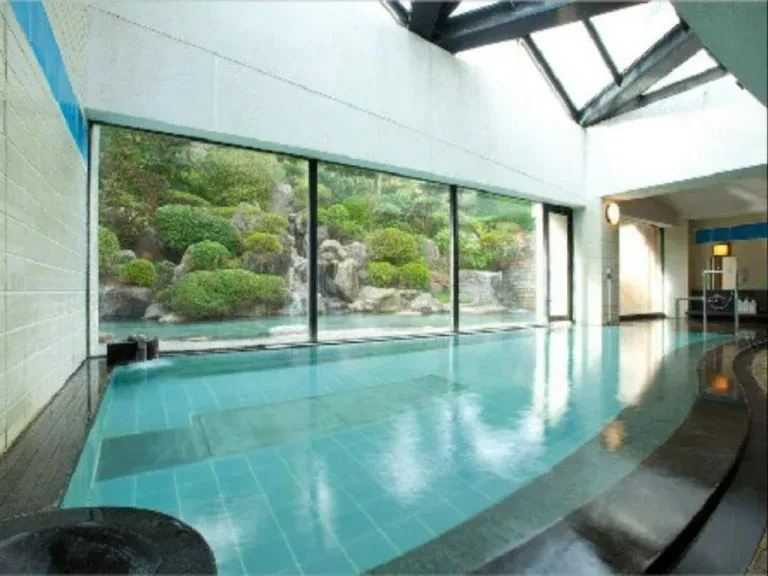
Ureshino Onsen Family Hotel Shinsenkaku
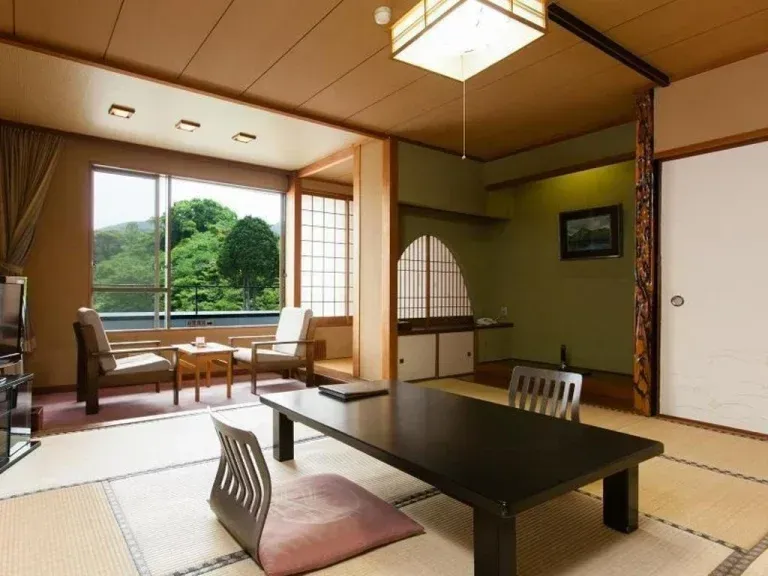
Ureshino Onsen Family Hotel Shinsenkaku
Ureshino Onsen is one of the towns with the best natural mineral spring water in Kyushu, and it's ranked among the top three onsen in Japan for skin benefits (Bihada hot springs). The area has as many as 17 mineral spring sources that flow continuously. The water contains a well-balanced mix of salt and carbonic acid, and can reach temperatures of up to about 90°C. Its name is said to come from the Japanese word "ureshii," meaning "wonderful," which Empress Jingu is said to have exclaimed upon discovering it.
3. Ginzan Onsen
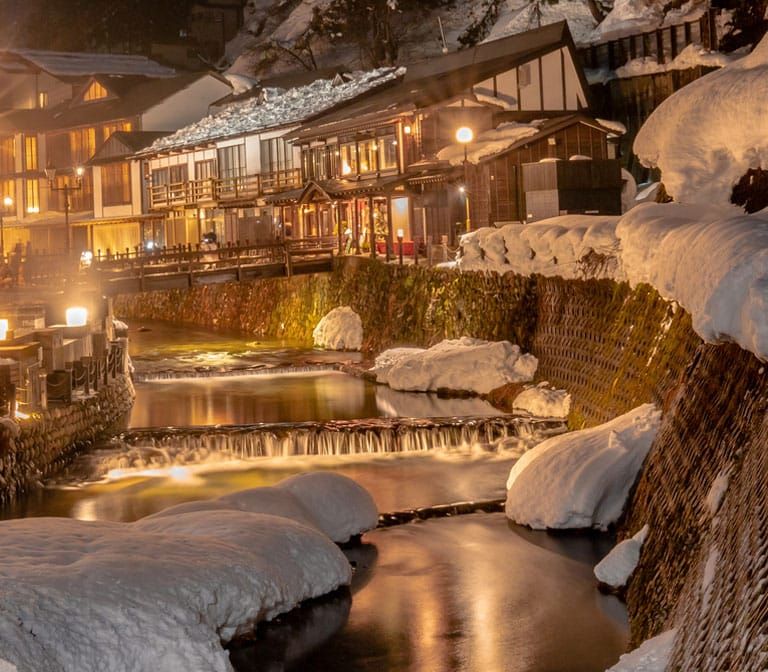
Photo from https://www.flickr.com/photos/188045646@N04/50821107641/
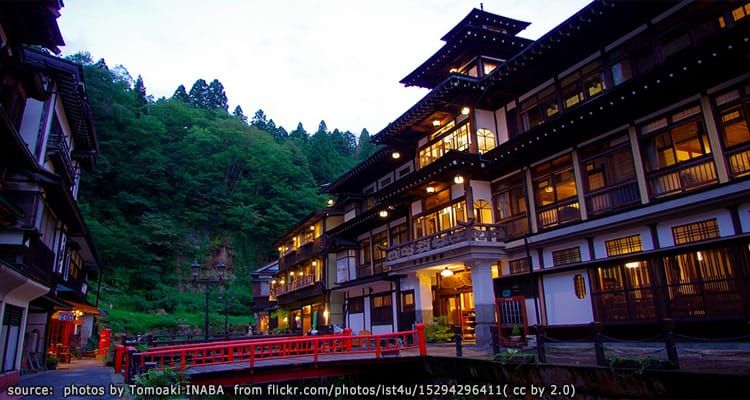
photos by Tomoaki INABA from flickr.com/photos/ist4u/15294296411( cc by 2.0)
Ginzan Onsen is a quiet hot spring town in the mountains of Yamagata Prefecture. Once the site of a silver mine, the area has since been redeveloped and is now considered one of Japan's most beautiful onsen towns, with ryokan lining both sides of the river.
4. Matsukawa Onsen
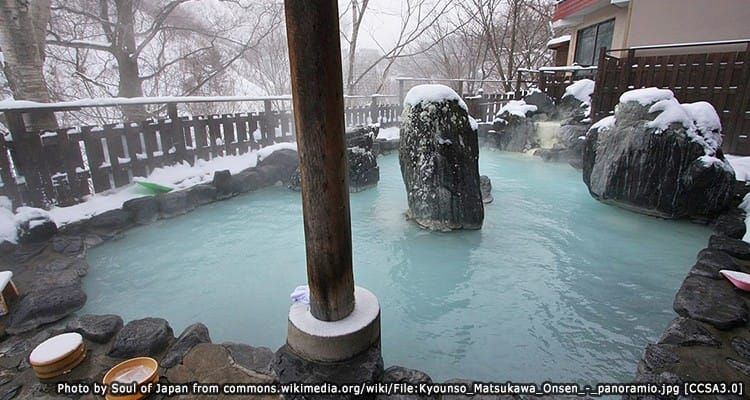
Photo by Soul of Japan from commons.wikimedia.org/wiki/File:Kyounso_Matsukawa_Onsen_-_panoramio.jpg [CCSA3.0]
5. Bessho Onsen
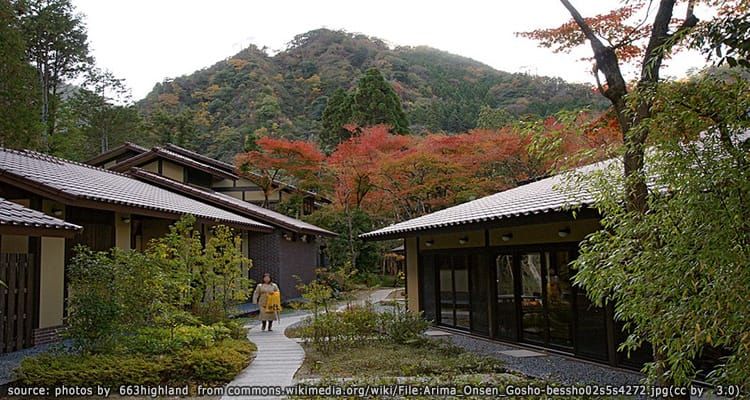
photos by 663highland from commons.wikimedia.org/wiki/File:Arima_Onsen_Gosho-bessho02s5s4272.jpg(cc by 3.0)
Bessho Onsen is a small hot spring town located just outside the center of Ueda in Nagano Prefecture. During the Kamakura period (1192–1333), it served as the regional government seat for the Shinshu region (present-day Nagano Prefecture). With numerous temples and Kamakura-era culture throughout the town, Bessho Onsen became a center of education and religion.
6. Kinosaki Onsen
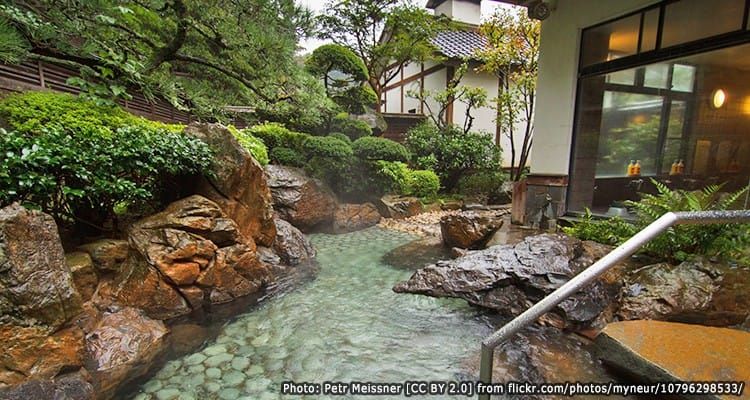
Photo: Petr Meissner [CC BY 2.0] from flickr.com/photos/myneur/10796298533/
Access: Take the Limited Express Konotori from Shin-Osaka Station to JR Kinosaki Onsen Station.
7. Dogo Onsen
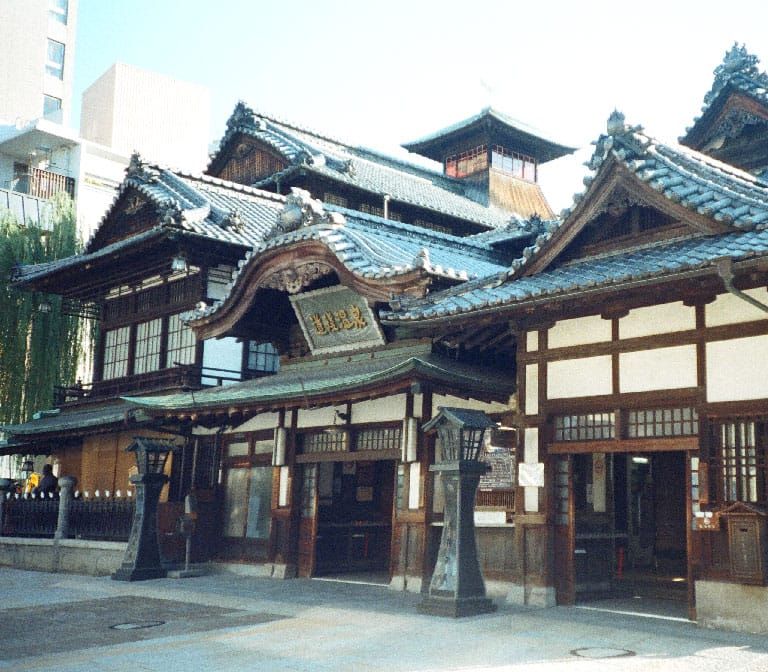
Photo from https://upload.wikimedia.org/wikipedia/commons/8/83/D%C5%8Dgo_Onsen.jpg
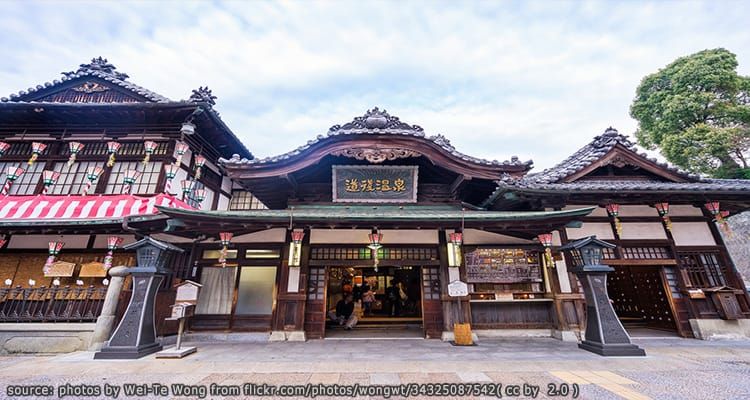
photos by Wei-Te Wong from flickr.com/photos/wongwt/34325087542( cc by 2.0 )
Dogo Onsen is located in Ehime Prefecture and is considered a must-visit, with a history spanning over 3,000 years — its age is palpable the moment you set eyes on it. The highlight is Dogo Onsen Honkan, a bathhouse registered as an Important Cultural Property of Japan. It's not just for viewing — visitors can still bathe there, and the water quality is excellent. Afterward, there are plenty of historic sites nearby worth exploring.
Access: Take the JR Sanyo Shinkansen from Shin-Osaka Station to Okayama Station, then transfer to the Limited Express Shiokaze to Matsuyama Station. From there, walk to Matsuyama-Ekimae Station and take the tram to Dogo Onsen Station.
8. Ashizuri Onsen
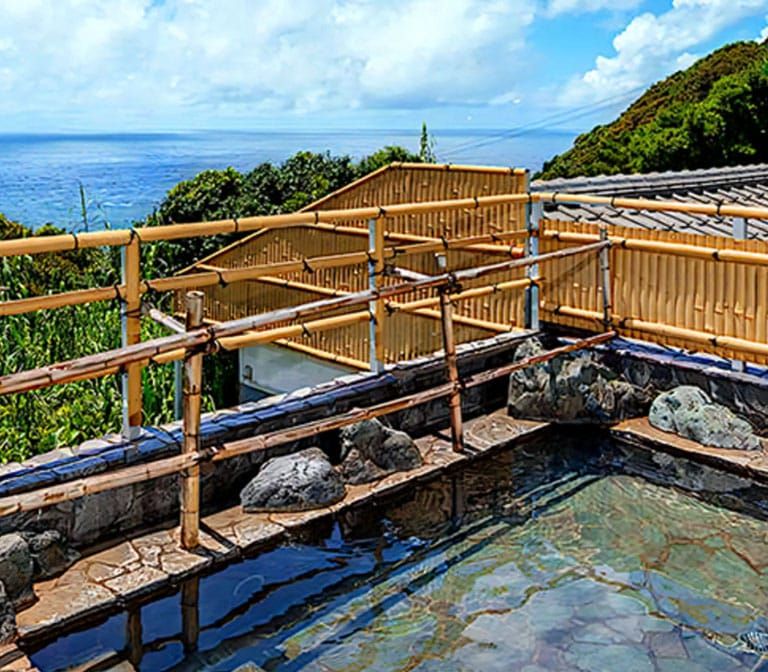
Photo from https://www.japan.travel/en/sports/diving/travel/ashizuri-hot-springs/
Ashizuri Onsen is located in Kochi Prefecture at Cape Ashizuri, well known for the quality of its hot spring water, which is said to offer various health benefits. You can soak in the onsen while enjoying beautiful views of the cape — a spot that has earned international recognition, not just praise within Japan. Combining excellent hot springs with stunning scenery makes for a truly relaxing experience.
Access: Take the JR Sanyo Shinkansen from Shin-Osaka Station to Okayama Station, then transfer to the JR Dosan Line to Nakamura Station. From there, take the Kochi Seinan Kotsu Bus to Ashizuri Misaki.
9. Nyuto Onsen
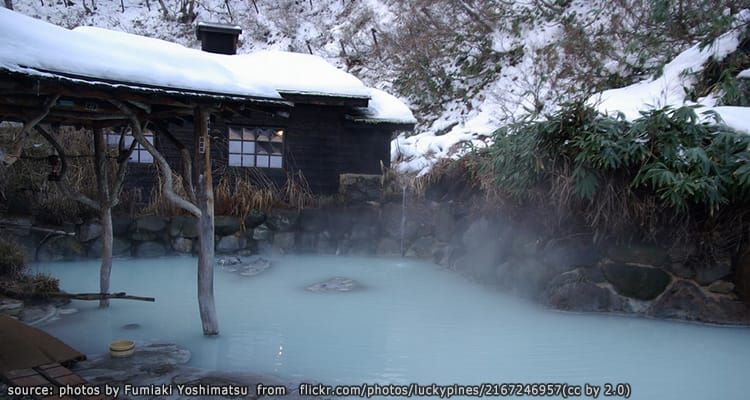
photos by Fumiaki Yoshimatsu from flickr.com/photos/luckypines/2167246957(cc by 2.0)
Nyuto Onsen is located in Semboku, Akita Prefecture, within Towada-Hachimantai National Park, surrounded by lush natural scenery and fresh mountain air. The traditional-style outdoor baths offer wonderful views. The mineral water here, rich in calcium and magnesium, is known for helping with skin conditions and digestion. It also has a slightly cloudy, milk-white color, which is why it's often nicknamed the "milky onsen."
Access: Take the train to Tazawako Station, then transfer to the Ugo Kotsu bus to the Nyuto Ganiba Onsen stop.
10. Jozankei Onsen
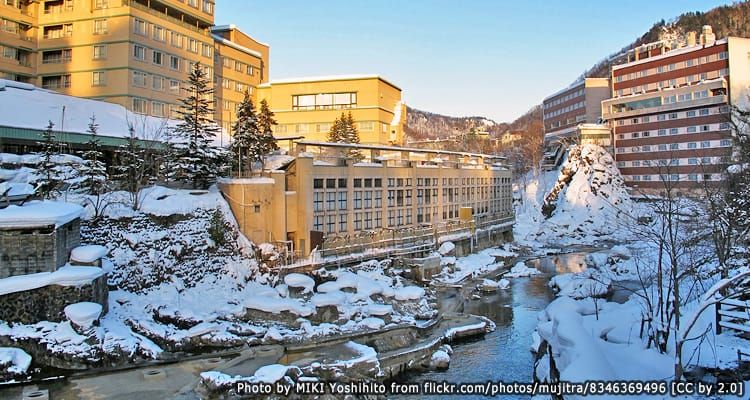
Photo by MIKI Yoshihito from flickr.com/photos/mujitra/8346369496 [CC by 2.0]
11. Yugawara Onsen
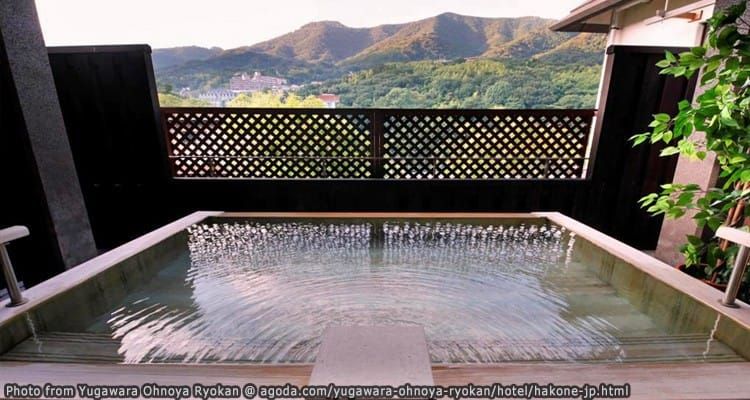
Photo from Yugawara Ohnoya Ryokan @ agoda.com/yugawara-ohnoya-ryokan/hotel/hakone-jp.html
Yugawara is a hot spring area located in the southwestern part of Kanagawa Prefecture, known as one of Japan's most famous onsen towns. With natural hot springs, beautiful coastline to the east, lush green forests, and views facing Sagami Bay, the area is home to many onsen resorts. It's also not far from Tokyo and close to the popular tourist destination of Hakone, making it a favorite spot for travelers who love hot springs.
12. Gero Onsen
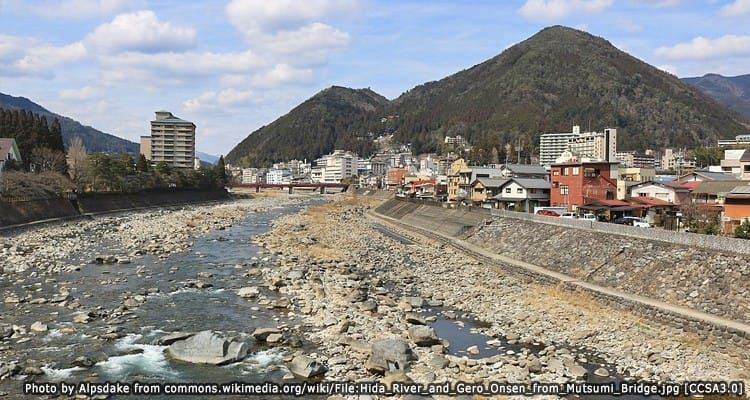
Photo by Alpsdake from commons.wikimedia.org/wiki/File:Hida_River_and_Gero_Onsen_from_Mutsumi_Bridge.jpg [CCSA3.0]
13. Unzen Onsen
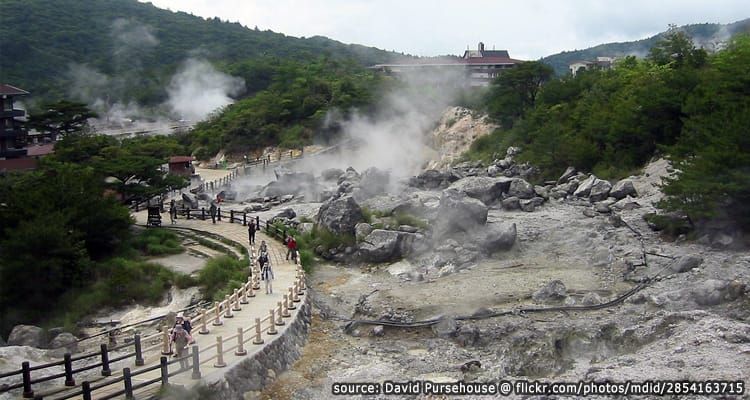
Unzen Onsen (雲仙温泉) is a hot spring resort town near Mount Unzen, not far from Nagasaki city. It's a must-visit for anyone who loves onsen and nature, as the town is surrounded by hot spring pools that blanket parts of it in steam, mist, and the smell of sulfur. These are known locally as "Jigoku" (hell), and in the past were used as a site of execution for Christian rebels. The town was originally built as a temple town, comparable to the temple town of Koyasan, but began transforming into a resort area during the Meiji era, eventually becoming Japan's first Western-style resort town. If you're worried about finding a place to stay while enjoying the onsen, there's no need — plenty of authentic Japanese ryokan are available.
14. Noboribetsu Onsen
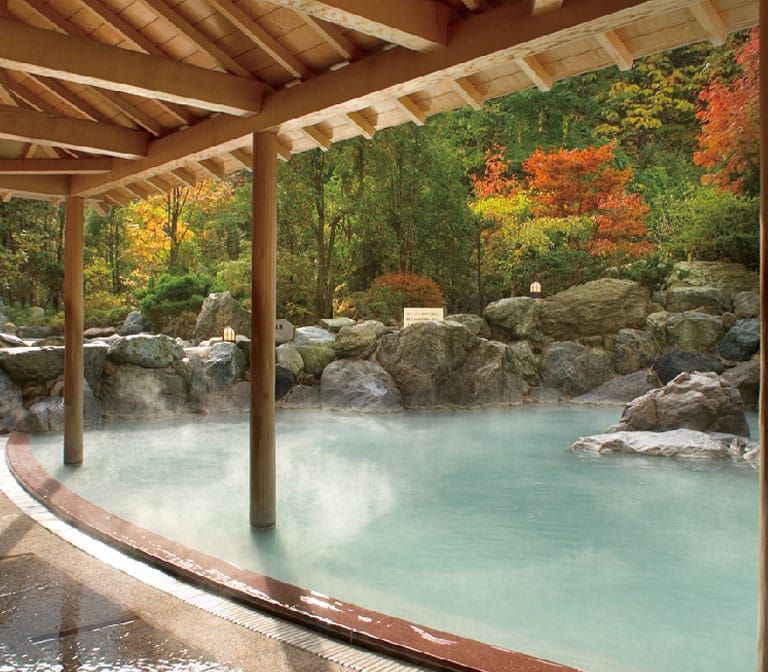
Photo from https://noboribetsu-spa.jp/
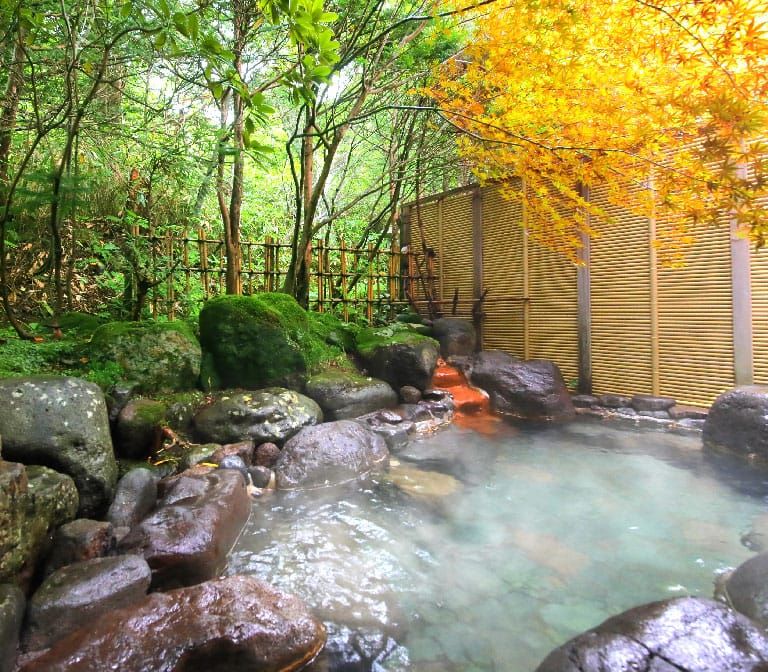
Photo from https://noboribetsu-spa.jp/
Noboribetsu Onsen is widely regarded as Hokkaido's most famous hot spring district — it's the first place that comes to mind when thinking of hot springs in the region. Its fame comes from having as many as 9 different types of hot spring water, recognized as some of the best quality in Japan. Thanks to its popularity, the area is packed with accommodation, from hotels to ryokan, in a range of sizes and price points to suit any budget. Most onsen baths are open to both guests and non-guests, with prices ranging from around ¥700 to ¥2,000. For a more local experience, there's also a public bathhouse in the center of town.
15. Asahidake Onsen
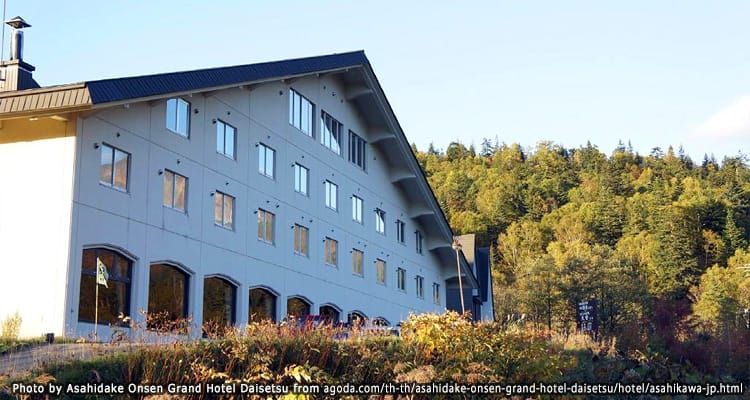
Photo by Asahidake Onsen Grand Hotel Daisetsu from agoda.com/th-th/asahidake-onsen-grand-hotel-daisetsu/hotel/asahikawa-jp.html
Asahidake Onsen is a small hot spring resort in Hokkaido, located at the base of Asahidake, the highest peak in Hokkaido at 2,290 meters, within Daisetsuzan National Park. If you want to see the first autumn colors of the season, this is the place to go — Asahidake is the first spot in Japan where the leaves change color each year, typically around mid-September, followed by snow. For skiing, the season runs from around December through early May.
16. Takaragawa Onsen
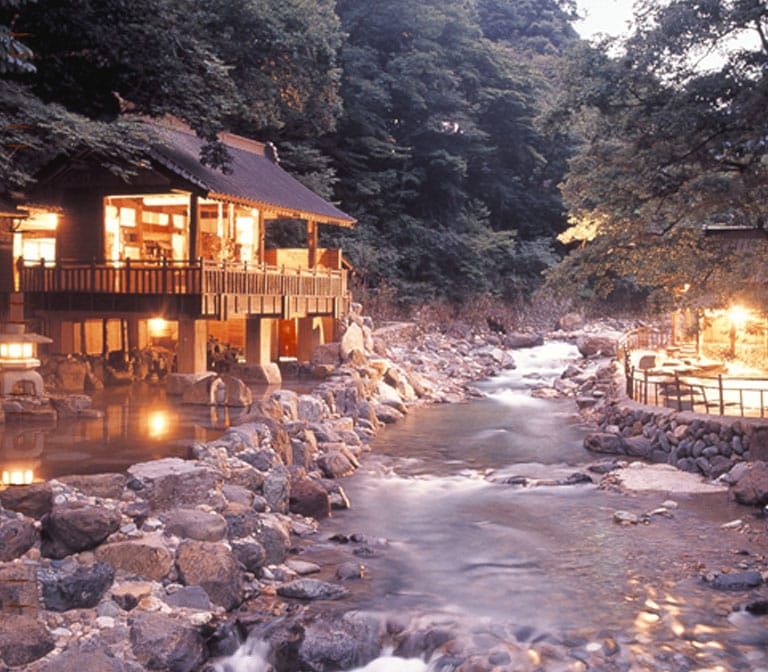
Photo from https://www.takaragawa.com/e_onsen.html
Takaragawa Onsen is located in Gunma Prefecture — great news for anyone staying in Tokyo, since it's only about an hour away by train. The hot spring is part of the historic Osenkaku Ryokan and is considered one of Japan's finest outdoor onsen — and the largest open-air bath in the country. It sits right along a river in an open setting, so you can enjoy beautiful river views while you soak — a double dose of relaxation. It has long been prized for its therapeutic waters and remains just as popular today. It's especially beautiful during autumn foliage season, or in winter when everything is blanketed in snow — a wonderfully relaxing experience either way.
Access: Take the Joetsu Shinkansen to Jomo-Kogen Station.
17. Yubara Onsen
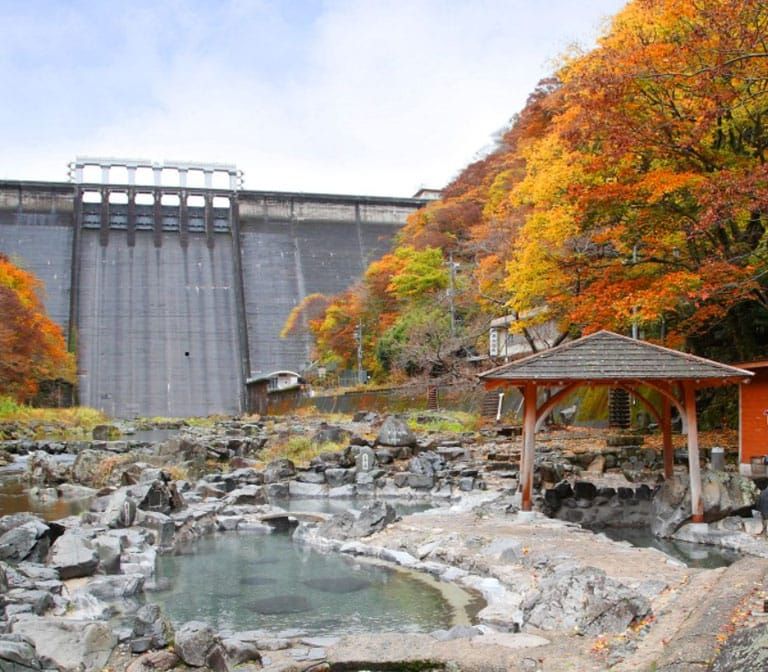
Photo from https://www.okayama-japan.jp/th/spot/1085
Yubara Onsen is located in Okayama Prefecture. It's known as one of Japan's top three onsen for skin and beauty, making it worth a visit for anyone interested in skincare. The open-air bath here, called Sunayu, is surrounded by natural rocks with a dam in the background, giving it a unique and beautiful setting. Even better, it's open 24 hours a day and completely free to use.
Access: Take the train to Okayama Station, then take a bus to the Yubara Onsen-guchi bus stop, followed by about a 15-minute walk.
18. Takamagahara Onsen
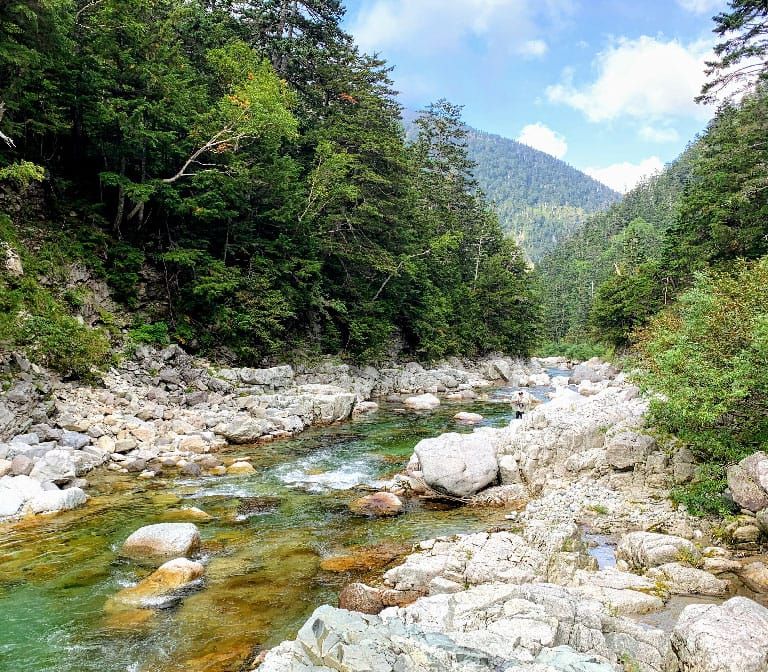
Takamagahara Onsen in Toyama Prefecture is only for the truly dedicated. Located in the Hida Mountains (part of the Northern Alps) at an elevation of 2,100 meters, it's high up and genuinely difficult to reach — the only way in is on foot via hiking trails. But the effort pays off, with pristine natural mineral water and priceless views you won't find anywhere else. The best time to visit is from July to September. Given how hard it is to reach, it's no surprise this is often called "the most inaccessible onsen in Japan." It's a must for nature lovers looking for a remote, off-the-beaten-path experience.
Access: Take the train to Toyama Station, then take a bus to Oritate, followed by a hike up the mountain.
19. Jinata Onsen
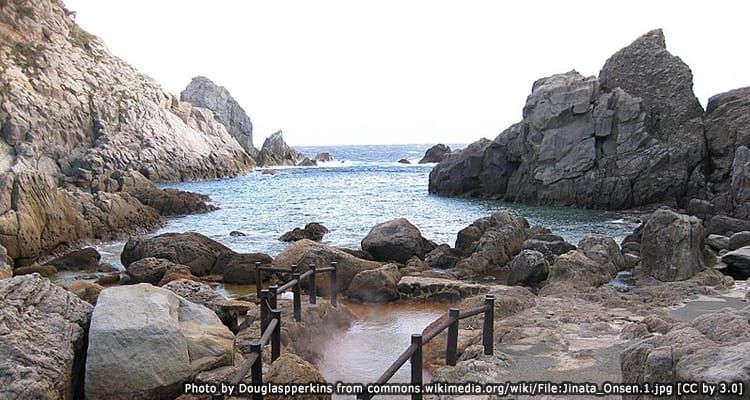
Photo by Douglaspperkins from commons.wikimedia.org/wiki/File:Jinata_Onsen.1.jpg [CC by 3.0]
Access: You can reach the island by ferry from Tokyo.
20. Sawada Koen Rotenburo Onsen
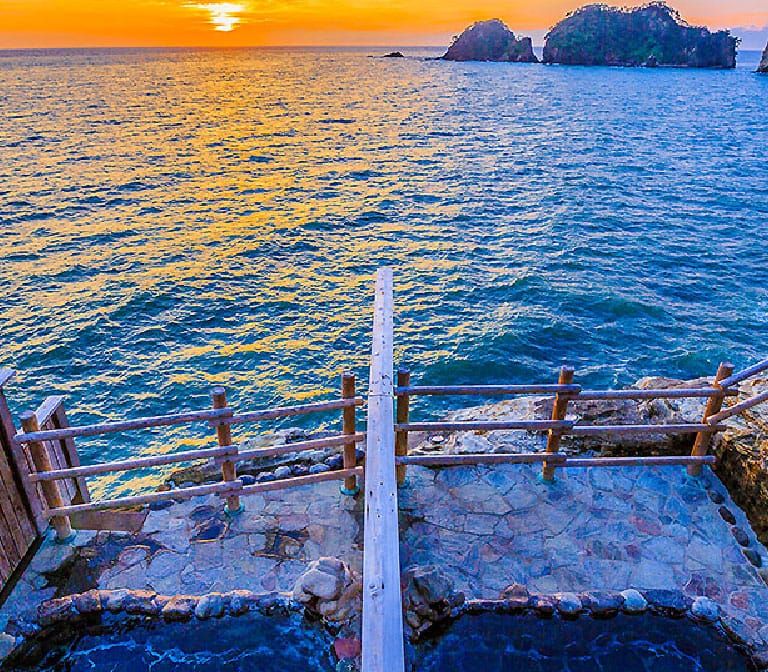
Photo from https://www.nishiizu-kankou.com/spa/sawadapark
Sawada Koen Rotenburo Onsen is located in Shizuoka Prefecture, and its biggest draw is the view. As an open-air onsen perched on a cliff at the westernmost point of the Izu Peninsula, it offers breathtaking ocean views from above. It's especially stunning in the evening as the sun sets, with soft golden light making for an unforgettable moment.
Access: Take the Tokaido-Sanyo Shinkansen to Shizuoka Station, then transfer to a train to Shuzenji Station, and finally take a bus to the Norihama stop.
That wraps up our list of 20 recommended onsen across Japan — hopefully enough to satisfy your curiosity, at least for now. In reality, there are hundreds, maybe even thousands, more hot spring towns throughout the country, since bathing in onsen remains an important part of Japanese culture today. If you're planning a trip to Japan, it's well worth trying an onsen for yourself at least once, especially during the cooler months — you'll soon understand why so many people in Japan love soaking in outdoor hot springs.