


>> 24 Kyoto Attractions: City of Art and Culture <<
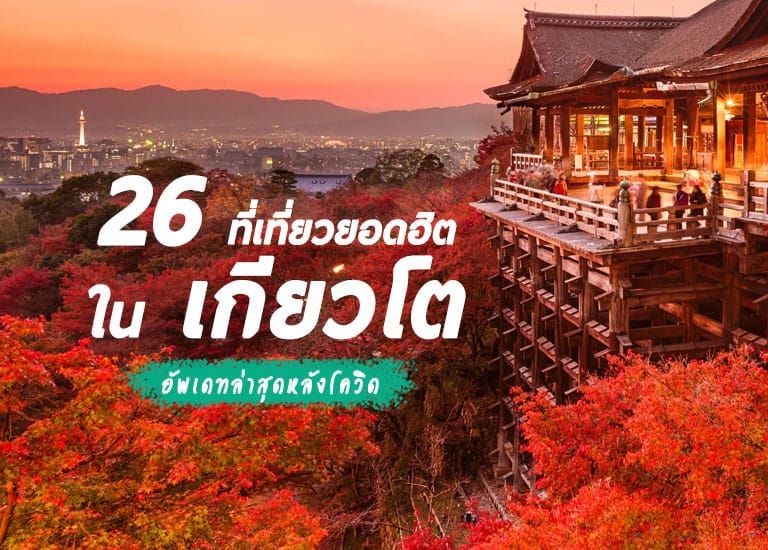
Kyoto is truly known as Japan's city of art and culture. Besides Tokyo, the capital, Kyoto is another city you shouldn't miss, as it is full of ancient temples and shrines, each with its own unique beauty. This gives Kyoto countless fascinating places to visit.
We've put together Kyoto's 24 most popular attractions, so if you're planning a trip, you'll know exactly what to add to your itinerary.

>> Book Kyoto Accommodation at Special Rates with Traveloka <<
24. Ine, an Ancient Fishing Village
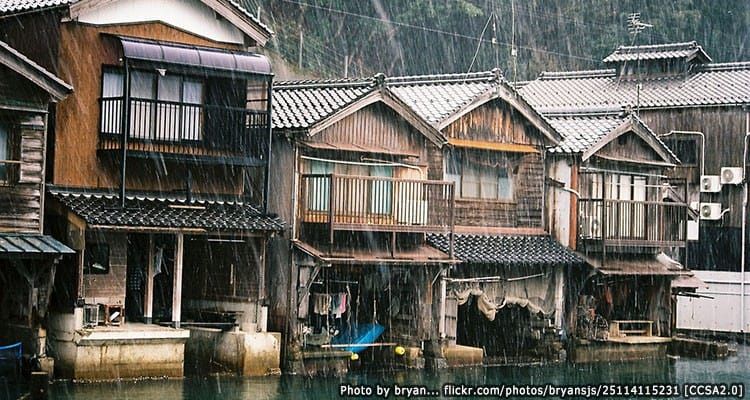
Photo by bryan… flickr.com/photos/bryansjs/25114115231 [CCSA2.0]

If you're interested in a Japan tour, check out affordable Japan tour packages from Thung Thong Tour!!!
23. Enryaku-ji Temple
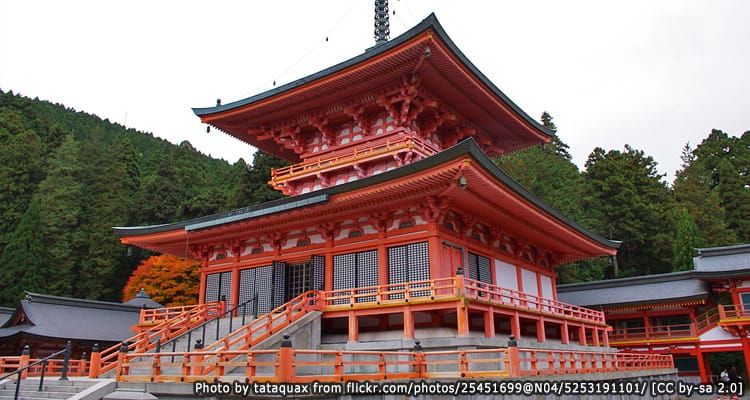
Photo by tataquax from flickr.com/photos/25451699@N04/5253191101/ [CC by-sa 2.0]
22. Amanohashidate Viewpoint (Sandbar)
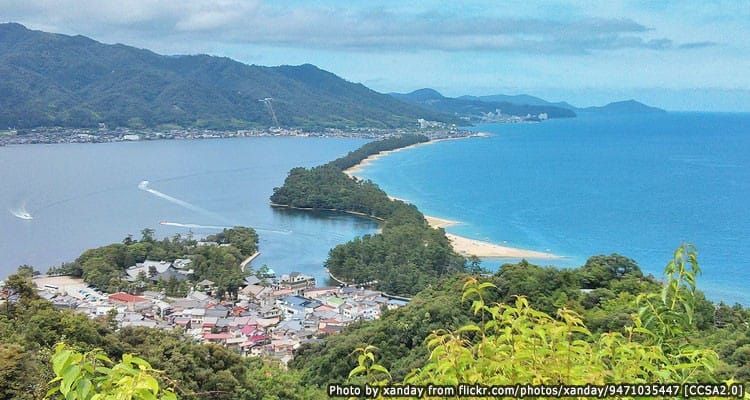
Photo by xanday from flickr.com/photos/xanday/9471035447 [CCSA2.0]
21. Uzumasa Kyoto Village (formerly Toei Studio Park)
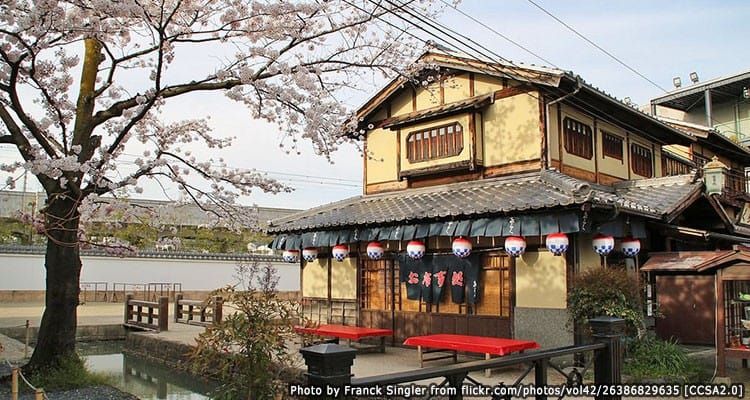
Photo by Franck Singler from flickr.com/photos/vol42/26386829635 [CCSA2.0]
20. Shinkyogoku and Teramachi Shopping Streets
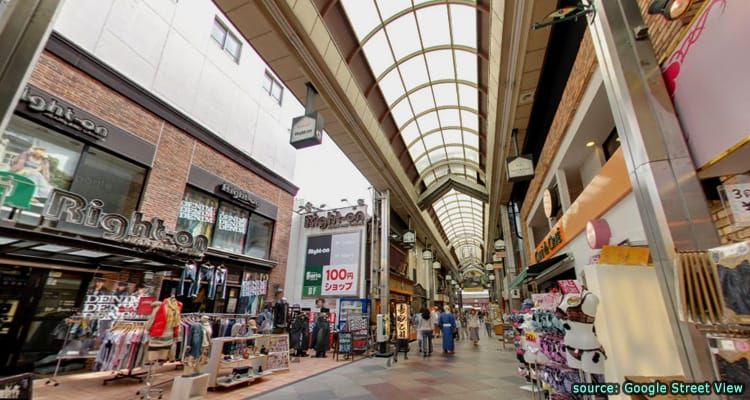
There are two main pedestrian shopping streets in central Kyoto: Shinkyogoku and Teramachi, which run parallel to each other. These are narrow lanes off Shijo-dori, the main street running through the heart of Kyoto.
19. Miyama Village
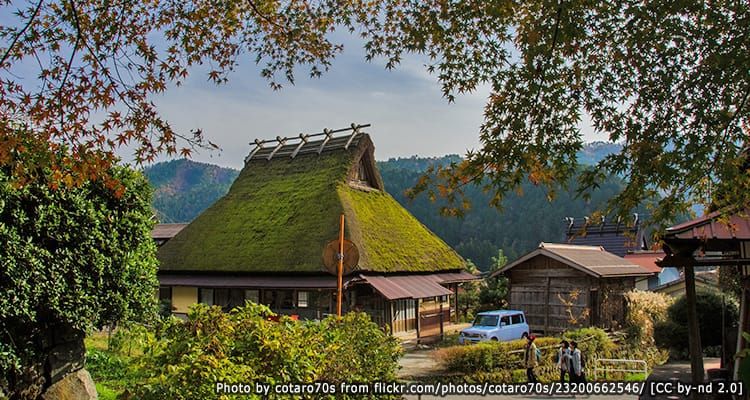
Photo by cotaro70s from flickr.com/photos/cotaro70s/23200662546/ [CC by-nd 2.0]
18. Byodo-in Temple
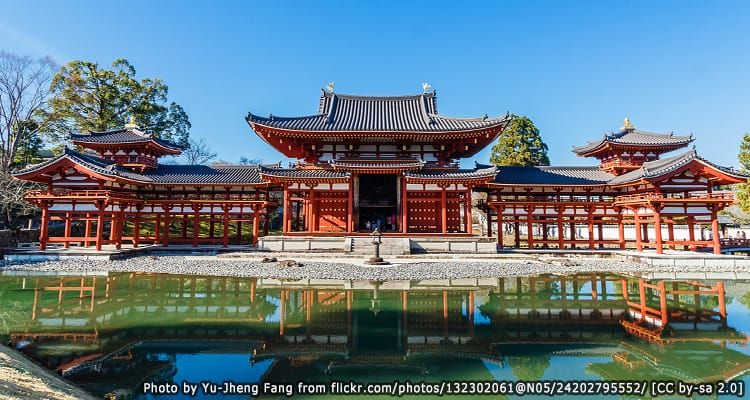
Photo by Yu-Jheng Fang from flickr.com/photos/132302061@N05/24202795552/ [CC by-sa 2.0]
17. Nijo Castle
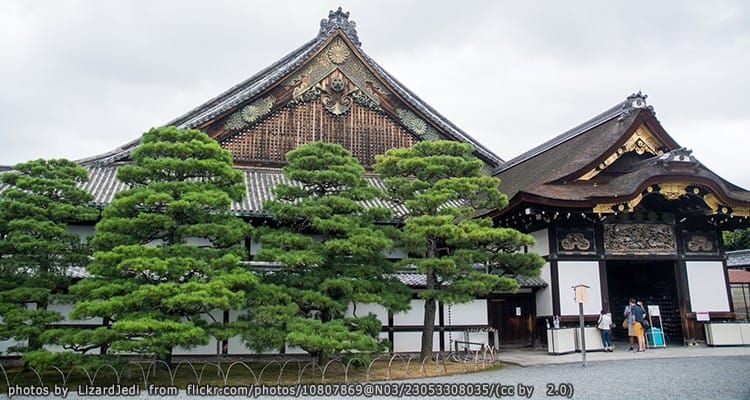
photos by LizardJedi from flickr.com/photos/10807869@N03/23053308035/(cc by 2.0)
Nijo Castle (二条城) is located in Kyoto, and is one of the city's UNESCO World Heritage Sites. The castle is centuries old, built around 1603 as the residence of the shogun Tokugawa Ieyasu, the first shogun of the Edo period (1603–1867). Building the castle was no small task: with so many structures to complete, and the difficulties of the era, construction took many years. What you see today isn't only from the Edo period; many parts were added or rebuilt later.
16. Nishiki Market
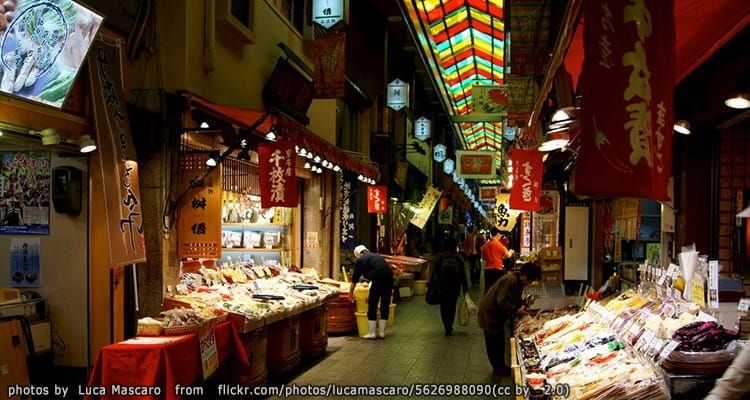
photos by Luca Mascaro from flickr.com/photos/lucamascaro/5626988090(cc by 2.0)
Nishiki Market is considered the most famous market in Kyoto. It's always lively, with visitors browsing a huge variety of shops. Though it is a narrow shopping street only about five blocks long, it is lined with more than 100 shops and restaurants selling everything from fresh and dried goods to seafood, cookware, Japanese knives, and seasonal specialties. Don't miss Kyoto's local specialties, such as sweets unique to the city, pickled vegetables, unusual dried seafood, and traditional Kyoto-style sushi. With such a huge variety of food on offer, it has earned the nickname "Kyoto's Kitchen."
15. Gion District
![Photo by tofuprod from flickr.com/photos/tofuprod/33679728081/ [CC by-sa 2.0]](https://prod-talon-be.s3.ap-southeast-7.amazonaws.com/2014_05_Gion3_7c9c0488c0.jpg)
Photo by tofuprod from flickr.com/photos/tofuprod/33679728081/ [CC by-sa 2.0]
14. Heian Shrine
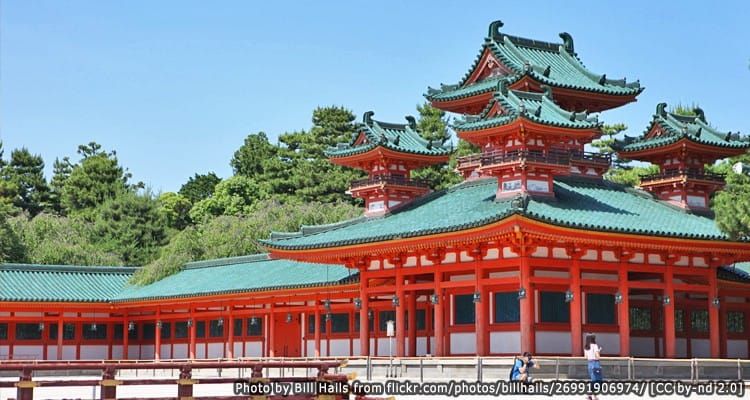
Photo by Bill Hails from flickr.com/photos/billhails/26991906974/ [CC by-nd 2.0]
13. Nanzen-ji Temple
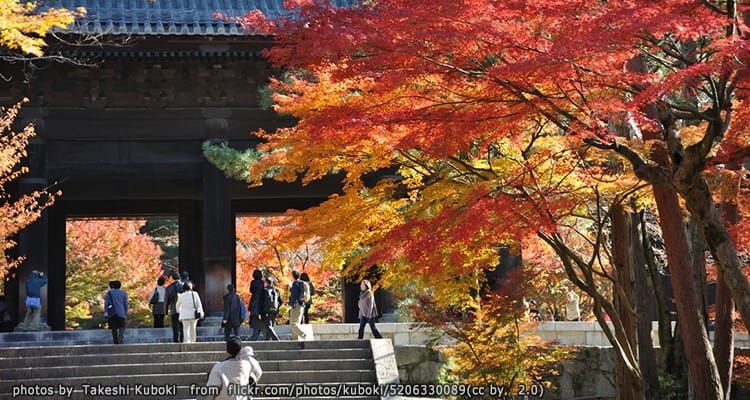
photos by Takeshi Kuboki from flickr.com/photos/kuboki/5206330089(cc by 2.0)
Nanzen-ji Temple is located at the foot of the mountains in eastern Kyoto. This is an important Zen Buddhist temple with an extensive complex that includes several sub-temples. It was originally built around the 13th century by Emperor Kameyama as a retirement villa, later becoming Nanzen-ji Temple. During the wars of the Muromachi period, many of its structures were destroyed by fire, and much of what stands today is the result of later reconstruction.
12. Ryoan-ji Temple, the Rock Garden Temple
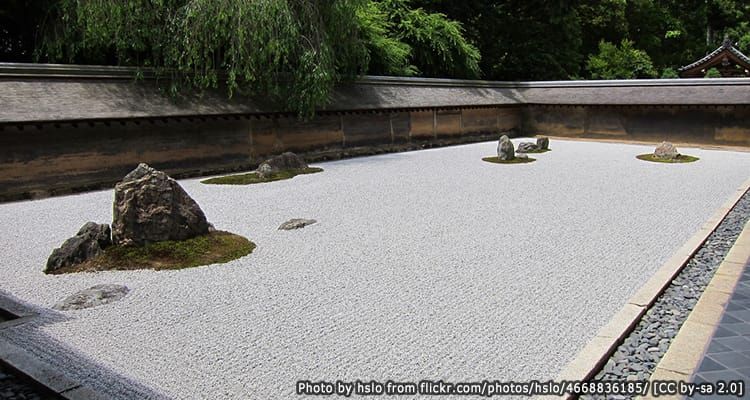 Ryoan-ji Temple is a Muromachi-period temple famous for its beautiful rock garden — considered one of the finest in Kyoto and among the best in Japan. Its fame draws large numbers of visitors from Japan and abroad every day. There's no clear record of exactly when the rock garden was created, but its distinctive design has made it renowned. If you want to see a truly beautiful rock garden in Kyoto, Ryoan-ji Temple is the top choice.
11. Yoshimine-dera Temple
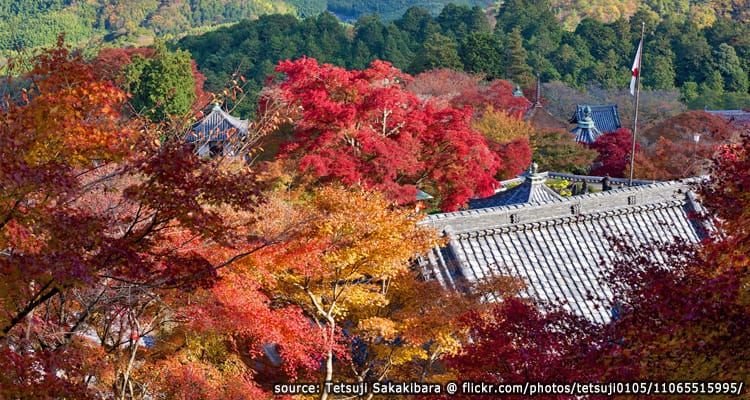
Photo by Tetsuji Sakakibara from flickr.com/photos/tetsuji0105/11065515995/ [CC by-sa 2.0]
[wp_ad_camp_1]
10. Pontocho Riverside District
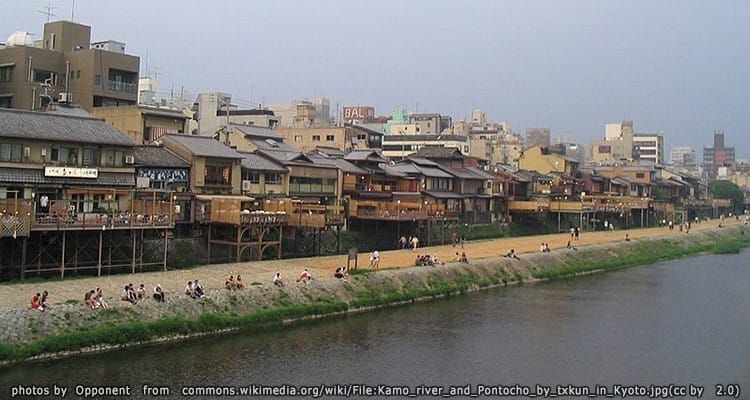
photos by Opponent from commons.wikimedia.org/wiki/File:Kamo_river_and_Pontocho_by_txkun_in_Kyoto.jpg(cc by 2.0)
Pontocho stretches from Shijo-dori to Sanjo-dori. This narrow lane runs parallel to the Kamo River and is well known throughout Kyoto as a popular spot for eating and drinking, as well as a relaxing evening riverside walk. If you're looking for restaurants with great atmosphere, this is the place to come — both sides of the lane are lined with restaurants, pubs, and bars, especially yakitori grill spots. Most places open in the evening and stay open late, with only a few open during the day. Daytime visits have their own charm, but evening is best, especially at the restaurants on the Kamo River side of Pontocho, which offer a romantic atmosphere and wonderful views.
9. Ginkaku-ji Temple, the Silver Pavilion
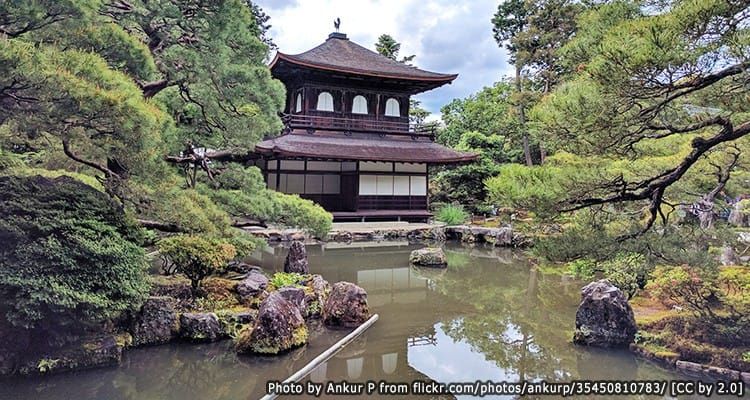
Photo by Ankur P from flickr.com/photos/ankurp/35450810783/ [CC by 2.0]
8. Sanjusangendo Temple, the Thousand-Armed Kannon Temple
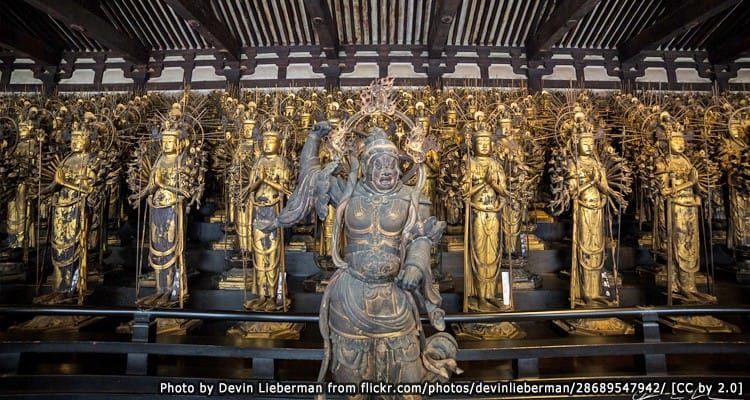
Photo by Devin Lieberman from flickr.com/photos/devinlieberman/28689547942/ [CC by 2.0]
7. Kokedera, the Moss Temple
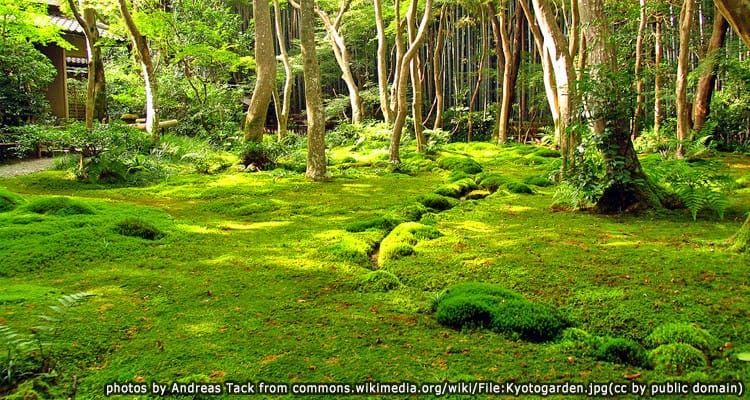
photos by Andreas Tack from commons.wikimedia.org/wiki/File:Kyotogarden.jpg(cc by public domain)
Kokedera, the Moss Temple, gets its name from its garden, which is almost entirely covered in moss. It is also a UNESCO World Heritage Site. Visiting requires prior permission from the temple. You apply by sending a letter, and the temple sends back an invitation letter, which you present on arrival.
6. Higashiyama District
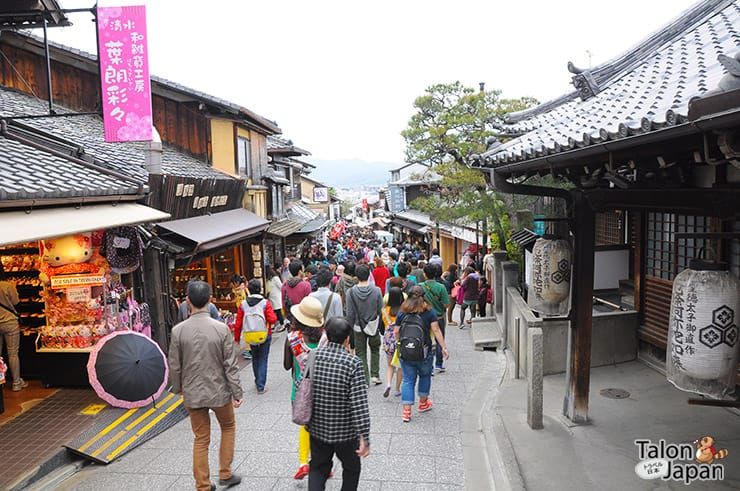
Higashiyama Alley
Higashiyama District is a historic street for strolling and shopping, lined with shops and sweet stores that evoke old Kyoto. It sits on the hillside in eastern Kyoto, especially the stretch between Kiyomizu-dera Temple and Yasaka Shrine, a narrow walking street lined with traditional wooden Japanese buildings housing restaurants and local sweet shops, giving a real sense of old Kyoto's unique character.
5. Kibune Village
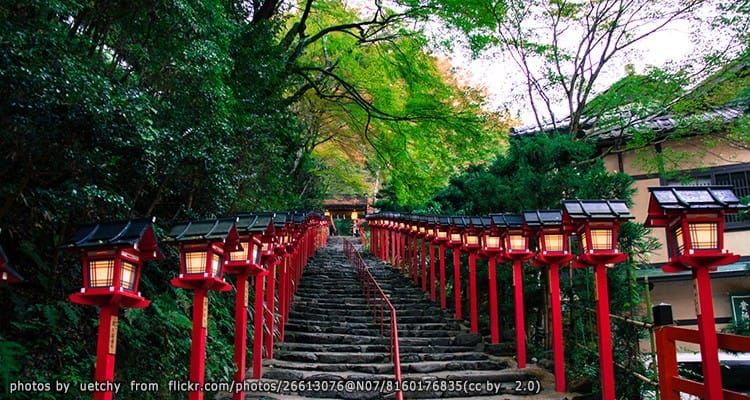
photos by uetchy from flickr.com/photos/26613076@N07/8160176835(cc by 2.0)
Kibune is a small rural village in the mountains north of Kyoto, known for its natural beauty combined with Japanese art and culture. It's home to the famous Kibune Shrine. According to legend, a deity traveled from Osaka by yellow boat, sailing up the river to the mountains north of Kyoto and arriving at this village — which is how it got its name, Kibune, meaning "yellow boat."
[wp_ad_camp_1]
4. Arashiyama
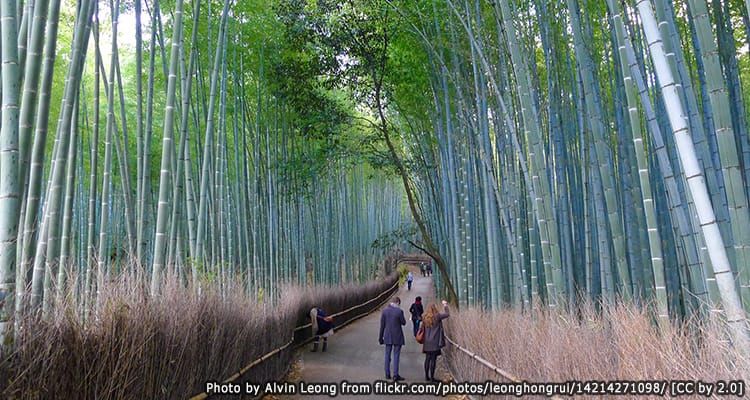
Photo by Alvin Leong from flickr.com/photos/leonghongrui/14214271098/ [CC by 2.0]
3. Kinkaku-ji Temple, the Golden Pavilion
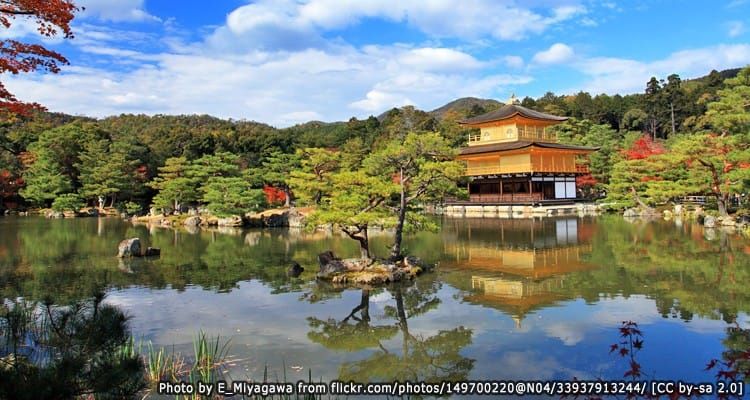
Photo by E_Miyagawa from flickr.com/photos/149700220@N04/33937913244/ [CC by-sa 2.0]
2. Kiyomizu-dera Temple
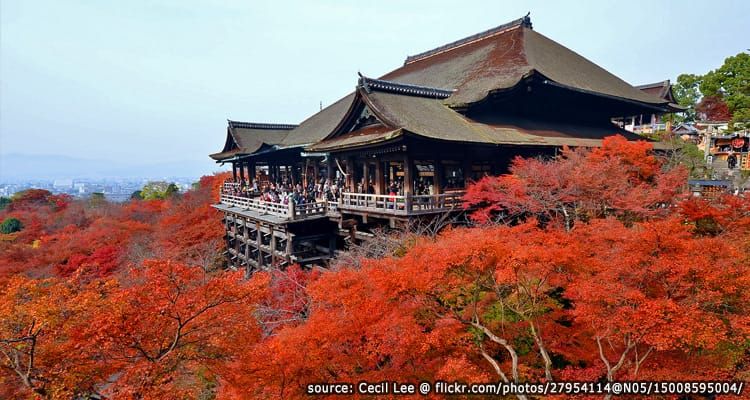
Kiyomizu-dera, or the "Pure Water Temple," is one of the most famous temples in Japan. Built in 780, it takes its name from the natural spring water flowing from the Otowa Waterfall. It is also a UNESCO World Heritage Site. The temple's famous main hall is a large wooden structure supported by pillars 13 meters tall, with a stage that extends outward, creating a beautiful viewpoint over Kyoto in every season. It's also a well-known spot for viewing cherry blossoms and autumn leaves. Remarkably, the wooden building was constructed without using a single nail.
1. Fushimi Inari Taisha
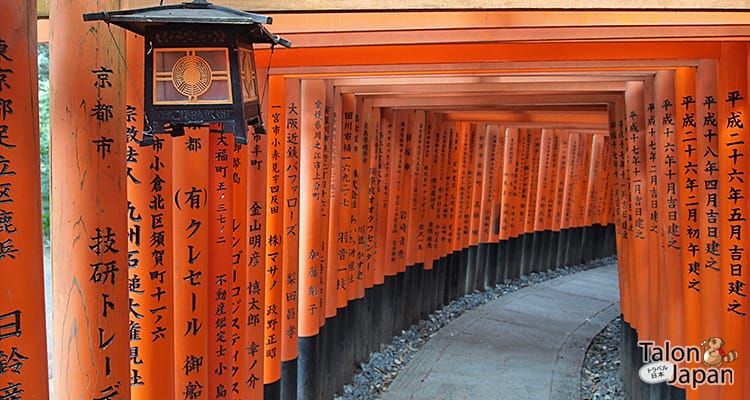
Walking path beneath the torii gates at Fushimi Inari Taisha
Fushimi Inari Taisha, also known as the Fox Shrine, is one of Kyoto's most important Shinto shrines. It's famous for its thousands of red torii gates lined up behind the shrine, forming a path that winds all the way up the sacred Mount Inari. The deity Inari represents abundance, rice harvests, and agriculture in general, and is often associated with foxes as messengers (some say Inari can even take fox form), which is why you'll see many fox statues around the shrine. The shrine is extremely old, said to have been founded in 711, predating the founding of Kyoto itself.
So there you have it — 24 of Kyoto's most popular attractions. In truth, Kyoto has even more to offer, including the Kyoto National Museum and many other fascinating temples and shrines. If you want to explore Kyoto in depth, it's worth setting aside a full week.
>> Book Kyoto Accommodation at Special Rates with Traveloka <<