


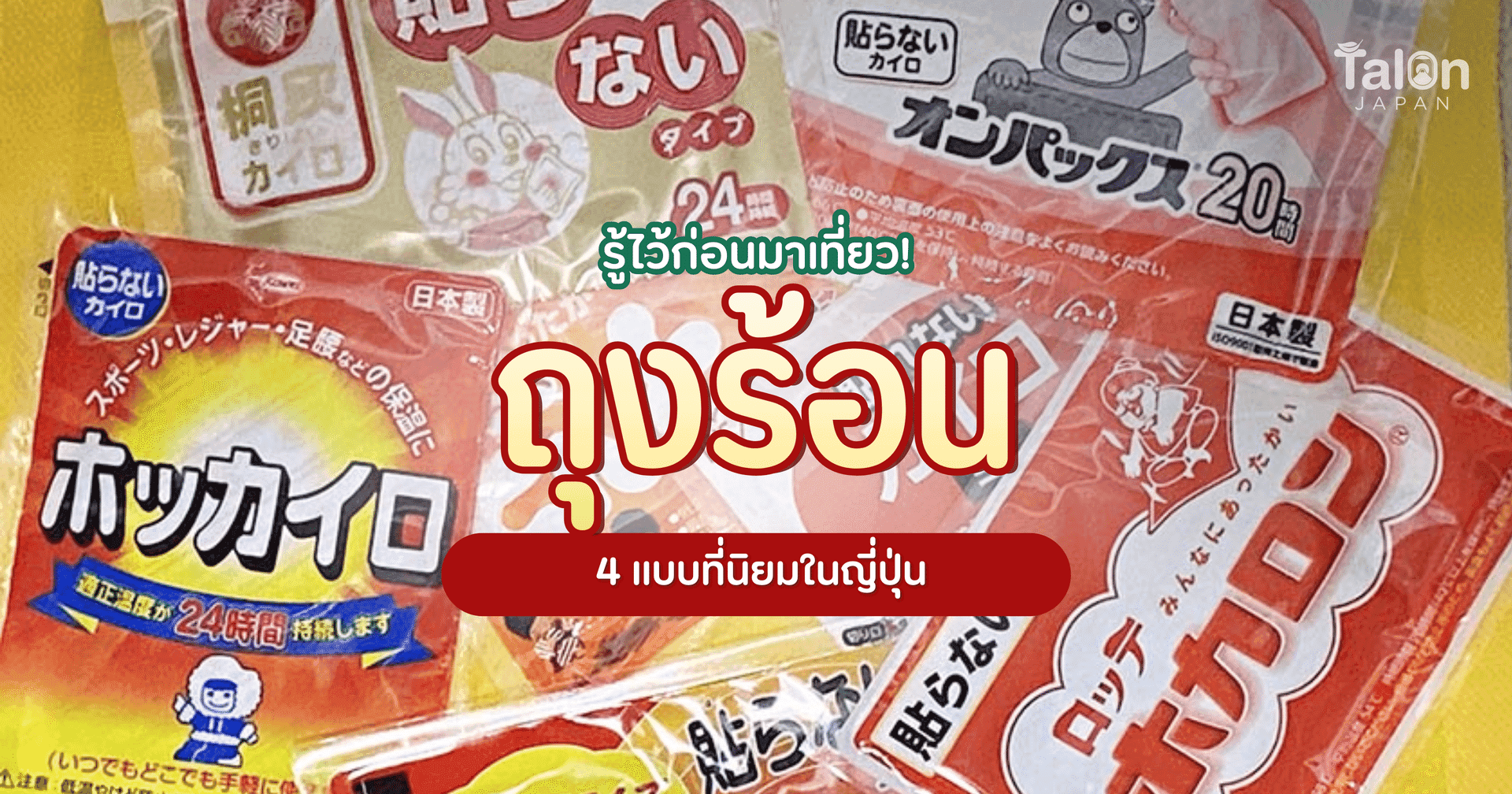


When the cold wind starts to bite, one thing you can't do without when traveling in Japan is cold-weather gear. Besides a thick coat and heat-tech layers, there's one more pocket-sized item that can be a lifesaver in the snow and wind: the kairo, commonly known as a heat pack. This small invention can produce warmth for a long time and is easy to find at convenience stores or drugstores.
However, behind the similar-looking packaging, heat packs are divided into distinct types for different uses. Using the wrong type of heat pack for the job means it may not work as well as it should, and in more serious cases it can harm your skin. This article introduces the 4 main popular types of heat packs you'll come across most often, so you can buy and use them correctly and get the most value.
Stick-On Heat Packs, or Haru Kairo
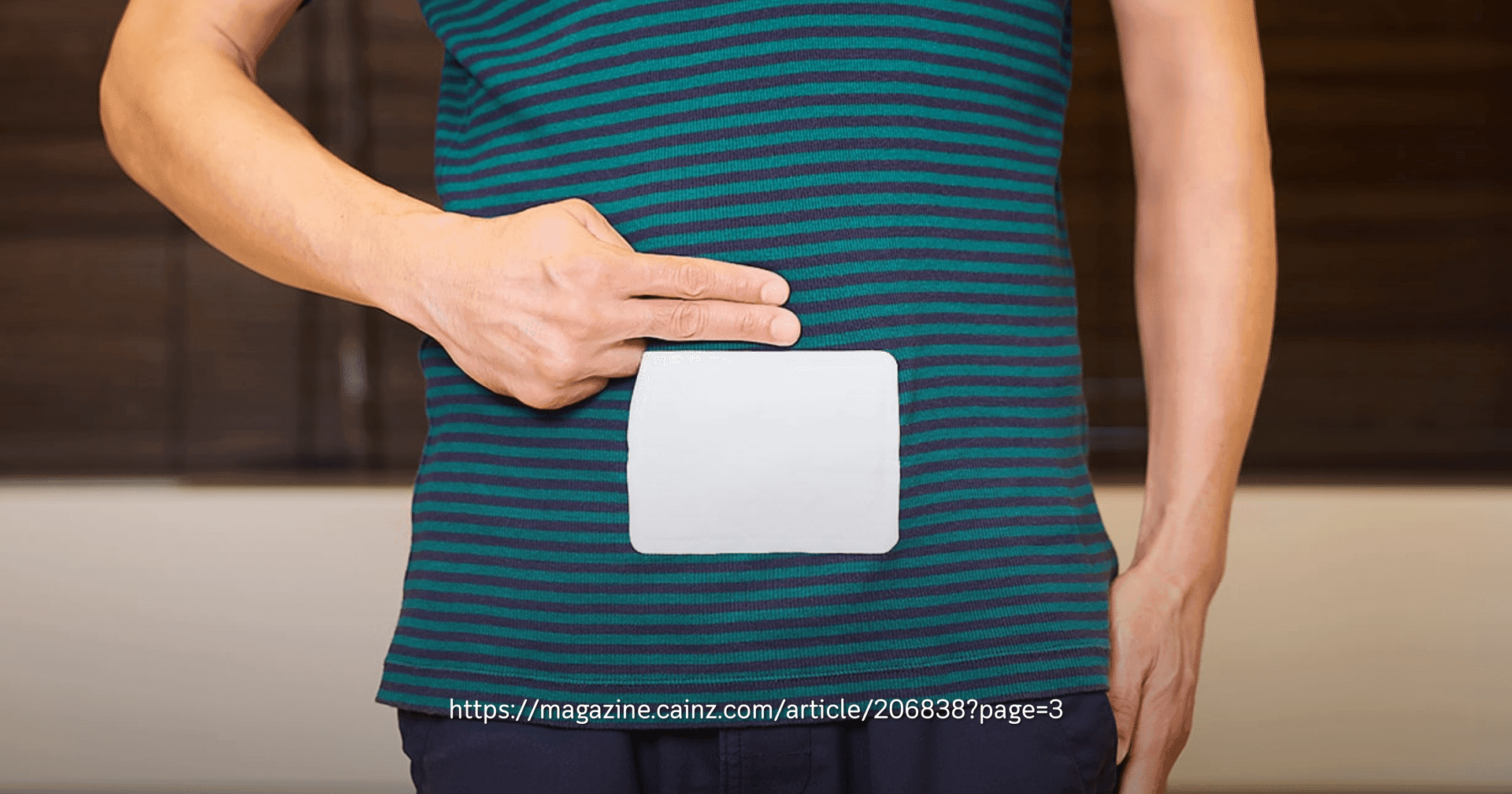
The first and most popular type, considered the basic cold-weather item, is the stick-on heat pack, known in Japanese as Haru Kairo. Its strengths are ease of use and how well it keeps your core warm. It looks like a flat pad, with a heat-generating material on one side and an adhesive strip on the other for sticking it on.
This type of heat pack works through the oxidation reaction of iron powder inside it. When you tear open the plastic packaging, the contents react with oxygen in the air and start releasing heat. The most important precaution for the stick-on type is that you must never stick it directly onto your skin, because prolonged heat build-up can cause a low-temperature burn.
The correct way to use it is to stick it onto your innermost layer of clothing (the base layer), such as heat-tech, in the recommended spots: the lower back or the abdomen, which are the body's core points. When your torso is warm, blood circulates better to other parts of the body, greatly reducing shivering. Another advantage is that the heat stays steady and lasts an average of 10 to 14 hours, ideal for a day of outdoor activities, with no need to keep adjusting or repositioning it.
Non-Stick Heat Packs, or Haranai Kairo
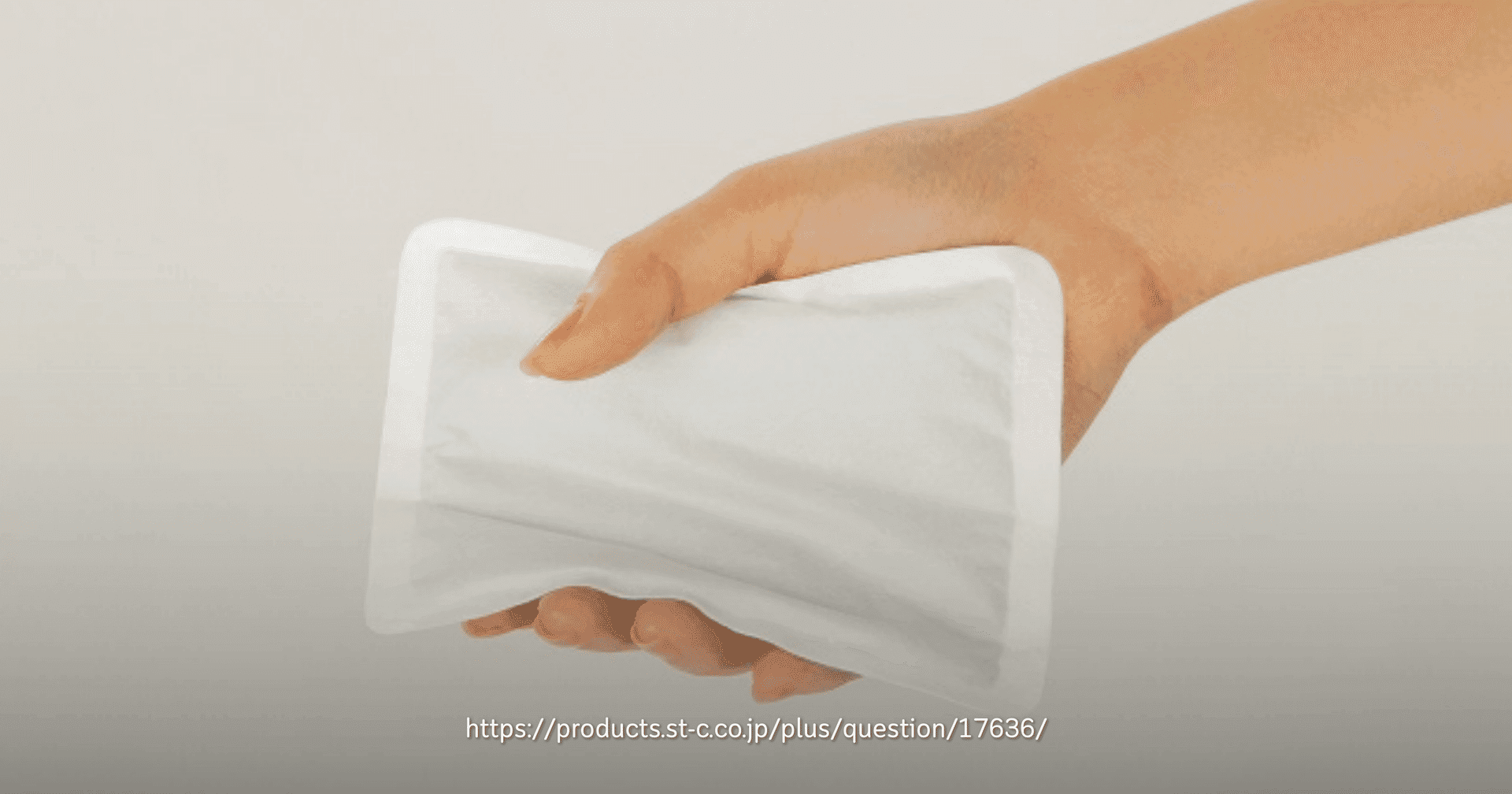
The next type of heat pack is the non-stick type, or Haranai Kairo, which often confuses first-time travelers since the packaging tends to look similar to the stick-on type. An easy way to tell is to look for the word "Haranai" on the packaging. This type is a pouch with soft synthetic fabric on both sides and no adhesive strip, and it's usually a bit thicker than the stick-on type.
The strength of the non-stick type is that it gives off slightly higher heat than the stick-on type and can be moved around wherever you like. Hold it in your hand, or keep it in a coat pocket so your hands warm up whenever you reach in. It works in a similar way, reacting with air, but you can speed up the reaction by gently shaking or moving the heat pack around. However, leaving it out in the open in very cold air can cause the heat to drop quickly, so it should be kept in a pocket or in contact with the body so the heat builds up steadily.
Another benefit of the non-stick type is its flexibility. You can press it briefly against whichever part of your body feels coldest — your cheek, or your ears. Just be careful not to hold it in the same spot too long, or your skin may become irritated. It's ideal for people whose hands get cold easily or who often take off their gloves to take photos. Keeping this type of heat pack ready in a coat pocket helps warm your hands back up quickly.
Rechargeable Electric Heat Packs, or USB Kairo
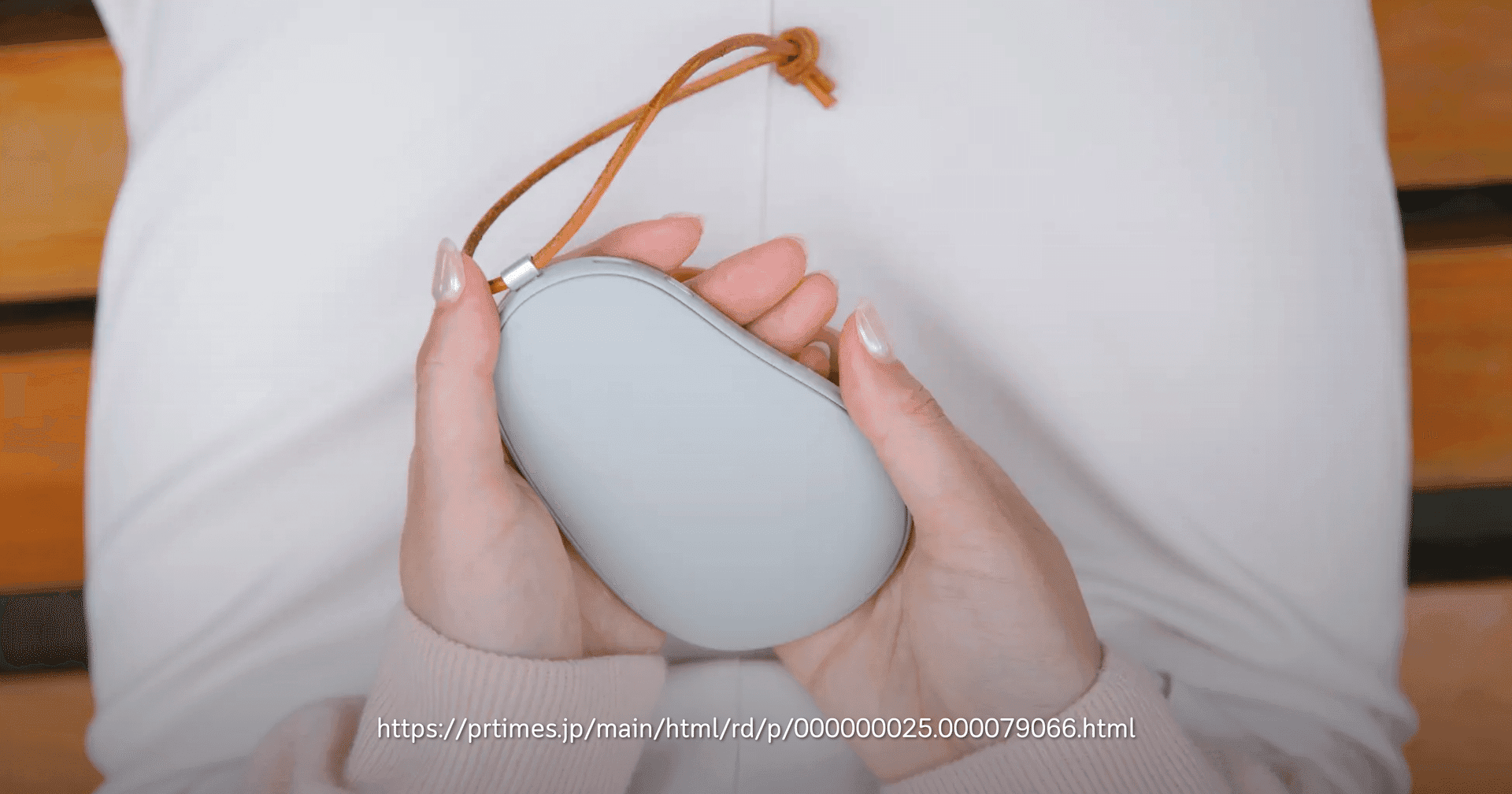
In an age when technology plays a bigger role in everyday life, traditional heat packs are being challenged by a new innovation: the electric heat pack, or USB Kairo, which is becoming an increasingly popular trend, especially among younger, environmentally conscious travelers, since it can be recharged and reused instead of being thrown away after a single use like the disposable type.
The standout advantage of the electric heat pack is how quickly it heats up. Just press the power button and the device heats up within a few seconds, with no need to wait for a chemical reaction like the iron powder type. Many models also let you adjust the heat level as needed and have a digital screen showing the temperature or battery level. Most importantly, they often come with a bonus function of doubling as a power bank for charging your phone in an emergency, which is very handy for digital-age travelers.
However, the limitation of the electric type is that it's heavier than the disposable iron powder type, and its running time depends on the battery capacity, which on the highest setting may not last the 12 hours the chemical type manages. So it's best suited for short-term use, such as while waiting for a train, walking from the station to the hotel, or alternating with keeping it in your bag once you're inside a heated building. It's a one-time investment that pays off in the long run for anyone who travels to cold destinations often.
Spot-Use Heat Packs for Feet and Hands
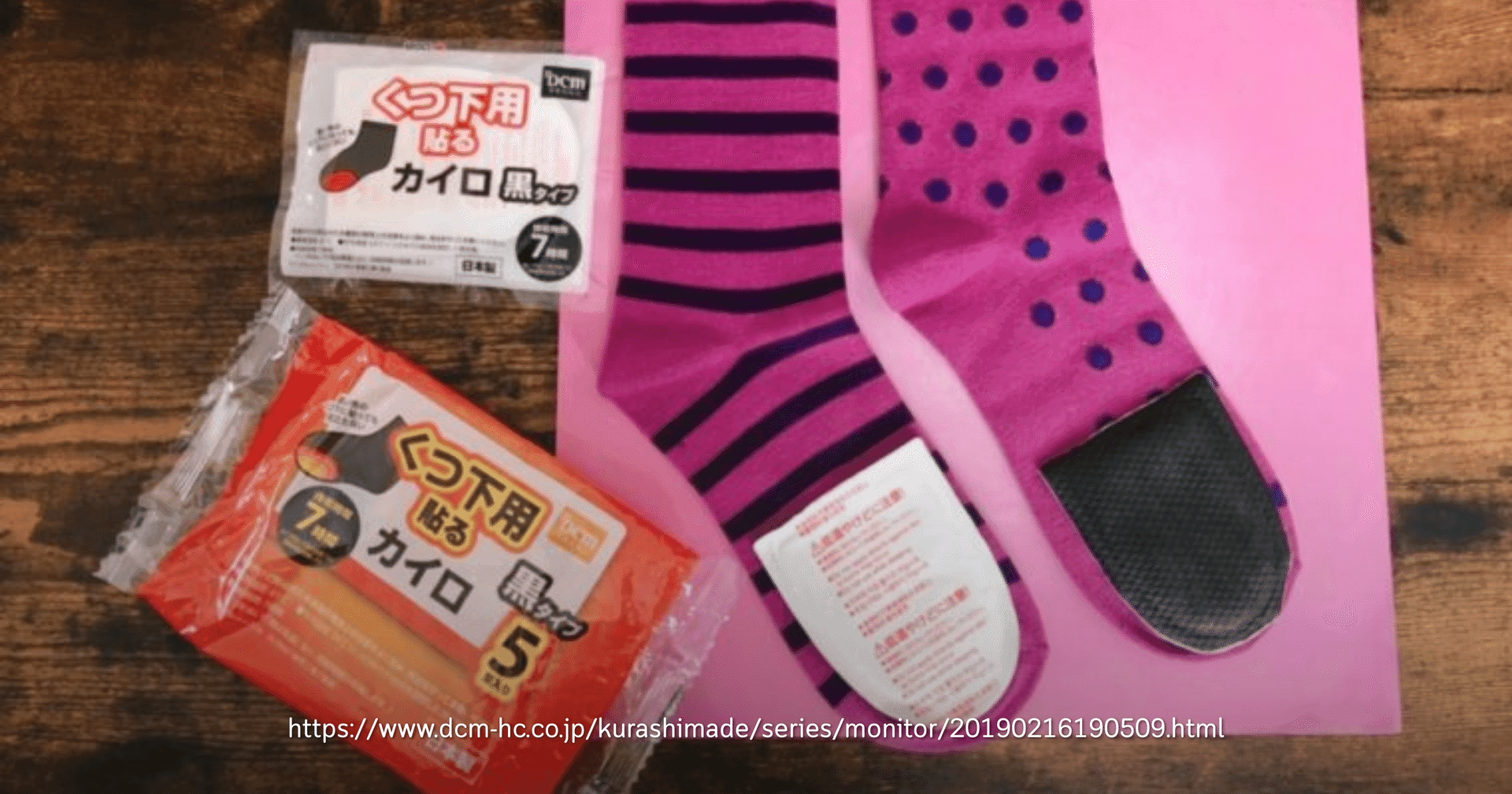
The cold usually hits your extremities — your hands and feet — first. Heat pack makers in Japan have developed a dedicated spot-use type to solve this problem directly, which matters a lot, because once your feet get cold enough to go numb, it can ruin the fun of sightseeing instantly.
Heat packs for feet differ from regular ones in two ways: they are thinner, and their chemical mix is adjusted to react in the low-oxygen conditions inside a shoe. They come both as a stick-on type for socks (at the toe area) and as an insole type. A very important precaution is that you must never use a regular stick-on heat pack on your feet, because the regular type needs a lot of oxygen: inside a shoe it may not heat up at all, or conversely, if air does get in, it could overheat and cause blistering since the heat can't escape. Using a heat pack designed specifically for feet is safer.
There are also mini-size heat packs, designed to be smaller and more compact than usual, ideal for putting inside gloves or sticking onto small spots that need extra warmth. Using these spot-use heat packs together with the larger pad type helps build a barrier against the cold that covers the whole body, from the torso down to the toes.
Tips for Buying and Disposal
Buying heat packs in Japan is easy. You can find them at convenience stores, supermarkets, and drugstores, usually sold in packs of 10 or 30 pieces, at a very low price per piece. When choosing, look at the color band on the packaging or the illustration: a picture of someone sticking it on their back or waist means the stick-on type, while a picture of it being held in a hand means the portable type.
Once used, disposing of them properly requires attention to Japan's rules. Disposable iron-powder heat packs, once cooled and hardened, are treated as non-burnable waste in some areas, while other areas allow them to be thrown away as burnable waste, depending on the local municipality. If you're a traveler staying at a hotel, it's best to throw them in the trash bin in your room, and housekeeping will sort them properly. Avoid flushing them down the toilet or littering them along walkways.
Conclusion: Turn the Cold into Comfort by Choosing the Right Heat Pack
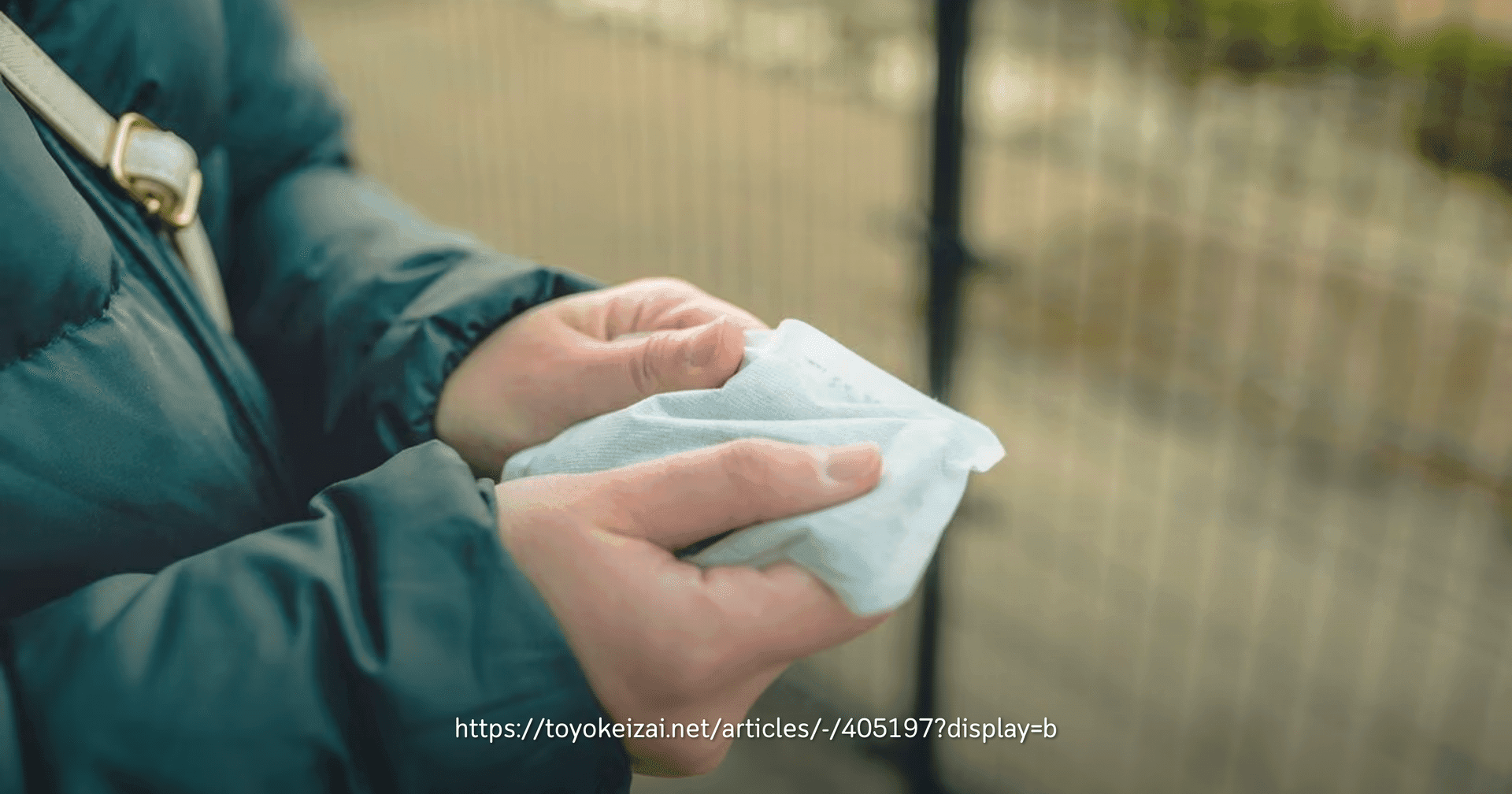
Getting ready to face the cold isn't just about wearing thick clothes; it's about knowing how to use accessories smartly. Choosing the right type of heat pack, whether the stick-on type to keep your core warm, the portable type to keep your hands warm, the electric type for convenience and sustainability, or the spot-use type to protect your toes, will keep your winter trip comfortable and hassle-free.
Whether your destination is a ski slope in Hokkaido or a stroll through the illuminations in Tokyo, having the right heat pack with you can turn biting cold into welcome warmth, letting you fully enjoy the beautiful scenery ahead without worrying about the temperature anymore.