




If you love Japan, one of the most popular destinations, you've probably thought about traveling there on your own at least once. People who have never traveled independently often feel intimidated and hesitate to try. But traveling in Japan on your own is not as hard as many people think. A few simple tips are all it takes. Here are 7 steps for planning a trip to Japan that make the whole process easier.
1. Choose When You Want to Travel
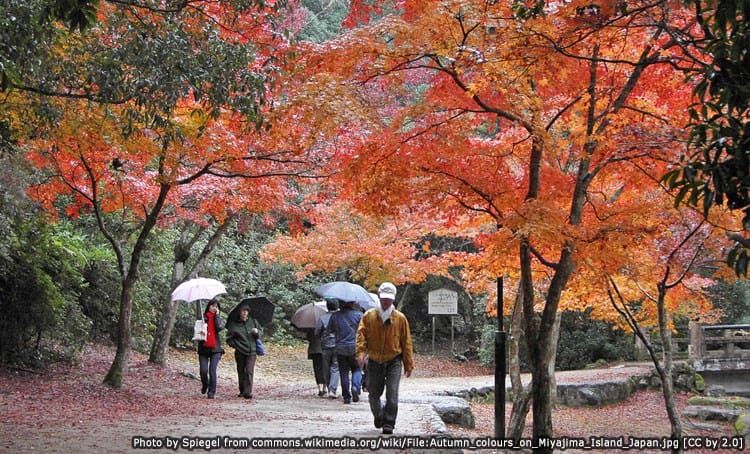
Photo by Spiegel from commons.wikimedia.org/wiki/File:Autumn_colours_on_Miyajima_Island_Japan.jpg [CC by 2.0]
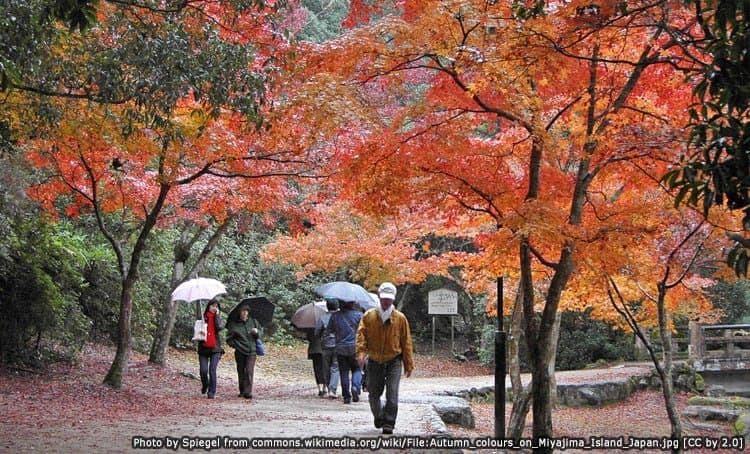
Another season just as popular is autumn, from around October to November. It's beautiful in a different way from spring, but just as lovely. Natural scenic spots in particular look like paintings during this time, with colorful views everywhere — leaves in orange, red, and yellow wherever you look. If you visit mountain areas, it's absolutely stunning. Both of these popular seasons share cool weather that's neither too hot nor too cold. But if you want fewer crowds and a smaller budget, we recommend summer, from around June to September. It is hot, but there are real upsides: flights and accommodation are cheaper than in the other two seasons, and there are great summer festivals all across Japan. Best of all, if you love shopping, summer is sale season — department stores everywhere run huge discounts, and you may need an extra bag just to carry it all home.
2. Choose the Places You Want to Visit
Photo by Midori from commons.wikimedia.org/wiki/File:Lake_Kawaguchiko_Sakura_Mount_Fuji_4.JPG [CC by 2.0]
3. Find Flight Tickets
Photo by lasta29 from https://commons.wikimedia.org/wiki/File:Japan_Air_Lines,_JL816,_Boeing_787-8_Dreamliner,_JA821J,_Arrived_from_Taipei,_Kansai_Airport_(17186364062).jpg [CC by 2.0]
4. Choose Travel Insurance
Travel insurance is easy to overlook, because nobody wants to imagine needing it. No one wants to think about having an accident or getting sick and losing time or peace of mind while traveling. But if an emergency really happens, travel insurance can save you a significant amount in expenses. This is especially important for families traveling with elderly members or children, for extra peace of mind. And if you're traveling to Japan, it helps to have insurance from a company with a presence there too, which makes coordination much smoother.
For this reason, it is worth choosing an insurer with long experience and an office in Japan, so that treatment can be arranged directly with local hospitals and you do not have to pay first. If something happens, a 24-hour hotline
Another important reason is that, compared with your overall trip costs, insurance is cheap — often cheaper than a data SIM. Even a basic plan is usually enough, since it covers a high level of medical expenses along with many other situations. One useful benefit is cover for lost or damaged luggage and personal belongings — a problem you see stories about on social media all the time. It also covers flight delays and even cancellations.
5. Find the Right Travel Pass
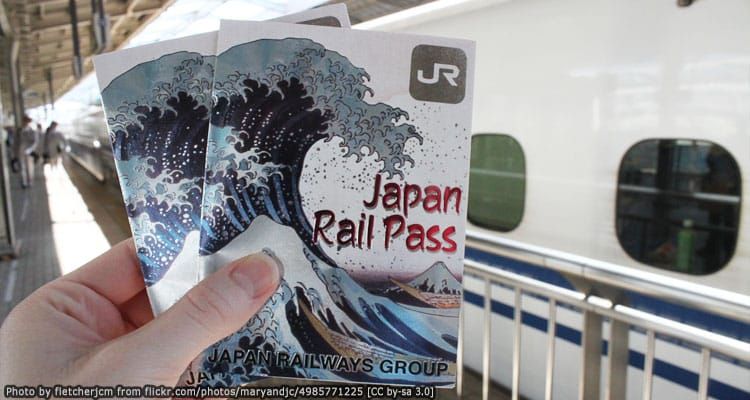
Photo by fletcherjcm from flickr.com/photos/maryandjc/4985771225 [CC by-sa 3.0]
6. Choose a Hotel That's Convenient, Clean, and Safe

Another thing at the heart of any trip is choosing where to stay, since accommodation is a major factor in your travel budget and how convenient it is to reach various attractions. First, you need to know where you'll be visiting so you can choose the right neighborhood to stay in. Accommodation in Japan comes in many levels and types, from regular hotels to hostels and ryokan. The best area to stay is near a train station, since it makes getting around easier and you won't have to carry your shopping too far. Most importantly, avoid areas with a bad reputation — even if they are close to the attractions, they may be places locals themselves stay away from. In Tokyo, that's the Kabukicho area, known as a red-light district full of bars and clubs. In Osaka, the area to avoid staying in is Kamagasaki, a rundown district. Besides price, safety matters — no savings are worth staying somewhere you feel uneasy.
7. Choose Places to Eat and Shop Near Where You're Staying
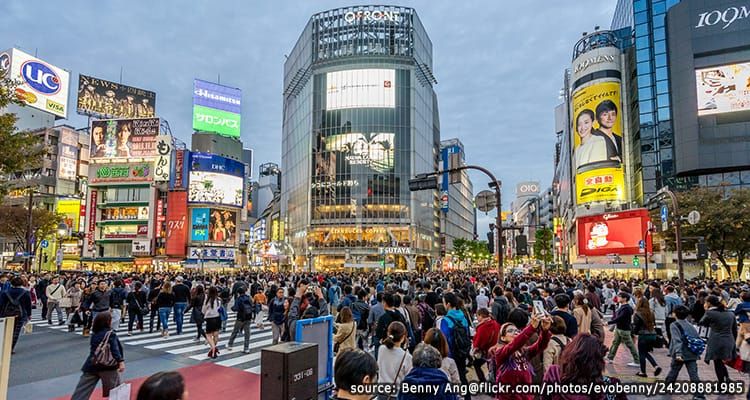
Shibuya
Because Japan is popular with tourists from all over the world, each city has so many attractions, food spots, and shopping areas that it's hard to choose. If you base your choice on the main attractions you've already planned to visit, it becomes much easier to decide which area to look for food or shopping in. If your sightseeing is in one direction but the food and shopping are in another, it wastes travel time and can make the trip more tiring. For example, if you're visiting Asakusa in Tokyo and want to find food or shopping, we recommend Nakamise Street, located near Sensoji Temple, or Asakusa Station, since the area beneath the station is a great shopping spot with plenty of food and souvenirs to browse. Or if you're in Osaka and looking for shopping, head to Shinsaibashi, which has plenty of stores. It's best to base your itinerary around this area, so you save both time and money.
So there you have it. Once you break it down into steps, planning a trip to Japan is not as hard as it looks. Just follow the steps in order and you will get there. If you try it and it works out, let us know how it goes. We're confident that once you try traveling on your own, you'll love it so much you'll want to do it again and again.