


When it comes to Tokyo, one of the most popular experiences is exploring, tasting, and shopping at its fish markets , the most famous being Tsukiji Fish Market. But Tokyo has more than one fish market — there are other seafood markets just as interesting. This article looks at 5 standout fish and seafood markets in Tokyo, each offering fresh, high-quality seafood and a distinct atmosphere. Every market has its own highlights, from thrilling tuna auctions to restaurants serving fresh sushi to the lively bustle of trading. We'll compare them side by side so you can decide which one to visit.
Why Visiting Fish Markets Is Popular in Japan
Fish markets are often the freshest source of seafood. Visitors can see fish that has just been caught and buy high-quality seafood to eat right away. The famous tuna auctions are a major draw, letting visitors experience the excitement and intensity of the bidding.
Fish markets offer more than fresh seafood. They also have shops selling souvenirs, kitchenware, and ready-to-eat dishes such as sushi and sashimi. Visiting a fish market lets travelers experience local fishing and trading culture, and learn about the lives of fishermen and merchants. Visiting these markets also supports the local community and economy, and raises awareness of marine conservation and sustainable fishing.
Seasonal Fresh Seafood at the Fish Markets
Seafood tastes best when it's in season, and each season brings a different lineup of ingredients. Here's what to eat in each season.
Spring (March–May):
Spring brings seasonal catches such as baby sardines, clams, and firefly squid, which often appear in the sushi and sashimi sold at the markets.
Summer (June–August):
Summer brings plenty of seafood such as uni (sea urchin) and eel, which are very popular and often featured prominently at market restaurants.
Autumn (September–November):
As the weather cools, a variety of seafood becomes available, such as sanma (Pacific saury), mackerel, and oysters, making this a great time for seafood lovers.
Winter (December–February):
In the days before New Year, Tsukiji Fish Market becomes especially lively as people shop for osechi ryori (traditional Japanese New Year food). The market atmosphere is full of energy, with many shops offering special New Year items.
Winter is the best time for fatty fish such as buri (yellowtail) and cod, as well as crab and various shellfish, which are popular ingredients in winter dishes served at market restaurants.
1. Tsukiji Fish Market
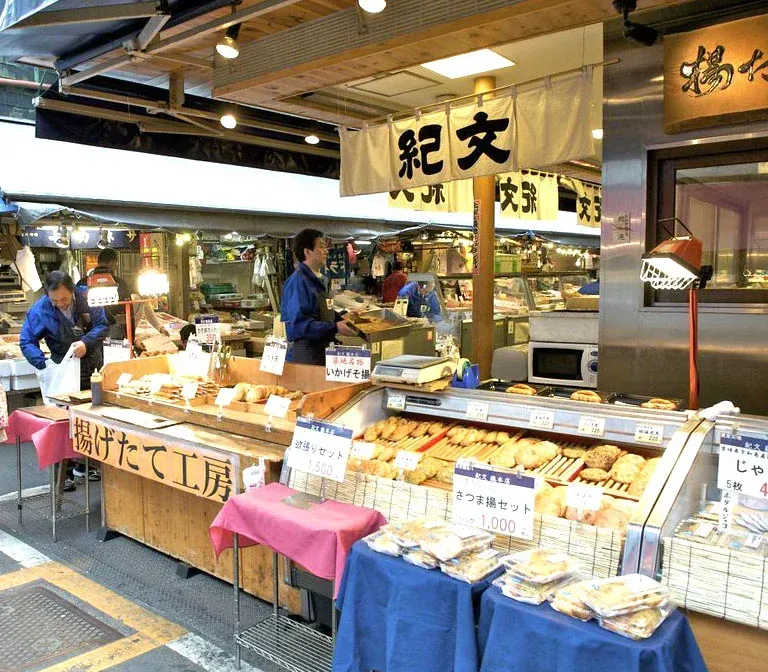
Photo from https://www.flickr.com/photos/marcomassarotto/460172473
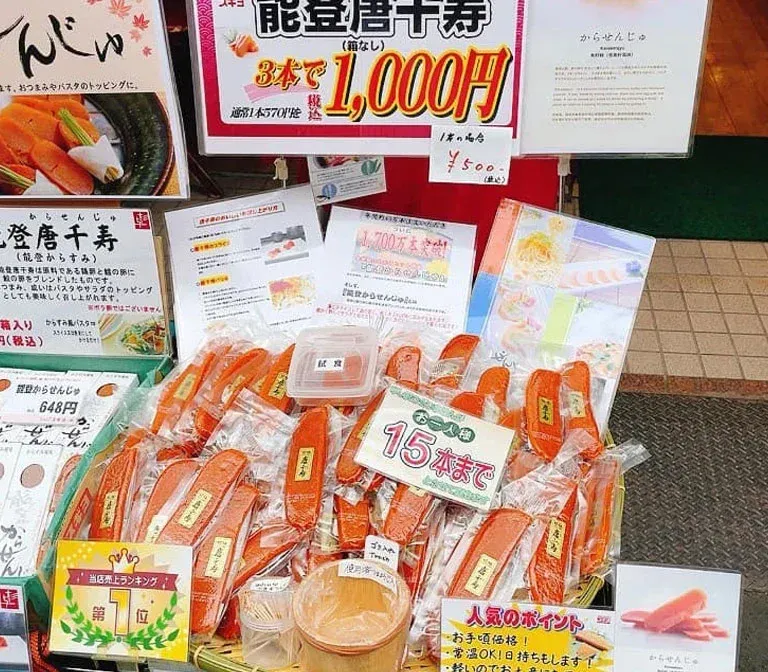
Photo from https://www.tsukiji.or.jp/
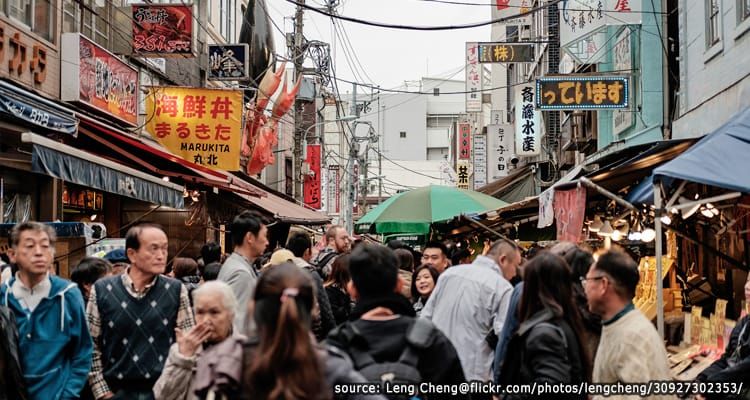
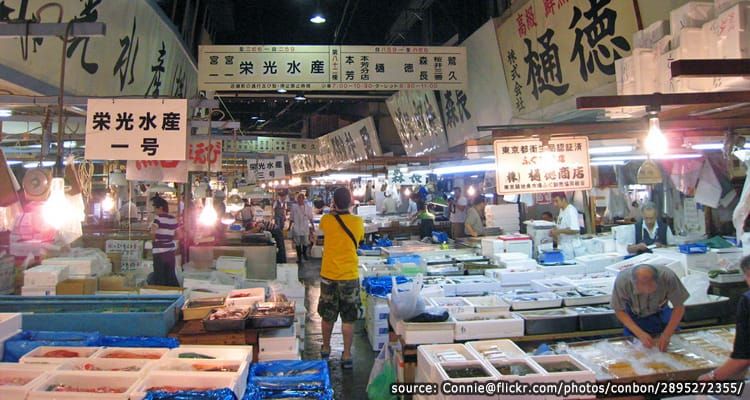
Let's start with Tsukiji Fish Market, the oldest and most famous fish market in Tokyo. Although the tuna auctions have moved to Toyosu Fish Market, Tsukiji still has many shops and restaurants selling fresh seafood and other food products, giving visitors a taste of its unique market atmosphere.
Location: Chuo City, Tokyo
Highlights:
- Once the largest fish market in the world, known as “Tokyo's Kitchen”
- Its tuna auctions once drew visitors from around the world
- The Outer Market is still open, with shops and restaurants selling fresh seafood, souvenirs, and Japanese cooking ingredients
Notable Features:
- A lively, historic atmosphere full of energy and unique charm
- Many seafood restaurants where you can enjoy fresh sushi and other seafood dishes
- The Outer Market remains popular with visitors wanting to experience traditional Japanese market trading
Drawbacks:
- The tuna auctions and main wholesale market moved to Toyosu Fish Market in October 2018
- Facilities and modern conveniences may not match those at Toyosu Fish Market

2. Toyosu Fish Market
Osugi/shutterstock.com
yoshi0511/shutterstock.com
vichie81/shutterstock.com
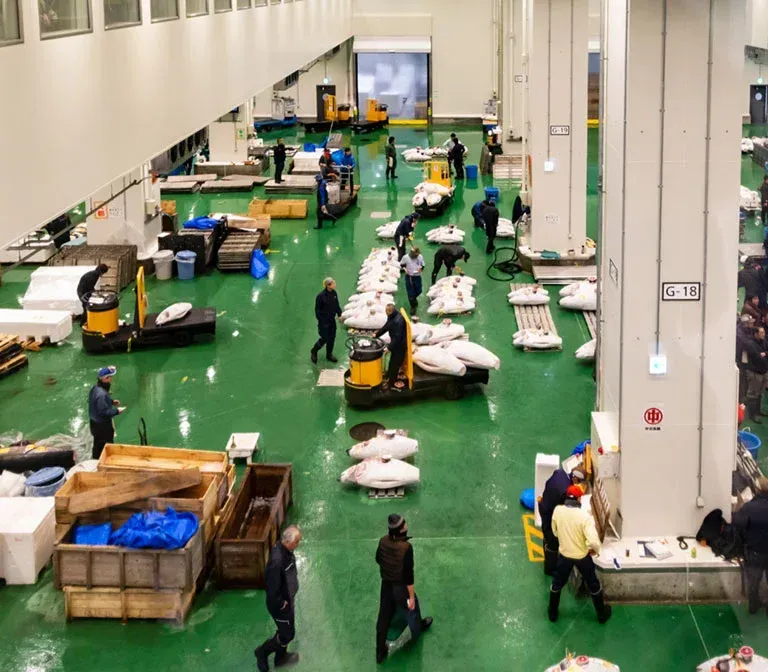
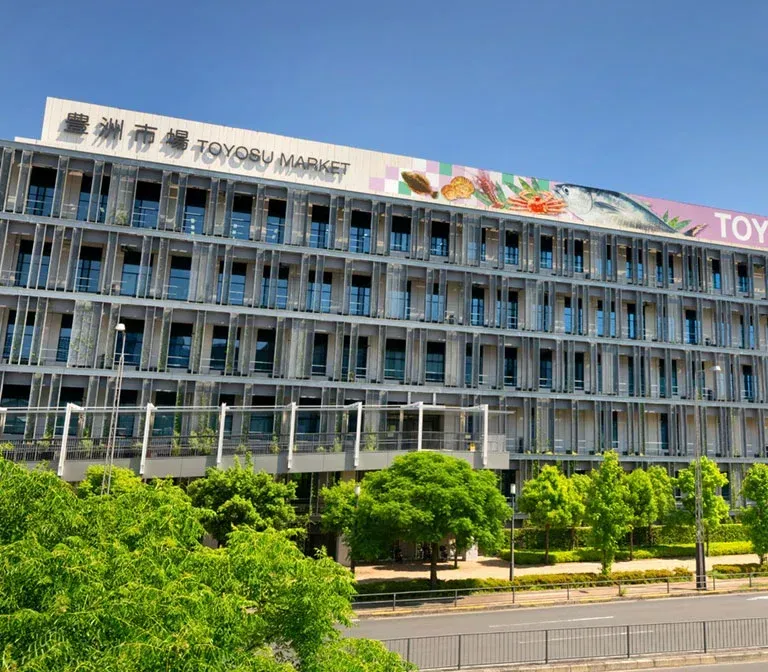
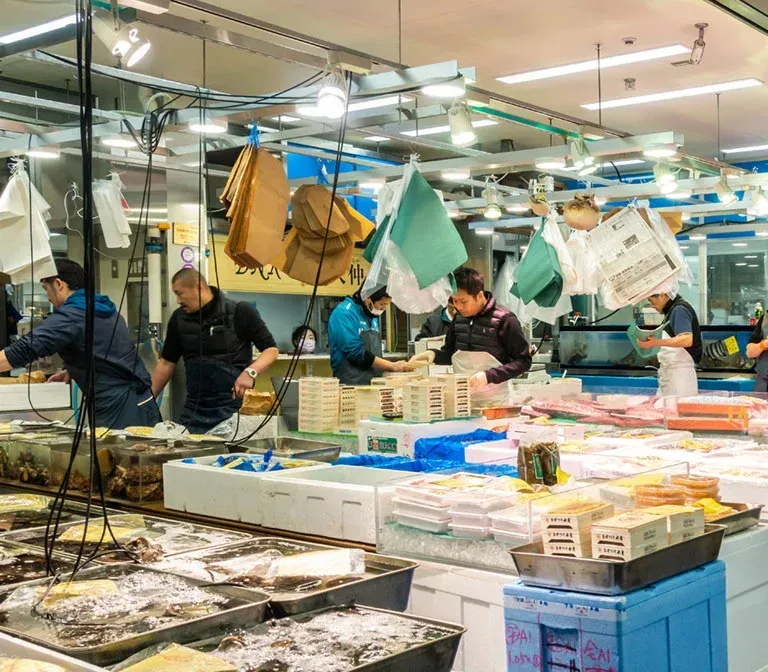
Toyosu Fish Market is Tokyo's most modern and largest fish market. It sits on a spacious site and runs on advanced management technology. It also hosts the famous tuna auctions, which visitors can view from an observation deck, along with a dining area featuring many well-known restaurants.
Location: Koto City, Tokyo
Highlights:
- The most modern and largest fish market in Japan
- Live tuna auctions that visitors can watch
- A glass walkway area for visitors to view the auctions
- Fresh seafood restaurants and various shops within the market
Notable Features:
- A modern, high-tech management system
- Cleaner and more organized than the old Tsukiji Fish Market
- Areas dedicated to learning about the fishing industry and the way of life around it
Drawbacks:
- Lacks the lively, historic atmosphere of the old Tsukiji Fish Market
- Requires a transfer to the Yurikamome line, though the market connects directly to Shijo-mae Station
3. Ameya-Yokocho (Ameyoko Market)
PixHound/shutterstock.com
Horth Rasur/shutterstock.com
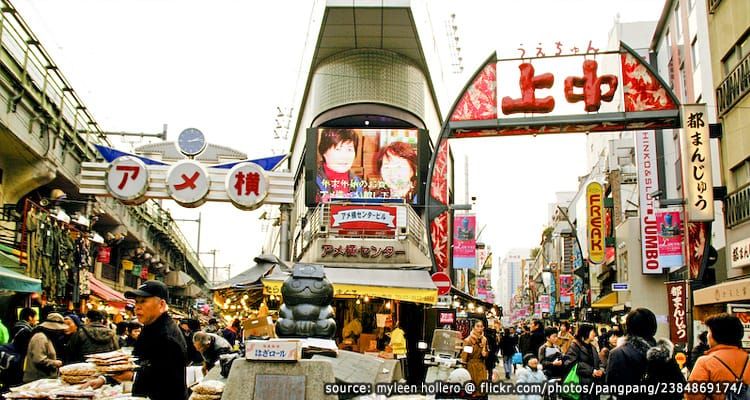
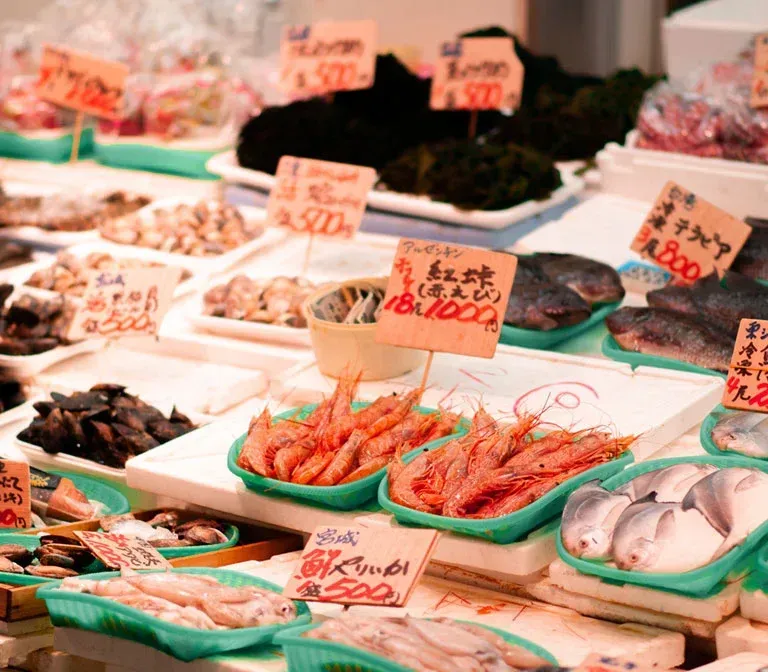
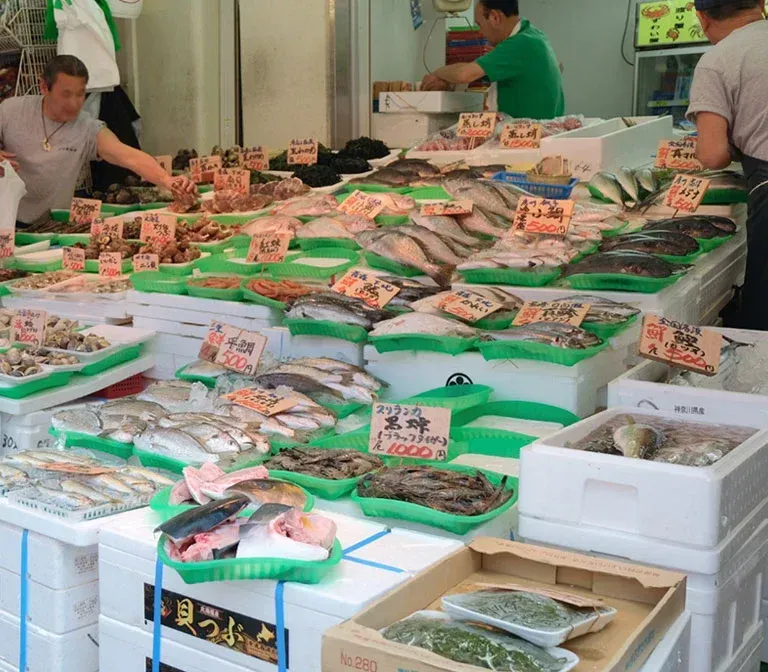
Ameyoko is a bustling market street near Ueno Station. Its shops sell fresh seafood, fruit, snacks, and souvenirs at affordable prices. It's great for strolling and shopping, with a wide range of goods including clothes, shoes, cosmetics, and more, though the seafood section is relatively small.
Location: Taito City, near Ueno Station
Highlights:
- A market street with a wide range of goods, including fresh food, seafood, fruit, snacks, souvenirs, and clothing
- A historic, lively atmosphere
Notable Features:
- A wide variety of goods, not limited to seafood
- Affordable prices, with room for bargaining
- Many restaurants and snack shops to choose from
Drawbacks:
- Less focused on fresh seafood than a dedicated fish market
- Cleanliness and organization may not be as consistent as at larger markets
4. Adachi Market
yoshi0511/Shutterstock.com
yoshi0511/Shutterstock.com
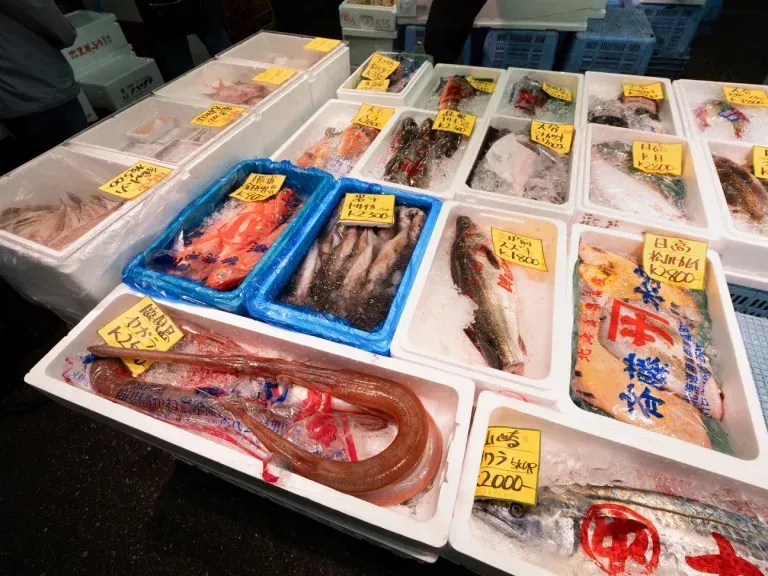
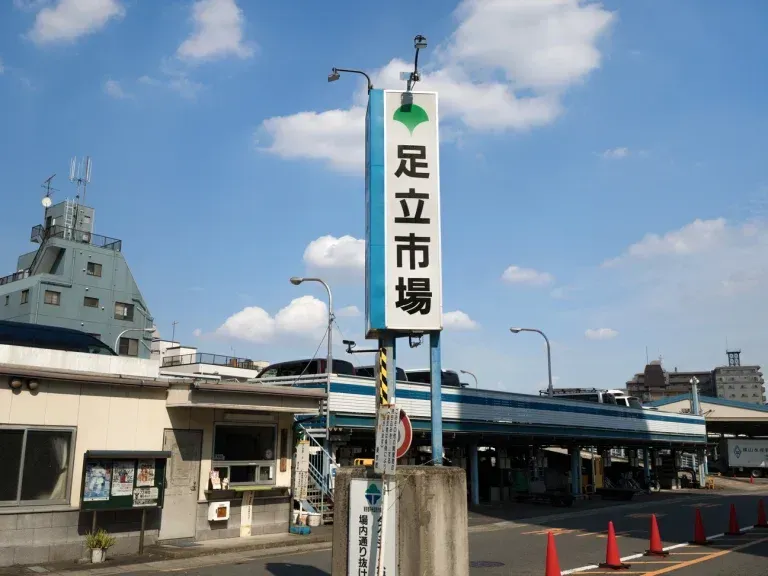
Adachi Market is located in northern Tokyo and is primarily a wholesale fish market, though part of it is open to the public for browsing and shopping. It's quieter than other markets in Tokyo, but still offers fresh seafood and high-quality goods.
Location: Adachi City, Tokyo
Highlights:
- Focuses on selling fresh fish and seafood
- Seafood restaurants serving fresh dishes
Notable Features:
- A quieter, less crowded atmosphere than larger markets
- A chance to experience local life
Drawbacks:
- Smaller than the major markets, with less variety
- May be less lively or engaging for visitors than other markets
5. Ota Market
pixhound/ShutterStock.com
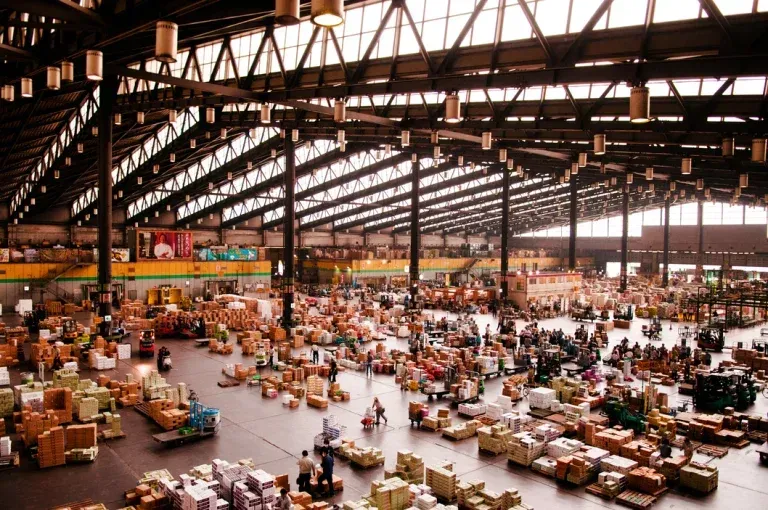
Ota Market is located in Ota City and is a large wholesale market selling not only fish and seafood but also fresh vegetables and fruit. It serves as a hub for food wholesale trading in Tokyo, with auctions and special events that let visitors learn about the food trade in Japan.
Location: Ota City, Tokyo
Highlights:
- One of the largest wholesale markets for vegetables, fruit, and flowers in Japan
- Auctions for produce and seafood held on market business mornings (closed Sundays and holidays)
- A flower market section with a modern computerized auction system
Notable Features:
- Large in scale with good management
- Clean and well organized
- Facilities such as restaurants, packaging supply shops, and cafes
Drawbacks:
- Less convenient to reach than markets located in central Tokyo
- Less lively than Tsukiji Fish Market or Ameyoko Market
Comparison Table: 5 Famous Fish and Fresh Food Markets in Tokyo
| Market | Size | Atmosphere | Variety of Goods | Accessibility | Cleanliness | Price | Address |
|---|---|---|---|---|---|---|---|
| Tsukiji | Medium | Lively, historic | Wide variety | Convenient | Moderate | Moderate | 4-16-2 Tsukiji, Chuo City, Tokyo |
| Toyosu | Large | Modern, clean | Moderate | Moderate | High | High | 6 Chome-6-1 Toyosu, Koto City, Tokyo |
| Ameyoko | Medium | Lively, diverse | Wide variety | Convenient | Moderate | Low | 4-7-8 Ueno, Taito City, Tokyo |
| Adachi | Small | Quiet, local | Moderate | Moderate | Moderate | Moderate | 50 Senjuhashidocho, Adachi City, Tokyo |
| Ota | Large | Lively, modern | Wide variety | Moderate | High | Moderate | 3-2-1 Tokai, Ota City, Tokyo |
5 Famous Fish Markets in Other Cities Across Japan
Let's take a look at some famous fish markets in other cities across Japan.
1. Nijo Fish Market - Sapporo
oliverouge/shutterstock.com
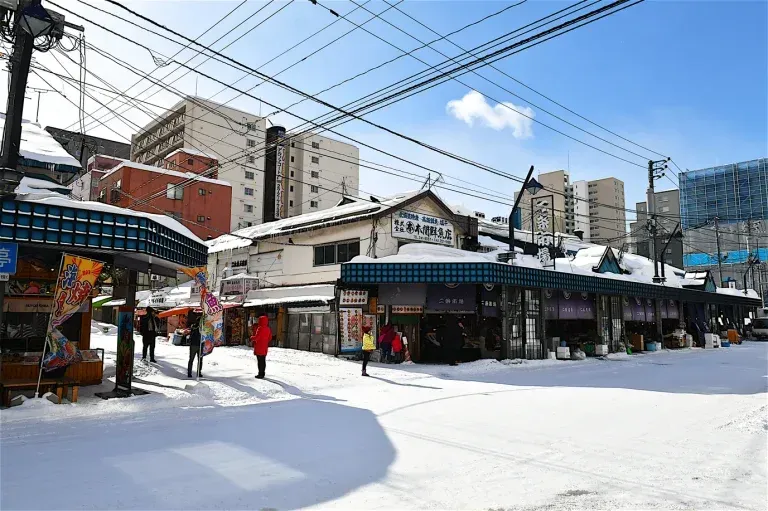
A famous fish market in Hokkaido, offering fresh seafood and restaurants serving local dishes, along with a wide range of souvenirs and food products.
Location: Chuo Ward, Sapporo, Hokkaido
2. Nagahama Fish Market - Fukuoka
julianne.hide / shutterstock
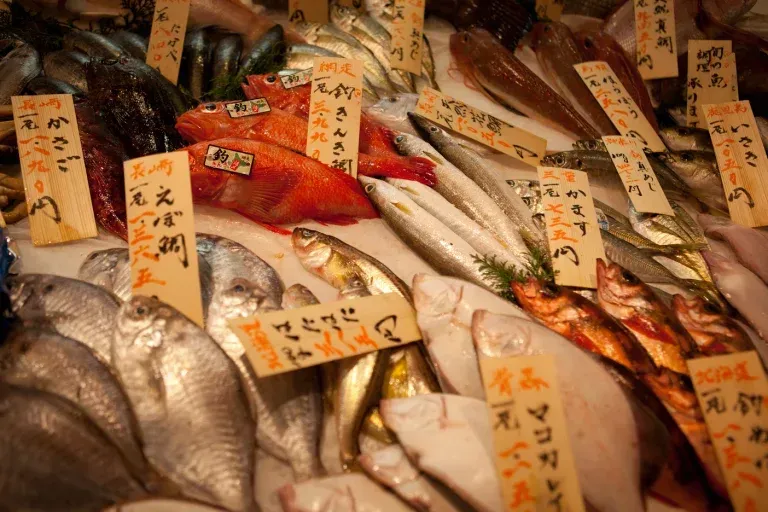
The largest fish market in Fukuoka and the fourth largest in Japan.
Location: 3-11-3 Nagahama, Chuo Ward, Fukuoka
3. Kuromon Ichiba Market - Osaka
jaysonphotography/shutterstock.com
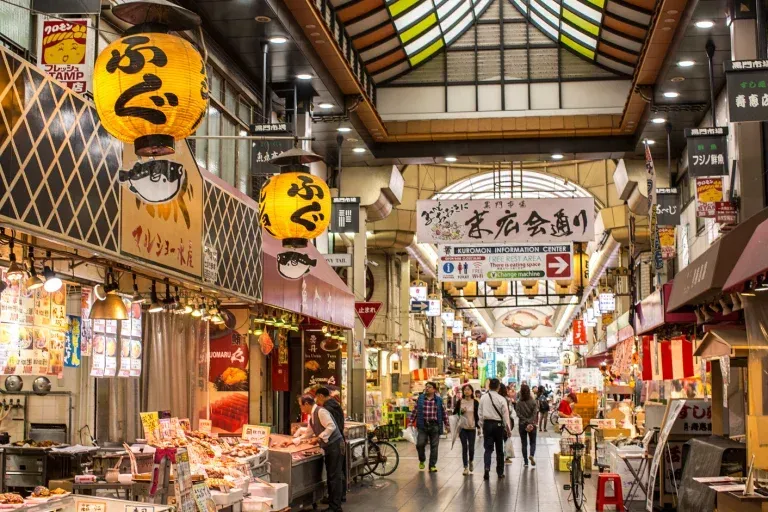
A market with a wide variety of goods, including fresh seafood, fruit, snacks, souvenirs, and kitchenware. Visitors can taste fresh seafood and pick up souvenirs to take home.
Location: Chuo Ward, Osaka
4. Nishiki Market - Kyoto
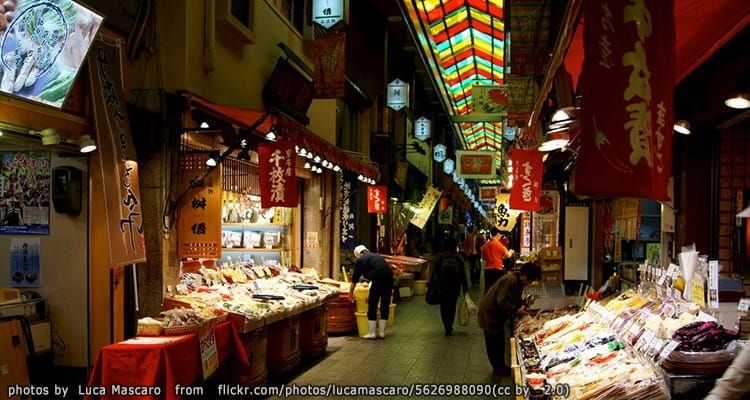
photos by Luca Mascaro from flickr.com/photos/lucamascaro/5626988090(cc by 2.0)
A market with a wide range of goods, not just seafood but also vegetables, fruit, snacks, and souvenirs.
Location: Nakagyo Ward, Kyoto
5. Omicho Market - Kanazawa
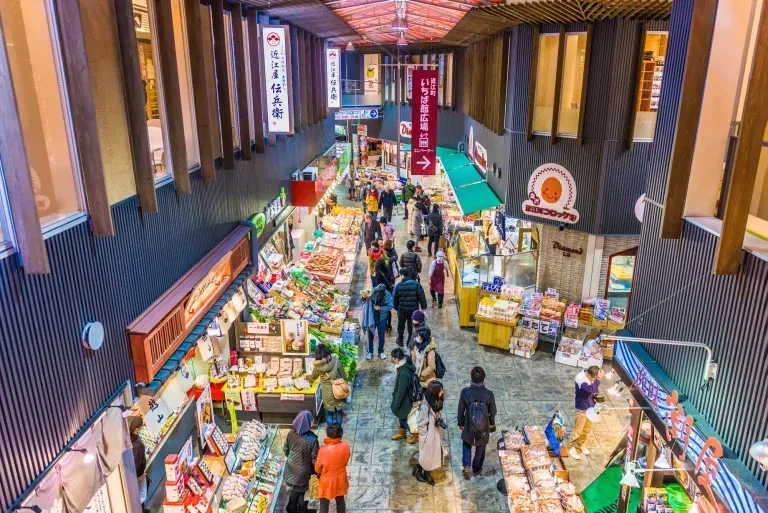
pavone/shutterstock
A market with over 300 years of history, offering fresh seafood and local restaurants serving high-quality food.
Location: Kanazawa, Ishikawa Prefecture