


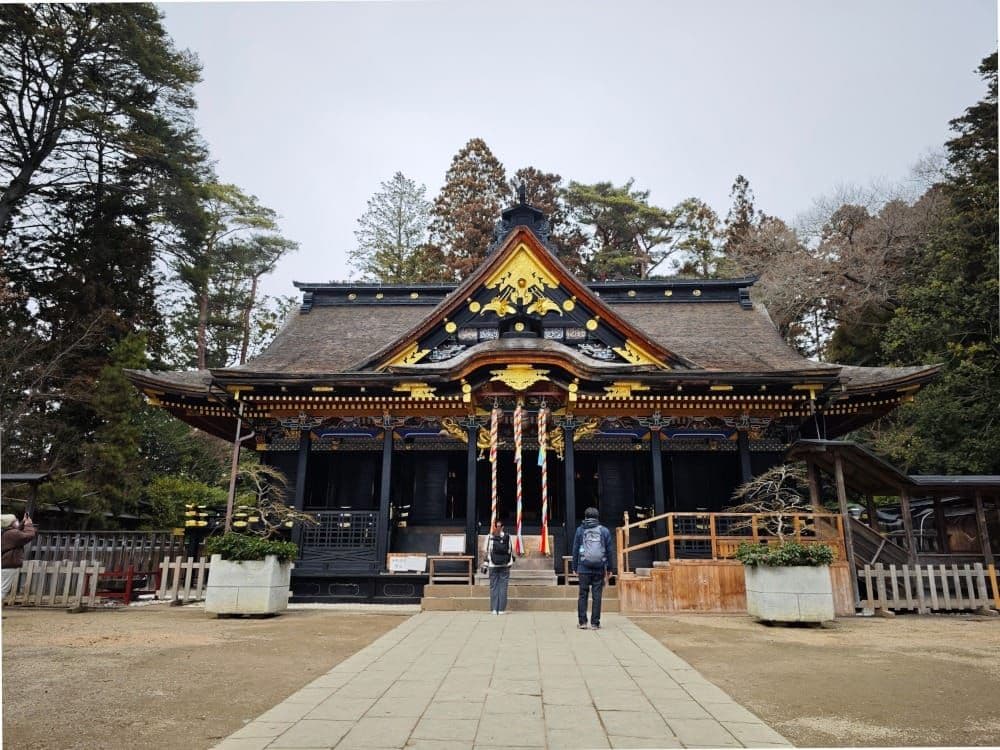


If you come to Sendai and want a spot that feels "truly Japanese," the kind of place where you feel calmer the moment you walk in. Ōsaki Hachimangū is one of the places we really want you to bookmark.
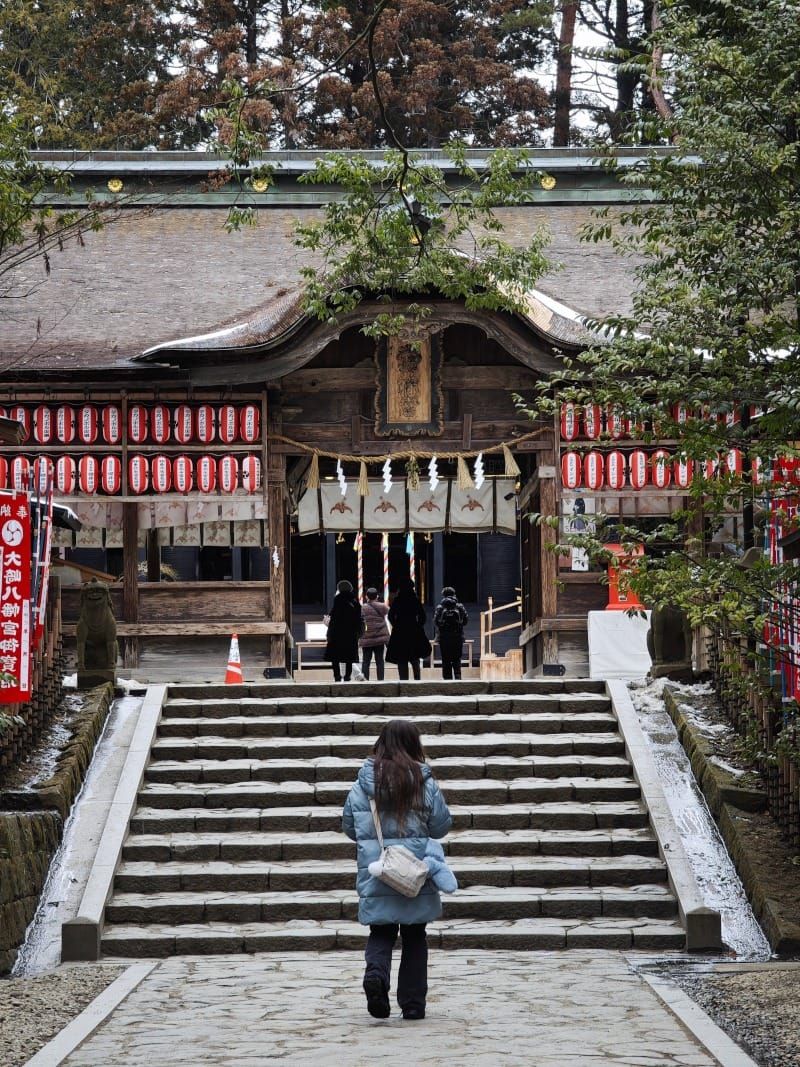
This isn't a huge, grand complex packed with tourists all year round. It's a shrine with a remarkable atmosphere. You walk up a stone staircase past tall trees, and at the top stands a hall lacquered in black with glossy gold accents and vivid carvings, as striking and solemn as a samurai in armor.
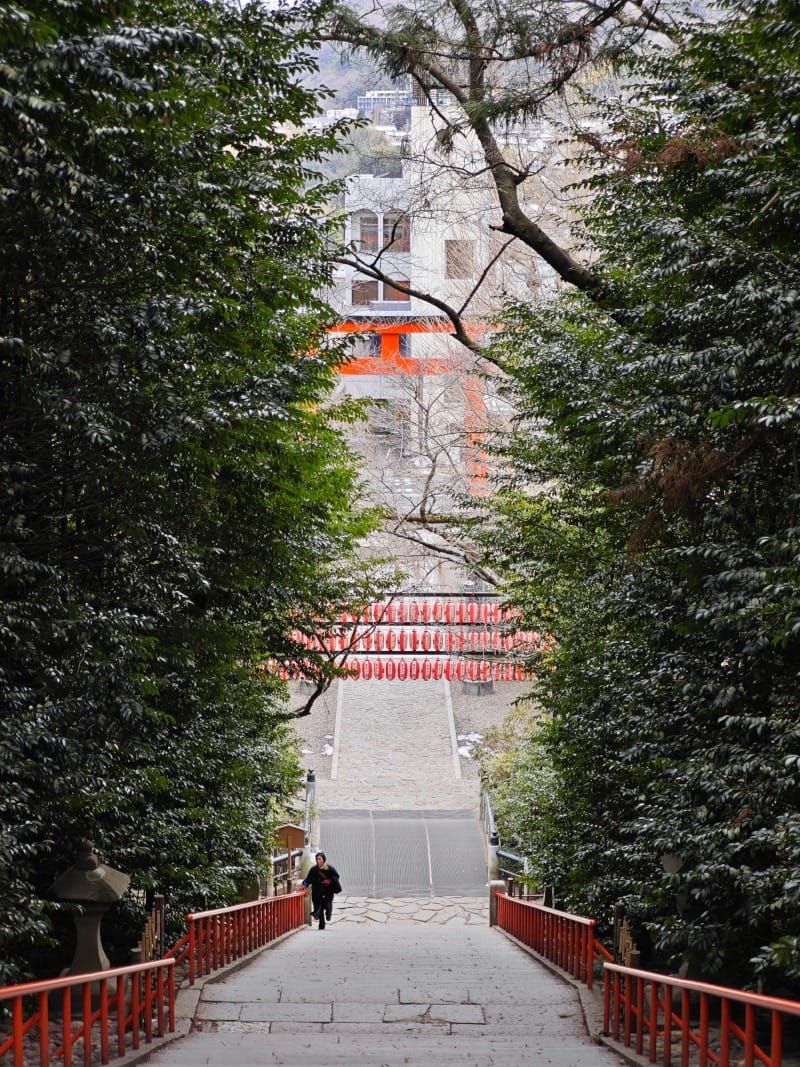
We visited in winter, right after it had snowed. The sky was clear and the air was very cold, with plenty of snow on the ground. The walk up the stairs was wonderful, like stepping out of the city into another world, even though we were still right there in Sendai.
Highlights you shouldn't miss (what to do once you're there)
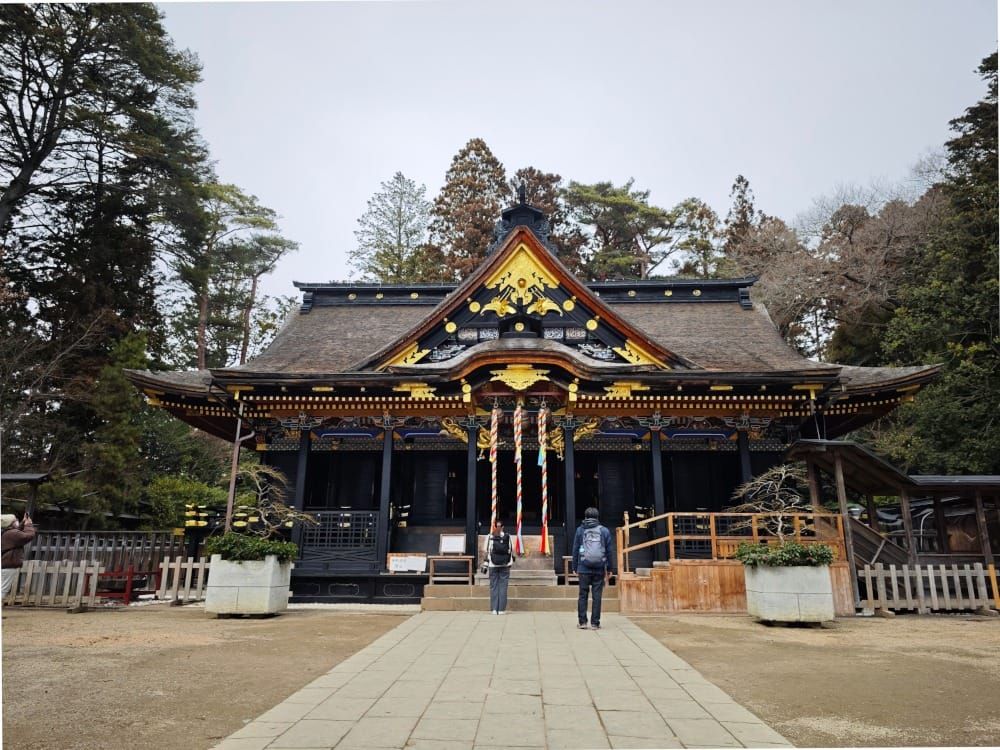
The first thing that catches your eye is the "gold and black" of the main hall (Shaden).
It's a glossy black with gold decoration, and the woodwork detail is dense. Looking at it up close is a real pleasure.
Here's the full shrine-visit routine we followed:
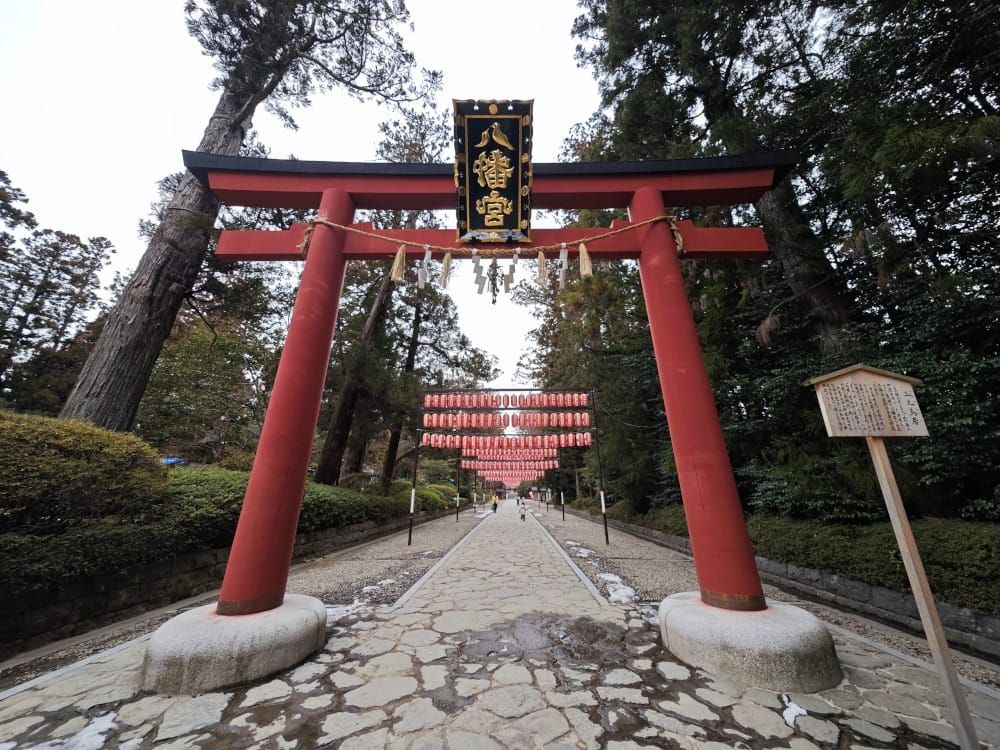
- Walk through the torii gate and follow the path up (this stretch makes for great photos, especially when it's not crowded)
- Stop to rinse your hands at the temizuya (proper etiquette before paying your respects)
- Stand and take in the full view of the main hall, then pay your respects (bow twice, clap twice, make a wish, then bow once more)
- Try an omikuji fortune slip for fun
- If you collect goshuin, leave extra time to ask for one
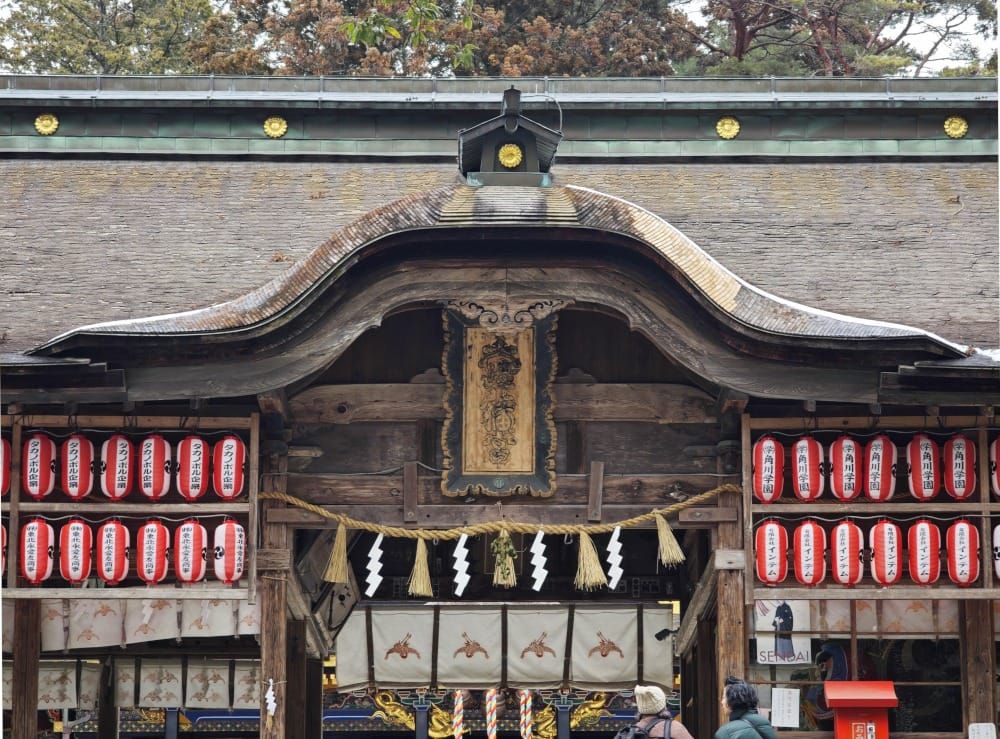
Our favorite spots in particular:
- The front of the main hall: the curved roofline and gold patterns show up clearly, and photos look good with almost no editing
- The side angles: you can see the carved details and colors hidden under the eaves
- The path and stone stairs: they give you that forest-and-shrine, truly Japanese feel in photos
Getting there from Sendai Station (easy to do on your own)
We started from Sendai Station (West Exit side), since it's the most convenient for catching the bus or the Loople.
There are 3 popular options (pick whichever fits your plan):
1) Loople Sendai (the sightseeing loop bus) - great if you want to hit several spots
- Board at the bus terminal outside the West Exit of Sendai Station (usually the Loople stop)
- Get off at the Osaki Hachimangu-mae stop and walk a short way further
- Pro: you can sit back and relax, and continue on to other popular spots like Zuihoden, Aoba Castle Ruins, art museums, and more
- Note: since it loops around, it can take longer than a regular bus, but it suits travelers who aren't in a hurry
2) City bus (Sendai City Bus) - more direct and faster (if you catch the right line)
- From the Sendai Station Bus Terminal (West Exit side), some lines stop at "Ōsaki Hachimangū-mae"
- Get off and it's a short walk into the shrine
- Tip: checking the sign on the front of the bus or Google Maps helps a lot, since stop names are shown in both Japanese and romaji
3) JR Senzan Line + walking - good if you like to keep your timing under control
- Take the JR Senzan Line from Sendai Station
- Get off at Tohokufukushidai-mae Station and walk about 20 minutes (a gentle, steady walk)
- Or get off at Kunimi Station and walk about 15 minutes
- Pro: timing is more predictable (especially during traffic or peak travel season)
If you want it simple, quick, and easy:
- You can also take a taxi from Sendai Station, which doesn't take long (though it costs more than public transport, of course)
Atmosphere
Once you get off and start walking in, you'll begin to see the torii gate, and the feeling gradually shifts from the city to quiet stillness.
Then comes a long stretch of stone stairs... a little tiring, but worth every step, because once you reach the top, the air feels a touch cooler and the atmosphere turns truly "still."
We loved that this place doesn't try too hard to sell itself as a tourist spot.
The people who come to pray are genuinely local, walking quietly and speaking softly, which made us lower our voices and slow down too.
Standing in front of the main hall is genuinely breathtaking. the black and gold stand out with such elegance. It's not just beautiful; it carries a real sense of power.
We stood taking in the details for a while, then paid our respects. It felt truly wonderful.
Quick info
- Admission: Free
- Best time: go early morning for fewer crowds and beautiful light, or late afternoon for a softer feel
- Time needed: about 45-90 minutes (including photos and getting a goshuin)
- Bring cash: for offerings, charms, or goshuin (some places don't accept cards)
- What to wear: comfortable shoes, since there's a lot of walking and stairs