




On this trip I made a point of visiting Aizu (Aizuwakamatsu) because I wanted to see the "white castle with a red roof" on a day when soft, fluffy snow was really coming down. Walking through the castle grounds in the early morning, it was so quiet I could hear my own shoes crunching through the snow.
The view of the castle from the edge of the moat — white walls, red roof tiles, and snow clinging to the ridges of the roof — made for a striking contrast, beautiful even without much editing (and easy to photograph too, since it's far less crowded than during cherry blossom season).
Highlights
- Walk around the moat and stone walls before heading up into the castle
Take it slow and look for a spot where you can frame the whole castle with fluffy snow in front of the lens — it gives the most quintessentially Japanese look of all. - Go up the "Tenshukaku" and check out the exhibits inside before heading to the upper floors
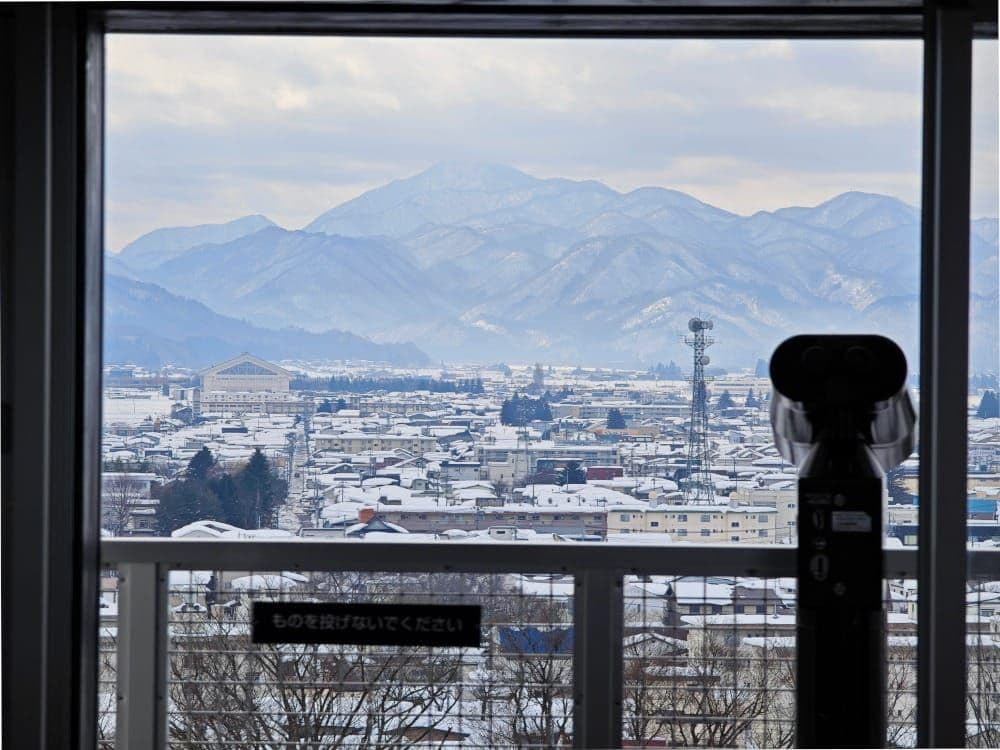
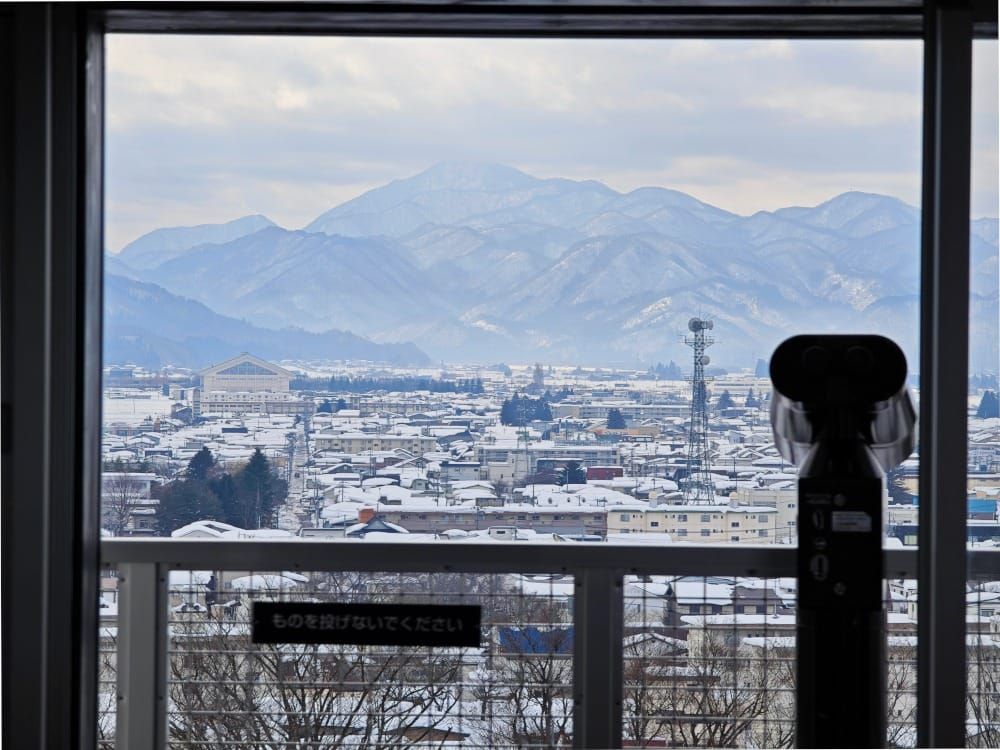
Inside it's set up like a museum, with displays on history, armor, and weapons, and the highlight is the observation deck on the top floor, with views over the city of Aizu and the surrounding mountains (it's especially great on a clear day). - If you're visiting in February and it lines up with the event dates, check out the Aizu Painted Candle Festival
The event fills the area with candlelight and lanterns for a cozy winter atmosphere, held in February every year, but the dates change, so please check the official website.
Fluffy snow photo spots you shouldn't miss
- The side of the moat where you can see the whole castle: you get both the stone walls and the water's reflection (if the water hasn't frozen over)
- An angled view showing the layered roof ridges: snow settles in layers here, making the roof pattern really stand out
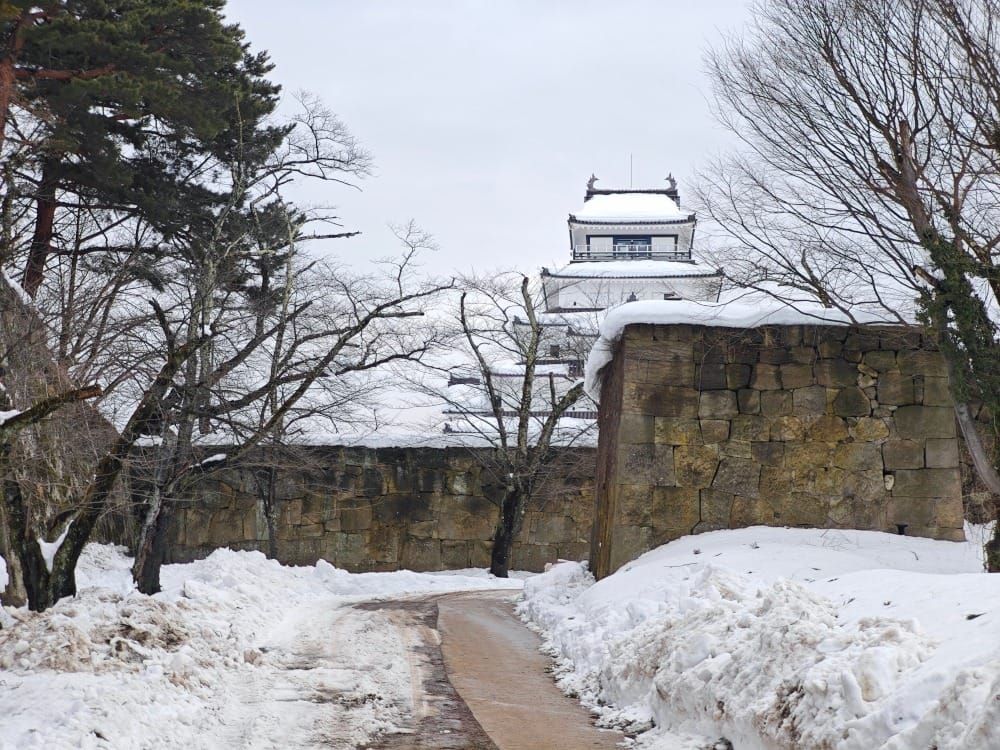
- A shot taken while walking through the gate or along a garden path: the ground is thick with snow (try leaving plenty of empty space in the frame so the snow stands out)
A small tip: if it's snowing, use burst mode for a bit, then pick the shot where a snowflake happens to land right in front of the lens — it makes the photo look as fluffy as the snow does to the eye.
Getting there (the route I used, and easy for first-timers)
From Aizu-Wakamatsu Station to Tsuruga Castle
- I took the Haikara-san / Akabe loop bus and got off at the "Tsurugajo Iriguchi (鶴ヶ城入口)" stop, then walked about 5 minutes to reach the castle
If it's very cold or the snow is heavy, taxis are easy to find and quick (though the loop bus has a fun local-Aizu feel to it).
Hours & admission
- Tenshukaku (天守閣) visiting hours: 8:30-17:00 (last entry 16:30), open every day
- Admission (individual):
- Adults ¥410
- Elementary to junior high students ¥150
- Combined ticket for Tenshukaku (天守閣) + Rinkaku ¥520
Fun facts
A "red roof" castle of a kind you will hardly find anywhere else in Japan: the deep red roof tiles are a real signature feature, and the red color was restored during a major renovation in 2011 to match how it looked in the late Edo period.
The red isn't just for looks — it comes from the need to survive in a snowy city: Aizu gets heavy snowfall, and the original black tiles tended to crack in the cold, so glazed tiles (赤瓦) were developed that hold up far better against freezing (there are even records of tests where tiles were soaked in the castle moat over winter).
The castle's name comes from a crane: the overall look of white walls and a red roof brings to mind a crane (tsuru), which is said to be the origin of the name.
It's one of the symbols of "the loyalty of Aizu's samurai": this castle was one of the key strongholds in the late samurai era and is remembered for the battles and siege of the Boshin War.
The story of "Byakkotai (the White Tiger Corps)" is iconically tied to this city: the tragic story of the young Byakkotai members, who mistakenly believed the city and castle had fallen and chose to take their own lives, gives Aizu a "samurai city" character you can genuinely sense.
It was actually torn down after the feudal era, then the townspeople brought it back: the castle was demolished in 1874 and rebuilt in 1965 (which is why today's Tenshukaku has the feel of a "castle museum").