





If you're planning a trip to pick fruit in Japan in 2026, this article has everything you need — from the seasons of popular fruits like strawberries, peaches, melons, grapes, and apples, to how to choose a farm, getting there, etiquette, and what to know before you visit. It will help you pick the right time to travel for the fruit you want to taste, and plan a smooth fruit-orchard trip in Japan. Whether you're traveling with family, a partner, or a group of friends, you can enjoy picking fresh fruit straight from the tree and experience Japan's farming culture all year round.
Fruit Picking in Japan: The Appeal of Farm Tourism
What makes this country's farming system stand out is the care taken at every stage of growing — from analyzing and preparing the soil, to controlling temperature and water levels, to pruning branches for the best possible harvest. Opening farms to let visitors pick fruit fresh from the tree means a level of quality and freshness you can't get at a supermarket.
Many farms also offer all-you-can-eat packages within a set time limit, which adds excitement and great value. A fruit-picking trip suits all kinds of travelers — groups of friends who love taking photos, couples looking for a romantic atmosphere, and families with young children who want them to learn about nature up close.
A Year-Round Fruit Calendar: How to Plan for Each Season
To make sure your fruit-picking trip is worthwhile and gives you the best experience, understanding each fruit's season is essential, since nature decides when the harvest tastes best. Here's a breakdown by season and the most popular fruits for each:
Winter and Spring: Season of Bright Red Strawberries
From December to May, strawberries are the fruit everyone looks forward to. Going fruit picking in Japan during this season means visiting carefully temperature-controlled greenhouses, filled with big, bright red, sweet-smelling strawberries. Modern farms often grow strawberries on raised beds, so you don't have to bend down and strain your back — you can stand comfortably and pick as you eat.
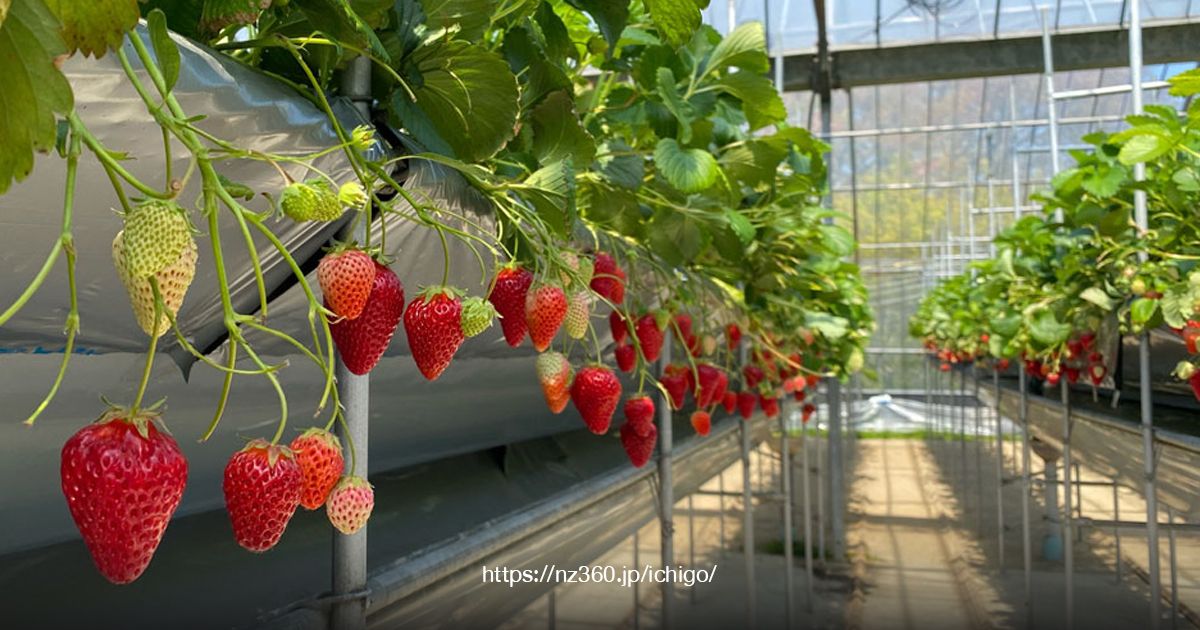
Famous varieties worth trying include Tochiotome, with its perfectly balanced sweet-tart flavor; Amaou from Fukuoka Prefecture, known for its extra-large size and juicy flesh; and Akihime, with soft, gently sweet flesh. Most greenhouses let you wander between the rows at your own pace. Some farms even offer delicious condensed milk to dip your strawberries in, or a counter selling desserts made with fresh strawberries.
Summer: The Sweet Fragrance of Peaches and Melons
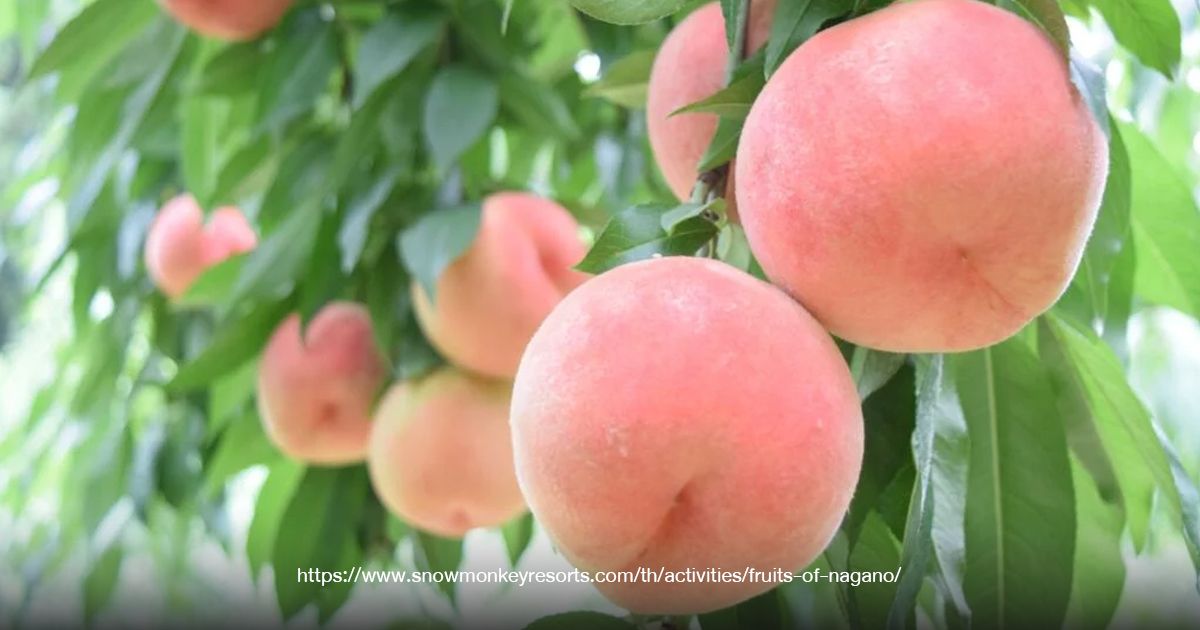
From July to August, the sweltering heat is cooled by the refreshing taste of summer fruit. Peaches are hugely popular, with their soft pink, fuzzy skin, smooth flesh, and sweet, juicy flavor. Yamanashi and Fukushima Prefectures are considered the country's top peach-growing regions. Picking this fruit requires great care, since peaches are delicate and bruise easily, so farmers always teach the proper picking method first — cradling the fruit in your palm and twisting gently — before letting visitors into the farm.
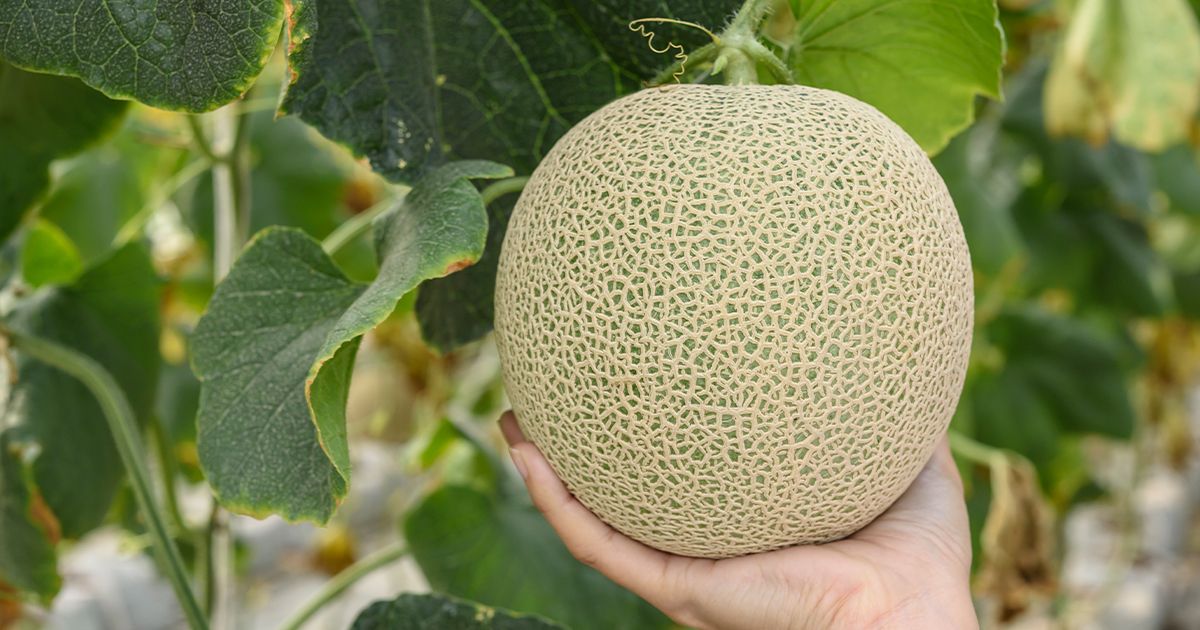
Besides peaches, melons are another standout summer harvest. While melons are often sold as an expensive premium item in department stores, visiting a melon farm directly lets you taste that juicy sweetness scooped straight from the fruit at a more accessible price — the perfect refreshment for a summer day.
Autumn: A Festival of Grapes and Crisp, Delicious Apples
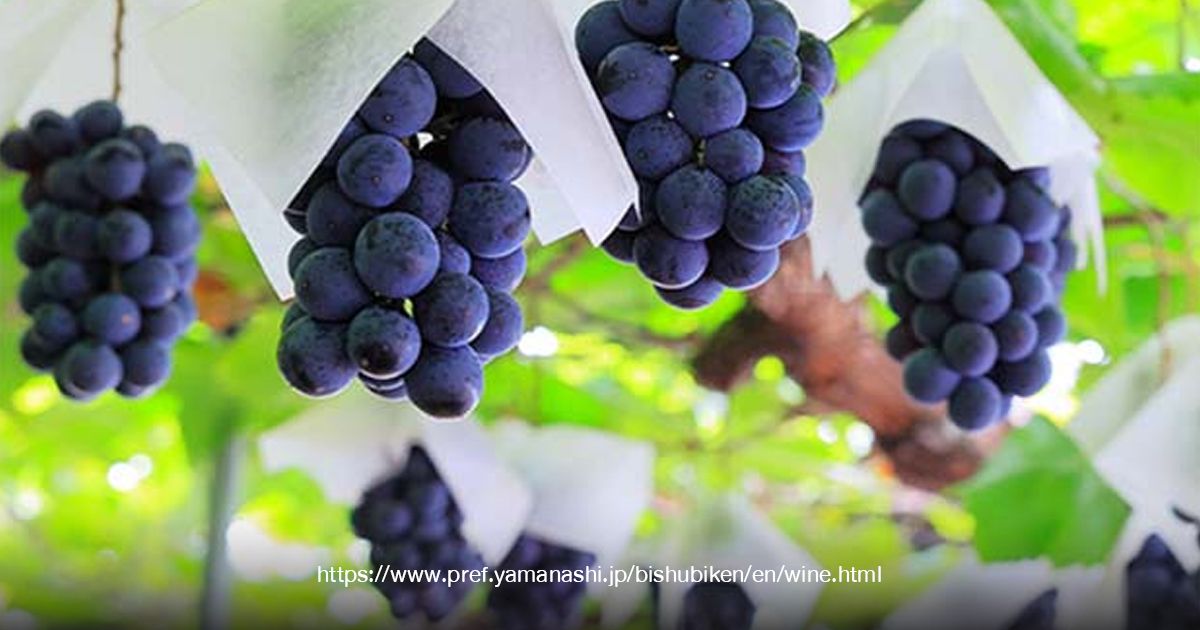
As the leaves turn orange and red and cover the ground, from September to November, the orchards offer their widest variety of the year. Grapes are one of this season's stars. Shine Muscat, an emerald-green seedless variety you can eat skin and all, has crisp flesh and a sweet, floral fragrance that every traveler wants to try. There's also Kyoho, a large, dark purple grape with a distinctively rich flavor. Planning a fruit-picking trip in Japan during the autumn leaves season comes with a bonus — farm scenery framed by autumn colors.
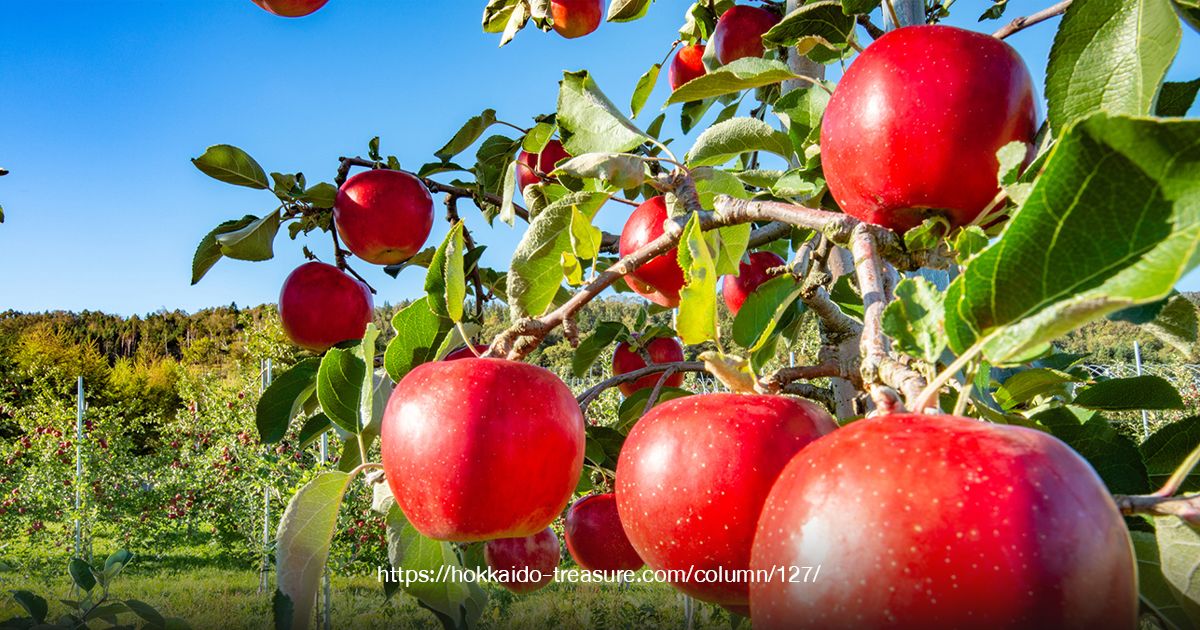
Another must-try in autumn is apples. The most important growing regions are Aomori and Nagano Prefectures, which have cool weather and rich soil ideal for growing apples. Fuji apples, familiar to people around the world, are at their crispest, sweetest, and juiciest when picked straight from the tree by hand. Picking this fruit is easy and fun — farmers teach you to gently twist the stem so the main branch isn't damaged, and the apples you take home can be kept and enjoyed in your hotel room for several days without losing their flavor or crispness.
Etiquette and What to Know Before Entering a Farm
Culture and etiquette matter a great deal to local people. Visiting a farm area also comes with rules that travelers should learn and follow closely, to keep a good atmosphere and show respect to the farm owners.
- Don't waste what you pick: Only pick fruit you are sure you will finish eating. If you buy an all-you-can-eat package, never leave food uneaten, as this is considered rude and shows a lack of respect for the food.
- Do not take fruit home unless the farm clearly states that you can weigh and buy fruit to take away. The golden rule of all-you-can-eat is that you must eat your fill only within the designated area — never hide fruit in your bag or jacket to take out.
- Follow the farmer's instructions: Each type of tree has its own picking technique to avoid damaging branches and new shoots. Listen carefully to the demonstration and follow it closely.
- Do not enter restricted areas: Walk only in the rows set up to welcome visitors. Never duck under, climb over, or cross into roped-off planting areas, to protect the trees and their root systems.
Following these rules closely will help fruit picking in Japan go smoothly and enjoyably, and leave both visitors and local farmers with a good impression.
Choosing a Farm and Convenient Ways to Get There
For anyone planning a trip in 2026, finding farms that welcome international visitors is now much easier through the internet and various online booking platforms. Many well-known farms have developed English-language websites and offer shuttle services from nearby train stations for convenience.
If you plan to rely mainly on public transportation, choose a farm that is not too far from a train station, or one on a regular bus route. If you rent a car and drive yourself, it opens up access to larger farms tucked away in the suburbs, or farms on hillsides with beautiful scenery. Driving gives you flexibility with time and lets you visit several fruit-picking farms in one day. Whichever way you travel, though, you should always book your visit in advance, especially on weekends or when a particular fruit is at peak ripeness, since farms often limit the number of daily visitors to prevent the fruit from bruising or running out too soon.
Conclusion: Fruit Picking in Japan, an Unforgettable Experience
Farm tourism blends relaxation with a hands-on look at how food is grown. Japan has shown that advances in farming technology, combined with dedication and attention to detail, can produce exceptional harvests. Fruit picking isn't just about enjoying delicious flavors — it's also about appreciating the effort farmers pour into every harvest with love and pride.
No matter what time of year your trip falls in — strawberries in winter, peaches in summer, or grapes and apples in autumn — nature always has delicious fruit waiting for you. Leaving the city behind to feel the soil, breathe fresh air, and taste fruit at its best will become a highlight of your trip. Prepare your map, book your flight, and pack your bags to experience fruit picking in Japan in 2026 — and come home with your heart full.