


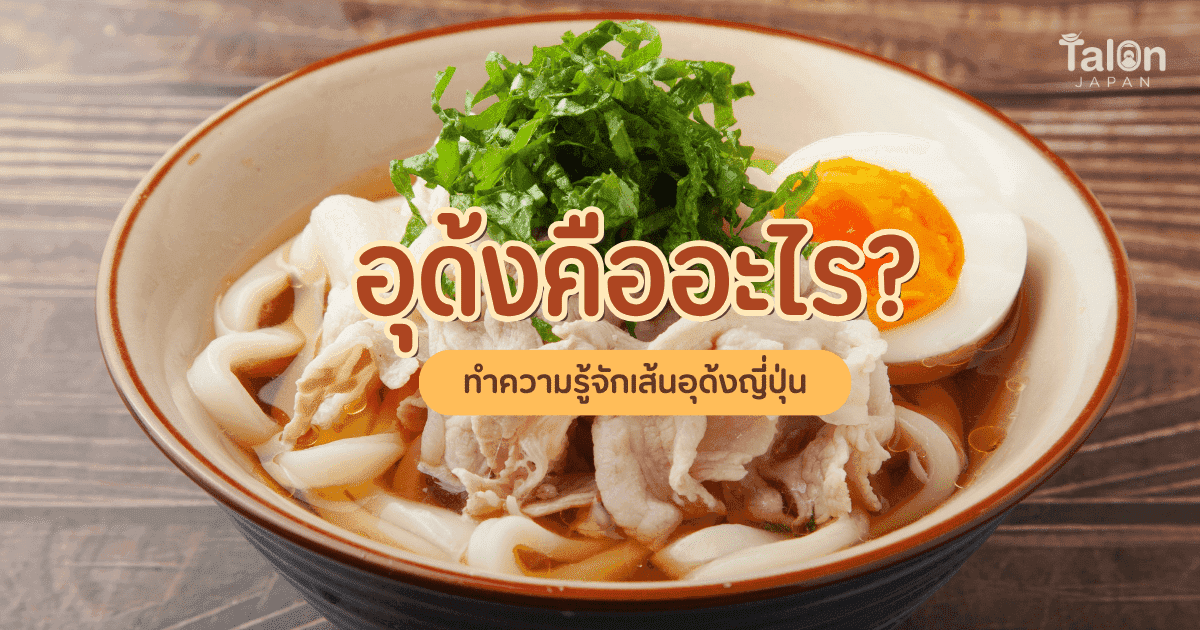


Among Japan's noodle dishes, if ramen represents bold, intense flavor and complex broth-making technique, then the other side of the coin — representing simplicity, softness, and deep natural flavor — has to be the plump white noodle dish called udon.
This dish is not just boiled dough in broth — it's an eating culture rooted in Japanese daily life for over a thousand years. From temple food to street food loved around the world, what is the secret behind its soft, chewy texture, and why is it worth traveling to the noodle's birthplace to taste it fresh? This article will help answer those questions.
Born from Flour and Water: Noodles of Faith
When you ask what udon is, the physical answer is simple: it's a type of noodle made from wheat flour mixed with water and salt, kneaded until soft and elastic, then cut into thick strands and boiled until tender. The noodles are creamy white with a smooth texture, and they have a key trait called koshi — a springy, chewy bite — which is the heart of what determines the quality of a bowl of udon.
But looking back through history, the origin of this dish is linked to religion and travel across borders. The most widely accepted theory tells of a 9th-century Heian-period monk named Kukai, also known as Kobo Daishi, who traveled to China during the Tang dynasty to study Buddhism and brought the secret of a boiled-dough sweet called konton back to his hometown in what is now Kagawa Prefecture. It originally took the form of a filled dumpling, before gradually evolving into long noodles for easier cooking and eating, and it went on to become a popular food among ordinary people in the Edo period, spreading across Japan to this day.
Types of Udon: Variety in a Bowl
What makes this dish wonderful is how flexible it is to prepare — it can be adapted to the weather and local ingredients. Broadly, it's divided into hot and cold styles, which give completely different flavor experiences.
Hot Udon: Warming the Heart
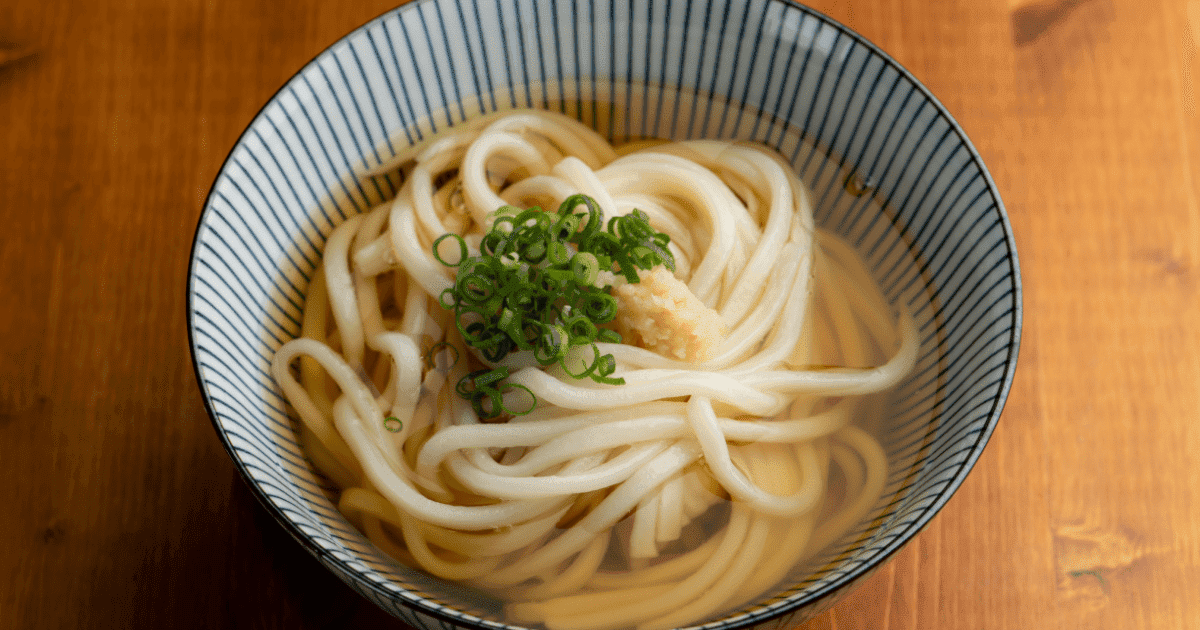
· Kake This is the most basic style — noodles served in a hot, clear broth made from dashi (dried fish and kombu seaweed stock), seasoned with soy sauce and mirin, and topped only with sliced green onion. This dish is the best test of a shop's skill, because there are no toppings to hide behind — the flavor of the noodles and broth stands out clearly.
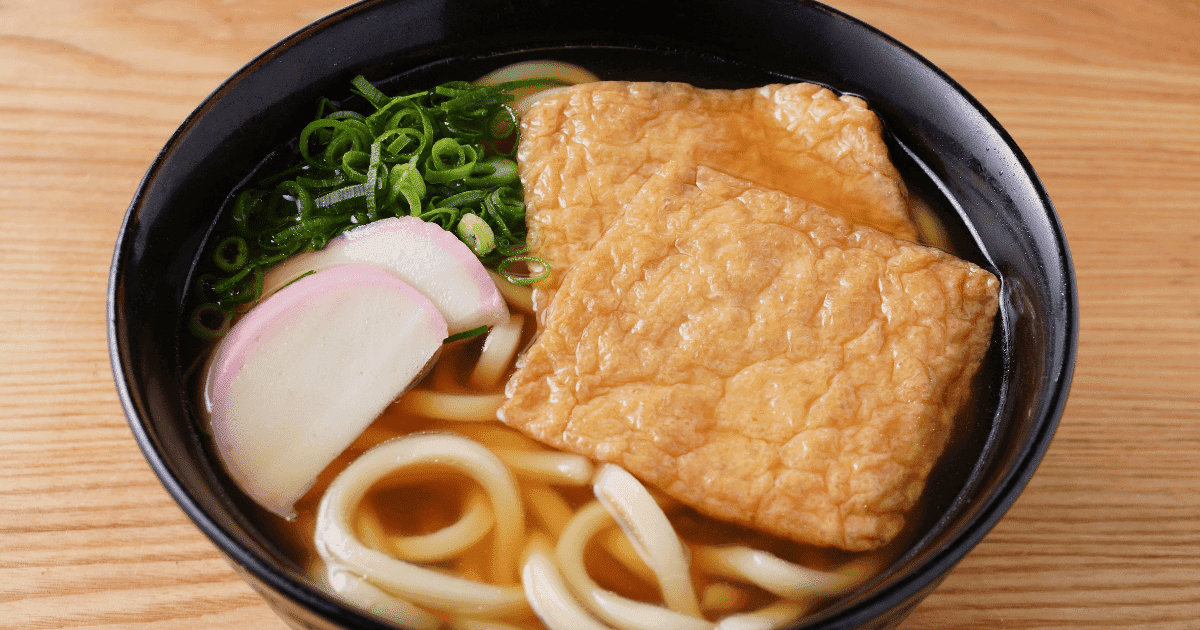
· Kitsune A popular version topped with a large piece of sweet-savory fried tofu. The name kitsune means "fox," based on the belief that foxes love fried tofu — or, some say, because the color of the fried tofu resembles a fox's fur.
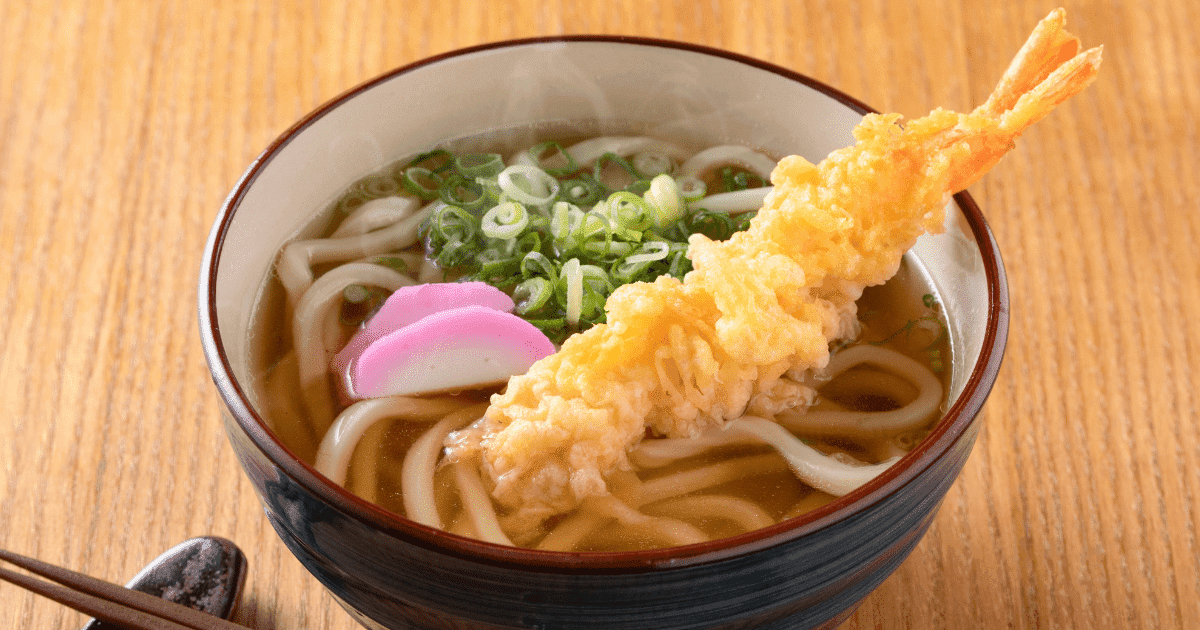
· Tempura A perfect pairing of soft noodles and crispy fried toppings, most often served with shrimp tempura or mixed vegetable fritters (kakiage). Oil from the fried topping seeps into the broth, adding richness and depth to the bowl.
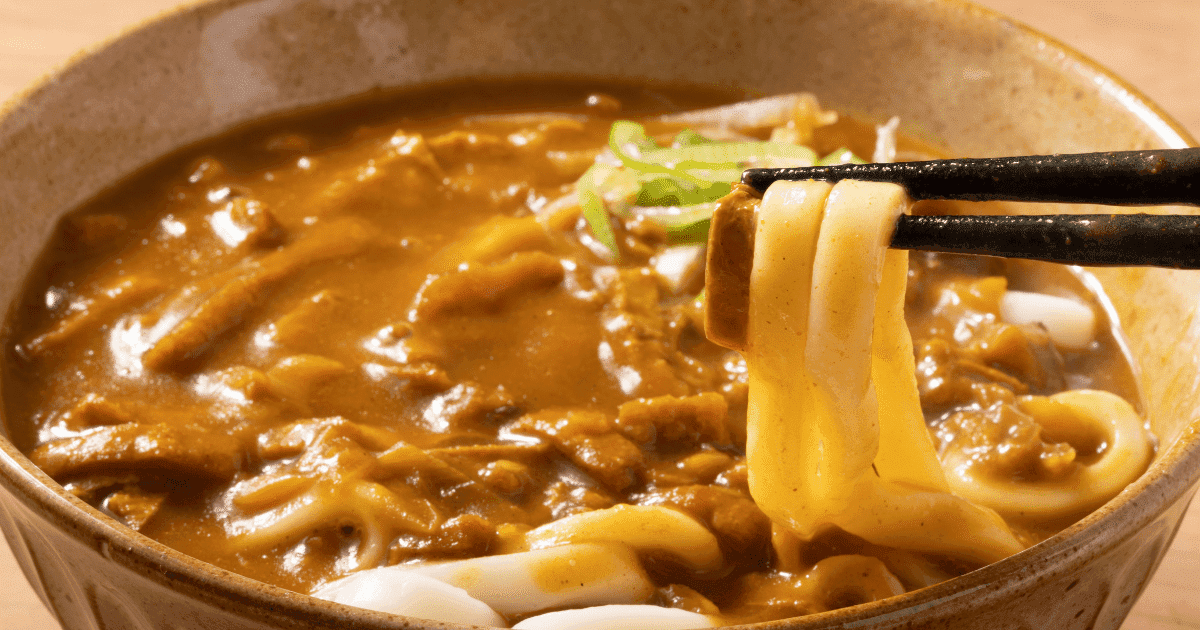
· Curry A blend of Western and Japanese cuisine — Japanese curry thinned with dashi broth to just the right thickness, poured over plump noodles. It's a high-energy dish that's especially popular in winter.
Cold Udon: Refreshing and Chewy
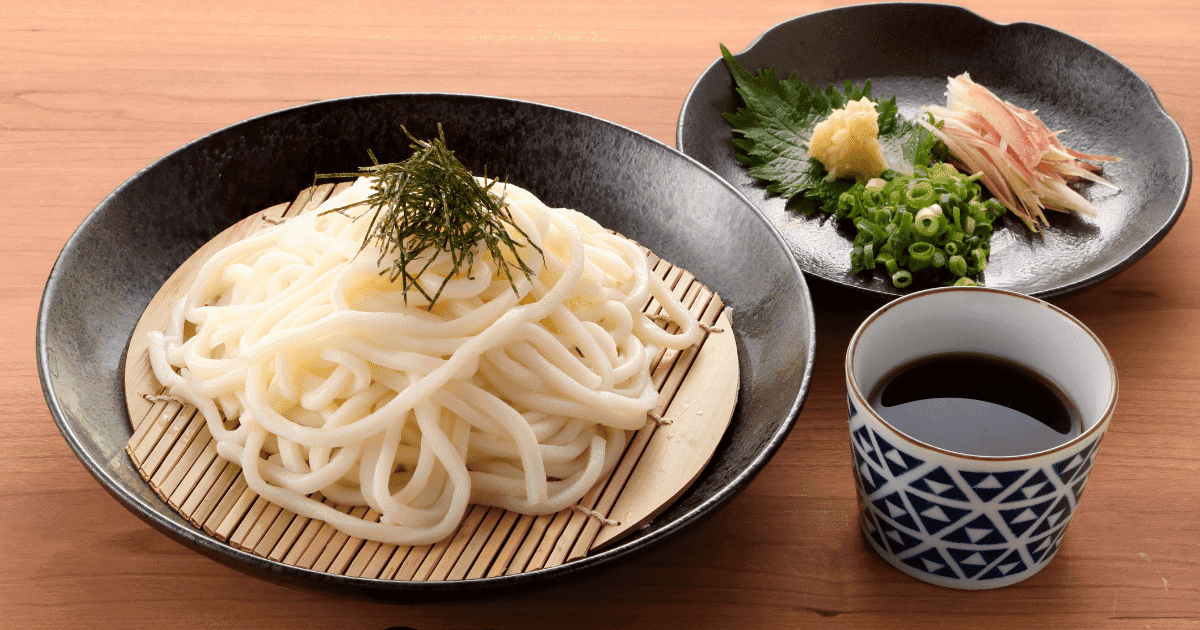
· Zaru Similar to cold soba, the noodles are rinsed in ice-cold water to stop the cooking and tighten the dough for maximum springiness. Served on a woven bamboo tray, they're dipped in a strong tsuyu sauce before eating — perfect for a sweltering day.
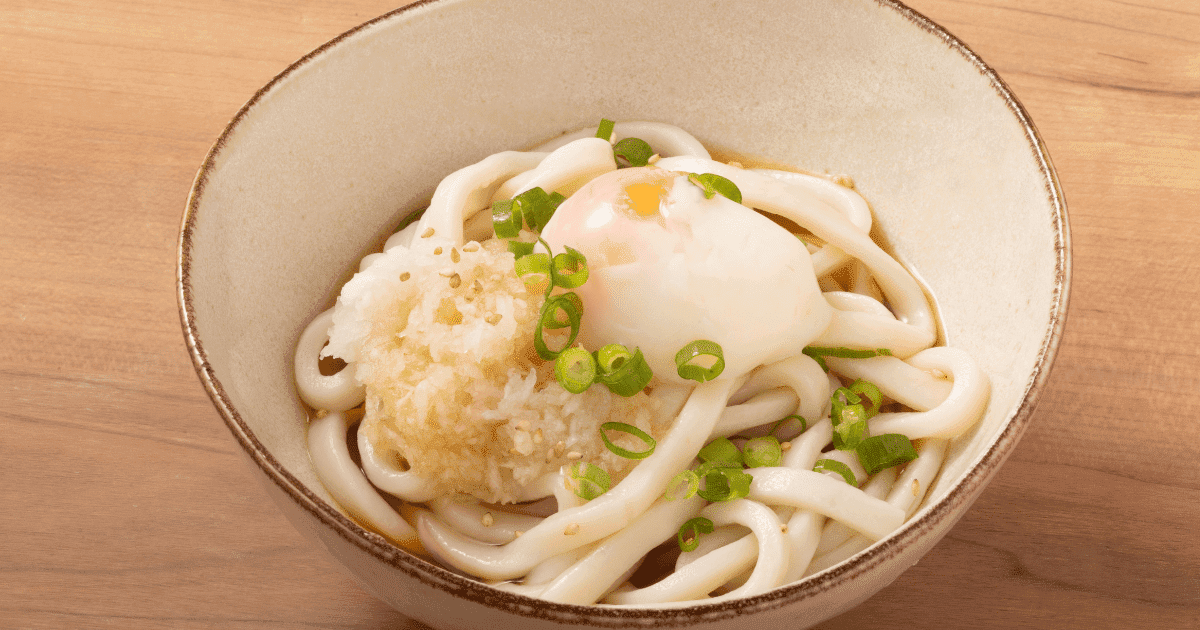
· Bukkake A dish that sits between hot and cold, though it's more often eaten cold. Noodles are placed in a bowl and topped with just a small amount of strong sauce, poured on until barely moistened. It often comes with an onsen egg, grated daikon, and sudachi citrus for extra freshness.
The Big Three: Regional Udon Every Noodle Lover Must Try
Although udon is available all over Japan, a few regions have elevated the dish into a local specialty with nationwide fame, each with its own distinct character. Here are the three most celebrated.
Sanuki, Kagawa Prefecture
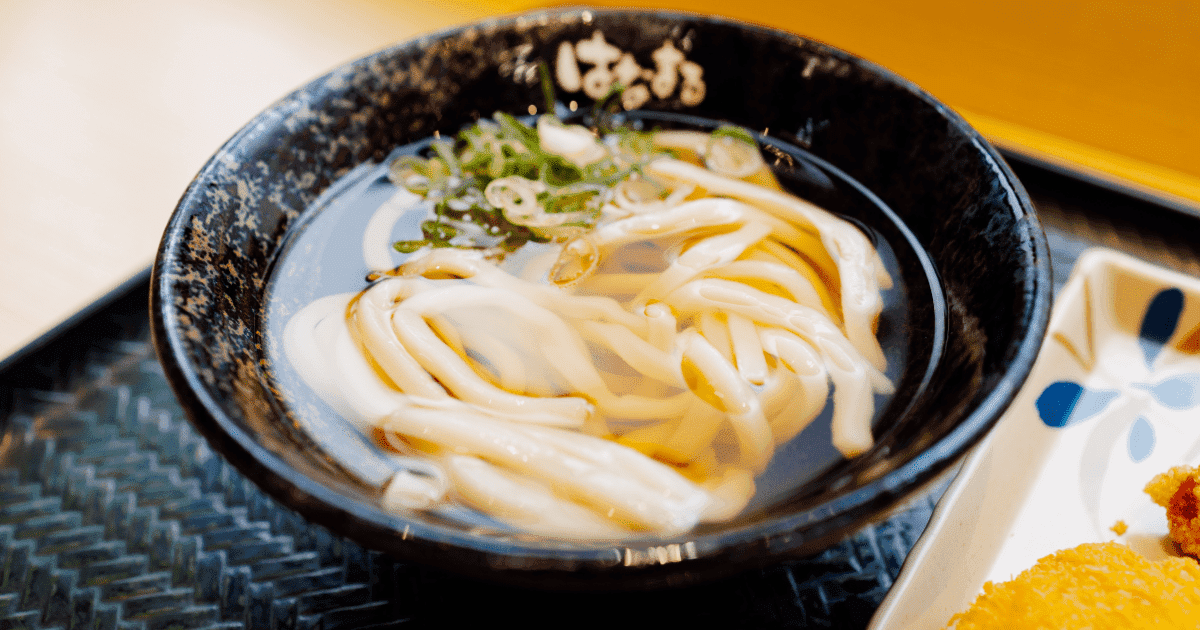
When it comes to noodles, Kagawa is the true capital — it even calls itself Udon Prefecture. Sanuki is the old name for this region. Sanuki noodles are distinctly square with sharp edges, thick, and very chewy with strong koshi. Locals in Kagawa often eat it bukkake-style, or with plain soy sauce to taste the flour itself. Another highlight is the price: it's remarkably cheap, and most shops are self-service.
Inaniwa, Akita Prefecture
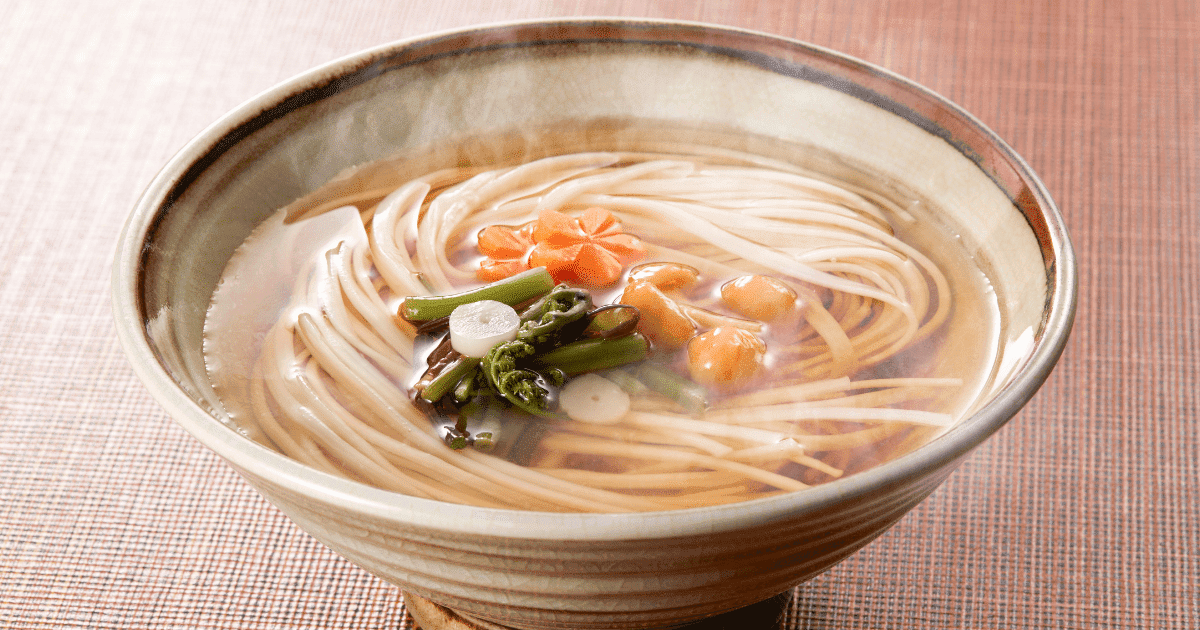
In contrast to Sanuki's boldness, Inaniwa from the north is more like a work of fine art. Its noodles are flatter and thinner, made using the hand-pulled te-nobe method, similar to making somen, giving a texture as smooth as silk that's easy to swallow. These noodles were once offered as tribute to the shogun and the imperial court.
Mizusawa, Gunma Prefecture
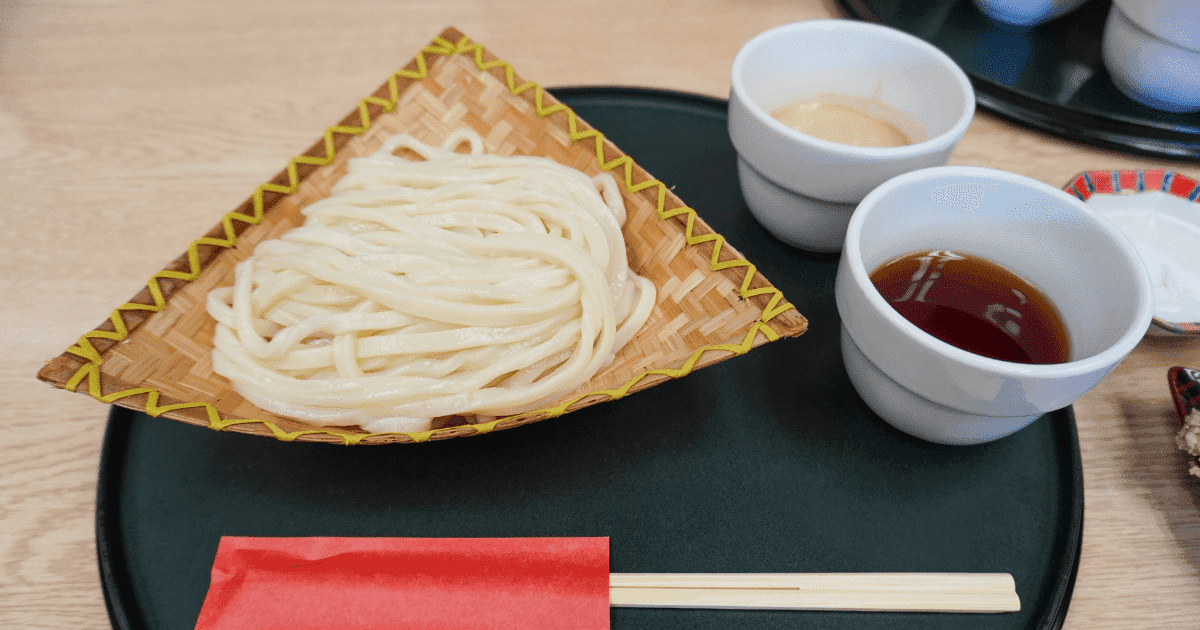
The town of Ikaho in Gunma Prefecture is the birthplace of this noodle. The secret to its flavor is the high-quality natural mineral water used to knead the dough. Mizusawa noodles have a slight translucent shine and high elasticity. They're commonly served cold with sesame sauce or soy sauce, to showcase the purity of the ingredients.
How Locals Eat Udon: A Loud Slurp Is a Compliment
Japanese table manners are generally reserved, but this rule doesn't apply to eating noodles. Slurping loudly is normal and even expected. The scientific reason is that sucking in the noodles along with air cools them down so they don't burn your mouth, and it also spreads the aroma of the broth through your nasal passages, helping you taste the flavor better.
The condiments on the table matter too. Most shops provide shichimi togarashi (seven-spice pepper), toasted white sesame, and grated ginger. Adding grated ginger to the broth cuts the richness and helps warm the body. As for tempura crumbs, or tenkasu, many generous shops leave them out for unlimited refills to add extra crunch to the bowl.
Great Shops: From Tokyo to the Birthplace
For travelers planning to taste the real thing, here is a curated list of shops that are truly excellent and memorable.
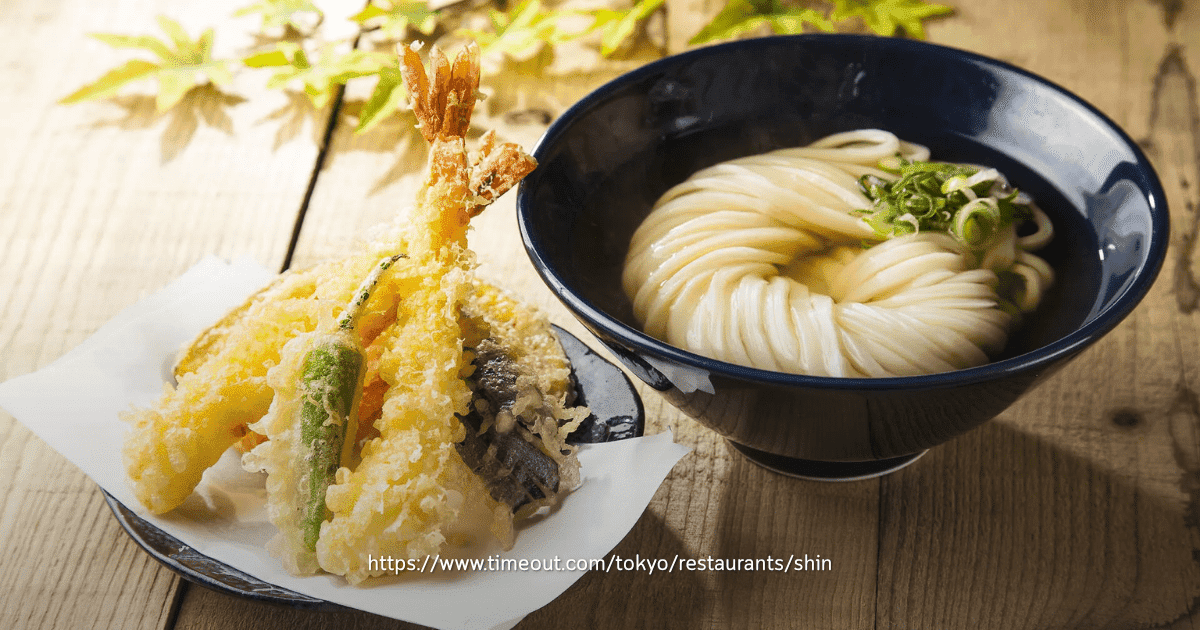
· Udon Shin (Shinjuku, Tokyo) A small shop with a legendarily long line in Tokyo. Its standout feature is kneading and cutting the noodles bowl by bowl, only after you order, so they reach you as fresh as noodles can be. Recommended dishes are the carbonara udon, or a cold dish served with bacon tempura. The noodles here coil into a beautiful spiral, making for a gorgeous plate and excellent flavor.
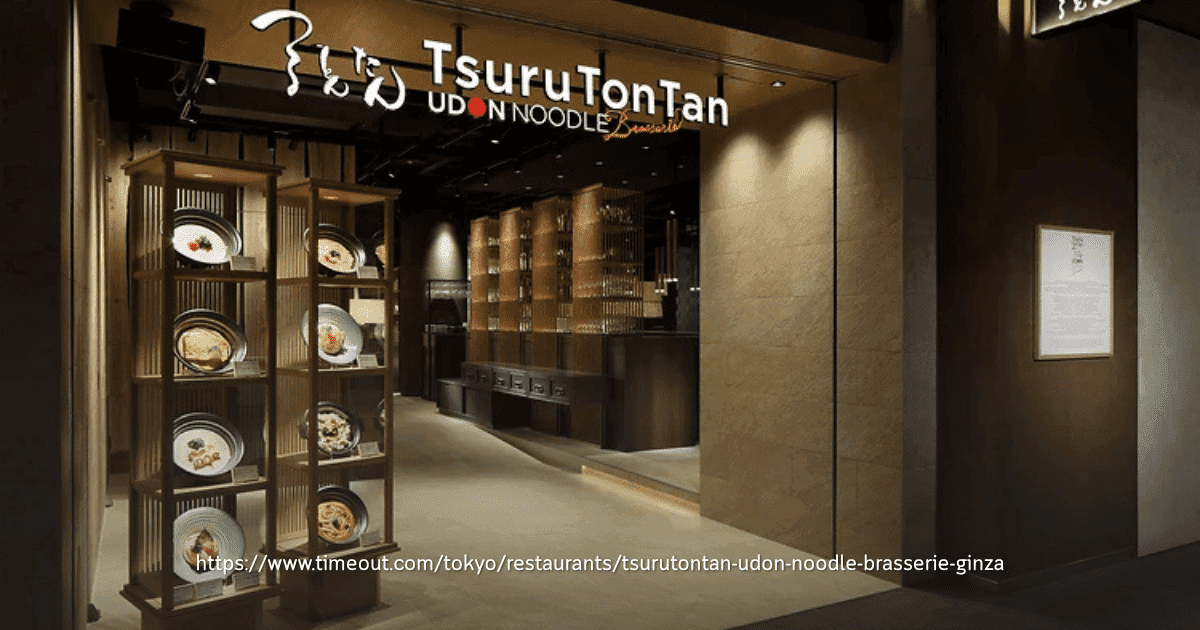
· TsuruTonTan UDON NOODLE Brasserie (Roppongi, Tokyo / Osaka) The Roppongi shop moved to Axall Roppongi 7F (7-8-6 Roppongi) on September 1, 2024. This shop breaks from the simple tradition, serving noodles in bowls as huge as washbasins with luxurious fusion dishes such as creamy mentaiko soup or wagyu sukiyaki soup. The atmosphere is modern, making it ideal for travelers who want an exciting experience with approachable flavors.
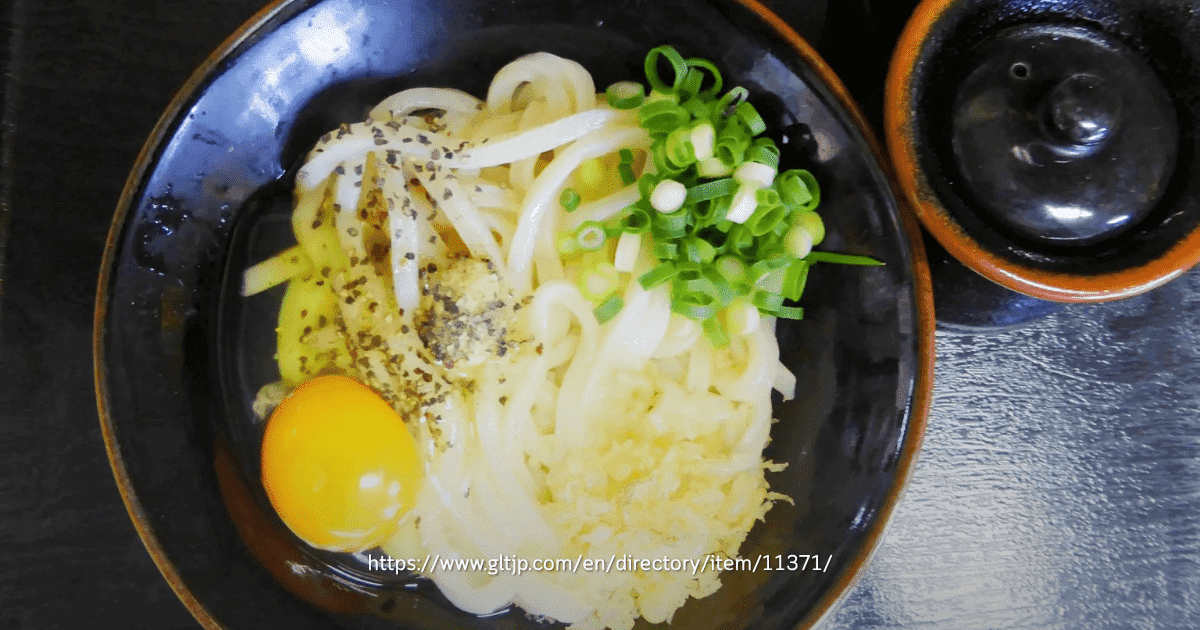
· Udon Baka Ichidai (Takamatsu, Kagawa) If you make the trip all the way to Kagawa Prefecture, don't miss this shop. Its name translates roughly as "udon-crazy person." The signature dish that draws people flying in from across Japan is Kama Butter Udon — hot noodles tossed with a big chunk of butter and black pepper, topped with a raw egg. The heat melts the butter to coat the noodles, giving off an aroma like a Japanese version of pasta carbonara. It's a simple flavor, but so delicious it makes you sigh with satisfaction.
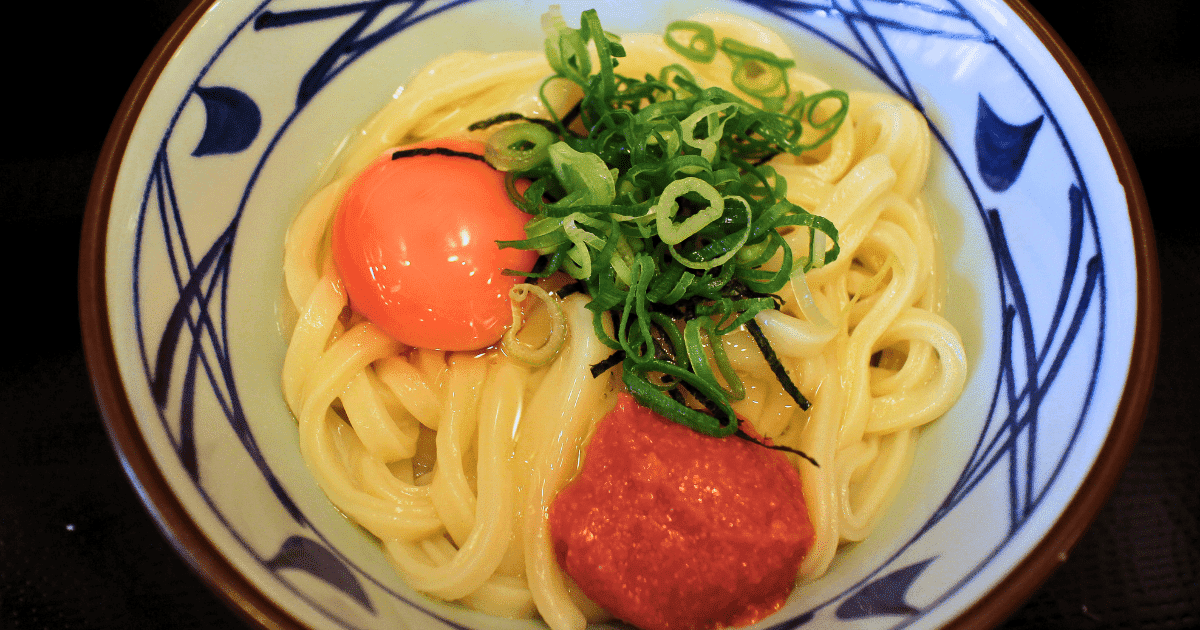
· Marugame Seimen (nationwide) If you don't have time to hunt down hidden gems, this chain is always a reliable choice. With noodles made fresh daily, well-balanced broth, and a fun self-service system — choose your noodles, pick up some tempura, pay, then add your own condiments — it's a great starting point for first-timers.
Finding Happiness Through Udon: The Art of Deep Simplicity
In the end, udon is not just food eaten to fill your stomach — it's a mirror of a Japanese culture that cares about the smallest details, from choosing the flour and controlling the water temperature, to kneading the dough with both strength and care, to preparing broth that draws out as much natural flavor as possible.
Sitting down to slurp hot noodles on a cold day, or eating cold noodles on a hot one, is a simple pleasure that's easy on the wallet. Whether it's a standing shop at a train station or an old shop tucked in a valley, these white noodles will go on comforting body and mind. Next time you have the chance to visit a Japanese restaurant, try ordering these soft noodles once, and you'll understand why such an ordinary-looking dish has won people's hearts for over a thousand years.