


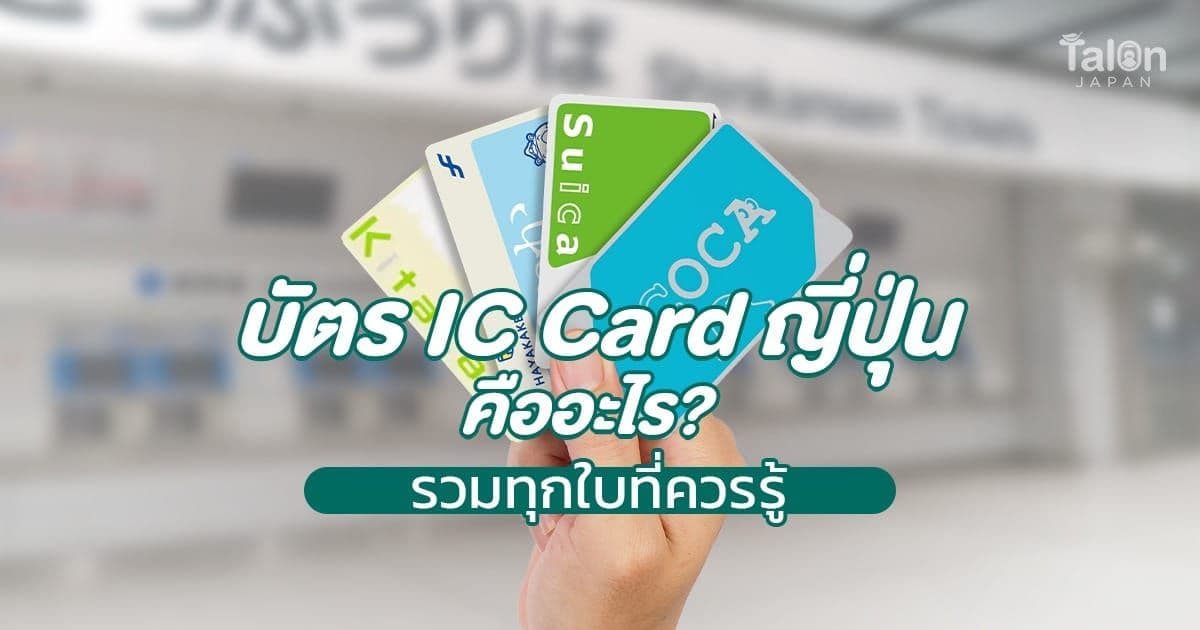


Traveling between cities or exploring new areas of Japan does not have to be complicated, as long as you have the right tool in your bag. In 2026, payment and transport systems in Japan work together seamlessly. One thing every traveler cannot do without is a small smart card packed with functionality. This article brings together everything you need to know about Japan IC cards, so your travels run smoothly and you never have to stand confused in front of a ticket machine again.
Getting to Know the IC Card: What Is It?
An IC Card, or Integrated Circuit Card, is a rechargeable smart card that uses high-frequency radio wave technology. Simply tap the card lightly on a reader and your fare or purchase is paid in a fraction of a second. It covers nearly every kind of travel, from local trains and subways to buses, and it also works for convenience stores, vending machines, and station luggage lockers.
A Japan IC card works like a digital wallet: no more pockets full of coins, and no need to work out fares from paper maps or complicated fare tables.
Popular Types of Japan IC Cards Every Traveler Should Know
Japan has many rail operators and many kinds of IC card, but travelers will mainly come across a handful of widely used cards, each with its own character:
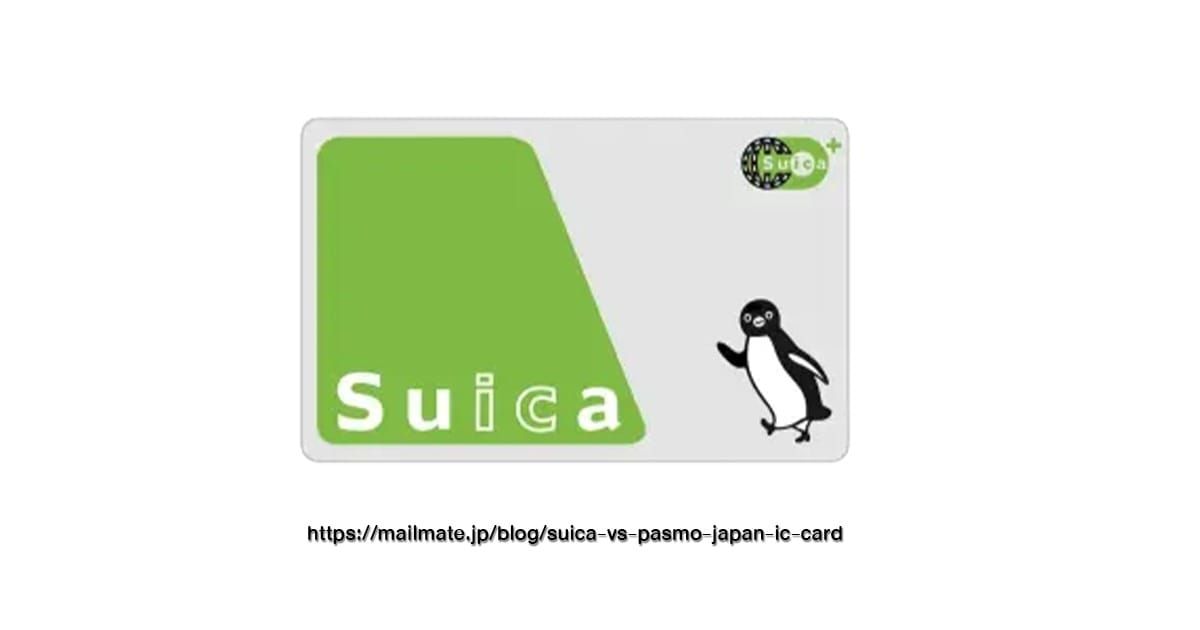
- Suica: issued by JR East, with an adorable penguin as its symbol. It is the most popular card, and it is very easy to buy and top up in the Kanto region.
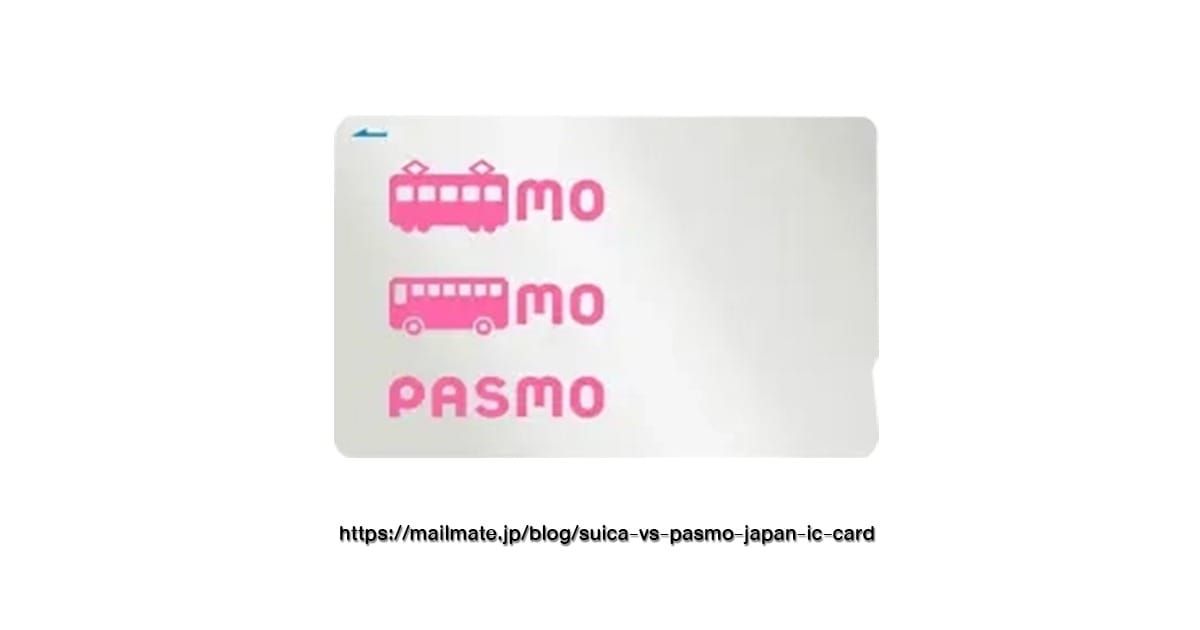
- Pasmo: issued by the private railway and subway operators in the Tokyo metropolitan area. Its symbol is a pink robot, and it offers all the same functions as Suica — the two cards are fully interchangeable.
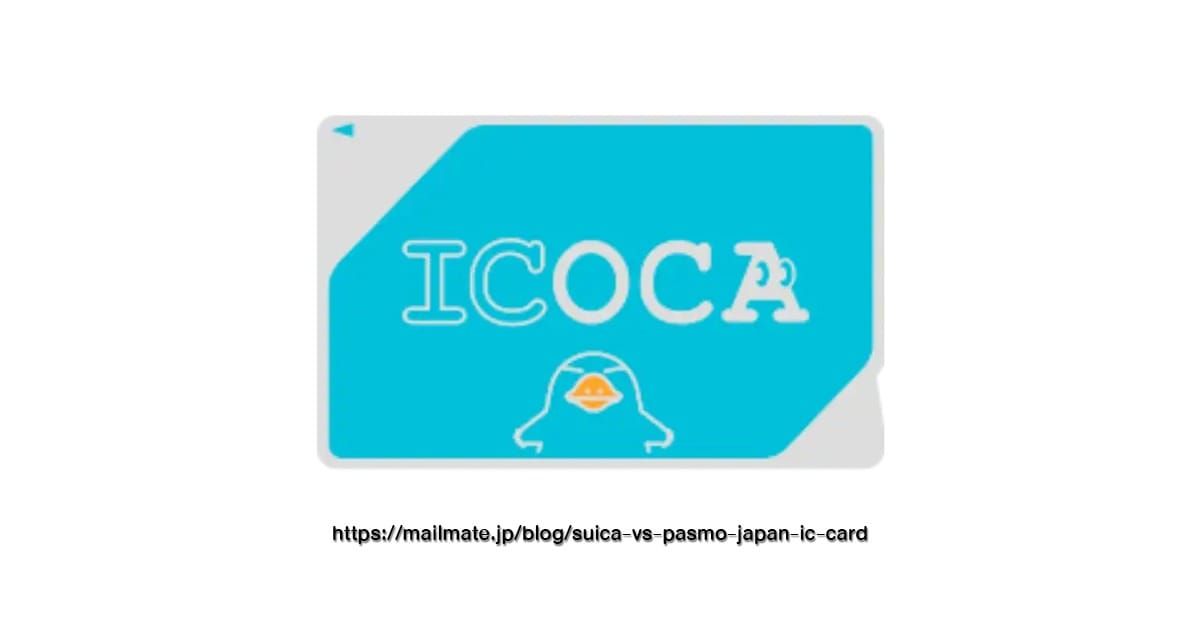
- ICOCA: issued by JR West, with a platypus as its symbol. It is the main card widely used by people in the Kansai region.
- Tourist cards: Special cards such as Welcome Suica or the Kansai One Pass are now issued specifically for international travelers. They usually have no deposit fee, and Welcome Suica is valid for a limited 28 days, making it ideal for short trips. They may also come with special discounts at various attractions. This type of card is a good choice for travelers who visit Japan only occasionally.
Where Can Each Card Be Used? A Closer Look by Region
One worry for travelers is whether an IC Card bought in Tokyo can be used in Osaka or other regions. The good news is that all ten major IC Card systems across the country are now linked together, through what is called the Nationwide Mutual Use Service, so you can use your card freely across regions. That said, knowing where each card originates helps you know where to buy it, top it up, and get a refund correctly.
- Kanto region (Tokyo and surrounding areas): the home of Suica and Pasmo, covering JR trains, subways, and buses.
- Kansai region (Osaka, Kyoto, Kobe, Nara): the main area for ICOCA and PiTaPa, covering travel to the region's World Heritage sites.
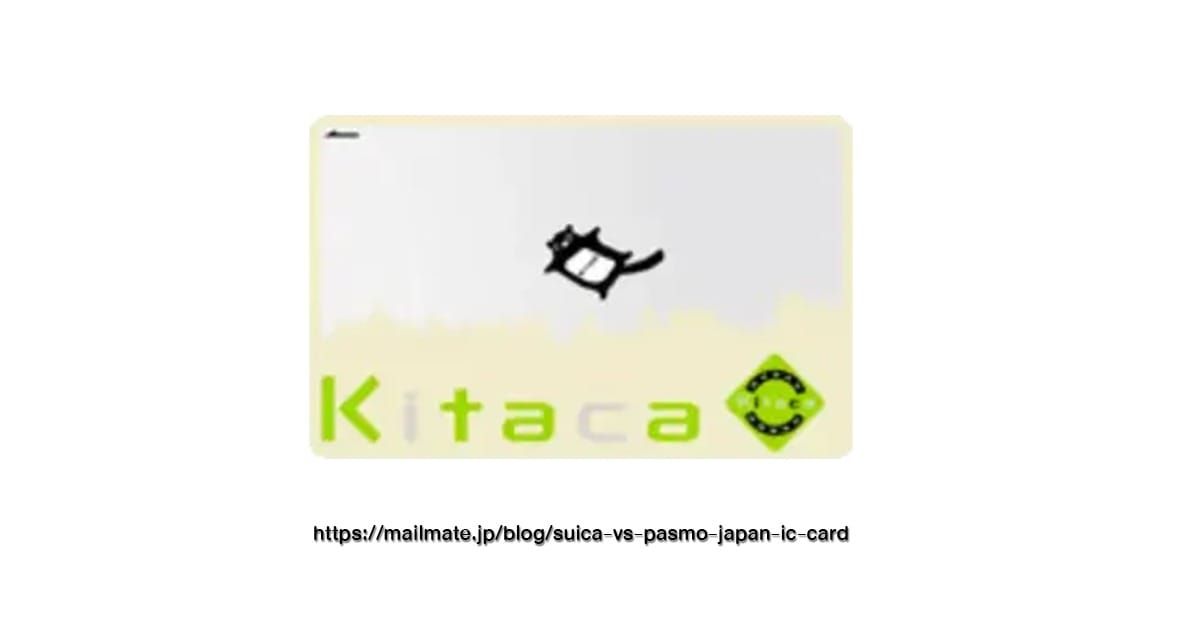
- Hokkaido region: uses Kitaca, issued by JR Hokkaido, for travel in Sapporo and nearby cities.
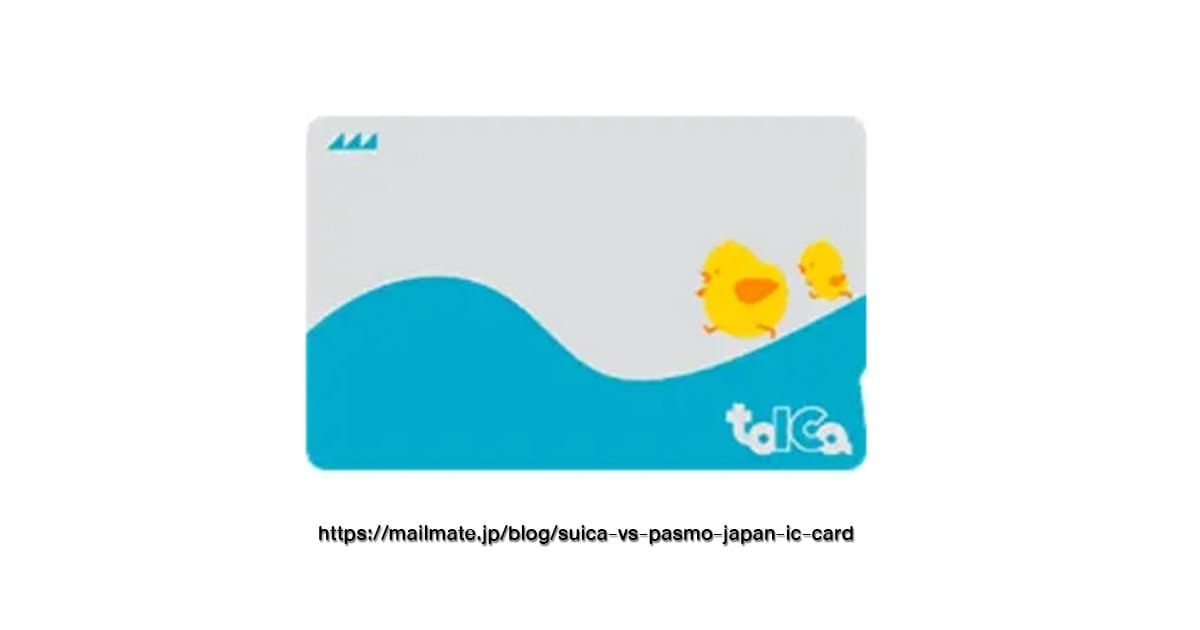
- Chubu region (Nagoya): the area for TOICA and manaca, covering the industrial zone and historic attractions in central Japan.
- Kyushu region (Fukuoka): the home of SUGOCA, nimoca, and Hayakaken, covering travel around Kyushu.
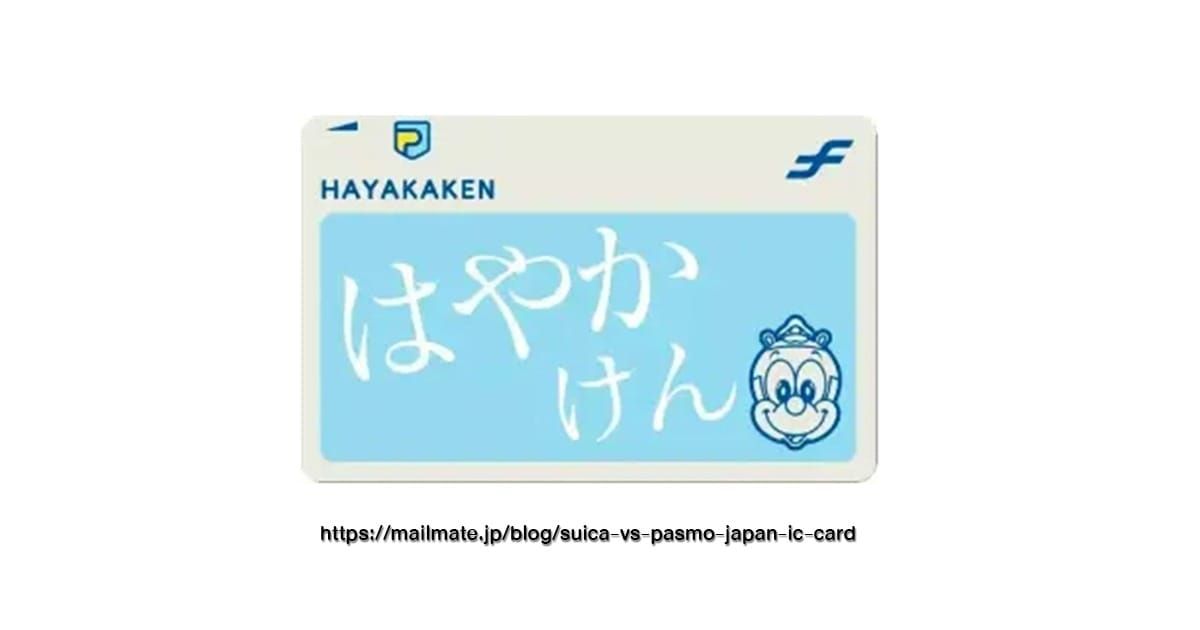
As long as you have one of these ten major Japan IC Card brands, you can tap in and out of train stations across the country that support the IC Card system with confidence, with no need to line up for a new ticket every time you change cities.
How to Use It Smoothly and Get the Most Out of It
Using a Japan IC Card in practice is easier than it sounds. Learn the basics and a few small tricks, and you'll be getting around like a local.
- Tapping through gates: simply tap the card on the blue or yellow sensor at the automatic gates of a train station. Wait for the beep and the balance to show on the screen, then walk through — both entering and exiting. The system automatically calculates the distance and deducts the fare.
- Topping up at a machine: you can add money to your card at the ticket machines in any station. Insert the card, select the English menu, choose the amount you want to add, and insert your banknotes. You can also top up easily at convenience store counters — just hand the card to the staff and tell them the amount.
- Using it on a smartphone: in 2026, using a card through a mobile phone has become common. Travelers can quickly add a digital Japan IC Card to a mobile wallet app on either iOS or Android, top it up through a linked credit card or travel card, and tap their phone through station gates instantly, without needing to open the screen or unlock the device — maximum convenience and less risk of losing the card.
- Paying at stores: look for the IC card symbol at the register in convenience stores, supermarkets, or vending machines. Once the staff has rung up your total, tap your card on the reader to pay. It's a great way to get rid of loose coins in your pocket.
Precautions and Extra Tips
Although the system is very well designed, there are a few rules to keep in mind so your trip goes smoothly without trouble.
- Crossing operator areas: the IC Card system does not support riding a local train across operator areas with a single tap, for example taking a regular train from the JR East area across into the JR Central area. For long cross-region trips, buy a separate paper ticket instead, to avoid the automatic gate locking when you arrive at your destination.
- The card does not cover the Shinkansen: riding it requires a dedicated ticket with a seat reservation. You cannot tap a smart card through the gate directly, unless the card has been properly linked to an online ticket reservation system in advance, according to the operator's rules.
- Negative balance: if the balance on your card is not enough to cover the fare, the automatic gate at your destination station will close, with a red light and a warning beep. Don't worry — just head to a Fare Adjustment machine near the exit gate, insert your card to top up the difference, and tap out again.
- Refunds and validity: to return a physical card for its deposit and remaining balance, you must return it in the region where you bought it — you cannot get a refund for a Suica card at a station in Osaka, for example. That said, standard cards remain valid for up to ten years from their last use, so many people choose to keep them as a souvenir or for their next trip. Knowing these limits will help you use your card without trouble.
Frequently Asked Questions
Where Can I Buy an IC Card?
1. Tokyo
For Tokyo, the most popular cards are Suica (JR) and Pasmo (subway/private railway)
- Welcome Suica dedicated ticket machines: located at the train stations inside Narita Airport (Terminal 1, 2-3) and Haneda Airport (Terminal 3, near the Tokyo Monorail station). These machines are easy to find and accept cash payment directly.
- Tourist service centers (JR East Travel Service Center): located at both airports and at major stations in the city, such as Tokyo, Shinjuku, Shibuya, Ikebukuro, and Ueno. You can simply walk in and buy one from the staff.
- Keisei or Keikyu train counters: for buying a Pasmo Passport (a Sanrio-design card for tourists), available at the counters of these two railway lines at the airport as well.
2. Osaka / Kyoto
The Kansai region mainly uses the ICOCA card (the standard blue physical card is currently in good supply and very easy to find).
- JR West ticket machines: located at the Kansai Airport (KIX) train station and every major station, such as Shin-Osaka, Osaka, and Kyoto. Just go to the pink machine or one with the ICOCA logo, select English, choose "Purchase ICOCA," insert your money, and take your card.
- JR Office / travel centers: you can buy it as a package with a Haruka Express ticket (into Kyoto/Osaka) at the JR office at Kansai Airport, which also offers a special price for tourists.
3. "Digital" Cards
You can set one up from home before you fly.
- iPhone / Apple Watch: open the Apple Wallet app > tap the + icon (top right) > select Transit Card > search for Suica, Pasmo, or ICOCA, then top up using a credit card (a Mastercard or AMEX is recommended for smooth charging). The card is added to your phone, and you can tap straight through the train gate.
- Android: most Android smartphones bought outside Japan do not support the FeliCa chip used by Japanese trains, so you cannot add a Suica/Pasmo card to Google Wallet the way you can on an iPhone. It's best to get a physical card instead, as described in point 1 or 2.
Can I Use One Card to Travel Across Regions?
Yes. Japan's major IC cards (Suica, Pasmo, ICOCA, Kitaca, TOICA, SUGOCA) are all linked together. You can take a Suica card from Tokyo and use it to tap onto a subway or bus, or buy something at a convenience store, in Osaka, Fukuoka, or Hokkaido.
Caution: you cannot tap your card to ride a long-distance train directly between regions — for example, tapping in at Tokyo Station and riding a regular train all the way to Kyoto Station is not possible (you must pass through a ticket gate within the same region only). The card also does not cover Shinkansen fares; you must buy a separate ticket for that.
What Else Can I Use an IC Card For, Besides Trains?
You can use it to pay for
- Buses and most taxis
- Convenience stores of every brand (7-Eleven, Lawson, FamilyMart)
- Vending machines
- Fast food restaurants, cafes, and shops inside train stations
- Station lockers (tap your card to lock and unlock — no key needed)
How Long Is the Card Valid, and Can I Get a Refund on Leftover Balance When I Leave?
Standard cards: remain valid for up to 10 years from their last use. If you think you'll return to Japan within the next 2-3 years, you can just bring it home with you. As for refunds, you can get one at the counter of the issuing company (for example, a Suica can be refunded at JR East, and a Pasmo at Tokyo Metro), with a refund fee of about 220 yen deducted from the remaining balance.
Tourist cards (Welcome Suica / Pasmo Passport): are valid for only 28 days and cannot be refunded for any remaining balance under any circumstances. So before you leave, it's a good idea to spend down the balance on your card, for example by tapping to buy something at a shop in the airport.
Conclusion: Experience Convenience with a Japan IC Card
Preparing ahead of your trip is the key to a truly complete travel experience. Knowing the types of cards, where they work, and how to use them takes away the stress of puzzling over a ticket machine. The system was designed to make everyday travel simpler for everyone.
Whether you carry a physical card or use a digital one on your smartphone, it keeps every journey running smoothly. Enjoy travel that is fast and safe, and that leaves you plenty of time to take in every destination.