


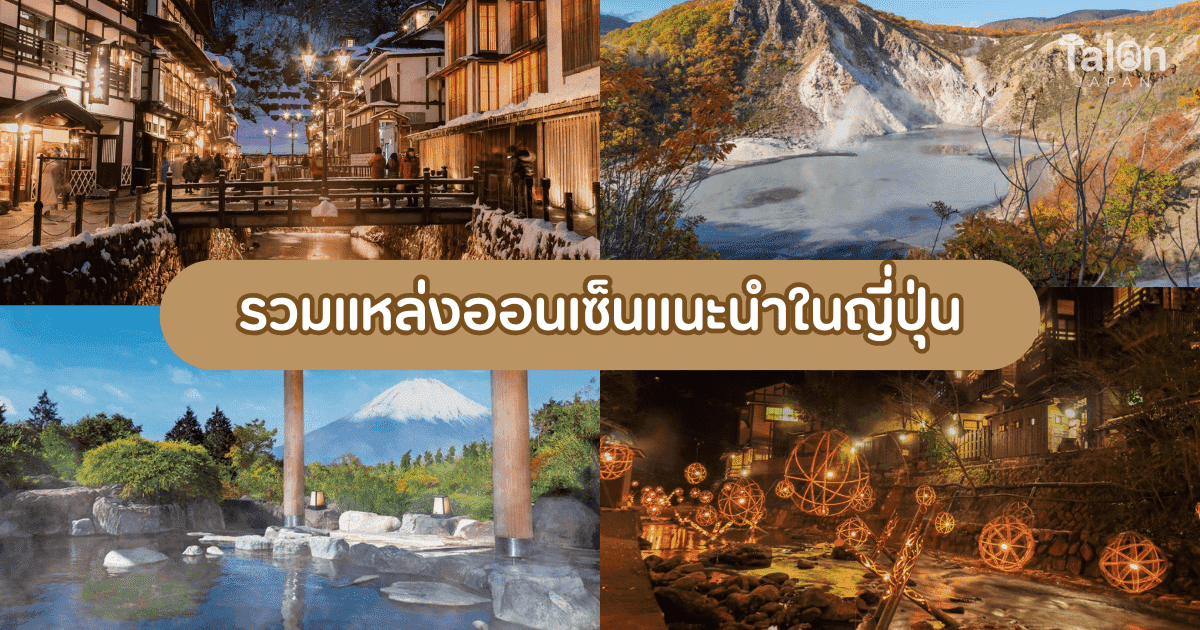


Ask what travelers from around the world look forward to most in Japan, and beyond the food and the scenery, one answer comes up again and again: soaking in a natural hot spring surrounded by quiet countryside, the Japanese onsen. This is not simply about washing the body. It is a culture rooted in the Japanese way of life for thousands of years, a healing practice that unites the bather with nature, and a moment for letting both physical and mental fatigue wash away in the flowing water.
Japan sits on the Ring of Fire, which gives it many active volcanic areas, and as a result the whole country is rich in natural hot springs with a wide range of different properties. From north to south there are more than three thousand hot spring sources, each with its own character, story, and charm. This article takes a deep dive into Japan's top onsen destinations, the kind you should visit at least once in your life to experience true happiness.
Understanding Hot Spring Bathing Culture Before You Go
Before we dive into the hot spring destinations, it's important to understand the etiquette and culture of hadaka no tsukiai, or "naked communication." Most Japanese onsen do not allow swimsuits, or towels in the main bath. This is a universal rule that reflects equality and sincerity among bathers.
The correct procedure is always to wash your body thoroughly before entering the bath. Do not jump into the bath or make loud noises that disturb others. For those with tattoos, many places have become more open in recent years, though restrictions still exist in some areas — it's best to check each location's rules, or book a ryokan room with a private bath for the most comfort and privacy.
Top Japanese Onsen You Shouldn't Miss
1. Ginzan Onsen: Step Back into the Taisho Era Amid White Snow
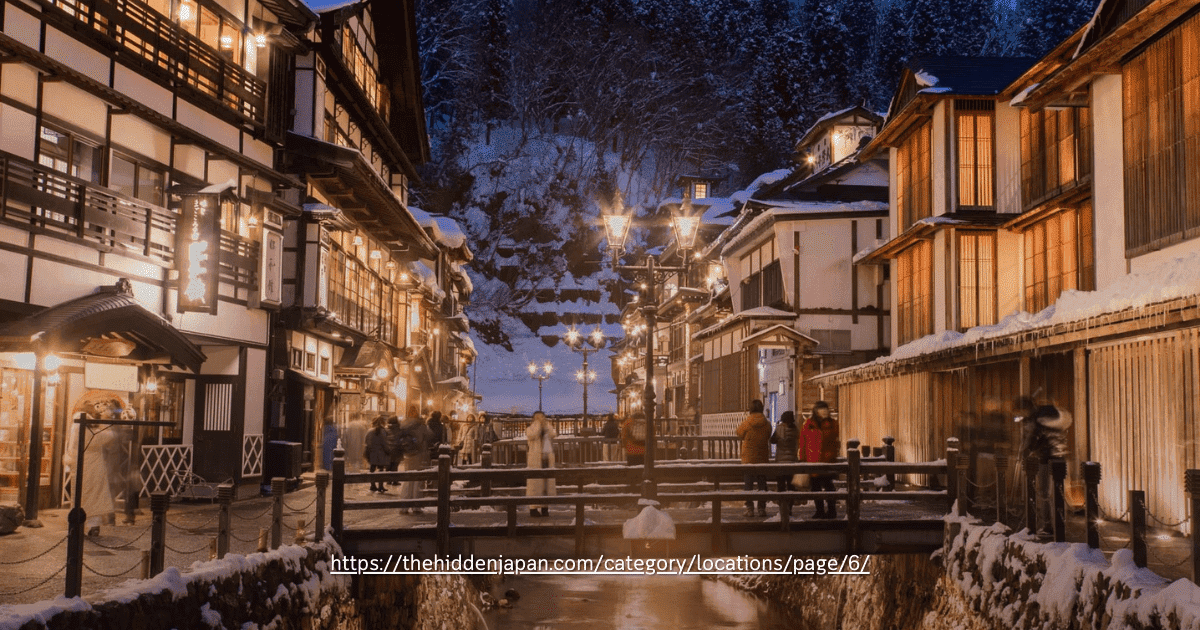
If you've ever seen scenes from Studio Ghibli's animated film Spirited Away and dreamed of experiencing that atmosphere yourself, Ginzan Onsen in Yamagata Prefecture is the perfect answer. This small village in the mountains is like a living museum, frozen in the Taisho era.
Rows of old three- and four-story wooden ryokan line the Ginzan River, connected by bright red bridges, set against pure white snow in winter — a breathtakingly beautiful sight. It's especially striking at dusk, when the soft yellow gas lamps are lit and the light reflecting off the water and snow creates a romantic, mysterious atmosphere worth exploring.
Beyond the atmosphere, the mineral water here is known for its clarity and its properties for healing wounds and skin conditions. Lying back in an outdoor bath (rotenburo) while snowflakes drift down onto your face is a priceless experience. Booking accommodation at Ginzan Onsen takes months of advance planning, since rooms are limited and fill up fast — but it's worth the wait.
2. Kusatsu Onsen: The Queen of Hot Springs That Cures Every Illness
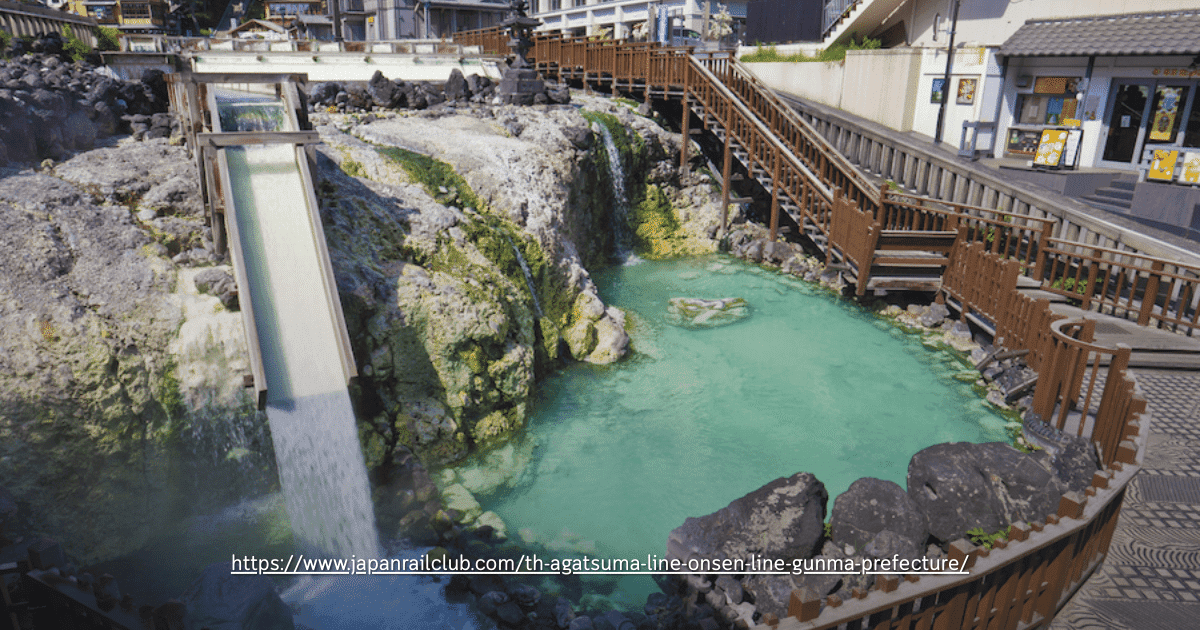
When it comes to the onsen with the largest natural hot spring flow in Japan, that honor goes to Kusatsu Onsen in Gunma Prefecture. The town sits on a high plateau, keeping it cool year-round. Its symbol is Yubatake, a massive hot spring field at the center of town that acts as a wooden cooling channel for the extremely hot mineral water before it's sent on to the various ryokan.
Kusatsu's mineral water is highly acidic, believed to have antibacterial properties and to help treat all kinds of ailments — so much so that there's a saying that Kusatsu's water cures every illness except heartbreak. A highlight not to be missed is the Yumomi performance, a traditional method of cooling the water without diluting it with cold water. Instead, large wooden boards are used to stir the water while performers sing traditional rhythmic songs. It's a rare performance and a genuine display of local wisdom.
3. Beppu: The Most Beautiful Hell on Earth
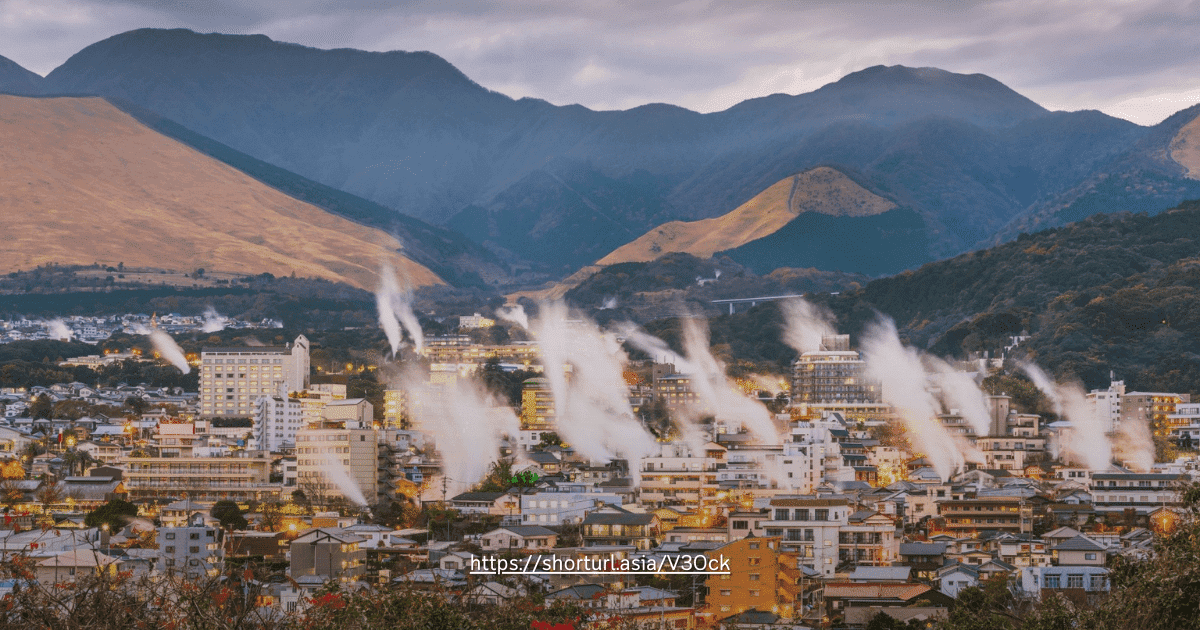
Crossing over to Kyushu, Oita Prefecture is home to the city of Beppu, known as the onsen capital of Japan. The moment you step into town, you'll see steam rising from drainage pipes, cracks in the ground, and chimneys on houses everywhere, as if the whole city sat on top of a giant boiling pot.
Beppu is famous for its Seven Hells (Hells of Beppu), or Jigoku Meguri — hot springs with such strange colors and shapes that they are for looking at rather than bathing in. There's a blood-red pool, a sea-blue pool, and a bubbling mud pool, among others. Visitors often buy a combined ticket to tour all of these hells.
But for those who want to soak, Beppu offers onsen in many forms, from hot sand baths by the sea where you lie buried in warm sand, to steam saunas and mud baths. The food here is just as interesting, especially jigoku mushi, food steamed using the heat of the hot springs. Vegetables, eggs, and seafood steamed this way come out especially sweet and flavorful.
4. Hakone: An Easy-to-Reach Onsen with Mount Fuji Views
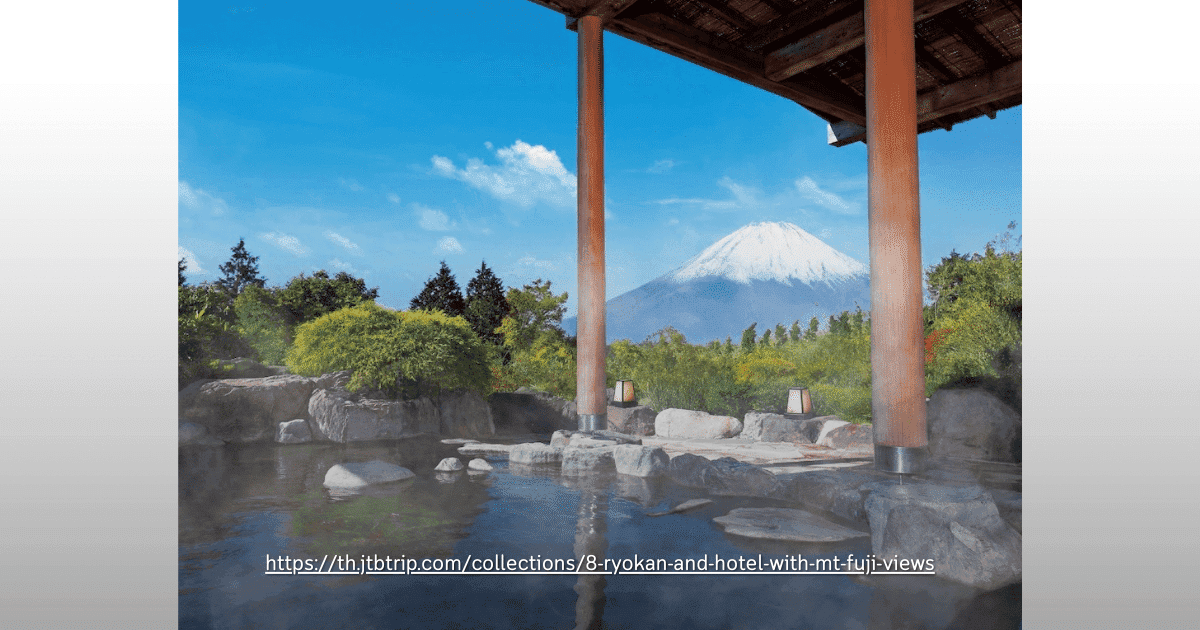
For anyone with limited time who's staying in Tokyo, Hakone in Kanagawa Prefecture is the best choice. A ride of just over an hour from Shinjuku on the Romancecar express train takes you away from the hustle of the capital and into a world of mountains and water.
Hakone is home to a wide variety of onsen, from traditional baths to modern water parks like Hakone Kowakien Yunessun, which has unusual baths such as red wine, coffee, and green tea pools where you can wear a swimsuit — great for families and groups of friends. But the true highlight is soaking in an onsen at a ryokan with a view of Mount Fuji. On a clear day, seeing Mount Fuji's reflection on the water's surface as you soak is an unforgettable memory.
Beyond onsen, Hakone offers plenty of other activities, such as a pirate ship cruise on Lake Ashi and a cable car ride up to Owakudani Valley to try the black eggs, which are said to add seven years to your life for each one you eat.
5. Kurokawa Onsen: A Quiet Village in the Forest
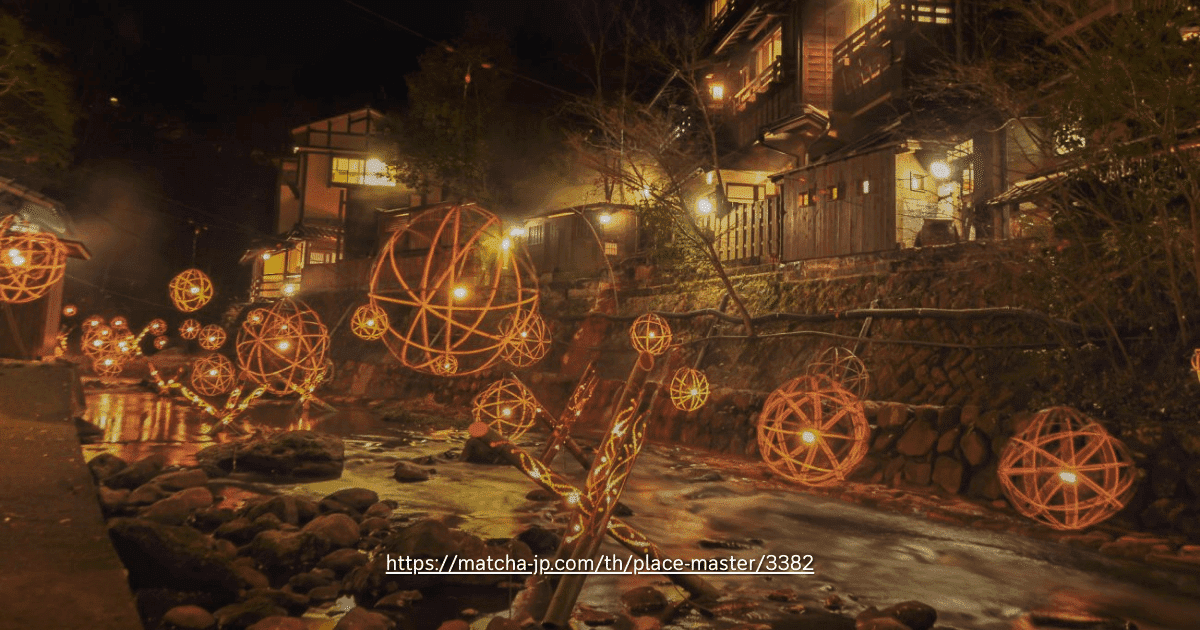
If Beppu is lively, Kurokawa Onsen in Kumamoto Prefecture is its quiet opposite. This village is tucked away in a deep valley and has strict landscape conservation policies. You won't find neon signs or skyscrapers here — only traditional wooden ryokan, stone steps, and lush green trees.
Kurokawa's charm lies in the Nyuto Tegata, a round wooden pass that visitors can buy to soak in the outdoor baths of up to three different ryokan in the village. Wearing a yukata and geta sandals, carrying your wooden pass along the stone paths, listening to the stream flow by — this is relaxation at its slowest and best. Most of the baths here are outdoor and blend naturally into the surroundings; some sit by the stream, others are set in caves, offering as much privacy and closeness to nature as you could hope for.
6. Noboribetsu: Hokkaido's Valley of Hell
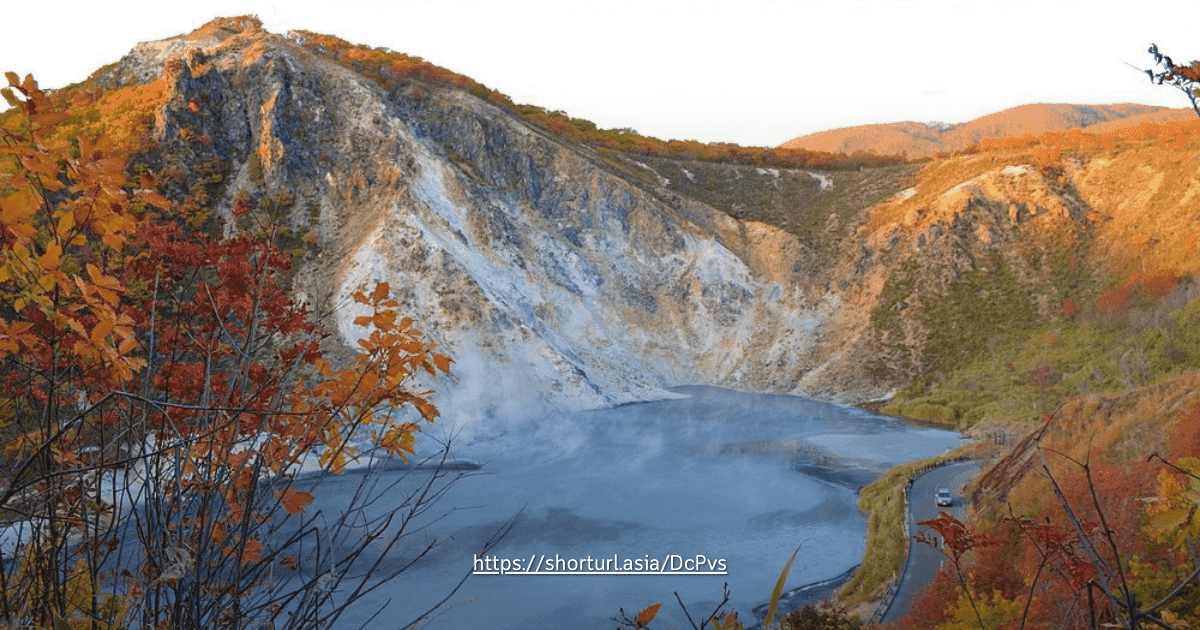
Heading north to Hokkaido, Noboribetsu is the region's most famous onsen town. Its main feature is Jigokudani (Hell Valley), a large volcanic crater constantly emitting sulfur and steam, which gives the local mineral water excellent quality and a high mineral concentration.
Noboribetsu has as many as nine types of mineral water, but the most famous is its cloudy white sulfur water with a distinctive smell, known for smoothing the skin and easing skin conditions. Large ryokan in the area often have huge baths with views of snow in winter or colorful leaves in autumn. There are also public foot baths scattered through the forest, where you can rest and take in nature while hiking.
7. Arima Onsen: The Oldest Hot Spring Town
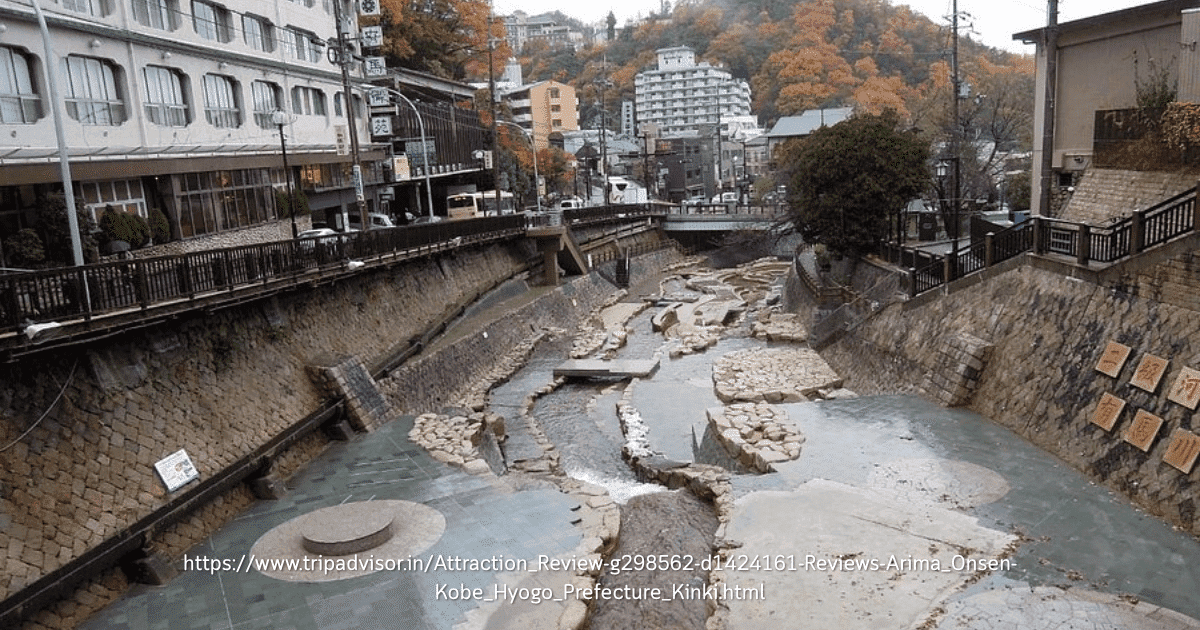
Last but not least is Arima Onsen in Kobe, Hyogo Prefecture, known as one of the oldest onsen in Japan. It has a history spanning over a thousand years and was once favored by emperors and nobles.
Arima's distinctive feature is its two colors of mineral water: Kinsen (gold water), a high-iron mineral water that turns rust-brown when it reacts with air, helping with blood circulation and muscle aches; and Ginsen (silver water), a clear, colorless water containing radium and carbonate that helps boost immunity. Strolling through Arima's old town, trying manju sweets, and alternating soaks between the two colored waters makes for a truly complete way to care for the body.
Japanese Onsen: Benefits Beyond Comfort
Soaking in an onsen doesn't just feel good — it offers enormous health benefits. The heat of the water dilates blood vessels, boosts circulation, and helps flush waste from the body through sweat. The minerals in the water are absorbed through the skin, helping treat skin conditions, ease joint and muscle pain, and significantly reduce stress.
The pressure of the water helps massage and relax the muscles, while the water's buoyancy takes weight off the joints, leaving the body feeling light. It's a form of recovery the Japanese take seriously, and it's one reason why Japanese people live such long, healthy lives.
Conclusion: Japanese Onsen, a Journey Along the Way of Water
Visiting a Japanese onsen isn't just visiting another tourist spot — it's immersing yourself in the spirit of Japan. Leaving behind the noise of daily life, letting go of both physical and mental tension, and allowing the natural flow of water to hold you, is one of the best ways to recharge.
Whether you choose to soak up the romantic atmosphere at Ginzan, feel the power of nature at Beppu, or step back in time at Kurokawa, each place offers its own memories, equally beautiful in different ways. If you're planning your next trip to Japan, don't forget to include an onsen in your itinerary — and you'll discover just what that simple yet profound happiness feels like.