



When people think of Japan, many picture Tokyo, Kyoto, or Osaka. But there's a side that doesn't get much attention: North Kyushu, a place full of undiscovered charm, with beautiful nature, traditional culture, and a long history. Join us on this 5-day trip through North Kyushu, following lesser-known spots and enjoying a peaceful atmosphere.
[ez-toc]
Trip Overview: North Kyushu Itinerary
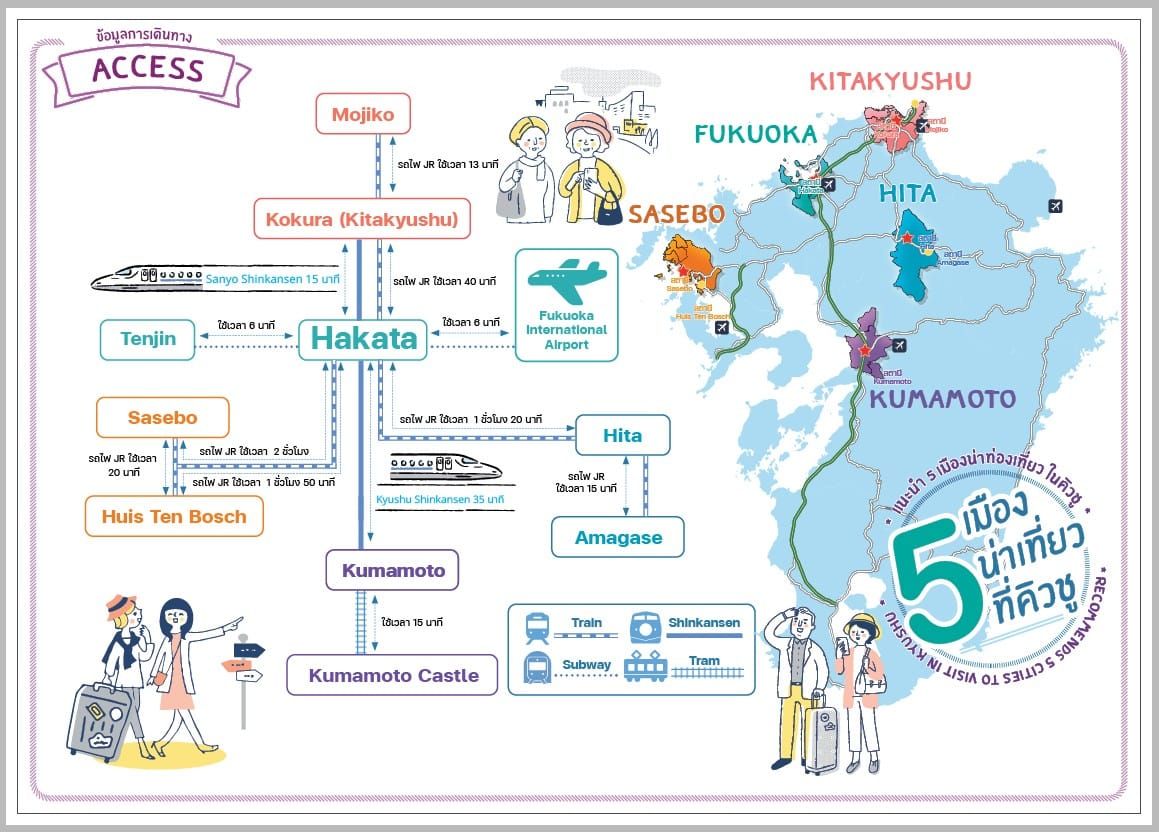
Before we start, here is an overview of the trip and our route. We started our trip in Fukuoka, taking the train from Hakata Station to Sasebo Station. From there, we rented a car to explore around Sasebo before staying at Huis Ten Bosch. Then we drove on to Hita, staying at an onsen by the river in Hita.
On day 3, we drove to Kumamoto, where we explored the city, the castle, and went shopping. On day 4, we drove to Kitakyushu to visit the castle and the seaside town. On the last day, we drove back to Fukuoka, explored the city, and returned the car in the evening.
If you don't want to drive, you can take the train instead, and use a taxi for places that are harder to reach. In fact, on many routes between cities, the train is actually faster than driving.
Day 1: Experiencing the Charm of the Sea in Sasebo
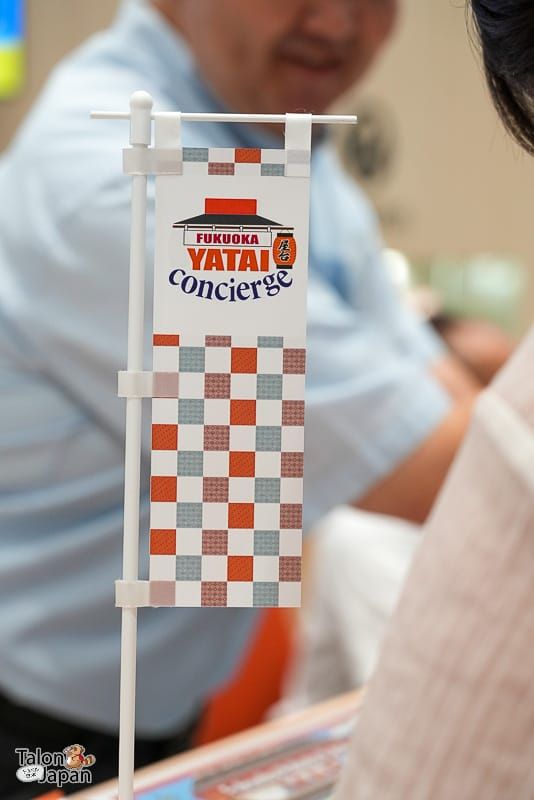
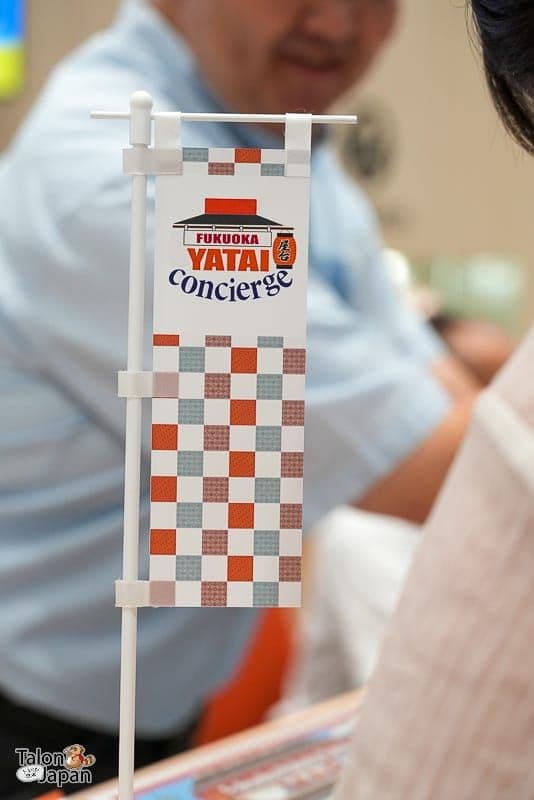
After arriving at Fukuoka Airport, we stopped by the tourist information counter to get information on yatai food stalls (Fukuoka YATAI Concierge) for the day we'd be exploring Fukuoka. They even have a real-time translation device - it's not 100% accurate, but it makes communication much easier.
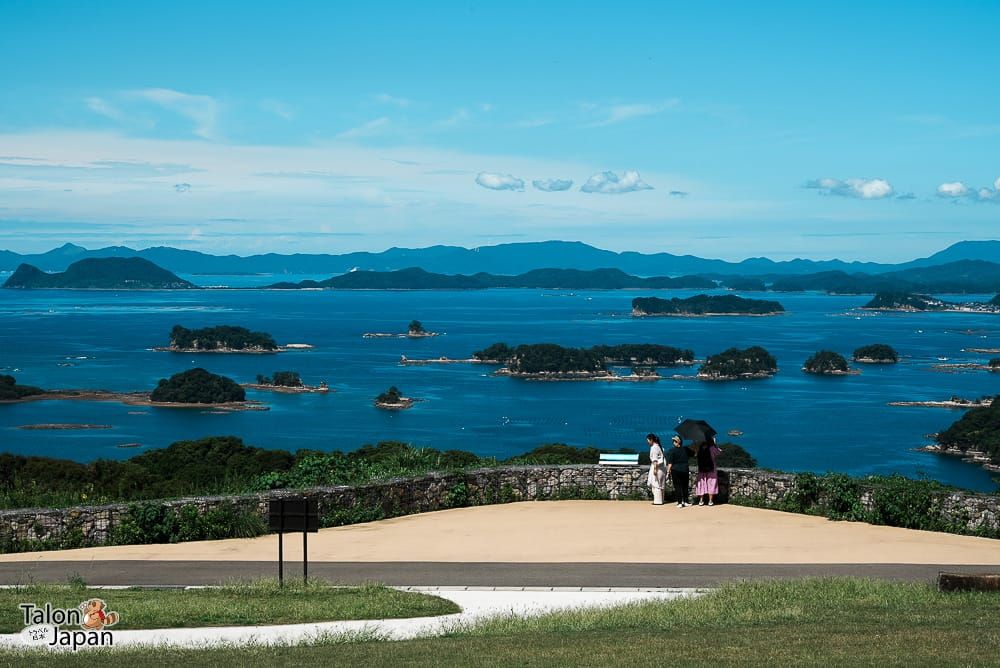
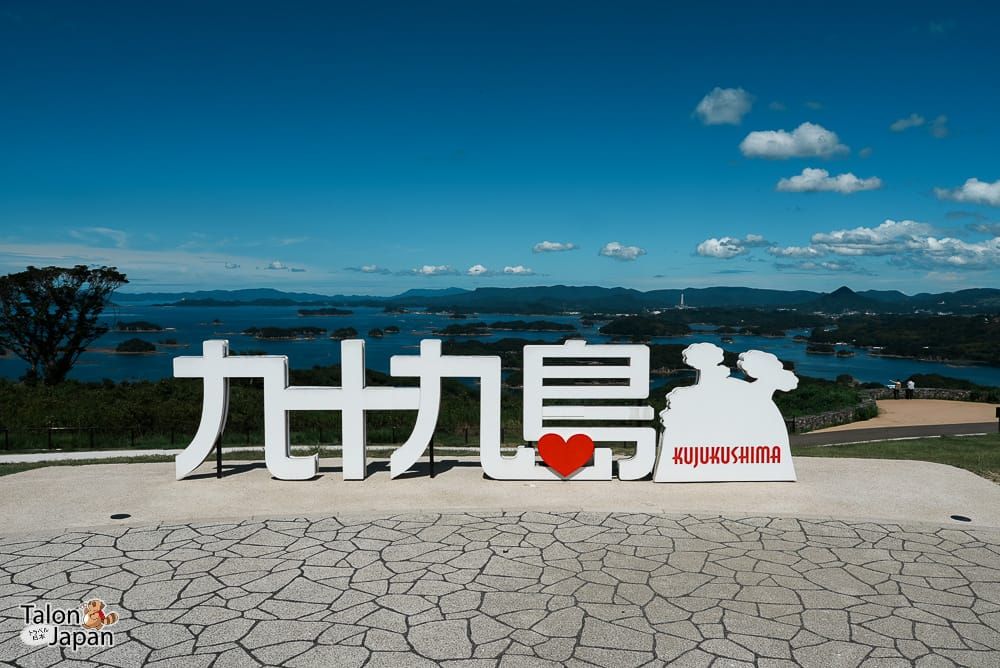
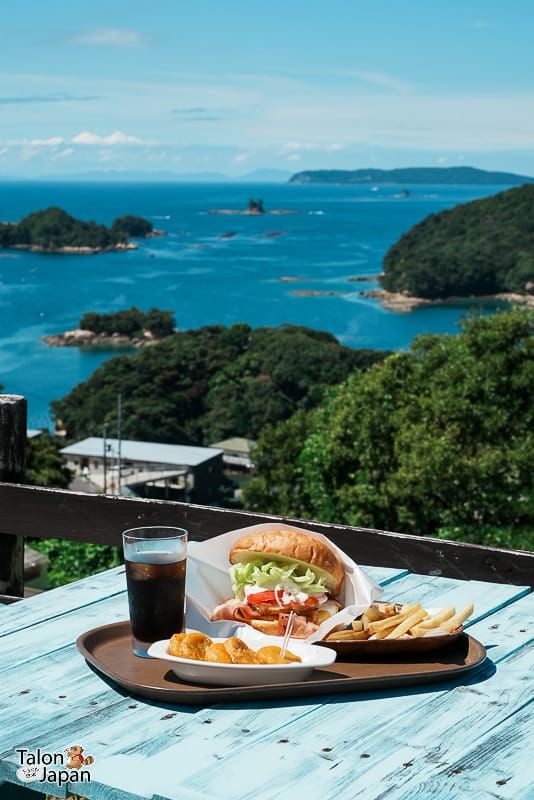
Then we headed to Hakata Station to start the trip on the Huis Ten Bosch/Midori train, a beautiful classic train that took us to Sasebo Station. From there, we continued on to Kujukushima Park, a newly opened and beautiful viewpoint over the islands. Then we had Sasebo Burger, the city's famous dish, at Sasebo Burger Museum, where the burgers are not only delicious and huge but the view is also stunning.
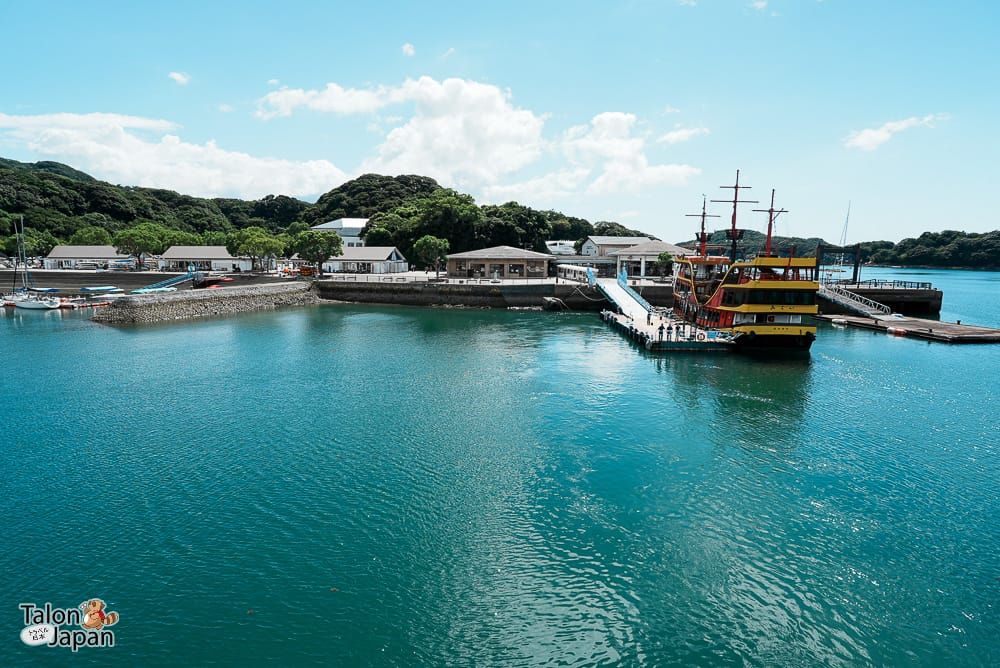
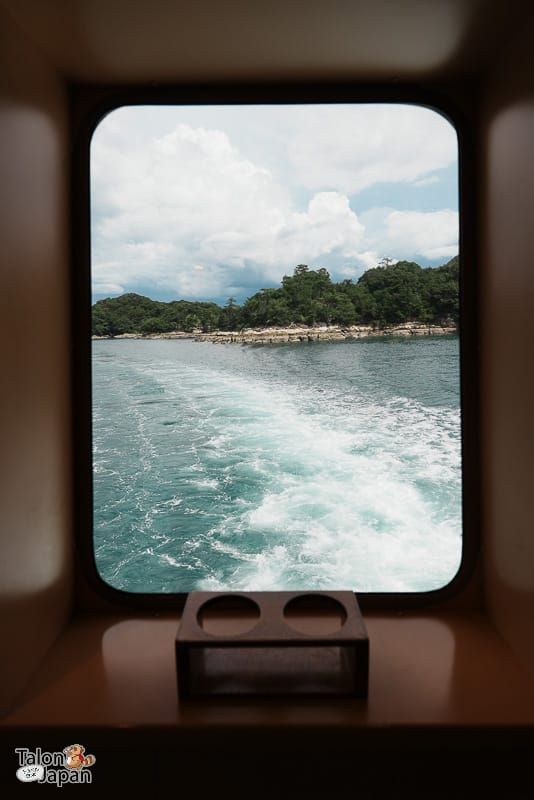
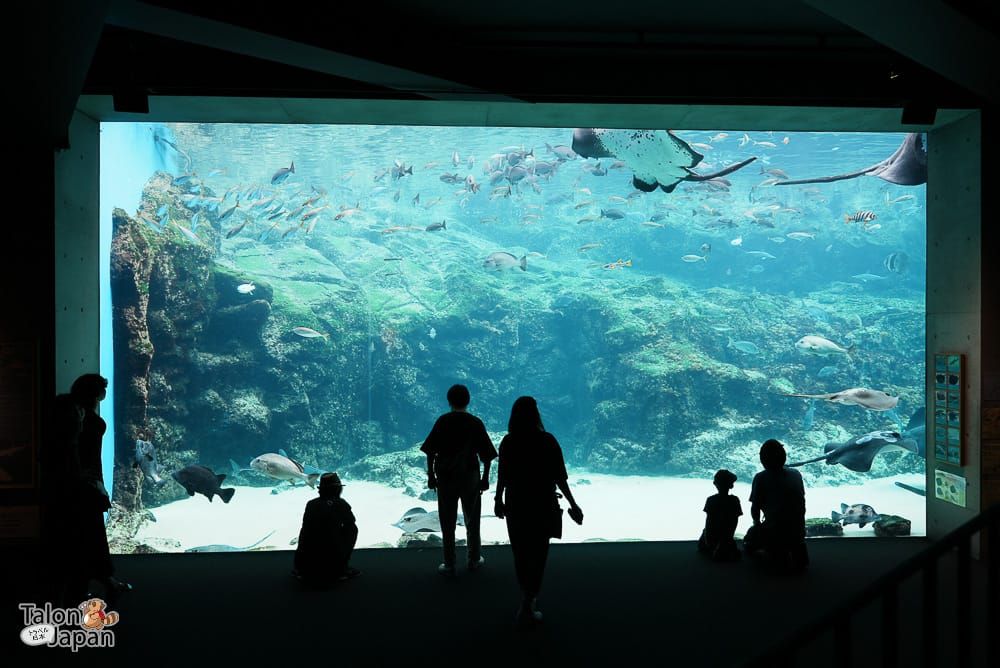
Next we visited Kujukushima Pearl Sea Resort, which has a variety of activities to choose from. The first thing we did was the Pearl Queen cruise, which takes you around the islands of the Kujukushima sea. The boat has 3 decks, with both air-conditioned and outdoor areas, so you can sit or stand wherever you like. There's also a corner selling snacks, drinks, and souvenirs on board. The cruise takes about 30 minutes and is very relaxing.
After that, we learned how to extract pearls, a rare and in-depth experience at a Japanese pearl farm inside Kujukushima Aquarium Umikirara, an aquarium showcasing local marine life with both shows and areas where you can get up close with sea creatures like starfish. It's also easy to walk around here since it's not as crowded as popular tourist spots in bigger cities.
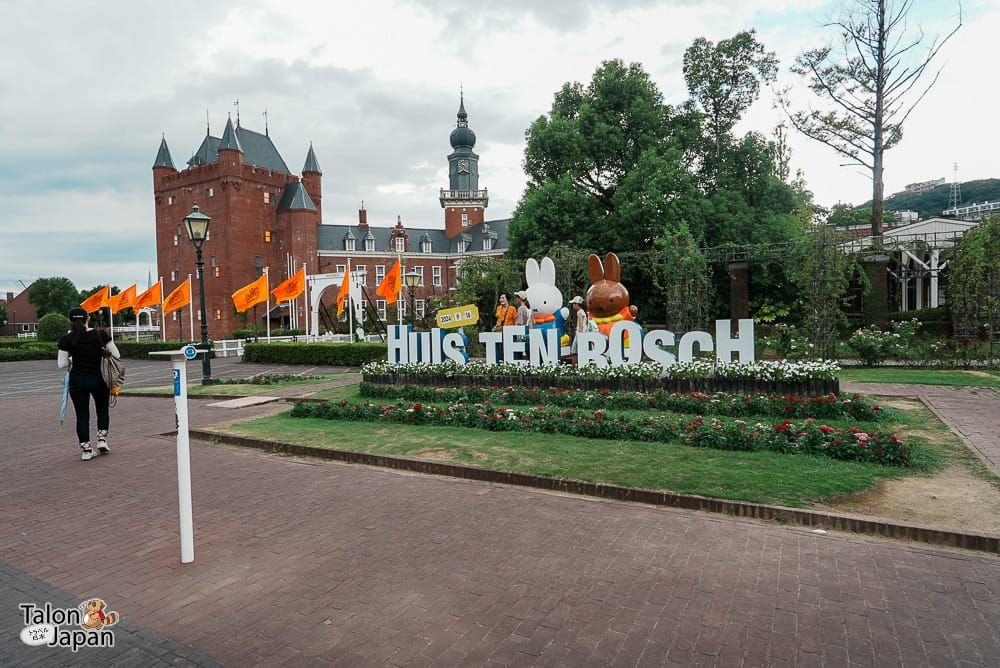
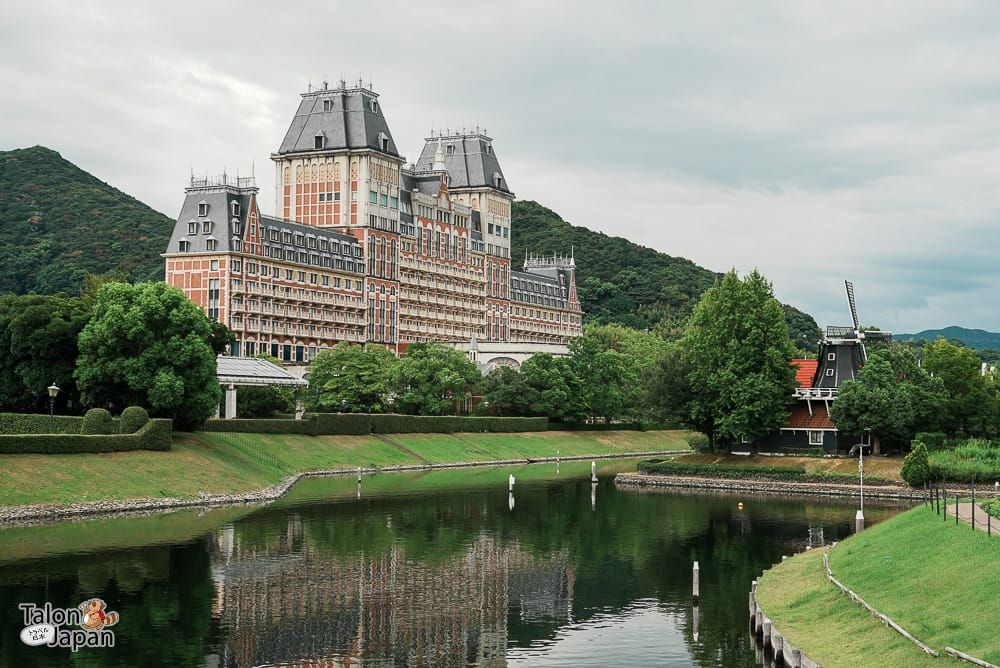
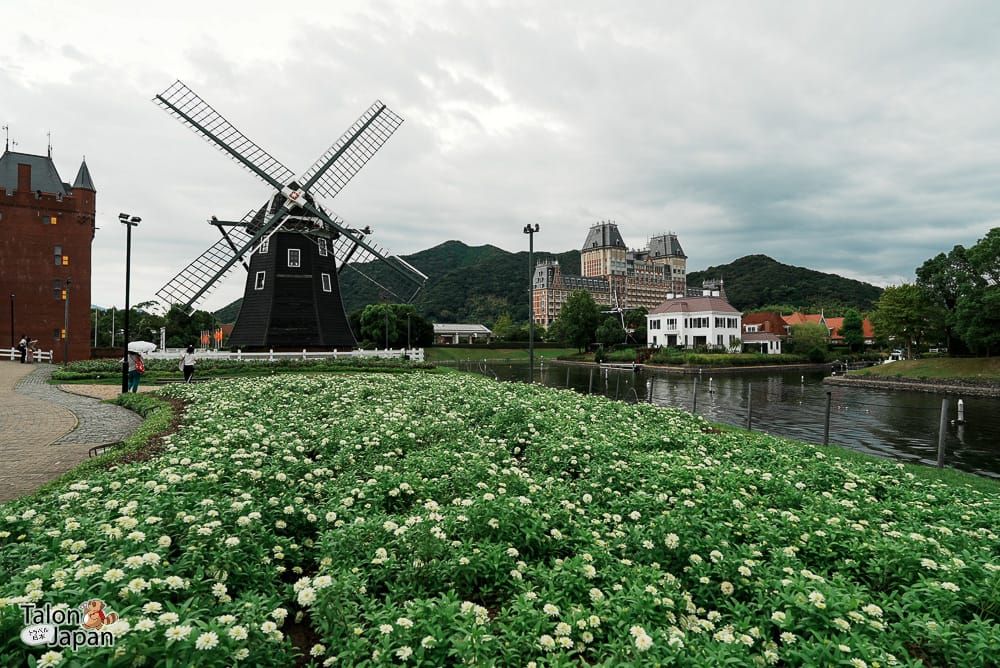
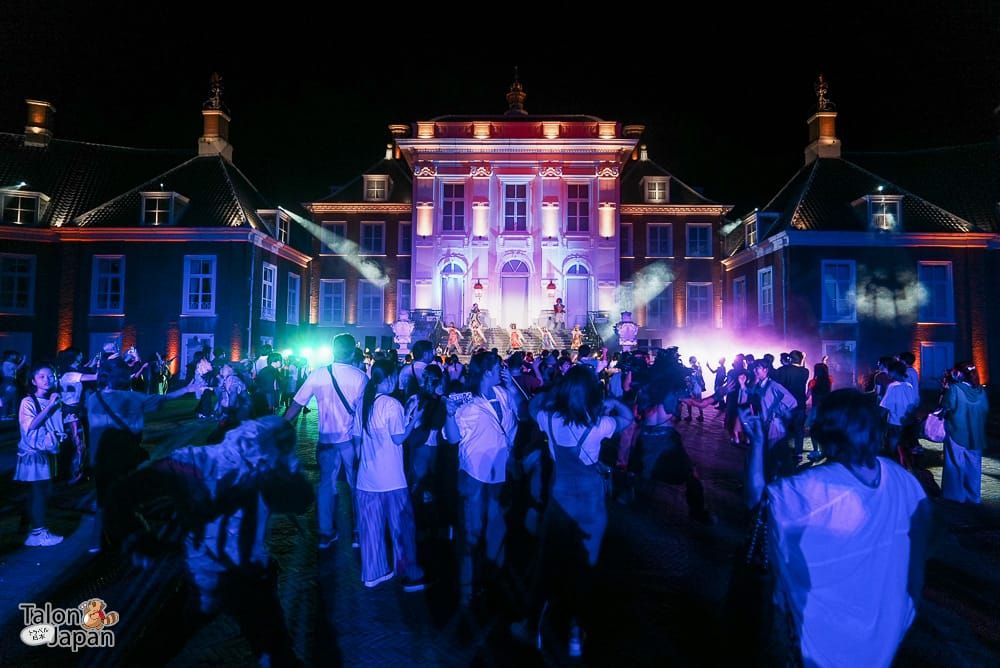
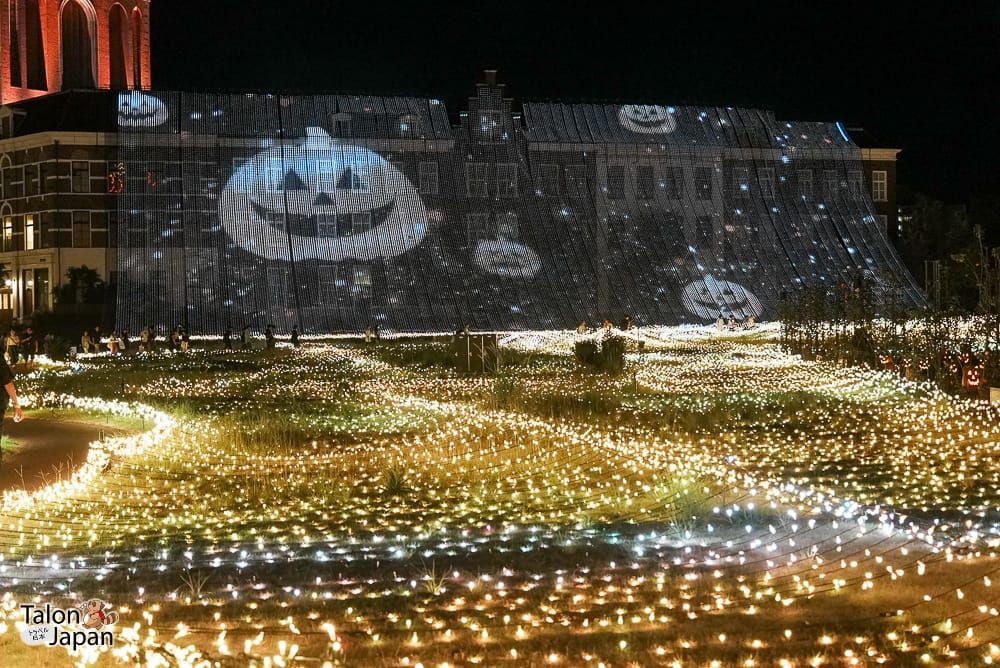
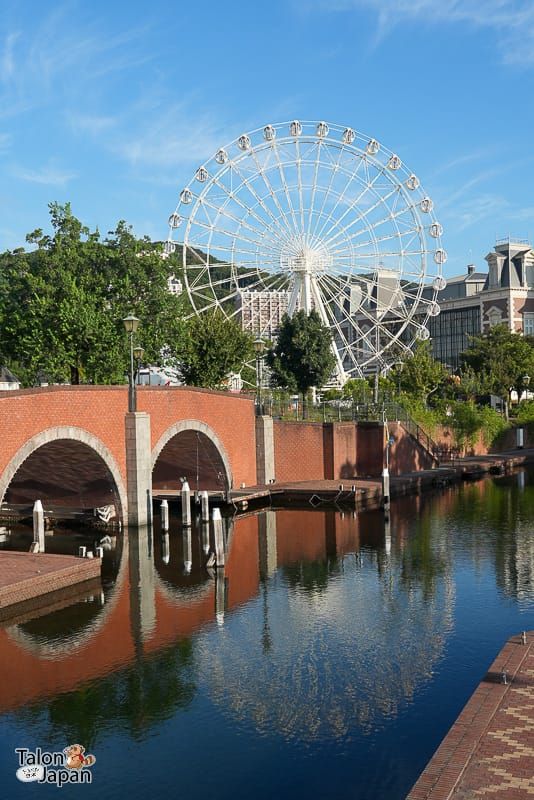
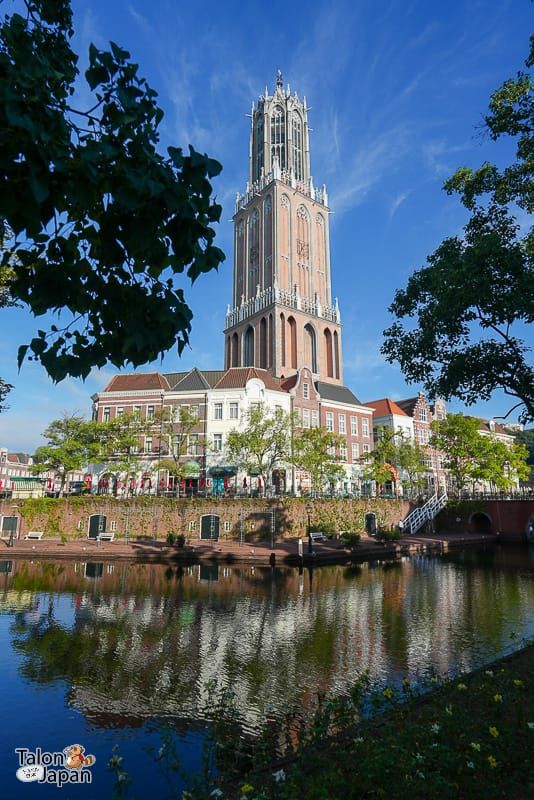
In the evening, we headed to Huis Ten Bosch, said to be the largest theme park in Japan. It's famous for its European-style town, flower fields, windmills, evening light shows, and a haunted house ranked among the top in Japan. There are so many activities that one day isn't even enough to see it all.
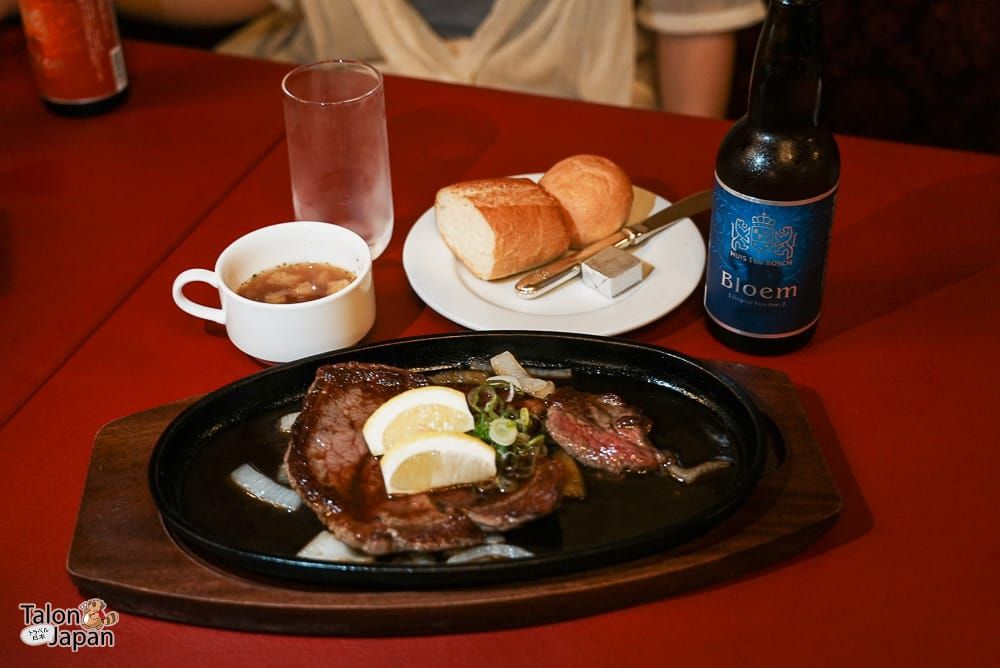
For dinner, we ate at a European-style restaurant that serves Lemon Steak, another famous dish of the town - tender steak paired with a sweet lemon flavor that goes together really well. Afterwards, we checked in at Hotel Amsterdam, located right in the heart of Huis Ten Bosch.

Day 2: Exploring the Old Town, Staying at an Onsen, and Making Umeshu in Hita
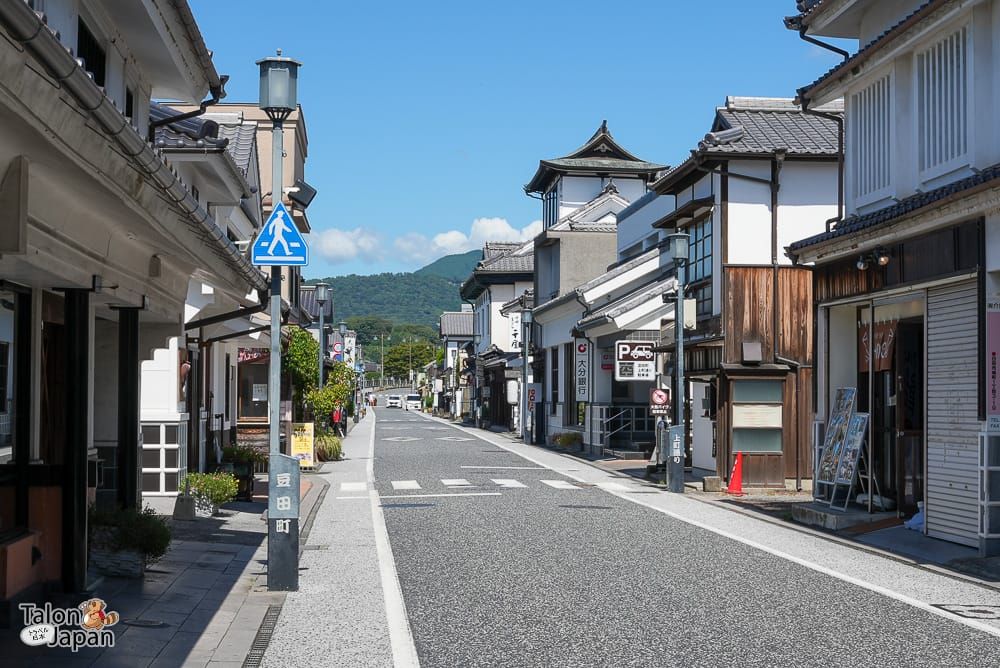
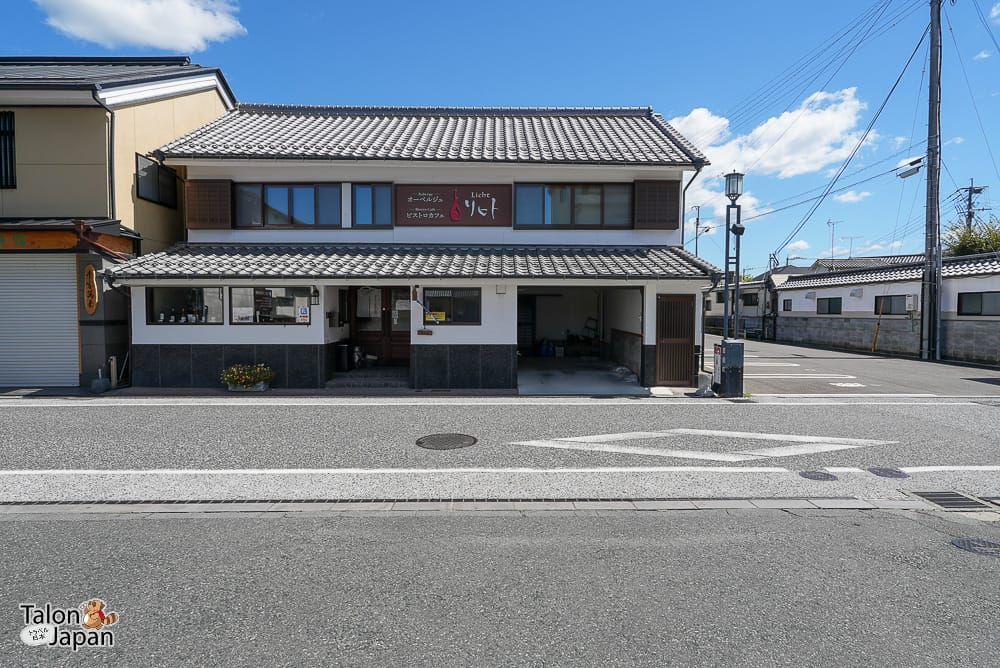
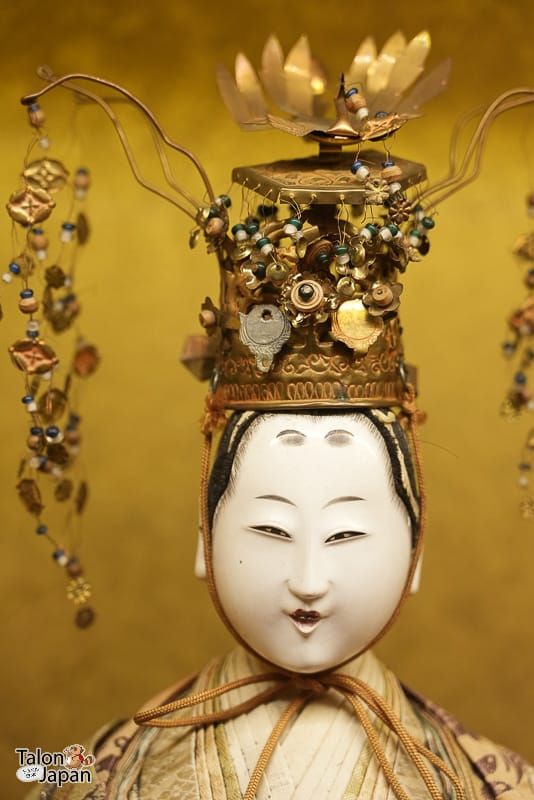
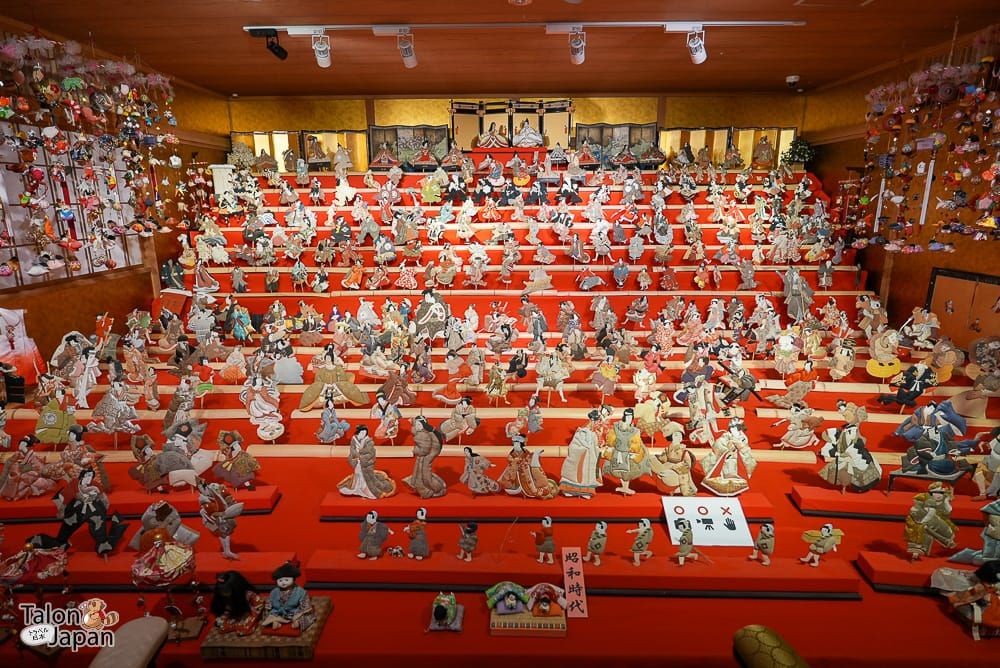
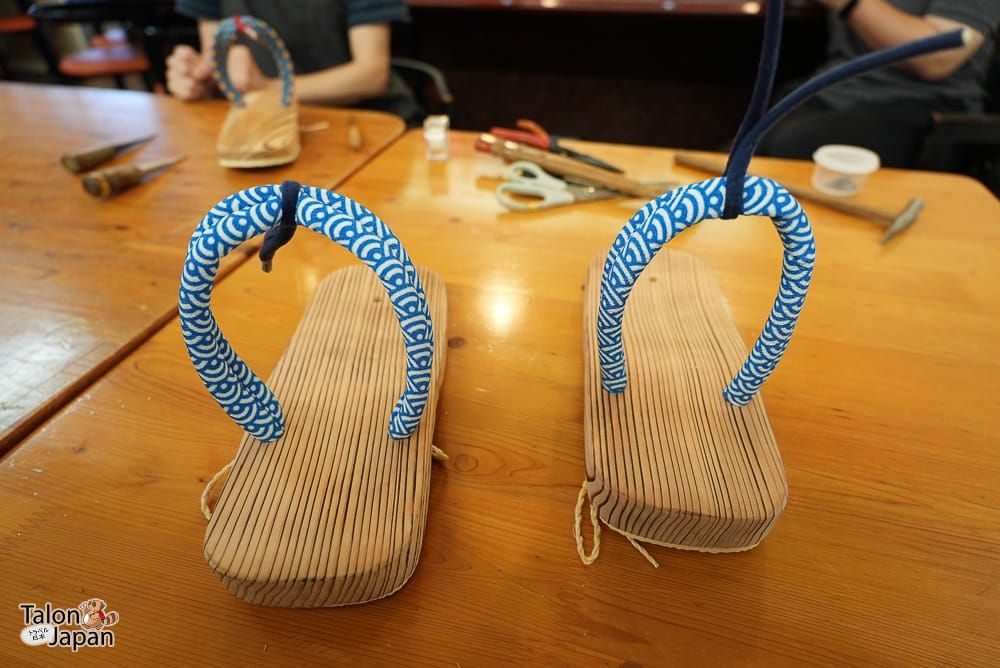
On day 2, after waking up early, we continued exploring before heading out for a lavish breakfast, then traveled to Hita. Our first stop was Mamedamachi, an old town district that still fully preserves its Edo-period Japanese atmosphere. If you want to experience a quiet, old-fashioned vibe, don't miss this place - it's not crowded with tourists, so you can stroll past the old shops and beautiful streets without rushing. The highlights here include the Geta Sandals Making Experience, the Hina-goten Antique Doll Museum, and the Kuncho Sake Brewery, which also has a sake-making museum inside.
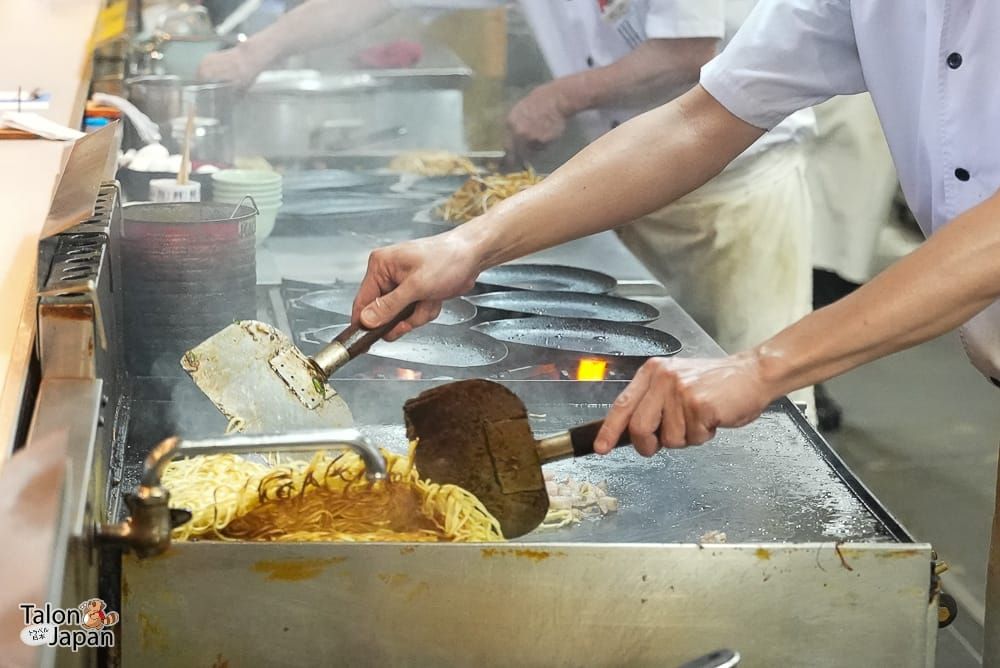
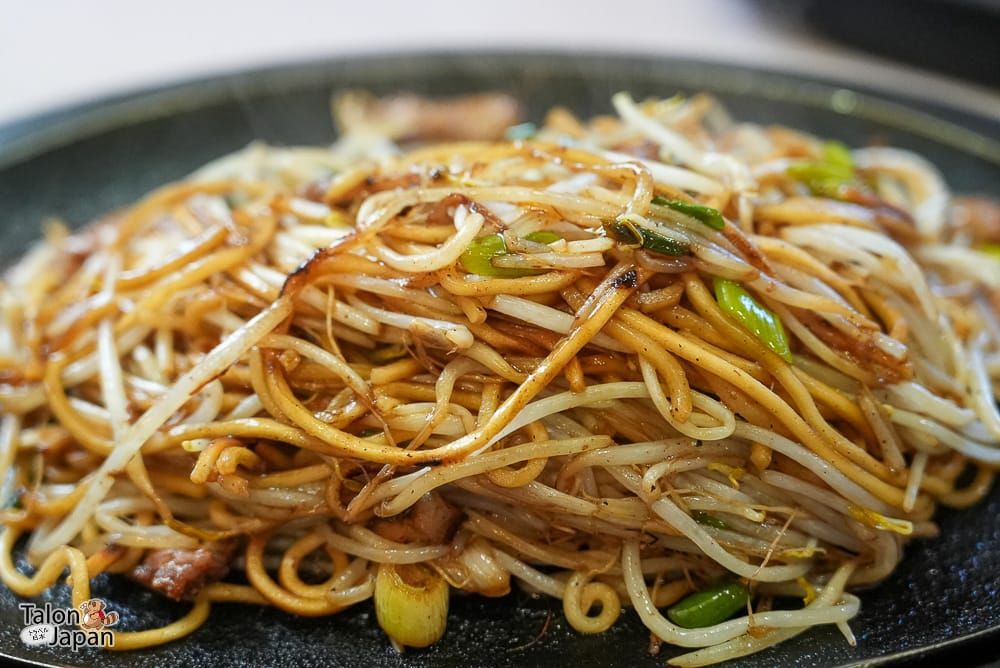
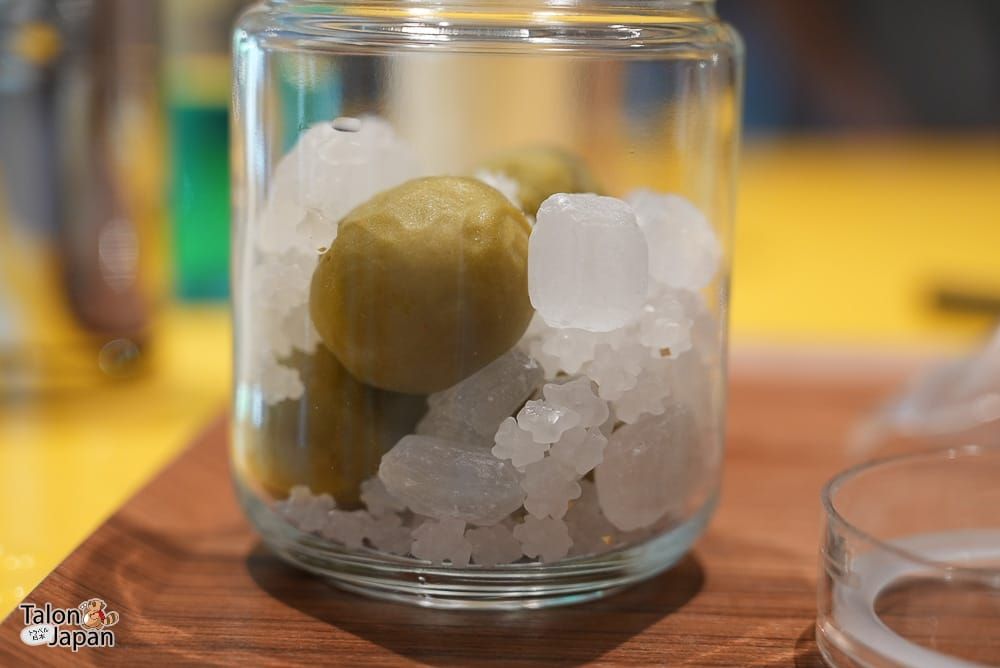
After a lunch break at Hita Yakisoba Soufuren Honten, which serves Hita-style yakisoba stir-fried fresh with a generous amount of bean sprouts and served in a hot pan that keeps the noodles crispy and fragrant, we went to learn how to make Umeshu (plum wine) at Umeshu Gura OYAMA. Besides learning the process, we also got to make our own bottle to take home, or try different tasting samples.
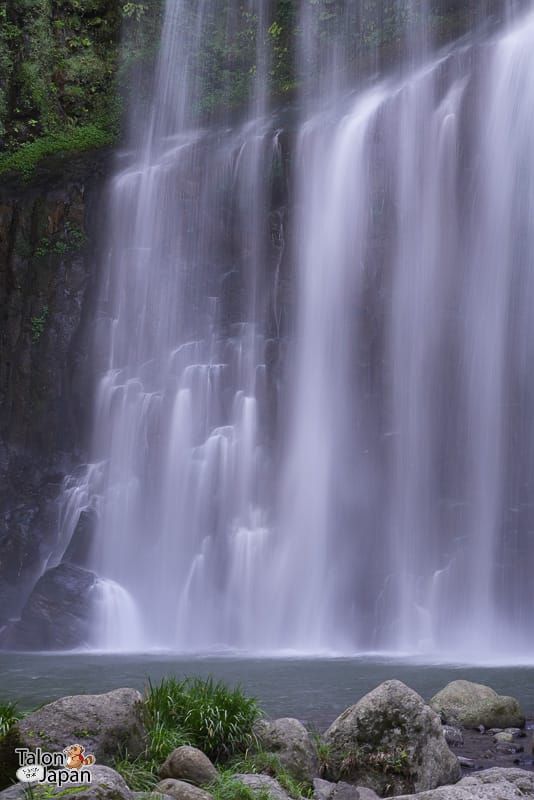
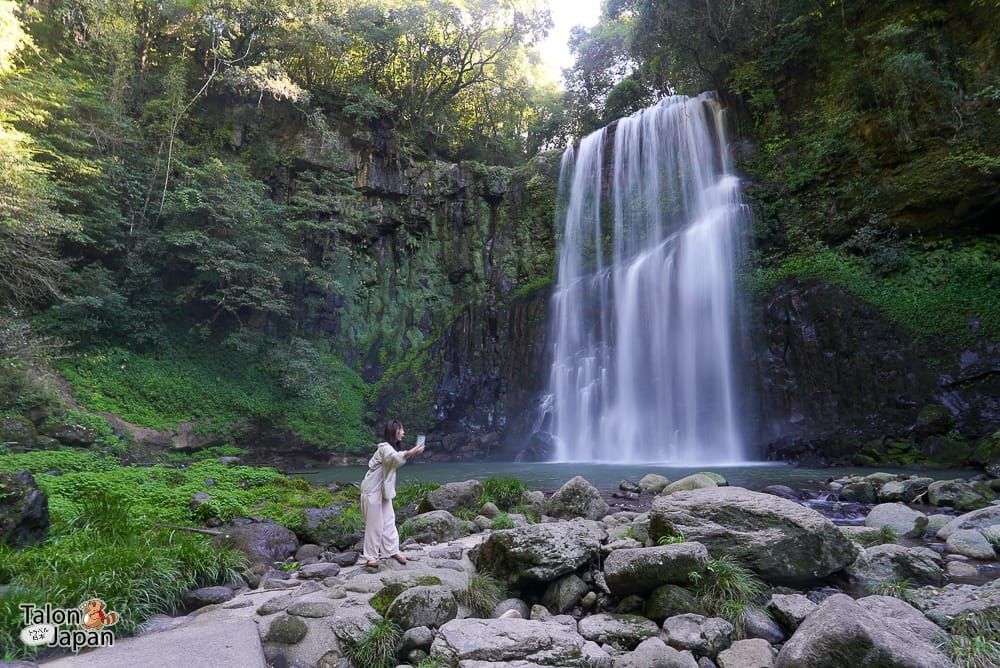
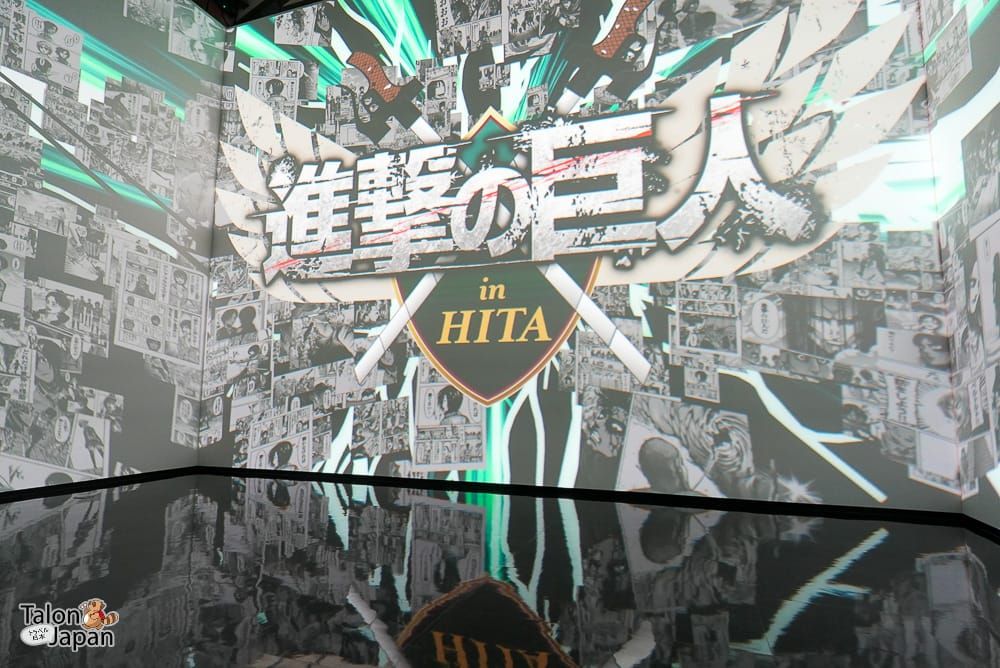
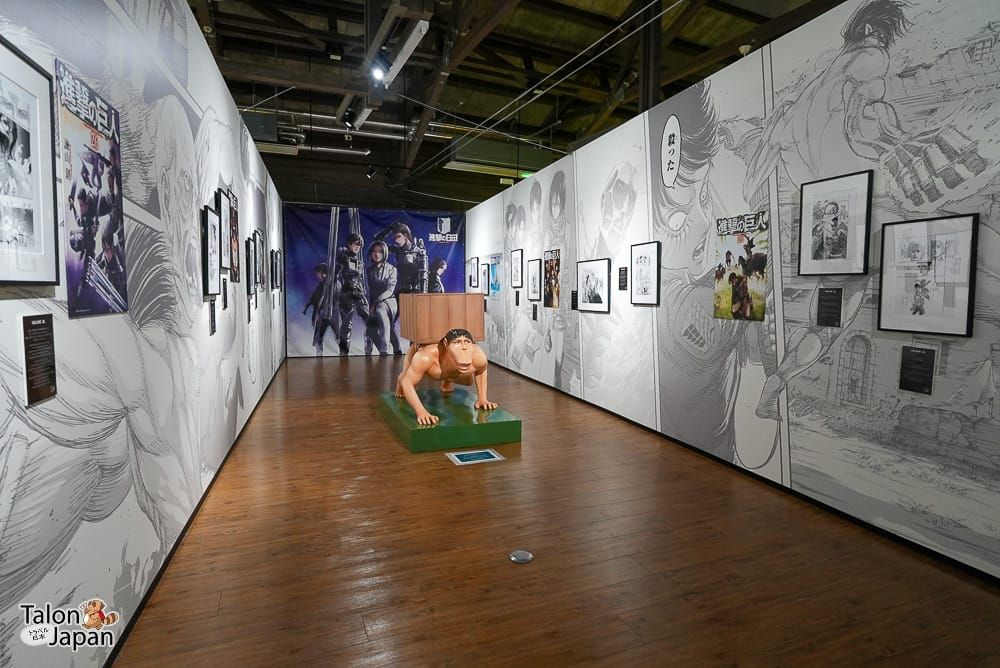
Next we went to Sakurataki Waterfall, a large waterfall hidden away in nature. The water flows so strongly that when the wind blows, it sprays like cherry blossom petals, which is how the waterfall got its name. After that we went to Sapporo Kyushu Hita Brewery, but we arrived too late for the viewing hours. Still, it was nice to stop by the nearby Attack on Titan Museum, a highlight that fans of the series shouldn't miss.
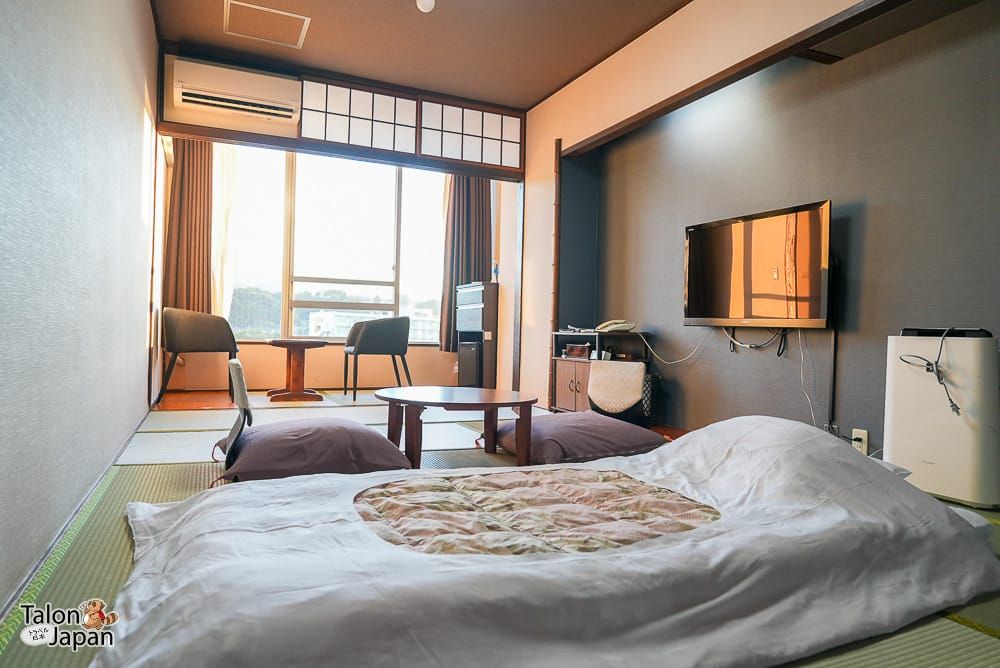
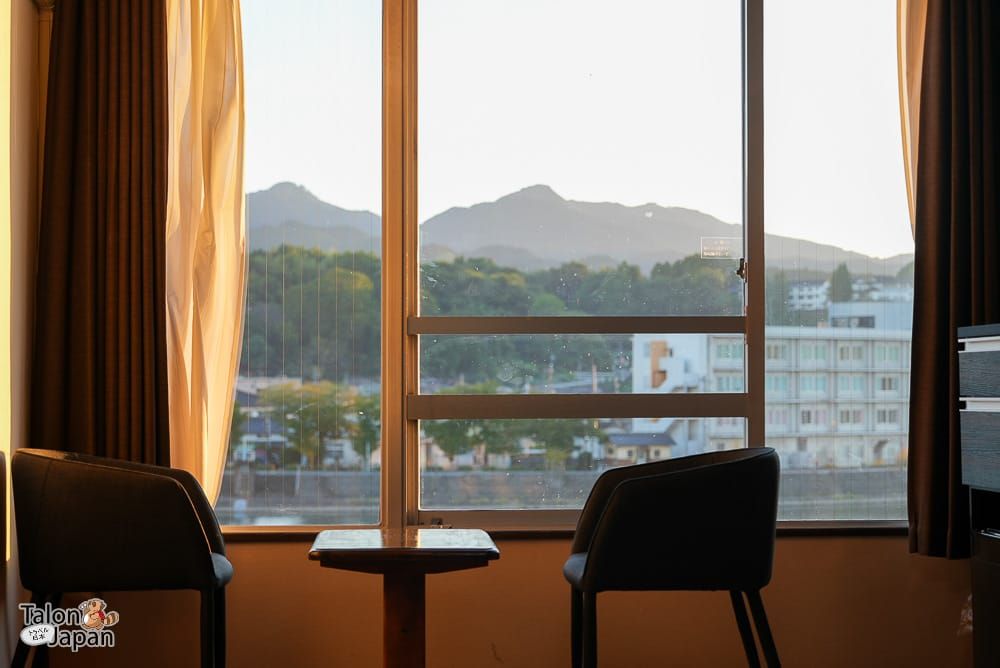
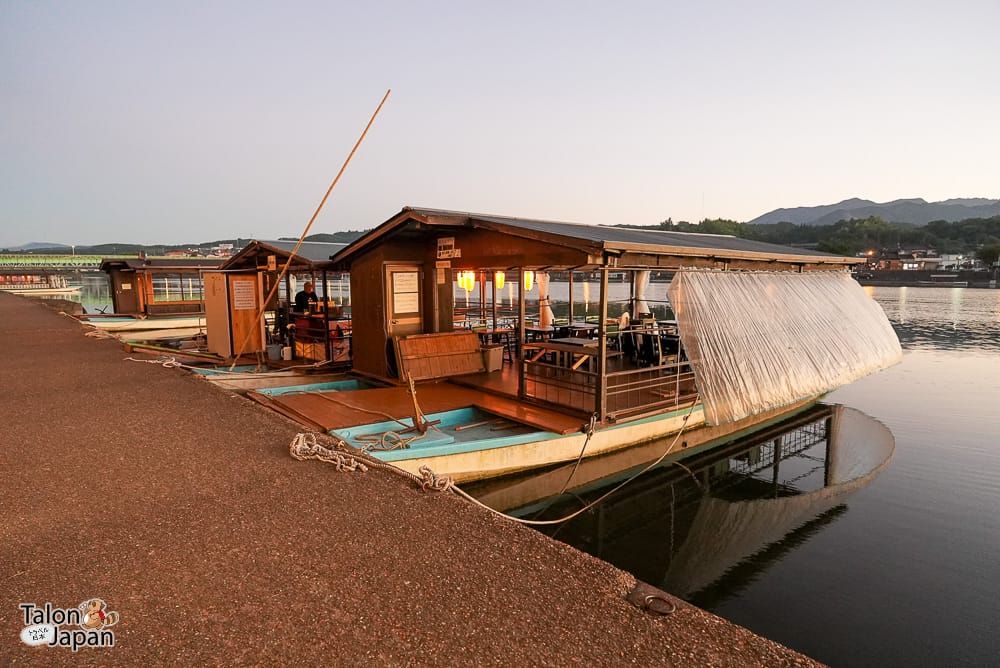
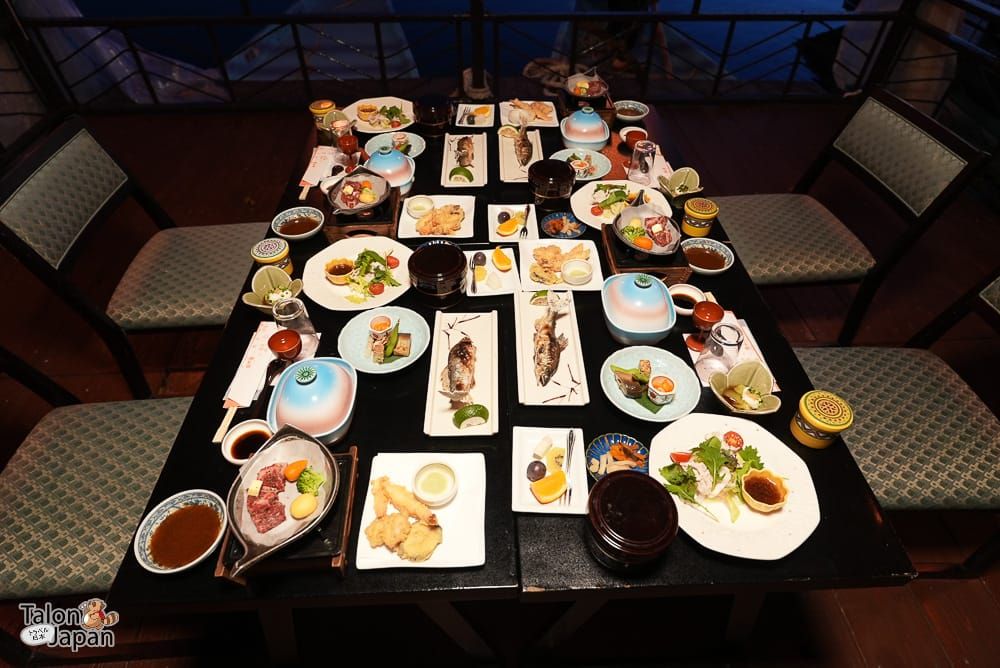
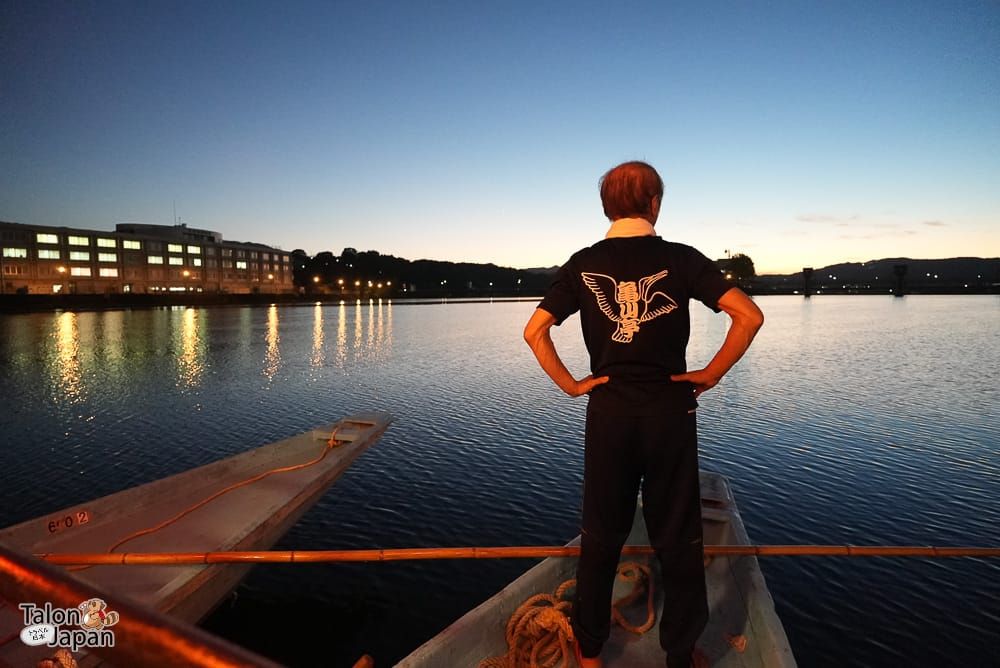
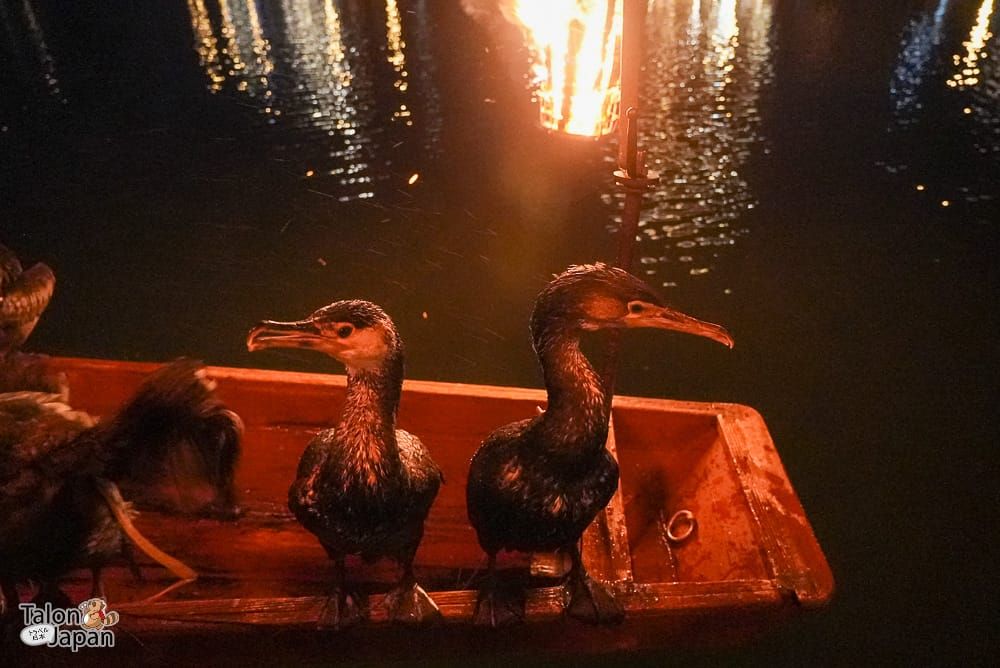
We ended day 2 at Yakatabune Hita Onsen with dinner aboard the Yakatabune Dinner Cruise, enjoying views of the Mikuma River along with delicious food and a traditional cormorant fishing show, before returning to stay at Kizantei Hotel, a riverside ryokan with a beautiful onsen view from the rooftop. It was excellent.
Day 3: North Kyushu Highlights - Kumamon's Hometown, Kumamoto
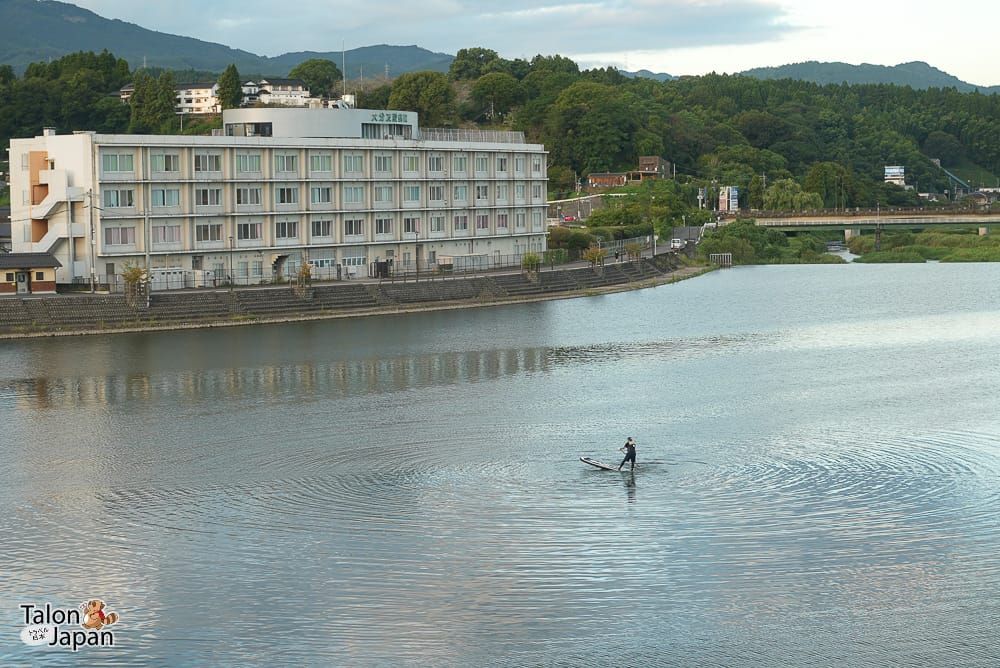
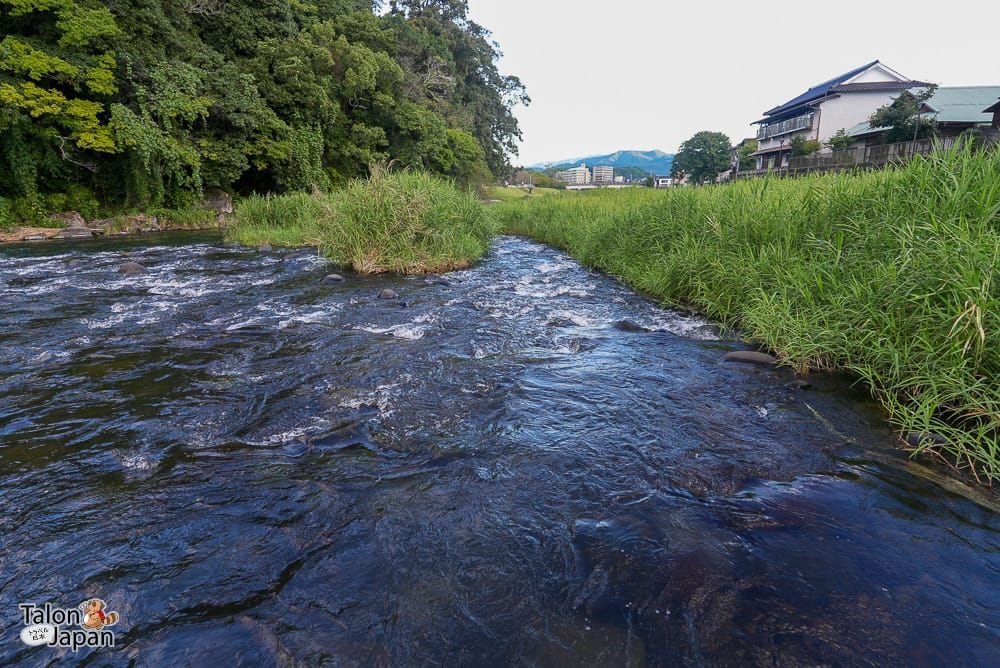
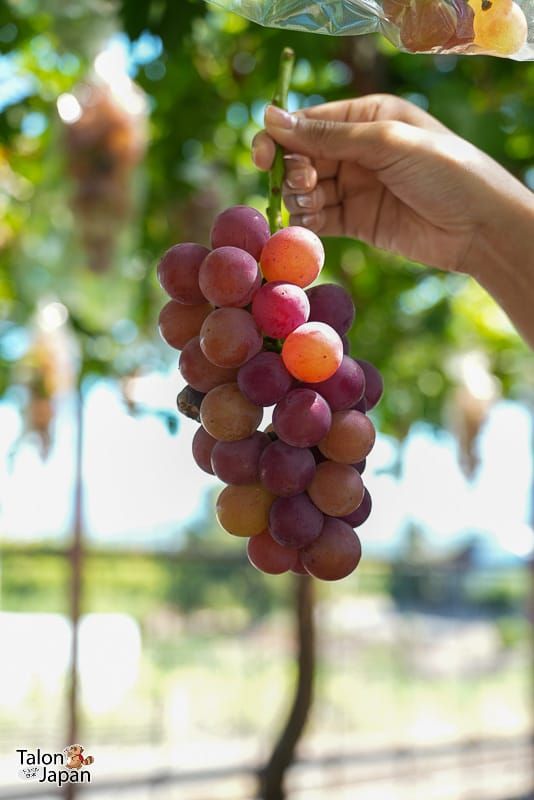
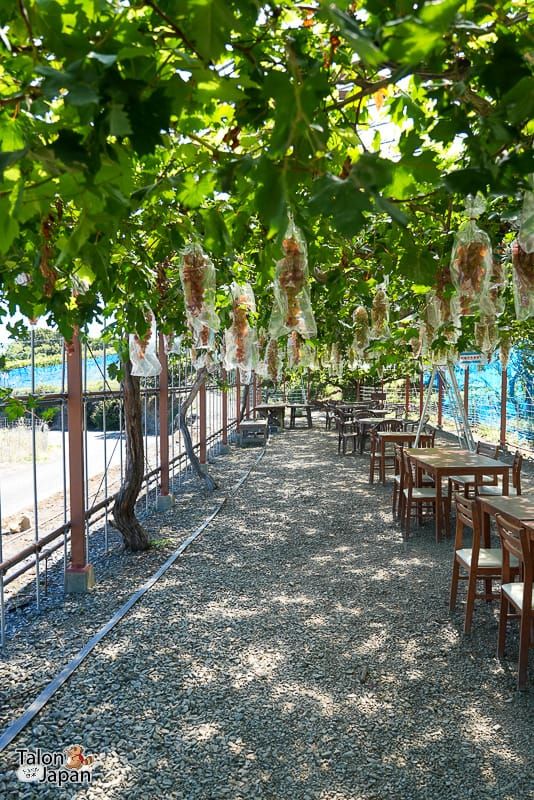
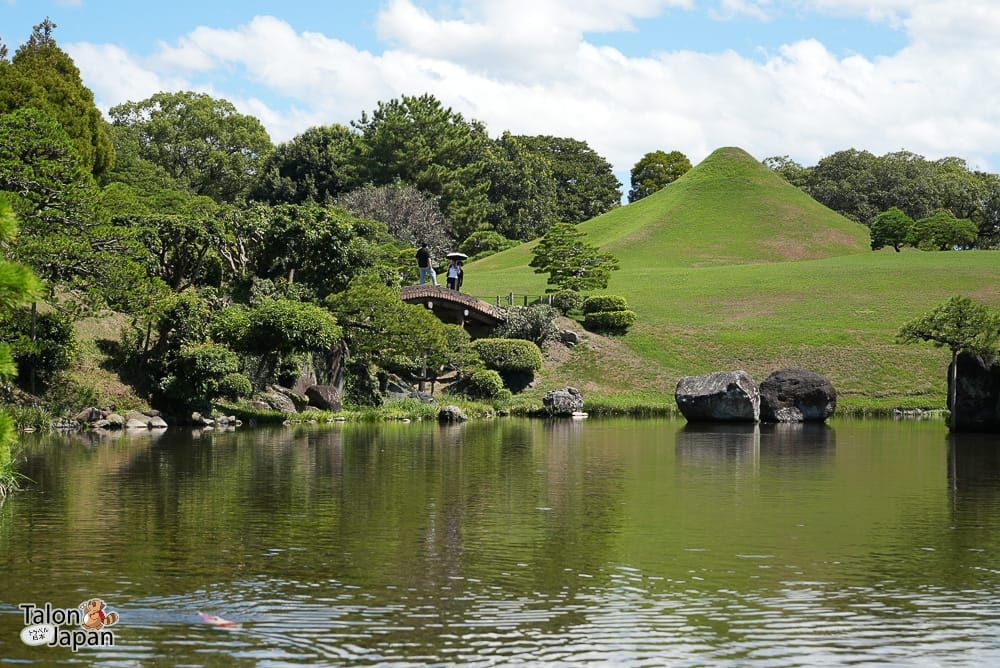
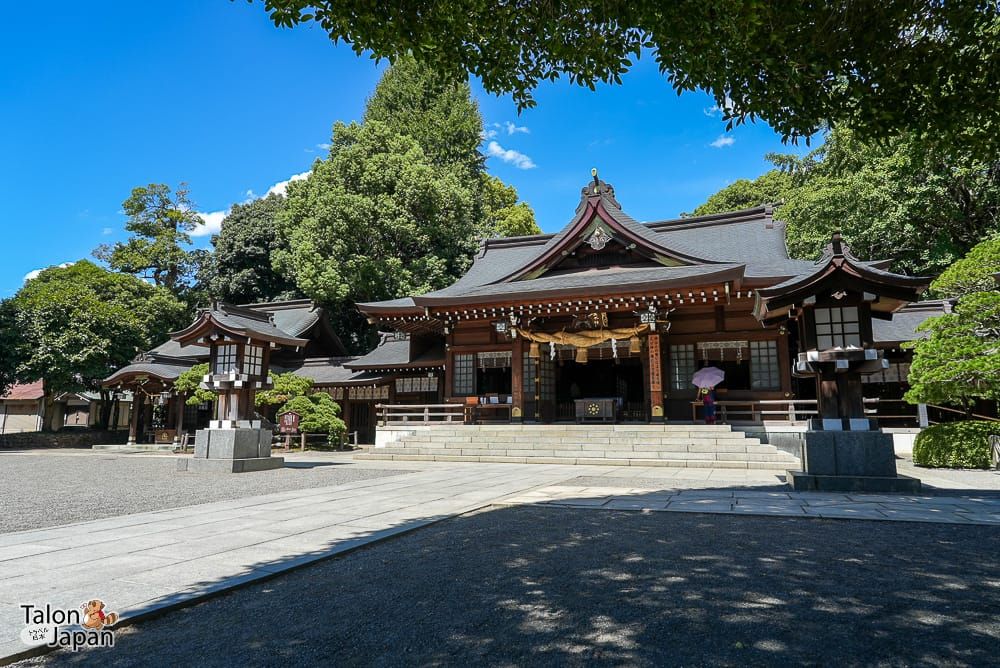
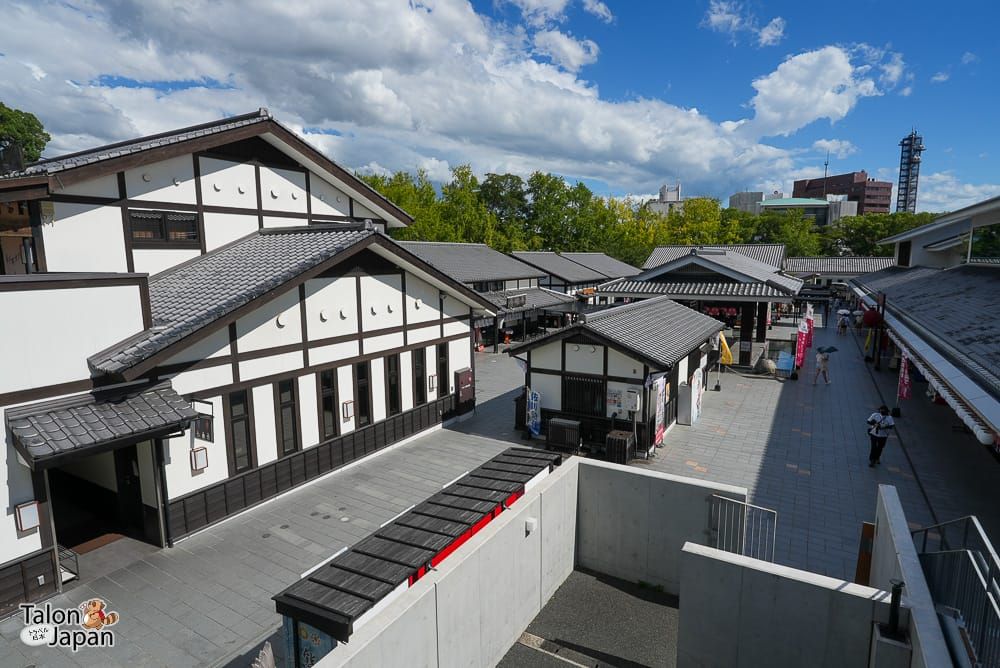
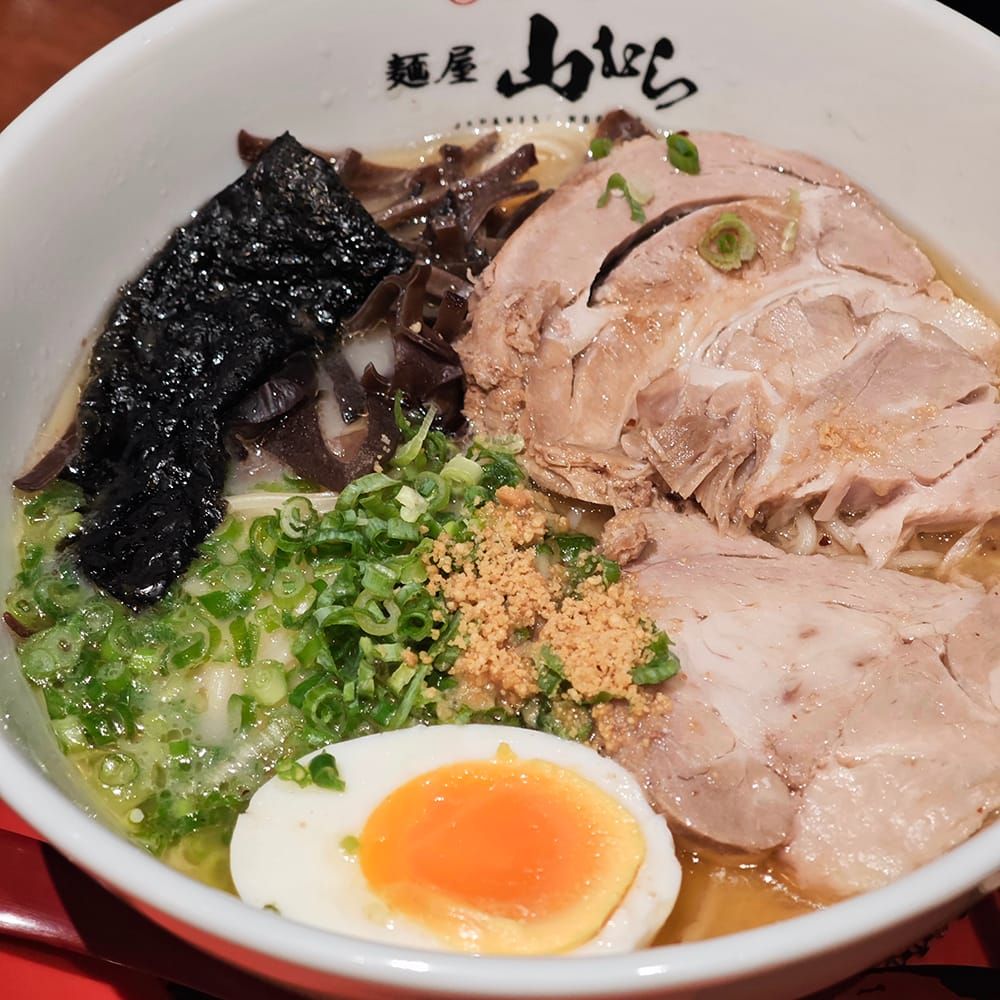
We woke up early on day 3 for a walk along the riverside, watching people paddleboard, before enjoying a scenic breakfast at our hotel. Refueled, we headed out to explore more of Kumamon's hometown, Kumamoto. Our first stop was fruit picking on the mountain at Kichiji-en orchard, where on the day we visited there were only grapes to pick, but these seedless grapes were incredibly sweet and fragrant. Next we went to Suizenji Jojuen Garden, a beautiful and peaceful Japanese garden designed as a miniature Japan, complete with a mini Mt. Fuji and a lake. You can also sit and sip green tea while feeding the birds and koi. Then we had lunch at Sakura-no-Baba Josaien, a spot for strolling, shopping, eating, and relaxing in an old-town Japanese atmosphere. We made sure to try the Kumamoto ramen, which is special for its fried garlic and onion topping, giving it a rich, crispy flavor.
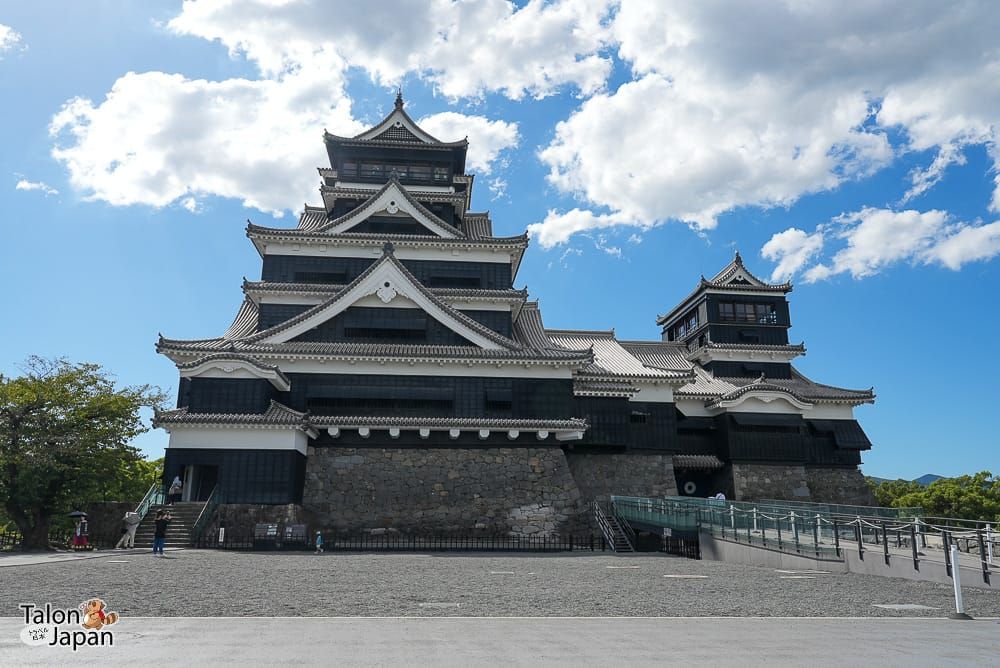
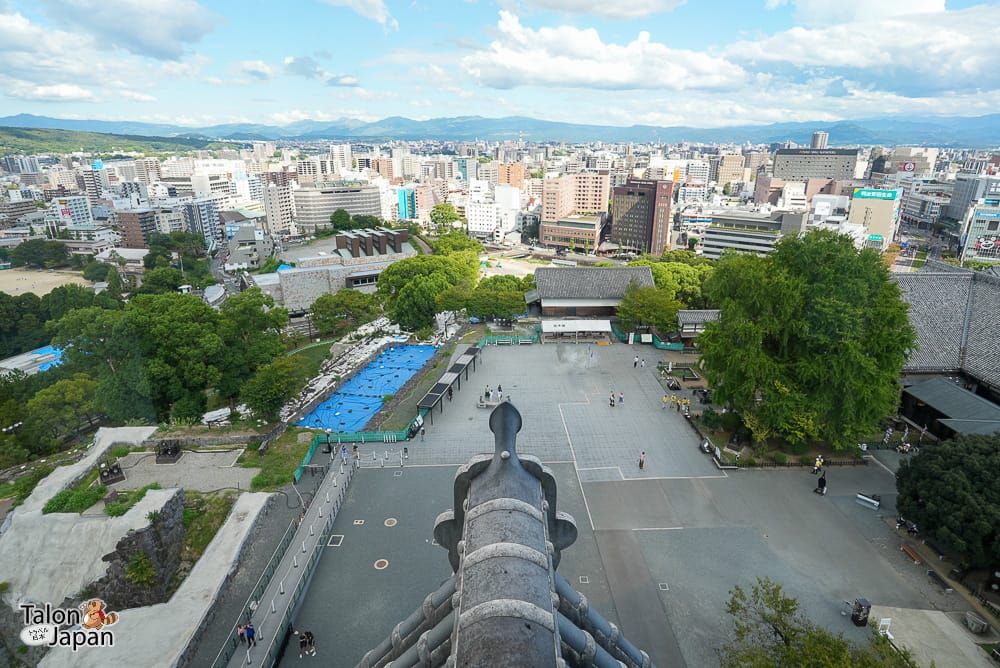
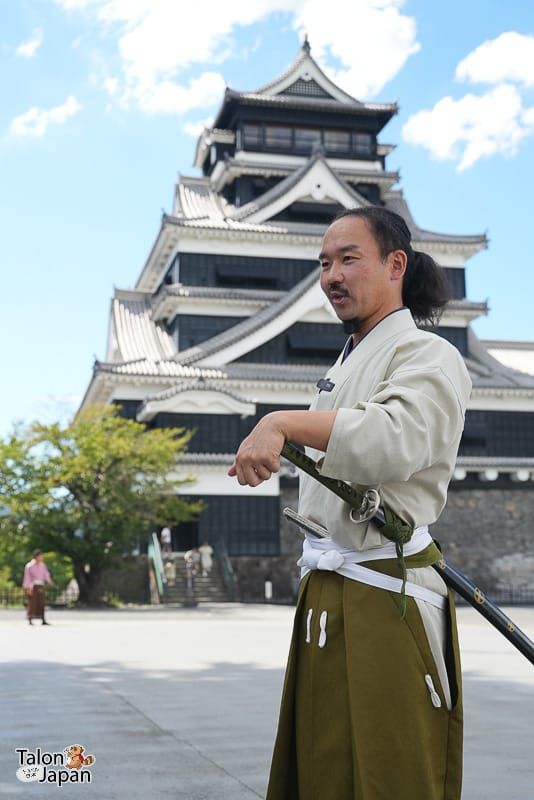
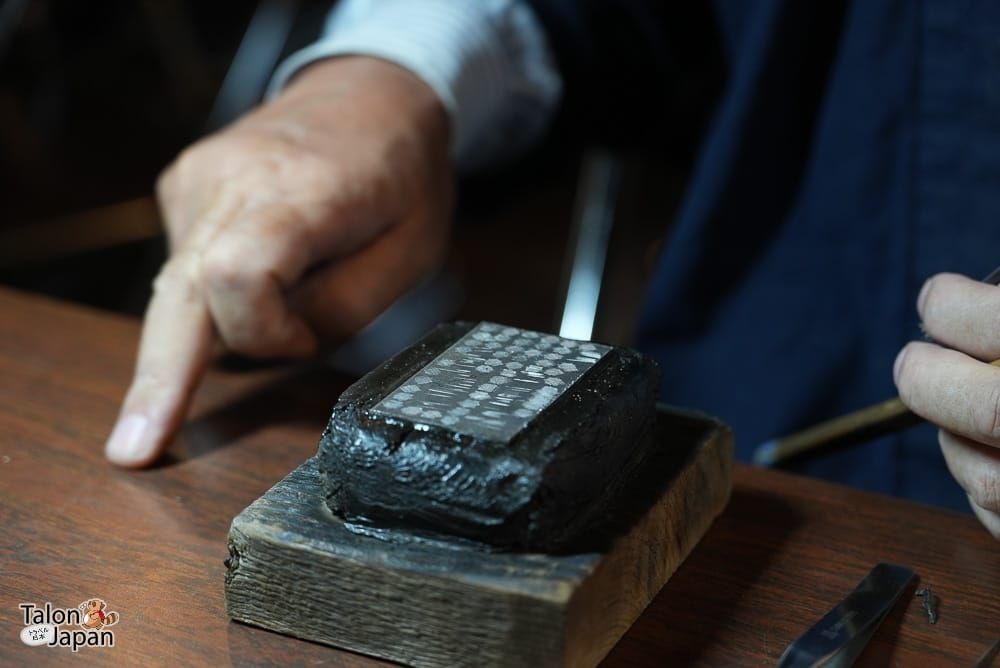
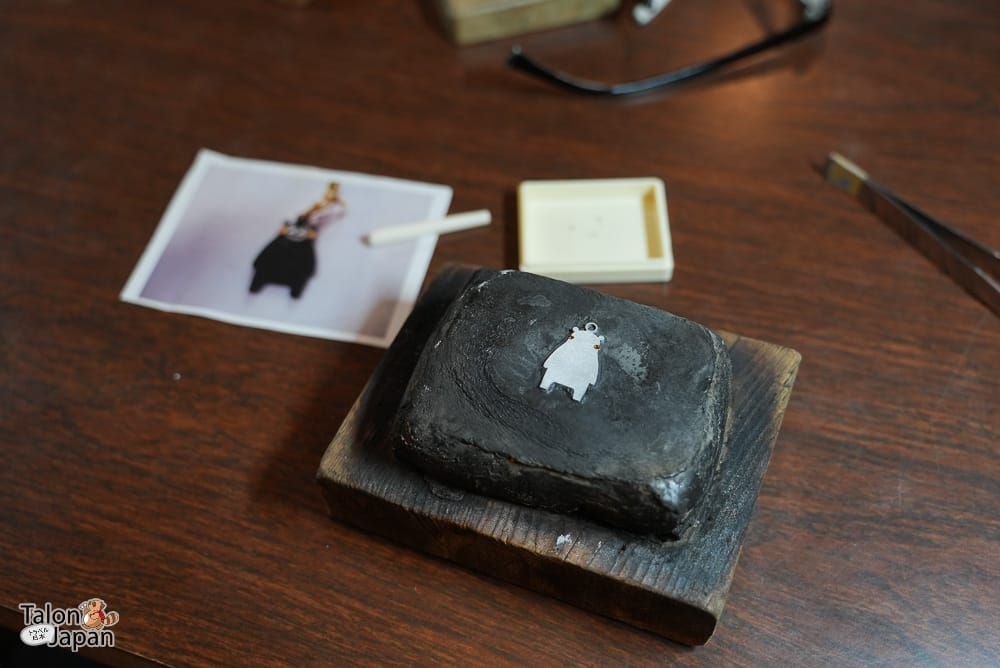
After lunch, we continued on to Kumamoto Castle, which is huge and beautiful. Although it was damaged in the 2016 earthquake, the main tower has now been fully restored. In the afternoon, we tried a traditional craft at Higo Zogan, called Zogan, a technique of inlaying metal into items such as jewelry, swords, and more. It's a traditional craft of Kumamoto, and we even got to make a Kumamon design ourselves.
Note: Kumamoto Castle was damaged again by the earthquake on July 28, 2026, and reopened on August 13, 2026. Please check the official website before you go.
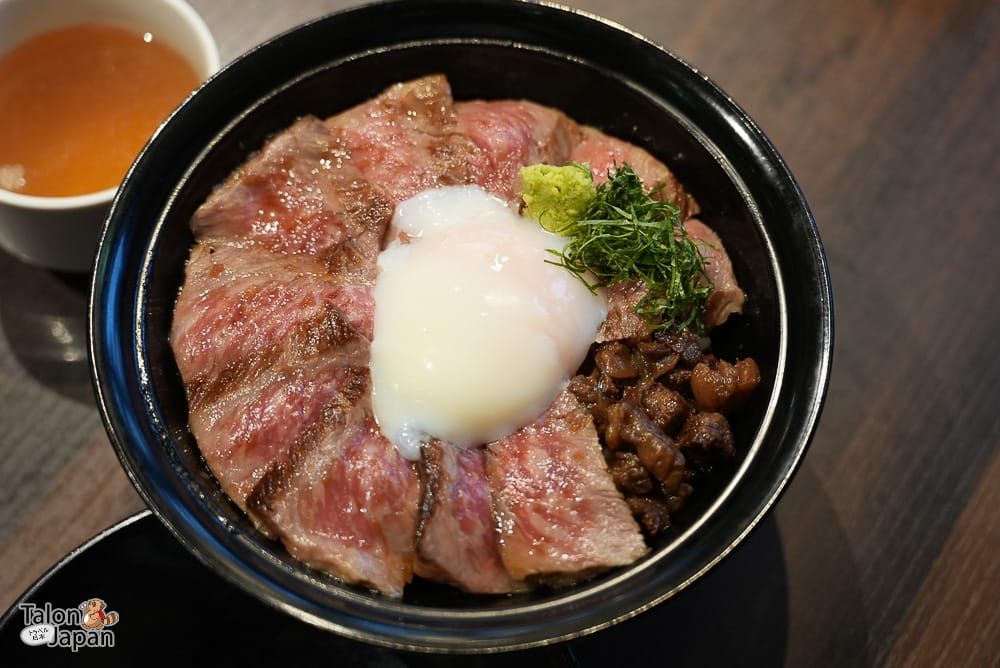
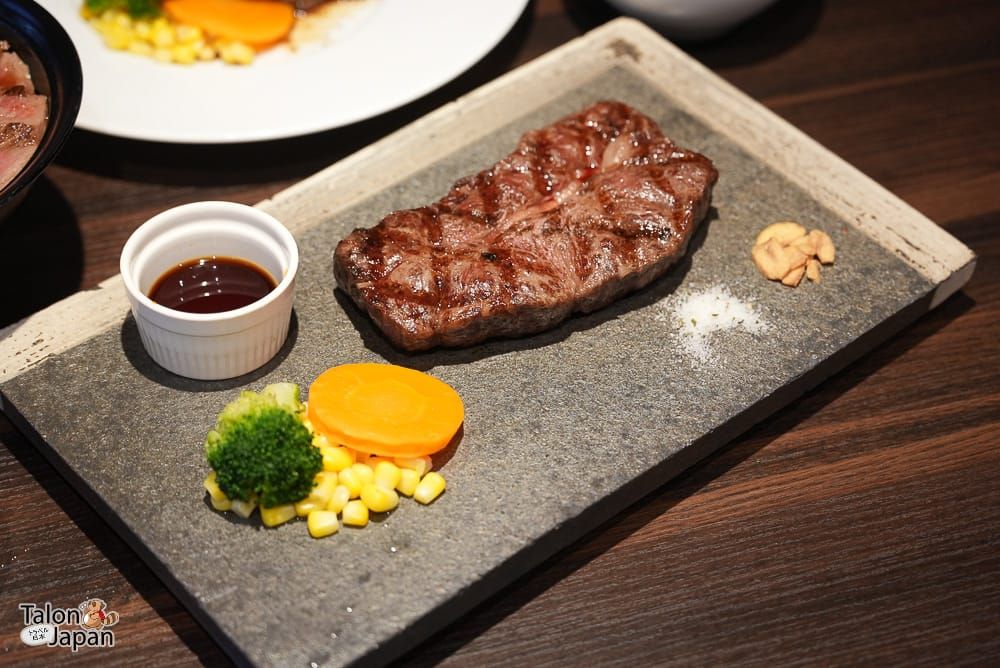
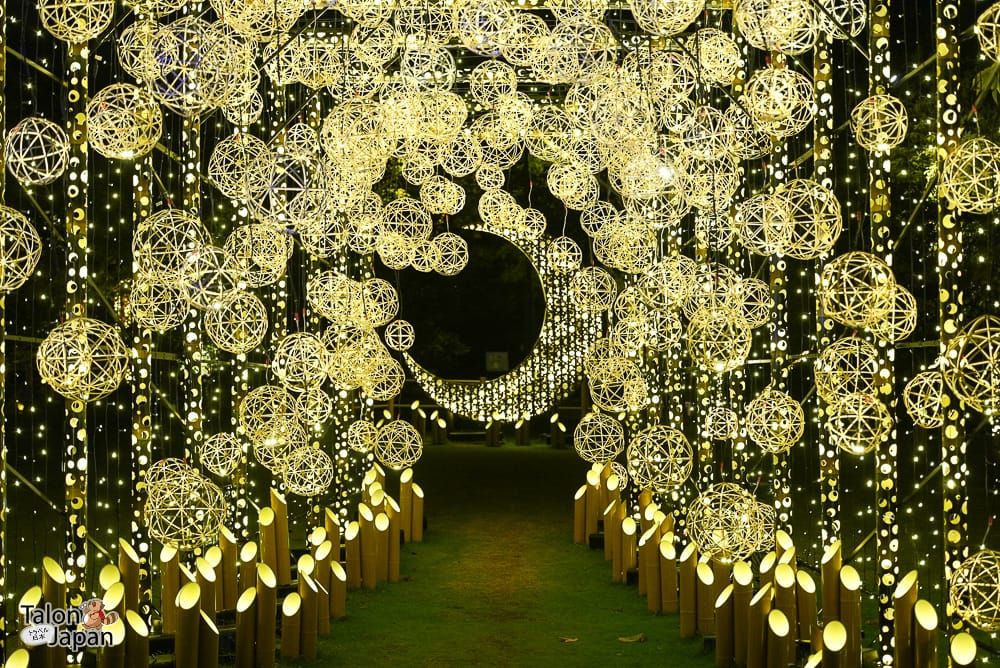
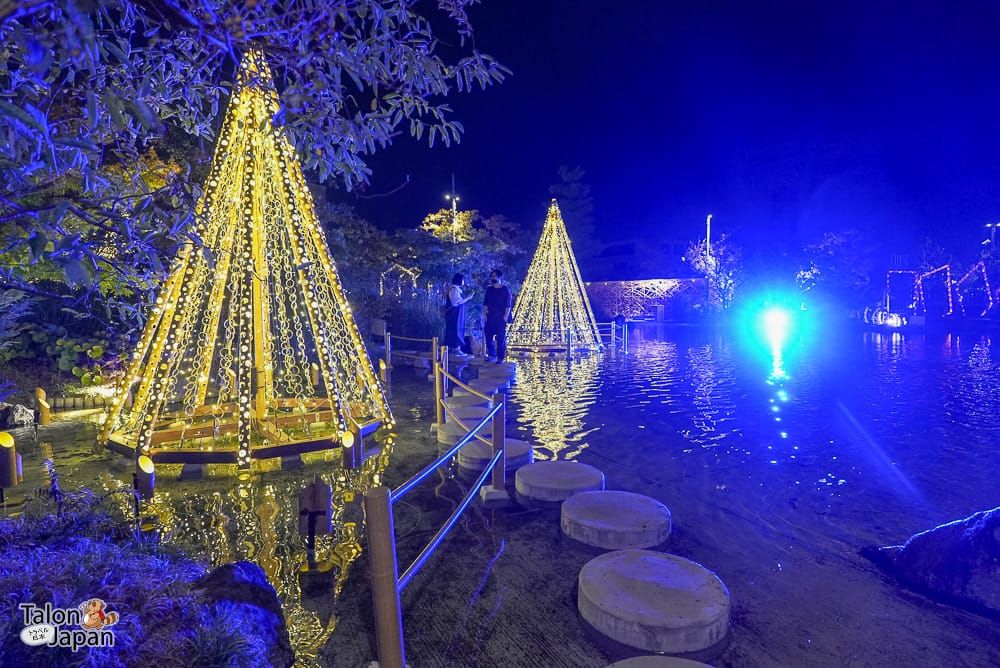
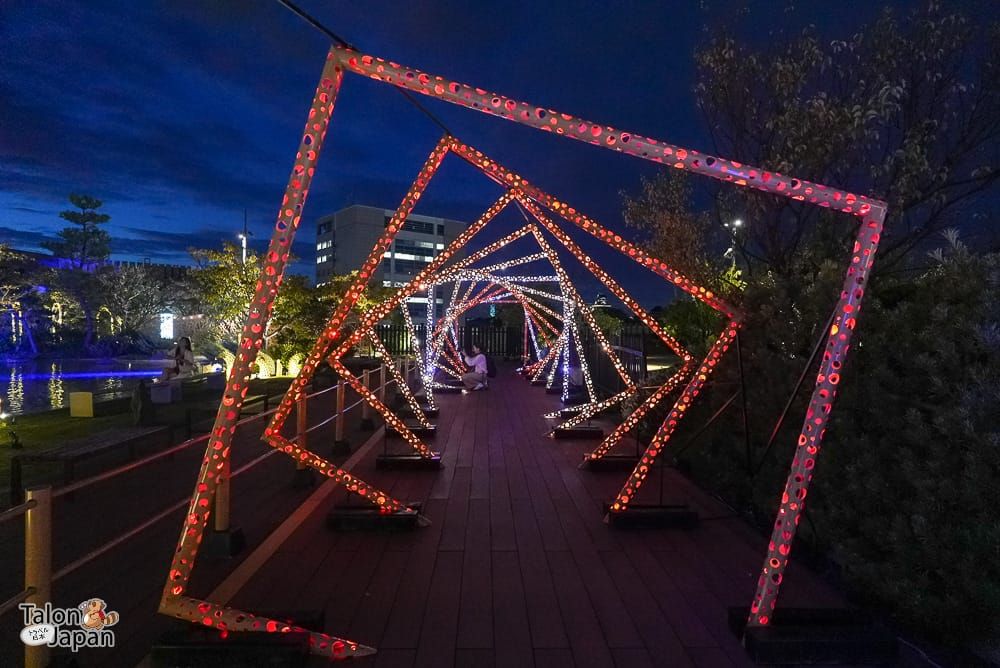
Afterwards, we had a delicious dinner featuring red wagyu (akagyu) dishes, Akagyu-don (red wagyu beef rice bowl) and steak, at Akagyu Dining Yoka-Yoka, which was excellent - a must for meat lovers. Don't leave the Sakuramachi building just yet, though, because at the time of our visit there was a Light-up Event themed Princess Kaguya's Illuminated Garden. Admission was 2,000 yen, but the display inside is absolutely stunning.
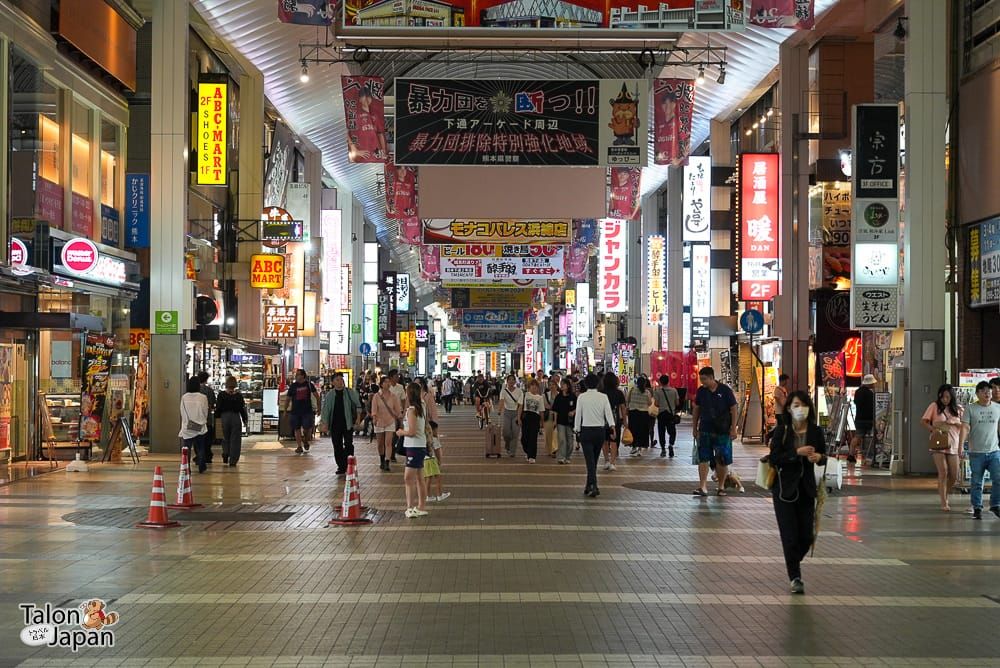
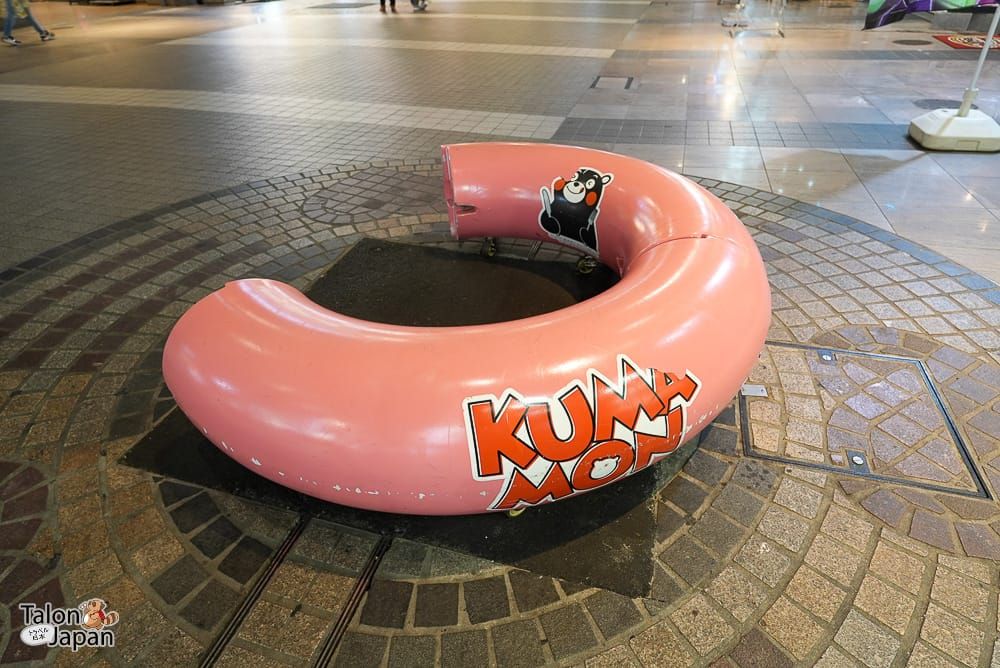
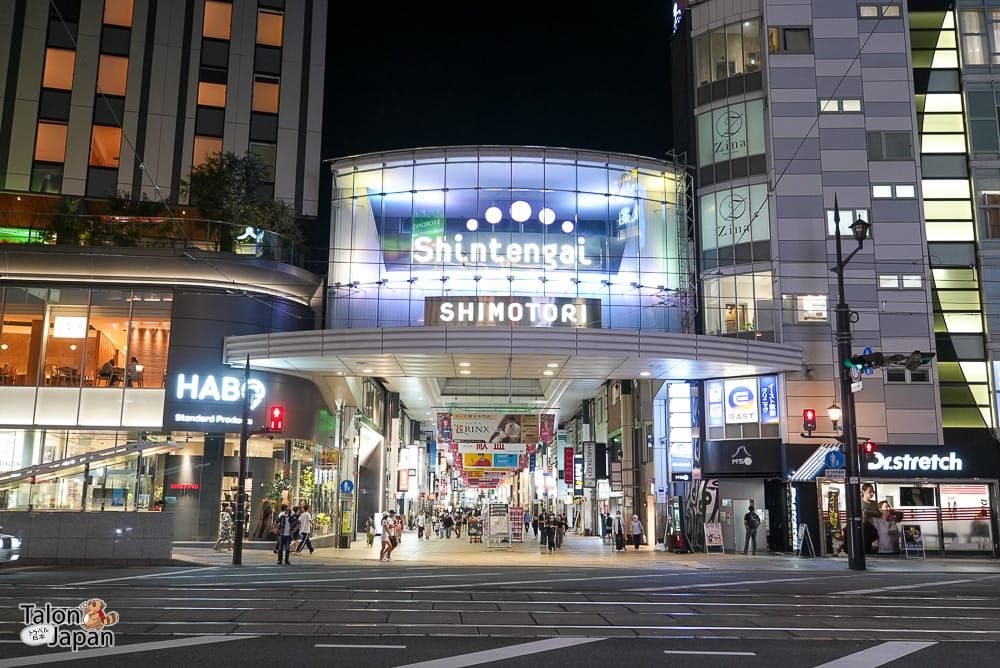
We ended the day with some shopping at Kumamoto's famous main shopping district, Shimotori and Shinshigai shopping streets, which sit right across from each other.
Day 4: Castles and Retro Atmosphere in Kitakyushu
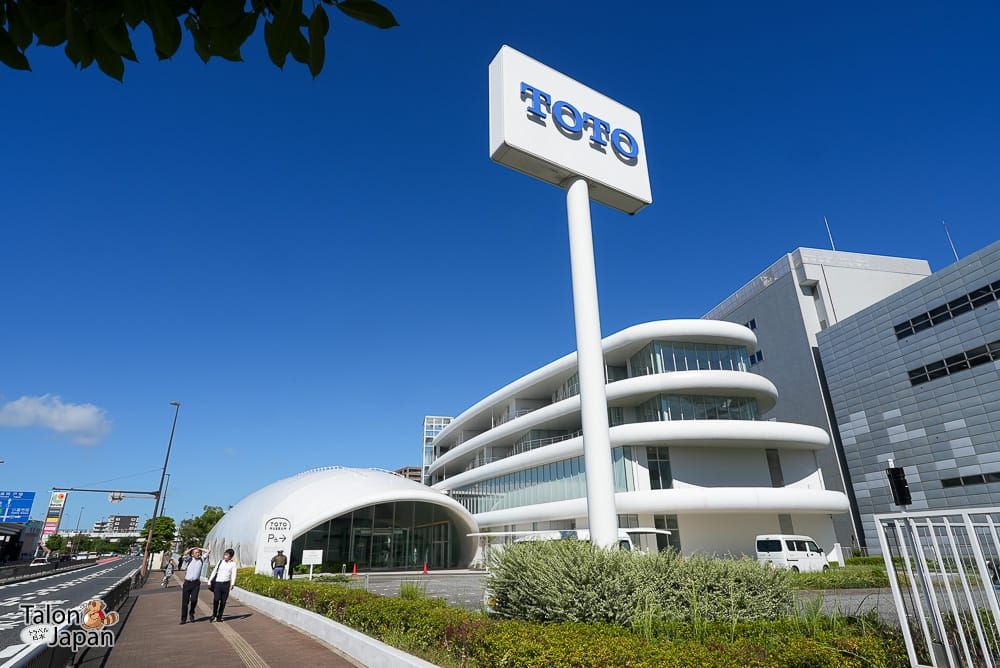
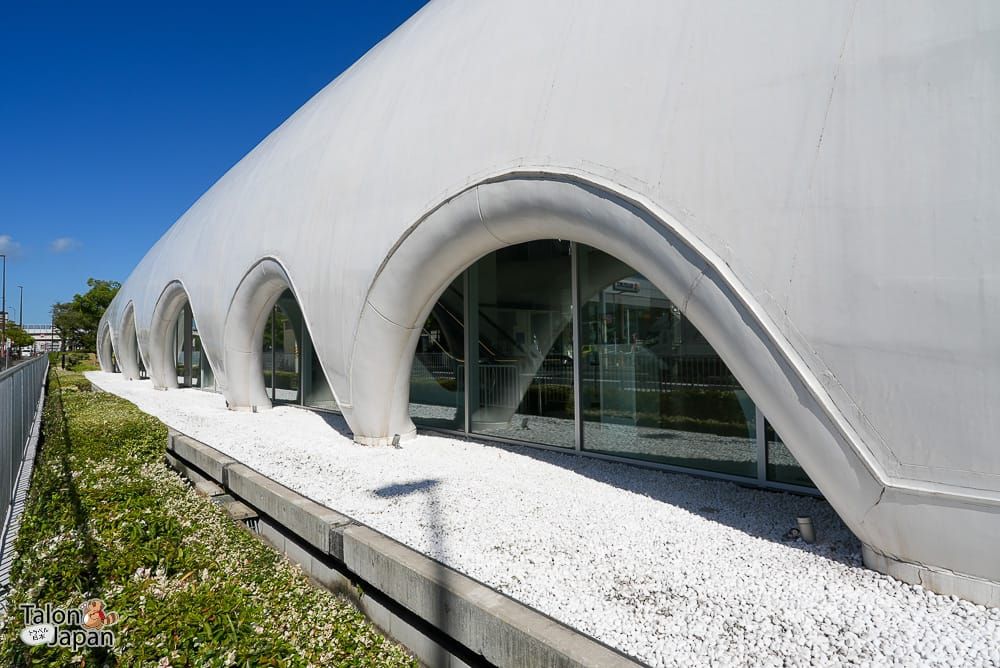
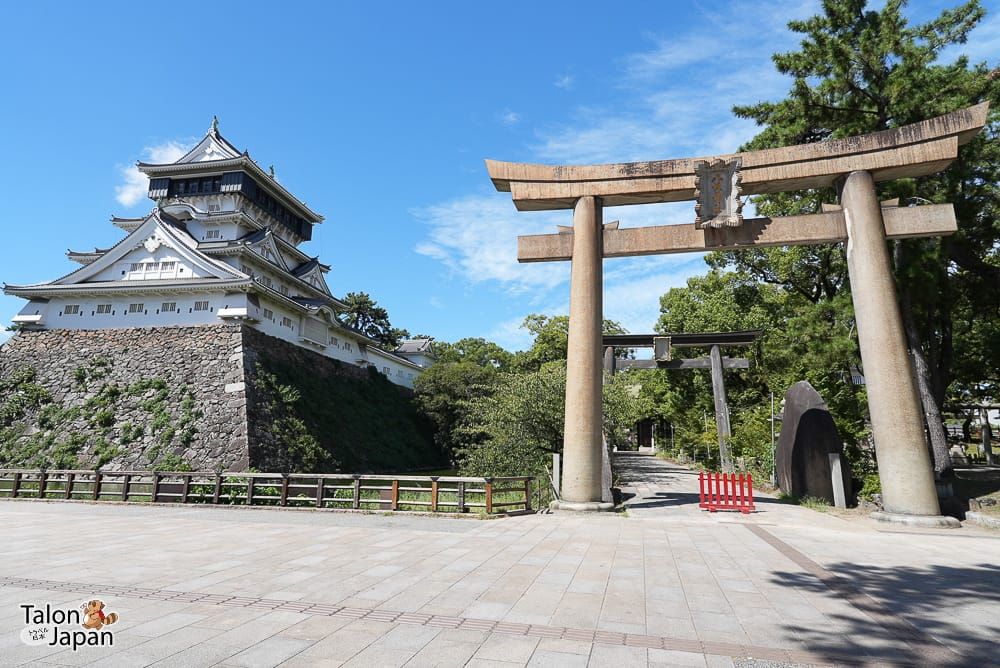
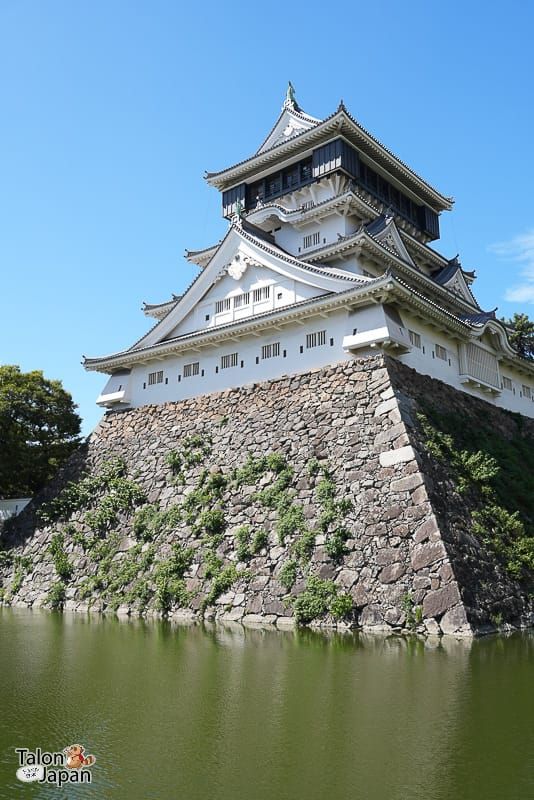
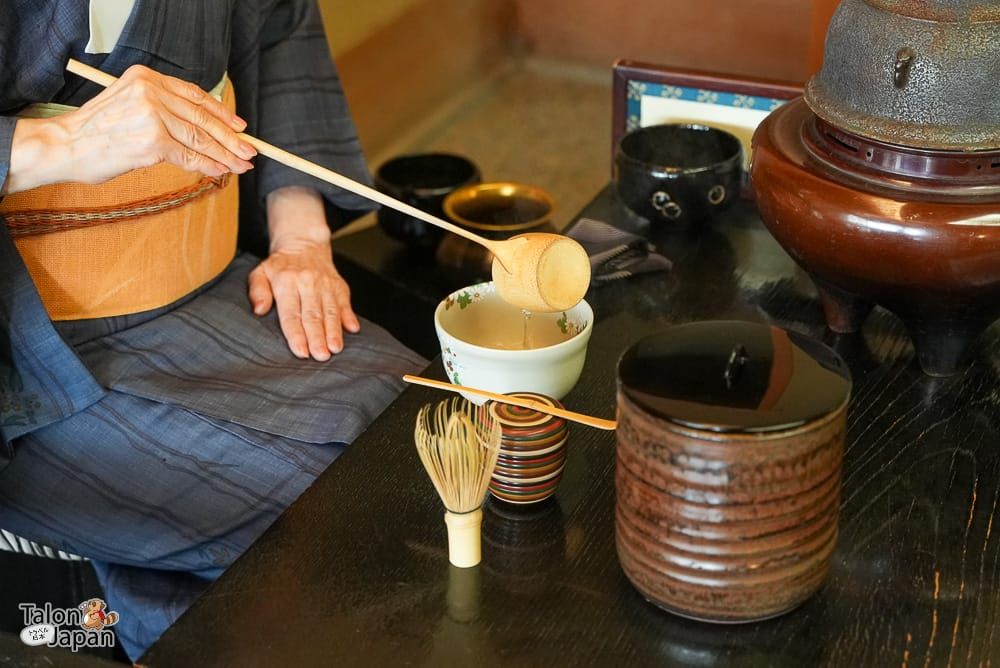
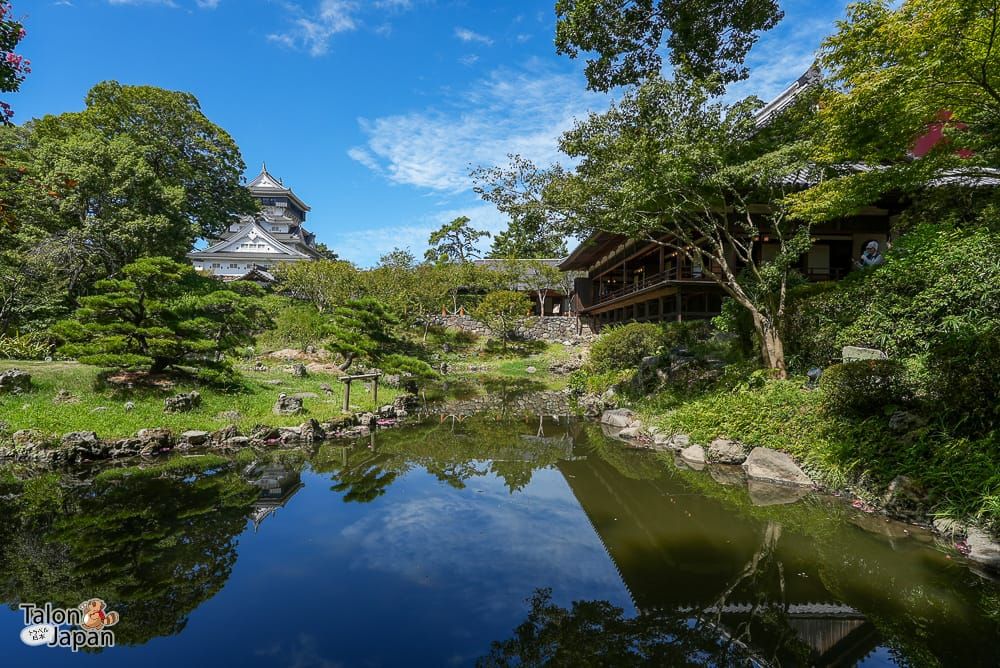
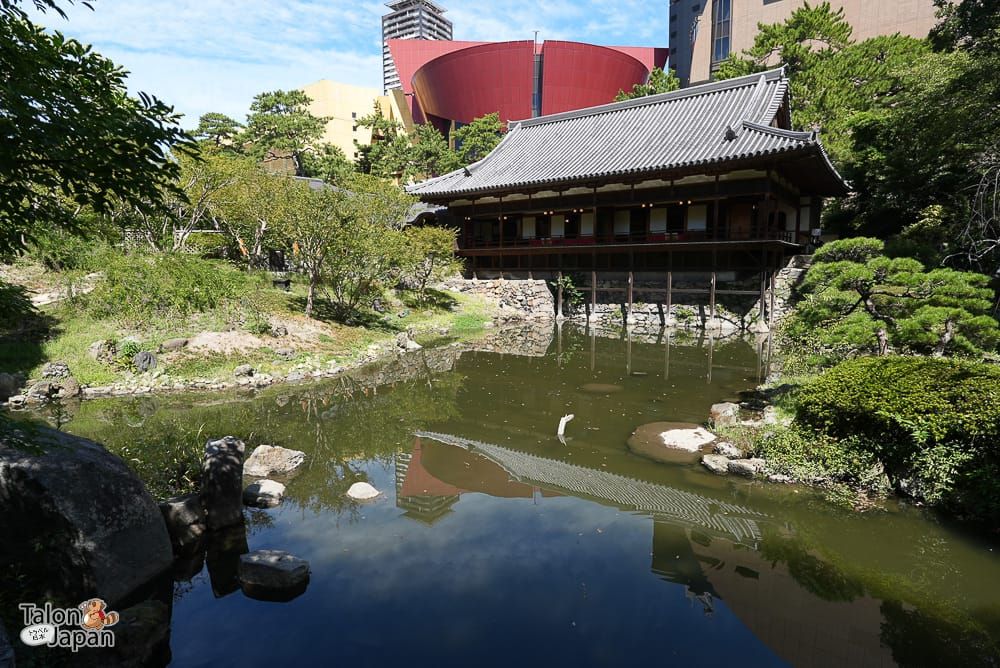
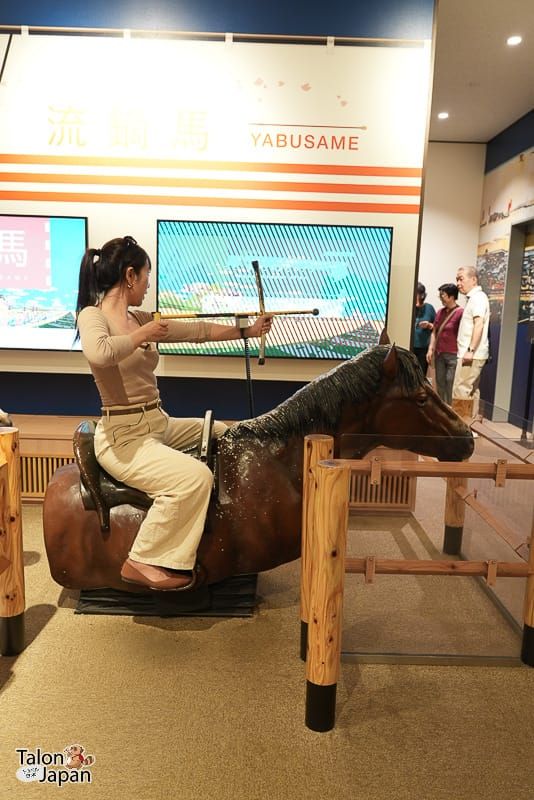
We woke up early to head out to Kitakyushu, starting with the TOTO Museum, which might sound strange but is actually really interesting - it's a museum about Japanese toilets, showcasing a lot of history and innovation. Just the building's exterior is stylish enough on its own. Then we switched things up and visited Kokura Castle for a change of pace. Before going up the castle tower, we joined a tea ceremony in the quiet castle garden, which taught us that making tea isn't as hard as it seems, and the ceremony doesn't need to be complicated - just do it the way you like. The castle is not very large, but it has many interactive exhibits, which made it feel different from other castles we've visited.
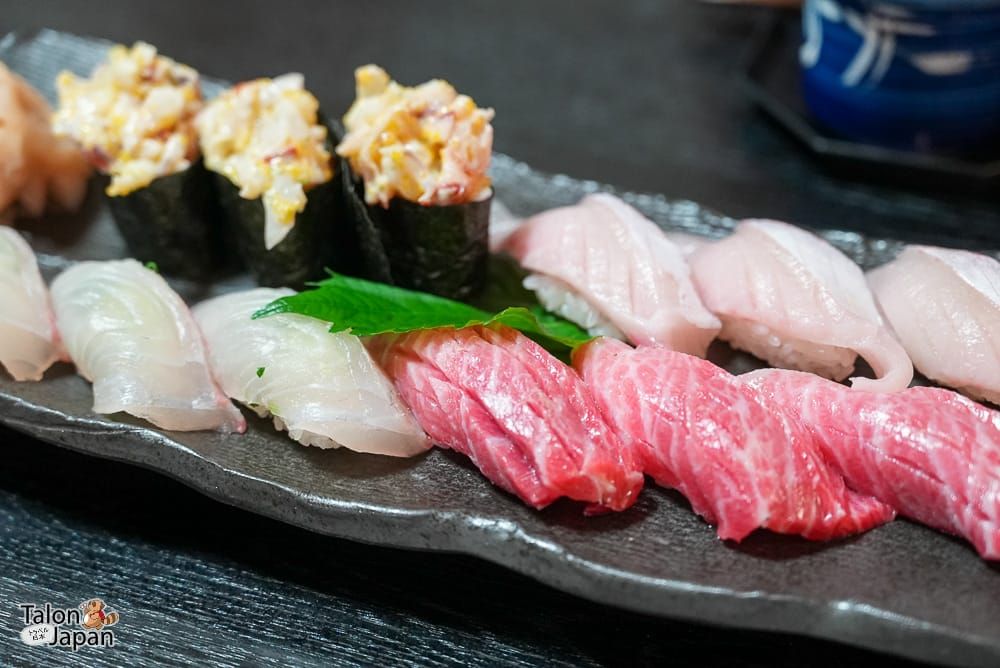
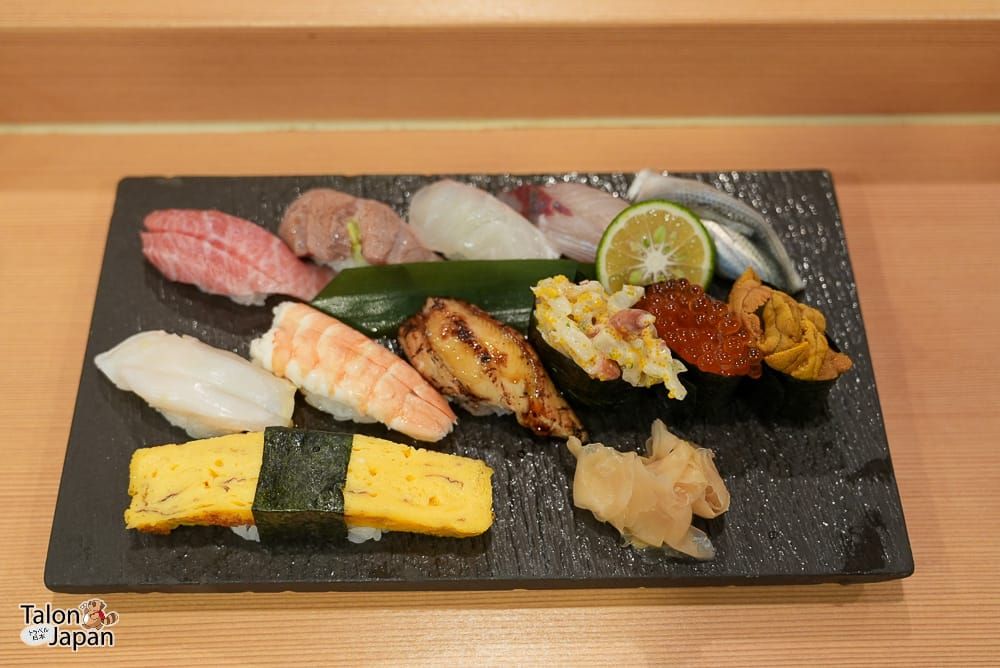
For lunch this time, we went to a sushi restaurant, since the city faces the sea on three sides and has plenty of fresh, high-quality, affordable seafood. The restaurant we went to was a bit of a hidden gem, called Sushi Manryo, which serves lunch sets of 12 pieces for just 2,800 yen. As for the taste, there's nothing to say except that it was excellent.
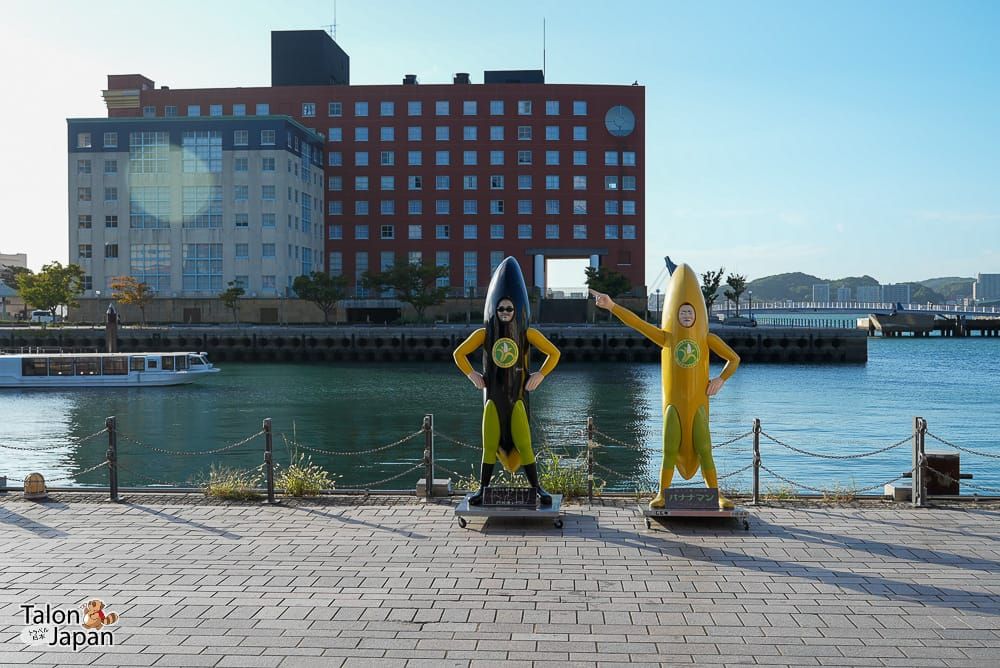
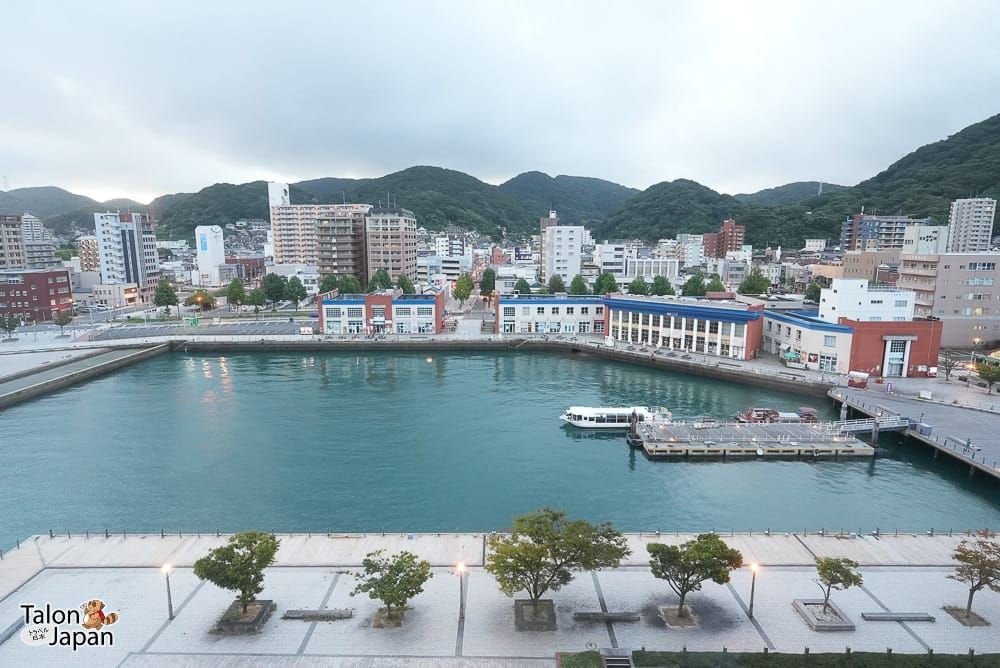
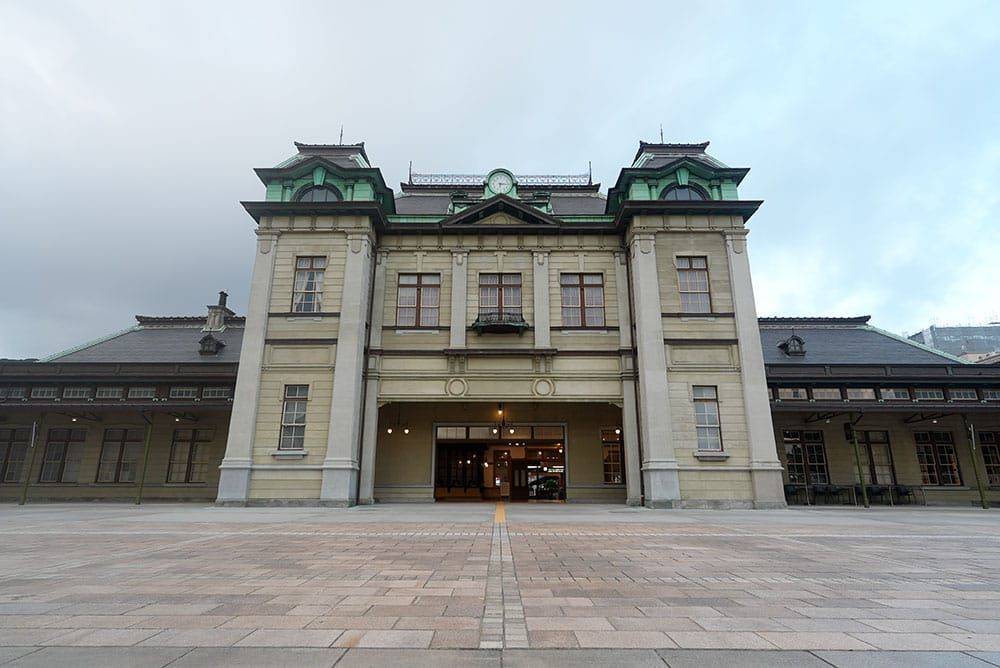
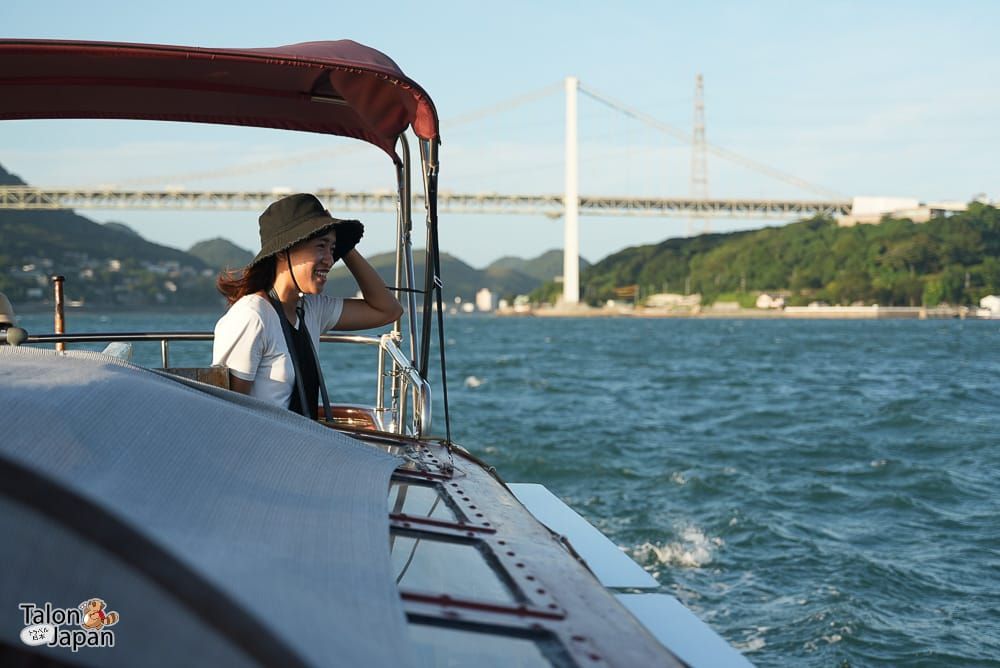
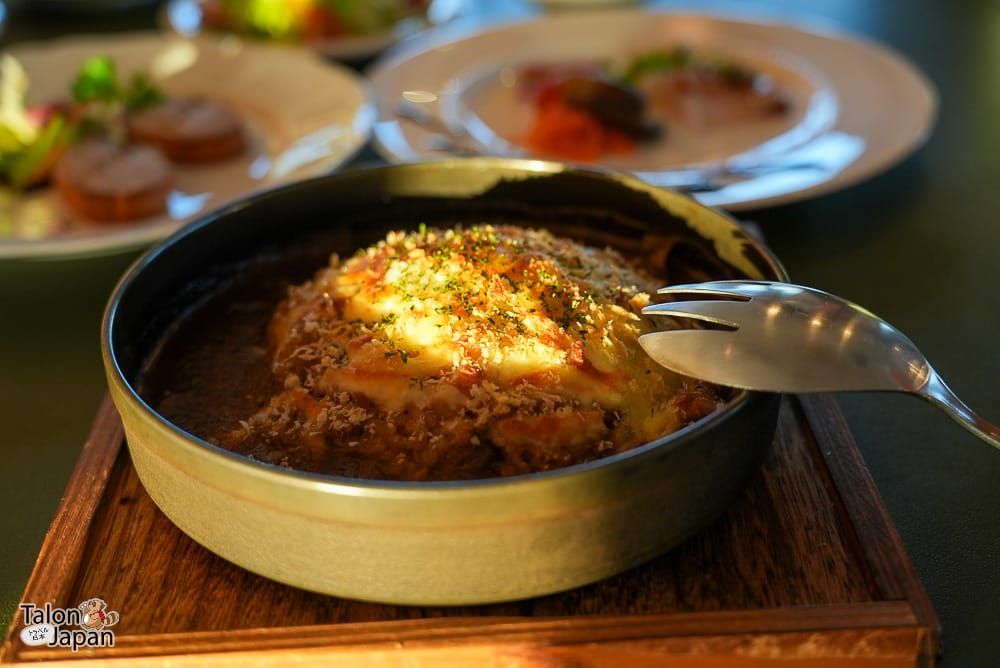
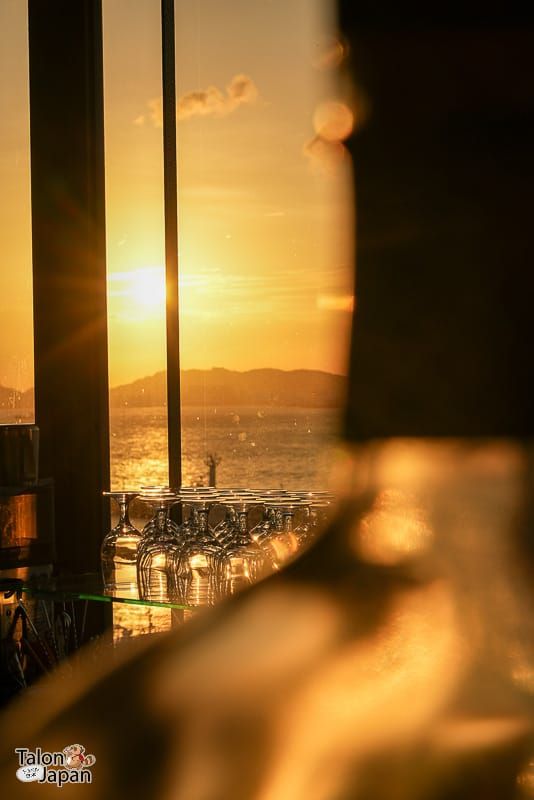
After lunch, we took a long drive to an old port town that still keeps its retro charm - Mojiko Retro District. This old district is full of atmosphere that recalls Japan from over a hundred years ago. We strolled past cute cafes and browsed souvenirs before taking the Mojiko Retro Cruise for a relaxing view of the harbor and bay. We ended the day with dinner at PLACE IN THE SUN, which, besides serving the city's signature dish, Baked Curry (rice topped with baked cheese curry), is also a great spot to watch a beautiful sunset.
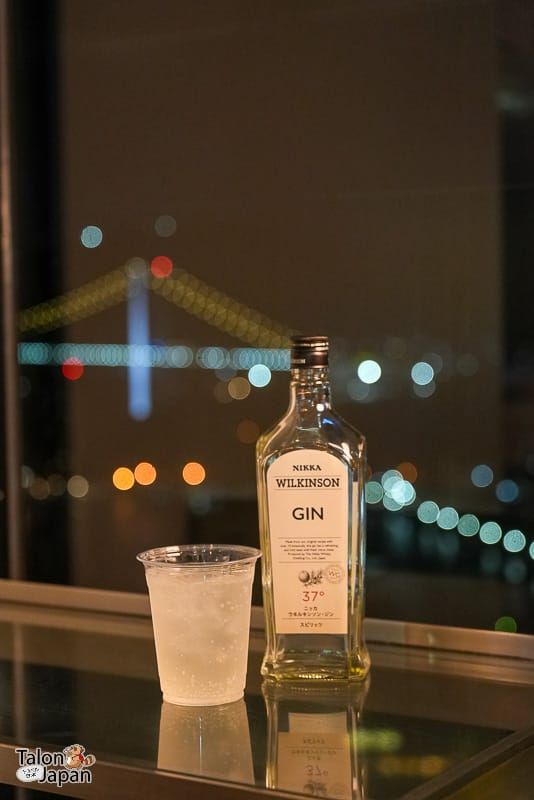
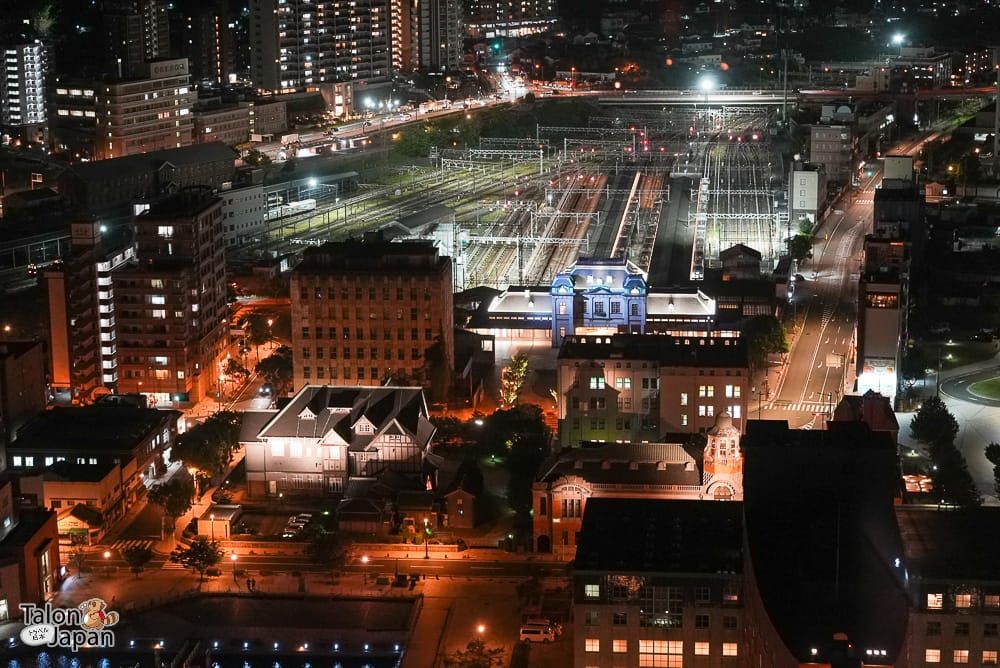
After dark, we went to the highest viewpoint in the district, the Mojiko Retro Observation Room, which also serves drinks so you can relax before heading back to the hotel.
Day 5: Gardens, Coast, and Yatai in Fukuoka
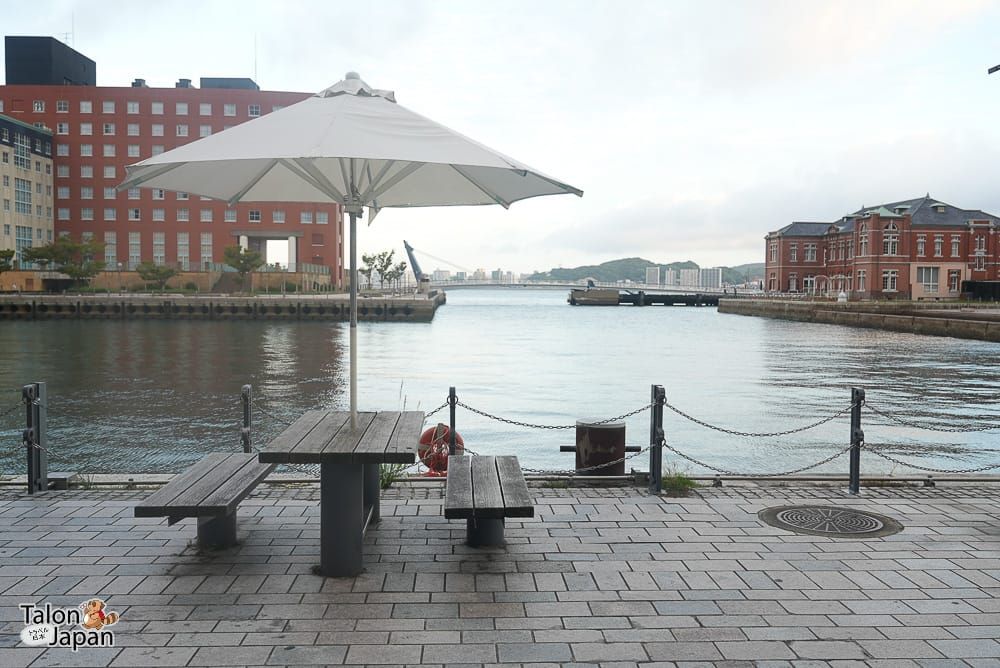
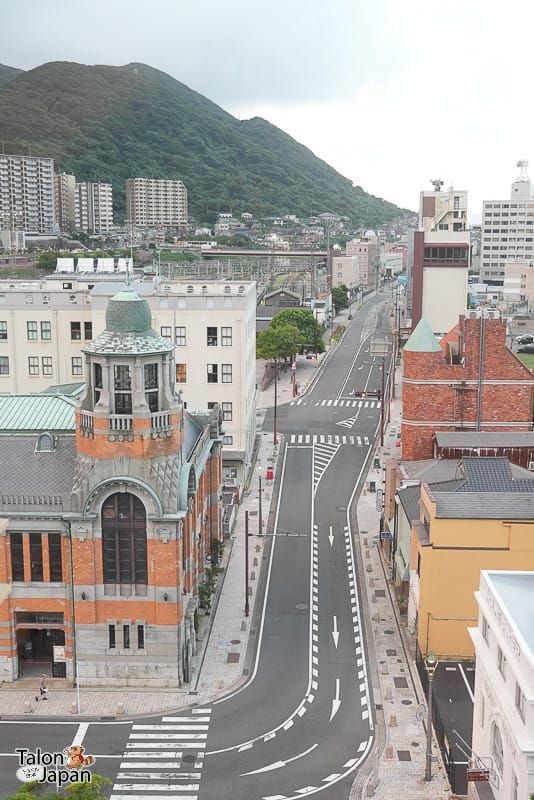
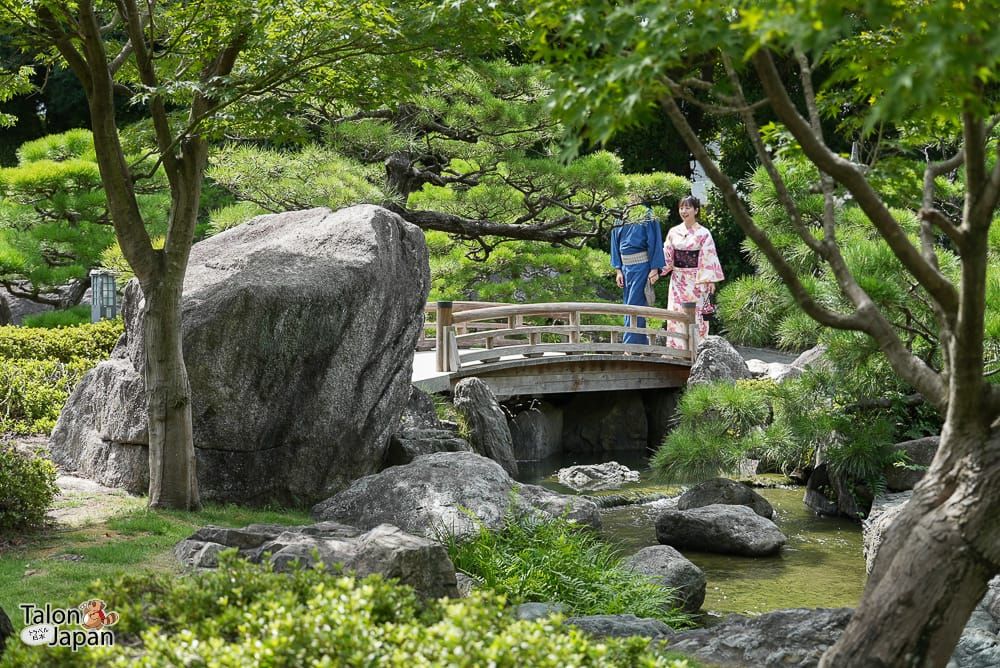
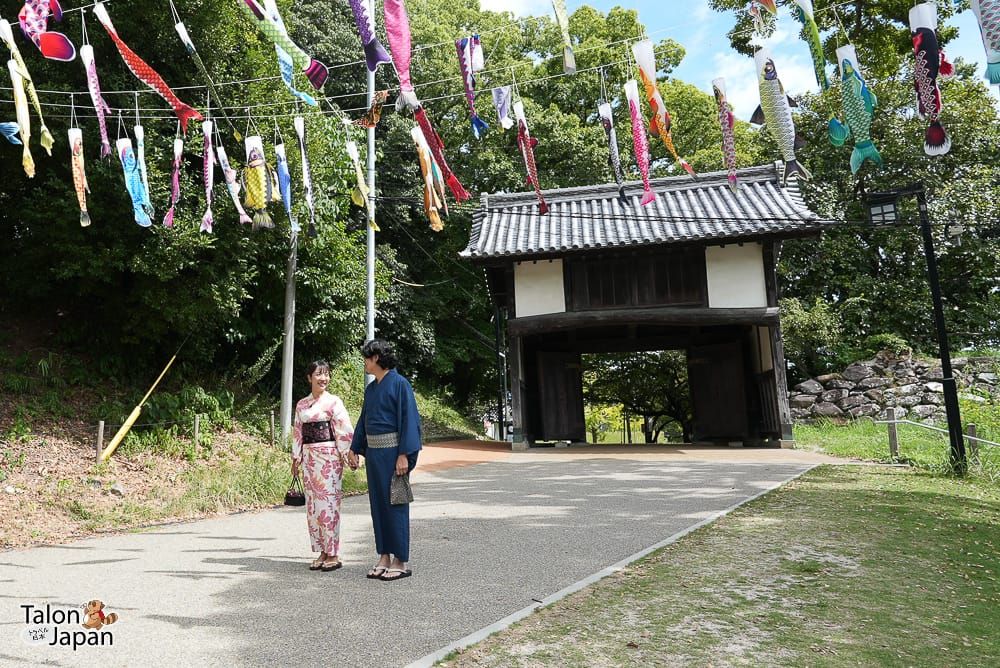
We started the last day early with a walk along the sea before heading back into Fukuoka. From there, we went straight to Ohori Park in Fukuoka to try wearing a kimono and stroll through the beautiful, peaceful Japanese-style garden. We rented kimonos at Mayu no Yakata @Sannomaru Square and walked around Ohori Park Japanese Garden
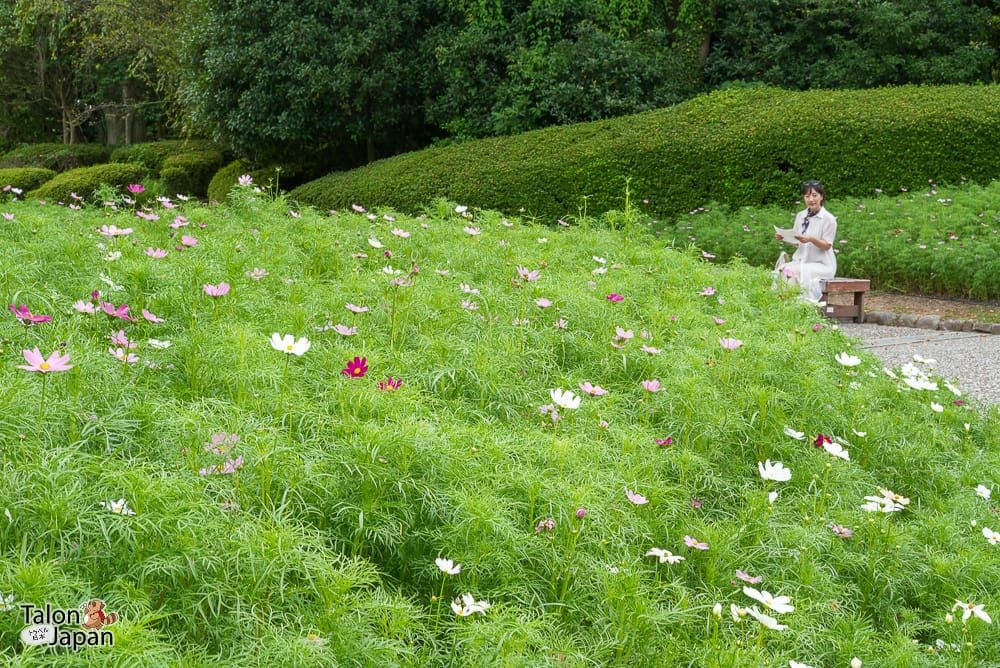
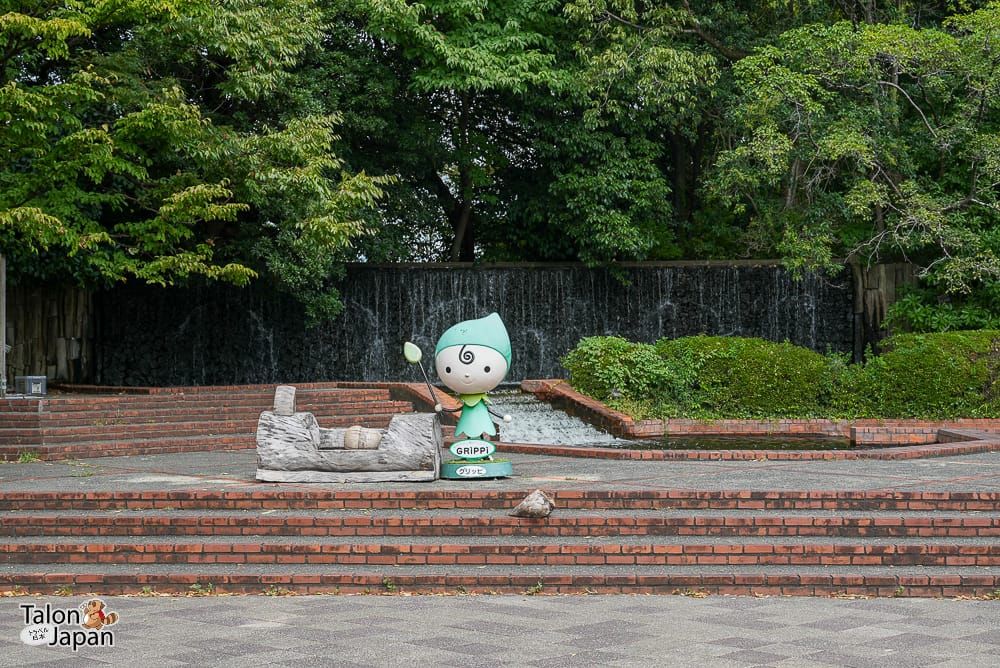
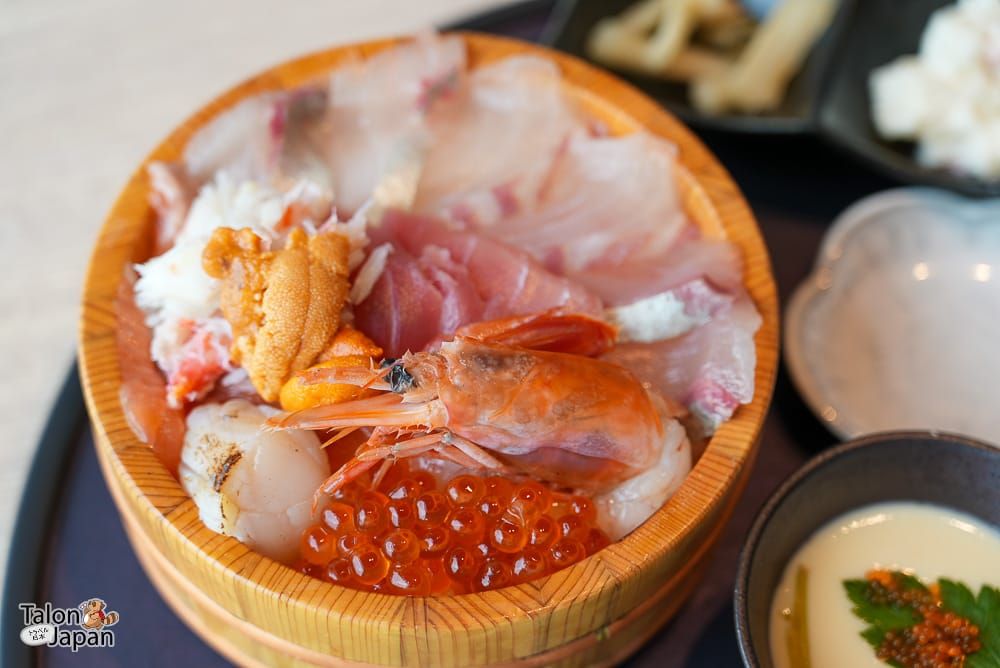
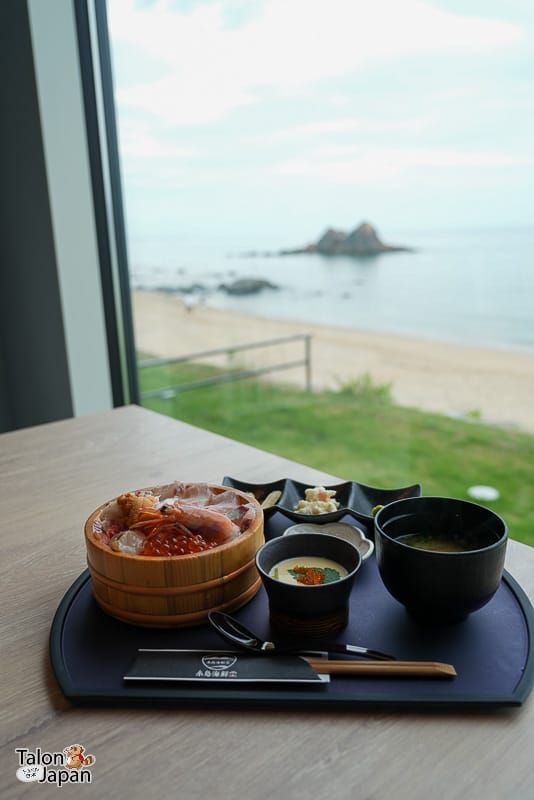
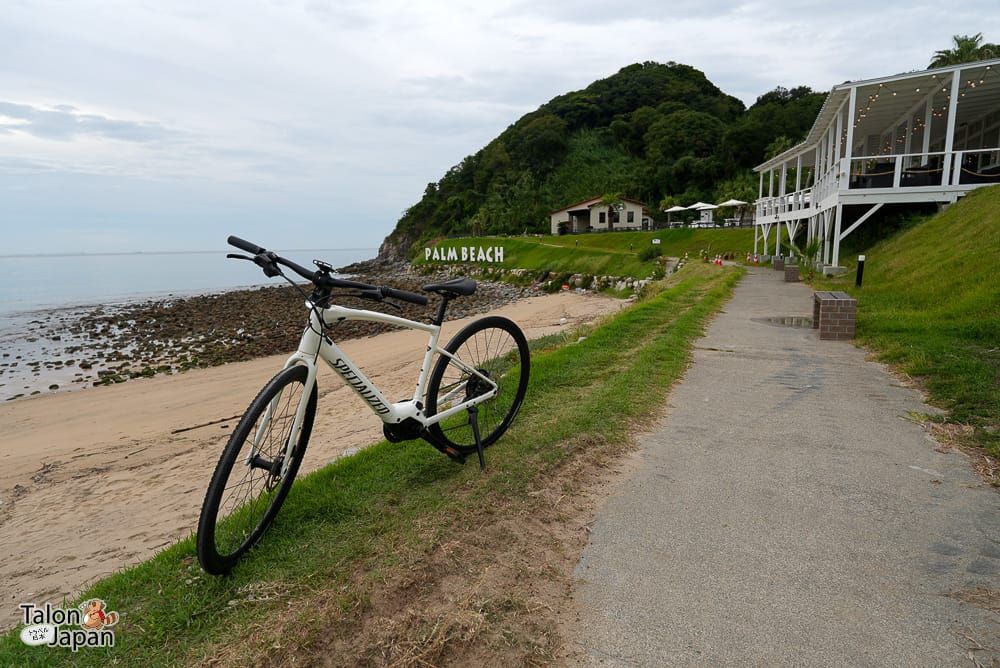
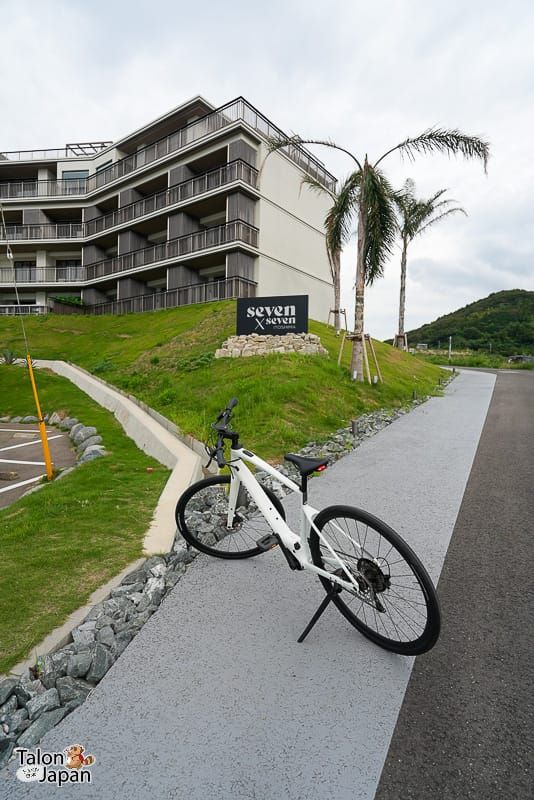
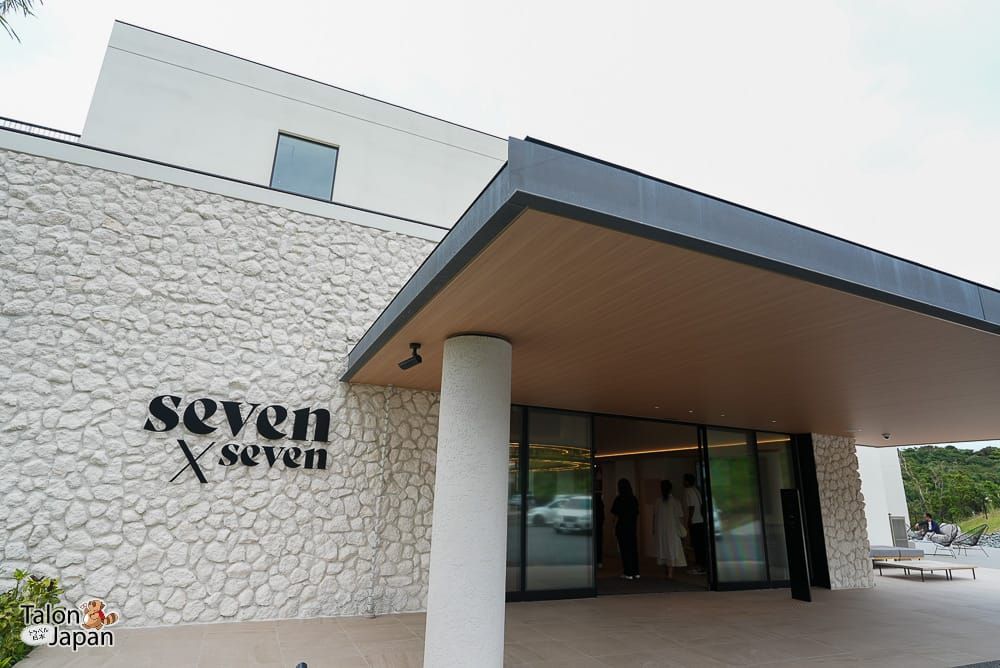
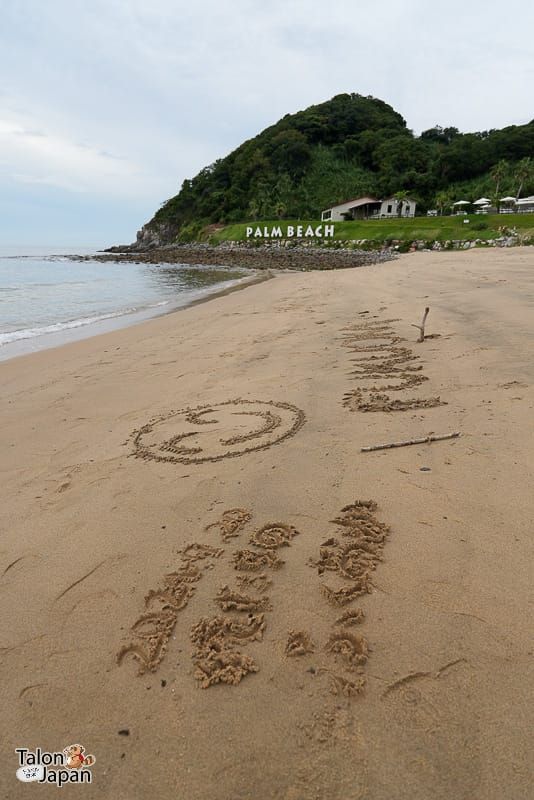
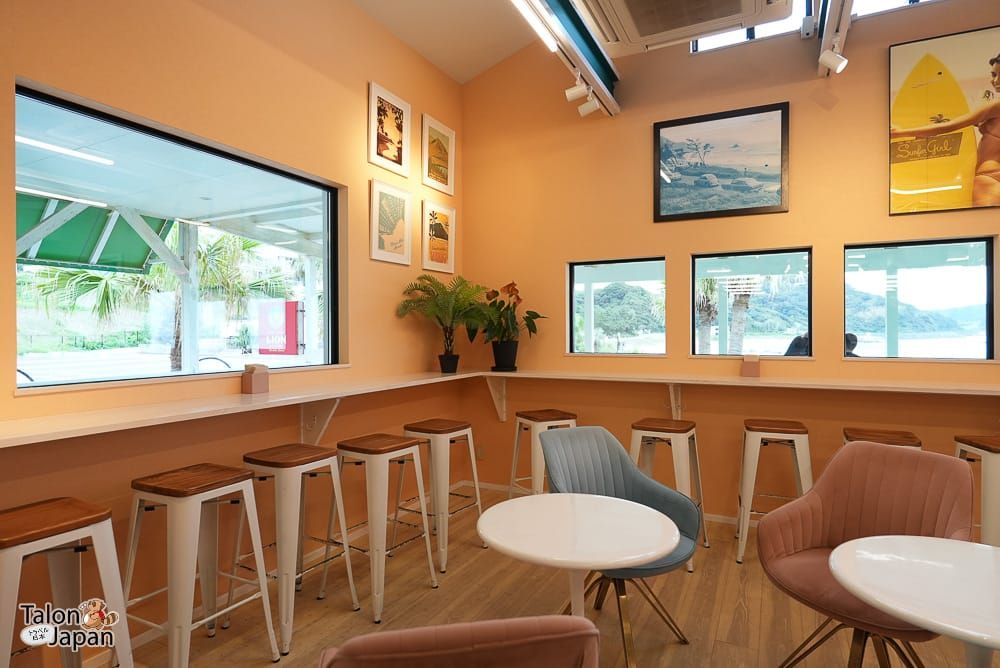
Afterwards, we stopped by the flower garden at Fukuoka City Botanical Garden, where different flowers bloom depending on the season. Once we got hungry, we drove on to the Fukuoka West Coast area for lunch at Itoshima Kaisendo , a local seafood restaurant on the Kitazaki coast, serving delicious sashimi rice bowls with a stunning view. After eating, we stopped to rent E-Bikes and rode leisurely along the flat coastal road at our own pace, near the Seven X Seven hotel, so we dropped by to check out this beautiful, newly opened hotel - great views and a wonderful atmosphere. Across the street is also Palm Beach, which has cafes where you can sit and relax with snacks and ice cream.
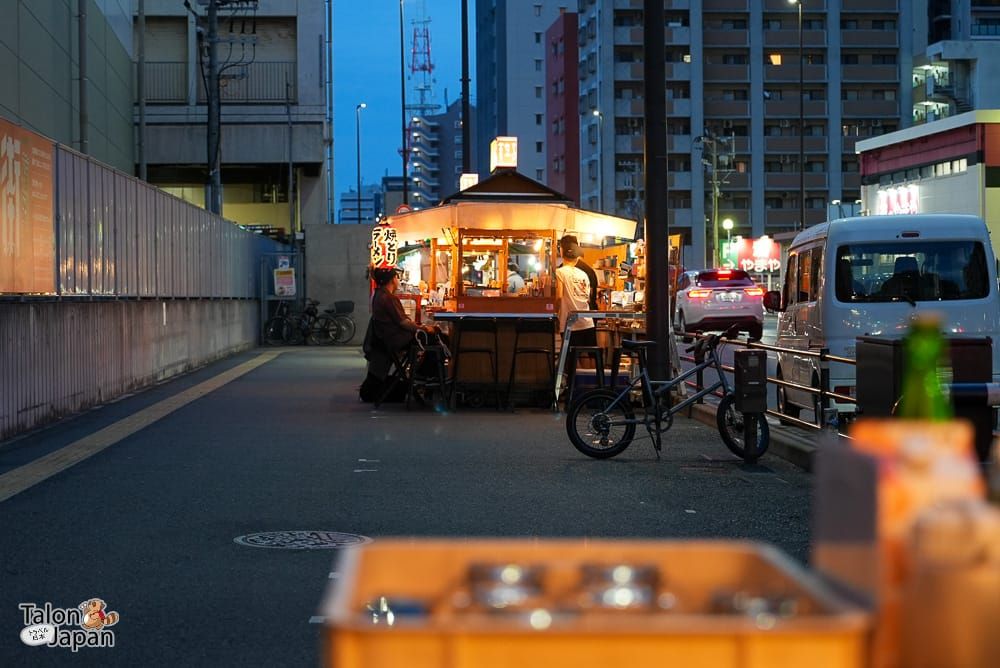
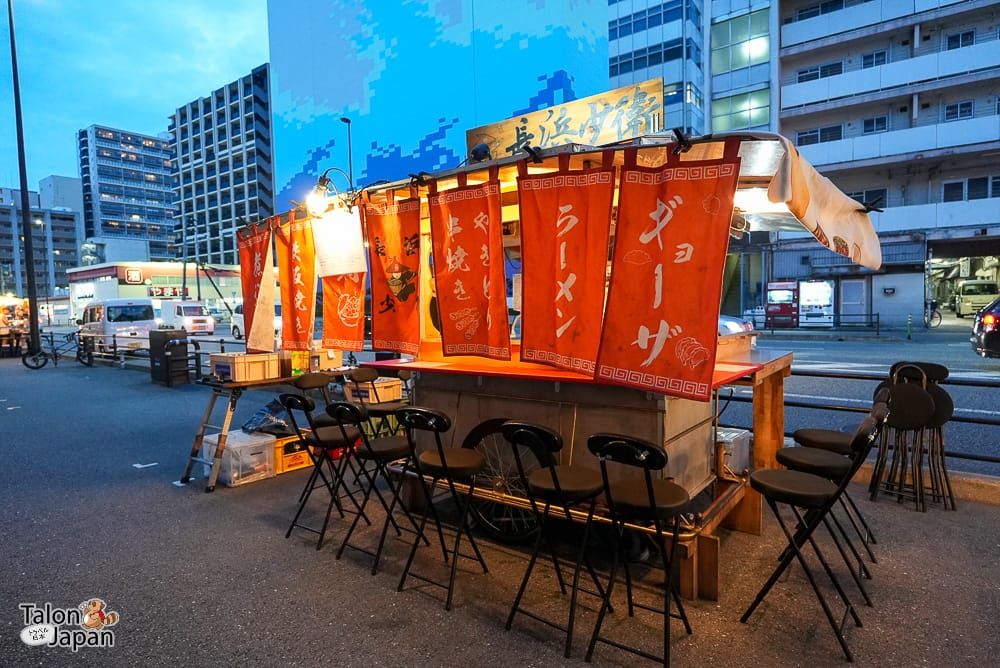
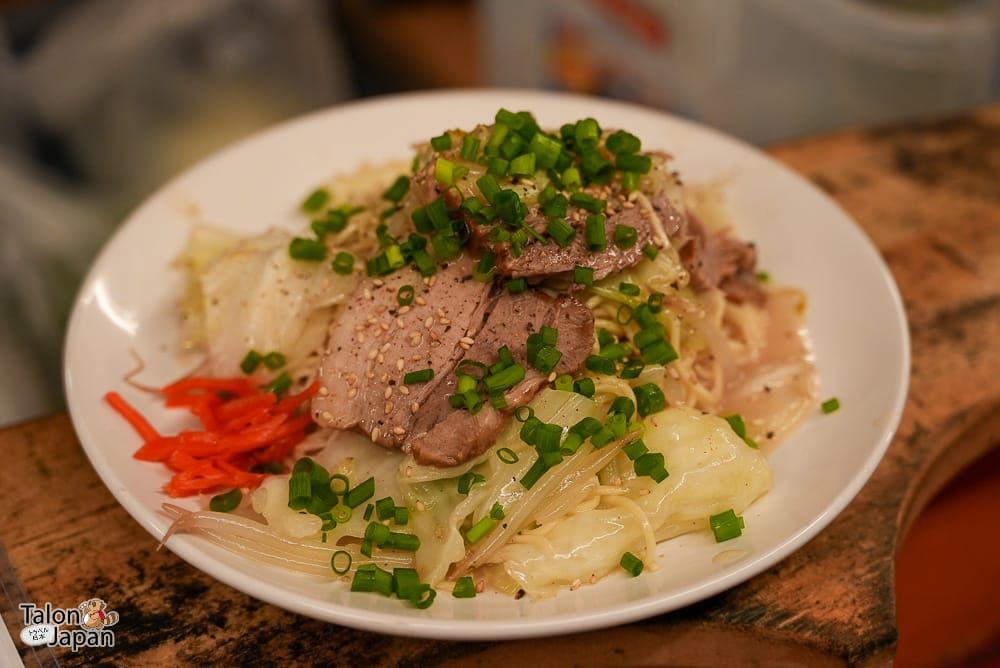
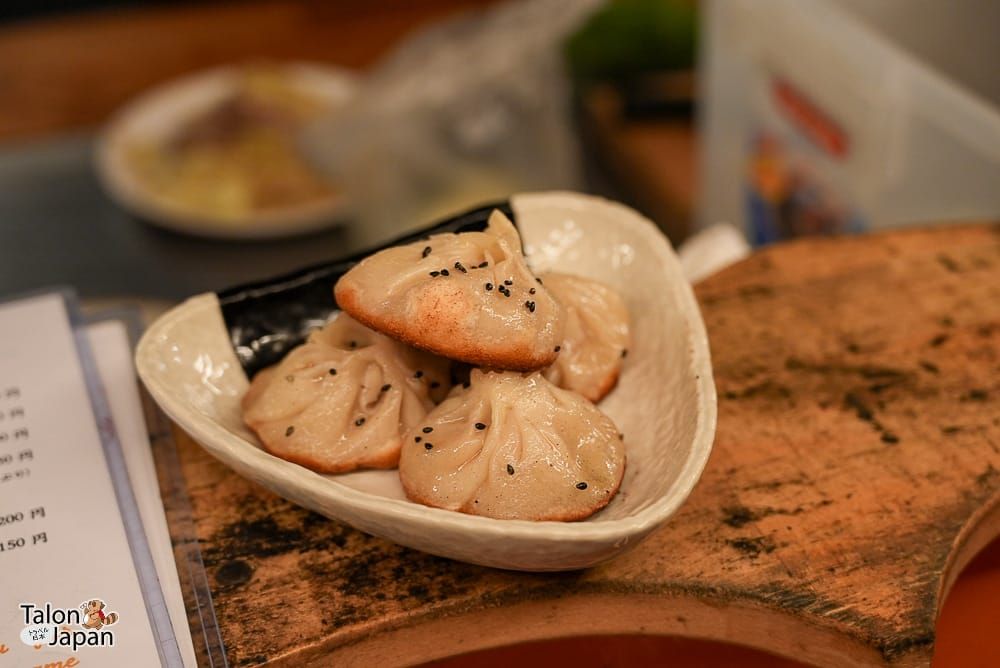
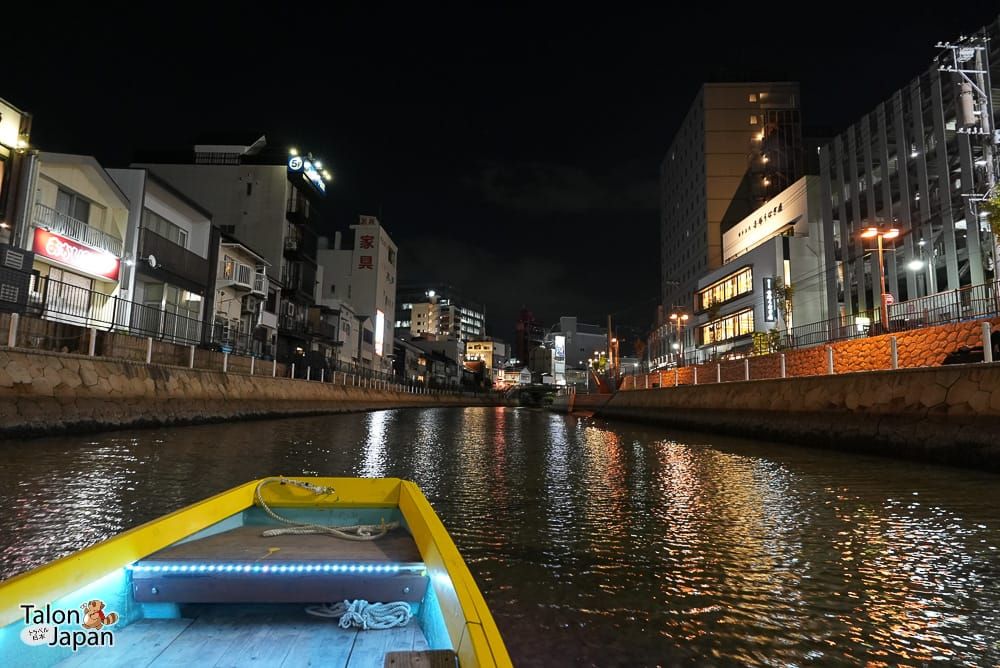
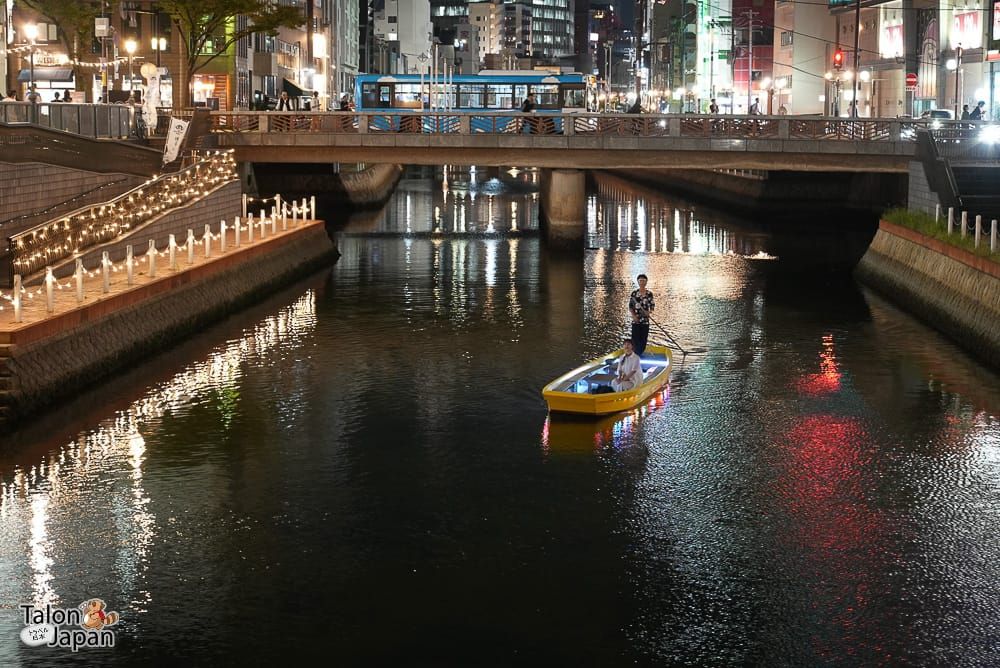
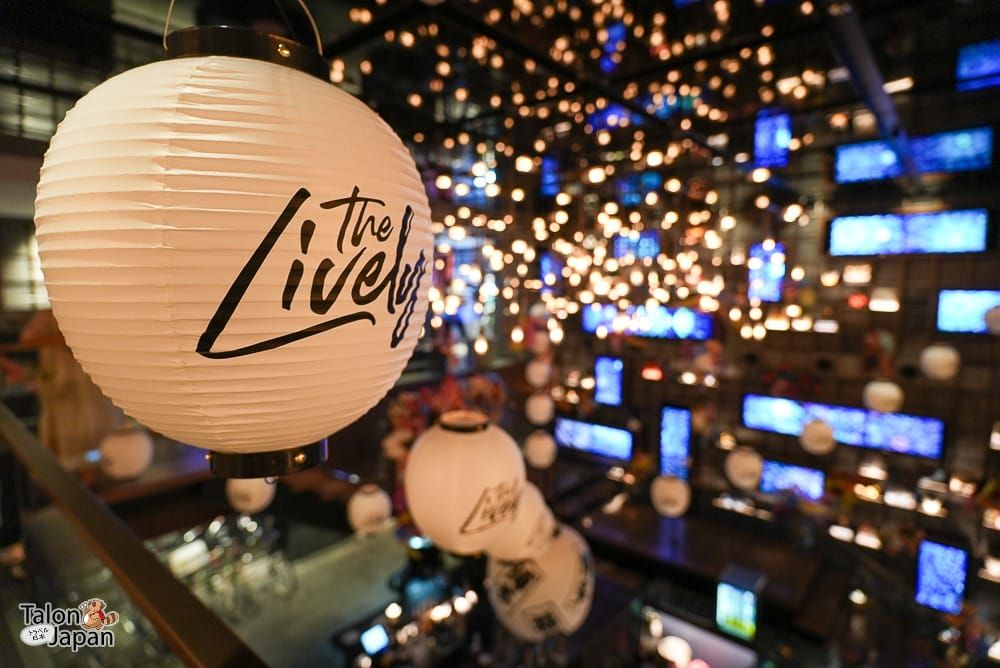
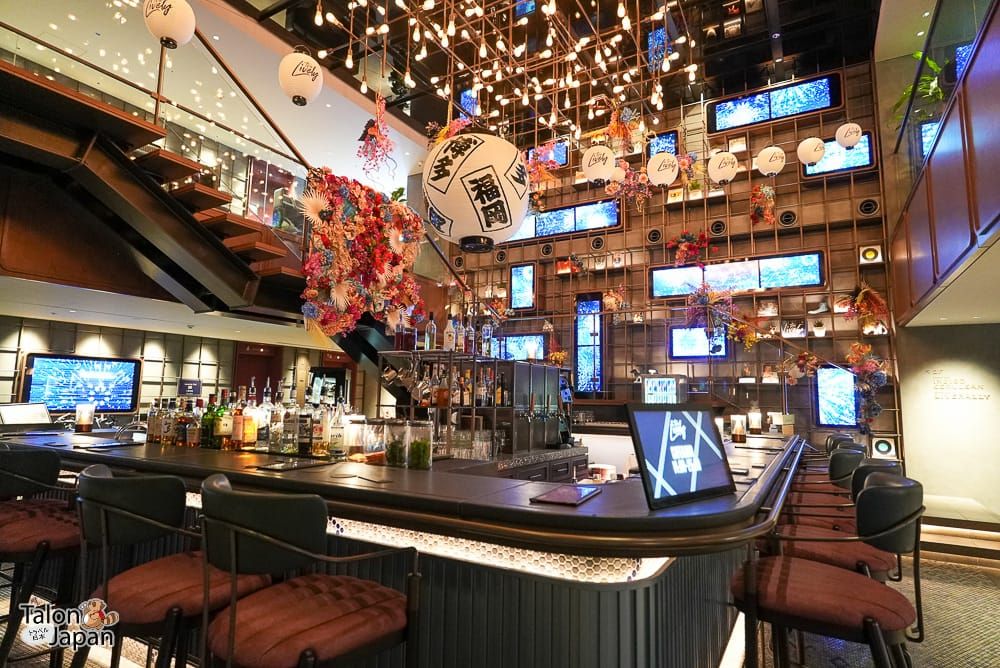
After that, we headed back into the city for more local food, at a yatai-style stall. Based on tips from the Fukuoka YATAI Concierge at the airport, we knew there was a new yatai zone in Nagahama, and they had recommended a place for us. The dish we made sure not to miss was dry-style Hakata Ramen and grilled xiaolongbao, which were so fragrant and delicious we ordered seconds. Once we were full, we found a spot to enjoy Fukuoka's night view by taking the Hakata Kawakudari river cruise, a new way to see the city lit up on both sides of the river at night, before checking in at THE LIVELY FUKUOKA HAKATA, a stylish, cozy hotel in the city center. And that was a beautiful, fully satisfying end to the trip.