





Japan, a land where technology and culture blend together perfectly, has become a top destination for travelers worldwide. But one thing that's essential for navigating a complex metropolis and finding hidden, delicious restaurants is a stable, fast internet connection. Buying a Japan SIM card to carry with you is one of the first things travelers should prepare, so you can access maps, train timetables, and translation apps at all times, without worrying about getting lost or being unable to communicate.
In 2026, connectivity options have developed far beyond earlier years. The choice is no longer just renting a Pocket WiFi that you have to carry around and keep charged. The SIM card has become the real star, offering flexibility, an affordable price, and a stable signal. This article will take an in-depth look at the market for tourist SIM cards, compare their strengths and weaknesses, and recommend the best-value options, so your trip goes smoothly.
The Evolution of Connectivity: Why Choose a SIM Card
Looking back a few years, travelers preferred Pocket WiFi because it could be shared among several people and was easy to set up. But today, traveler habits have changed. Smartphones are more powerful, and and travelers increasingly want the freedom to split up and explore on their own. Using a SIM card has taken over for three main reasons.
The first is flexibility. Not having to carry an extra device means a lighter bag and less worry about taking care of rented equipment. The second is affordability. Competition in the Japan SIM card market today is fierce, which has clearly lowered the average daily price compared to renting a WiFi router. And the last is stability. Using a SIM card is a direct connection to the cell tower, so latency is lower than going through a separate signal-sharing device.
Physical SIM vs. eSIM: Which One Wins in 2026?
2026 is a major turning point for the telecom industry, as major smartphone makers begin cutting the physical SIM tray from their flagship models and fully embracing eSIM instead. This situation forces travelers to weigh familiarity against new technology.
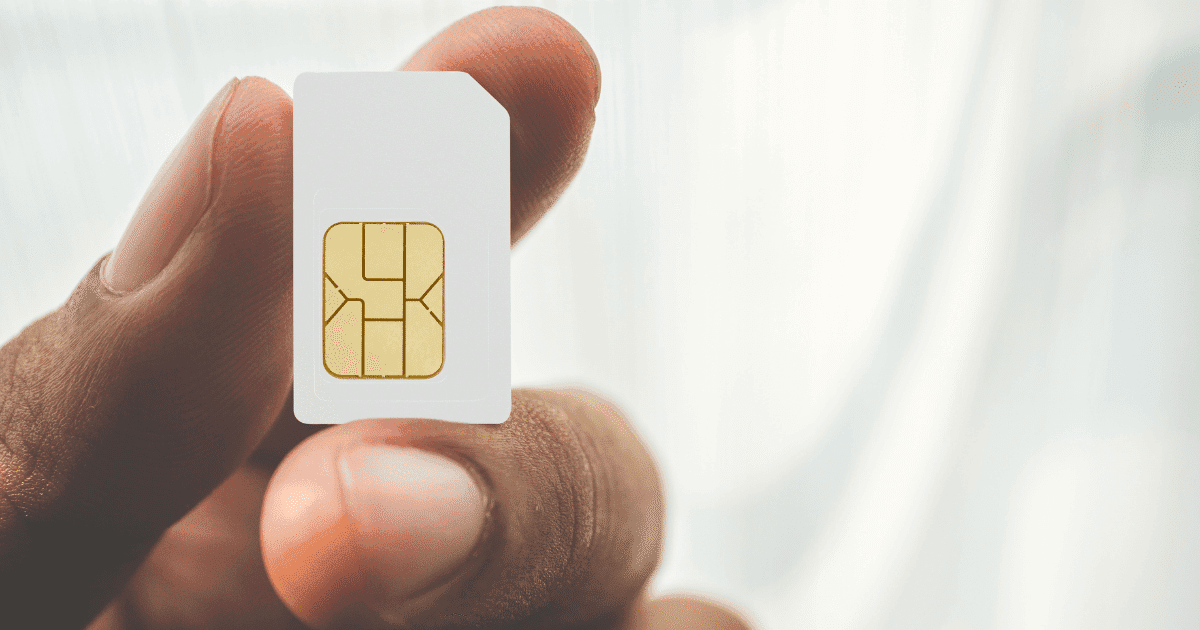
· Physical SIM (the card-type SIM) remains a reliable standard choice. Its advantage is that it's tangible: you can buy it in advance and swap it into your phone once you arrive. It works with nearly every phone model, from older handsets to mid-range ones. It's simple to use: just swap the SIM and set a few APN settings, and it's ready to go. This is suited to those who aren't tech-savvy, or who want to put the SIM into an iPad or a personal Pocket WiFi.
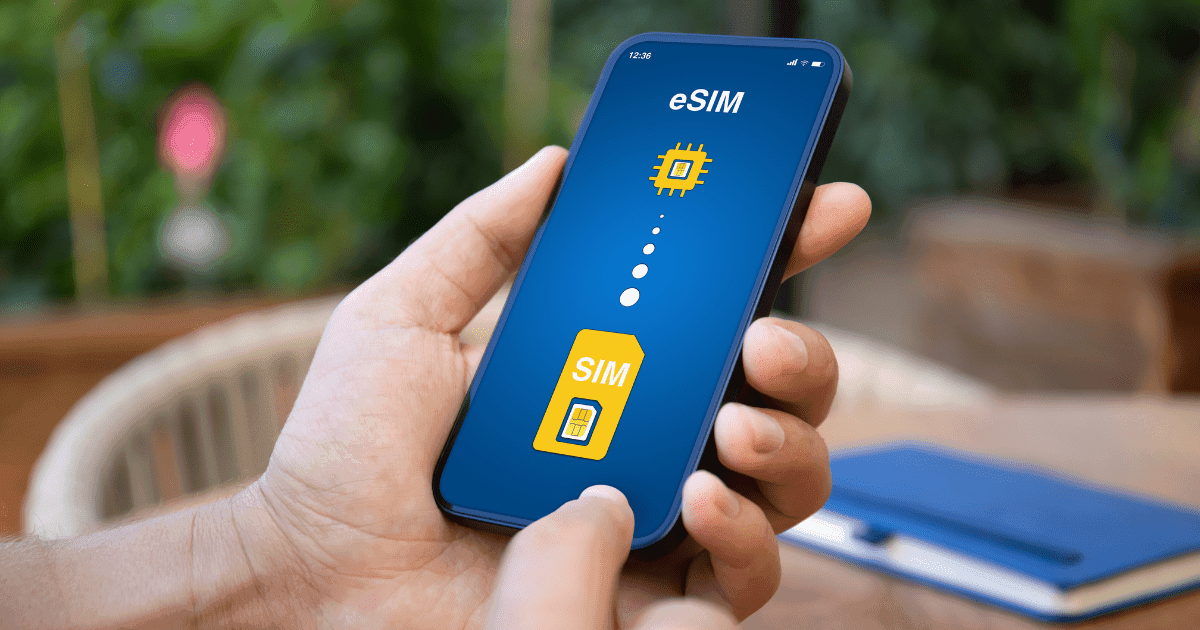
· eSIM (the embedded SIM) is a fast-rising trend focused on convenience. No need to open the phone case or worry about losing the SIM. You can buy it online and scan a QR code to start using it right away. Its strength is that you can still keep your home number active to receive OTPs at the same time. But it has a limitation: your smartphone must support this system, and switching phones is harder than with a regular SIM. So before buying a Japan SIM card, be sure to check your phone's specs first.
A Closer Look at Network Providers in Japan: Which One Covers the Most
Before choosing a SIM brand, what you need to know is which network in Japan is behind each SIM. Japan has a handful of major network operators (MNOs), and signal quality varies by area.
· NTT Docomo, the big brother of Japan's telecom industry, has the widest network coverage, especially in remote areas, mountains, or natural tourist spots. If your travel plan focuses on heading out to the provinces or rural areas, choosing a SIM that connects to Docomo will give you the most peace of mind.
· SoftBank is a popular network with very high speed and stability in major cities and main tourist areas. Many travel SIMs partner with SoftBank, and signal-drop problems are rare.
· KDDI (au) is another major, high-performing carrier, but in the past it often had issues with certain phone models not supporting au's specific frequency bands. Although the situation has improved today, there are still fewer travel SIMs connecting to au than to the first two carriers.
· Rakuten Mobile is the newcomer expanding its network, focused mainly on low prices and coverage in cities. For general tourists, it may not yet be a first choice, since its coverage still lags behind the more established carriers.
Local SIM Cards and MVNOs
There is also a group of Japan SIM cards that are Local or MVNO (mobile virtual network operator) types, usually sold online, on travel booking websites, or at shops and airports in Japan.
Sugoi SIM / Nippon SIM are names familiar to online shoppers. These SIMs are often advertised as Unlimited or unrestricted data. Their strength is a very affordable price, with a range of durations to choose from, from 3 days up to 30 days, suited for people who use a lot of data or travel for a long time. However, users should study the Fair Usage Policy (FUP) carefully, because "unlimited" in Japan usually comes with a daily cap (for example, 2GB per day). If you go over it, your speed is reduced to the point of being nearly unusable for the rest of that day.
A caution about MVNO SIMs is that this type sometimes requires you to set up the APN (Access Point Name) yourself through a profile on your device, which can seem complicated for those who aren't comfortable with it. Also, ping or latency may be slightly higher than with a SIM that connects directly to a major network, since it has to route through a central server.
Global eSIM Providers
For the tech-minded who want speed, apps that sell eSIMs have become an interesting new option.
· Airalo is one of the largest eSIM platforms, with a package specifically for Japan called Moshi Moshi. Its strength is a very well-designed app that's easy to buy from and easy to install, with the ability to top up data instantly if you run out. The signal usually connects to SoftBank or KDDI. The downside is the price per GB may be slightly higher than a flat-rate SIM, but you get convenience in return.
· Ubigi is a provider known for speed and good 5G support in Japan, thanks to direct partnerships with local networks. The installation profile is easy to set up and often comes bundled with promotions for car rentals or other services.
Factors for Choosing: How to Get the Best Value
It's hard to say definitively which SIM is best, since it depends on each person's usage habits. Here is a checklist to consider before paying.
· Amount of internet you need If you only use it for checking Google Maps, chatting on LINE, and occasionally uploading photos to social media, 6GB-10GB for a 5-7 day trip is enough. But if you're someone who watches video clips, streams, or livestreams, look for an Unlimited package or one with a quota higher than 30GB.
· Length of your trip Most SIM cards have a validity period counted from the activation date, such as 8 days, 10 days, or 15 days. Calculate your travel days carefully. If you're traveling for 9 days but buy an 8-day SIM, you may struggle to find free Wi-Fi on the last day.
· Tethering ability If you're carrying several devices, or need to share your internet with travel companions, make sure the SIM allows hotspot use. Some Unlimited SIMs block this feature or limit the speed when sharing.
· Speed conditions after your quota runs out (FUP) This is something that's often overlooked. Some SIMs cut the signal entirely once the data runs out, while others let you keep using it at 128kbps or 384kbps. This speed level is only enough for sending text messages, but not enough to open a map or load a photo. So having extra high-speed data left is always better.
Basic Preparation and Troubleshooting Steps for a Japan SIM Card
Once you have your Japan SIM card in hand, preparing before your plane lands is important. If using a physical SIM, keep your original SIM safely stored in a case. If using an eSIM, it's recommended to scan the QR code and install it before you leave home (but don't turn it on until you arrive in Japan), to avoid the problem of not having internet to load the profile once you land in Japan.
The most common problem is inserting the SIM but having no internet. Basic troubleshooting steps: check whether Data Roaming is turned on, check whether the APN settings match the instructions, try restarting the device, or turn airplane mode off and on. If it's an iPhone, check whether there's an old SIM profile still active, and remove it if there is.
Conclusion: Choose a Japan SIM Card That's Worth It and Fits Your Dream Trip
Choosing a SIM card in 2026 is no longer difficult. To sum it up clearly: Families or first-timers: a physical tourist SIM bought online before you fly, or at an airport or electronics shop in Japan, is recommended, since it's easy to use and uncomplicated. Budget travelers on long trips: a Local SIM such as Sugoi SIM or Nippon SIM is recommended, offering plenty of data at the lowest average daily price. Tech-focused travelers who want convenience: an eSIM from Airalo or Ubigi is the best answer, with no SIM to carry and no need to open the phone case.
In the end, the best Japan SIM card is the one that makes you forget you're even using it, because it works so smoothly, connecting you to social media, helping you find your way, and translating language instantly, so you can spend every moment in Japan relaxing and making memories. Get your SIM ready, and go out and experience the wonder of Japan.