


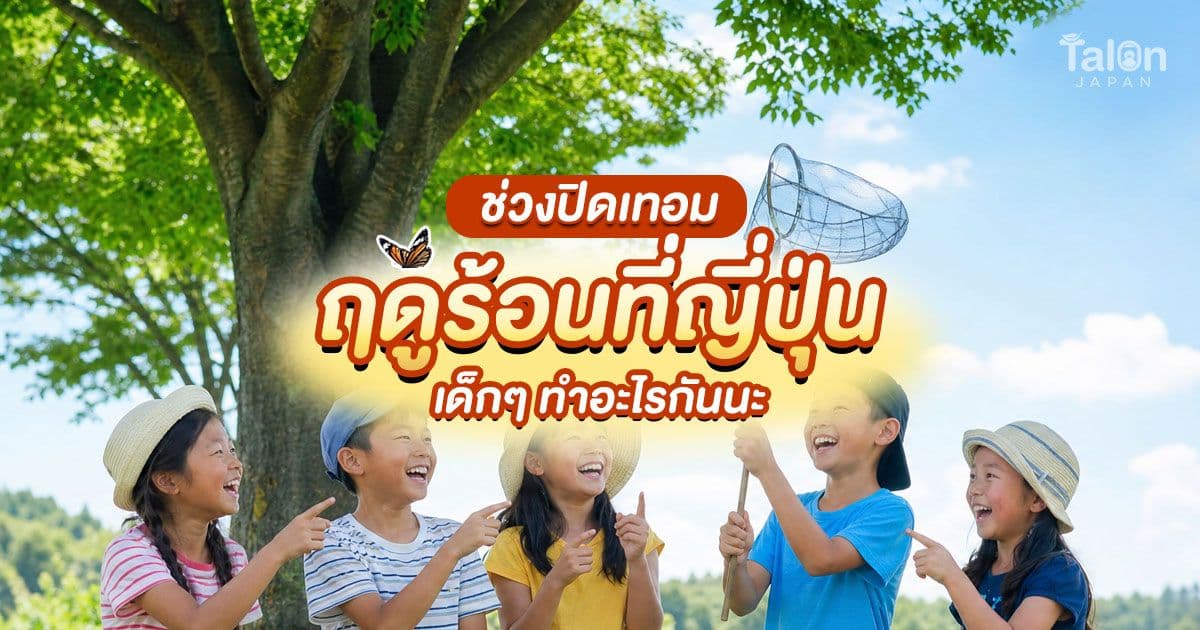


Children everywhere look forward to the school break, and Japanese children are no exception. Summer in Japan tends to bring extremely hot weather, so schools and local authorities try to keep children out of the direct sun as much as possible. Many people may still wonder exactly when Japan's summer break takes place, and what interesting activities children get up to during this time off school. Here's a look at both.
When Is Japan's Summer School Break?
Most schools in Japan take their summer break from late July to late August, a period of about 30 to 42 days. This is the hottest time of year in Japan, with temperatures reaching 30°C, and in some cities or years the heat can climb as high as 40°C.
However, the summer break schedule can vary between schools in Japan, since factors like location and climate come into play. For example, schools in Hokkaido, the northern island, may have a shorter summer break and a longer winter break instead, so students do not have to travel to school in heavy snow.
Why Japan's Summer School Break Exists
Summer break in Japan is not all that different from summer break in other countries. The main reason is that summer in Japan brings extremely hot weather that isn't good for children — it affects travel, outdoor activities during the day, and their ability to focus on schoolwork. So a long break during this season makes sense.
Japan's summer runs from June to August, so the break falls at its peak.
Popular Activities During Japanese Kids' Summer Break
Another thing many people wonder about Japan's summer break is what kids do while they're at home. Let's go through some of the most popular activities Japanese children enjoy during their summer break.
1. Summer Homework
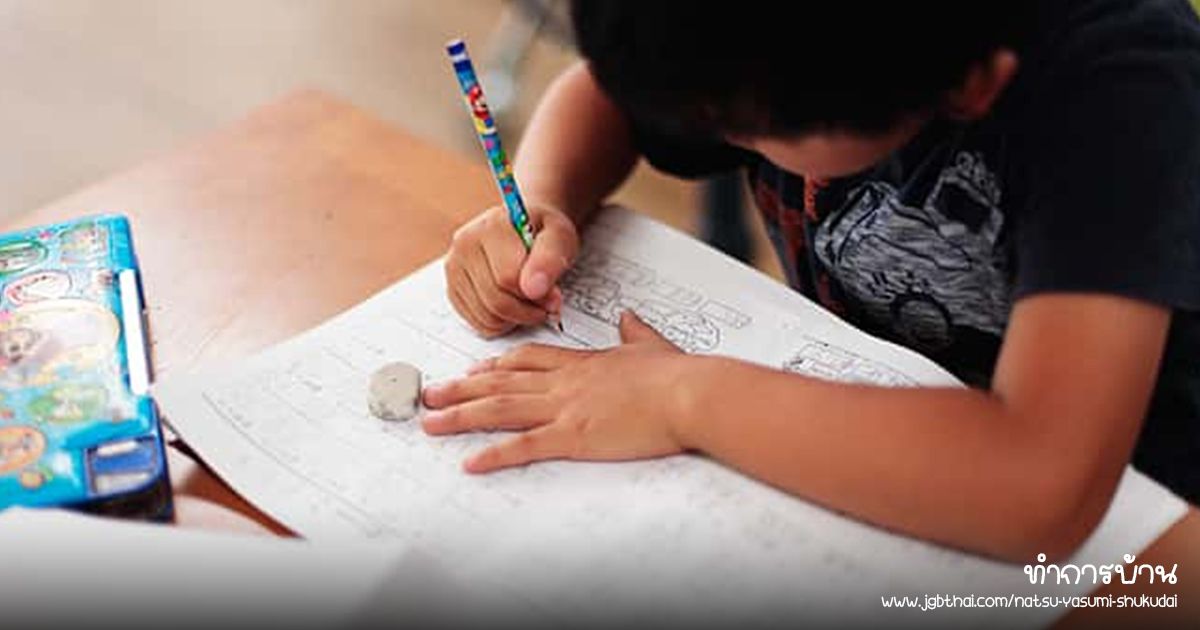
Even though it's a school break, teachers rarely let the weeks go by without some structure — most assign homework for students to turn in once school starts again. Japanese teachers' summer homework usually falls into two types:
- Keeping a daily activity journal, like a progress report, telling the teacher what they did each day. Children usually write this in the evening or before bed, after finishing their tasks for the day.
- A larger individual project each child completes and submits. Japanese schools tend to give children a lot of creative freedom with this work — teachers might set a rough topic for what to submit at the start of the new term, and children can then use their own ideas to create their project.
2. Summer Camp
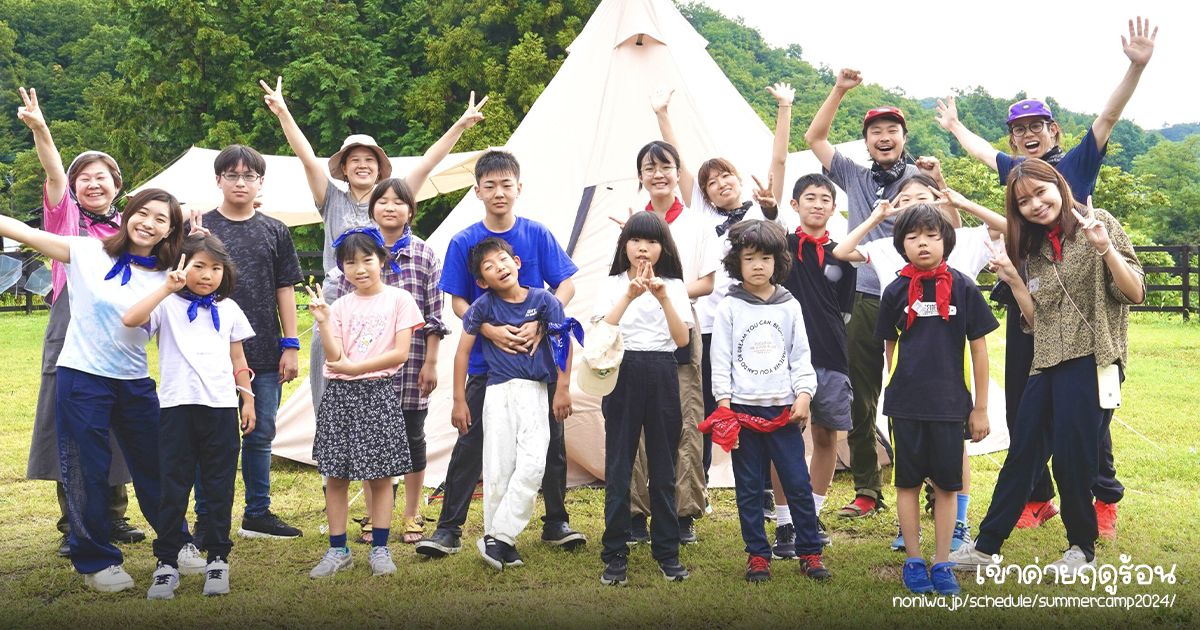
Another activity Japanese children love during summer break, which parents fully support, is going to summer camp. The type of activities varies depending on the camp's purpose — for example, foreign language learning, nature study, singing, playing music, sports camps, volunteer camps, and many more. The main goal is for children to learn about things they're interested in, while also developing their thinking, emotional maturity, and social skills.
3. Visiting Museums
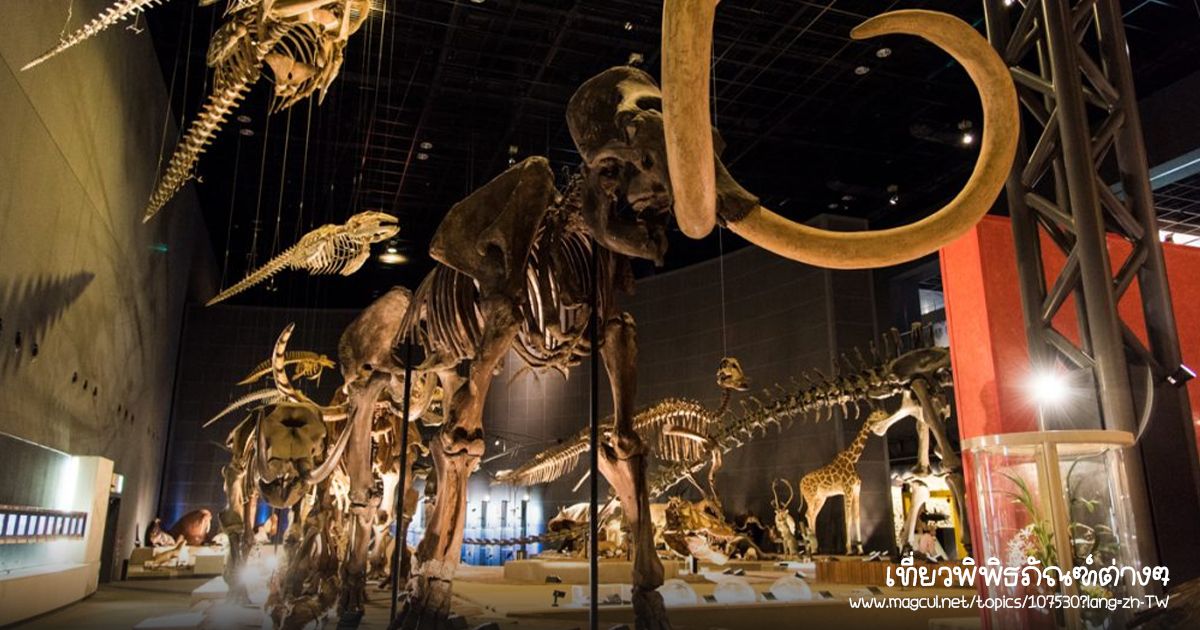
Japan has an unusually wide range of museums, giving both children and adults the chance to learn about things they have never seen before, such as sea creatures, land animals, history, science, art, plants, nature, and much more. That's why parents often take their children to museums for a fun outing combined with learning. They are also a cool escape, since most museums are air-conditioned.
4. Staying with Relatives or Visiting Family in Other Prefectures
Another popular activity, not just for children but adults too, once summer in Japan arrives, is visiting relatives, especially grandparents who live in other prefectures. It's a chance to see friends, aunts, and uncles they might meet only once a year. This is especially meaningful for children from the city, who get to spend time close to nature during this period, which is great for both physical and mental health.
Other Popular Summer Break Activities
Besides the activities mentioned above, Japanese children's summer break can include other activities too, depending on each child's interests or opportunities. One advantage of summer in Japan is that you can do activities without worrying about snow, rain, or freezing cold weather.
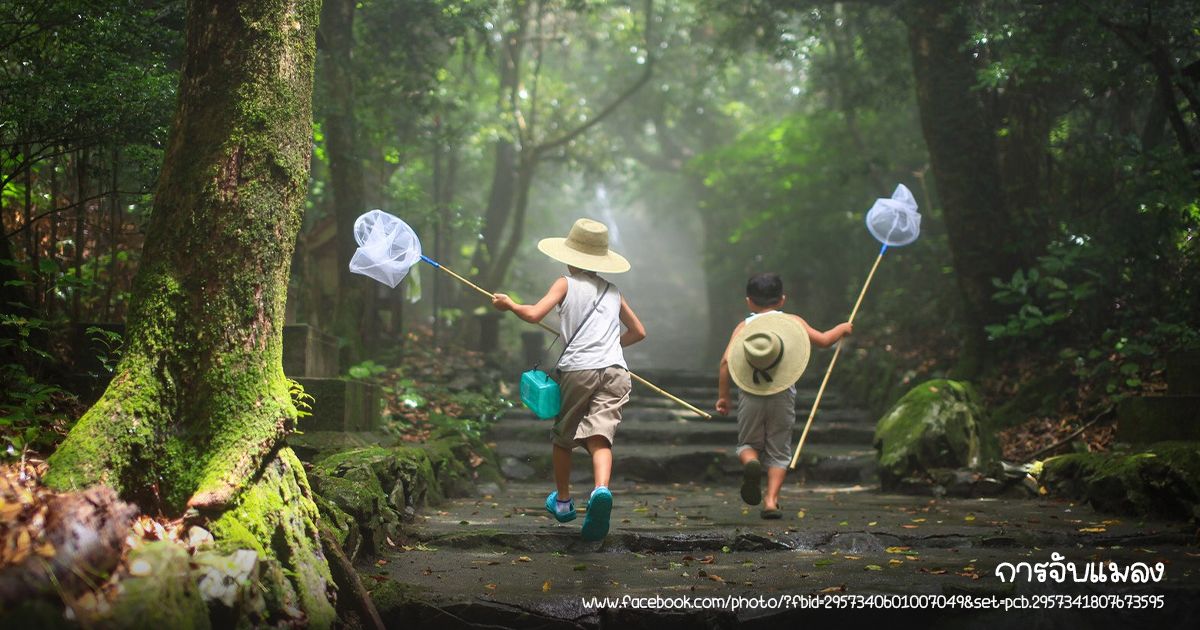
- Catching insects in gardens, forests, and mountains, from tiny beetles to big ones.
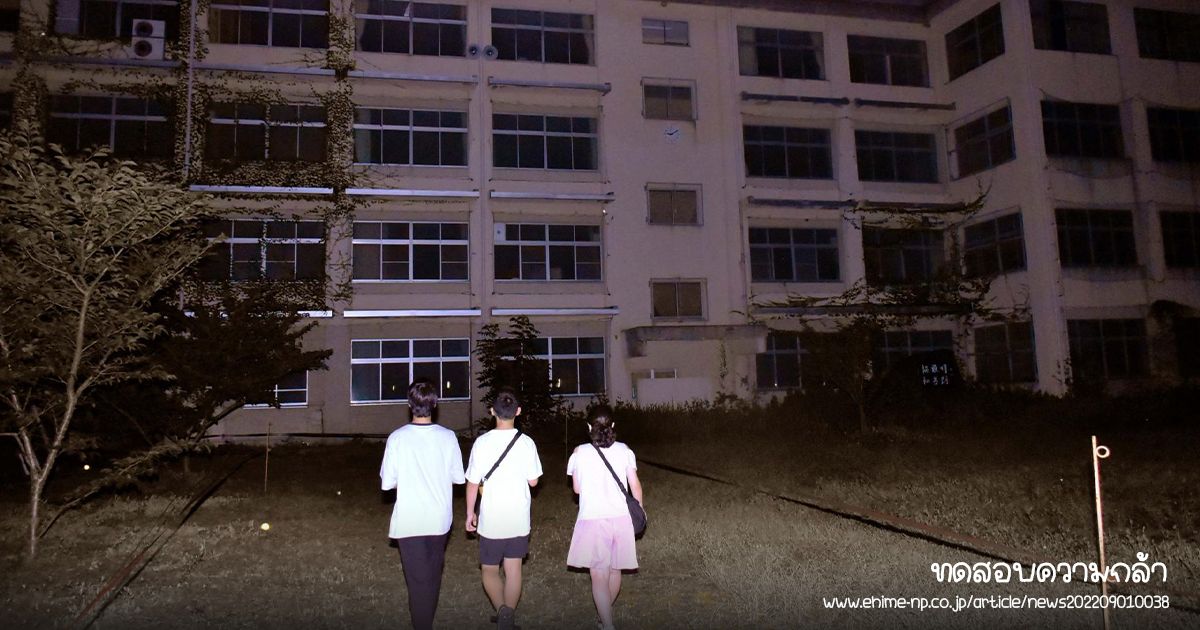
Trying things that take a bit of nerve, such as the big rides at amusement parks.
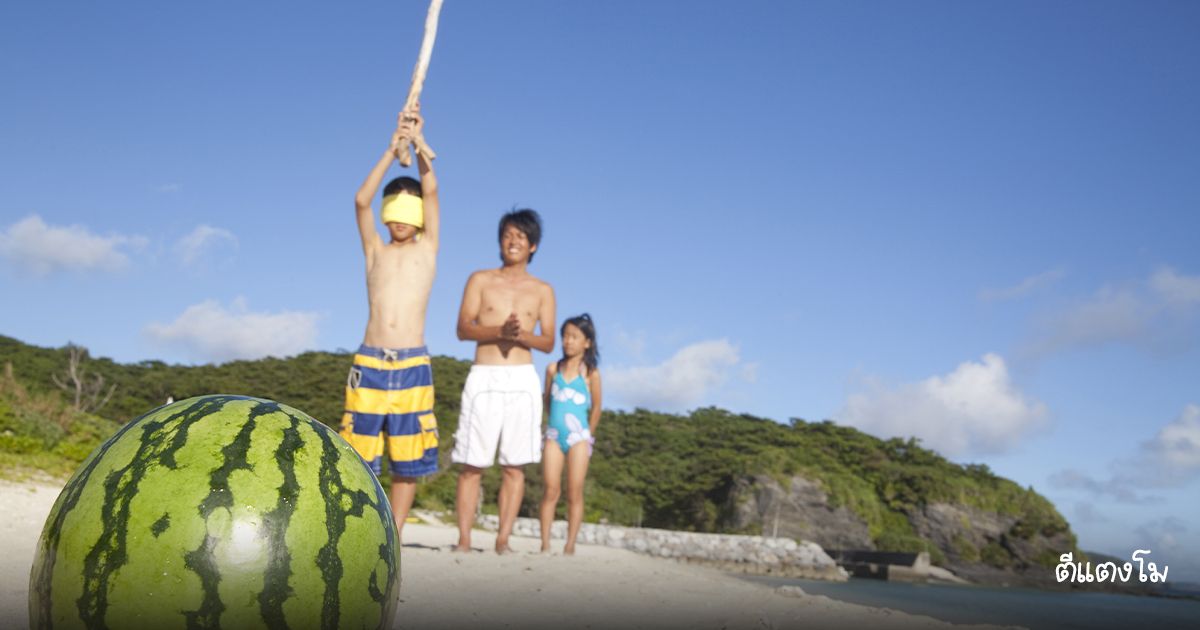
- Visiting the sea or the mountains, which opens up experiences they have never had before.
- Playing their favorite sports, such as swimming, football, rugby, baseball, wrestling, and more.
There's no denying that summer in Japan is a wonderful and valuable time for every child, since schools close temporarily so kids can rest and enjoy activities they love. So if you get the chance to visit Japan in summer, don't be surprised to see children of all ages out and about enjoying their break.