


Tokyo Imperial Palace is one of the historic sites in Tokyo that ranks among the most popular with tourists. Its architecture reflects Japan's long history, and it's also easy to reach: just take the train to Tokyo Station and walk about 10 minutes. The palace stands on the site of the former Edo Castle. During the Edo period, the castle was the residence of the Tokugawa shoguns, who ruled Japan from 1603 to 1867. In 1868, after a change of government, the capital moved from Kyoto to Tokyo, and the palace was built on the site of Edo Castle.
Today, the palace remains the residence of the Japanese imperial family. Around the palace is a large garden surrounded by a moat and stone walls. From the entrance in front of the Imperial Palace, visitors can see two bridges: Nijubashi Bridge and Meganebashi Bridge (Eyeglass Bridge). Regular visits require booking a tour in advance through the Imperial Household Agency. This tour takes visitors around the palace grounds but does not go inside, except on January 2 (the New Year Greeting) and February 23 (the Emperor's Birthday), when the inner grounds open to the public and visitors can see the imperial family on the palace balcony. So if you want to go inside and see the imperial family, you'll need to plan your visit around these specific dates.
▶︎ 32 Places to Visit in Tokyo | The Most Popular Attractions
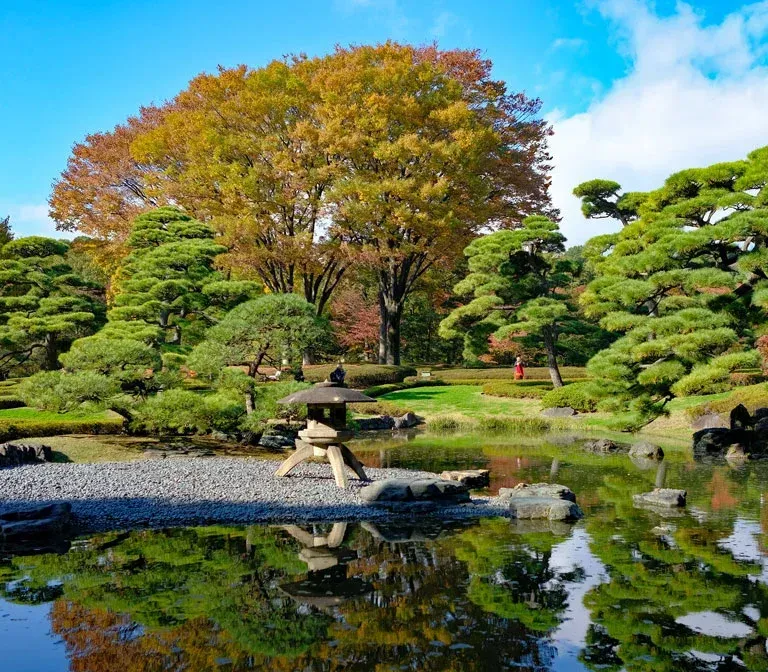
Photo from https://www.flickr.com/photos/geoffwhalan/45146331785
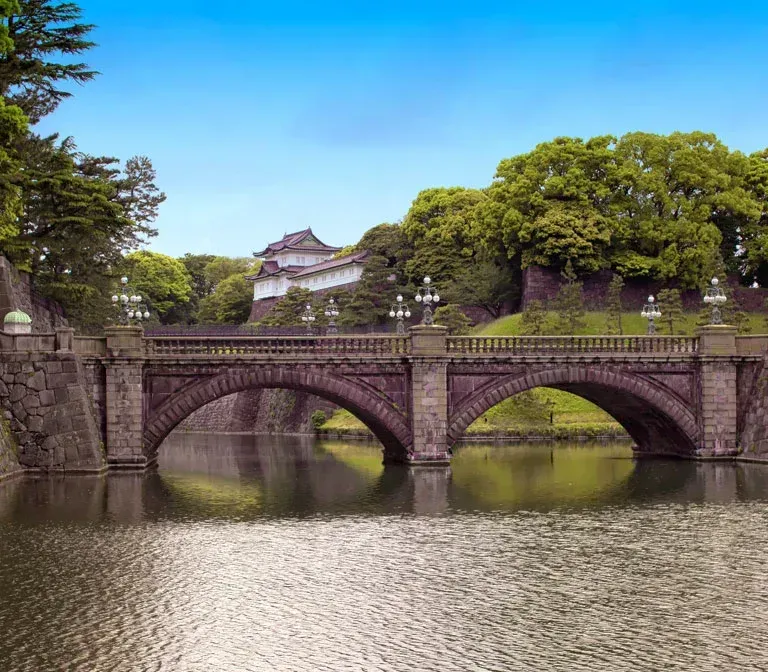
Photo from https://www.flickr.com/photos/rayinmanila/32242018767
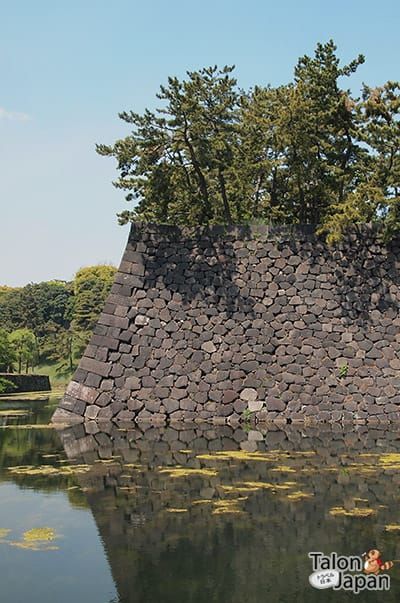
The large stone wall around the moat at the Imperial Palace
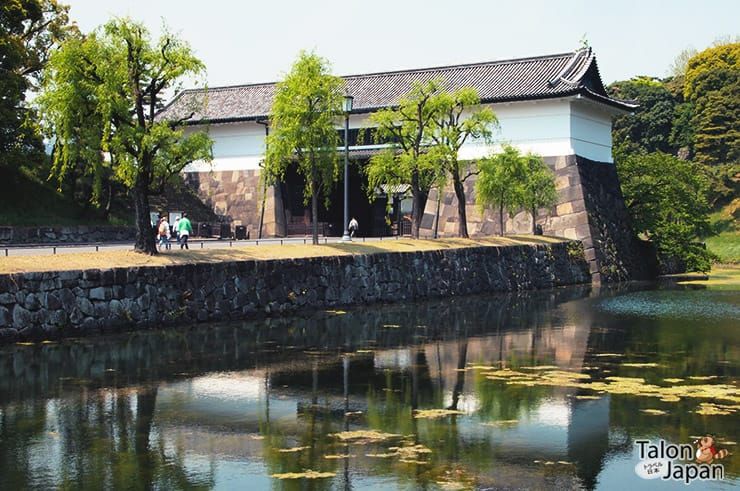
The garden entrance gate of the Tokyo Imperial Palace
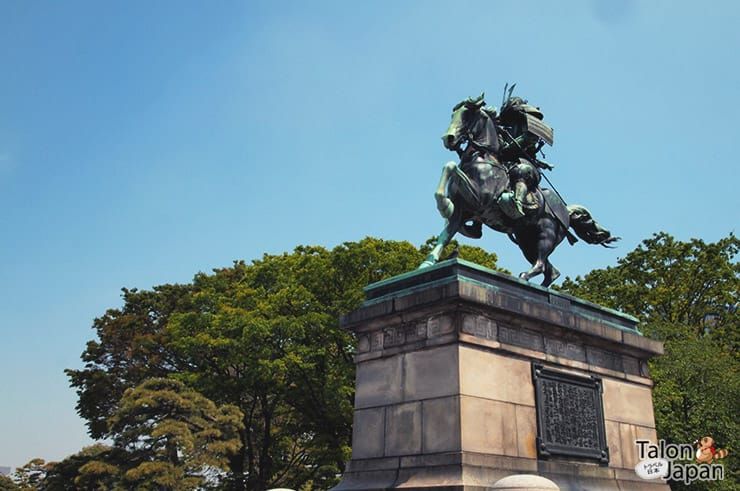
The samurai statue of Kusunoki Masashige in front of the Imperial Palace
▌Frequently Asked Questions (FAQs)
1. Is the Imperial Palace open to visitors every day?
The East Gardens (東御苑) are open every day except Mondays, Fridays, and special occasions. Kokyo Gaien National Garden (皇居外苑) is open every day.
2. Is there an admission fee to visit the East Gardens?
Admission to the East Gardens is free, but entering the inner grounds of the palace requires advance booking or a special event.
3. How can I access the inner grounds of the palace?
Access to the inner grounds is restricted and only available on special occasions, such as the Emperor's Birthday on February 23 and the New Year greeting on January 2.
4. How should I get to the Imperial Palace?
The Imperial Palace is easily accessible by public transport, just a short walk from Tokyo Station (東京駅), Otemachi Station (大手町駅), or Nijubashi-mae Station (二重橋前駅).
5. How long should I spend visiting the Imperial Palace?
A visit to the Imperial Palace takes about 2-3 hours, depending on how much time you spend exploring the gardens and admiring the architecture.
▌History
The Imperial Palace, known as Kokyo (皇居) in Japanese, stands on the former site of Edo Castle (江戸城), which was the residence of the Tokugawa shogunate (徳川幕府) from 1603 to 1868. After the Meiji Restoration (明治維新) in 1868, the Emperor moved from Kyoto (京都) to Tokyo, making this palace the new imperial residence. Although it was destroyed during World War II, the palace was carefully rebuilt in the same style to preserve its traditional architecture.
▌The Imperial Palace Grounds
Kokyo Gaien National Garden (皇居外苑): The outer garden, known as Kokyo Gaien (皇居外苑), is open to the public free of charge almost every day and features a beautiful landscape of lush greenery and well-kept lawns. A highlight is Nijubashi Bridge (二重橋), which is often photographed for its reflection in the surrounding moat.
East Gardens (東御苑): The Imperial Palace East Gardens (皇居東御苑) are a highlight for tourists, offering a rich look into the site's history. These gardens, part of the palace grounds, are open to the public and feature the ruins of Edo Castle, beautiful Japanese landscaping, and seasonal flowers. Ninomaru Garden (二の丸庭園) within the East Gardens stands out for its quiet, serene beauty.
Inner Grounds: Access to the inner grounds of the palace is restricted and only available on special occasions, such as the Emperor's Birthday on February 23 and the New Year greeting on January 2. During these events, visitors can enter the inner grounds and see the imperial family as they appear on the balcony.
▌Architectural Highlights
Fujimi-yagura (富士見櫓): This watchtower, dating from the Edo period, offers a fascinating look at the architecture of that era. It was used as a viewpoint for seeing Mount Fuji, which is how it got the name Fujimi (富士見).
The Museum of the Imperial Collections, Sannomaru Shozokan (皇居三の丸尚蔵館): Located within the palace grounds, this museum displays a rotating collection of art and cultural treasures belonging to the imperial family. It's a wonderful place to appreciate Japan's artistic heritage.
Note: This museum is closed until its grand opening on November 3, 2026.
Fushimi-yagura (伏見櫓): Another well-preserved watchtower, Fushimi-yagura (伏見櫓) adds to the historic atmosphere of the palace grounds and offers insight into the defensive structures of the Edo period.