


Aomori City is located at the northern tip of Honshu Island. It is known for its beautiful scenery, including the Shirakami-Sanchi mountain range, a UNESCO World Heritage Site. The prefecture is also home to many hot springs and Mount Hakkoda, a popular destination for skiing and snowboarding in winter. Aomori is also famous for its apples. Visitors can taste and buy locally grown apples, known for their sweet flavor, at orchards and markets. Anyone visiting Aomori should not miss the apple orchards. Check out these recommended places to visit in Aomori Prefecture below: 11 Best Places to Visit in Aomori
1. Hirosaki Castle
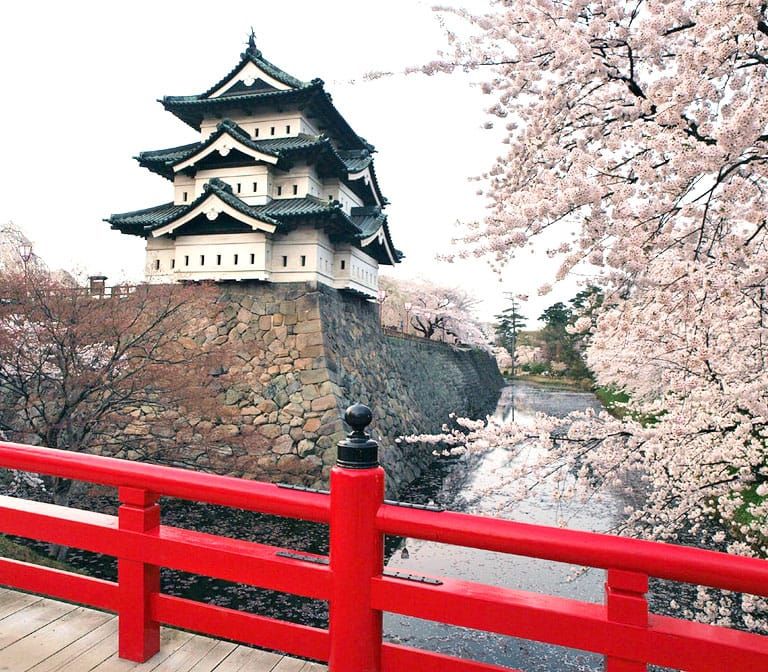
Photo from https://commons.wikimedia.org/wiki/File:Hirosaki_castle.jpg
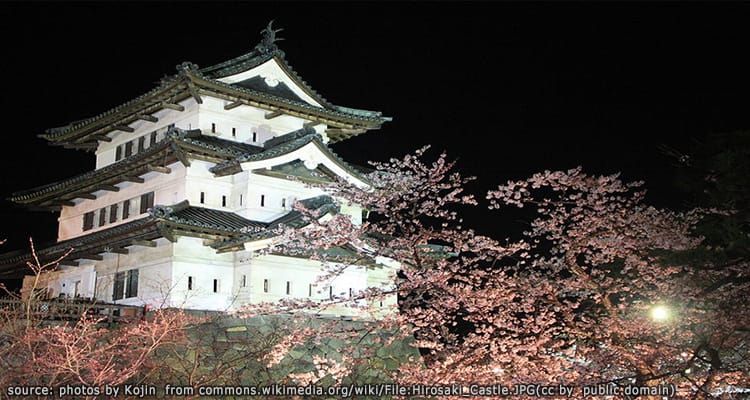
photos by Kojin from commons.wikimedia.org/wiki/File:Hirosaki_Castle.JPG(cc by public domain)
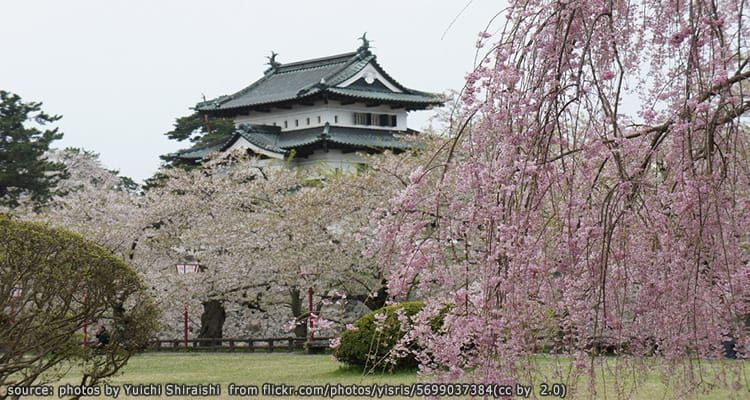
photos by Yuichi Shiraishi from flickr.com/photos/yisris/5699037384(cc by 2.0)
Hirosaki Castle was built in 1611 by the Tsugaru clan. The three-story castle complex includes a moat, turrets, gates, and corner towers. It sits within Hirosaki Park, which covers about 0.6 square kilometers. Hirosaki Park is one of the best cherry blossom viewing spots in Japan. The area around the castle is planted with more than 2,500 cherry trees of many varieties, which form a tunnel of blossoms, and there is plenty of space for picnics.

2. The Frost-Covered Trees of the Hakkoda Mountains
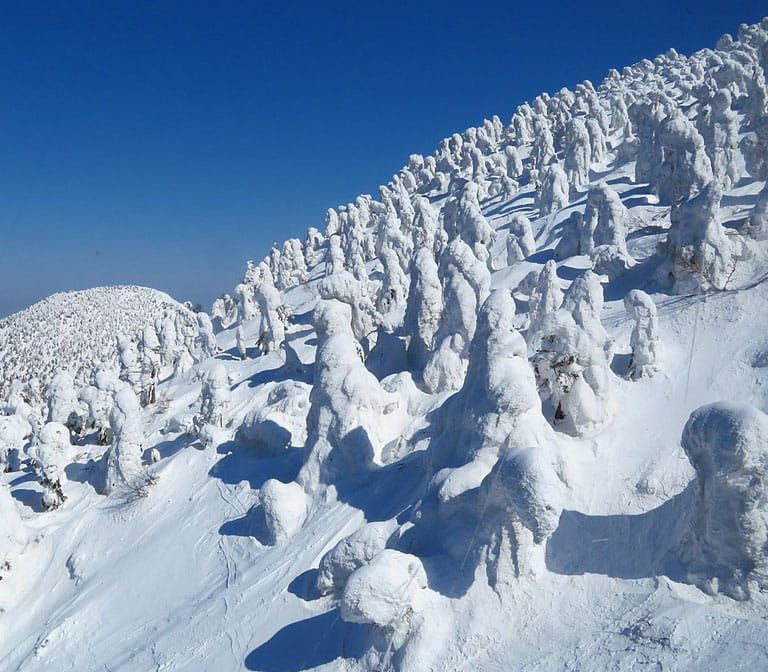
Photo from https://commons.wikimedia.org/wiki/File:Juhyo_of_Hakkoda_02.jpg
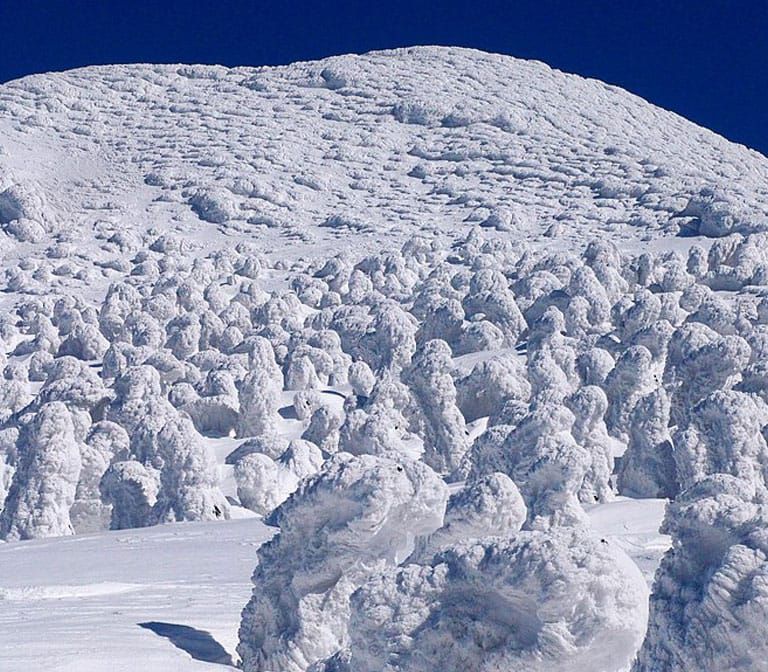
Photo from https://commons.wikimedia.org/wiki/File:Mt.Hakkoda_%28%E5%85%AB%E7%94%B2%E7%94%B0%E3%81%AE%E6%A8%B9%E6%B0%B7%29_-_panoramio.jpg
The Frost-Covered Trees of Hakkoda Mountains are found on Mount Hakkoda in Aomori, known for its heavy snowfall in winter. The snow builds up in thick layers of frost on the trees. This natural phenomenon creates a striking landscape that attracts visitors from around the world. From a distance, the frosted trees look like snow monsters.
3. Lake Towada
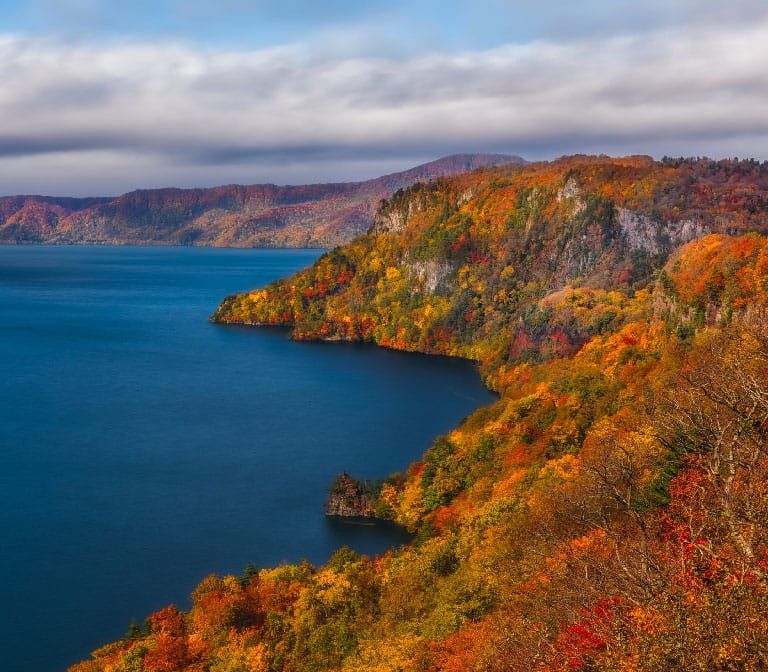
Photo from https://www.flickr.com/photos/agustinrafaelreyes/22518309205
photos by Kzaral from flickr.com/photos/kzaral/8411352772(cc by 2.0)
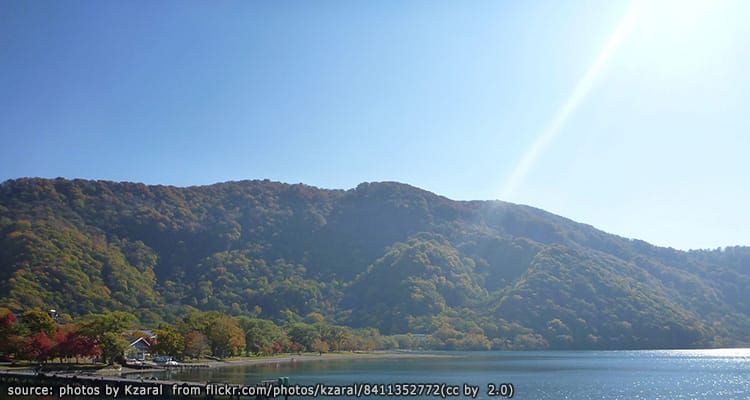
Lake Towada is the largest caldera lake on Honshu, the main island of Japan. It is one of the most popular spots for viewing autumn leaves, especially around the Oirase Stream on the lake's eastern shore.
Lake Towada is surrounded by dense forest that rises hundreds of meters above the water. The surrounding area remains largely natural, except for the small town of Yasumiya, which has been developed as a transport hub with several attractions, including Towada Shrine, a small nature museum, and the statue of the Tohoku Maiden.
4. Mount Hakkoda
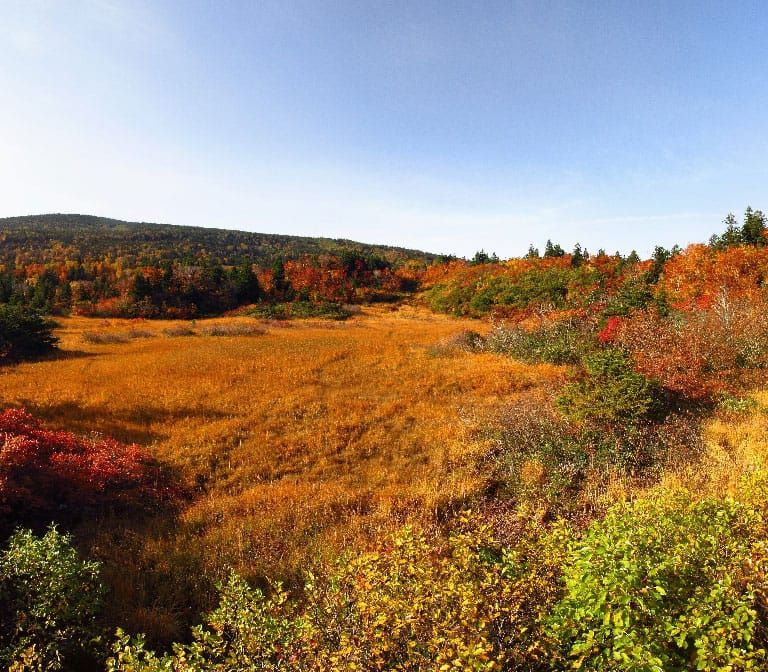
Photo from https://upload.wikimedia.org/wikipedia/commons/2/2d/Autumn_leaves_Hakkoda_Aomori_prf_Japan_20171008_IMG_3796.jpg
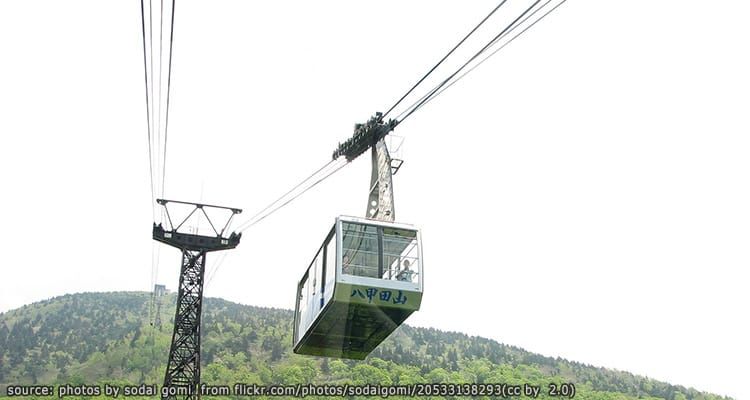
photos by sodai gomi from flickr.com/photos/sodaigomi/20533138293(cc by 2.0)
Mount Hakkoda is a group of volcanic peaks located between Aomori City and Lake Towada. It is one of Japan's 100 famous mountains, known for its seasonal beauty, natural hiking trails, and famous hot springs. Standing 1,585 meters tall, the mountain is covered with large trees that change color in autumn, from late September to mid-October. In winter, heavy snowfall covers the mountain, creating frost-covered trees.
5. Aomori Museum of Art
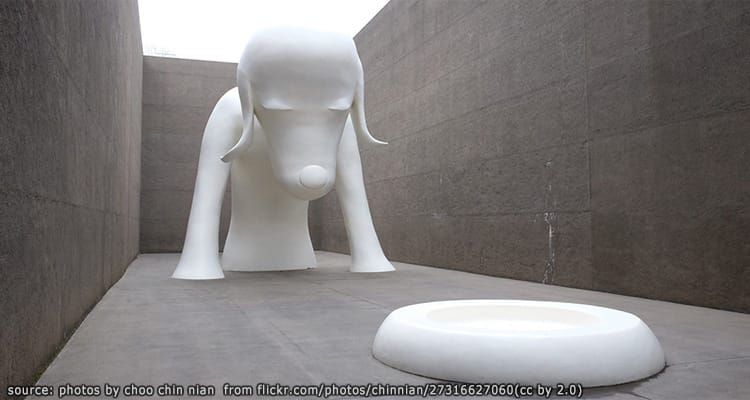
photos by choo chin nian from flickr.com/photos/chinnian/27316627060(cc by 2.0)
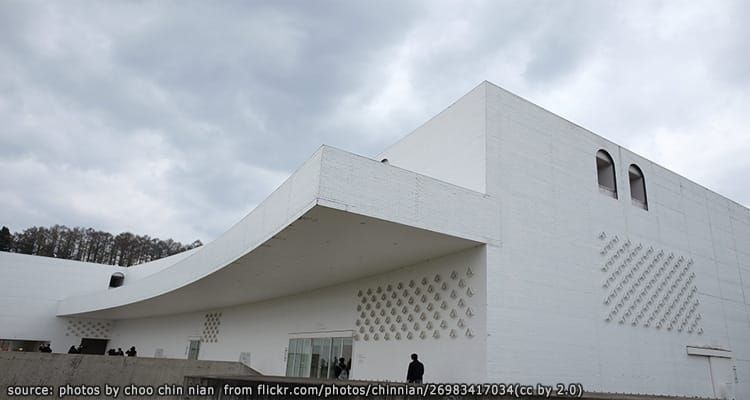
photos by choo chin nian from flickr.com/photos/chinnian/26983417034(cc by 2.0)
Aomori Museum of Art (or Aomori Kenritsu Bijutsukan) is a museum showcasing modern art. The permanent and temporary exhibition buildings were designed to resemble the buildings of the neighboring Sannai Maruyama Archaeological Site. The museum's permanent collection includes three large paintings by Marc Chagall, woodblock prints and paintings by Munakata Shiko, pop art and cartoon-style works by Nara Yoshitomo, and a giant 8.5-meter-tall statue of an Aomori-Ken dog, also created by Nara.
6. Mount Osorezan
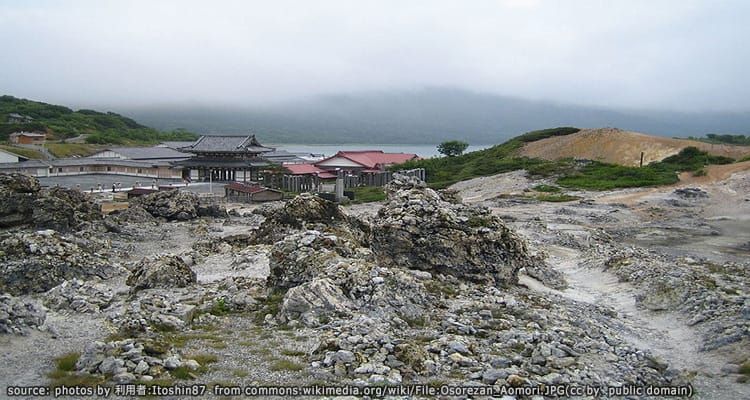
photos by 利用者:Itoshin87 from commons.wikimedia.org/wiki/File:Osorezan_Aomori.JPG(cc by public domain)
Mount Osorezan, also known as Mt. Osore, is ranked as one of Japan's three sacred mountains, alongside Koyasan and Hieizan. It is home to Bodaiji Temple, founded in 862.
The mountain is known for its striking, otherworldly landscape, shaped by past volcanic eruptions. A strong smell of sulfur fills the air, and the ground is a dry, grayish color. Next to the temple lies Lake Usori, whose water shows various shades of blue due to its high sulfur content.
7. Auga Fish Market
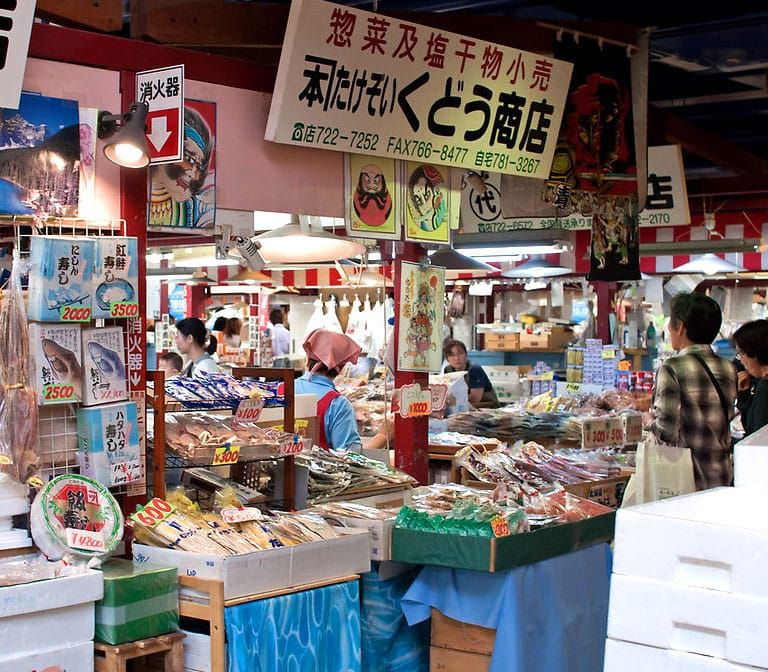
Photo from https://www.flickr.com/photos/yoandmi/4927663219/in/photostream/
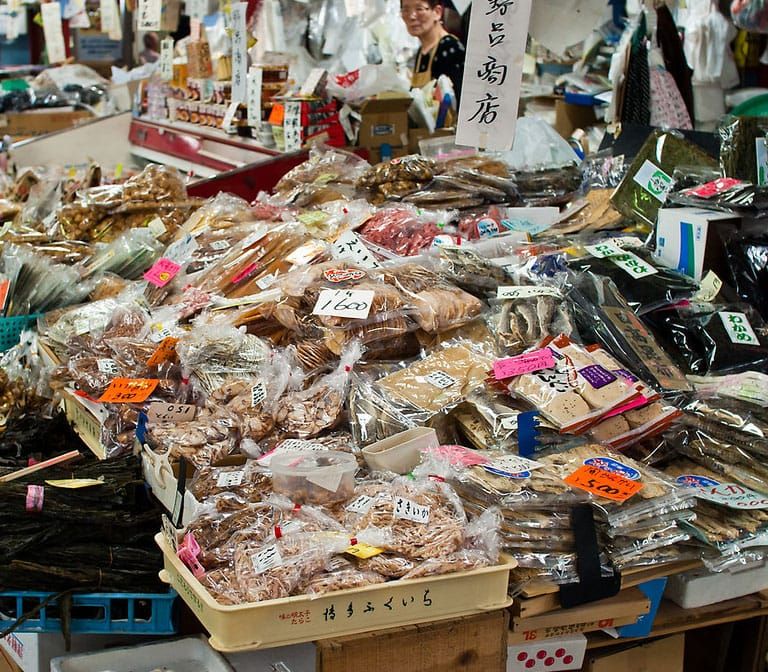
Photo from https://www.flickr.com/photos/yoandmi/4928258420/in/photostream/
Auga Fish Market (also known as Auga Shinsen Ichiba) is located in the basement of the Auga Festival City shopping complex. The market is lined with stalls selling fresh fish, seaweed, and vegetables, as well as freshly caught seafood from the port of Aomori, especially tuna, squid, and scallops. There are also restaurants inside where visitors can taste the local seafood.
8. Oirase Stream
photos by Hiker- Hu** from flickr.com/photos/william-hu/32803755891(cc by 2.0)
photos by C.K. Tse from flickr.com/photos/cktse/8122347509(cc by 2.0)
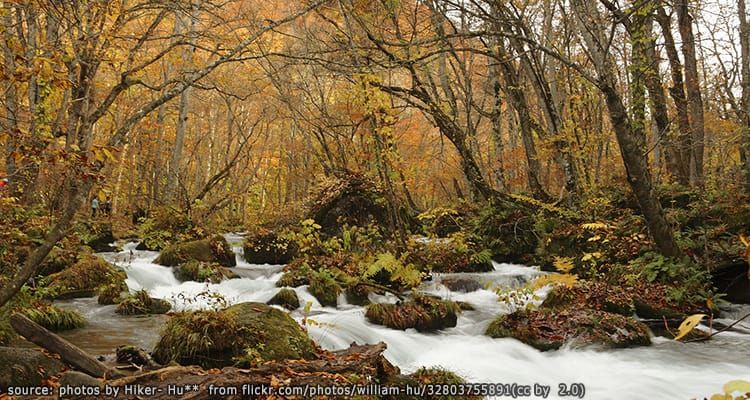
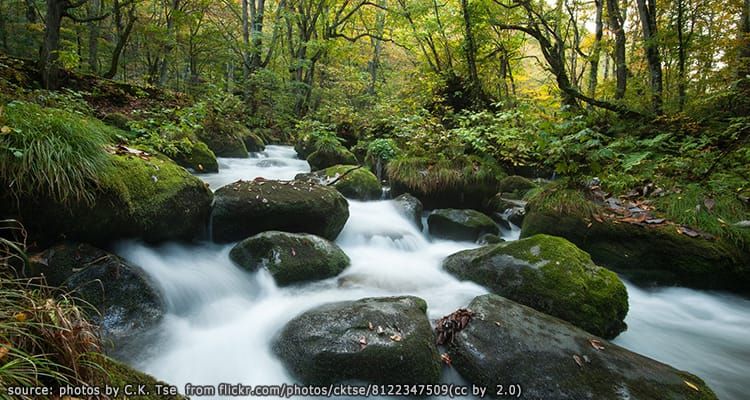
Oirase Stream is a beautiful mountain stream in Aomori Prefecture and one of the most famous spots in Japan for viewing autumn leaves. The stream flows through Oirase Gorge, surrounded by lush greenery in spring and summer, which turns into shades of yellow and red in autumn, from late October to early November. Along the way, more than 12 waterfalls cascade down the gorge's walls.
9. Sannai Maruyama Archaeological Site
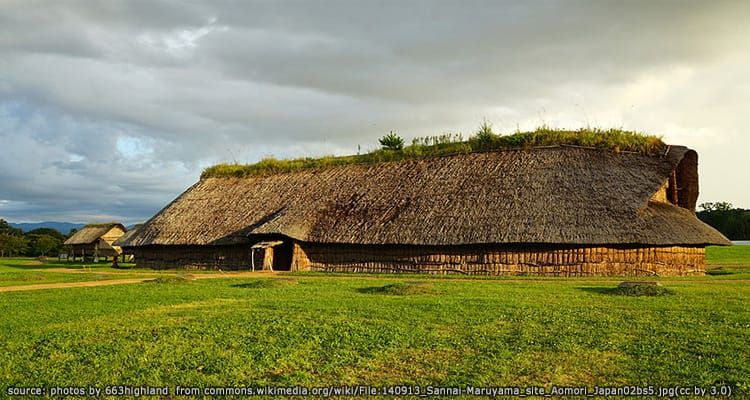
photos by 663highland from commons.wikimedia.org/wiki/File:140913_Sannai-Maruyama_site_Aomori_Japan02bs5.jpg(cc by 3.0)
Sannai Maruyama Archaeological Site is the largest and one of the best-preserved sites from Japan's Jomon Period (14,000-300 BC). The site was discovered by chance and contains the remains of more than 700 dwellings.
The building next to the archaeological site houses the Jomon Jiyukan Museum, which displays artifacts excavated from the site along with information about the people who lived during the Jomon Period. Visitors can also try on period clothing, use replica tools, and take part in craft-making and toy-making activities, or sample local food at nearby restaurants.
10. Towada Art Center
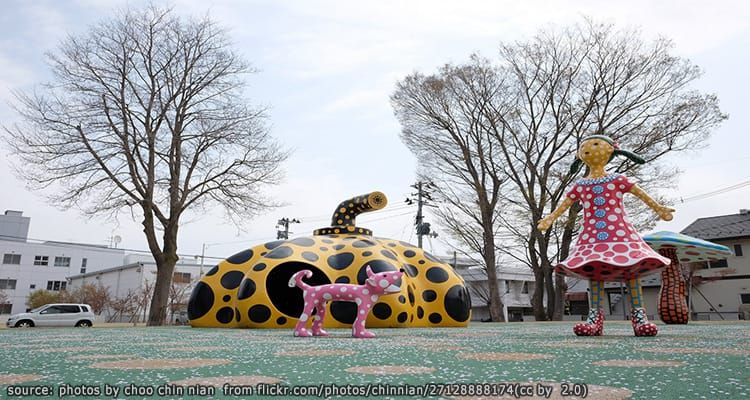
photos by choo chin nian from flickr.com/photos/chinnian/27128888174(cc by 2.0)
Towada Art Center is a contemporary art museum in Towada City, located along the route between Hachinohe and Lake Towada. It opened in 2008 and exhibits more than 20 works related to nature and urban life by artists from around the world, including Ron Mueck, Choi Jeong Hwa, and Yoko Ono.
11. Furukawa Fish Market
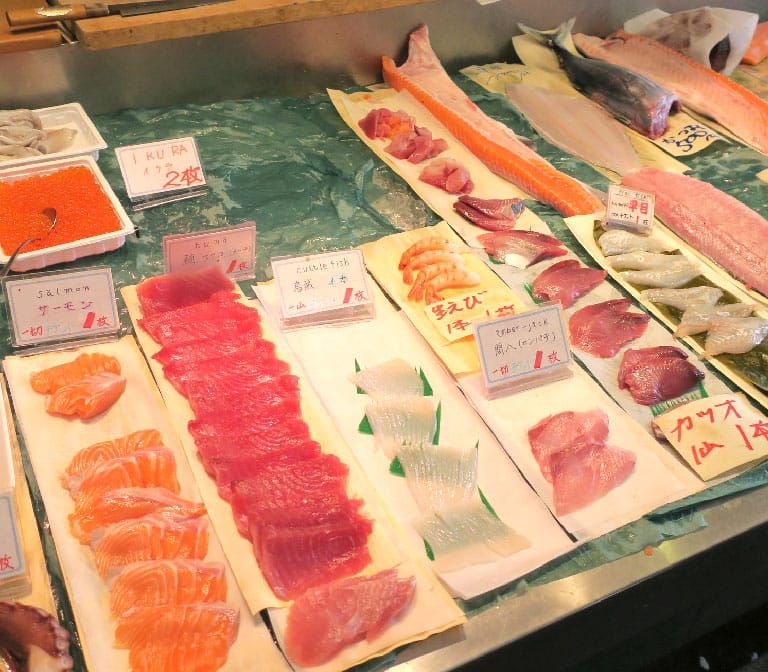
Photo from https://www.flickr.com/photos/sodaigomi/28894369611/in/photostream/
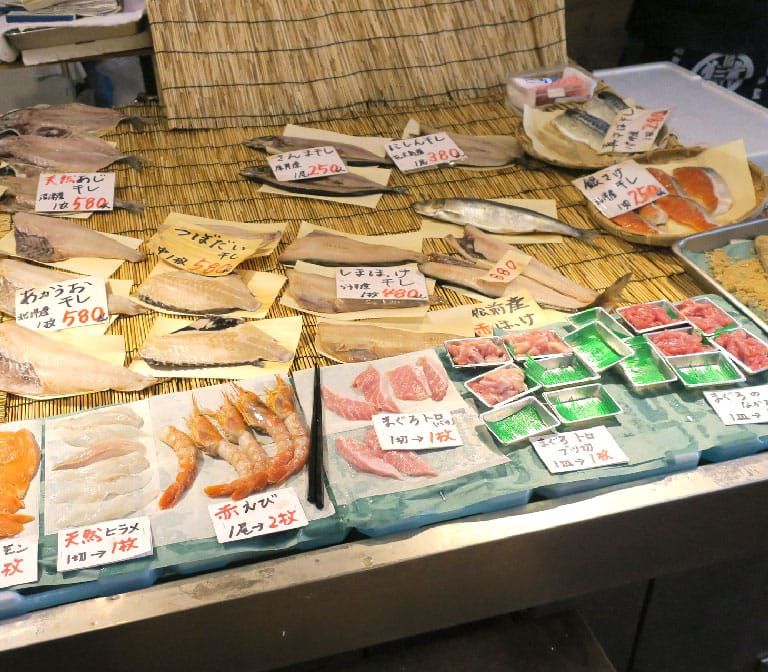
https://www.flickr.com/photos/sodaigomi/28970770785/in/photostream/
Furukawa Fish Market (also known as Aomori Gyosai Center) is a fish market located in central Aomori, half a block north of Auga Fish Market. The market sells fresh local seafood and various pickled vegetables. The market's specialty is nokkedon, a rice bowl that visitors put together themselves using the seasonal local seafood on sale that day.
A Major Festival in Aomori: Nebuta Matsuri
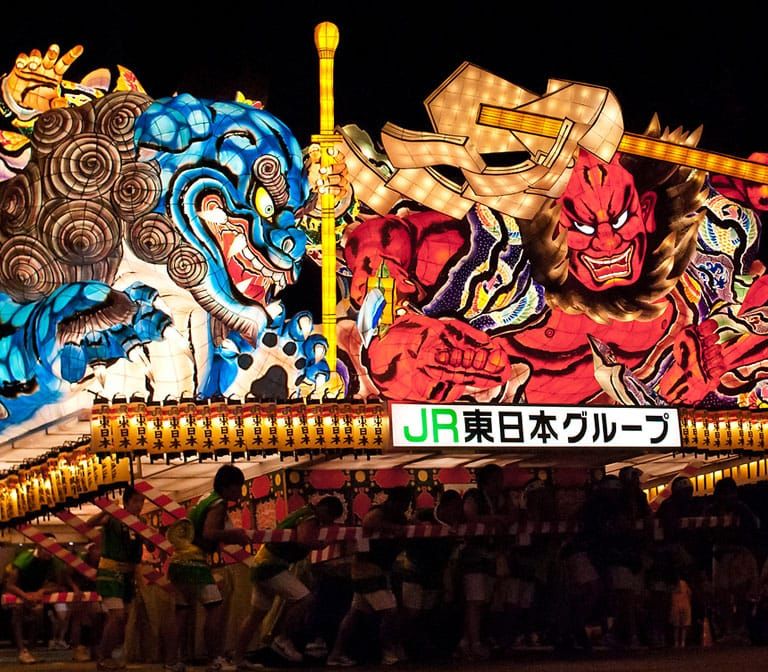
Photo from https://www.flickr.com/photos/yoandmi/4928278464
Nebuta Matsuri is a summer festival held every year across Aomori Prefecture, usually from August 2 to 7. The festival's highlight is a parade of large illuminated lantern floats, accompanied by taiko drums, musicians, and dancers, that winds through central Aomori City along a 3-kilometer route each night. On August 7, the final day of the festival, the lively parade takes place in the afternoon before moving onto boats for a procession around the bay in the evening, followed by fireworks to close the festival.