


Chiba is a prefecture in the Kanto region of Japan, not far from Tokyo. It borders the sea and has beautiful beaches, flower gardens, mountains, and famous sheep farms, along with many popular attractions such as Chiba Castle, Chiba Marine Park, and art museums. Let's look at popular attractions in Chiba, from ancient towns to flower gardens and sheep farms.
1. Nomizono Falls and Kameiwa Cave
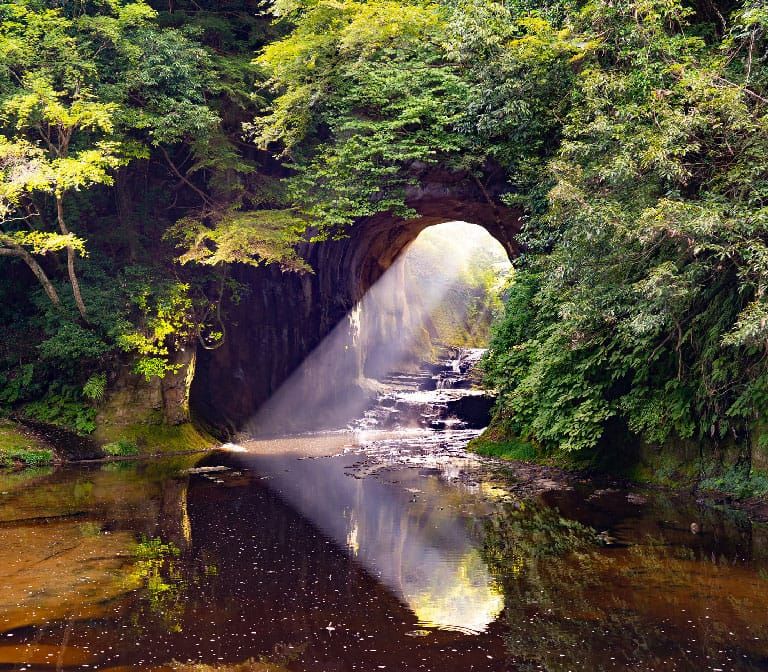
Photo from https://www.flickr.com/photos/danieltamflickr/48759477608/
Nomizono Falls and Kameiwa Cave are natural attractions. Nomizono Falls is known as a very beautiful waterfall, with water cascading down a cliff. The falls are surrounded by lush greenery from various plant species. The waterfall is located in a quiet forest, making it ideal for escaping the bustle of the city to relax and explore.
Kameiwa Cave, on the other hand, is a cave with distinctive features formed by mineral deposits accumulated over thousands of years. The cave has a large opening, so when sunlight shines through, it creates a scene as beautiful as something from a fairy tale.
Access
By train: Take the JR Kururi Line to Kazusa-Kameyama Station, then continue by taxi to Nomizono Falls and Kameiwa Cave (about 15 minutes by taxi).
2. Sawara
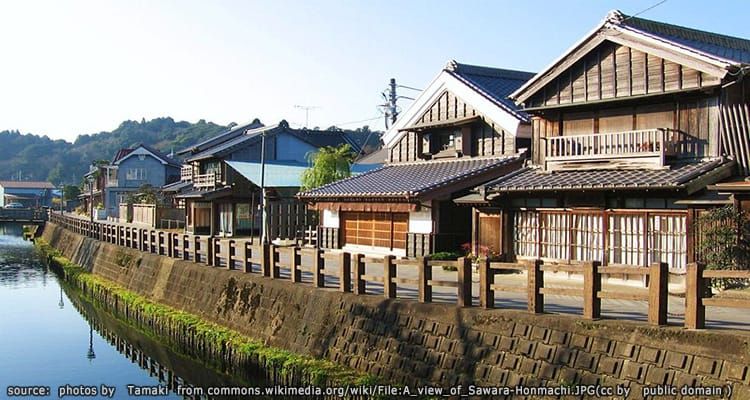
photos by Tamaki from commons.wikimedia.org/wiki/File:A_view_of_Sawara-Honmachi.JPG(cc by public domain )
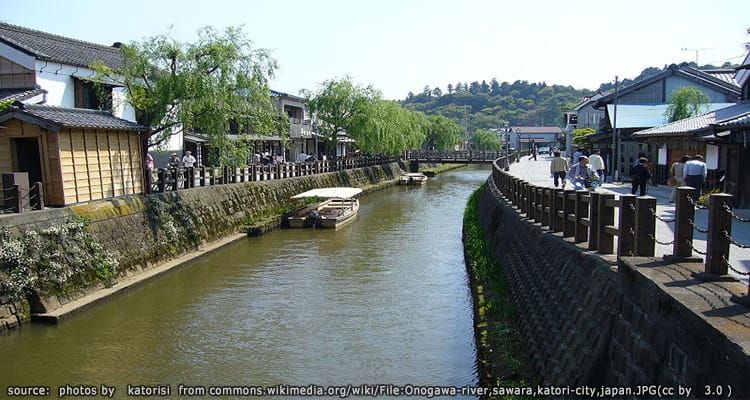
photos by katorisi from commons.wikimedia.org/wiki/File:Onogawa-river,sawara,katori-city,japan.JPG(cc by 3.0 )
Sawara is located northeast of Narita, in Chiba Prefecture. This small, compact town has plenty of charm. Its houses and shops have been well preserved in their traditional style, and the town layout has been carefully maintained. Sawara was once a center for rice transport during the Edo period (1603–1867), thanks to its location between canals, earning it the nickname "Little Edo." Traditional homes, shops, and warehouses from the Edo period have been preserved and restored here.

3. Kominato Railway
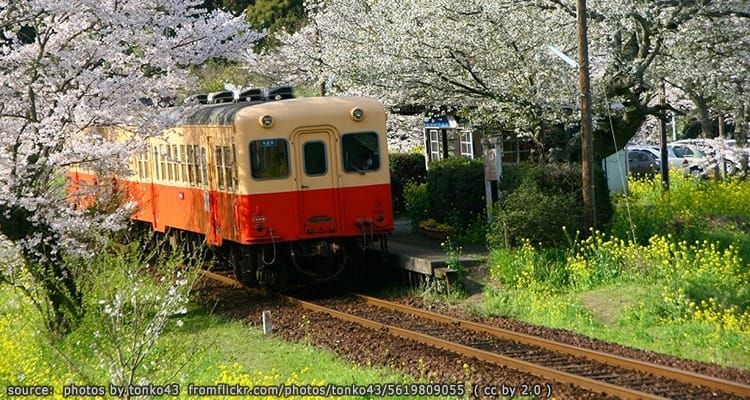
photos by tonko43 fromflickr.com/photos/tonko43/5619809055 ( cc by 2.0 )
photos by Yamaguchi Yoshiaki from flickr.com/photos/woinary/3822370902 ( cc by 2.0 )
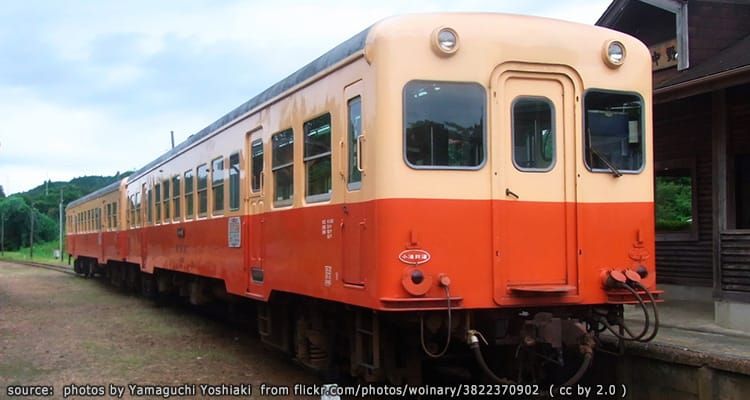
The Kominato Railway (小湊鐵道) is an old local railway that runs slowly through the Chiba countryside, using vintage train cars that have been carefully preserved. It offers a relaxing way to enjoy the countryside, with rice fields, meadows, and forested mountains on both sides of the track. The best time to visit is spring, in March, when bright yellow nanohana (rapeseed) flowers bloom along both sides of the tracks, along with cherry trees, a small cherry blossom tunnel, and many other flowers. The train moves slowly, giving passengers plenty of time to enjoy the view. It's also easy to reach, less than an hour by train from central Tokyo.
4. Yoro Valley
photos by TANAKA Juuyoh (田中十洋) From flickr.com/photos/tanaka_juuyoh/3085737244 ( cc by 2.0 )
photos by TANAKA Juuyoh (田中十洋) From flickr.com/photos/tanaka_juuyoh/3083761363 ( cc by 2.0 )
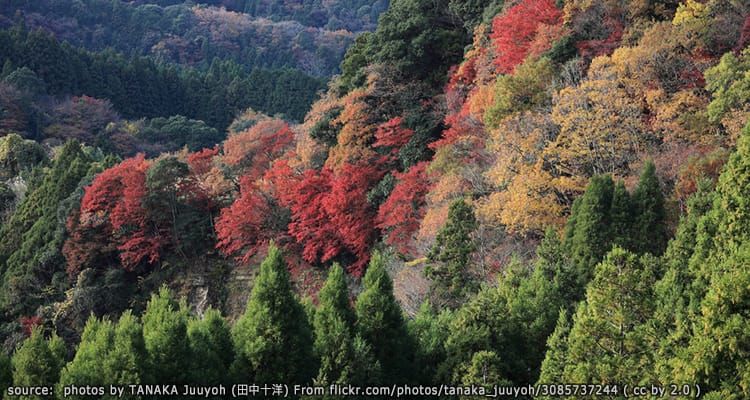
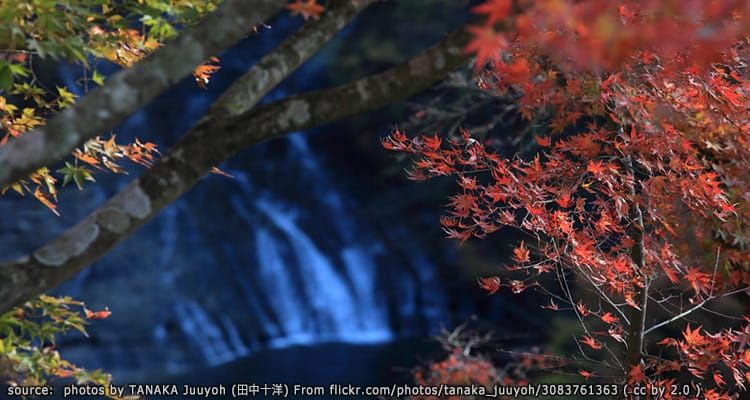
Yoro Valley is formed by the Yoro River, about two hours from Tokyo, between the towns of Otaki and Ichihara. Steep cliffs surround the valley, with the Yoro River running through the middle for a long stretch. The leaves change color from late November to early December, which is the best time to see the autumn foliage here. Along the riverbanks, maple and other trees turn color and shed their leaves, creating a long carpet of red leaves. In spring, you can also see cherry blossoms here, though the scenery isn't as spectacular as during autumn.
5. Minamiboso Flower Gardens
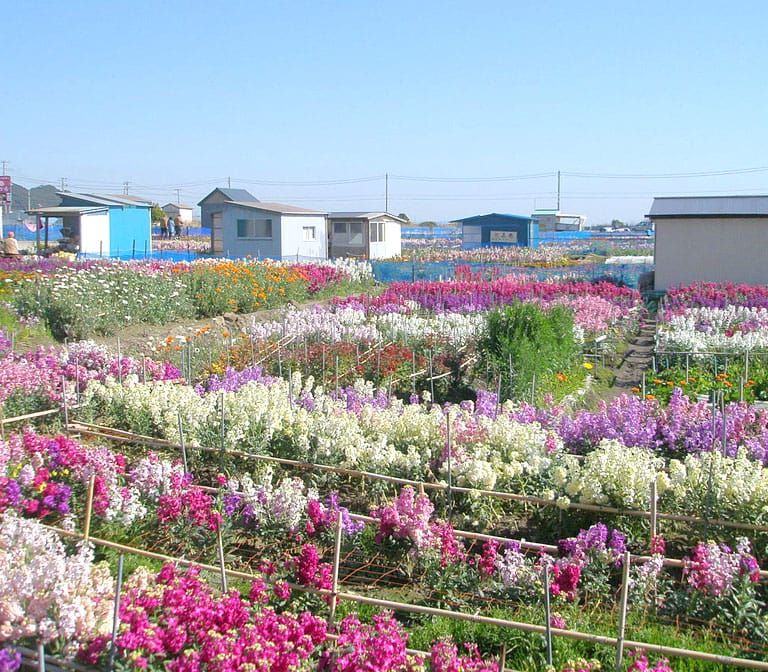
Photo from https://commons.wikimedia.org/wiki/File:Flower_farm_at_Shiramazu,_Chikura,_Minami-bousou,_Chiba.JPG
Minamiboso Flower Gardens is a botanical garden with a wide variety of flowers and plants, including tulips that bloom in spring, roses in summer, and chrysanthemums in autumn. The garden also has a large greenhouse displaying rare plants and flowers from around the world.
One of the highlights of Minamiboso Flower Gardens is its colorful flower fields, a popular spot for photos and enjoying nature. Walking paths let visitors stroll among the flowers and take in the surroundings. The garden also hosts seasonal events such as a tulip festival in spring and a rose festival in summer.
Access
By train: Take the Uchibo Line to Minamiboso Station (about a 10-minute walk to the garden).
By bus: Take a bus from Minamiboso Station to Minamiboso Flower Gardens; the bus stop is right in front of the garden (about 5 minutes).
6. Naritasan Shinshoji Temple
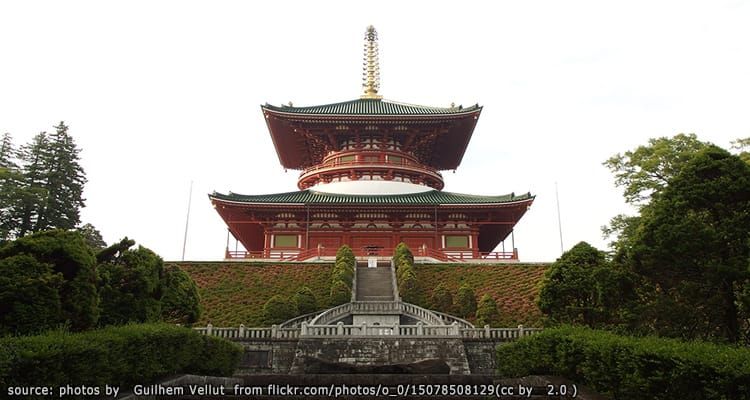
photos by Guilhem Vellut from flickr.com/photos/o_0/15078508129(cc by 2.0 )
Naritasan Shinshoji Temple is located in Narita, Chiba Prefecture, conveniently close to Narita International Airport. It is one of the oldest and most famous temples in Narita. This large Buddhist temple was built in 940 AD and features a variety of buildings spread across its spacious grounds, including a main hall and a three-story pagoda.
7. Isumi Railway
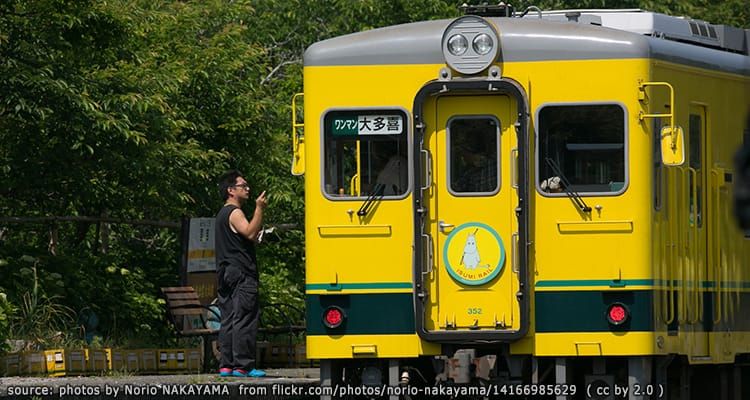
photos by Norio NAKAYAMA from flickr.com/photos/norio-nakayama/14166985629 ( cc by 2.0 )
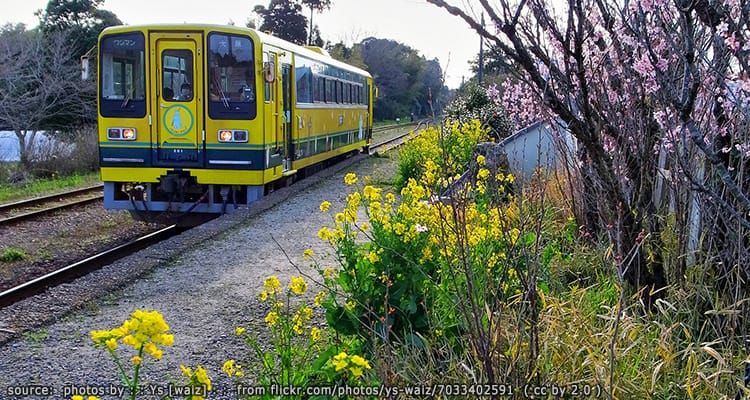
photos by : : Ys [waiz] : : from flickr.com/photos/ys-waiz/7033402591 ( cc by 2.0 )
8. Sakura Furusato Square
Note: Because of renovation work at the park, events such as the tulip festival are paused from fiscal year 2026 for a while. Please check the Sakura City website before you visit.
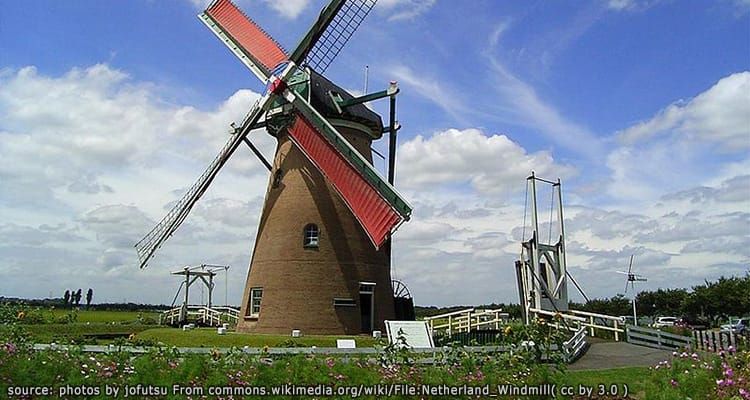
photos by jofutsu From commons.wikimedia.org/wiki/File:Netherland_Windmill( cc by 3.0 )
Sakura Furusato Square is a lakeside park featuring a tulip garden and a Dutch-style windmill, the first of its kind in Japan, built to celebrate the relationship between Japan and the Netherlands. It's in Chiba Prefecture, about an hour from Tokyo by train. The park hosts a tulip festival with more than 700,000 tulips from over 100 varieties, making it the largest tulip field in Japan. The festival takes place each spring, from mid to late April. The festival offers many activities, such as renting traditional Dutch costumes, digging up tulips to take home, Dutch organ music performances, boat cruises on Lake Inba, and bicycle rentals within the park, along with souvenir shops and various restaurants.
9. Museum of Aeronautical Sciences
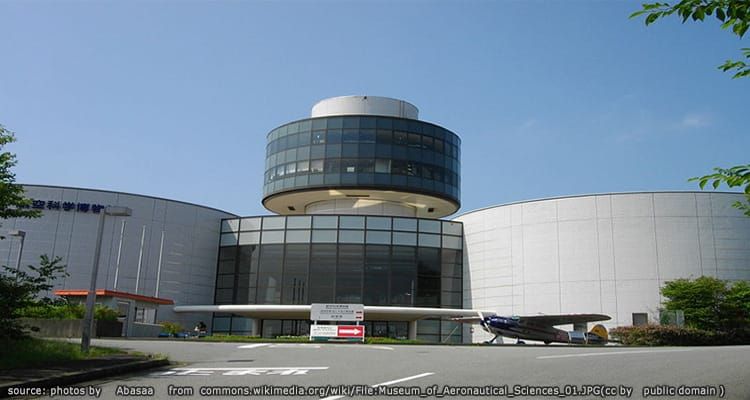
photos by Abasaa from commons.wikimedia.org/wiki/File:Museum_of_Aeronautical_Sciences_01.JPG
The Museum of Aeronautical Sciences is located south of Narita International Airport. It's worth a visit if you have time before a flight, and a must for anyone interested in aviation. The museum displays a wide range of aircraft and models, and also offers interactive activities for visitors.
10. National Museum of Japanese History
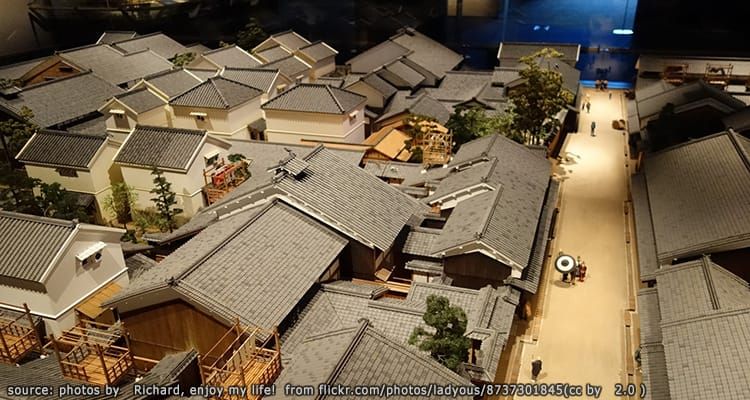
photos by Richard, enjoy my life! from flickr.com/photos/ladyous/8737301845(cc by 2.0 )
The National Museum of Japanese History, often called "Rekihaku" for short, is located in Sakura, Chiba Prefecture. It's an excellent place to learn about Japan's history and culture, with exhibits covering Japanese history from ancient times to the present.
11. Mother Farm

Photo from https://www.flickr.com/photos/inucara/17586926320
Mother Farm is a popular open-air farm for families, located in Chiba Prefecture, Japan. Mother Farm offers many interesting places and activities, including getting up close with farm animals, watching animal shows, and hands-on experiences like cow milking and goat feeding. There's also a large playground, horseback riding, and a greenhouse with unusual flowers and plants to see.
The farm also has restaurants serving dishes made with fresh ingredients grown on-site. Mother Farm hosts many seasonal activities, such as pumpkin picking in autumn and sunflower fields in summer. It's also known for its beautiful cherry blossoms and wisteria, which are especially lovely in spring.
Access
By train: Take the JR Sobu Line to Choshi Station, then transfer to the Uchibo Line and get off at Tomisato Station (about a 20-minute walk to Mother Farm).
By bus: Take a bus from Tomisato Station to Mother Farm; the bus stop is right in front of the farm (about 10 minutes).
12. Kujukuri Beach
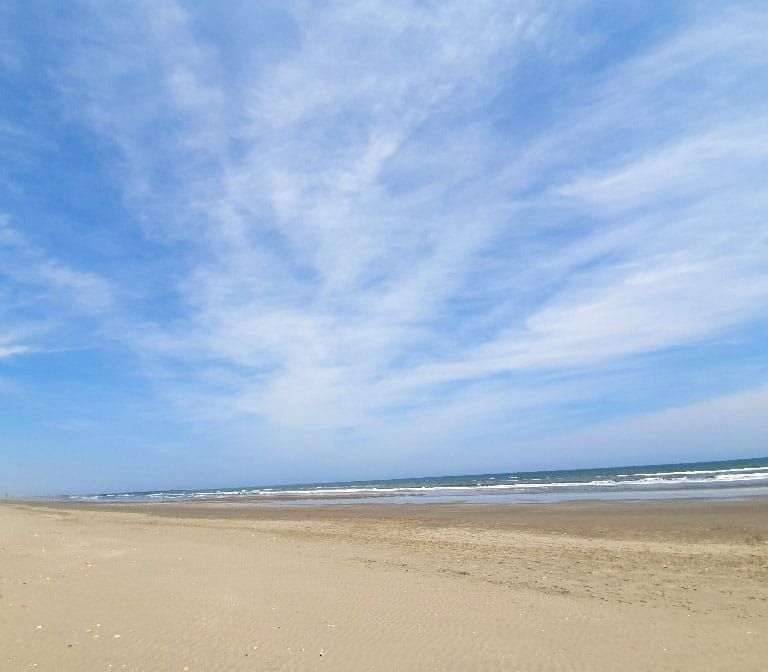
Phot from https://upload.wikimedia.org/wikipedia/commons/d/d3/%E4%B9%9D%E5%8D%81%E4%B9%9D%E9%87%8C%E6%B5%9C.jpg
Kujukuri Beach is a flat sandy beach stretching about 66 kilometers in Chiba Prefecture, one of the longest beaches in Japan. It's known for its bright blue water and beautiful scenery, making it a popular destination for swimming, sunbathing, and other beach activities.
Kujukuri Beach is also one of the best spots for water sports such as surfing, windsurfing, and kitesurfing. The beach is backed by beautiful mountains and forests, making it a great place for outdoor activities and picnics. There are also several hot springs nearby, where you can relax and soak in warm water after a day at the beach.
Access
By train: Take the Sobu Line to Futtsu Station, then transfer to the Uchibo Line and get off at Katsuura Station, followed by a bus ride (about 15 minutes).
By bus: Take a bus directly from Katsuura Station to the beach (about 15 minutes).
13. Kamogawa Sea World
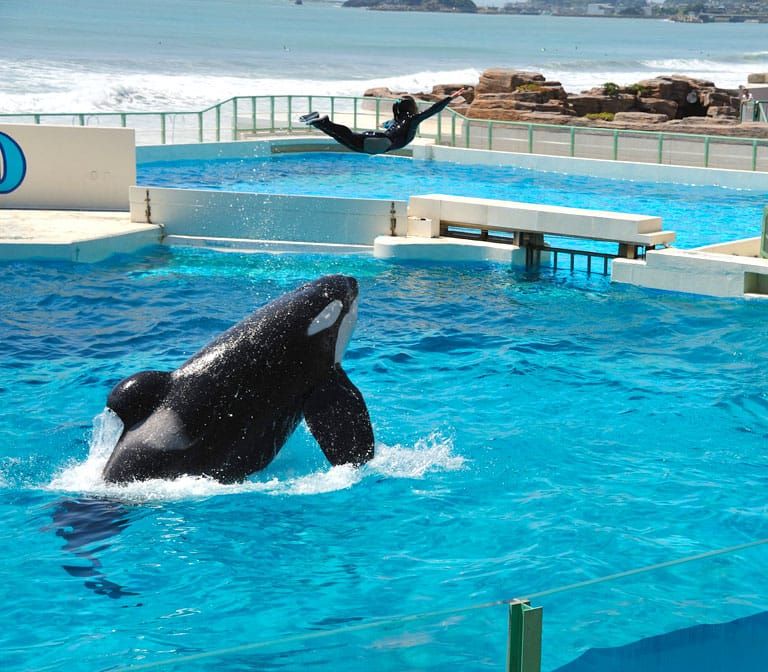
Photo from https://www.flickr.com/photos/kaz25/7176623510
Kamogawa Sea World is a very popular marine aquarium, home to a wide variety of marine animals, including dolphins, sea lions, beluga whales, and penguins. Visitors can watch shows featuring dolphins, seals, and whales, which are both entertaining and educational, offering insight into the lives of these animals.
The aquarium also hosts exhibitions and displays featuring marine life from around the world, including collections of fish, reptiles, and many other sea creatures.
Access
By train: Take the JR Sotobo Line to Awa-Kamogawa Station, then continue by taxi or shuttle bus to Kamogawa Sea World (about 10 minutes).