


Fukui is a prefecture located in the Chubu region of Japan. It is known for its beautiful natural scenery, including the rugged coastline of the Sea of Japan and Echizen-Kaga Kaigan Quasi-National Park. The prefecture is also home to many historical sites and cultural attractions, including Maruoka Castle, one of the oldest surviving castles in Japan. Fukui is also famous for high-quality seafood such as Echizen crab, making it a popular destination for food lovers. In addition, Fukui city is a center for technology and innovation, home to several universities and research institutes.
1. Maruoka Castle
Note: The keep of Maruoka Castle is under major repair work. You can go inside the keep only on some dates (for example, September 19 to October 31, 2026). Please check the official website before you visit.
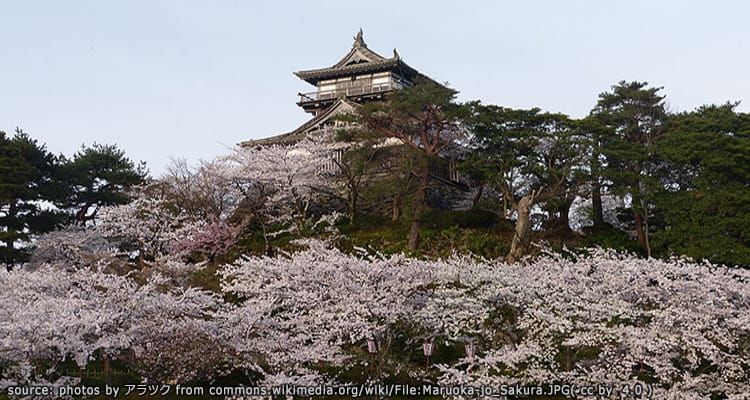
photos by アラツク from commons.wikimedia.org/wiki/File:Maruoka-jo_Sakura.JPG( cc by 4.0 )
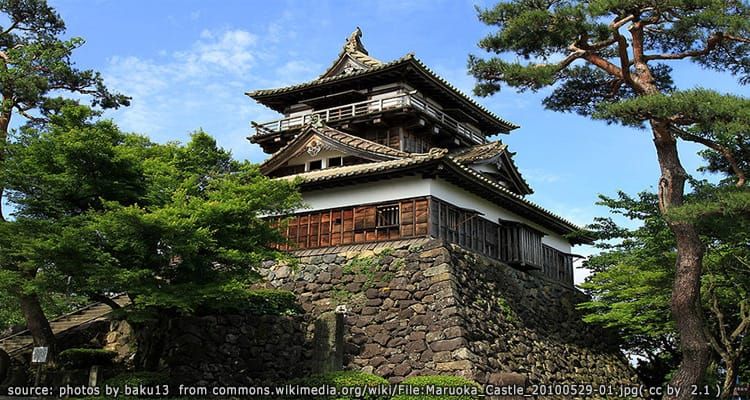
photos by baku13 from commons.wikimedia.org/wiki/File:Maruoka_Castle_20100529-01.jpg( cc by 2.1 )
Maruoka Castle (Maruoka-jo) is one of 12 original castles that survive in Japan today. It was built in 1576 by the daimyo Shibata Katsutoyo. The castle is also nicknamed Kasumi-ga-jo, or "Mist Castle," from a legend that a thick mist would rise to cover the castle whenever enemies invaded, hiding it from view. The castle itself was designed purely for warfare, so it has no decorative elements at all.

2. Fukui Dinosaur Museum
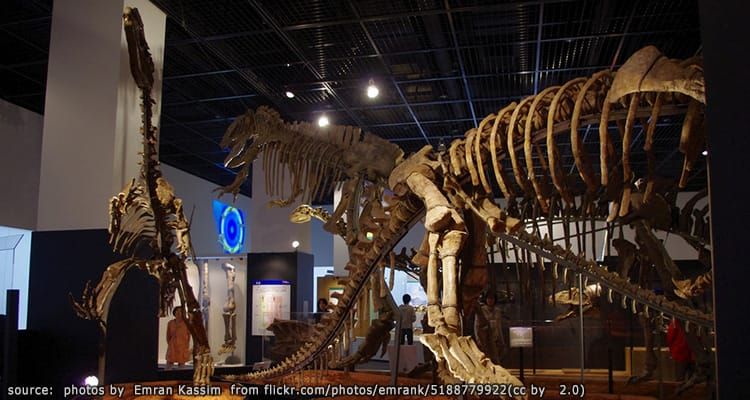
photos by Emran Kassim from flickr.com/photos/emrank/5188779922(cc by 2.0)
Fukui Dinosaur Museum is one of the world's best museums for dinosaur research and study. It stands in Katsuyama, Fukui Prefecture, Japan's leading centre for dinosaur research, and one of the country's richest fossil sites lies just a few kilometres away.
3. Eiheiji Temple
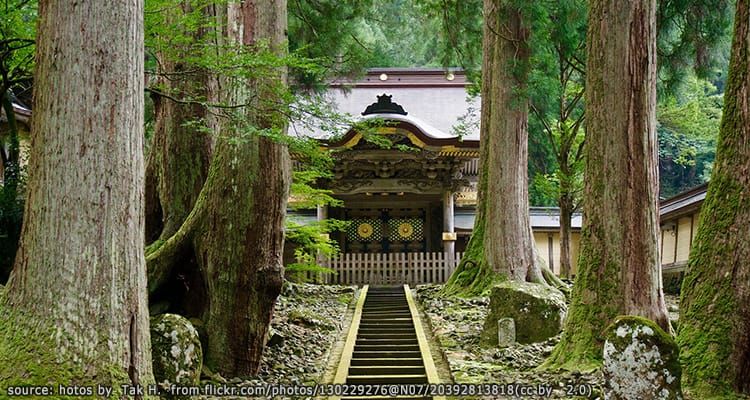
hotos by Tak H. from flickr.com/photos/130229276@N07/20392813818(cc by 2.0)
Eiheiji Temple is one of the main temples of the Soto Sect of Zen Buddhism. It was founded in 1244 by Dogen Zenji, a Buddhist scholar who introduced Soto Zen to Japan in 1227 after studying in China for many years.
4. Echizen Ono Castle
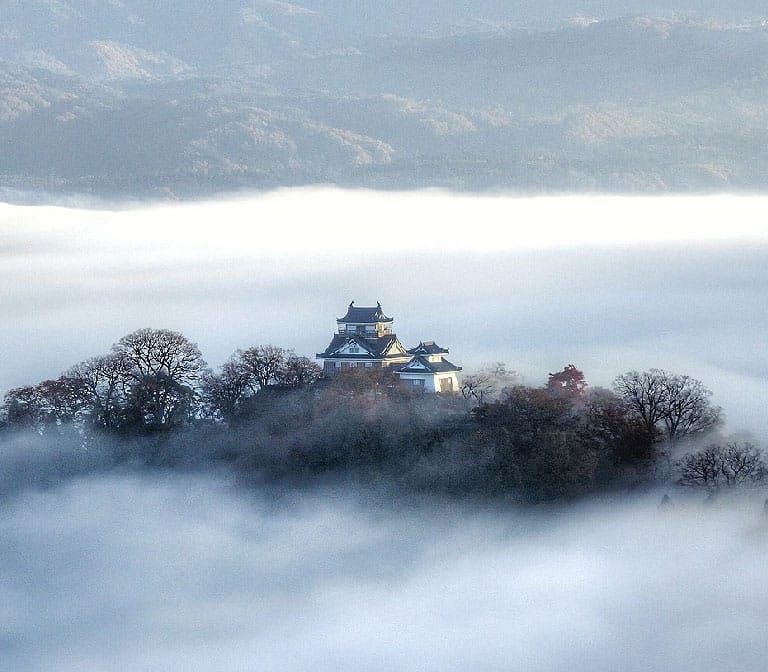
Photo from https://commons.wikimedia.org/wiki/File:Echizen_Ono_Castle.jpg
Echizen Ono Castle was built in the 16th century and is known as one of Japan's "castles in the sky," appearing to float above a sea of clouds on autumn mornings. It has a distinctive architecture, with a two-story keep surrounded by large stone ramparts.
At its peak, Echizen Ono Castle was one of the most influential fortresses in Japan, serving as the residence of several powerful lords. However, it was destroyed in the 19th century during the Meiji Restoration and remained in ruins for many years. Today the castle draws visitors from around the world, who come for its striking architecture and its place in history.
Access
Take the JR Kuzuryu Line (Etsumi-Hoku Line) from Fukui Station to Echizen-Ono Station (about 1 hour).
From Echizen-Ono Station, it is about a 40-minute walk to the castle (about 20 minutes to the trailhead, then about 20 minutes uphill), or you can take a taxi or local bus.
5. Katsuyama Dinosaur Forest Park
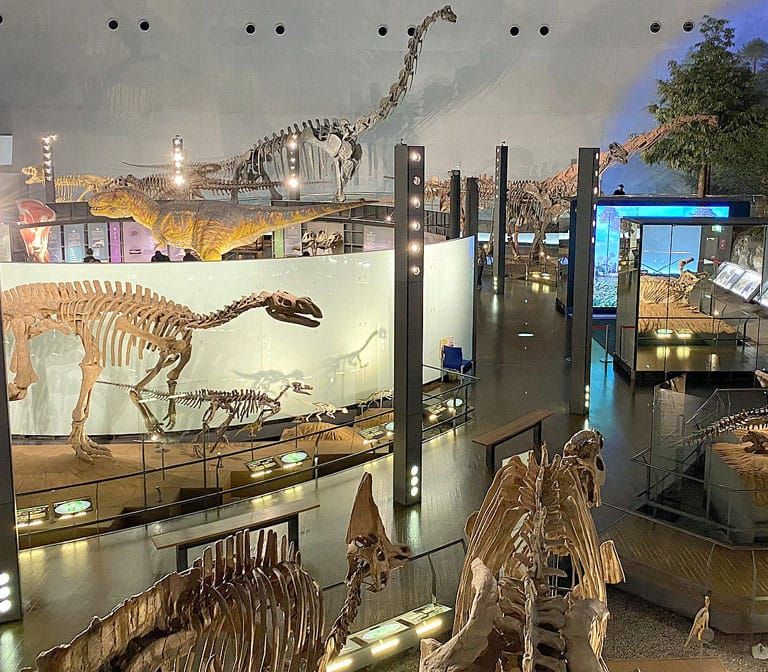
Photo from https://www.flickr.com/photos/10509090@N03/49634314543
Katsuyama Dinosaur Forest Park is a popular attraction. The park is known for well-preserved dinosaur fossils found in the surrounding area, believed to be about 120 million years old. It features a large outdoor display of life-size dinosaur models, including the Fukuiraptor, a dinosaur species discovered in the area and unique to Japan.
In addition to the dinosaur displays, the park has several indoor exhibits covering the history of life on Earth, including interactive displays and hands-on activities for visitors of all ages. Surrounded by beautiful natural scenery of forests and hills, the park is a great destination for nature lovers and families.
Access
Take the Echizen Railway Main Line from Fukui Station to Katsuyama Station (about 1 hour).
From Katsuyama Station, the park is about a 15-minute taxi or bus ride away, or about a 30-minute walk.
6. Dinosaur Station at Fukui Station
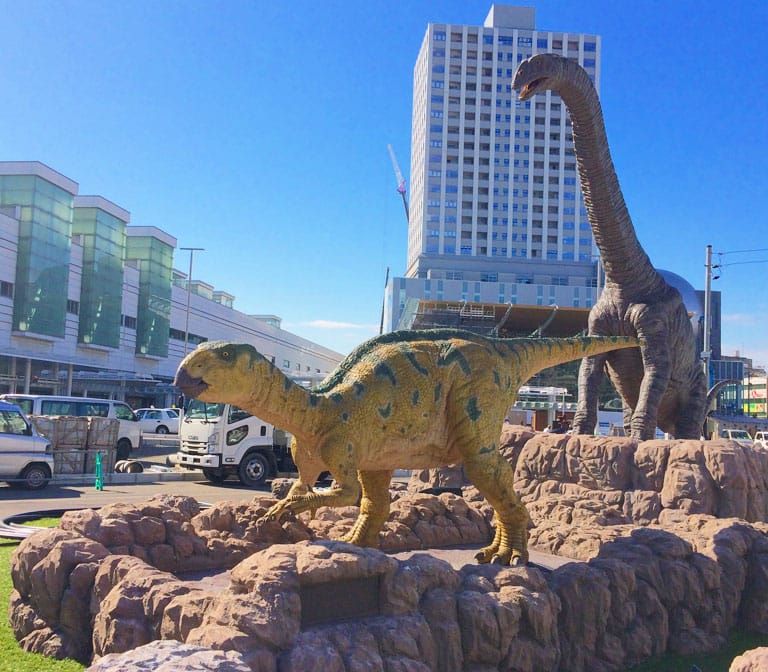
Photo from https://www.flickr.com/photos/heididorf/22174879221/in/photostream/
Dinosaur Station at Fukui Station features dinosaur models that make it a unique and popular attraction. Operated by West Japan Railway Company, the station is known for its life-size dinosaur models displayed inside the station building and the surrounding area. The models, which include species such as Fukuiraptor, Fukuisaurus, and Fukuititan, are based on fossils discovered in the area around Fukui.
In addition to the dinosaur models, there are museums and interactive exhibits where visitors can learn about the history of dinosaurs and the evolution of life on Earth. The station also has several restaurants and shops offering a variety of food and souvenirs for visitors to enjoy.
Access
Take the train to Fukui Station; the dinosaur displays are inside the station building and in the area around it.
7. Yokokan Garden
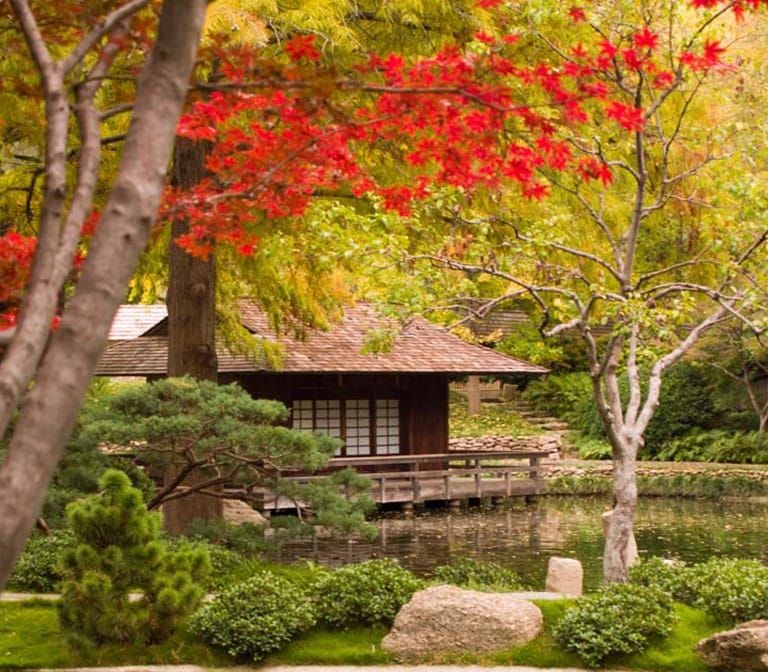
Photo from https://www.flickr.com/photos/starrise/382468934
Yokokan Garden is a traditional Japanese garden. It was originally built in the mid-17th century as a residence for feudal lords and was later converted into a public park during the Meiji era. Today, the garden is a popular destination for visitors who want to experience the beauty and tranquility of a traditional Japanese garden.
The garden features diverse landscaping, including a large pond, a traditional tea house, stone bridges, and meticulously maintained plantings of trees and flowers. Visitors can also see many historic buildings and structures within the garden, such as a great hall, a tea ceremony room, and a traditional Japanese guest house.
Access
Take the train to Fukui Station, then walk about 15 minutes to the garden.
8. Asuwayama Park
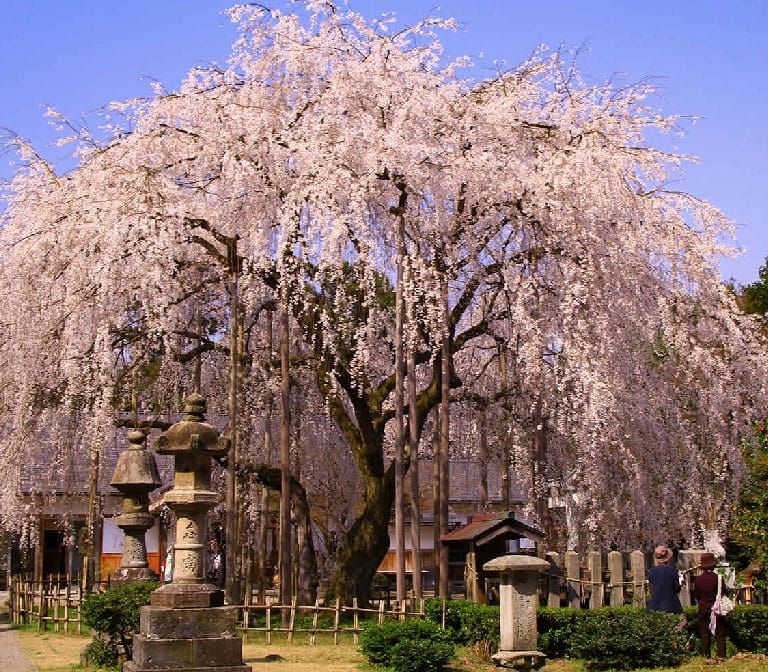
Photo from https://enjoy.pref.fukui.lg.jp/en/spot/spot-129/
Asuwayama Park is a beautiful public park. It is known for its stunning views of the surrounding mountains and valleys, and is a popular destination for outdoor enthusiasts and nature lovers.
The park has hiking trails, picnic areas, and several scenic viewpoints, and is home to a variety of plants and animals, including cherry trees, bamboo forests, and native wildlife. Visitors can also explore the historic Asuwayama Shrine, located within the park and dedicated to Emperor Keitai.
Access
Take the train to Fukui Station, then take the Fukui Railway tram to Asuwayama-koen-guchi Station and walk about 25 minutes (2.1 km) to the amusement area of the park.
9. Kitanosho Castle Park
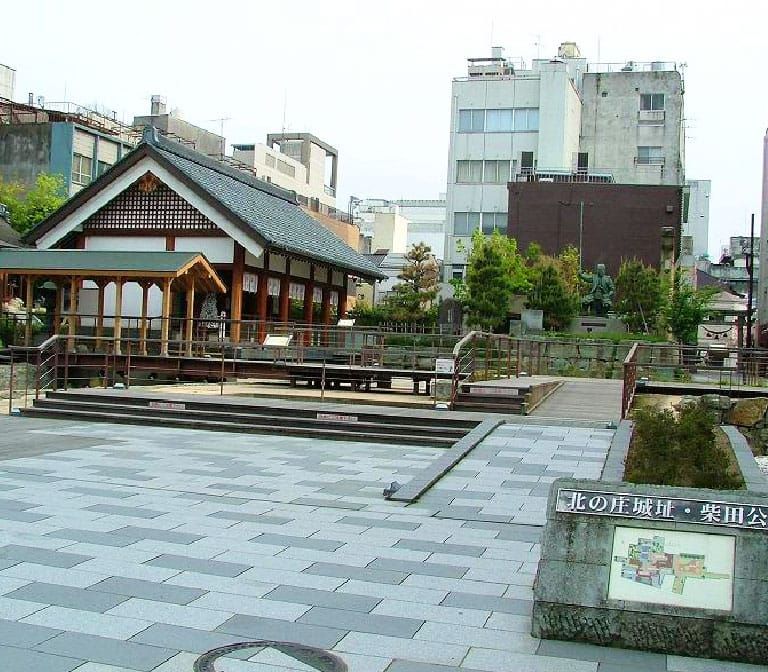
Photo from https://castle.jpn.org/en/echizen/kitanoshou/1.html
Kitanosho Castle Park is home to the ruins of the former Kitanosho Castle, built in the 16th century, which was one of the most important castles in the region during the feudal era.
The castle was known for its strategic position and role as a center of politics and culture, and was the site of several battles throughout history. Today, visitors to Kitanosho Castle Park can explore the ruins and learn about its long history and cultural significance.
Beyond its historical significance, Kitanosho Castle Park is also known for its beautiful natural surroundings, including forests, rivers, and scenic mountain views. Visitors can enjoy walking and hiking in the park, as well as picnicking and taking in the area's natural beauty.
Access
Take the train to Fukui Station. Kitanosho Castle is about a 5-10 minute walk south of Fukui Station on Jonohashi-dori, across from Hotel Sonosada.
10. Ichijodani Restored Townscape
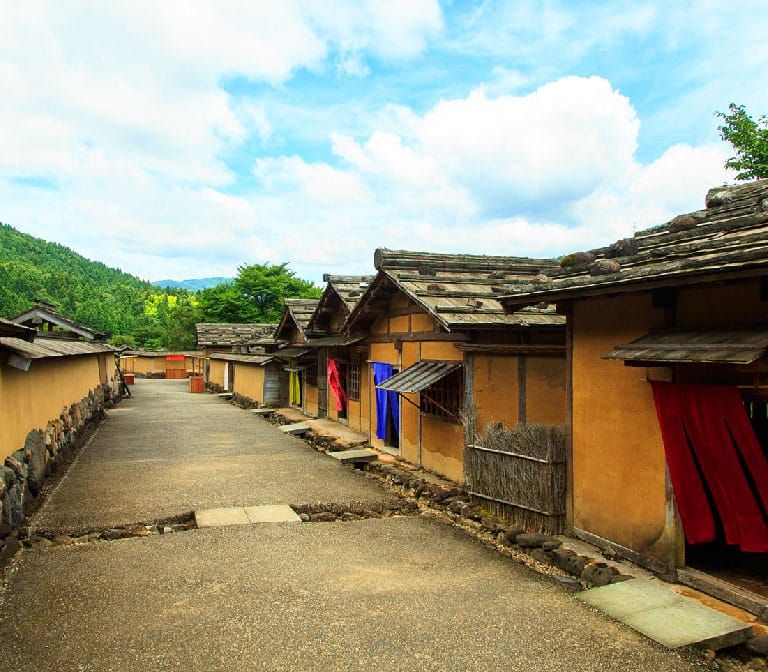
Photo from https://enjoy.pref.fukui.lg.jp/en/spot/spot-12/
Ichijodani Restored Townscape is a historic site located in Fukui City, Fukui Prefecture. It was once a thriving castle town in the late 15th and early 16th centuries, and has now been restored to show what traditional life was like at that time.
The town was reconstructed based on historical records and ongoing archaeological findings. Visitors can now see the well-preserved castle, streets lined with traditional houses, a tea house, and many other buildings. An on-site museum explains the history of the town and its residents.
Ichijodani is also known for its beautiful cherry trees, which bloom in spring and attract many visitors.
Access
By train: from Fukui Station, take the JR Etsumi-Hoku Line (Kuzuryu Line) to Ichijodani Station (about 15 minutes). The Ichijodani Asakura Clan Ruins Museum is a 3-minute walk from the station. The restored town is about 2.5 km from the station.
By bus: from Fukui Station West Exit (bus stop No. 5), take Keifuku Bus Route 62 (Ichijodani-Togo Line) and get off at the Fukugen Machinami (Restored Town) stop (about 25 minutes).
11. Ichijodani Asakura Clan Ruins
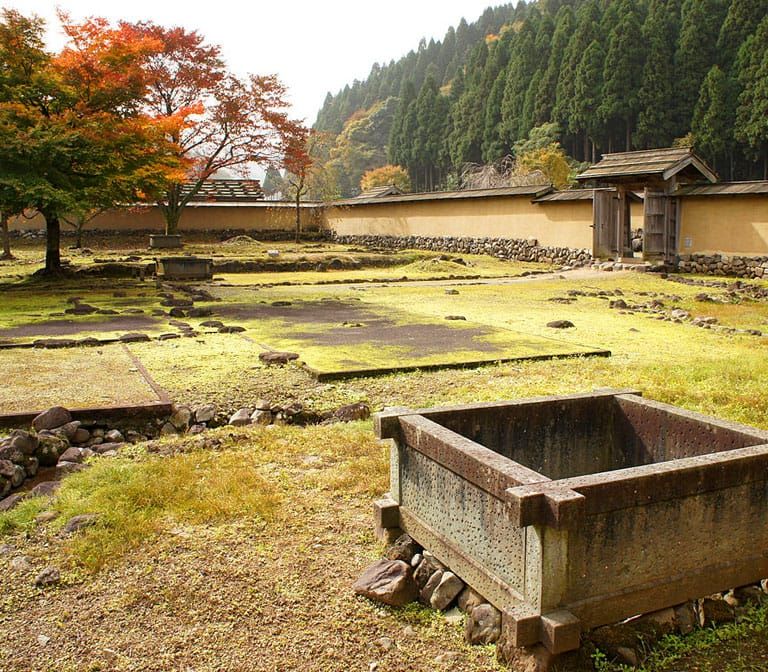
Photo from https://commons.wikimedia.org/wiki/File:Fukugen-madhinami_of_Ichijodani_Asakura_Family_Historic_Ruins03s3s4592.jpg
Ichijodani Asakura Clan Ruins are the remains of a once-thriving castle town that served as the seat of power for the Asakura clan in the late 15th and early 16th centuries.
The site includes the ruins of the castle, as well as the remains of traditional houses and other structures. Excavations have uncovered many artifacts and revealed a great deal about the castle town and its residents, offering a unique glimpse into daily life in a medieval Japanese castle town.
Visitors to the Ichijodani Asakura Clan Ruins can see the remains of the castle's stone walls and moats, as well as the foundations of houses and other buildings. An on-site museum displays some of the artifacts uncovered during excavations, including pottery, weapons, and other items.
Access
By train: from Fukui Station, take the JR Etsumi-Hoku Line (Kuzuryu Line) to Ichijodani Station (about 15 minutes). The Ichijodani Asakura Clan Ruins Museum is a 3-minute walk from the station. The restored town is about 2.5 km from the station.
By bus: from Fukui Station West Exit (bus stop No. 5), take Keifuku Bus Route 62 (Ichijodani-Togo Line) and get off at the Fukugen Machinami (Restored Town) stop (about 25 minutes).