


Hiroshima is a city located in the Chugoku region on the island of Honshu, Japan. It holds great historical and cultural significance, especially from World War II. Hiroshima was one of two cities hit by an atomic bomb, an event that changed world history and turned Hiroshima into a symbol of peace. Although the city suffered heavy damage after the war, it recovered quickly and became a vibrant city once again. Today, it plays an important role in both the economy and culture, and it is home to many famous attractions, including the following.
[ez-toc]
1. Itsukushima Shrine
FrentaN/shutterstock.com
f11photo/shutterstock.com
BlackRabbit3/shutterstock.com
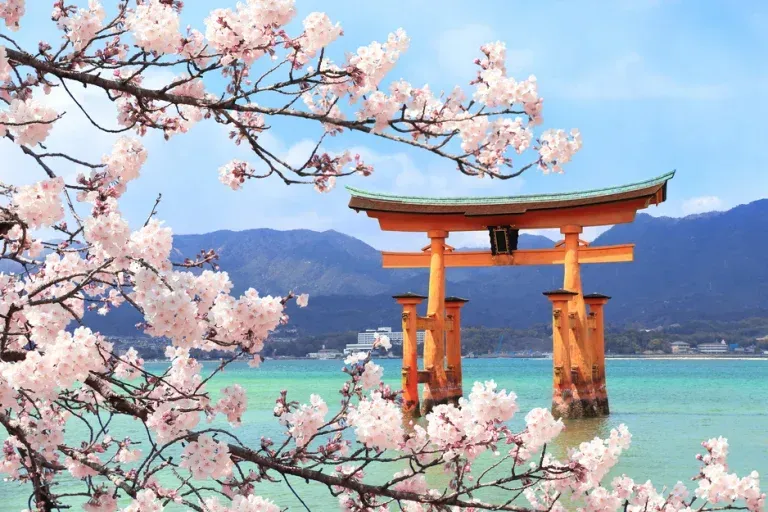
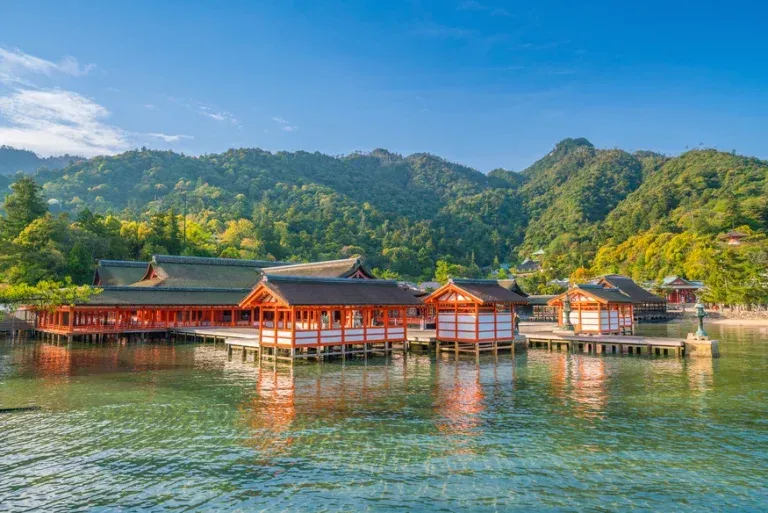
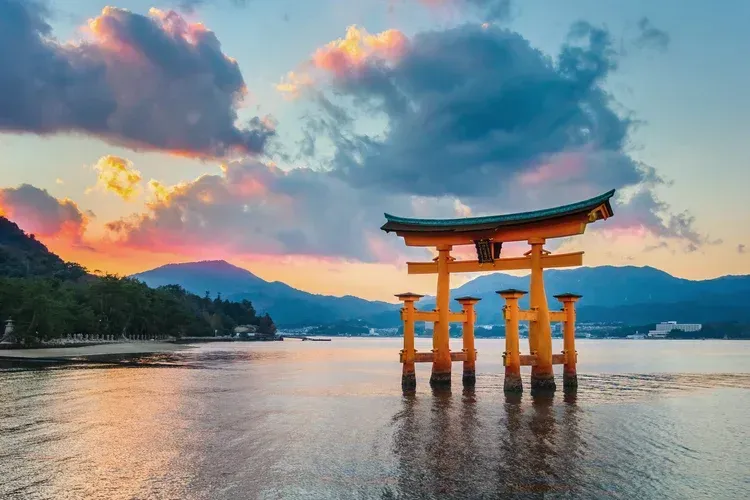
Itsukushima Shrine is located on Miyajima Island. It is a Shinto shrine first established in 593 CE. The shrine is one of Japan's most famous attractions, known for its beautiful architecture and natural scenery. Itsukushima Shrine is also a symbol of Miyajima, and it has been designated a UNESCO World Heritage Site. Its design is unique, built on wooden pillars extending into the sea, so at high tide the shrine appears to float on the water. The shrine is also home to a large red torii gate, originally built in 1168 and rebuilt in its current form in 1875, standing in the sea. It is the shrine's most iconic feature and is considered one of the Three Views of Japan. The pillars are made of camphor wood, stand about 16 meters tall, and are supported by four smaller pillars at the base. At high tide, the pillars appear to float in the middle of the sea.
- Access: Take a ferry from Miyajimaguchi Port (about 10 minutes). Once on the island, visitors can walk to the various sights or use the local bus service.
- Coordinates: https://goo.gl/maps/1qcSwv3X9gnh1pMS9

2. Mount Misen
Shawn.ccf/shutterstock.com
jayaibe/shutterstock.com
PaulWong/shutterstock.com
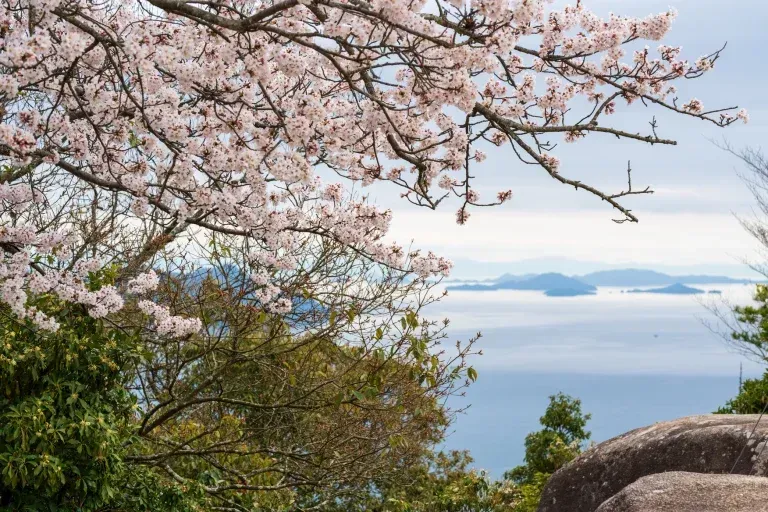
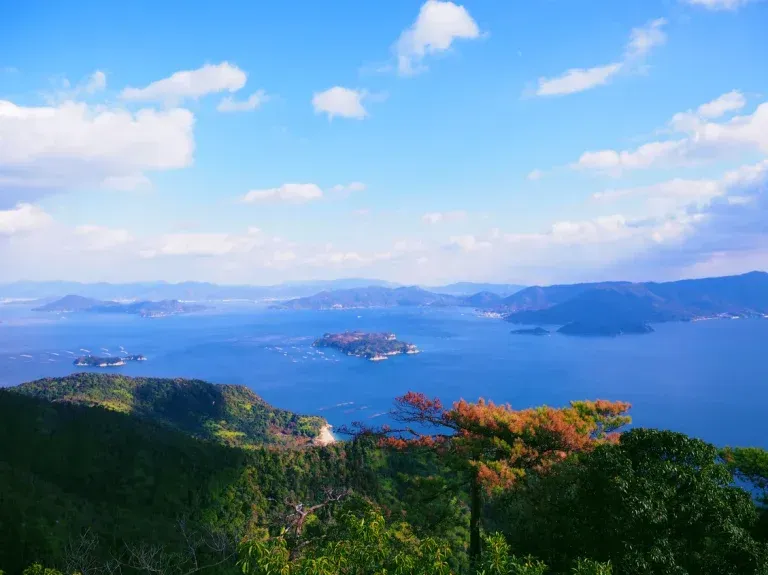
Mount Misen is another interesting destination for travelers visiting Miyajima, in addition to Itsukushima Shrine, since the two sites are located close together. It is especially popular with visitors who enjoy hiking and nature. The mountain rises about 500 meters above sea level, and on a clear day, the summit offers a stunning view of the Seto Inland Sea, nearby islands, and the city of Hiroshima. Besides the scenery, the mountain holds religious significance and is considered sacred in both Shinto and Buddhism. It is believed to have been a place of practice for Kobo Daishi, the founder of Shingon Buddhism. The mountain is also home to Daisho-in Temple, a Buddhist temple with a long history. The mountain's natural beauty changes with the seasons: in spring, visitors can enjoy cherry blossoms, while in autumn the maple leaves turn vivid colors across the mountainside.
- Access: From Miyajima, there are several routes up the mountain, including hiking trails or the Miyajima Ropeway to Shishiiwa Station, followed by a further 30-minute walk.
- Coordinates: https://maps.app.goo.gl/YaCJh2796xta97WTA
3. Miyajima Island
Sean Pavone/shutterstock.com
BlackRabbit3/shutterstock.com
cowardlion/shutterstock.com
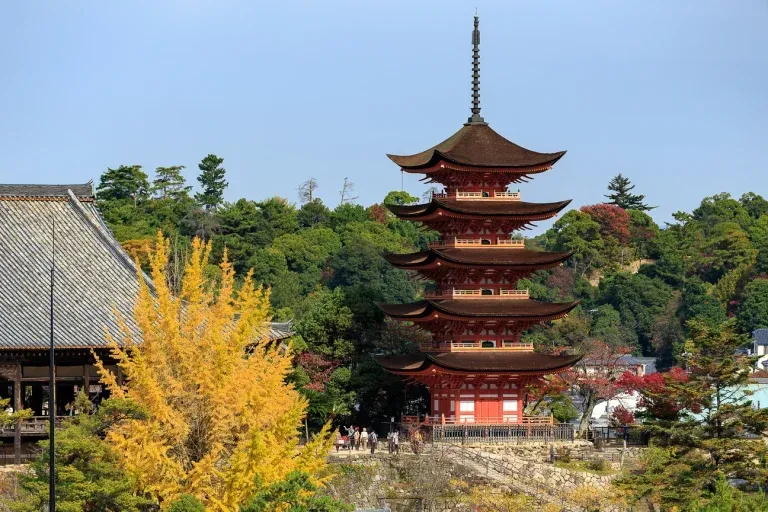
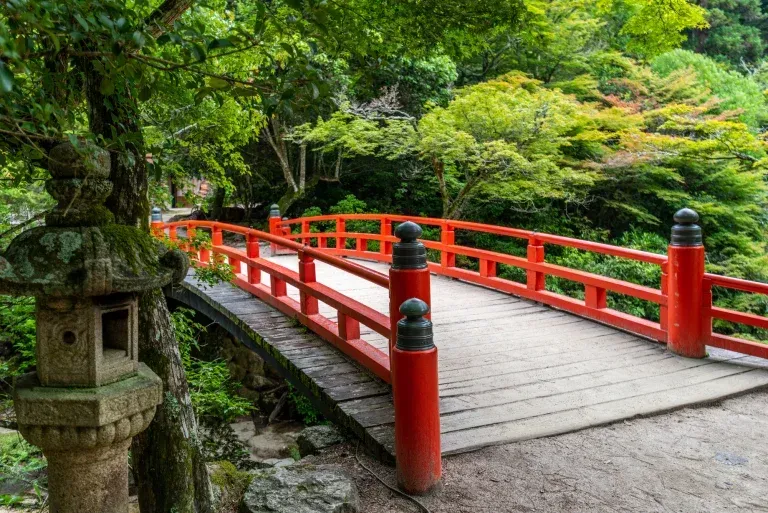
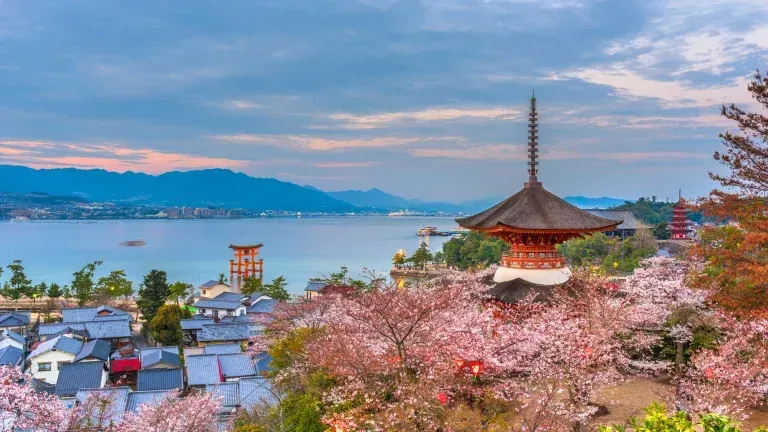
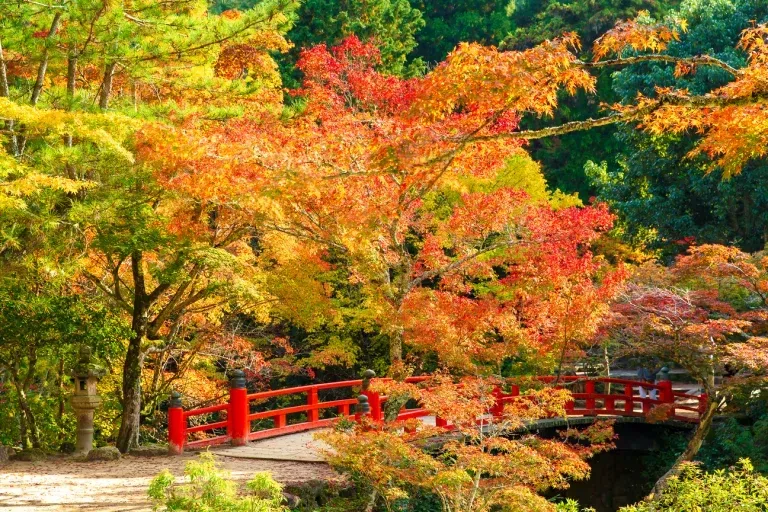
Miyajima, also known as Itsukushima Island, is located in the western part of Hiroshima Prefecture. This small island is well known for its rich culture and beautiful nature. In addition to the red torii gate, Itsukushima Shrine, and Mount Misen mentioned above, the island has several other interesting attractions, such as an aquarium home to both saltwater and freshwater creatures, with shows featuring sea lions, otter families, and finless porpoises; Hokoku Shrine and its five-story pagoda; and Momijidani Park, another beautiful spot for viewing autumn leaves in Japan. The island also has interesting culture and traditions, such as the Miyajima Water Fireworks Festival and the Miyajima Oyster Festival.
- Access: Take the Sanyo Line from Hiroshima Station to Miyajimaguchi Station, then walk to the JR Miyajima Ferry terminal and take the ferry to the Miyajima Matsudai-kisen Ferry terminal.
- Coordinates: https://maps.app.goo.gl/V7vEXtK3Jmimjvjn7
4. Hiroshima Peace Memorial
f11photo/shutterstock.com
Sean Pavone/shutterstock.com
ItzaVU/shutterstock.com
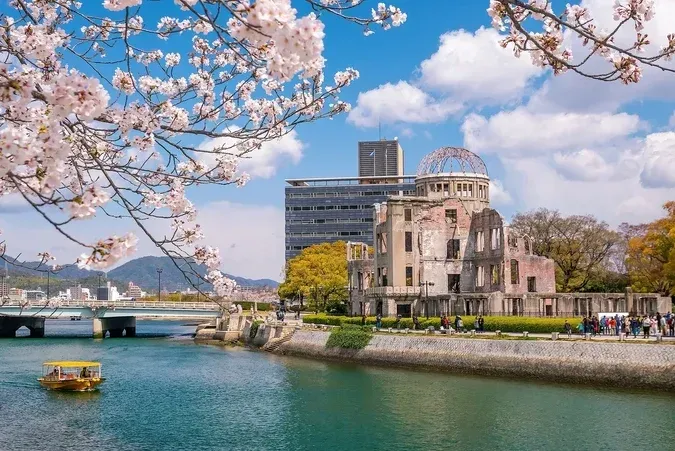
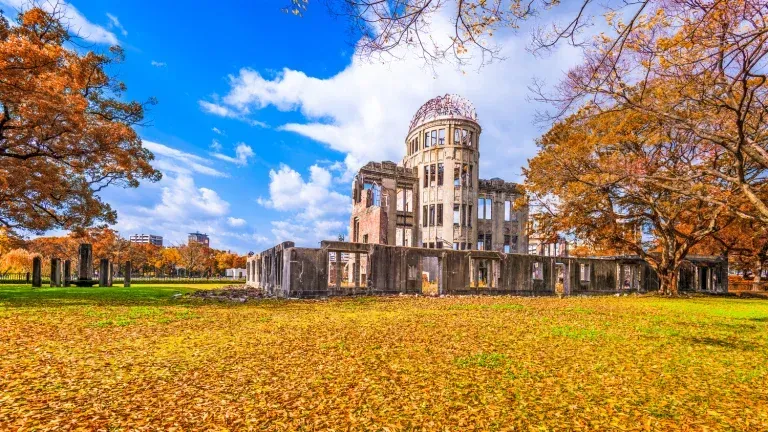
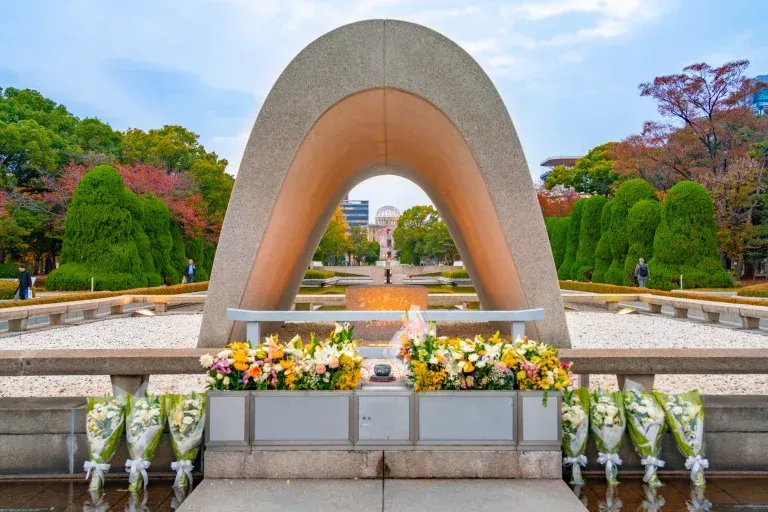
Hiroshima Peace Memorial, also known as the Atomic Bomb Dome, is located in Hiroshima Peace Memorial Park, by the river and not far from the Hiroshima Peace Memorial Museum. The dome was built to commemorate the events of August 6, 1945, when the United States dropped an atomic bomb on Hiroshima, an event that caused massive destruction and claimed many lives. The building was originally used to host exhibitions of Hiroshima's products. On the day the bomb was dropped, the building stood close to the hypocenter, so most of its structure was destroyed, but the dome itself remained standing as important evidence of the devastation. After World War II, the remains of the dome became a reminder of the horrors of war and the importance of peace. In 1996, UNESCO designated the Atomic Bomb Dome a World Heritage Site so that future generations would understand the cruelty of war and the importance of building lasting peace. Inside the park are several monuments and structures, including the Children's Peace Monument, built from paper cranes donated by children around the world.
- Access: Take Hiroshima Electric Railway tram line 2 or 6 from Hiroshima Station to Genbaku Dome-mae Station, then walk about 1 minute.
- Coordinates: https://maps.app.goo.gl/NQDcRqRYEwm9BQg2A
5. Hiroshima Peace Memorial Museum
f11photo/shutterstock.com
Jesse33/shutterstock.com

Iryna Makukha/shutterstock.com
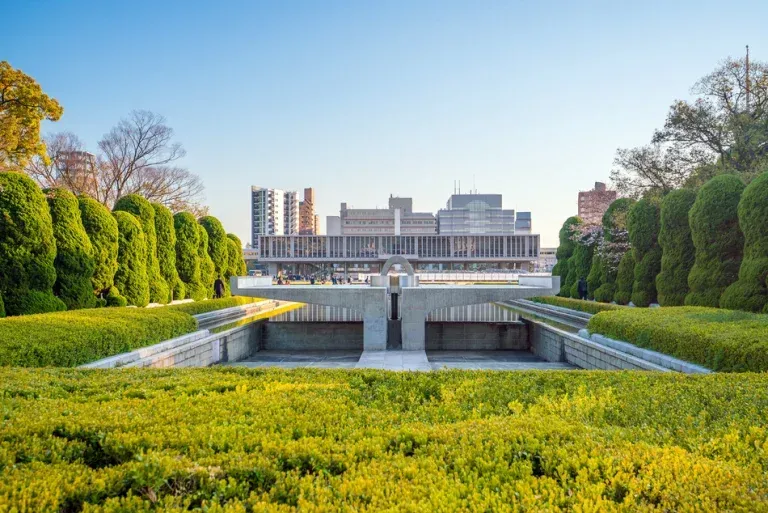
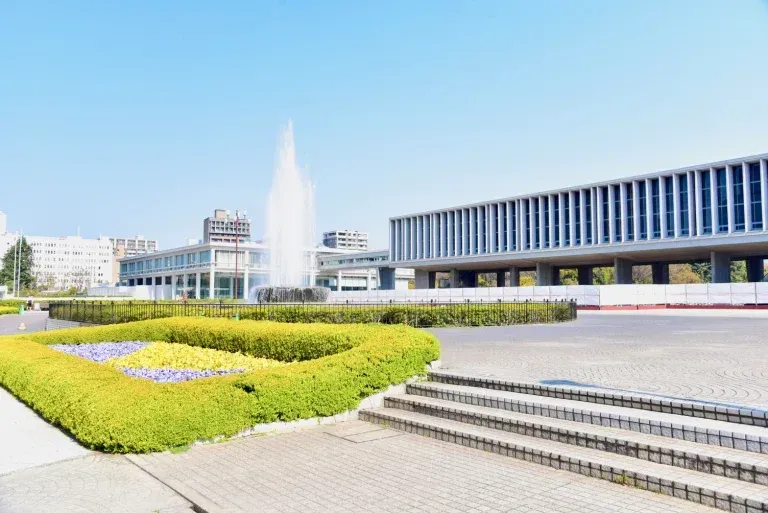
Hiroshima Peace Memorial Museum is also located in Hiroshima Peace Memorial Park, on the opposite side of the river from the Atomic Bomb Dome, within walking distance of it. The museum was established in 1955, just 10 years after the atomic bombing. It displays artifacts and photographs depicting the damage caused, along with the accounts of survivors describing the suffering they endured. The museum was built to remind the world never to forget the disaster and to promote lasting peace. It is divided into several zones: a history zone telling the story of Hiroshima before and after the bombing; a survivors' stories zone presenting personal accounts of the suffering and loss survivors experienced; a zone on the impact and damage, including the spread of radiation and its effects on survivors' health; and a peace-building zone presenting ideas and initiatives aimed at building peace and preventing the future use of nuclear weapons. The museum is not only a memorial to the victims but also a place that promotes learning and inspires the pursuit of lasting peace.
- Access: Take tram line 2 or 6 from Hiroshima Station to Genbaku Dome-mae Station (about 15 minutes).
- Coordinates: https://maps.app.goo.gl/SCH7aQZeebRADVTj8
6. Hiroshima Castle
Note: The main keep of Hiroshima Castle closed in March 2026 for safety reasons. You can still see the keep from outside, and the Ninomaru restored buildings are still open.
KoreaKHW/shutterstock.com
lkunl/shutterstock.com
Suraseth Daramas/shutterstock.com
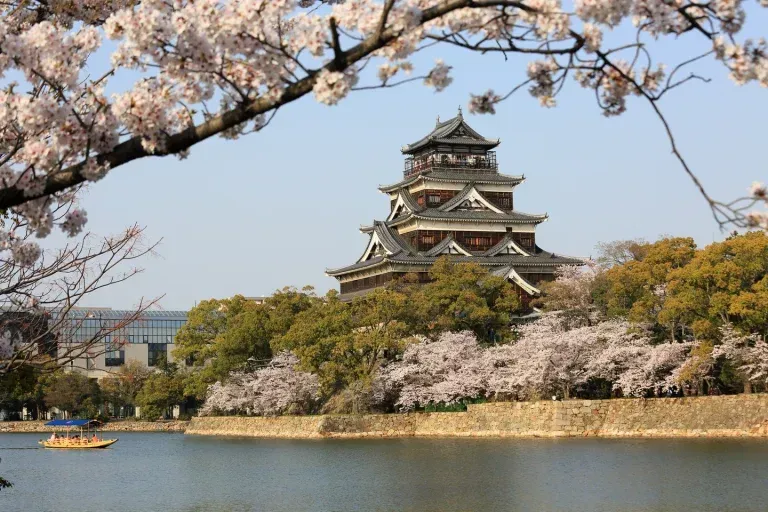
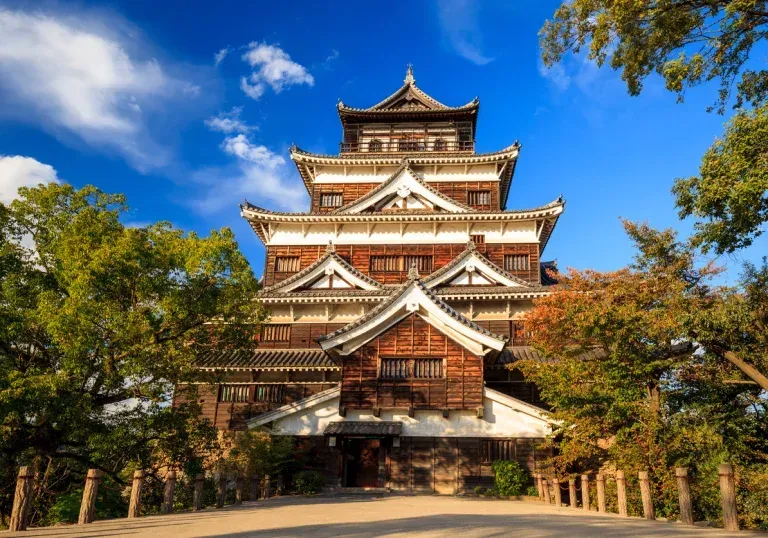
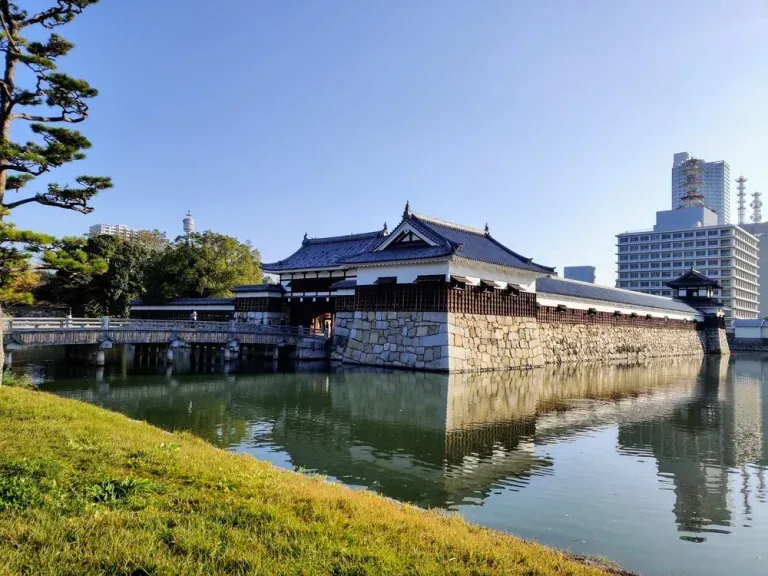
Hiroshima Castle stands as a symbol of past prosperity and the resilience of the Japanese people, having been rebuilt after being destroyed by the atomic bomb in 1945. The castle was originally built in 1589 by Mori Terumoto, a powerful feudal lord of the time. During the Edo period it served as the residence of the provincial rulers and as an important center of government and military affairs. The castle has a complex structure, with a main tower (tenshu) rising five stories, surrounded by a moat and stone walls. Its architecture follows the traditional Japanese style and is elegant and finely detailed. Today, the castle houses a museum presenting the history of the castle and the city of Hiroshima, displaying artifacts, photographs related to the castle, and other significant events. Inside, visitors can learn about the lifestyle and culture of the Japanese people in the past. Nearby is Shukkeien, a beautiful Japanese-style garden with elegant landscaping.
- Access: From Kamiyacho-nishi Tram Station, it's about a 10-minute walk to the castle.
- Coordinates: https://maps.app.goo.gl/n773VHxY6rexJTMQ9
7. Shukkeien Garden
Nero LEE/shutterstock.com
Tanya Jones/shutterstock.com
Alec Gibson/shutterstock.com
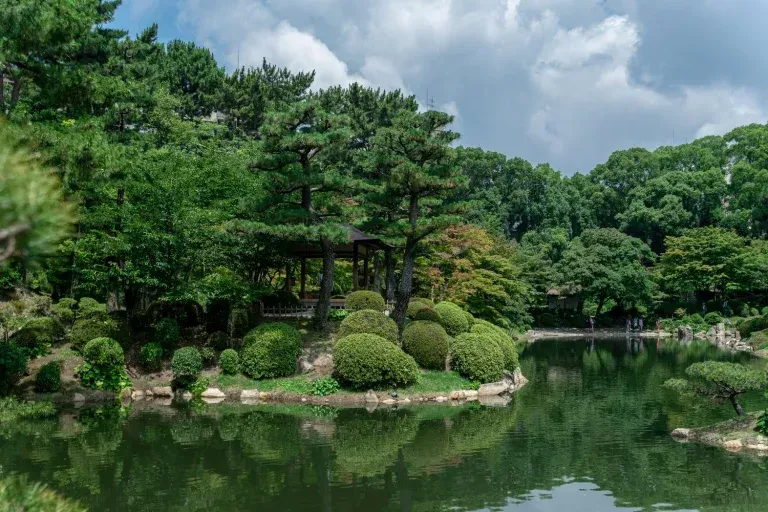
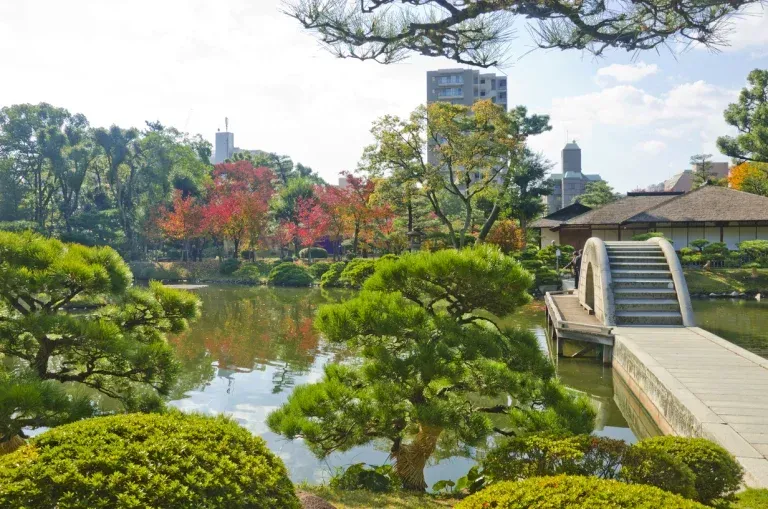
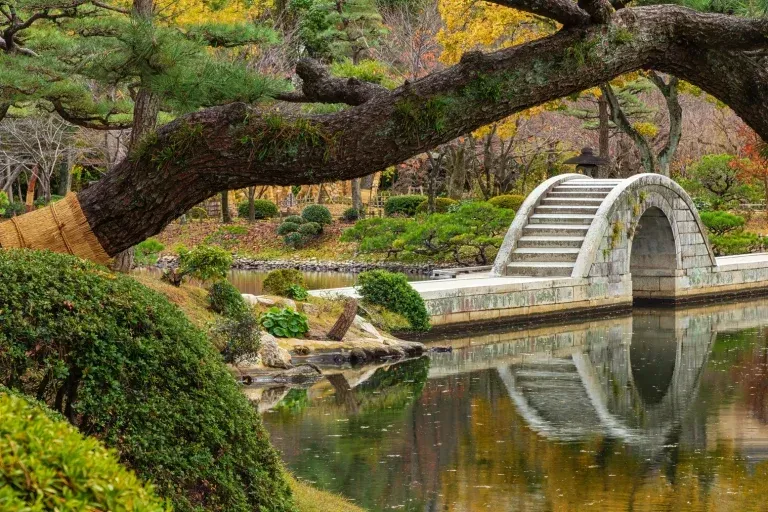
Shukkeien Garden was built in 1620 by Asano Nagaakira, a feudal lord of Hiroshima during the Edo period. The garden was designed with a variety of natural landscapes, including ponds, bridges, small islands, and hills, all arranged artistically. Each season brings different natural beauty: in spring, the garden is filled with blooming cherry blossoms; in summer, it turns lush green; in autumn, the maple leaves turn vivid red; and in winter, the garden has a peaceful atmosphere and is covered in white snow. Besides walking through the garden and enjoying the natural scenery, visitors can also take part in interesting activities, especially a traditional Japanese tea ceremony held in the garden's teahouse, giving visitors a taste of traditional Japanese culture.
- Access: About a 15-minute walk from Hiroshima Station.
- Coordinates: https://maps.app.goo.gl/akJC6zGd2kwpn7Zz7
8. Yamato Museum
beeboys/shutterstock.com
beeboys/shutterstock.com
beeboys/shutterstock.com
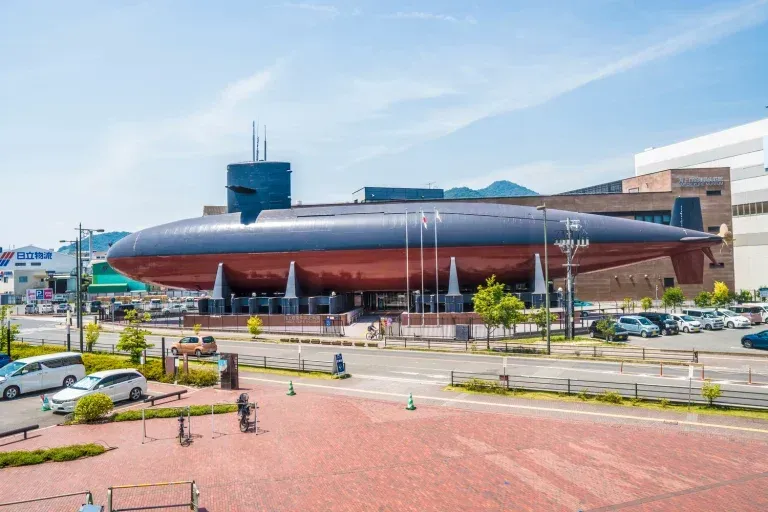
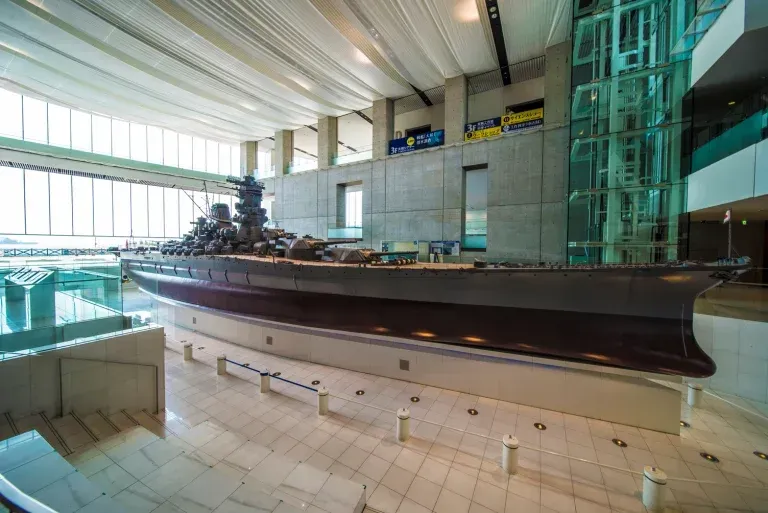
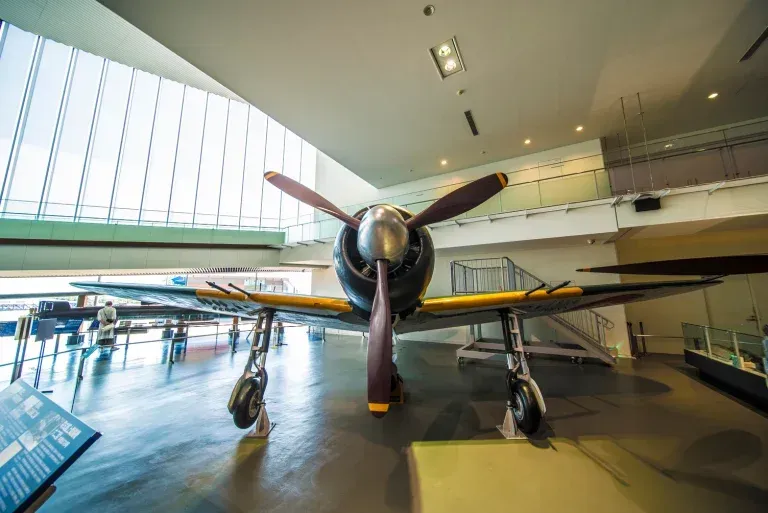
Yamato Museum is located in the city of Kure. It was built to tell the story of the battleship Yamato, one of the largest and most powerful warships ever built in the history of the Japanese navy. The museum showcases not only its military significance but also Japan's shipbuilding history and technology. The Yamato Museum opened on April 23, 2005, under the official name Kure Maritime Museum. Its popular name honors the battleship Yamato, which was built in Kure during World War II. The museum features a variety of interesting exhibits, most notably a 1:10 scale model of the battleship Yamato, which is the highlight of the museum. It also displays artifacts and photographs related to the Yamato and other warships built in Kure.
- Access: About a 5-minute walk from JR Kure Station.
- Coordinates: https://maps.app.goo.gl/8NudhJdLqxWt8sFe8
9. Mitaki-dera Temple
Goldilock Project/shutterstock.com
Goldilock Project/shutterstock.com
fafo/shutterstock.com
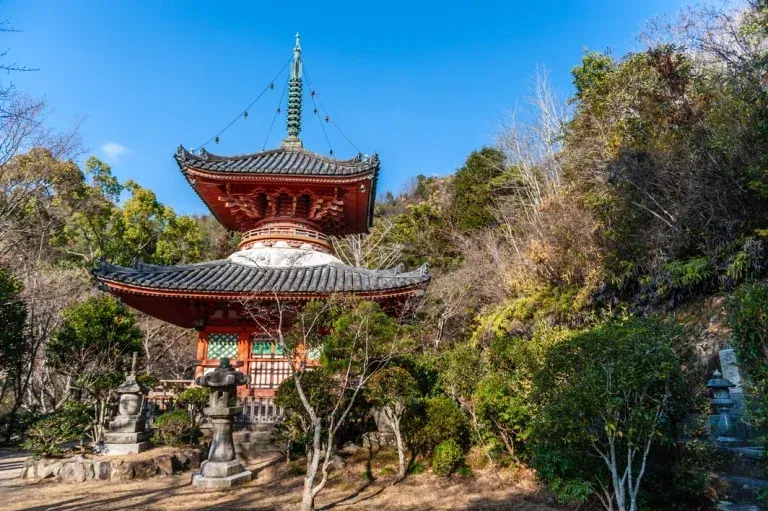
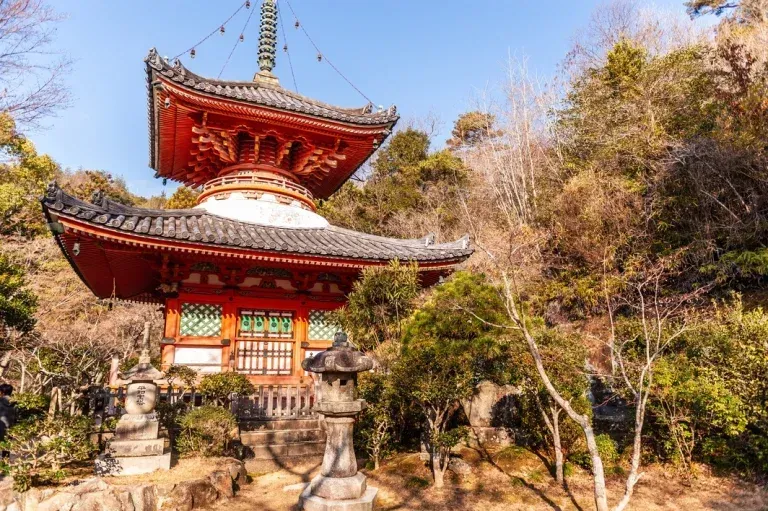
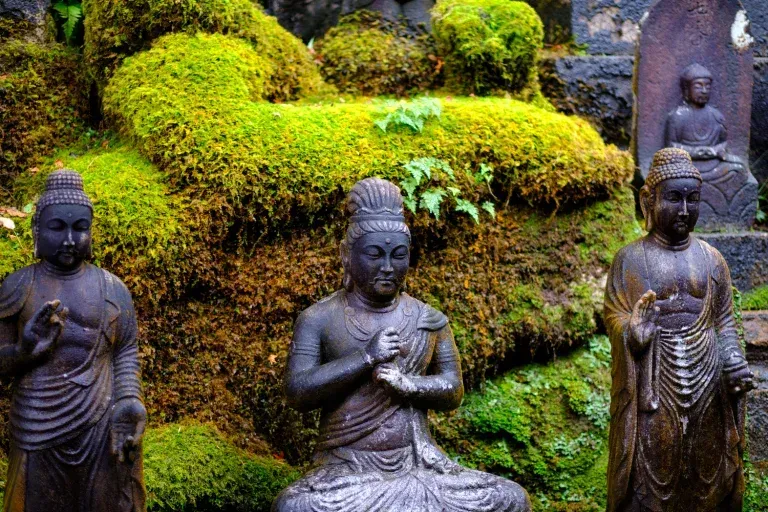
Mitaki-dera Temple was founded in 809 CE, and its name comes from the three waterfalls located within the temple grounds. The temple has been restored and maintained over many centuries and is an important historical and cultural site. Inside the temple are many attractions of interest, such as the Tahoto Pagoda, a striking two-story red pagoda built in 1526 and registered as an important cultural property of the prefecture and enshrining a wooden statue of Amitabha Buddha in meditation that is designated an important national cultural property; the three Mitaki Falls, which flow through the temple grounds and create a cool, quiet, shaded atmosphere; numerous stone Buddha statues and other religious statues throughout the temple; and shrines and halls built in traditional Japanese architectural style.
- Access: Take a local train bound for Aki-Kameyama, get off at Mitaki Station, then walk about 10-15 minutes.
- Coordinates: https://maps.app.goo.gl/5dZGdrfQoQVtUWtu8
10. Okonomimura
YingHui Liu/shutterstock.com
Jesse33/shutterstock.com
Vassamon Anansukkasem/shutterstock.com
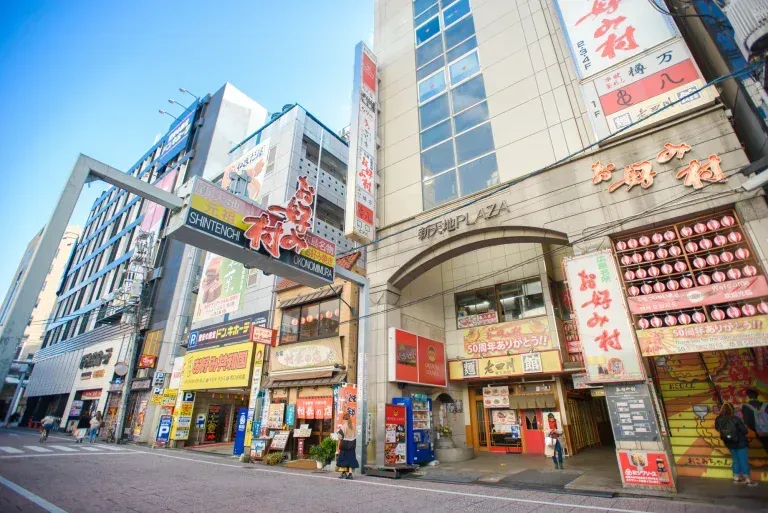
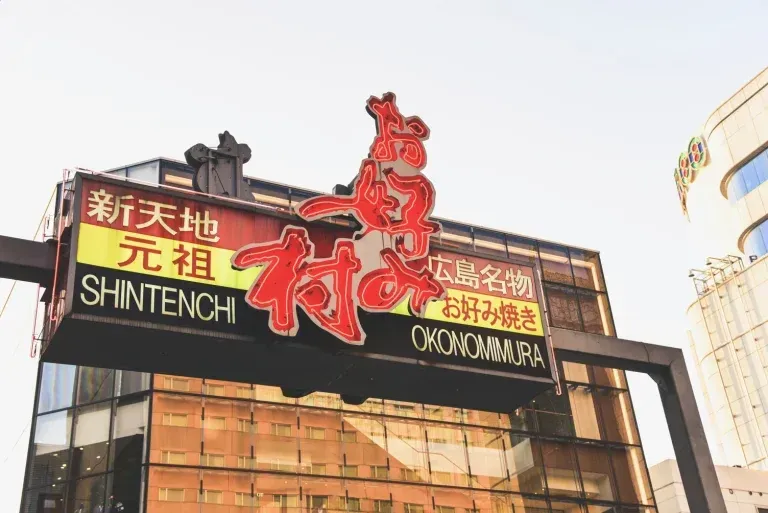
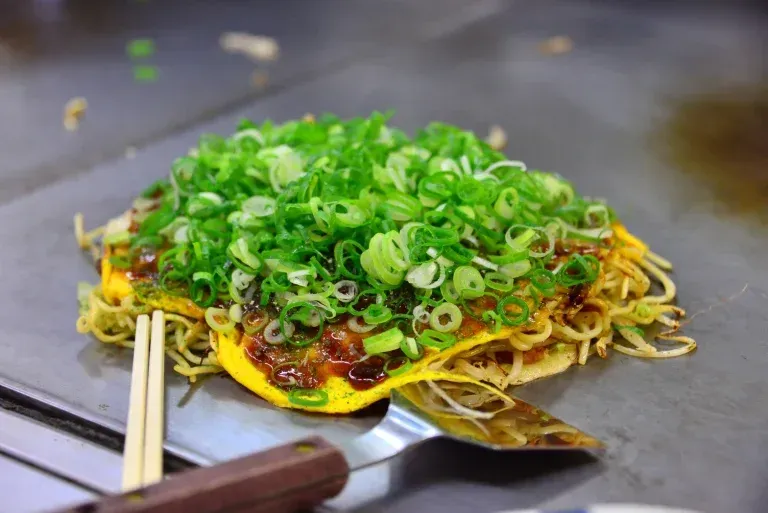
Okonomimura is a building that brings together many well-known local okonomiyaki restaurants under one roof. Here you'll find a wide variety of okonomiyaki shops, from small, family-run stalls to lively, bustling restaurants. Visitors can sample different styles of okonomiyaki and watch it being cooked on a flat iron griddle (teppan) by skilled chefs. Okonomiyaki is a beloved Japanese dish known around the world, often called a "Japanese pizza" or "Japanese pancake," though it actually has its own unique taste and texture. It is made from wheat flour, water, and various ingredients such as cabbage, pork, beef, seafood, or cheese, which can be adjusted to suit personal taste. Over the years, Okonomimura has grown into a popular attraction and a symbol of Hiroshima's food culture. Visitors can explore many restaurants across the building's four floors, each with its own unique style and flavor.
- Access: Take the Hiroshima Electric Railway from Hiroshima Station to Hacchobori Station, then walk about 3-5 minutes.
- Coordinates: https://maps.app.goo.gl/wv1qWfNtvtALspCG9
11. Sandankyo Gorge
mTaira/shutterstock.com
umaruchan4678/shutterstock.com
BlackRabbit3/shutterstock.com
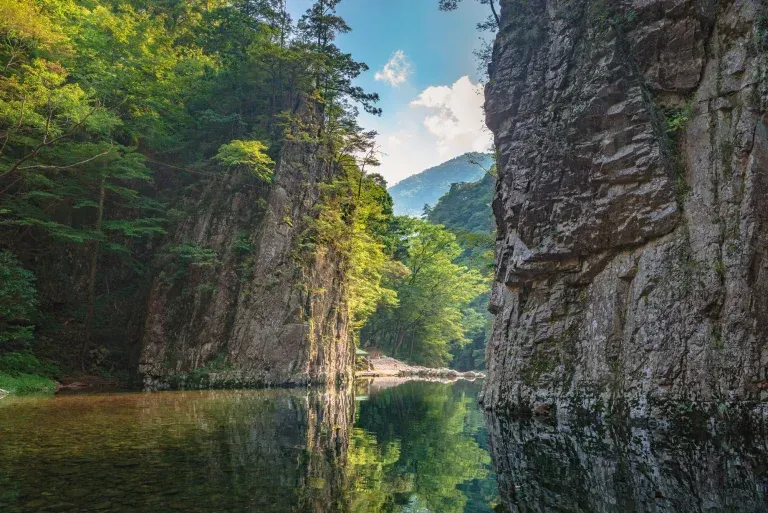
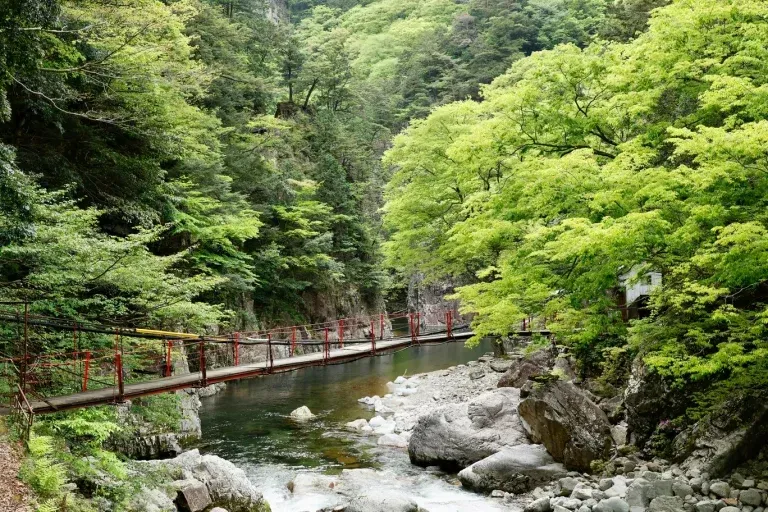
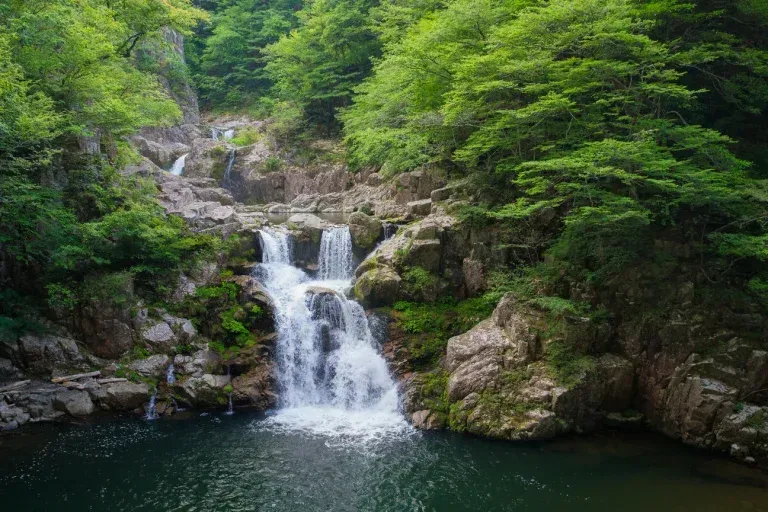
Sandankyo Gorge is one of the beautiful natural attractions popular among travelers who love nature and adventure. Sandankyo is a large gorge with a river running through it and beautiful waterfalls, surrounded by stunning scenery of forested mountains and cliffs. The gorge was discovered and became known in the early 20th century, and has since been preserved and developed into a tourist destination. The name "Sandankyo" means "three-tiered gorge," referring to the shape of the waterfalls that flow through it. Besides enjoying the scenery, visitors can take part in several interesting activities, such as hiking through the beautiful natural surroundings, visiting the three-tiered Sandan Falls, viewing the crystal-clear emerald green Kurobuchi Pool surrounded by picture-perfect scenery, and taking a boat ride along the river through the narrow gorge for a close-up experience of nature.
- Access: From Hiroshima Bus Center, take the Sandankyo bus line to Sandankyo Gorge Front Gate (about 80 minutes).
- Coordinates: https://maps.app.goo.gl/UF3CmzDgw4DddKrn7
12. Okunoshima Island
JoshuaDaniel/shutterstock.com
Grassflowerhead/shutterstock.com
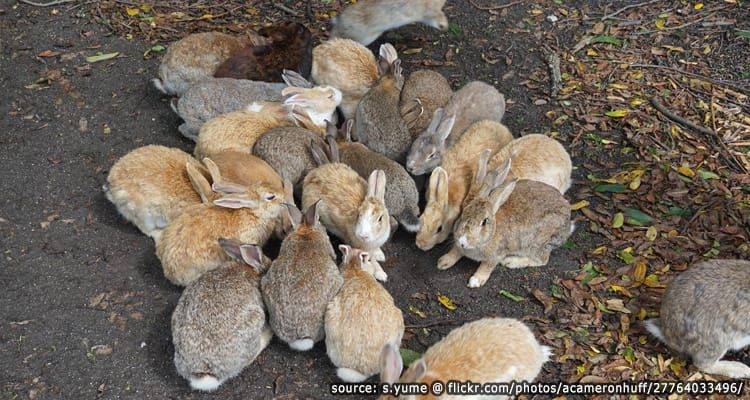
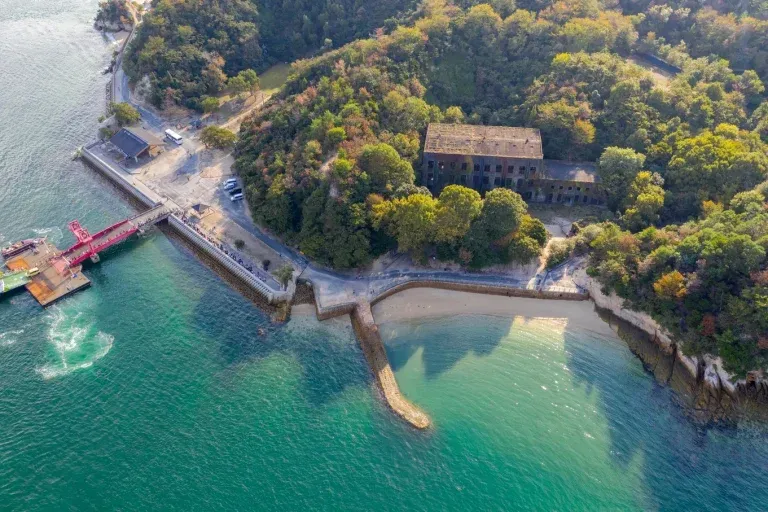
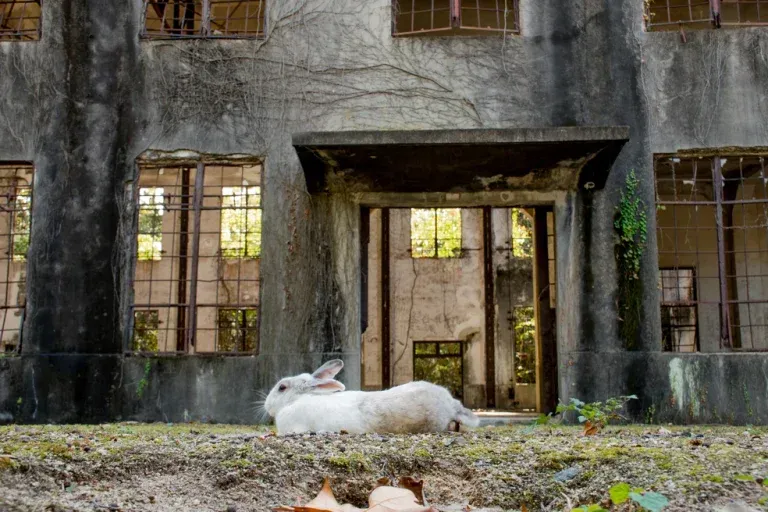
Okunoshima Island is located in the Seto Inland Sea and is known as "Rabbit Island" because of the large population of wild rabbits living there. Beyond the charm of the rabbits, Okunoshima also has an interesting history and offers a variety of attractions. During World War II, the island was used to produce chemical weapons for the Japanese military, with a poison gas factory located there. After the war, the factory was abandoned and left unused until 1988, when the Okunoshima Poison Gas Museum opened to educate visitors and warn of the horrors of chemical weapons. Today, Okunoshima is a very popular attraction, drawing visitors who come to see the wild rabbits and learn about the island's history. Popular activities on the island include feeding the rabbits, visiting the Okunoshima Poison Gas Museum, hiking nature trails, viewing the ruins of the poison gas factory, and relaxing on the beach.
- Access: Take the Kure Line from Mihara Station to Tadanoumi Station, then walk to Tadanoumi Port and take the ferry to the island.
- Coordinates: https://maps.app.goo.gl/Y7ThTVRepvqVQ9V98
13. Takehara Old Town
Shawn.ccf/shutterstock.com
Shawn.ccf/shutterstock.com
smileatrip ako/shutterstock.com
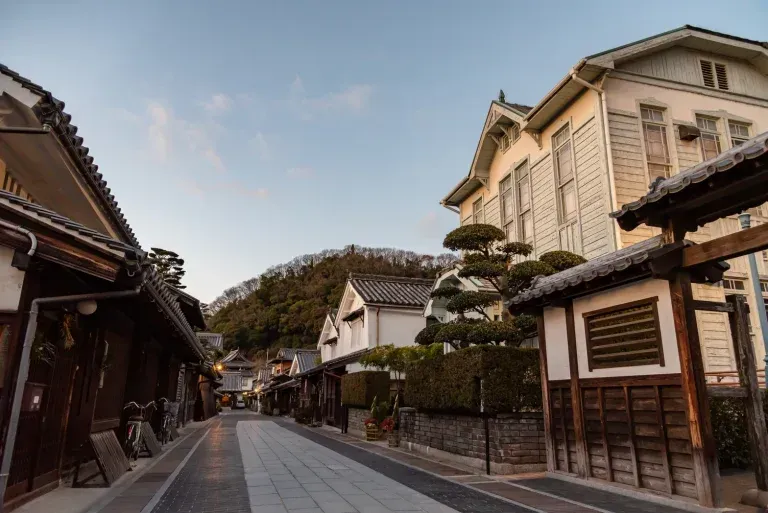
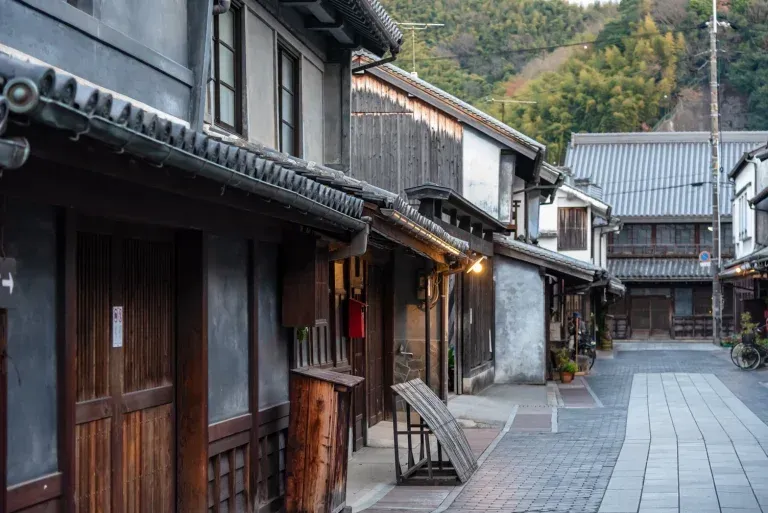
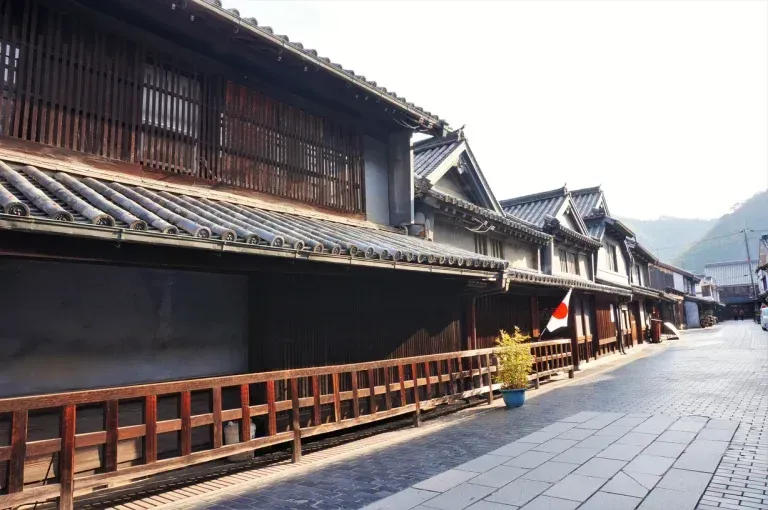
Takehara Old Town, often called "Little Kyoto" for its atmosphere and architecture reminiscent of Kyoto, is a town with a long history that has been well preserved, allowing visitors to fully experience the feel of old Japan. The town once flourished during the Edo period through the production of salt and sake, making it an economically and culturally important town at the time. Its buildings were also constructed to be sturdy and beautiful, which has helped preserve them to this day. The buildings in town range from traditional Japanese style to those influenced by Western architecture, with some over a hundred years old. The town is also home to Saihoji Temple, an old temple that has long served as a spiritual center for the local community. At the top of the temple grounds is a viewpoint offering sweeping views of the town below.
- Access: About a 15-minute walk from JR Takehara Station.
- Coordinates: https://maps.app.goo.gl/B2EThiSzVpT9tNaP8
14. Mazda Museum
EQRoy/shutterstock.com

EQRoy/shutterstock.com
joeborg/shutterstock.com
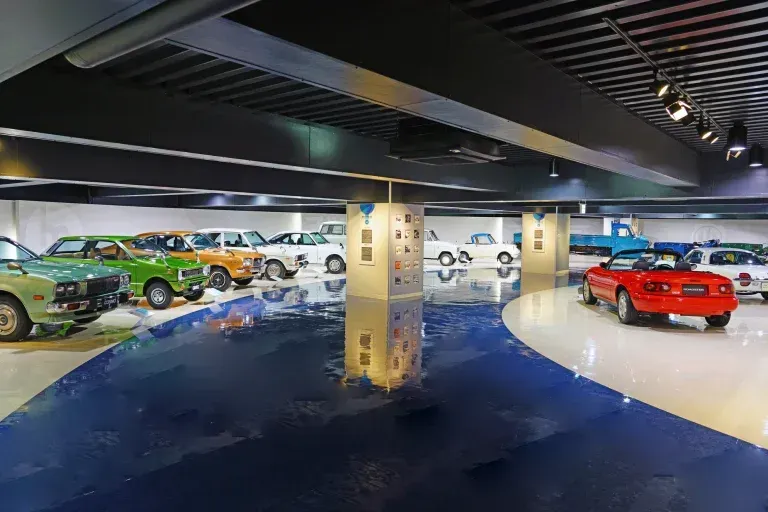
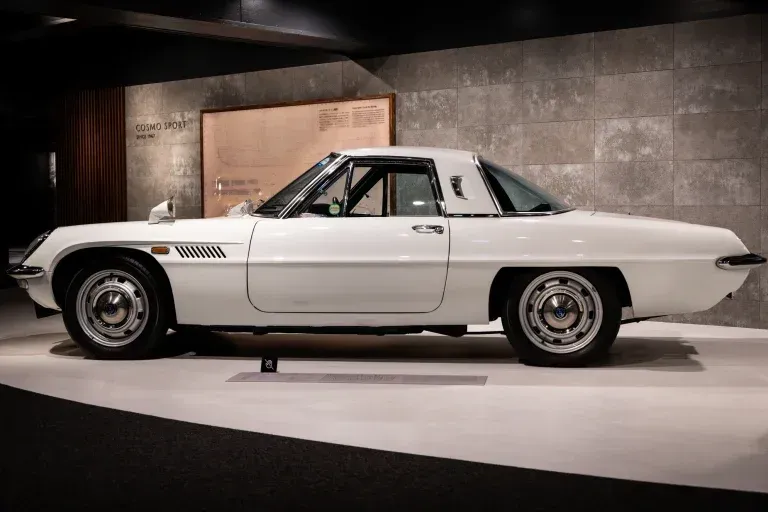
Mazda Museum is a destination for anyone who loves cars and the history of the Mazda brand. The museum is not only a resource on the development and technology of Mazda vehicles but also a showcase of the company's history and cultural pride. It displays vehicles from the earliest models to the present day, including historically significant models and those popular in global markets. There are also exhibits on the technology and innovations Mazda has used in car manufacturing, such as the rotary engine, one of Mazda's signature technologies, along with displays on modern developments like the Skyactiv engine and autonomous driving technology. The museum also has a shop selling souvenirs and Mazda-related merchandise, such as model cars, clothing, and other items featuring the Mazda logo, which visitors can buy as a memento of their visit.
- Access: Take the Sanyo Main Line from Hiroshima Station to Mukainada Station, then walk about 5 minutes to the museum.
- Coordinates: https://maps.app.goo.gl/yWPiugNkjLZgYjYT7
15. Sera Kogen Farm
Salyu/shutterstock.com
bluebullet/shutterstock.com
kazumi miyamoto/shutterstock.com
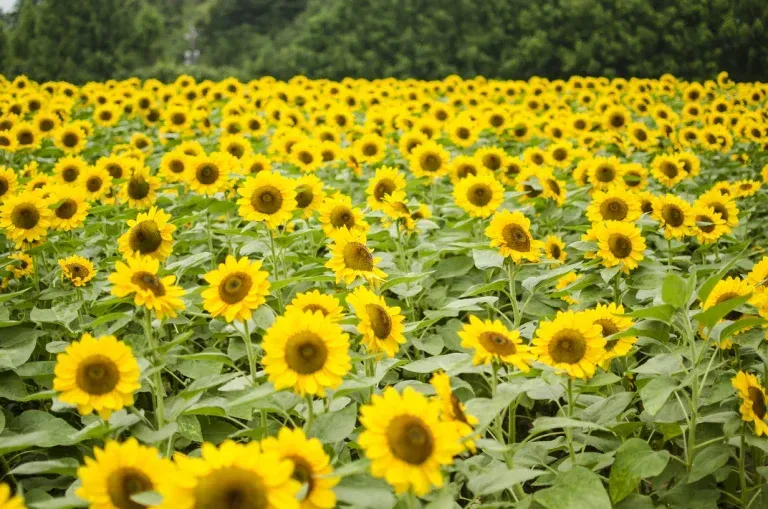
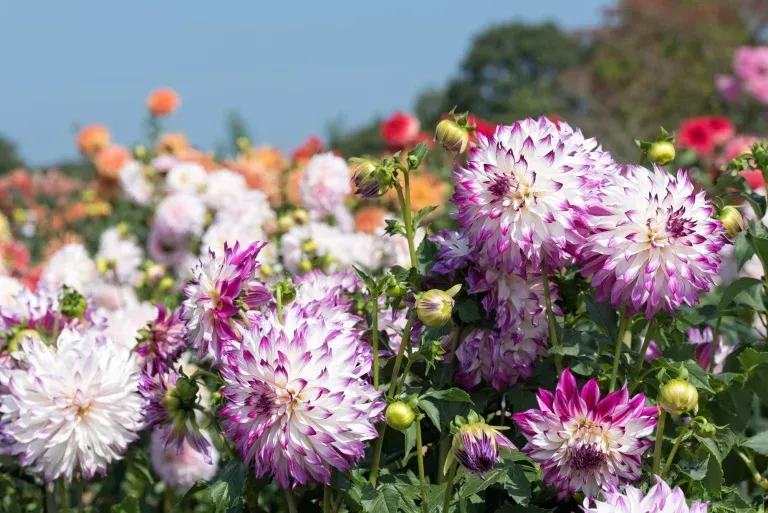
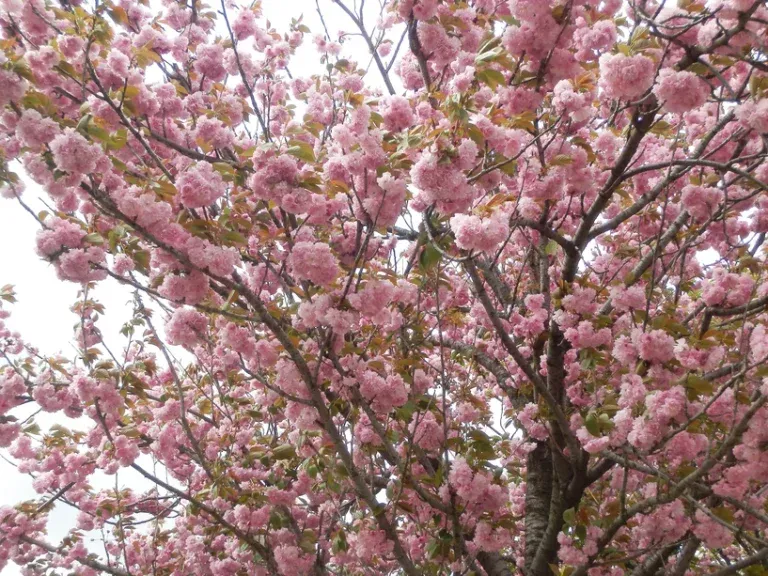
Sera Kogen Farm is a flower farm growing a wide variety of species, including cherry blossoms, tulips, lavender, cosmos, sunflowers, and lilacs. The farm is known as a beautiful flower-viewing spot with displays throughout the year. In spring, cherry blossoms and tulips bloom in full splendor; in summer, visitors can see sweeping fields of lavender; and in autumn, cosmos and dahlias take center stage. The farm also features many other flowers on display throughout the seasons, along with interesting activities such as flower picking, gardening, and learning about flower cultivation. There are also shops and restaurants selling flower-based products such as perfume, soap, and lavender goods. Besides local dishes, the restaurants also offer sweets made from flowers.
- Access: Take the JR Sanyo Shinkansen from Hiroshima Station to Shin-Onomichi Station, then continue by bus or taxi to the farm.
- Coordinates: https://maps.app.goo.gl/3rU9FRJAkpmWjpNP6
What to Eat in Hiroshima
Hiroshima offers a variety of traditional and modern dishes worth trying:
- Okonomiyaki: Hiroshima's signature dish, similar to a Japanese pizza, made mainly with cabbage, pork, and soba noodles. Hiroshima's version has its own distinct style, different from other regions of Japan. A recommended spot is Nagata-ya, which also offers vegetarian options.
- Oysters: The oysters here are fresh and delicious — try Yakigaki No Hayashi on Miyajima.
- Sushi: If you enjoy sushi, Sushitei Hikarimachi offers a great atmosphere and excellent flavor.
- Hidden Gems: Small restaurants are tucked away throughout the city, such as Hassei, known for Hiroshima-style okonomiyaki, and Okkundou Mazemen, known for its dry ramen.
Getting to and around Hiroshima
Getting around Hiroshima: The Hiroshima Electric Railway tram system covers most major areas, and there are also buses and taxis available. Cyclists will also find good routes to explore.
Getting to Hiroshima: By shinkansen (bullet train), it takes about 4 hours from Tokyo, and about 1.5 hours from Osaka. There are also direct flights from several cities in Japan to Hiroshima Airport.
Where to Stay in Hiroshima
Hiroshima offers a range of accommodations to suit every budget and style:
Around Hiroshima Station: Convenient for getting around, with plenty of accommodation options near the train station — ideal for a short stay in the city.
Downtown Hiroshima: Around the Hondori area, with shopping streets, large malls, and plenty of dining and entertainment — ideal for shoppers or those staying in the city for several days.
Miyajima Island: For travelers who want a ryokan stay with an onsen, close to nature and culture.
Seasons in Hiroshima
Hiroshima can be visited year-round, with each season offering something different:
Spring (March-May): Pleasant weather with cherry blossoms in bloom.
Summer (June-August): Humid, with occasional rain and monsoon periods; waterfalls flow strong and the forests turn lush green.
Autumn (September-November): Cool, comfortable weather with beautiful autumn leaves.
Winter: Cold, but with activities and illumination festivals around the city.
How Many Days to Spend in Hiroshima
We recommend spending 2-4 days in Hiroshima, though this depends on your personal interests:
1-2 days: Enough time for major sights such as Peace Memorial Park, the Atomic Bomb Dome, and Miyajima.
3-4 days: For a more relaxed pace, including Hiroshima Castle, Shukkeien Garden, and sampling local food.
5+ days: Ideal for those who want to explore in depth, both in the city and its surroundings, including day trips to nearby towns.