


Ishikawa Prefecture is located in Japan's Chubu region and offers abundant natural beauty, diverse cultural heritage, and several traditional crafts known nationwide, such as Wajima lacquerware, Kutani porcelain, and Kanazawa gold leaf, which can be found throughout the prefecture. Its most famous tourist city is Kanazawa. The region is also known for excellent seafood, including crab and fish caught from the Sea of Japan, as well as traditional Kaga cuisine, a form of the multi-course Japanese dining style known as Kaiseki.
Here are 12 must-visit spots in Ishikawa Prefecture.
1. Kenroku-en Garden
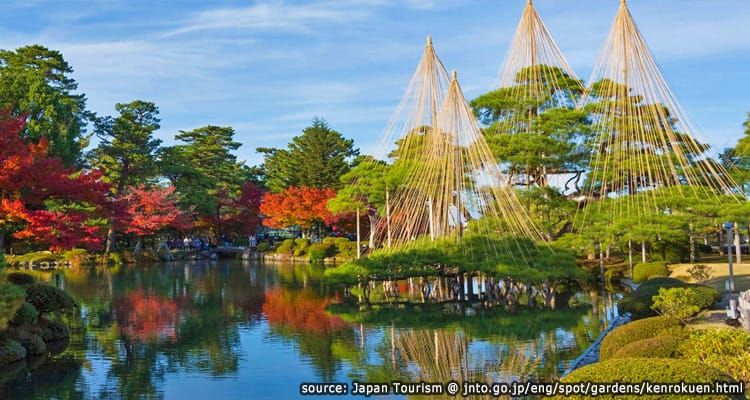
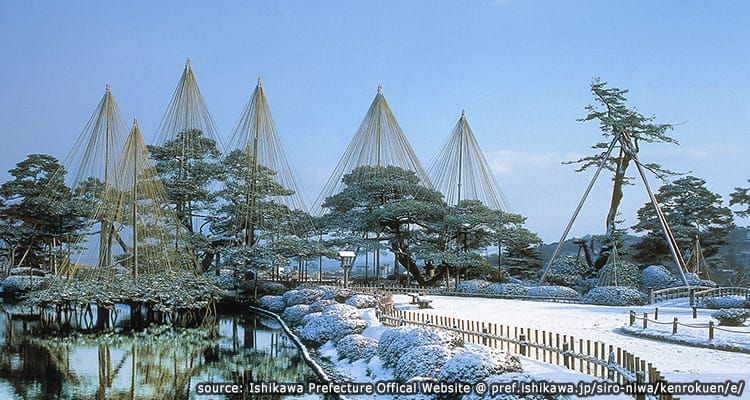
Kenroku-en Garden is a standout landmark of Kanazawa that nature lovers who enjoy beautiful gardens should not miss. It is known as one of Japan's three most beautiful gardens.

2. Kanazawa Castle
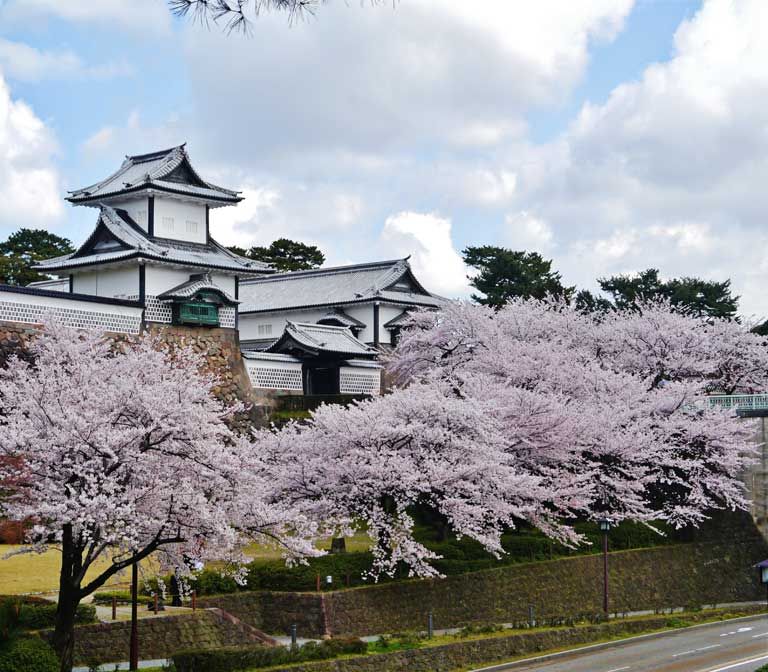
Photo from https://commons.wikimedia.org/wiki/File:Kanazawa_Kanazawa-jo_Sakura_06.jpg
Kanazawa Castle (Kanazawa-jō, 金沢城) is one of the most popular attractions in Kanazawa, Ishikawa Prefecture. It also ranks among Japan's most notable castles, with one of the largest castle grounds in the country.
3. Higashi Chaya District
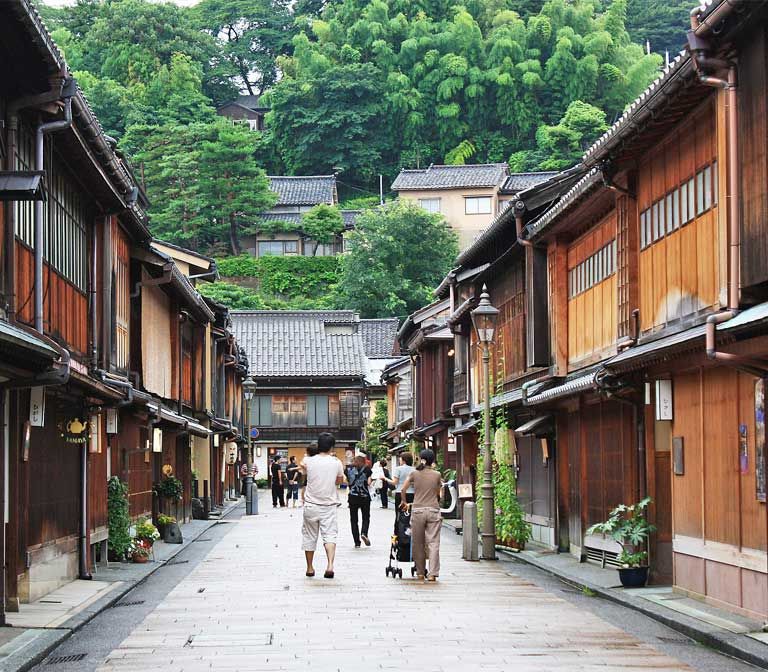
Photo from https://commons.wikimedia.org/wiki/File:Higashi_Chaya_district,_Kanazawa_%283810720612%29.jpg
Higashi Chaya District was once a teahouse quarter during the Edo period, where geisha entertained guests with song and dance. Two similar districts, Nishi Chaya and Kazuemachi Chaya, also exist nearby, but Higashi Chaya is the largest and most interesting of the three.
4. 21st Century Museum of Contemporary Art
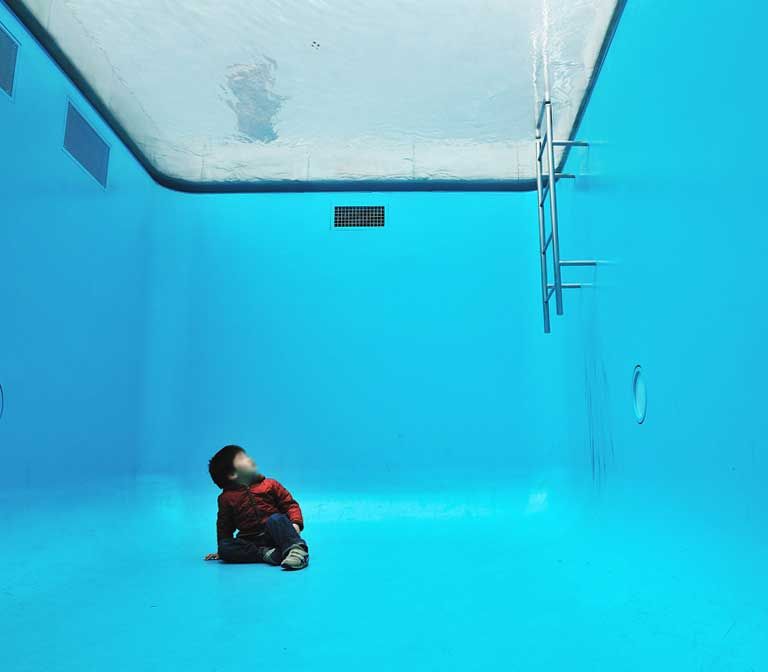
Photo from https://commons.wikimedia.org/wiki/File:Inside_the_Swimming_Pool,_21st_Century_Museum_of_Contemporary_Art.jpg
The 21st Century Museum of Contemporary Art opened in 2004 and is just a short walk from Kenroku-en Garden in Kanazawa. It exhibits award-winning contemporary art from Japan and around the world, and is one of Japan's most famous art museums.
5. Noto Peninsula
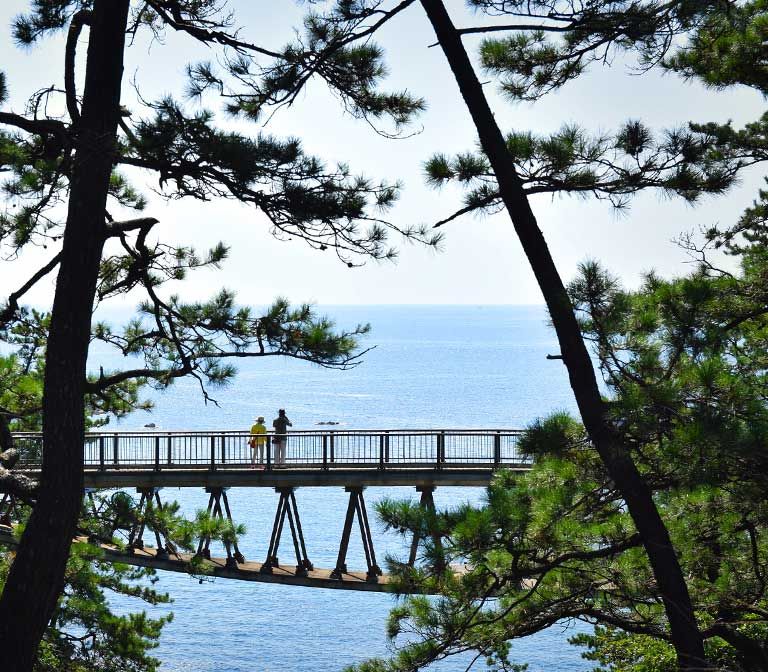
CC Photo from https://www.flickr.com/photos/raita/50153741218/in/photostream/
Noto Peninsula lies in the north of Ishikawa Prefecture, extending about 100 kilometers into the Sea of Japan. It offers scenic coastal views along the Okunoto Coast and the Kongo Coast, along with a rural atmosphere. Public transport in the area is limited, so renting a car is the best way to explore freely.
6. Wajima Morning Market
Note: After the 2024 Noto Peninsula Earthquake, the Wajima Morning Market is held inside the shopping center Power City Wajima Wai Plaza, not on the original morning market street.
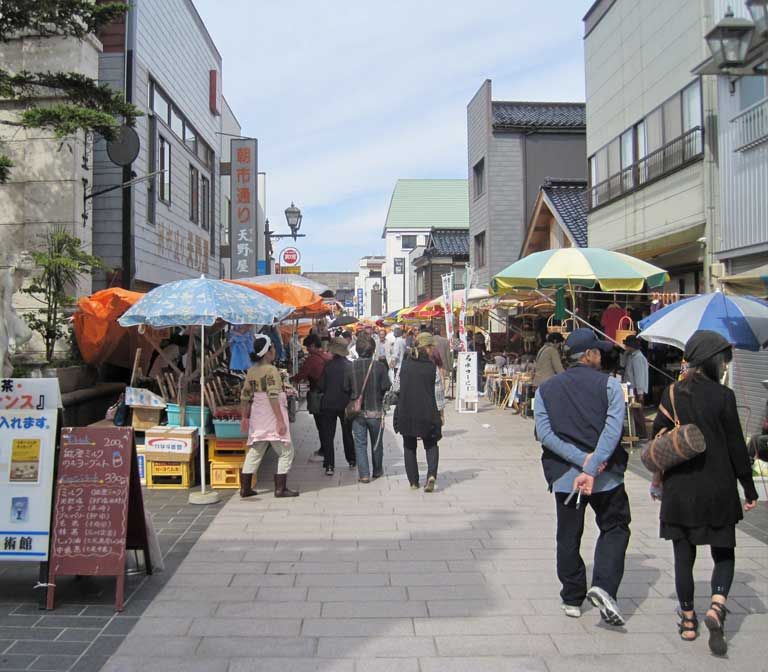
Photo from https://commons.wikimedia.org/wiki/File:Wajima_Asaichi.jpg
Wajima Morning Market is known locally as "Asaichi," meaning morning market, and is the market of Wajima city. Its popularity among locals is evident from its name alone. The market sells a wide variety of goods, from fresh seafood and vegetables to local crafts such as Wajima-nuri lacquerware, a specialty of the city.
7. Hakuichi Gold Leaf Museum (Hakukokan)
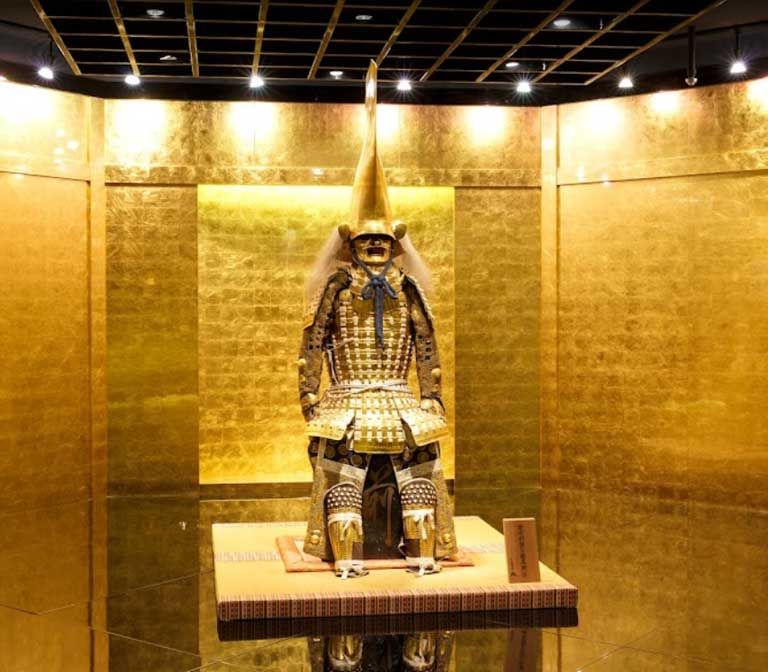
Photo from https://www.hakuichi.co.jp/
Hakuichi may be a familiar name to many, known for its glittering gold-leaf cosmetics and its gold-leaf soft-serve ice cream, which caused a sensation when it launched. In fact, Hakuichi is virtually Japan's largest producer of gold leaf, and it operates both a shop and a museum in Kanazawa. The museum offers a fun way to learn about gold leaf, and its highlight is the "Gold Leaf Room," featuring a spectacular gold samurai armor set.
8. Natadera Temple
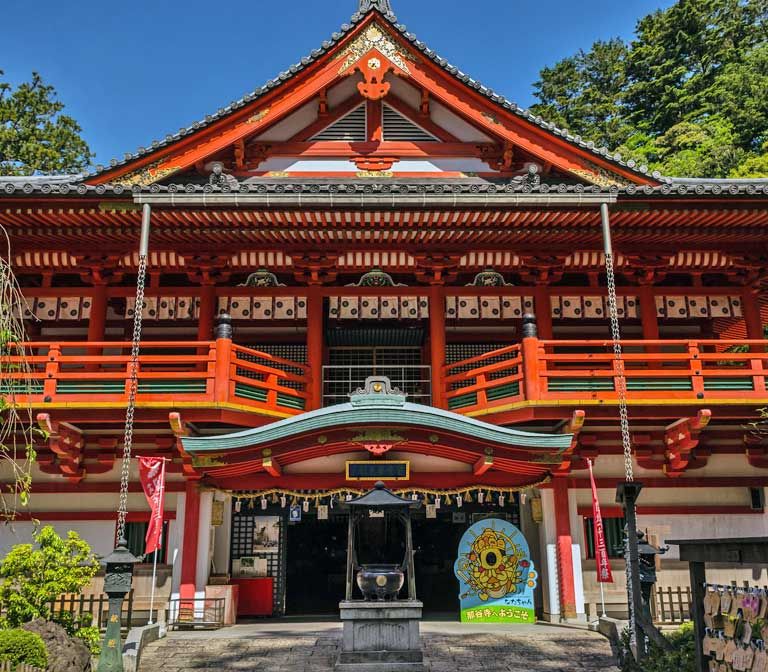
CC Photo from from flickr.com/photos/bike_stroll_around/26235702513
Natadera Temple was founded in 717 and is a Japanese Buddhist temple near Awazu Onsen. The temple grounds are spacious, with multiple buildings, a water garden, stone stairs along a cliff, and a meditation cave that enshrines a wooden statue of Kannon. There is also a three-story pagoda and an observation deck on the cliff opposite the bell tower, plus small auxiliary buildings along the forest path back to the entrance gate.
9. Yamanaka Onsen
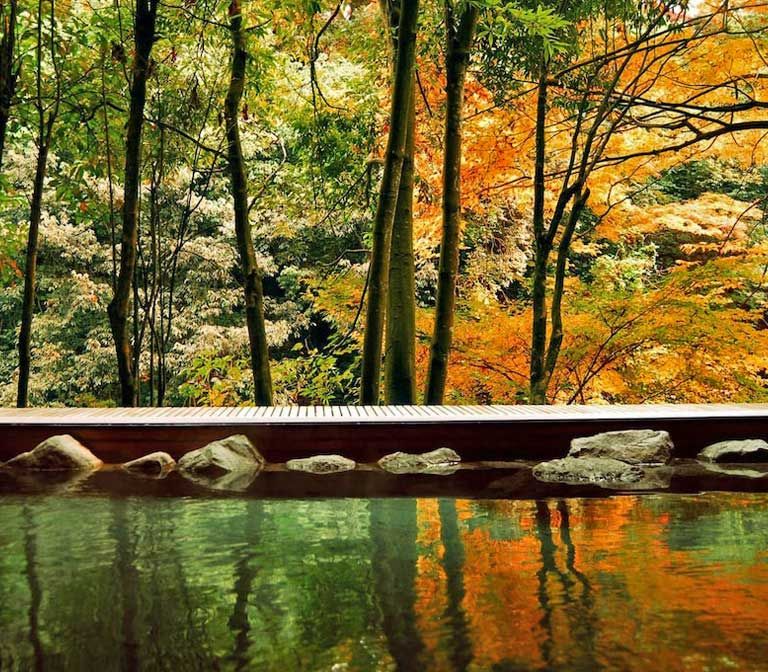
Photo from https://www.agoda.com/Photo from https://www.agoda.com/
Yamanaka Onsen is a small resort town in Kakusenkei Gorge, one of four hot spring towns in the Kaga Onsen area, with a history of over 1,300 years. The hot springs are said to ease muscle and joint pain and aid recovery after illness. The town center is filled with public bathhouses, large hotels, ryokan, shops, and restaurants, blending modern streets with a distinctive old Japanese townscape.
10. Mount Hakusan
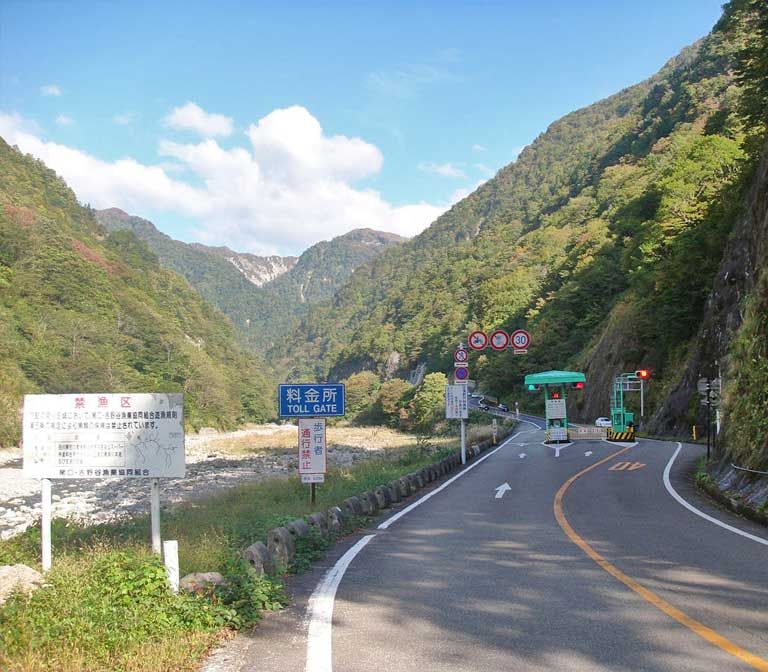
Photo from https://commons.wikimedia.org/wiki/File:Hakusan_Super_Rindo_Forest_Road_Chugu_Toll_Gate_001.JPG
Mount Hakusan is a dormant volcano on the border between Ishikawa and Gifu prefectures, standing 2,702 meters tall at the heart of Hakusan National Park. It is the highest peak in the western Japan Alps and is considered one of Japan's three sacred mountains, along with Mount Fuji and Mount Tateyama.
11. Kanazawa Station
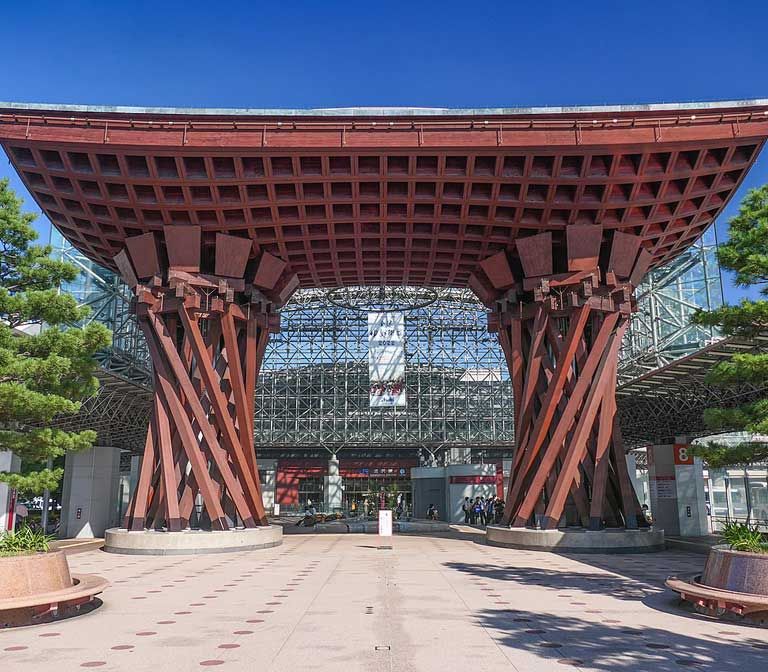
Photo from https://commons.wikimedia.org/wiki/File:Kanazawa-STA_Tsuzumi-mon.jpg
Kanazawa Station, the city's main train station, is one of Japan's most striking stations. Its main gate is a large wooden gate designed to feel like the entrance to a castle, and it is a famous Kanazawa landmark. The station also has a large plaza in front of the main entrance, a popular gathering spot for both tourists and locals.
12. Kanazawa Umimirai Library
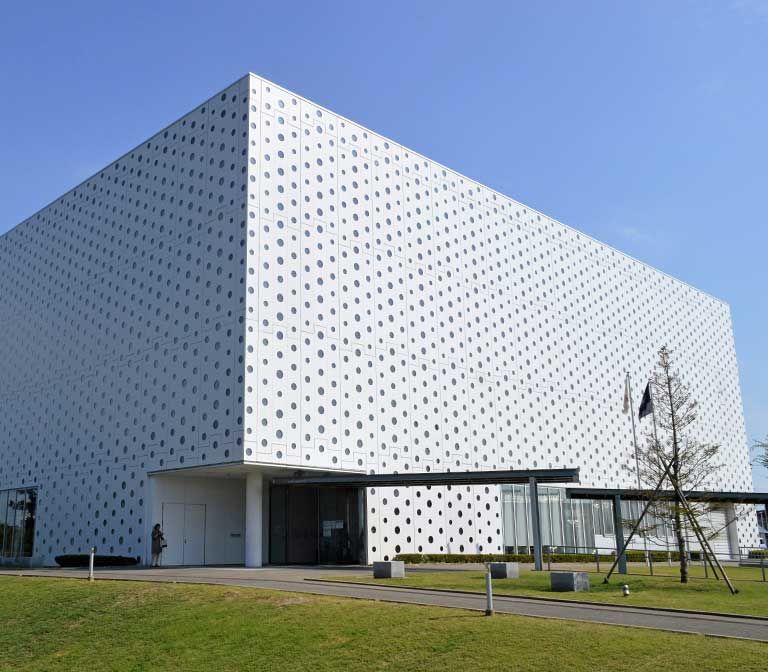
Photo from https://commons.wikimedia.org/wiki/File:Kanazawa_Umimirai_Library_exterior_ac_(4).jpg
This library is another striking example of contemporary architecture in Ishikawa Prefecture, especially in Kanazawa, a city known worldwide for its beautiful buildings. The public library features a simple design with an exterior wall punched with circular holes that let in natural light, creating a beautiful pattern. The bright, open interior makes it a relaxing place for locals to read.