


Kobe is a city in Hyogo Prefecture, on the island of Honshu in Japan. It is one of the country's key economic and trade hubs. Located close to Osaka Bay, Kobe is home to one of Japan's major ports. The city also has a long history dating back to the Jomon period, and has served as a center of trade and shipping since the Edo period. Kobe is filled with attractions of historical, cultural, and natural interest, including the 12 spots below that no visitor to Kobe should miss.
[ez-toc]
1. Kobe Port Tower
Sean Pavone/shutterstock.com
f11photo/shutterstock.com
cowardlion/shutterstock.com
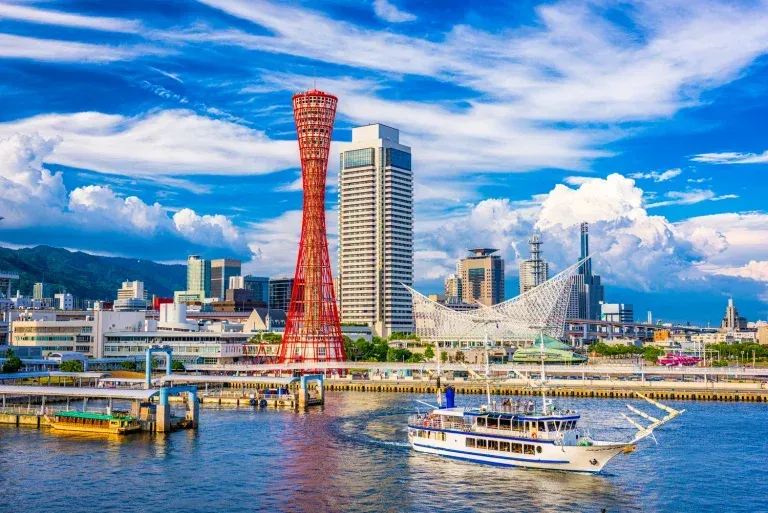
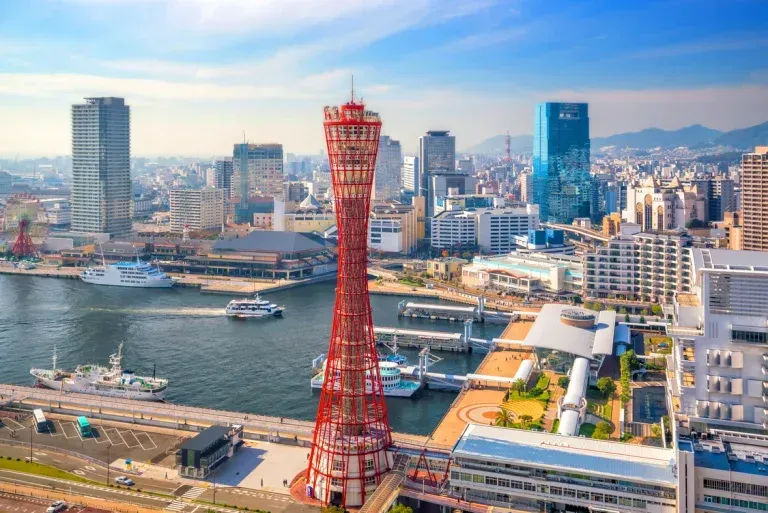
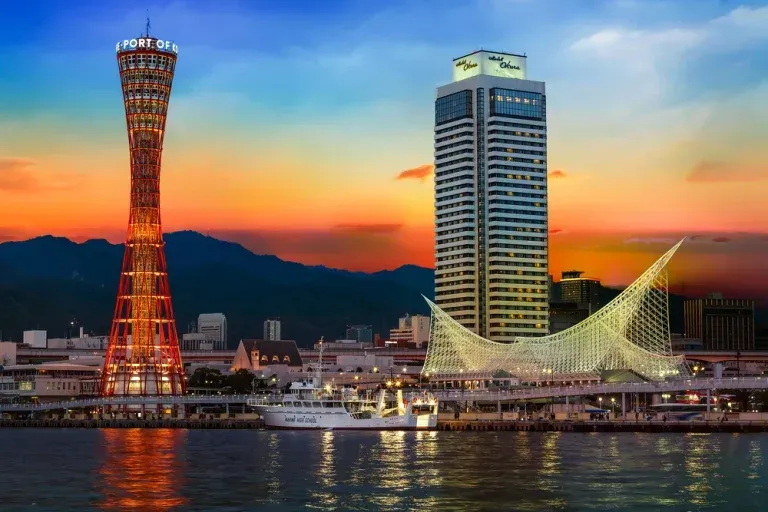
Kobe Port Tower is one of Kobe's most important landmarks and a symbol of the city. Located at Meriken Park, it is a must-see spot for visitors. Kobe Port Tower was built in 1963 and stands 108 meters tall. Its structure was designed to be modern and distinctive, and it was the first tower in the world to use a "hyperboloid" design, a shape formed by intersecting curves that gives the structure both strength and flexibility. The tower has 5 floors, each with shops, restaurants, and observation points. The rooftop observation deck offers a particularly beautiful view, with 360-degree panoramas of Kobe and Osaka Bay. On clear days, visitors can see as far as Mount Rokko and the Akashi Kaikyo Bridge.
- Access: Take the train to JR Kobe Station or Hanshin Kobe Station, then walk about 15 minutes.
- Location: https://maps.app.goo.gl/vtvQYJ18bcrCmU8z6

2. Nagata Shrine
Alon Adika/shutterstock.com
Alon Adika/shutterstock.com
Alon Adika/shutterstock.com
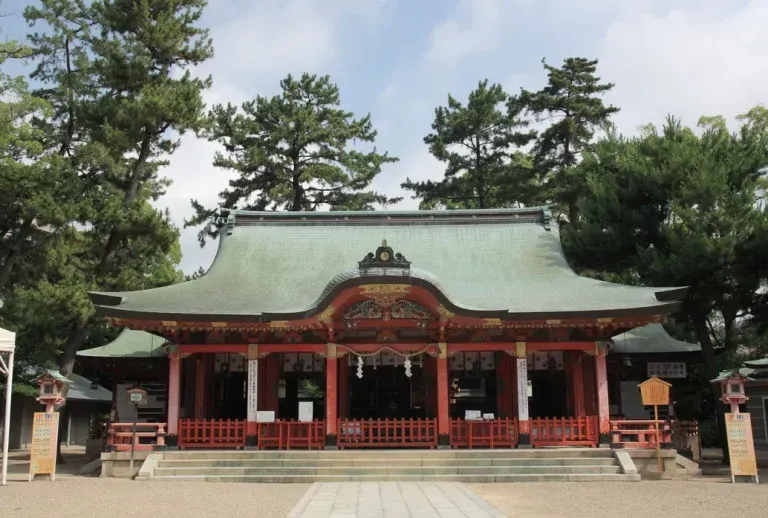
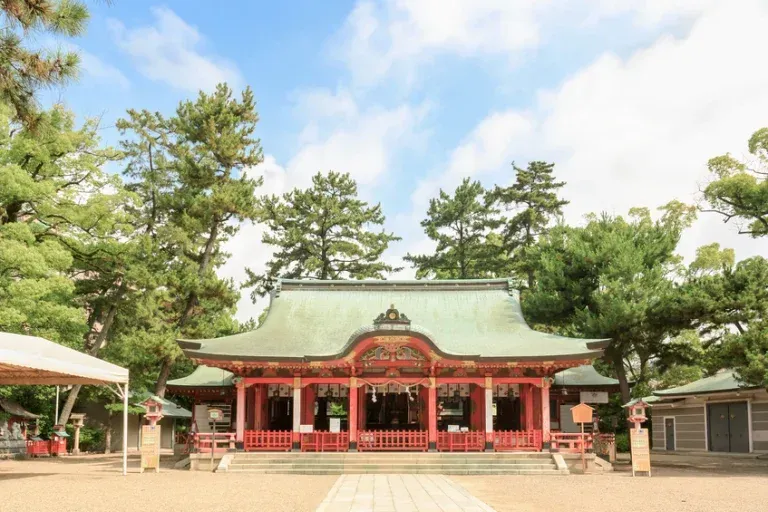
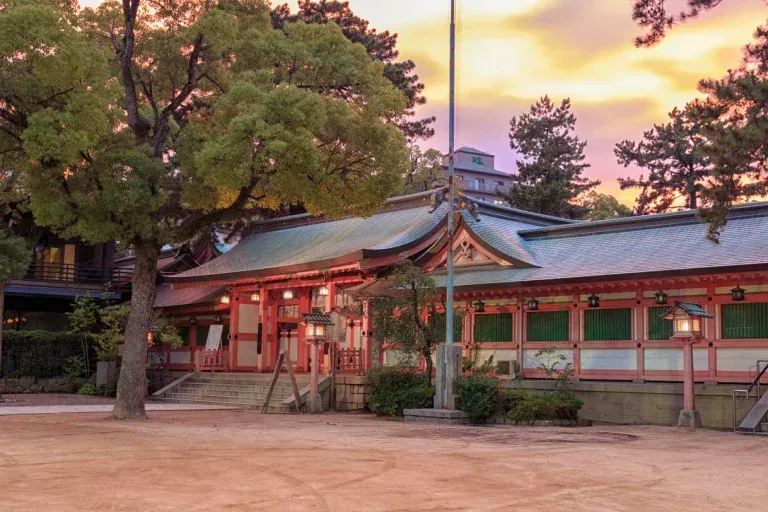
Nagata Jinja is an ancient Shinto shrine with a long history, holding cultural and religious significance in Kobe. It is a popular stop for visitors and pilgrims seeking blessings. The shrine was built in the year 201 to honor deities who protect people from disasters and accidents, and to bring blessings for agriculture and abundance. Its buildings feature beautiful, distinctive traditional Japanese architecture, with a main hall (Honden) and worship hall (Haiden) decorated with finely carved woodwork and delicate coloring. The shrine grounds are surrounded by lovely gardens and ponds that create a peaceful, shaded atmosphere. Nagata Shrine also hosts important events and festivals throughout the year, drawing a steady stream of visitors and pilgrims.
- Access: Take the Kobe Kosoku Line to Kosoku-Nagata Station or Nagata Station, then walk a few minutes.
- Location: https://maps.app.goo.gl/JLDZL6A7n8KULtj66
3. Hakutsuru Sake Brewery Museum
Iryna Makukha/shutterstock.com
Iryna Makukha/shutterstock.com
Iryna Makukha/shutterstock.com
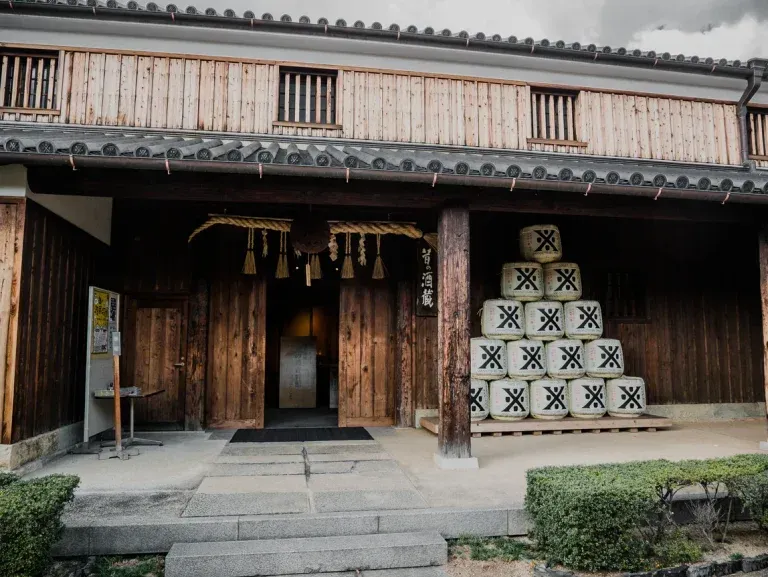
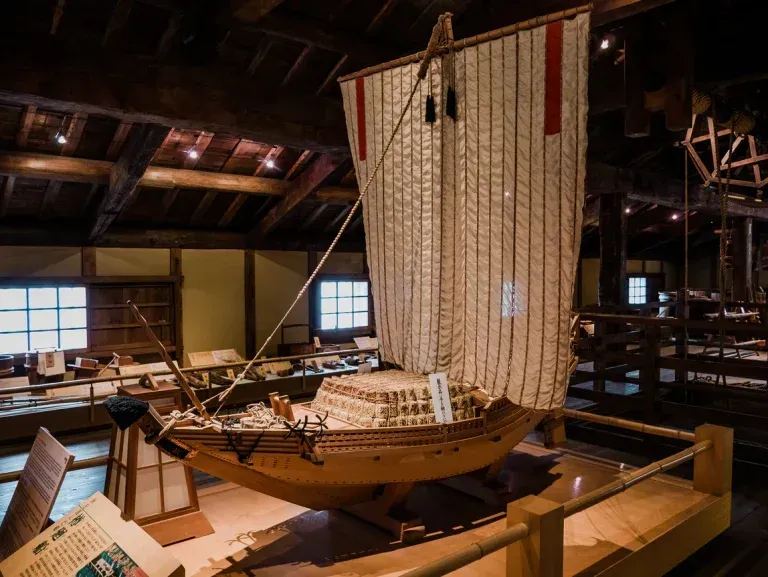
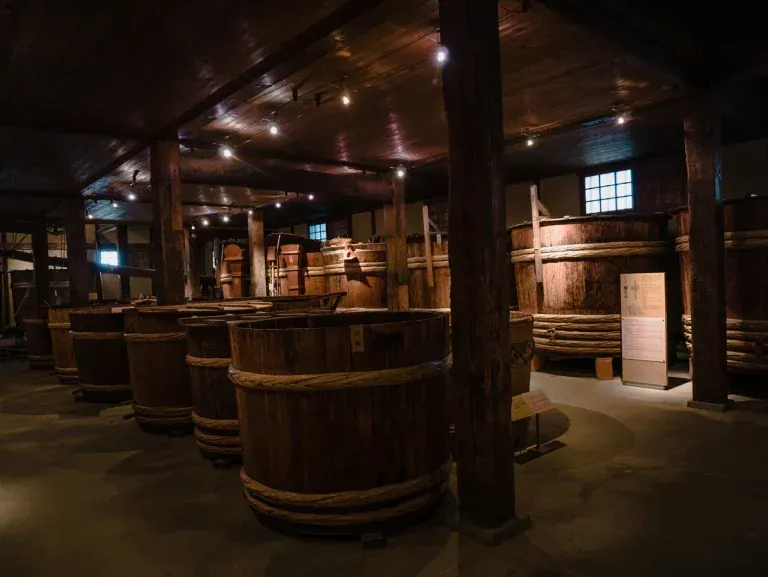
Hakutsuru Sake Brewery Museum is part of the renowned Hakutsuru Sake Brewery, long known for producing high-quality sake. At the museum, visitors can learn about the history and the full production process of Japanese sake. Hakutsuru Sake Brewery was founded in 1743 and has over 280 years of history. Its sake is known for both quality and flavor, thanks to pure water sources and a climate well suited to sake fermentation. The museum itself was built in 1982 to showcase and share the culture of sake brewing with visitors and anyone interested in learning about the traditional production process, which covers every step from selecting ingredients to fermentation, aging, and bottling. After viewing the exhibits, visitors can sample a variety of sake produced by Hakutsuru.
- Access: Take the train to Hanshin Sumiyoshi Station or JR Sumiyoshi Station, then walk about 10 minutes.
- Location: https://maps.app.goo.gl/J6Z1qeMMxxLdv8NJA
4. Suma Rikyu Park
Toru Kimura/shutterstock.com
Toru Kimura/shutterstock.com
Toru Kimura/shutterstock.com
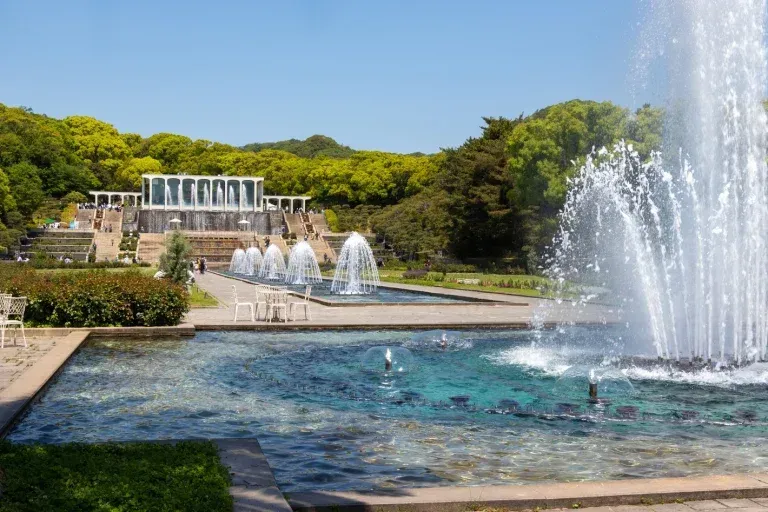
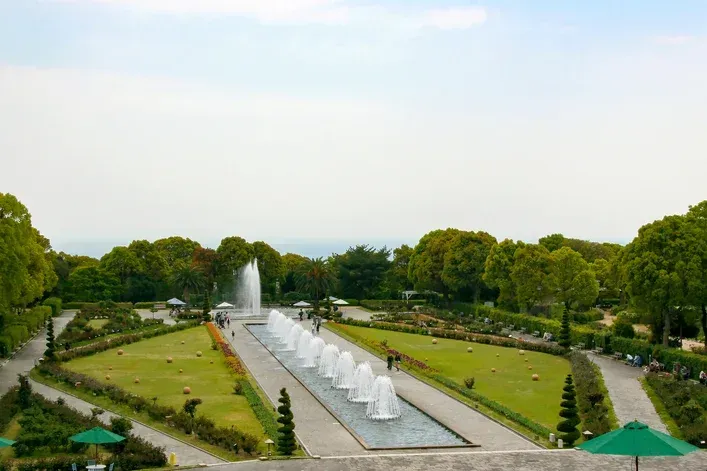
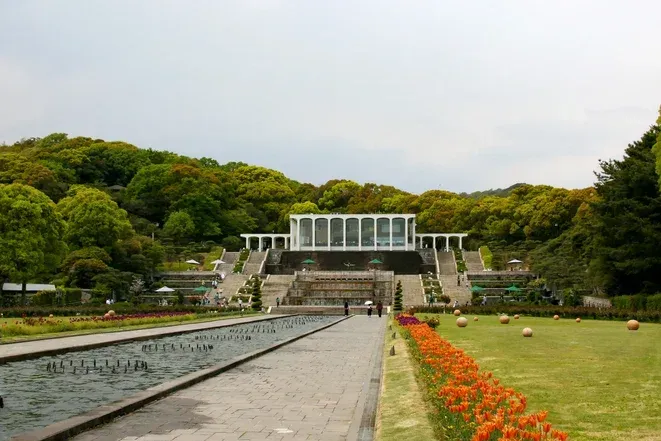
Suma Rikyu Park is a large, well-designed and well-maintained park that has become a favorite relaxation spot for locals and visitors alike. The park was built in 1967, inspired by the Palace of Versailles in France. It covers an area of over 40,000 square meters, with flowers, trees, and plants on display throughout the year. The park is divided into several zones: a flower garden zone that displays seasonal flowers; a Japanese garden zone laid out in traditional Japanese garden style; a fountain and rose garden zone lined with fountains and surrounded by colorful flower beds, including as many as 4,000 roses from 180 varieties; and an events zone that hosts flower festivals, art exhibitions, and cultural activities throughout the year.
- Access: Take the train to Tsukimiyama Station or Sumaura Koen Station, then walk a few minutes to the park.
- Location: https://maps.app.goo.gl/sic6tMmvyvNSXsiC6
5. Mount Rokko
Peera_stockfoto/shutterstock.com
Peera_stockfoto/shutterstock.com
Veerachart/shutterstock.com
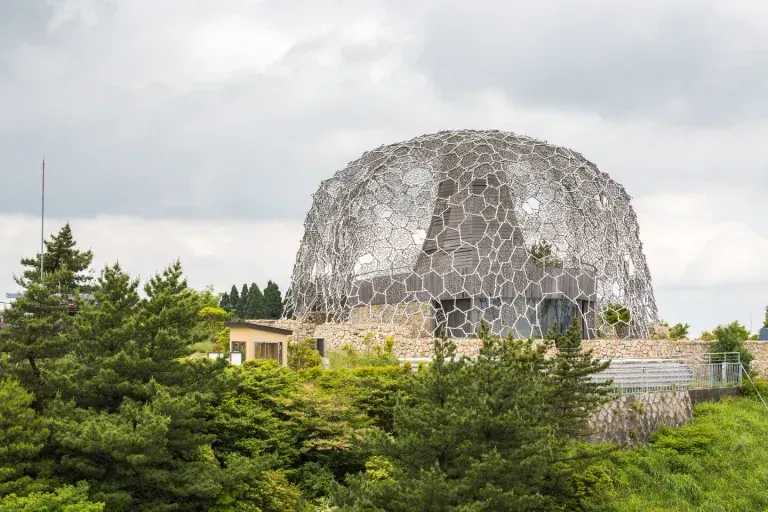
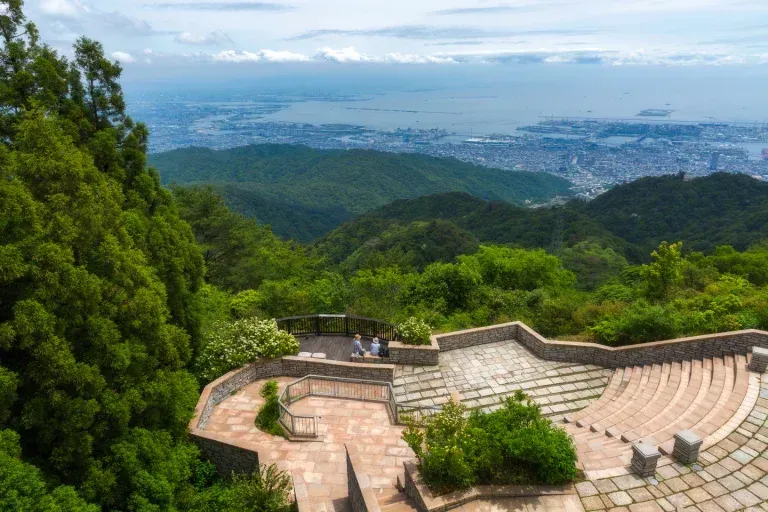
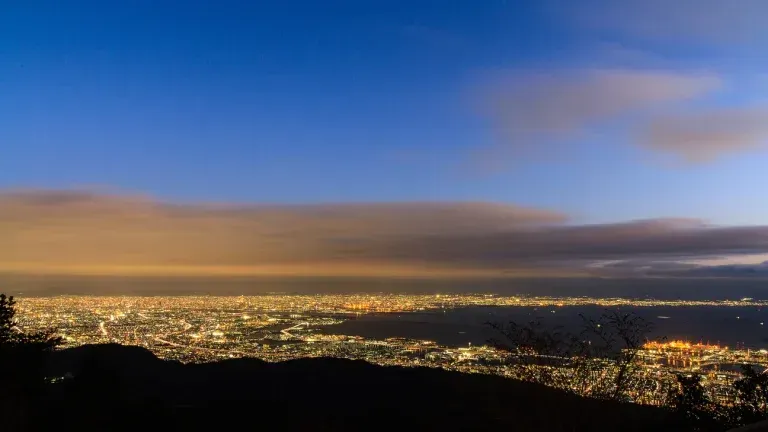
Mount Rokko has been a well-known resort and retreat for Japanese travelers since the Meiji era. Standing over 931 meters above sea level, it offers beautiful scenery and is one of Kobe's most popular viewpoints. The mountain also has a variety of attractions and activities, including the Rokko Garden Terrace, an observation point with 360-degree views of Kobe, Osaka Bay, and the Kansai region, as well as beautiful sunsets and night views of the city. The mountain is also home to the Rokko Alpine Botanical Garden, which displays plants and flowers from regions around the world, and the Rokko International Musical Box Museum, which houses antique and modern music boxes from around the world. Visitors can view and listen to a variety of music boxes, as well as join demonstrations and workshops.
- Access: Take the train to Rokko Station, then transfer to Kobe City Bus route 16 or 106 to Rokko Cable Shita Station.
- Location: https://maps.app.goo.gl/yb4cam4QcVNb7EzUA
6. Minatogawa Tunnel
Kenan Yarici/shutterstock.com
Ryu K/shutterstock.com
Ryu K/shutterstock.com
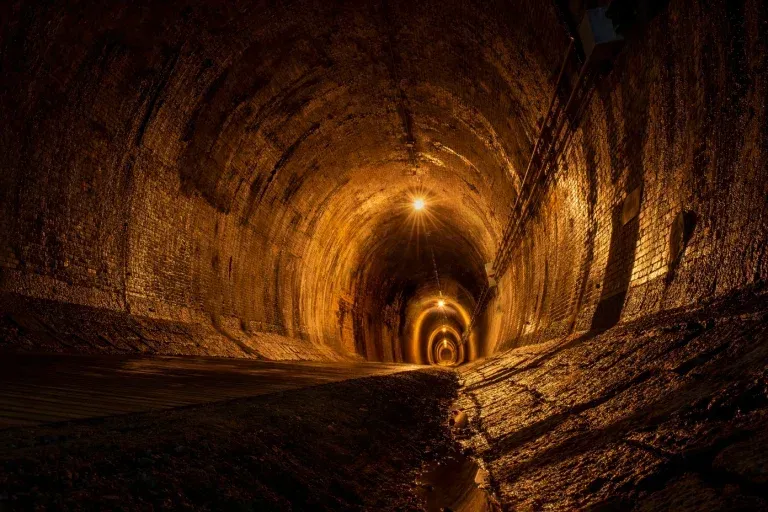
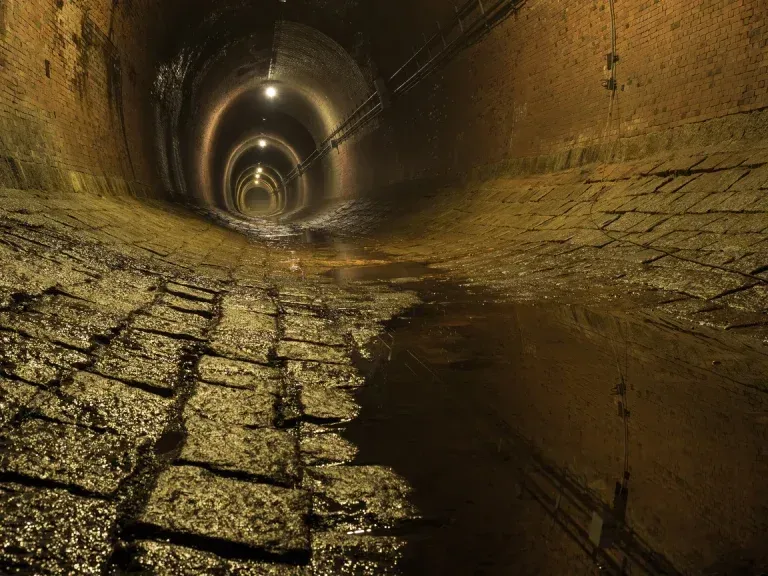
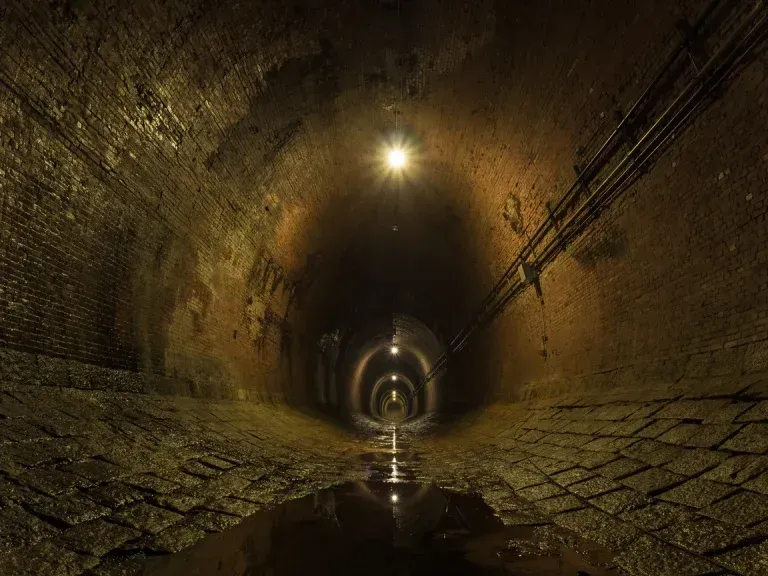
Minatogawa Tunnel is about 670 meters long and around 7 meters in diameter, connecting several areas of Kobe. It serves not only as an important transport route but also as a site that visitors and enthusiasts regularly come to see. The tunnel was built between 1896 and 1901 to improve the efficiency of goods and passenger transport between different areas of Kobe. During World War II, it was also used as an air-raid shelter. After the war ended, the tunnel returned to use as a transport route and has been continuously maintained ever since. Its structure was designed to be sturdy, able to withstand pressure from the surrounding soil and water. Visitors can explore the tunnel on regularly scheduled guided tours, with guides sharing information and stories along the way.
- Access: Take the bus to Kumanobashi, then walk about 5 minutes.
- Location: https://maps.app.goo.gl/Ngqv9oazCepVUrgQ8
7. Tenjoji Temple
Selector Jonathon/shutterstock.com
ArtNat/shutterstock.com
Selector Jonathon/shutterstock.com
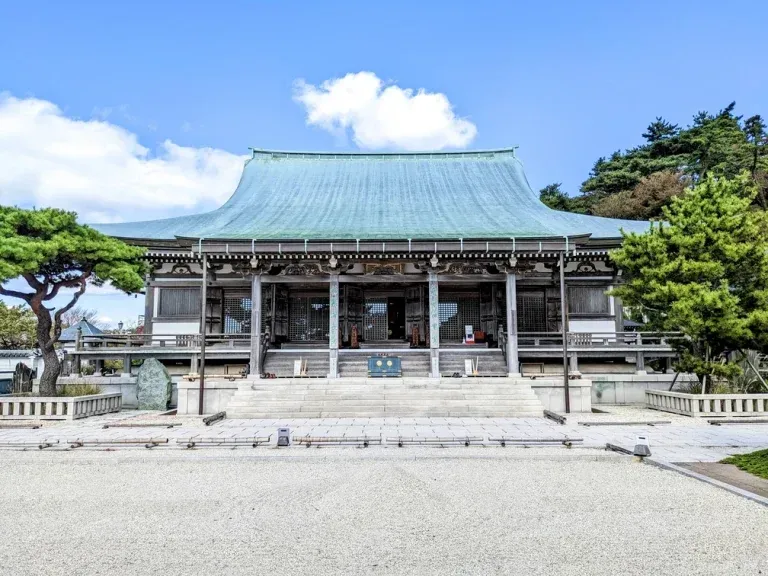
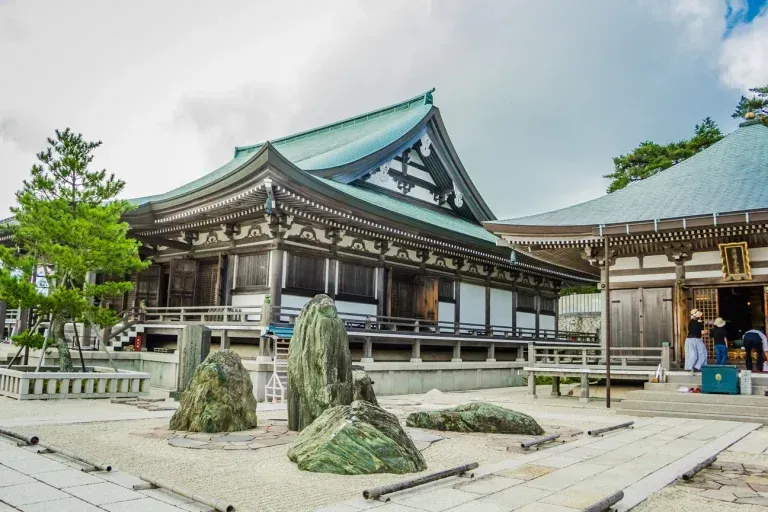
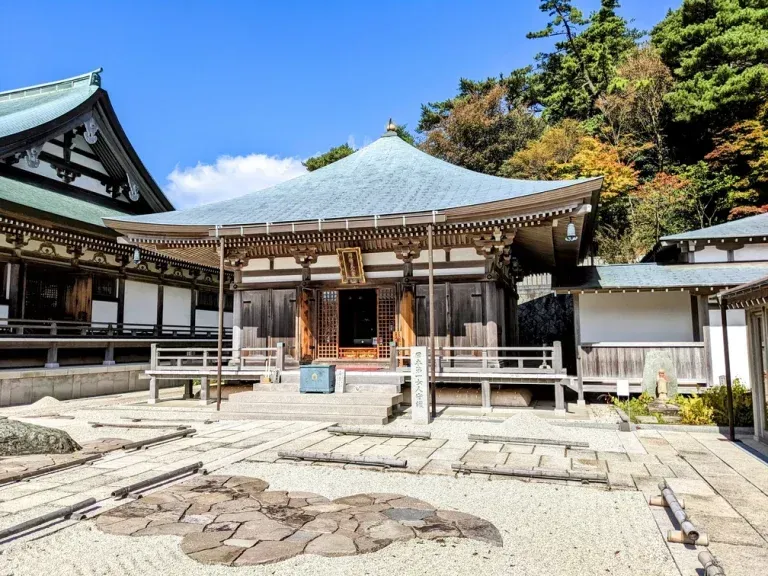
Tenjoji Temple is a Buddhist temple located atop Mount Maya on Mount Rokko. Its peaceful grounds and lovely scenery draw visitors and pilgrims who come for the calm and natural beauty, as well as for meditation and religious practice. Tenjoji Temple has a long history and holds religious and cultural significance in Japan. It was founded around the year 646, reportedly by a high priest from India. The name Mount Maya comes from Maya-Bunin, the mother of Gautama Buddha. The temple buildings feature traditional Japanese architecture, and the grounds are surrounded by beautifully designed Japanese gardens. The temple also has a viewpoint with sweeping scenery that changes with each season, and on clear days visitors can see Awaji Island, the Akashi Kaikyo Bridge, and Shodo Island.
- Access: Travel to Maya Cable Station, then take the cable car to Hoshi no Eki Station and walk a few more minutes.
- Location: https://maps.app.goo.gl/MdMnwqQpak8m63KY9
8. Kobe Harborland
beeboys/shutterstock.com
beeboys/shutterstock.com
cowardlion/shutterstock.com
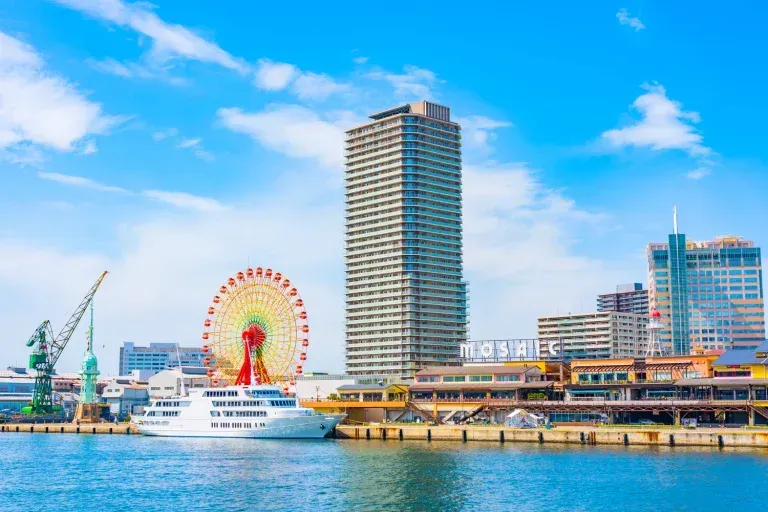
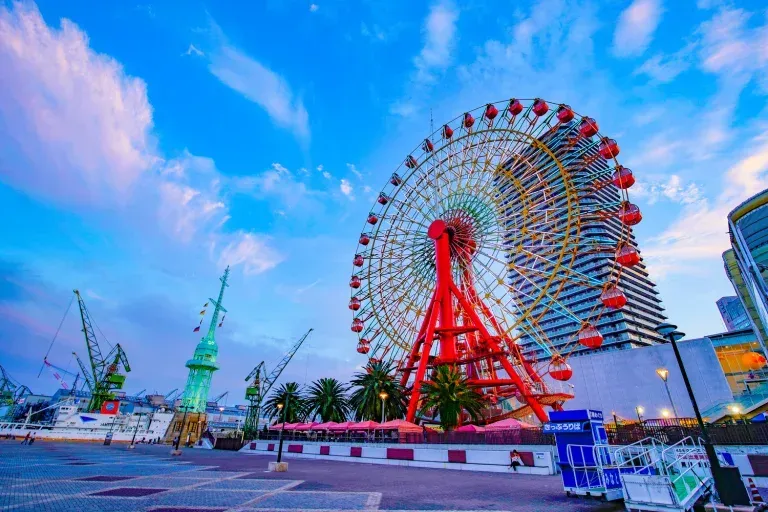
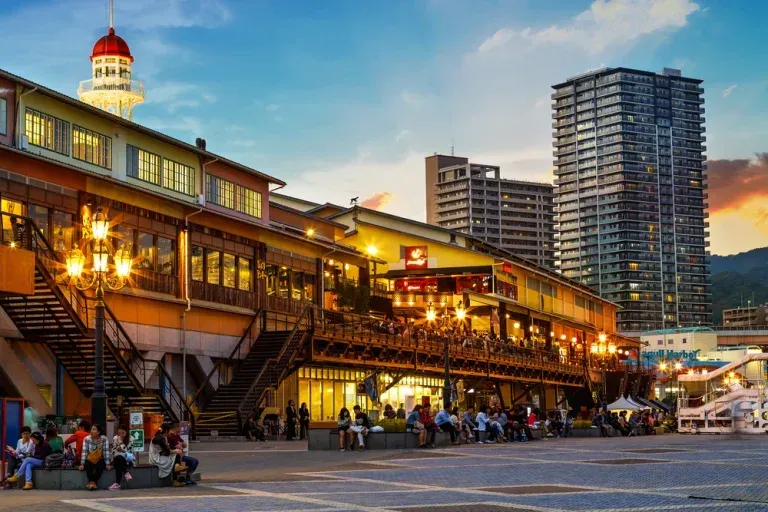
Kobe Harborland is a well-known shopping and entertainment district located at the Port of Kobe, filled with shops, restaurants, entertainment venues, and a variety of attractions that draw large numbers of visitors from Japan and abroad. Kobe Harborland opened in 1992 with the aim of promoting tourism and the local economy. The area was designed to be a modern district and a destination for travelers. Highlights at Kobe Harborland include shopping malls, Kobe Port Tower, the Kobe Ferris wheel, Kobe Aquarium, the Kobe Maritime Museum, Kobe Bay cruises, amusement parks, and public parks. In addition to enjoying a modern atmosphere, shopping for a wide range of goods, and dining on delicious food, visitors can also take in the beauty of the harbor and Kobe Bay for a lasting impression.
- Access: Take the Tokaido-Sanyo Line to JR Kobe Station, then walk just a few minutes.
- Location: https://maps.app.goo.gl/oj4iE6Zf6ZECUUbv6
9. Ikuta Shrine
beeboys/shutterstock.com
Oscar Espinosa/shutterstock.com
liu yu shan/shutterstock.com
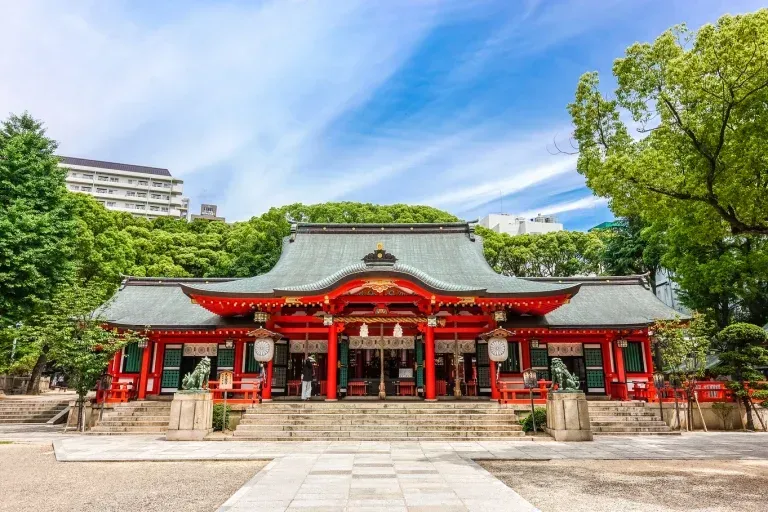
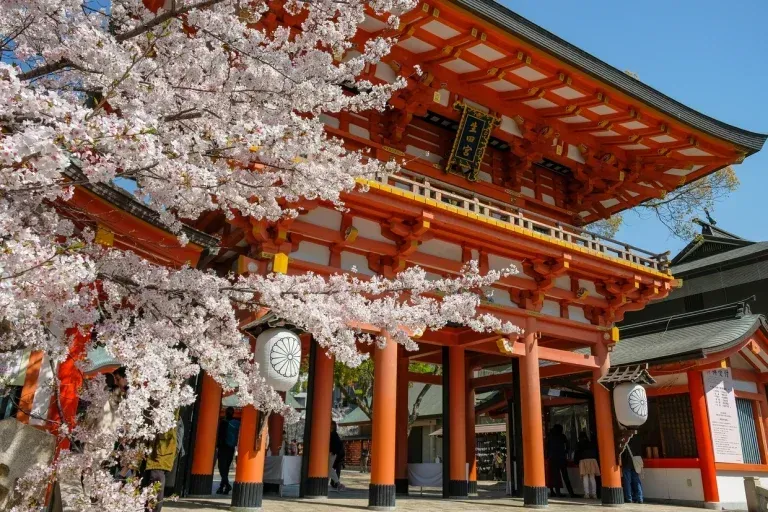
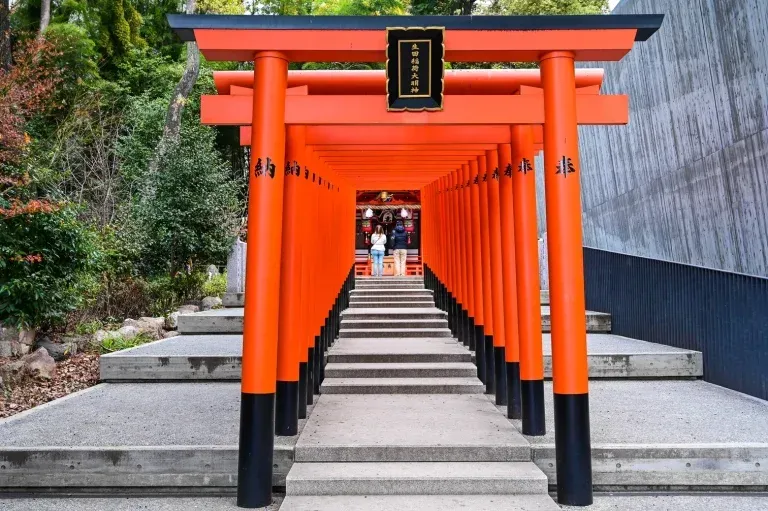
Ikuta Shrine is an ancient shrine with a history spanning over 1,800 years, and it holds significance as a center of Shinto worship. It was built in the year 201 by Empress Jingu as a place to worship Wakahirume no Mikoto, the deity of love and weaving. Ikuta Shrine has been restored many times throughout its history but retains its traditional beauty and architecture, especially in its distinctive wooden structures and delicate craftsmanship. The shrine also has the Ikuta Forest, a sacred grove surrounding the shrine that creates a peaceful atmosphere. Other notable features within the shrine grounds include the Torii Gate, the sacred gate marking the entrance and symbolizing passage into holy ground; the Haiden, used for rituals and prayers; and the Honden, where the deity Wakahirume is enshrined. The shrine also hosts various events and rituals throughout the year.
- Access: Take the train to Sannomiya Station, then walk about 5 minutes to the shrine.
- Location: https://maps.app.goo.gl/3oqT8juRhh4kzQ8m6
10. Nankinmachi
Lee Yiu Tung/shutterstock.com
Sean Pavone/shutterstock.com
beeboys/shutterstock.com
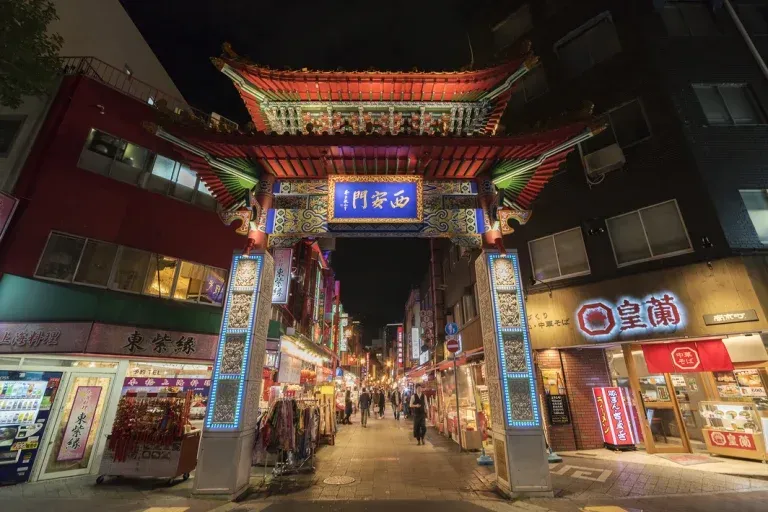
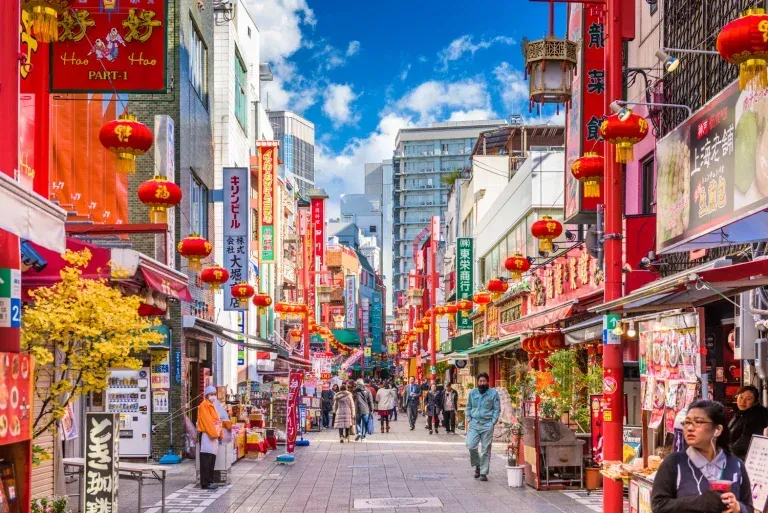
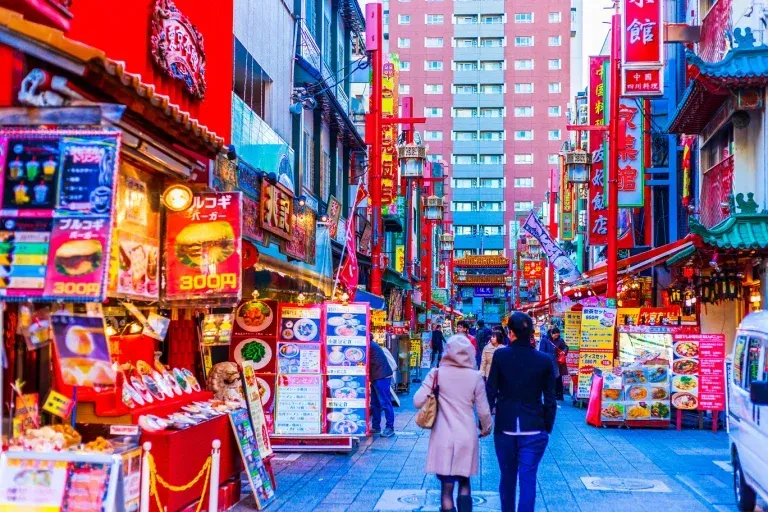
Nankinmachi is the Chinatown district located in central Kobe, one of Japan's three major Chinatowns, alongside Yokohama Chinatown and Nagasaki Chinatown. Nankinmachi was established in 1868, after Japan opened the Port of Kobe to international trade, when many Chinese settlers moved in and opened businesses. The name "Nankinmachi" comes from the city of Nanjing in China, reflecting the Chinese cultural roots brought to Kobe. The main street is lined with shops, restaurants, and stalls selling Chinese food and goods. Highlights include the Nankinmachi Gates, entrance gates beautifully decorated with Chinese patterns; a Chinese temple, a religious center for the local Chinese community; and Chinese restaurants serving authentic Chinese cuisine. Nankinmachi also hosts festivals and events throughout the year, especially a grand Chinese New Year celebration.
- Access: Take the JR Kobe Line to Motomachi Station, then walk about 5 minutes.
- Location: https://goo.gl/maps/ZrqvmdHU8WudBtJ68
11. Kobe Animal Kingdom
Danny Ye/shutterstock.com
Seagrapes/shutterstock.com
sg28220/shutterstock.com
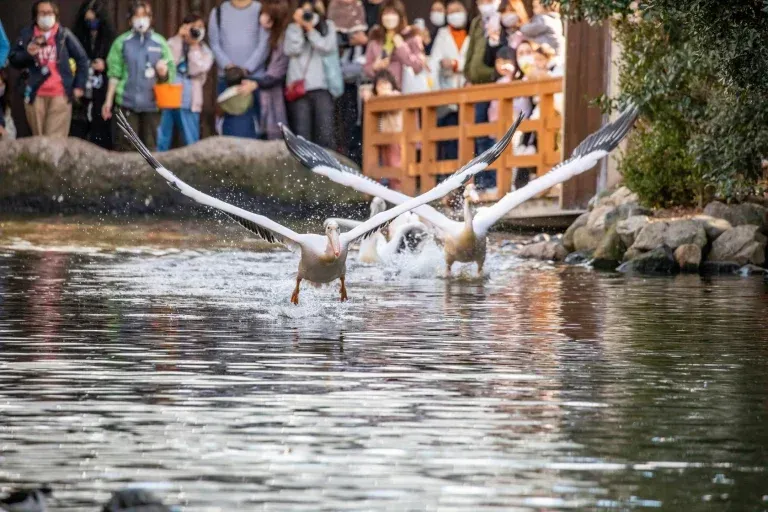
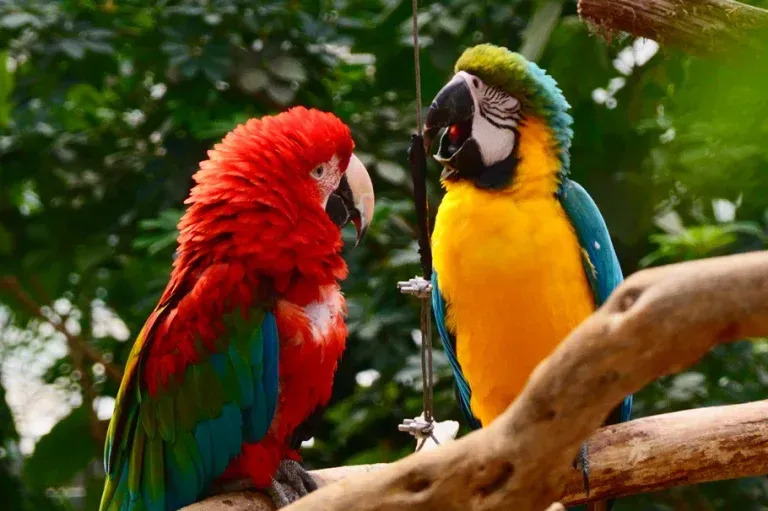
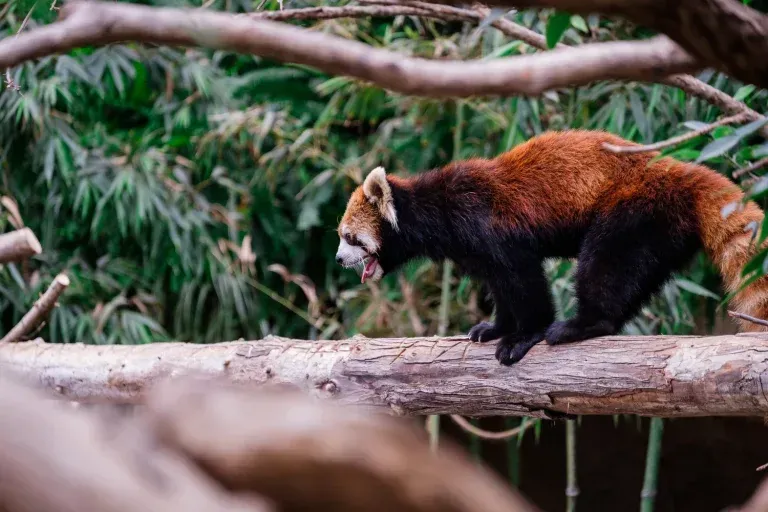
Kobe Animal Kingdom combines a zoo and a botanical garden in one place, where visitors can get up close with a variety of animals and enjoy the beauty of many kinds of flowers. Kobe Animal Kingdom opened in 2006 with the aim of promoting nature conservation and education. It was designed to let visitors learn about animals and plants in an open, natural setting. The park is divided into several zones, each with different animals and plants: the Water Zone, where ponds and streams are home to aquatic creatures; the Bird Zone, home to a variety of birds from around the world; the Land Animal Zone, home to animals such as kangaroos, red pandas, and llamas; and the Plant Zone, with gardens of flowers and trees in a shaded, relaxing setting where visitors can enjoy the scenery year-round.
- Access: Take the Port Liner to Keisan Kagaku Center Station, then walk about 1 minute, or travel by ferry from the Port of Kobe.
- Location: https://maps.app.goo.gl/ZHD89okzFQSmsxSs6
12. Kitano Ijinkan
beeboys/shutterstock.com
beeboys/shutterstock.com
Carlos Huang/shutterstock.com
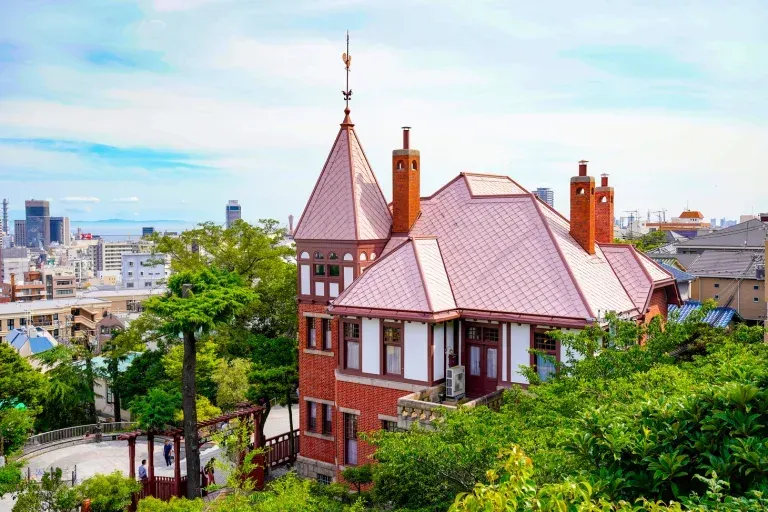
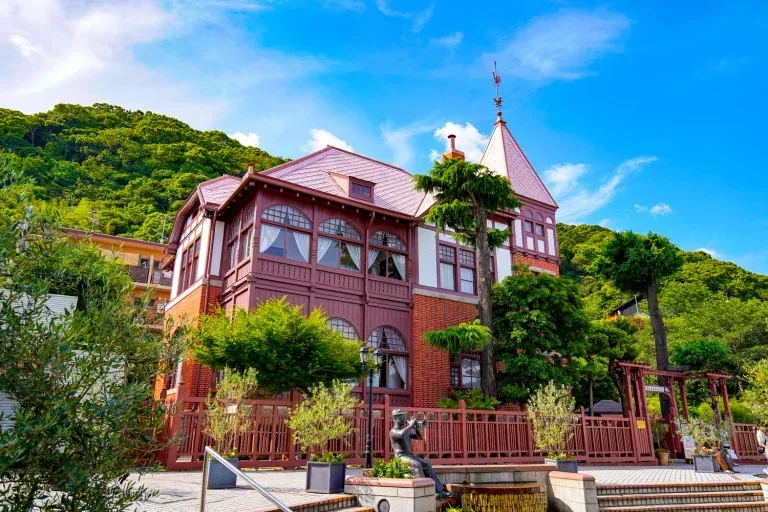
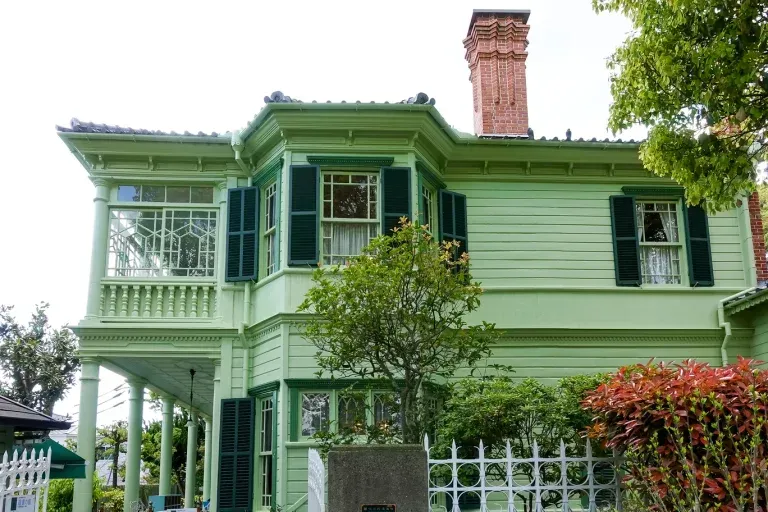
Kitano Ijinkan is known as the residential area for foreigners who settled in Japan from the late 19th century, after Japan opened its borders. The Kitano district is filled with Western-style houses, many of which are now preserved and open as museums for visitors. Most of the foreign residents here were European and American, so the houses were built with a blend of Western and Japanese architecture, giving them a beautiful and distinctive character. Each house has its own interesting history, offering visitors a chance to learn about the culture and history of the foreign residents who once lived in Kobe. The Kitano district also hosts interesting events and festivals throughout the year, such as a cherry blossom festival in spring, a winter illumination festival, and performances of Western-style music and dance.
- Access: Take the train to Shin-Kobe Station or Sannomiya Station, then walk about 15 minutes.
- Location: https://maps.app.goo.gl/vfxXyT17Rkjdtmwb6
What to Eat in Kobe
Kobe Beef
Of course, when visiting Kobe, you have to try Kobe beef, the highlight of the city's food scene. This high-quality wagyu beef can be enjoyed in many forms:
- Kobe Beef Steak: Kobe beef grilled to perfection, showcasing the meat's tenderness and flavor
- Kobe Beef Shabu-Shabu: Thinly sliced beef cooked in rich broth, served with vegetables and various dipping sauces
- Kobe Beef Sushi: Thin slices of fresh Kobe beef served over rice, often available at upscale sushi restaurants
- Kobe Beef Yakiniku: Japanese-style grilled Kobe beef served with a dip of salt—fragrant, subtly sweet, and melt-in-your-mouth tender
Local Kobe Cuisine
Besides Kobe beef, Kobe also has plenty of local dishes to try:
- Sea Bream Sashimi: Fresh fish caught from the seas around Kobe, made into sashimi with a fresh, sweet flavor
- Kobe Ramen: Local ramen with rich broth and chewy noodles, topped with chashu pork, bamboo shoots, and green onions
- Gyoza: Japanese-style dumplings fried until crispy, served with soy sauce and sesame oil
Markets and Restaurants
Markets and restaurants in Kobe offer plenty of opportunities to try local food:
- Sannomiya Market: A market offering fresh food, dried goods, and sweets
- Chinatown Restaurants: Nankinmachi, Kobe's Chinatown, is a great place to try dim sum and other Chinese dishes
- Traditional Tea Houses: Experience a traditional Japanese tea ceremony or enjoy a peaceful moment with a cup of tea and traditional Japanese sweets at one of Kobe's charming tea houses
Where to Stay in Kobe
Here are some great areas to stay in Kobe, focusing on accommodations in the city center around Sannomiya and Kobe Station.
▌Sannomiya
Sannomiya is Kobe's shopping and entertainment hub, filled with shops, cafes, and entertainment venues. It's close to the Port of Kobe, ideal for those who want to stay in the heart of the city.
▌Kobe Station
The Kobe Station area is ideal for travelers who value transport convenience. It's close to Harborland and Meriken Park, with access to the Shinkansen (bullet train), local trains, buses, and trams.
▌Arima Onsen
Arima Onsen is a quiet and beautiful area with the Arima hot springs and Mount Rokko nearby, ideal for relaxation and enjoying nature.
Seasons in Kobe
Kobe is a year-round destination, with each season offering its own charm and activities. Here's what to expect in each season, along with average temperatures:
Spring (March to May)
Spring in Kobe brings cherry blossoms and mild weather:
- Temperature: Average highs of 15°C (59°F) in March, rising to 23°C (73°F) in May
- Cherry Blossoms: Many parks in Kobe, such as Meriken Park and Suma Rikyu Park, are filled with blooming cherry blossoms, creating beautiful scenery for hanami
Summer (June to August)
Summer brings warm weather and lush green scenery:
- Temperature: Average highs of 27°C (81°F) in June, rising to 31°C (88°F) in August
- Water Activities: Beaches and waterside spots such as Awaji Island are great for relaxing in the summer
- Kobe Festivals: Several summer festivals in Kobe feature parades, live music, and illuminations that bring the city to life
Autumn (September to November)
Autumn is a beautiful time to visit Kobe, with cool weather and vibrant fall colors:
- Temperature: Average highs drop from 28°C (82°F) in September to 17°C (63°F) in November
- Autumn Leaves: Parks and mountains in Kobe are filled with red, orange, and yellow foliage, creating stunning scenery
- Food Festivals: Food festivals in Kobe are a great opportunity to try local and international cuisine
Winter (December to February)
Winter in Kobe brings cool weather and a distinctive atmosphere:
- Temperature: Average highs of 10°C (50°F) in December, dropping to 8°C (46°F) in January and February, with lows that can drop to 2°C (36°F) or below
- Kobe Luminarie: Held in late January-early February to commemorate the 1995 Great Hanshin Earthquake, this festival features beautiful illuminations throughout the city
- Snow Activities: While Kobe itself doesn't get much snow, Mount Rokko and nearby areas offer winter activities such as skiing and snowboarding
Amazing Facts About Kobe
- Kobe Port Tower: With its hyperboloid structure, Kobe Port Tower is an architectural marvel. It was the first building in the world to use a pipe-frame structure, making it a distinctive symbol of Japan
- Kobe Beef: Kobe is world-famous for Kobe beef, considered by many to be among the finest beef in the world. Its rigorous farming process and beautiful marbling make it a luxurious dining experience
- Akashi Kaikyo Bridge: This was once the longest suspension bridge in the world, spanning 3,911 meters and connecting Kobe to Awaji Island—a marvel of modern engineering
- Kobe Earthquake Memorial Museum: This museum is dedicated to the 1995 Great Hanshin-Awaji Earthquake, which devastated Kobe. It is one of the first museums in the world to focus on earthquake science and disaster prevention
- Kitano District: Known for its Western-style buildings from the late Meiji and Taisho eras, it is one of the few places in Japan where you can see European architecture from that period still standing in good condition