


Sapporo is the capital of Hokkaido and the largest city in the region, ranking as the 5th largest city in Japan. The city offers many attractions, including beautiful nature, diverse culture, and delicious food. It is also home to a world-famous festival, the Sapporo Snow Festival, held every year in winter.
Why Visit Sapporo? What Makes This City Special?
There are countless reasons why Sapporo deserves at least one visit (or several). Every year, the city hosts one of the world's largest snow festivals, with massive ice and snow sculptures, in Japan's longest park, which also hosts events year-round. It is also home to the oldest brewery in Japan, where visitors can learn about beer-making history and sample fresh beer.
You'll also find the oldest clock tower in Japan, an important symbol of the city. Try the region's signature grilled lamb dishes and enjoy stunning night views from a mountaintop. There's also a botanical garden filled with a wide variety of plants. All this and more awaits you in Sapporo, a city full of charm that no traveler should miss!
How Many Days Do You Need in Sapporo?
The ideal number of days for visiting Sapporo depends on your interests, but we recommend spending at least 3-5 days in the city:
- 3 days: Enough to explore Sapporo's main attractions, such as Odori Park, Sapporo TV Tower, and the Clock Tower. You can also take a day trip to nearby Otaru or Jozankei Onsen.
- 5 days: With five days, you can explore in more depth or add extra short trips. This is enough time to visit places like Moerenuma Park, the Sapporo Beer Museum, and enjoy markets and restaurants. You can also visit a ski resort or nearby Noboribetsu for a hot spring soak.
- One week or more: Spending a week or more in Sapporo lets you fully enjoy the city and surrounding areas, depending on the season — from the Sapporo Snow Festival in winter to the beautiful lavender fields in Furano in summer.
Let's look at 15 must-visit attractions in Sapporo.
1. Odori Park
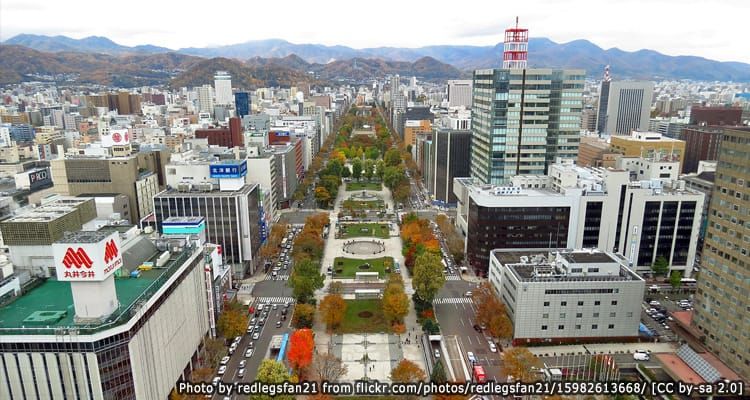
Photo by redlegsfan21 from flickr.com/photos/redlegsfan21/15982613668/ [CC by-sa 2.0]
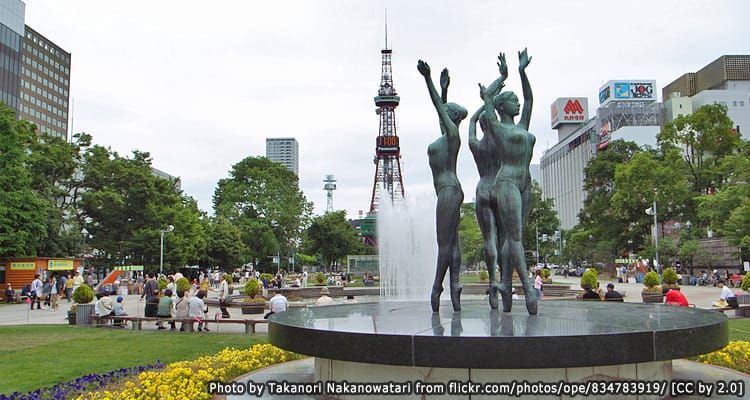
Photo by Takanori Nakanowatari from flickr.com/photos/ope/834783919/ [CC by 2.0]
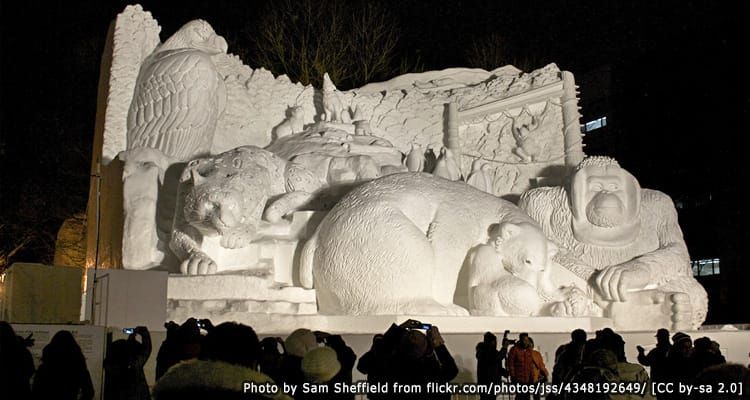
Photo by Sam Sheffield from flickr.com/photos/jss/4348192649/ [CC by-sa 2.0]

- Access: About a 10-minute walk from JR Sapporo Station.
- Coordinates: https://maps.app.goo.gl/XpS61FPYbVmQpjjX7
2. Jozankei Onsen
Jozankei Onsen [Photo from https://commons.wikimedia.org/wiki/File:%E5%AE%9A%E5%B1%B1%E6%B8%93%E5%A4%A7%E6%A9%8B%EF%BC%88Jozankei_Ohashi%EF%BC%89_-_panoramio.jpg]
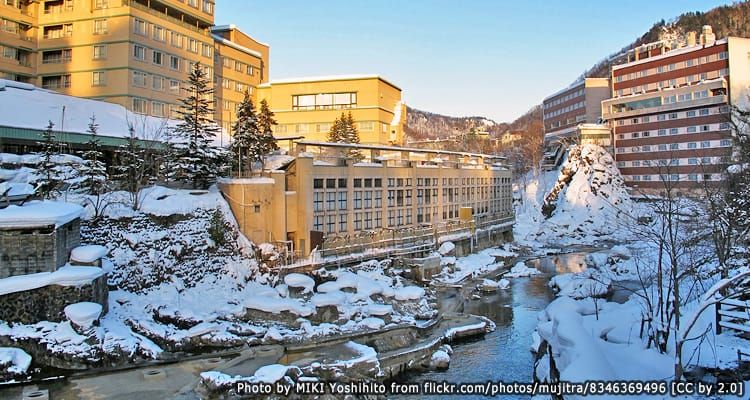
Photo by MIKI Yoshihito from flickr.com/photos/mujitra/8346369496 [CC by 2.0]
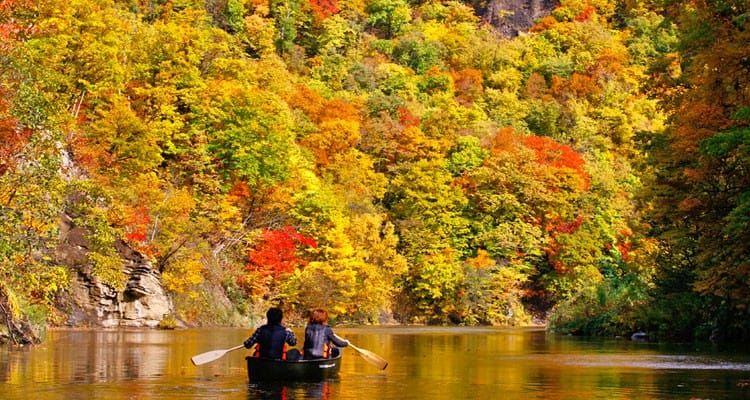
Photo from sapporo.travel
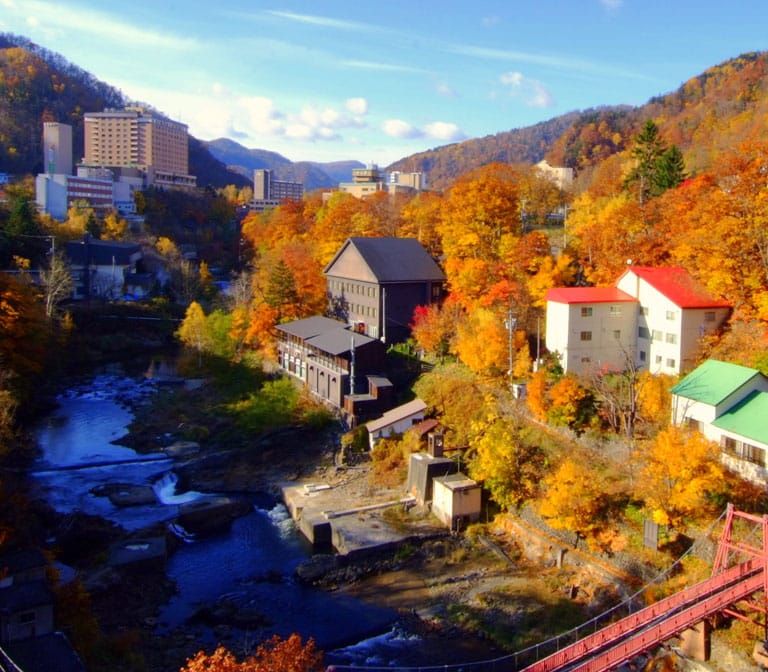
Jozankei Onsen is located within Shikotsu-Toya National Park in the town of Jozankei. It is one of Hokkaido's other famous attractions, with a history spanning more than 100 years. The onsen became well known during the Edo period, when a monk named Miizumi Jozan discovered the hot spring in 1866. He then began developing the area into a resort for rest and health treatment using the hot springs, turning Jozankei into a destination that continues to attract visitors. Jozankei Onsen sits in a scenic valley through which the Toyohira River flows, giving it beautiful views year-round: spring brings blooming flowers, summer is ideal for hiking and exploring nature, autumn offers stunning fall colors, and winter lets you enjoy soaking in the hot springs surrounded by snow.
- Access: Take the Jozankei Hot Springs Direct Bus (Kappa Liner) from JR Sapporo Station to the Jozankei stop (about 1 hour total).
- Coordinates: https://maps.app.goo.gl/J4jT1n644Cmr57Ed7
3. Maruyama Zoo
photos by 皎白筍 from flickr.com/photos/kay0712/9410416568(cc by 2.0)
aileen-mae-sze/shutterstock.com

khantokphotos/shutterstock.com
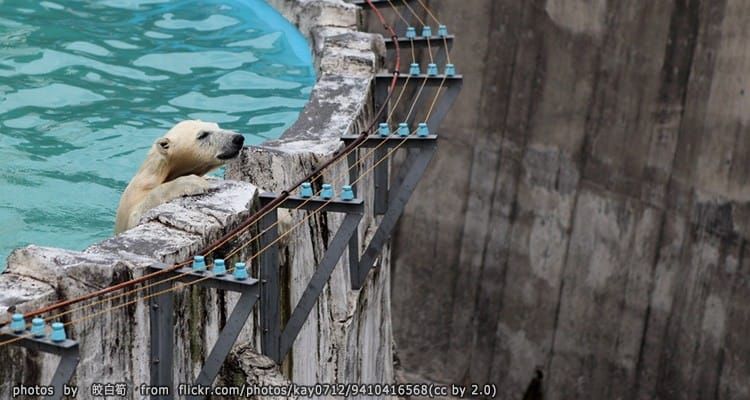
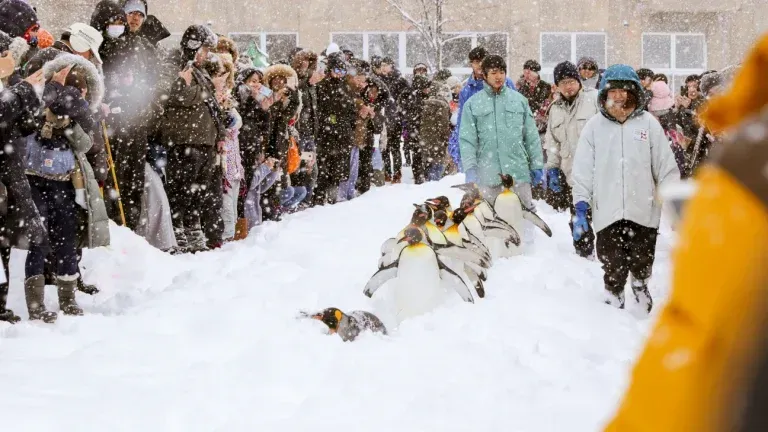
Maruyama Zoo is located within Maruyama Park in Sapporo, Hokkaido. Founded in 1951, it is now home to more than 200 species, including polar bears, lions, tigers, gorillas, and penguins. Visitors can observe these animals in enclosures designed to resemble their natural habitats, allowing them to display natural behaviors. The zoo also features areas for native Hokkaido animals such as sika deer and brown bears, helping visitors learn about the region's wildlife diversity. There are plenty of fun activities, especially for children, including animal feeding and small-animal petting experiences. The zoo also runs educational programs and talks on animals and conservation to raise environmental awareness. Facilities include restaurants, gift shops, and family rest areas.
- Access: Take the Tozai Line subway to Maruyama Koen Station, then walk about 15 minutes.
- Coordinates: https://maps.app.goo.gl/KBgjgRXHXoXaG2hM8
4. Horomitoge Lavender Garden
retirementbonus/shutterstock.com
retirementbonus/shutterstock.com
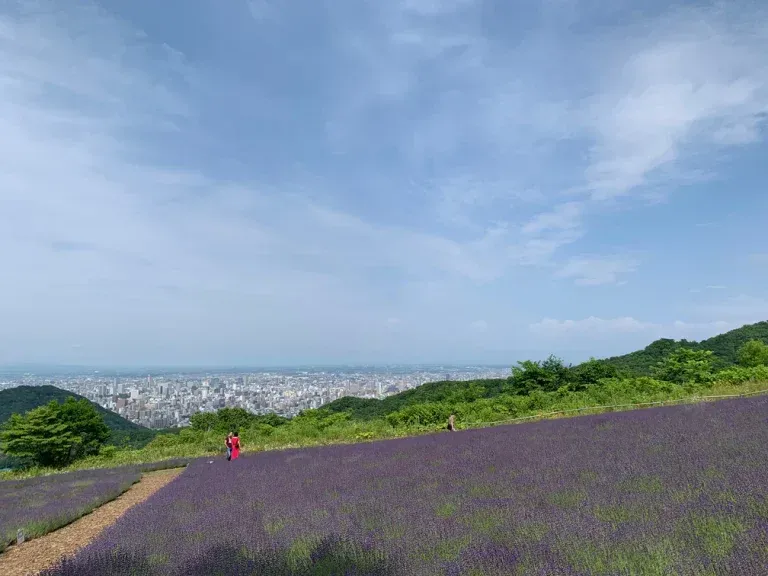
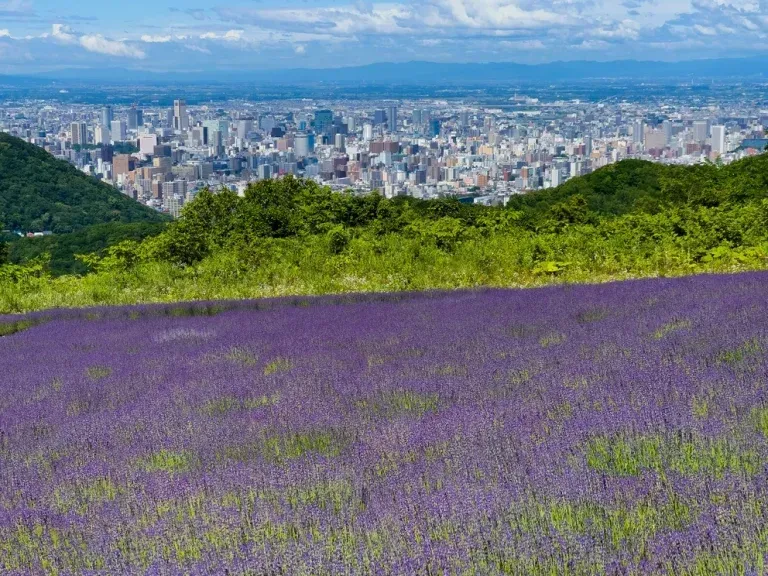
Horomitoge Lavender Garden is located on Horomi Hill. The best time to see the lavender in full bloom is during summer, from June to July, when the garden turns into a vast field of vivid purple stretching as far as the eye can see. Visitors can stroll, admire, and photograph the blooming lavender while enjoying its fragrance. Other activities include cutting your own lavender to take home and browsing the gift shop for lavender products such as essential oils, soap, and cosmetics.
- Access: Take the Bankei Bus from Sapporo Station to the Horomitoge-iriguchi stop, where you'll see the garden entrance path; walk about 30 minutes from there.
- Address: 471-110 Bankei, Chuo Ward, Sapporo, Hokkaido 064-0945, Japan
- Coordinates: https://maps.app.goo.gl/pLwohB1DnTxqzzNs6
5. Historical Village of Hokkaido
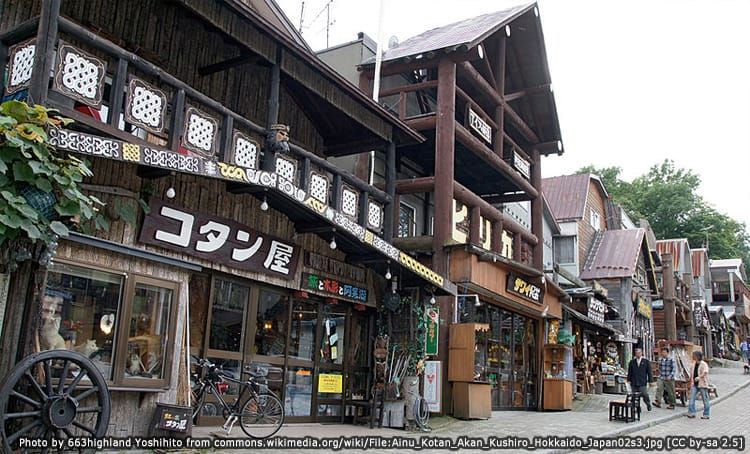
Photo by 663highland Yoshihito from commons.wikimedia.org/wiki/File:Ainu_Kotan_Akan_Kushiro_Hokkaido_Japan02s3.jpg [CC by-sa 2.5]
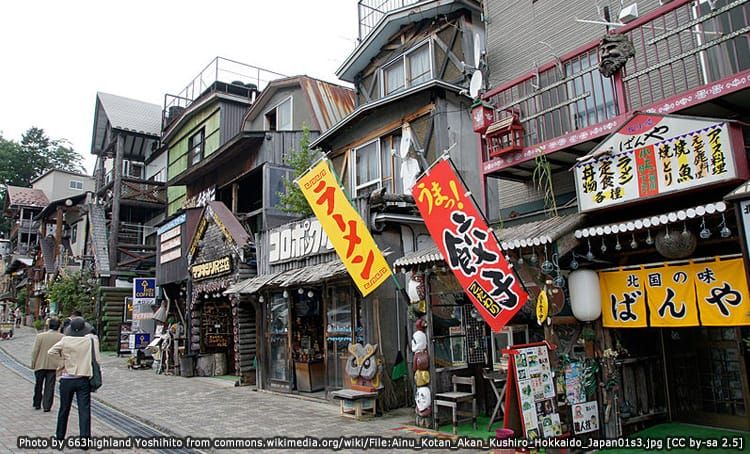
Photo by 663highland Yoshihito from commons.wikimedia.org/wiki/File:Ainu_Kotan_Akan_Kushiro_Hokkaido_Japan01s3.jpg [CC by-sa 2.5]
- Access: Take JR Hokkaido City Bus Route 22 from Shin-Sapporo Station to the Kaitaku no Mura stop, then walk to the village.
- Coordinates: https://maps.app.goo.gl/W313gSBUA8pzYxTz8
6. Shiroi Koibito Park
f11photo/shutterstock.com
CC from https://www.flickr.com/photos/lionel-arts/26380528716
CC from https://www.flickr.com/photos/cafetricot/51848897042/
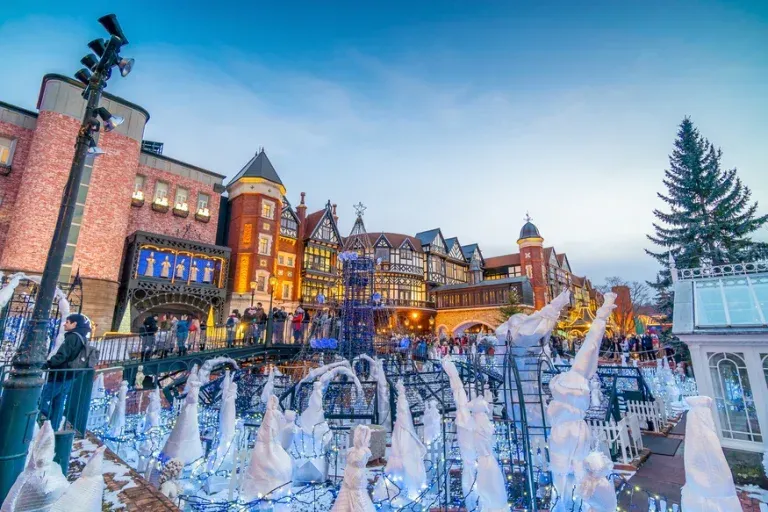
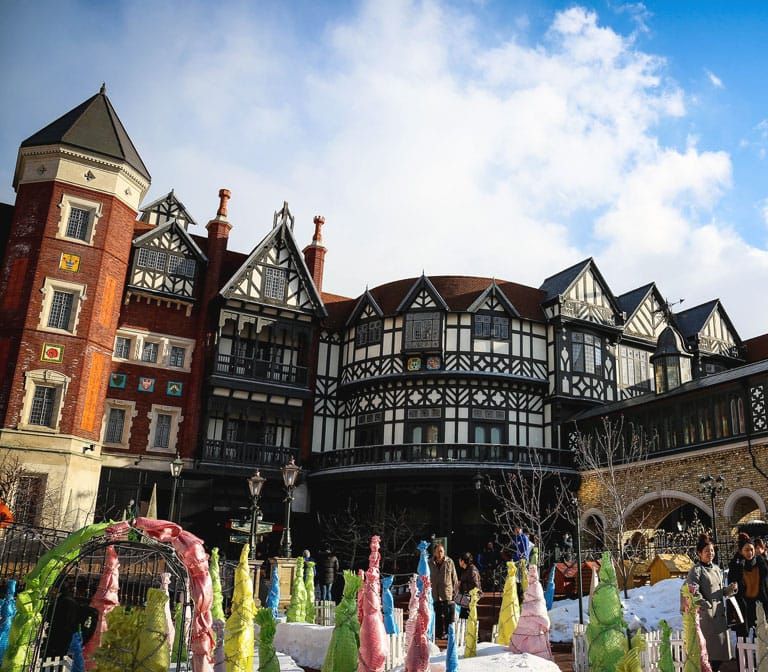
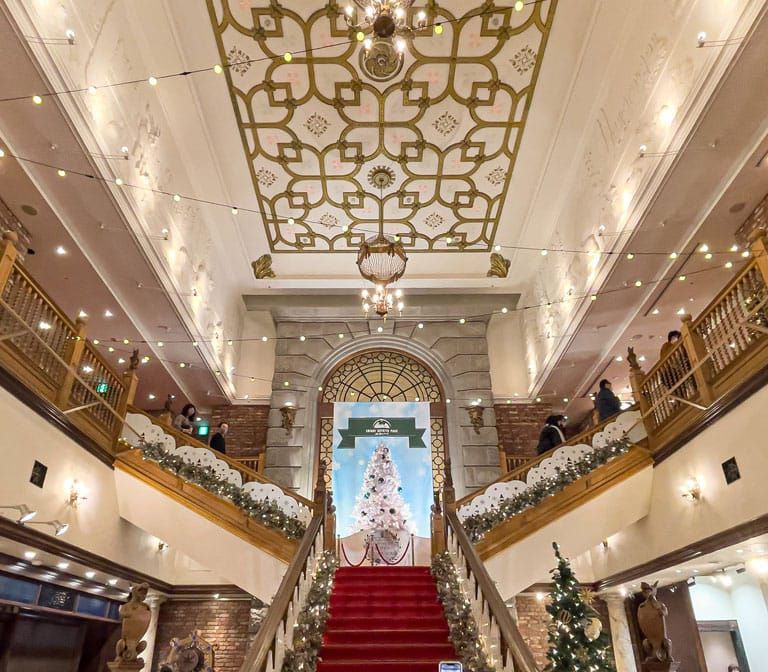
Shiroi Koibito Park is a must-visit for chocolate lovers, as it's the famous confectionery factory behind Shiroi Koibito — a crisp butter cookie sandwich filled with white or milk chocolate. Shiroi Koibito was first produced in 1976 and has become one of Hokkaido's most popular souvenir sweets. Inside the factory, visitors can watch the production process up close and learn how the cookies are made, from mixing ingredients to packaging, then buy some to take home as gifts.
- Access: Take the Tozai Line subway to Miyanosawa Station, then walk about 7 minutes.
- Coordinates: https://maps.app.goo.gl/D3MqhZVyUJan9pnQ8
7. Hokkaido Shrine
artit-wongpradu/shutterstock.com
lifestyle-travel-photo/shutterstock.com
supachai-panyaviwat/shutterstock.com
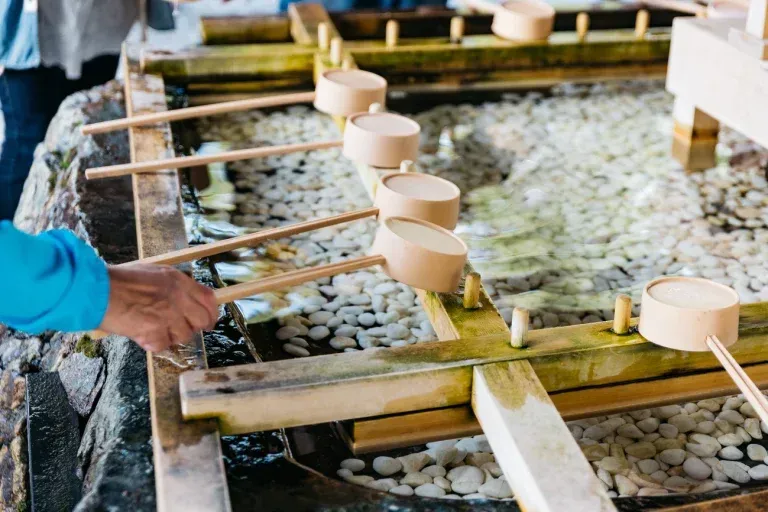
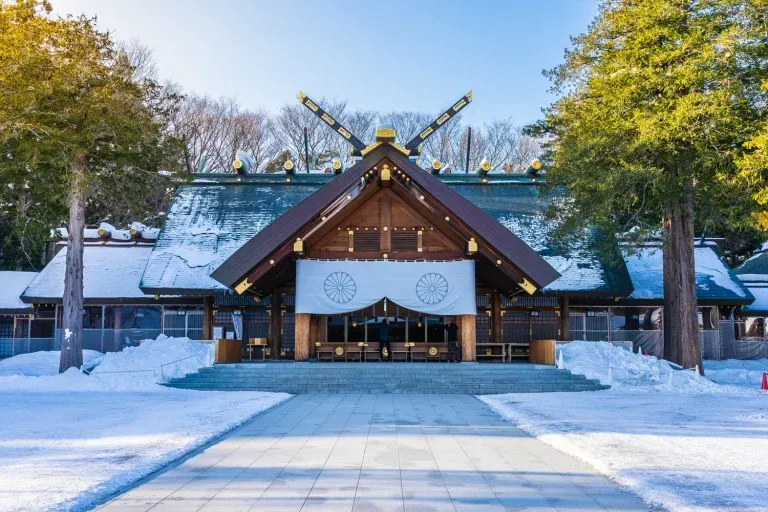
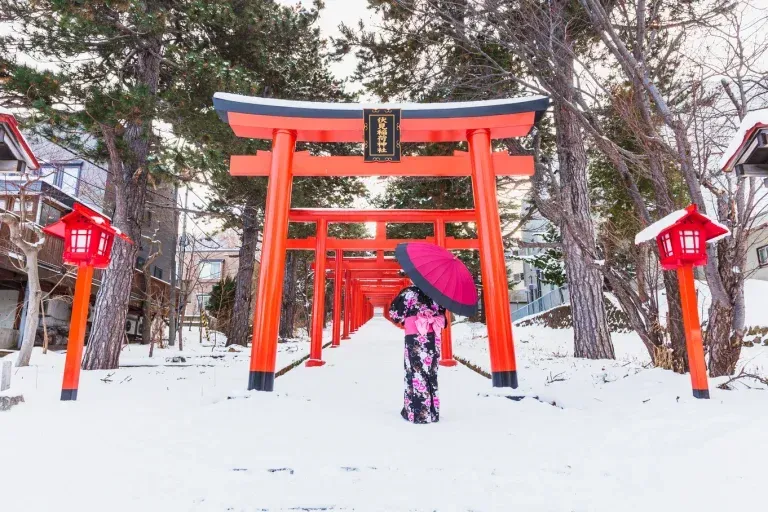
Hokkaido Shrine is located within Maruyama Park. Its full name is Hokkaido-jingu Shrine. This Shinto shrine has a long history spanning more than 150 years and holds great cultural and religious significance, deeply revered by the people of Hokkaido. The shrine was founded in 1871 during the reign of Emperor Meiji, and its wooden buildings reflect Meiji-era architecture. It enshrines several deities. A tall, striking torii gate stands at the shrine's entrance. The grounds have a peaceful, shaded atmosphere surrounded by trees and enclosed by mountains on three sides. It is said that visitors who come here to pray often see their wishes come true.
- Access: Take the Namboku Line subway from Sapporo Station to Odori Station, then transfer to the Tozai Line to Maruyama-Koen Station. Take Exit 3 to enter Maruyama Park directly.
- Coordinates: https://maps.app.goo.gl/RN4sf8xD474tDbnG9
8. Hill of the Buddha
b-hide-the-scene/shutterstock.com
tanasut-chindasuthi/shutterstock.com
anucha-cheechang/shutterstock.com
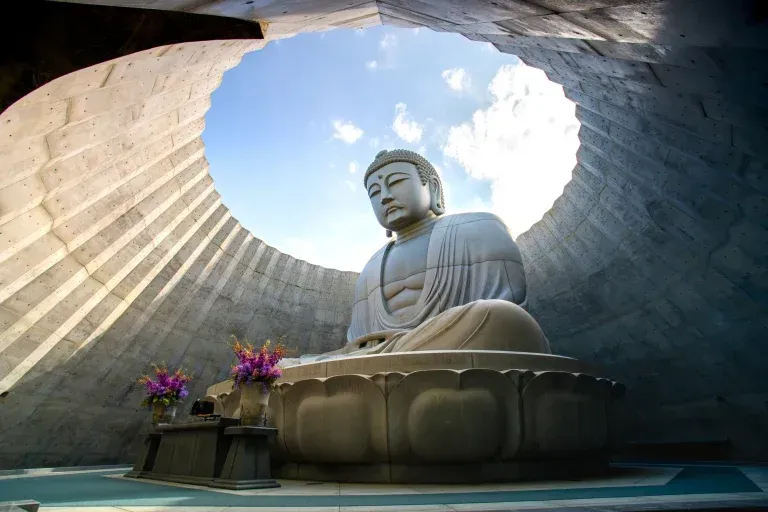
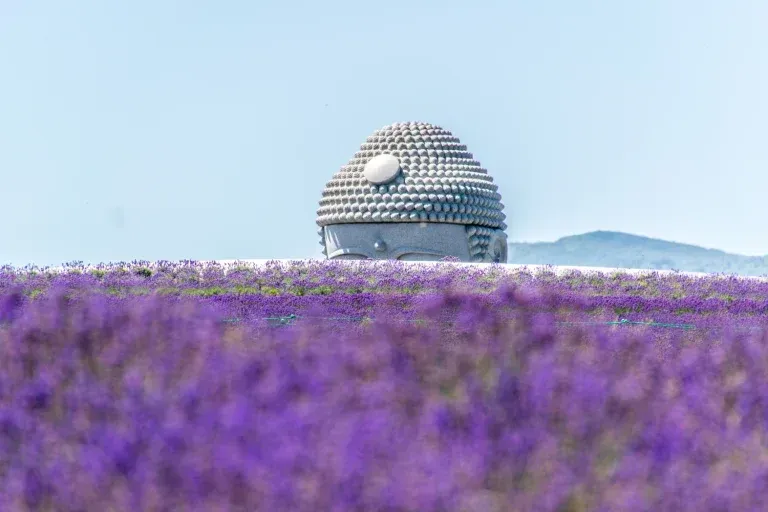
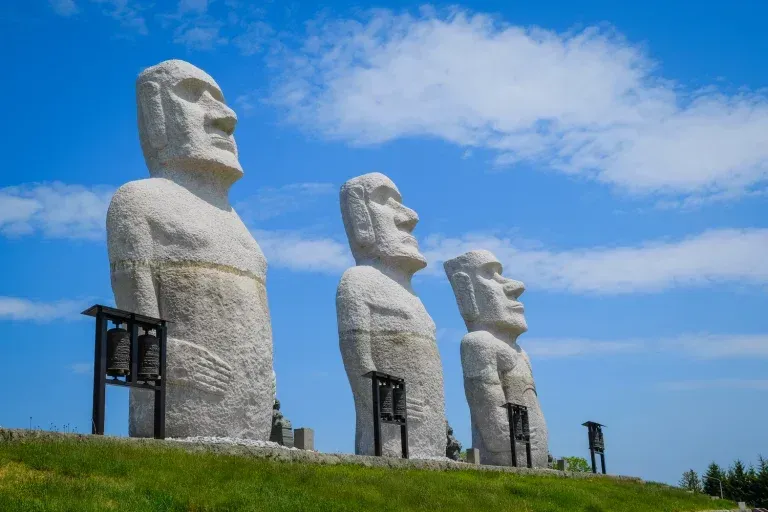
Hill of the Buddha, located within the grounds of Makomanai Takino Cemetery in Sapporo, was built as a place for worship and meditation. Its design beautifully blends art, architecture, and nature. The site was designed by renowned Japanese architect Tadao Ando and has been open to visitors since 2015. The seated Buddha statue, made of reinforced concrete, stands 13.5 meters tall and is surrounded by a dome-shaped grassy hill. In summer, the statue sits amid a field of blooming lavender, while in winter, the statue and its surroundings are blanketed in pure white snow.
- Access: Take the Namboku Line from Sapporo Station to Makomanai Station, then take Sapporo Chuo Bus Route 108 from bus stop No. 2.
- Coordinates: https://maps.app.goo.gl/CfuUTFGHE74C2eGU6
9. Hiraoka Greenery Center
club4traveler/shutterstock.com
club4traveler/shutterstock.com
club4traveler/shutterstock.com
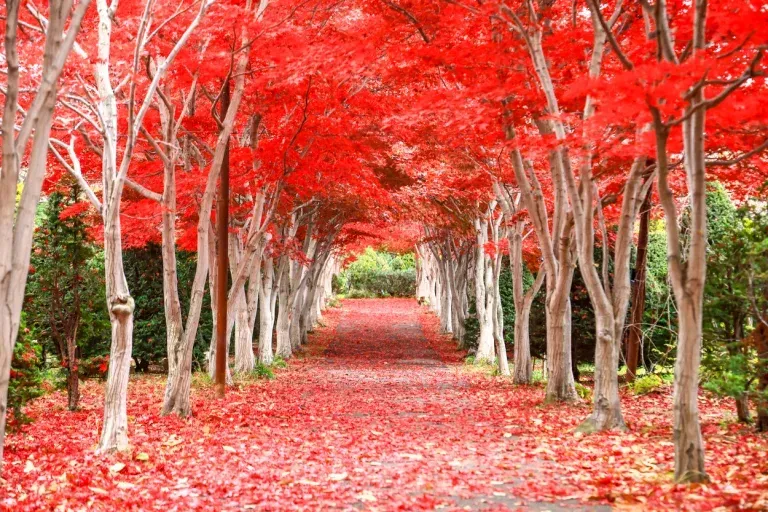
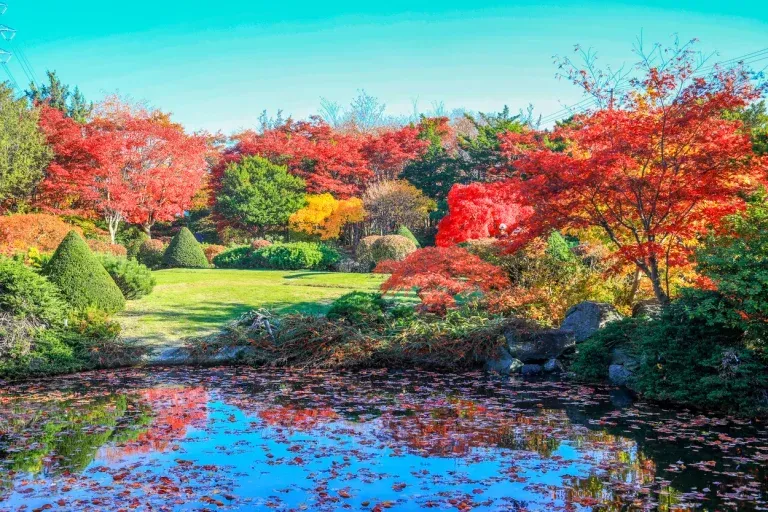
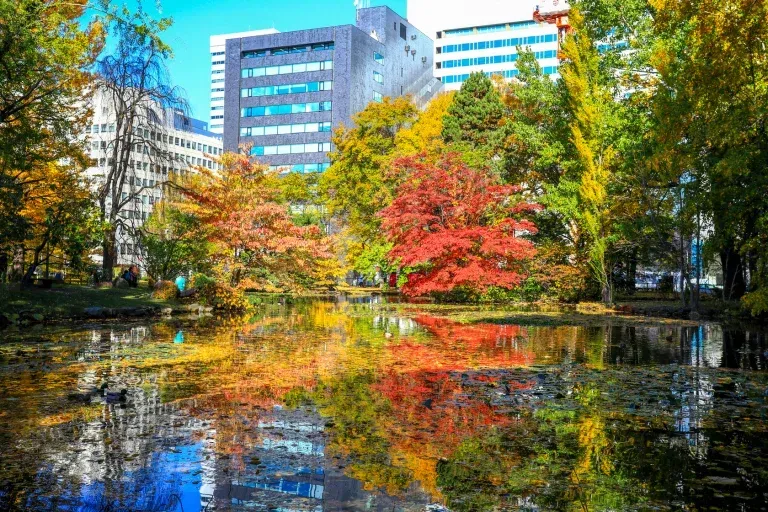
Hiraoka Greenery Center is a botanically diverse attraction, ideal for nature lovers. Spanning over 48 hectares, it displays a wide variety of plant species. The park was established as a research and conservation site for plant species, as well as a place to learn about and enjoy nature. Visitors can walk through the gardens and learn about the plants on display in different areas, including flower gardens, tree gardens, and vegetable plots. During the autumn leaf season, visitors can enjoy a colorful tunnel of more than 700 maple trees of various species lining a long stretch of road. In other seasons, especially spring, cherry trees planted along the same path form a similar tunnel of blossoms. Many other flowers can also be admired here throughout the year.
- Access: Take Bus Route 69 from Oyachi Station to Hiraoka Station, then walk about 10 minutes to the park.
- Coordinates: https://maps.app.goo.gl/M4ctktHRP4tUNt927
10. Doraemon Waku Waku Sky Park
Note: Doraemon Waku Waku Sky Park closed on July 14, 2025.

enchanted_fairy/shutterstock.com

thanan-kongdoung/shutterstock.com
thanan-kongdoung/shutterstock.com
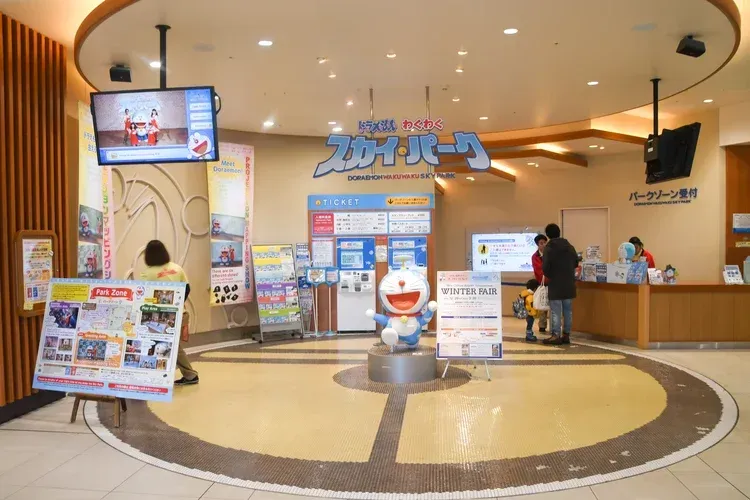
Doraemon Waku Waku Sky Park is a museum for Doraemon fans, located on the 3rd floor in the Smile Road zone connecting the Domestic and International Terminal Buildings at New Chitose Airport. It's a fun attraction for families and Doraemon fans wanting to step into a world of imagination. The museum houses a huge collection of Doraemon-related items across several zones, including a play and activity zone, an exhibition zone, and a shop and dining zone. There's also a workshop where you can color pictures of Doraemon and other characters, plus a library of Doraemon comics translated into many languages from around the world.
- Access: Easily reached from central Sapporo by train or bus.
- Coordinates: https://maps.app.goo.gl/eb6N2EaFpt3NLG2u8
11. Sapporo Beer Museum
sean-pavone/shutterstock.com
richie-chan/shutterstock.com
fluid-shutter/shutterstock.com

9bon/shutterstock.com
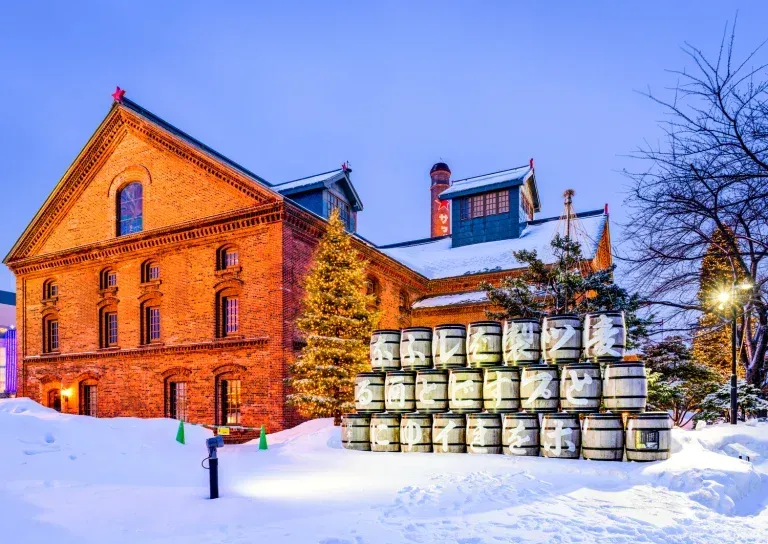
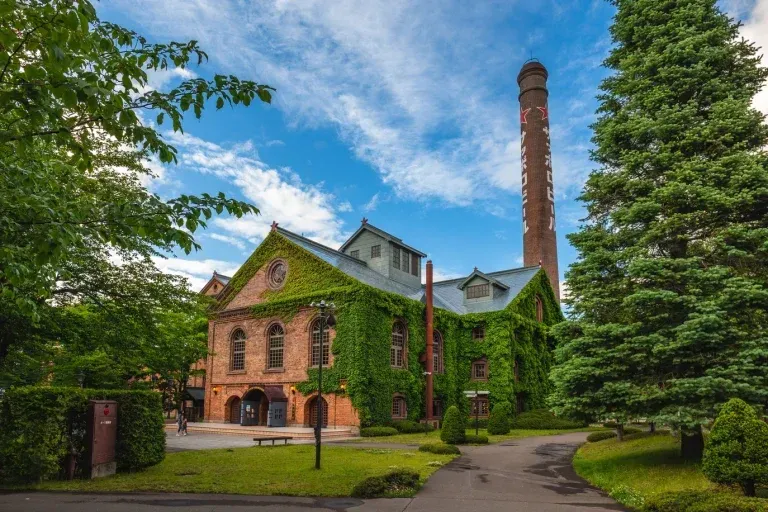
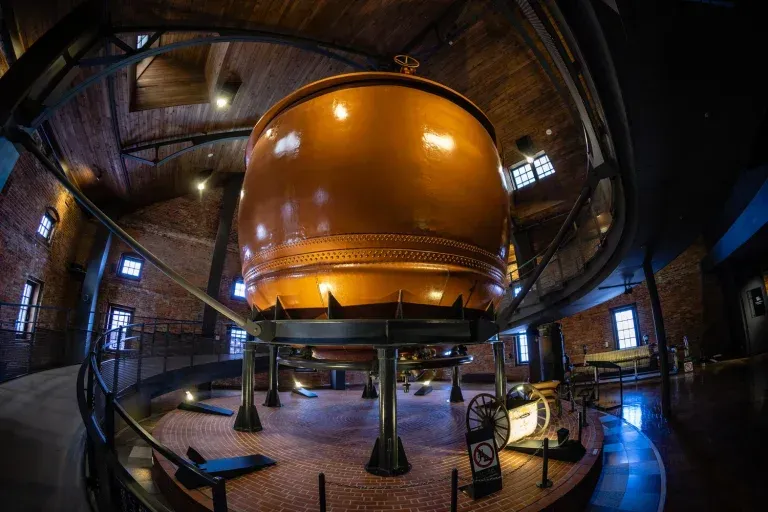
Sapporo Beer Museum is a must-visit for beer lovers traveling to Sapporo. The museum tells the story of Sapporo Beer, one of Japan's oldest and most famous beer brands and a symbol of Japanese beer enjoyed worldwide. Beer production in Sapporo began in 1877, and the museum officially opened in 1987.
Inside, visitors can enjoy exhibits on the beer-making process and the evolution of the Sapporo Beer brand, plus a beer-tasting session that's a major highlight. The museum also has a gift shop selling Sapporo Beer merchandise such as beer glasses, clothing, and other branded items for visitors to take home as souvenirs.
- Access: Take the Toho Line subway from Sapporo Station to Higashi-Kawaguchi Station, exit 4, then walk about 10 minutes.
- Coordinates: https://maps.app.goo.gl/tKbcQ8TunKLU7udd6
12. Sapporo Clock Tower
tkyszk/shutterstock.com
akashi-images/shutterstock.com
sean-pavone/shutterstock.com
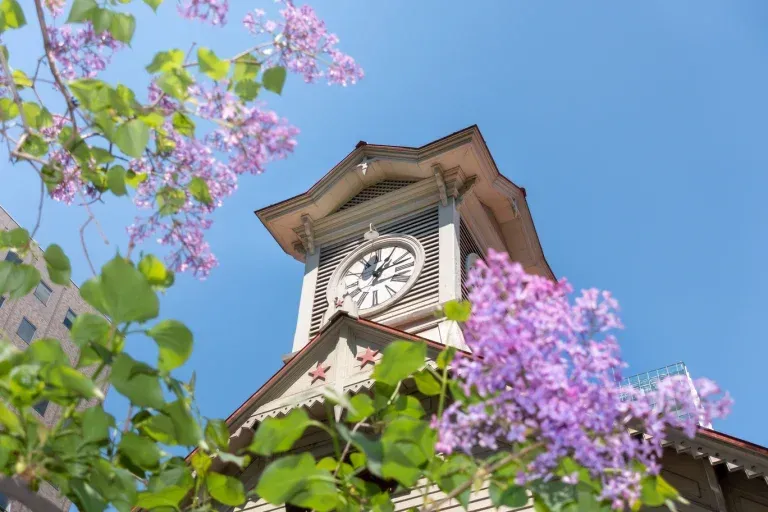
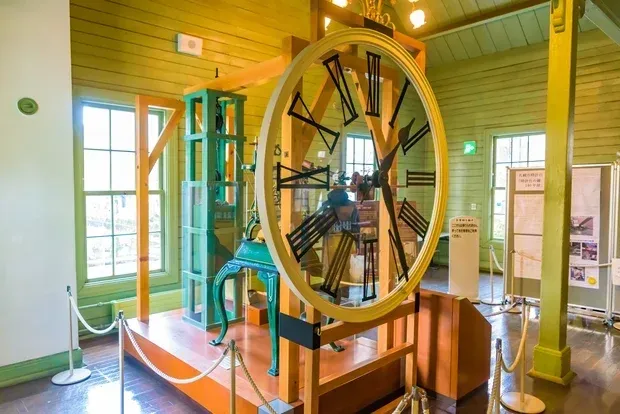
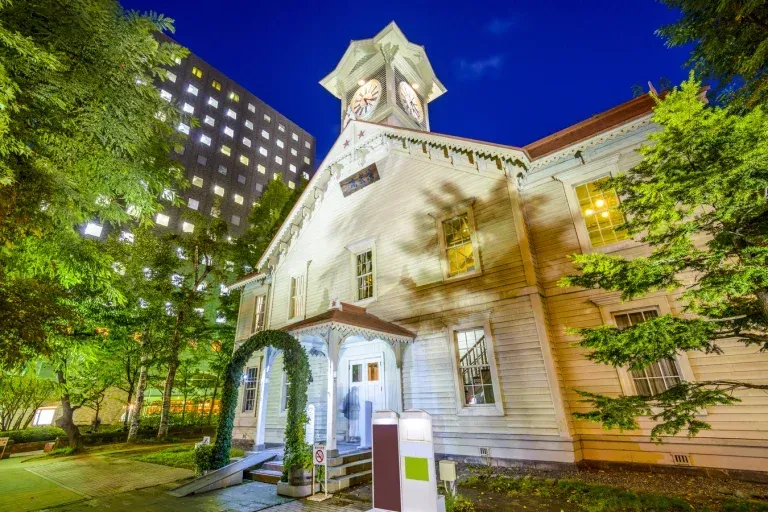
Sapporo Clock Tower is another landmark of the city, built in 1878. With a history spanning more than 100 years, it has long served as a symbol of Sapporo. The wooden building was built in an American architectural style, painted white with a striking red roof, and looks especially beautiful in winter under fresh snow. It's also one of the few remaining Western-style buildings in the city. Inside, exhibits tell the story of Sapporo: the first floor covers the city's history, while the second floor focuses on the clock itself. The Clock Tower is a designated Important Cultural Property of Japan.
- Access: Take the Toho Line subway from Sapporo Station to Higashi-Kawaguchi Station, exit 4, then walk about 10 minutes.
- Coordinates: https://maps.app.goo.gl/GVJMRfMNhEEzgchaA
13. Nijo Fish Market
yusei/shutterstock.com
pangjee_s/shutterstock.com
oliverouge/shutterstock.com
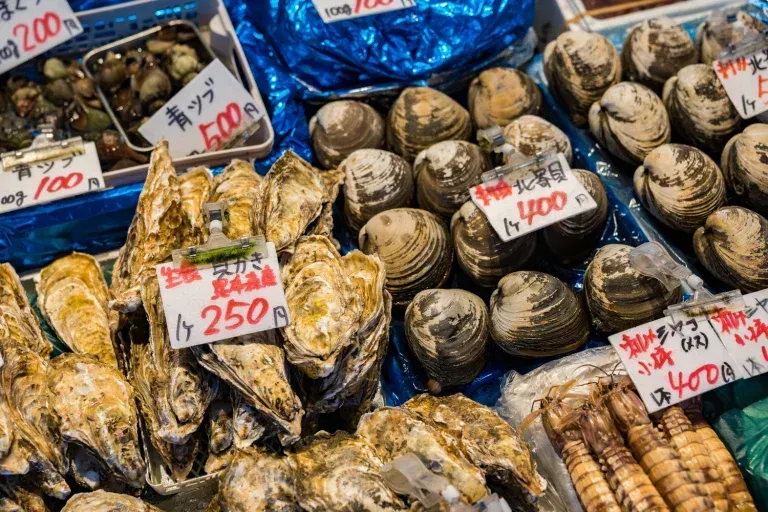
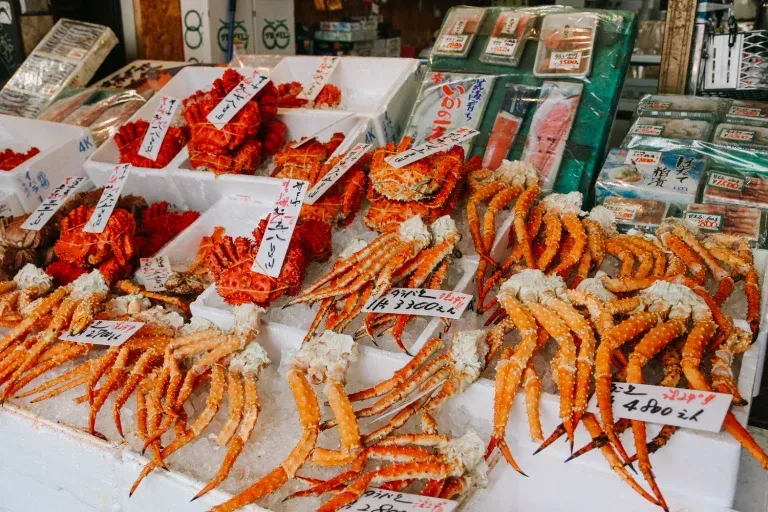
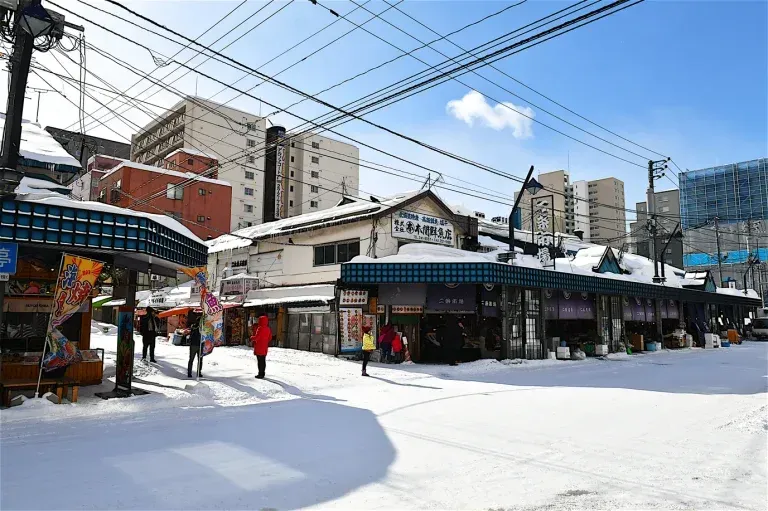
Nijo Fish Market is a market with more than 100 years of history, located in central Sapporo. It's easily accessible and not far from the Tanukikoji shopping arcade. The market bustles with shoppers throughout the day and is a popular destination for tourists. It has numerous shops and restaurants, with its kaisendon (raw fish rice bowl) restaurants especially famous for their freshness and flavor. Besides fresh fish, the market also sells a variety of fresh and dried seafood. The market began when fishermen from Ishikari Bay started selling fresh fish here in the early Meiji era. Over time, other types of shops joined, such as fruit stalls, seafood restaurants, and food vendors, forming the market we see today.
- Access: About a 5-minute walk from Block 1 of the Tanukikoji shopping arcade.
- Coordinates: https://maps.app.goo.gl/gB1uKBbToLdWT4oh7
14. Nopporo Forest Park
takashi-images/shutterstock.com
manuel-ascanio/shutterstock.com
manuel-ascanio/shutterstock.com
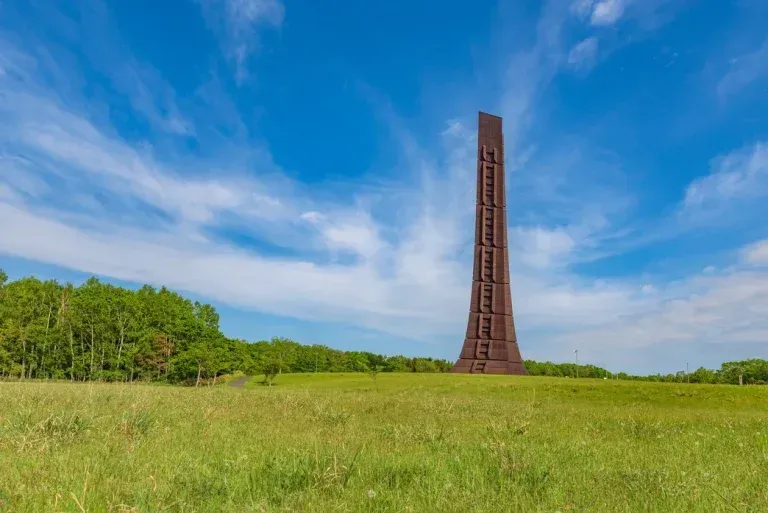
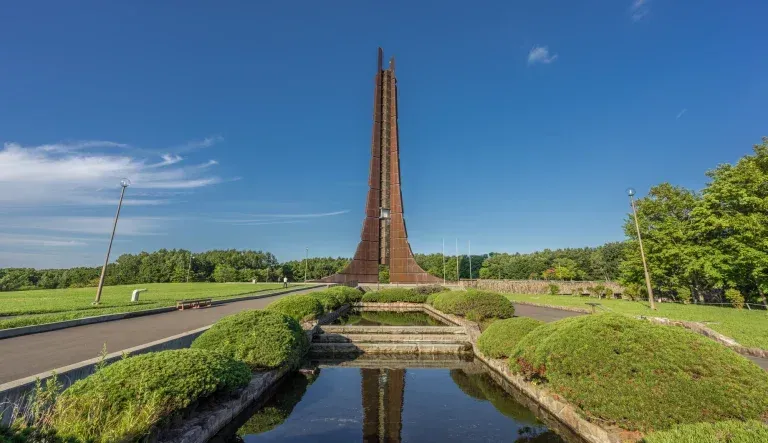
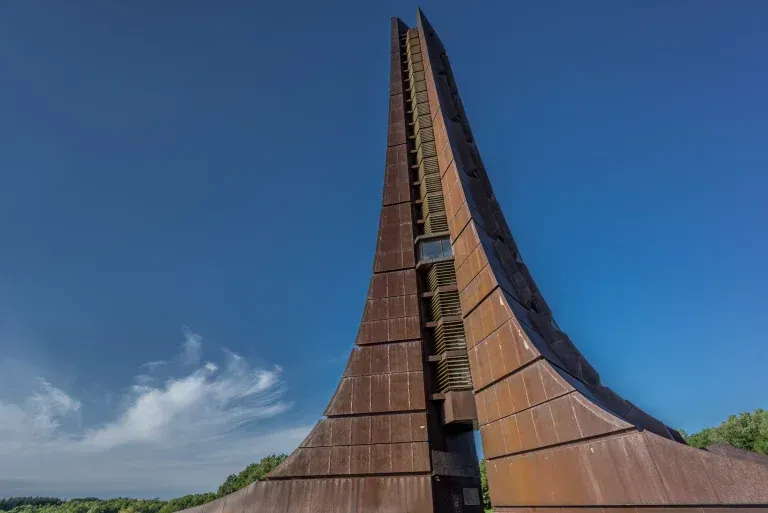
Nopporo Forest Park is a lush, richly forested park and a designated prefectural natural park in Hokkaido. Established in 1968, it spans over 2,080 hectares and is home to more than 510 species of densely growing trees, as well as diverse wildlife such as wild birds, insects, Hokkaido squirrels, mountain hares, brown frogs, and more. The park was also home to the Centennial Memorial Tower, built to celebrate the 100th anniversary of Hokkaido's founding. The 100-meter-tall tower was closed due to aging and has since been demolished. The park is also home to the Hokkaido Museum and the Historical Village of Hokkaido.
- Access: Take a local train from Sapporo Station to Shinrin Koen Station, exit East, then take Bus Route 22 (about 5 minutes).
- Coordinates: https://maps.app.goo.gl/nqyEGGuue1xgaLKVA
15. Mount Moiwa
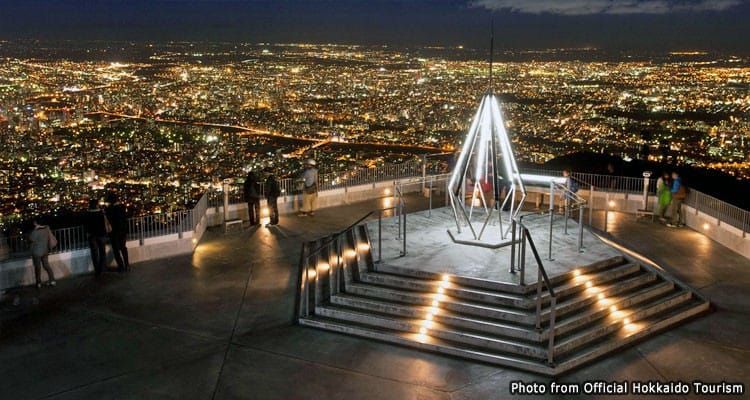
Photo from Official Hokkaido Tourism
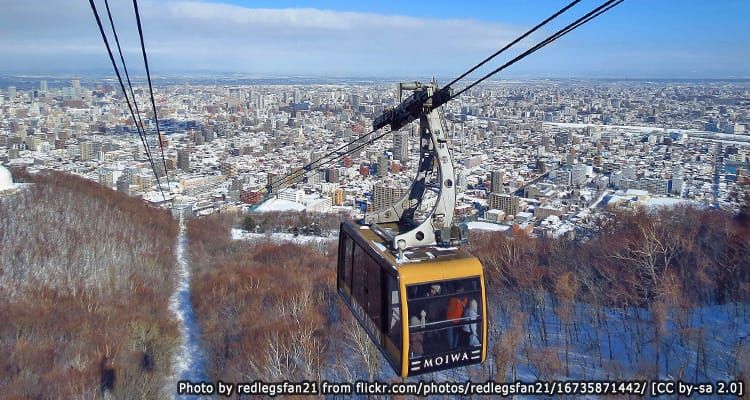
Photo by redlegsfan21 from flickr.com/photos/redlegsfan21/16735871442/ [CC by-sa 2.0]
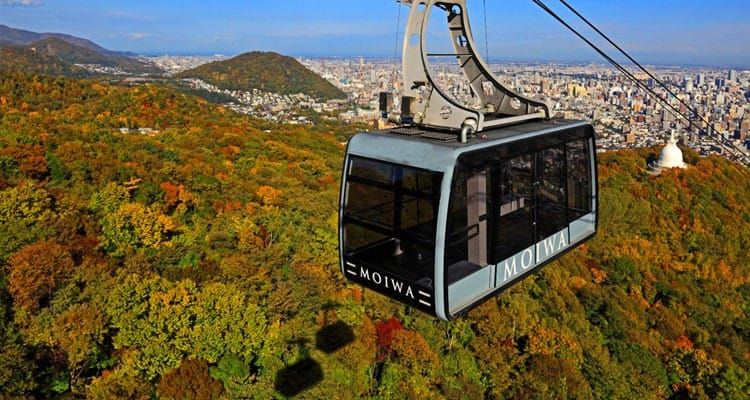
Photo from sapporo.travel
Mount Moiwa's summit is home to a famous observation deck offering 360-degree views of Sapporo. At night, the city below sparkles with lights, making it one of the three most beautiful night views in Hokkaido. During the day, the scenery is just as stunning, with trees and flowers changing color through the seasons. Mount Moiwa stands about 531 meters above sea level. To reach the summit, visitors take a ropeway covering more than 1,200 meters, then transfer to a mini cable car to the highest viewpoint, enjoying scenic views along the way.
- Access: Take the Sapporo Streetcar from Susukino to Ropeway Iriguchi Station, then take the free shuttle bus to the ropeway base station.
- Coordinates: https://maps.app.goo.gl/ZpwPSNwrGikBZYVX6
Popular Sapporo Neighborhoods
Organizing attractions by area like this makes it easier to plan an efficient Sapporo itinerary.
Susukino
Susukino is Sapporo's main entertainment district, packed with restaurants, bars, clubs, and karaoke venues. It's known for its lively nightlife. A key spot is Ramen Yokocho, a small alley lined with ramen shops. The main station for this area is Susukino Station.
Main station: Susukino Station
Odori
Odori Park stretches through the city center and hosts the Sapporo Snow Festival in winter. Nearby attractions include Sapporo TV Tower and Shiroi Koibito Park, an amusement park and chocolate museum.
Main station: Odori Station
Sapporo Station Area
Sapporo Station is the city's main transportation hub, home to major shopping malls like Daimaru and Stellar Place. The Sapporo Beer Museum is also easily reached from here.
Main station: Sapporo Station
Maruyama
Maruyama Park is a large park home to Maruyama Zoo and Hokkaido Shrine, an important Shinto shrine. It also offers hiking trails and cherry blossom viewing in spring.
Main station: Maruyama Koen Station
Nakajima
Nakajima Park is a beautiful park with a small lake and a traditional Japanese house called Hasso-an. The area is also home to Sapporo Concert Hall Kitara, a venue for classical music performances.
Main station: Nakajima Koen Station
Suburban Sapporo Area
Shiroishi Station
- Shiroishi: A residential area with Shiroishi Park, popular for cycling and walking. Accessible from Shiroishi Station on the JR Hakodate Main Line.
Shin-Sapporo Station
- Shin-Sapporo: Home to major shopping malls like Sunpiazza, plus attractions such as the Historical Village of Hokkaido, an open-air museum showcasing Hokkaido's past. Accessible from Shin-Sapporo Station on the JR Chitose Line.
Recommended Food and Restaurants in Sapporo
sasazawa/shutterstock.com

sasazawa/shutterstock.com
thanan-kongdoung/shutterstock.com
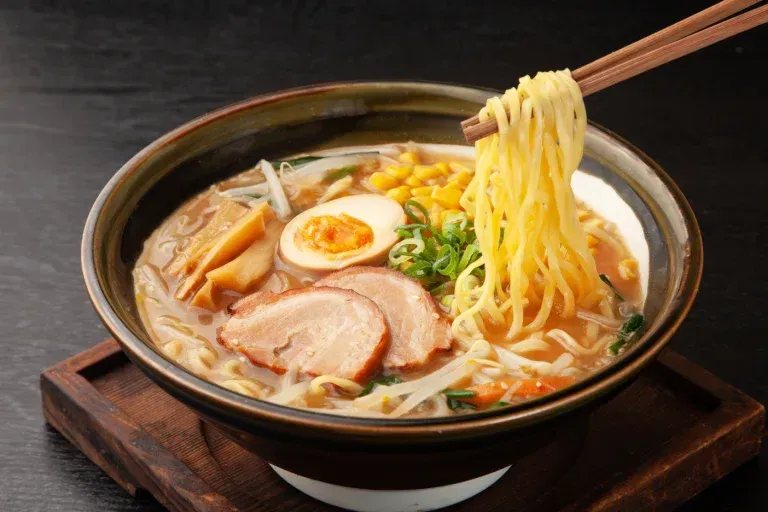
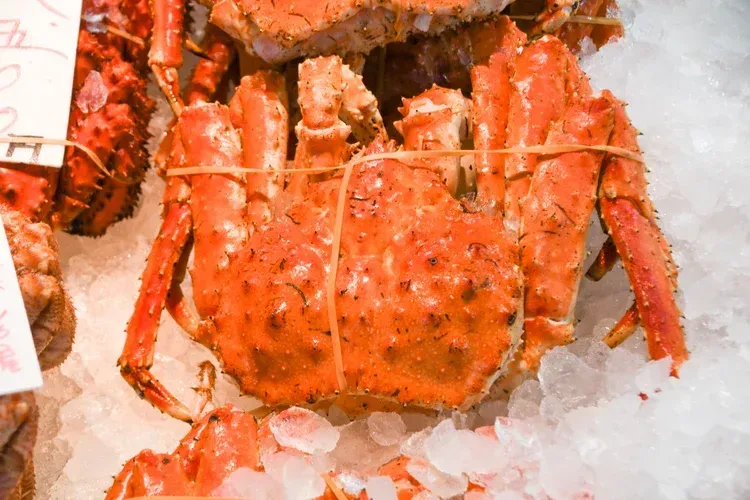
Sapporo is known for its high-quality, diverse ingredients. Trying local dishes such as Sapporo ramen, king crab, and Genghis Khan (grilled lamb) is a must.
Local dishes to try:
- Sapporo Ramen: Ramen with a signature miso broth, served with grilled pork and vegetables.
- King Crab: Sweet, firm crab meat that can be enjoyed boiled, steamed, or grilled.
- Genghis Khan: Hokkaido-style grilled lamb, marinated before grilling for extra flavor.
Recommended restaurants:
- Ramen Yoshioka: A famous ramen shop in Sapporo, known for its rich miso ramen.
- Kanidouraku: A seafood restaurant serving fresh king crab dishes.
- Daruma: A popular Genghis Khan restaurant among locals and tourists alike.
Getting To and Around Sapporo
beeboys/shutterstock.com
chaiyianyian/shutterstock.com
How to get to Sapporo:
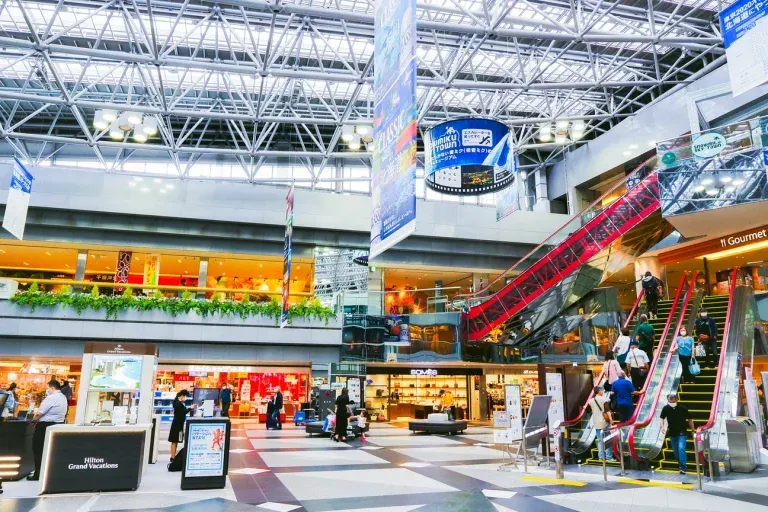
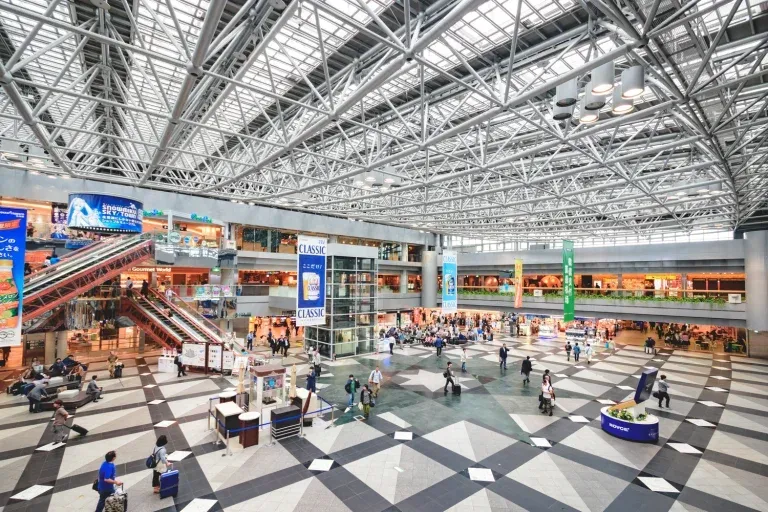
- By plane: New Chitose Airport is the main gateway, about 40 minutes from Sapporo.
- By train: Take the Shinkansen (bullet train) to Hakodate, then transfer to a limited express train to Sapporo.
- By bus: Long-distance buses run to Sapporo from major cities such as Tokyo and Osaka.
Getting around Sapporo:
- Subway: Sapporo has three subway lines covering the city, making travel convenient.
- Bus: Multiple bus routes connect to major attractions.
Where to Stay in Sapporo
Sapporo offers a wide range of accommodation options, similar to other major Japanese cities, at fairly consistent price points.
Recommended areas:
- Central Sapporo: Convenient for exploring the city center, with plenty of restaurants and shopping.
- Susukino: An area full of nightlife and restaurants.
- Near Sapporo Station: Convenient for getting around the city, close to many attractions.
Tips for Visiting Sapporo
Best time to visit:
- Winter (December–February): Perfect for experiencing snow and the Sapporo Snow Festival.
- Spring (March–May): Ideal for cherry blossom viewing.
- Summer (June–August): Great for nature and outdoor activities.
- Autumn (September–November): Best for viewing autumn leaves.
Good to know:
- Dress appropriately: Winter temperatures can drop below -10°C, so wear thick, warm clothing.
- Pack cold-weather gear: Such as a hat, gloves, and a scarf.
Sample Sapporo Itinerary
One-day Sapporo itinerary:
- Morning: Odori Park and Sapporo Clock Tower
- Midday: Nijo Fish Market
- Afternoon: Maruyama Zoo
- Evening: Susukino
A Brief History of Sapporo
Sapporo's history began in 1869, when the Japanese government developed Hokkaido as a center for agriculture and industry. In 1869, it was named the capital of Hokkaido. The city also played a key role in developing Japan's beer industry, with Sapporo Breweries starting operations in 1876 and becoming one of Japan's oldest and most famous beer brands.
Sapporo's cultural and historical significance is clear in the Sapporo Snow Festival, first held in 1950 and now a world-renowned event. The city is also home to Hokkaido University, one of Japan's leading academic institutions. With its long history and important role, Sapporo remains a city full of unique character and charm.
Fascinating Facts You Might Not Know About Sapporo
1. The World's Largest Snow Festival — Sapporo Snow Festival
The Sapporo Snow Festival is one of the largest snow festivals in the world, held every February and drawing more than 2 million visitors annually. It features massive, intricately detailed ice and snow sculptures, along with light shows that create a stunning atmosphere at night.
2. Japan's Longest Park — Odori Park
Odori Park is the longest park in Japan, stretching more than 1.5 kilometers through central Sapporo. It hosts many events and festivals throughout the year, including the Sapporo Snow Festival and the Sapporo Beer Festival.
3. Japan's Oldest Brewery — Sapporo Beer Museum
Sapporo Breweries, founded in 1876, is the oldest brewery in Japan. Visitors can tour the Sapporo Beer Museum, learn about the history of brewing, and taste the world-famous fresh beer.
4. Japan's Oldest Clock Tower — Sapporo Clock Tower
Built in 1878, the Sapporo Clock Tower is the oldest clock tower in Japan. It's a symbol of the city and a major attraction, with a fascinating history and architecture.
5. One of Japan's Most Beautiful Viewpoints — Mount Moiwa
Mount Moiwa offers breathtaking views of Sapporo, especially at night when the city glows with lights, ranking it among the most beautiful viewpoints in Japan. Visitors can take the ropeway to the summit to enjoy the views.
Additional Resources
Official website and contact information:
- Sapporo travel website: Sapporo Travel Official Website
- Sapporo Tourist Information Center: Phone +81 11-211-2376