


Shizuoka is a prefecture located in the Chubu region of Honshu, Japan's main island. It is known for its beautiful scenery and is home to Mount Fuji, the tallest mountain in Japan.
Shizuoka is also famous for tea production, with many tea plantations and tea museums. The prefecture has long been a cultural and commercial center, and it also offers plenty of shopping and modern entertainment. Other popular attractions in Shizuoka include the Miho Peninsula, Nihondaira, and Sumpu Castle Park.
In addition to these, Shizuoka has many more notable attractions worth visiting:
1. Cherry Blossoms along the Urui River with Mount Fuji
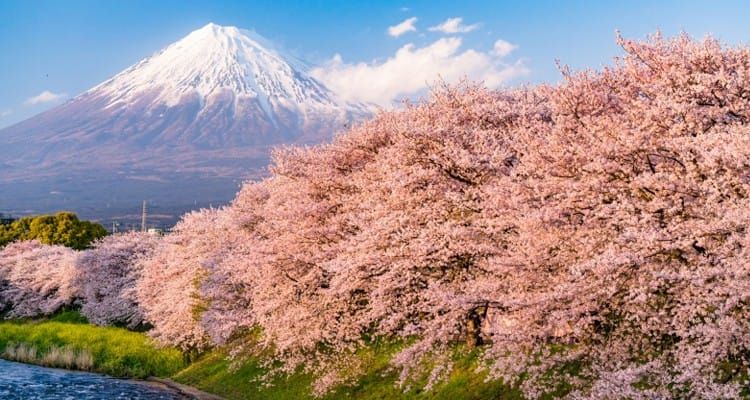
Photo from https://tripnote.jp/shizuoka/place-ryuganbuchi/photo/45356
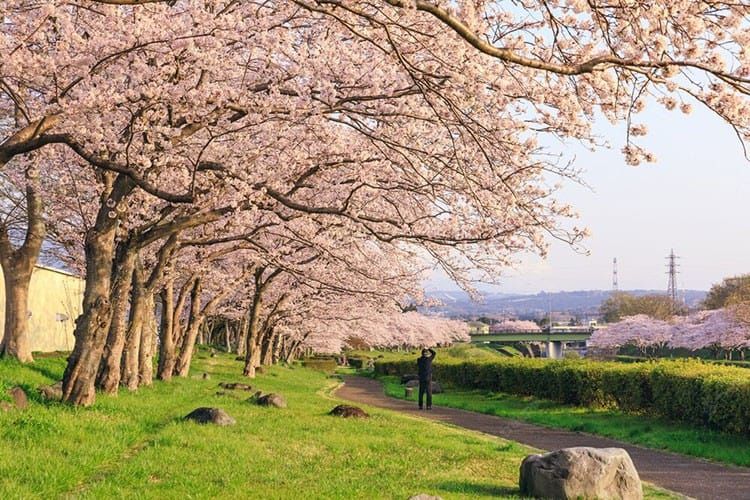
https://www.freepik.com/urui-river-fujinomiya-shizuoka-japan_2492986.htm
The Urui River in Shizuoka is a popular cherry blossom spot for photographers in early April, when cherry blossoms bloom along the riverbank with Mount Fuji in the background.
It's one of the most popular spots, since it's rare to see Mount Fuji, blooming cherry blossoms, and a flowing river all in one view.

2. Obuchi Sasaba Tea Fields
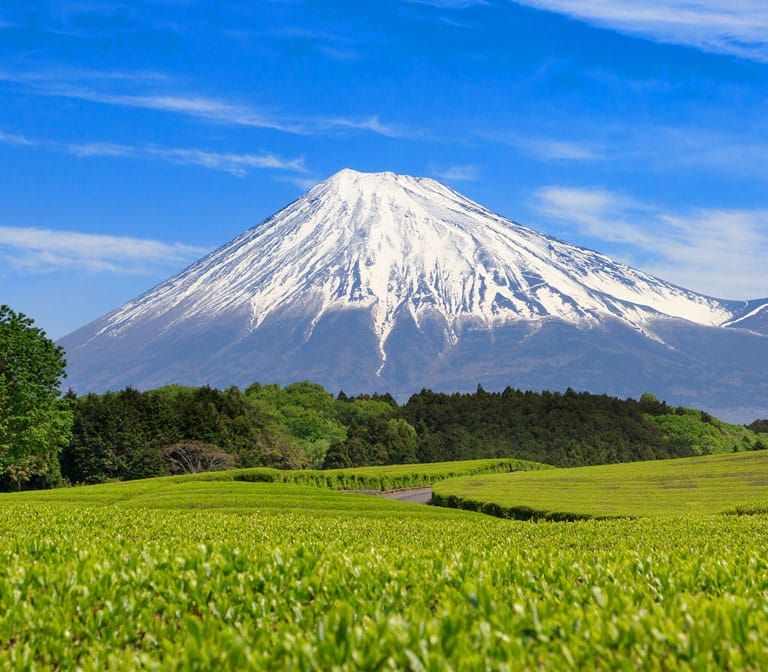
Photo from https://www.flickr.com/photos/voyages-lambert/50898849698/sizes/h/
Obuchi Sasaba is set in beautiful countryside, with rolling hills, small farms, and traditional houses scattered across the landscape, creating a beautiful rural setting.
One of the main highlights of Obuchi Sasaba is the stunning view of Mount Fuji. Visitors can walk up the hill for a clear, unobstructed view of the mountain, which is especially beautiful around sunset. Besides the majestic view of Mount Fuji, Obuchi Sasaba also has several traditional hot spring baths, where you can relax in an onsen while enjoying the surrounding natural scenery.
Getting there
By train: Obuchi Sasaba is located near JR Hamamatsu Station. From Tokyo, take the Tokaido Shinkansen to Hamamatsu Station, then take a local bus to Obuchi Sasaba (about 20–30 minutes).
3. Kawazu River
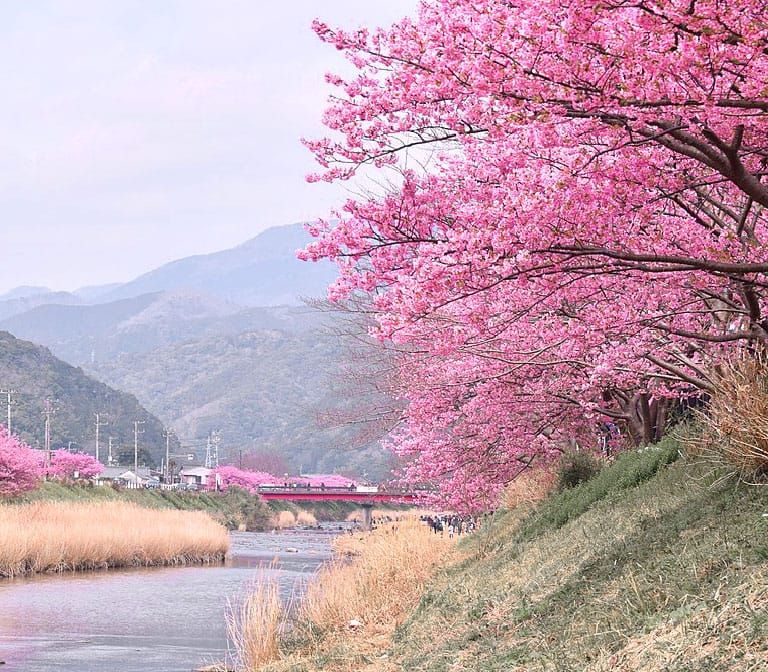
Photo from https://commons.wikimedia.org/wiki/File:Kawazuzakura_in_Izu_Peninsula,_Shizuoka_Prefecture;_February_2019_%2814%29.jpg
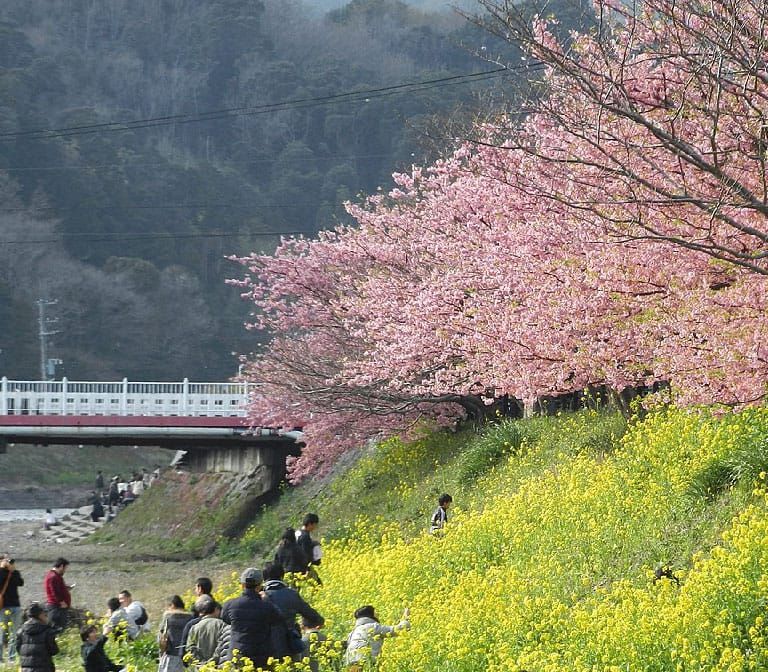
Photo from https://commons.wikimedia.org/wiki/File:Kawazu_River_-_panoramio.jpg
The Kawazu River in Shizuoka is lined with dense cherry blossom trees stretching about 4 kilometers, some over 60 years old. This makes it a popular spot for visitors wanting to see spectacular cherry blossoms along the water. Along the way, you'll pass several notable local attractions, including a foot onsen, a shrine with a thousand-year-old camphor tree, and an important temple in Kawazu. Visitors can enjoy the pink blossoms in full bloom while strolling and exploring these sights along the route.
4. Nihondaira Plateau and Views of Mount Fuji
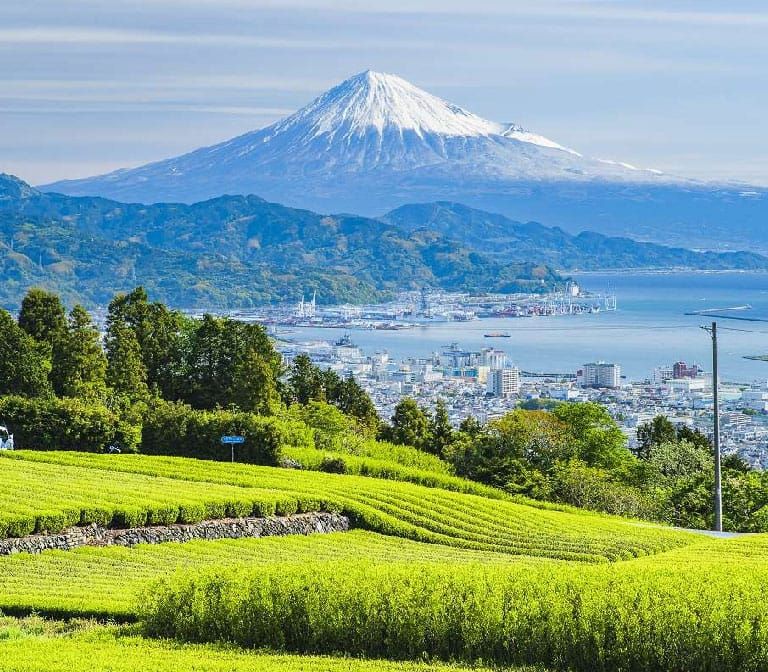
Photo from https://www.shizuoka-tour.com/
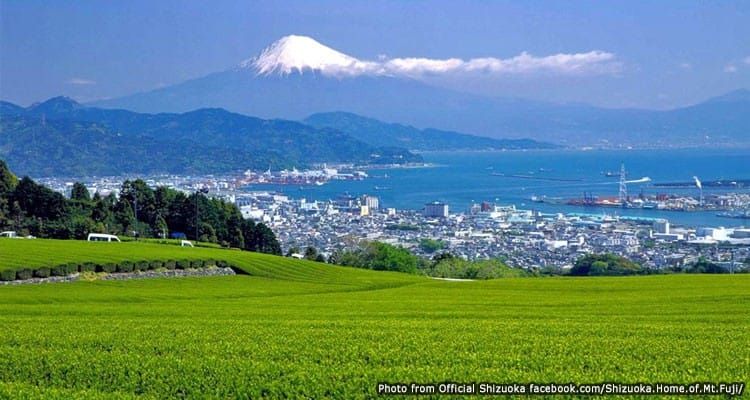
Photo from Official Shizuoka facebook.com/Shizuoka.Home.of.Mt.Fuji/
Nihondaira Plateau, also known as Nihondaira Yume Terrace, is a scenic viewpoint at the top of Nihondaira. Its modern design was inspired by the octagonal Yumedono, or Hall of Dreams, at Horyu-ji Temple in Nara. The structure is built from wood and bamboo, with a Japanese rock garden visible through large windows. The second floor has an octagonal terrace with panoramic views.
5. Mishima Skywalk
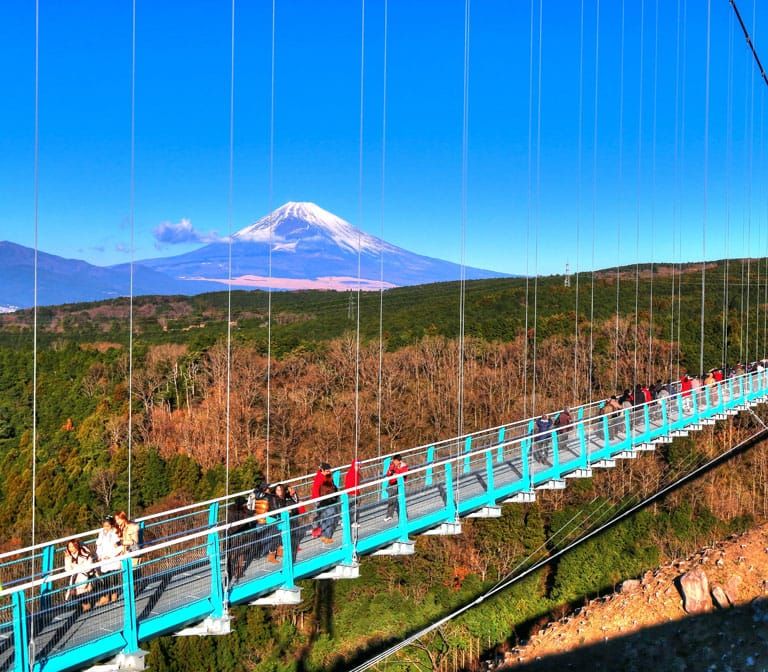
Photo from https://upload.wikimedia.org/wikipedia/commons/9/93/三島スカイウォーク(箱根西麓・三島大吊橋)からの富士山.jpg
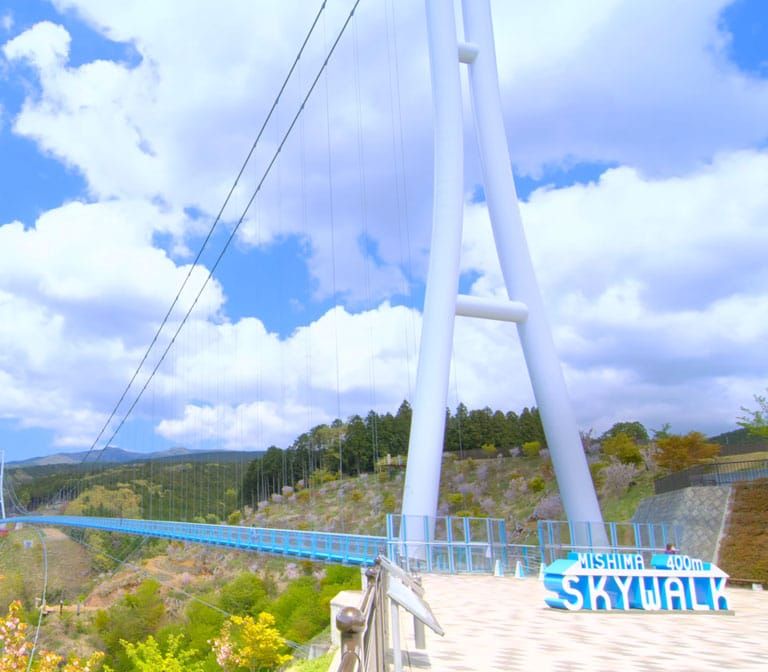
Photo from https://commons.wikimedia.org/wiki/File:%E4%B8%89%E5%B3%B6%E3%82%B9%E3%82%AB%E3%82%A4%E3%82%A6%E3%82%A9%E3%83%BC%E3%82%AF.png
The Mishima Skywalk is a scenic spot offering views of Mount Fuji from a massive suspension bridge, the longest of its kind in Japan at 400 meters. It's best visited in the morning or evening, with views of Mount Fuji and Suruga Bay looking especially beautiful around 9 a.m.
6. Shizuoka Mt. Fuji World Heritage Centre

Photo from https://commons.wikimedia.org/wiki/File:Mt.Fuji_World_Heritage_Centre,_Shizuoka_1.jpg
The Shizuoka Mt. Fuji World Heritage Centre is a museum in Shizuoka City that showcases the cultural and natural heritage of Mount Fuji. It aims to raise awareness about the importance of preserving the mountain and its surrounding environment, and educates visitors about the history, geography, and native flora and fauna of the area.
The museum features interactive exhibits with immersive visuals and sound, along with artifacts related to the history and culture of Mount Fuji. Visitors can learn about traditional customs and beliefs connected to the mountain, such as ancient pilgrimage climbs. The museum also provides information on efforts to protect and preserve Mount Fuji's natural environment, as well as its significance as a UNESCO World Heritage Site.
Getting there
By train: The Shizuoka Mt. Fuji World Heritage Centre is a short distance from JR Shizuoka Station. From Tokyo, take the Tokaido Shinkansen to Shizuoka Station.
7. Shuzenji Onsen
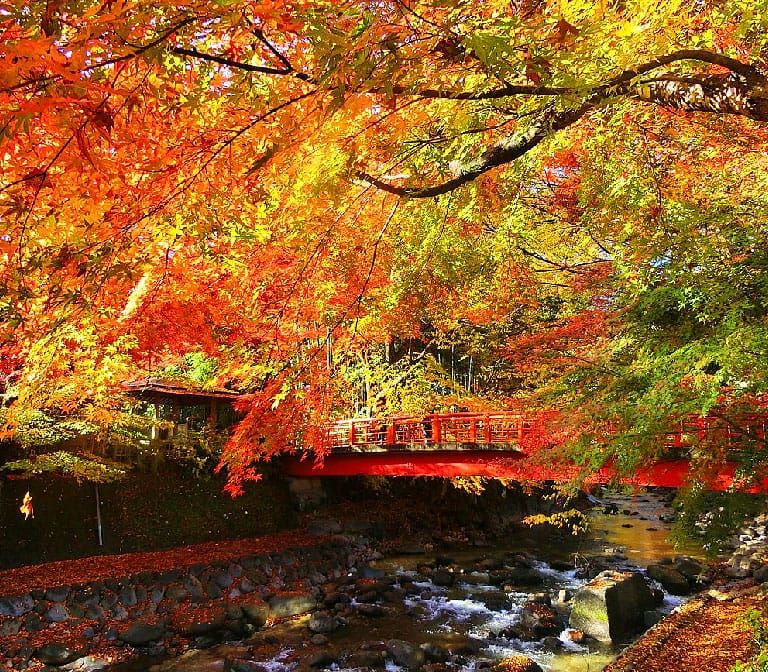
Photo from https://commons.wikimedia.org/wiki/File:Shizuoka-Shuzenji_Onsen_Town-xl.jpg
Shuzenji Onsen is located in the mountains at the center of the Izu Peninsula, in Shizuoka Prefecture. It's a must-visit for onsen lovers, as it's one of the oldest and most famous hot spring towns on the peninsula. The area retains a strong traditional Japanese atmosphere, and visitors will enjoy the simple, warm-hearted local way of life.
8. Miho Beach
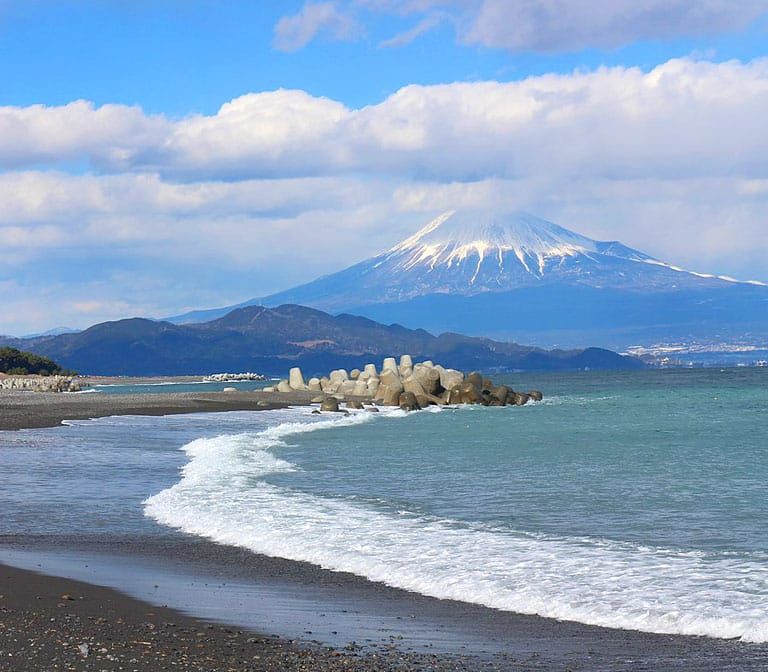
Photo from https://commons.wikimedia.org/wiki/File:Mount_Fuji_and_Miho_no_Matsubara_20170211.jpg
Miho Beach is a peninsula extending into Suruga Bay from Shizuoka City. It's one of the most popular beaches in Shizuoka, known especially for its pine trees. The pine trees lining the beach, called Hagoromo-no-Matsu, are over 650 years old, and there's a legend about a fisherman who found a celestial maiden's robe hanging from one of the branches.
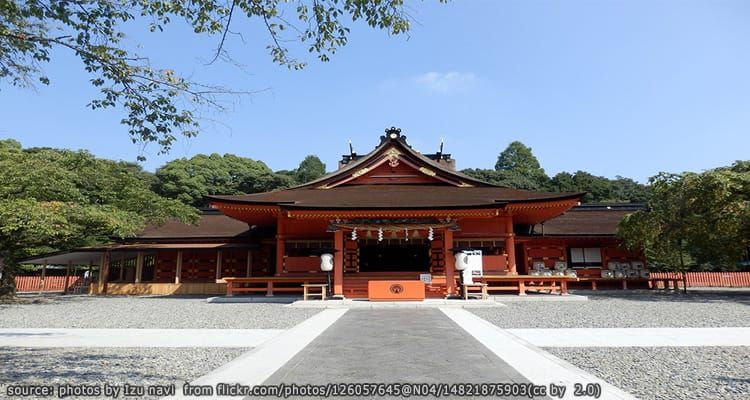
9. Fujisan Sengen Shrine
photos by Izu navi from flickr.com/photos/126057645@N04/14821875903(cc by 2.0)
Fujisan Sengen Shrine is located southwest of the base of Mount Fuji, in the city of Fujinomiya, Shizuoka Prefecture. It's considered one of the most important shrines in the Chubu region, with a history spanning over 1,000 years. Visitors can admire its classic architecture, surrounded by many cherry blossom trees, and even find a hiking trail nearby. Together, these features make it well worth a visit.
10. Kunozan Toshogu Shrine
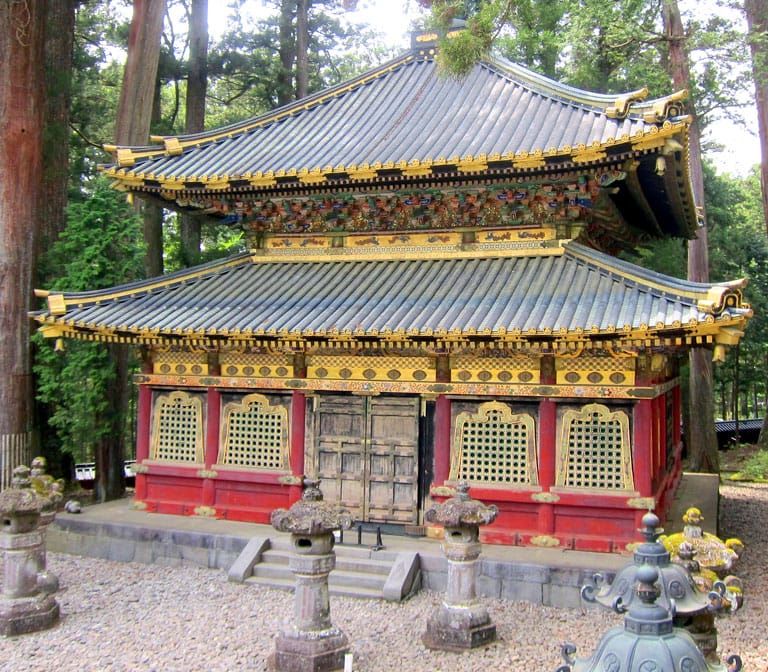
Photo from https://www.flickr.com/photos/wallyg/5816369913
Kunozan Toshogu Shrine is located within Shizuoka City and is renowned for its striking architecture. The expansive complex features numerous buildings in vivid red and gold, adorned with intricate carvings and paintings, including the Romon Gate located to the right past the ticket booth — a highlight visitors shouldn't miss.
11. MOA Museum of Art
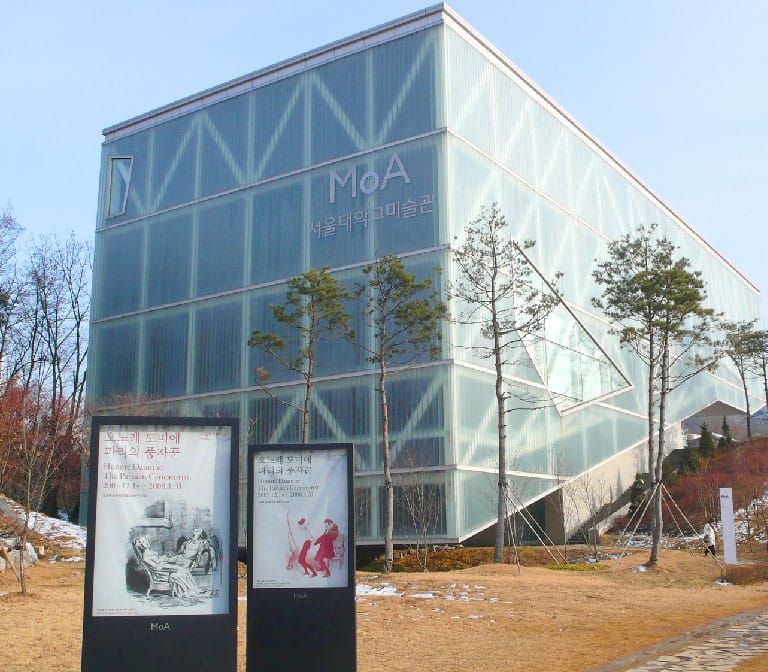
Photo from https://www.flickr.com/photos/dalcrose/2227626425
The MOA Museum of Art sits on a scenic hill above the city of Atami in Shizuoka Prefecture. Artistic both inside and out, the museum opened in 1982. It houses an impressive collection of Japanese and East Asian art, including paintings, calligraphy, sculptures, and other crafts. The highlights include three pieces designated as National Treasures, along with numerous other cultural artifacts. Outside the museum, there's also a traditional Japanese garden with a tea house and a Noh theater.
12. Cape Irozaki
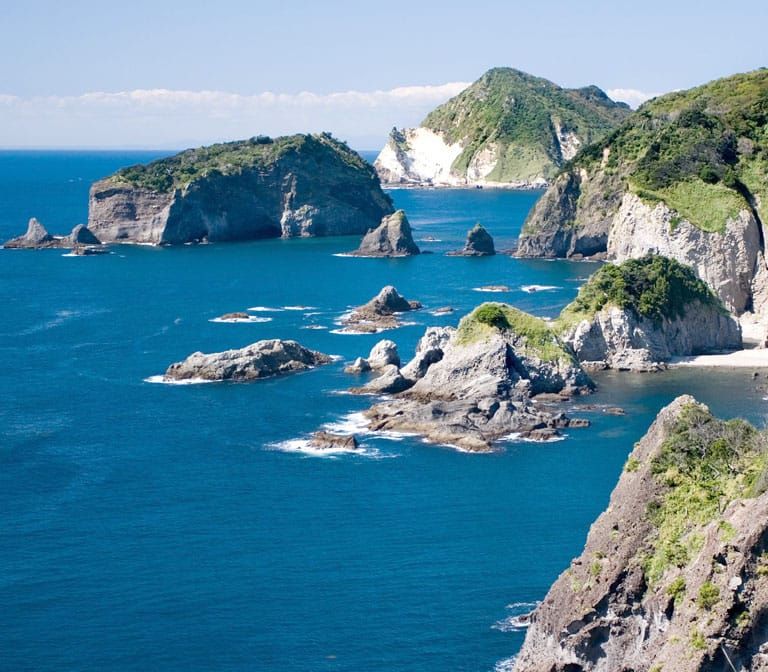
Photo from https://www.flickr.com/photos/jackfrench/289419472
Cape Irozaki lies along the southern coast of the Izu Peninsula, at its southernmost tip, in Shizuoka Prefecture. The area is largely unspoiled, making it ideal for visitors who want to relax by the sea. Beyond the cape itself, the area is also home to the Irozaki Lighthouse and Iro Shrine, both offering beautiful views of the coastline.
13. Shiraito Falls
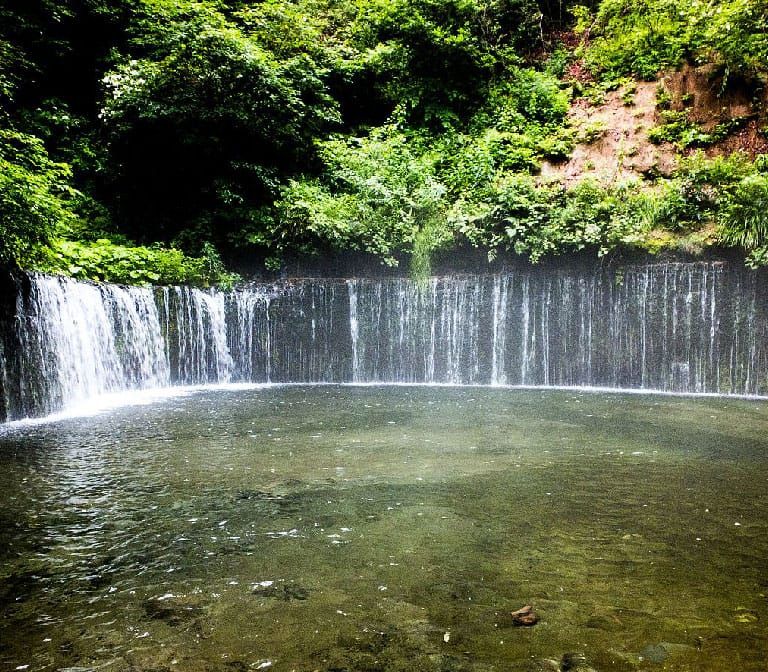
Photo from https://commons.wikimedia.org/wiki/File:Shiraitonotaki_nagano.jpg
Shiraito Falls is located at the foot of Mount Fuji's southwestern slope, in the city of Fujinomiya, Shizuoka Prefecture. It's ranked among the most beautiful waterfalls in Japan, standing 20 meters tall and 150 meters wide. As the water cascades down into a small stream, it resembles fine, flowing silk threads. The best time to visit is summer, when melting snow from Mount Fuji increases the water flow and the surrounding foliage turns lush green; in autumn, colorful leaves frame the clear waterfall beautifully. Set amid lush natural surroundings, it is one of the prefecture's most rewarding stops.
14. Hamamatsu Flower Park
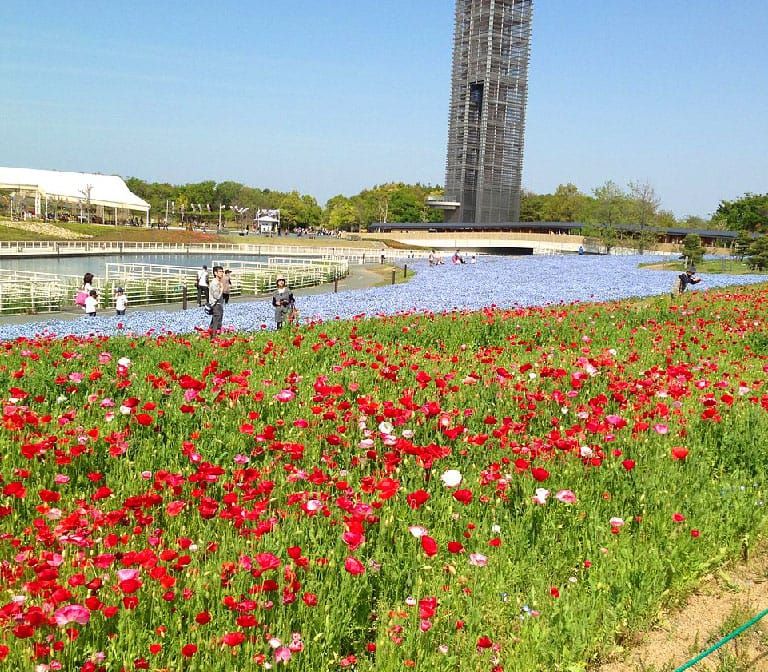
Photo from https://commons.wikimedia.org/wiki/File:Flower_park_4.JPG
If you're planning a trip to Shizuoka Prefecture during cherry blossom season and looking for a beautiful spot to admire the blooms, visit Hamamatsu Flower Park, located by Lake Hamana in the city of Hamamatsu. You're guaranteed a stunning view of cherry blossoms — the park is ranked among the most beautiful cherry blossom and tulip gardens in the world.
15. Yume no Tsuribashi Suspension Bridge
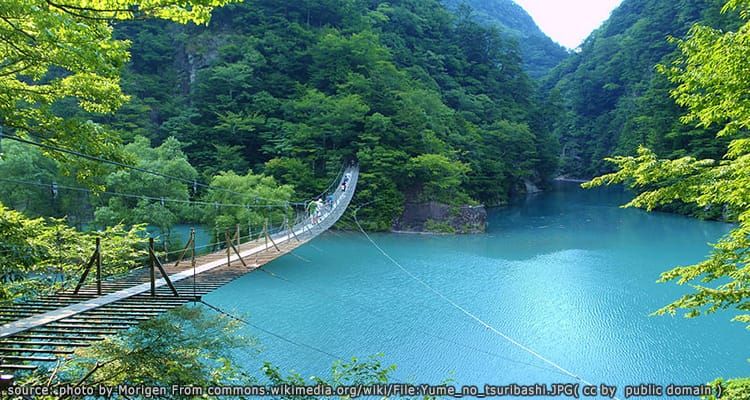
photo by RYO SATO From flickr.com/photos/40507965@N03/4034268129( cc by 2.0 )
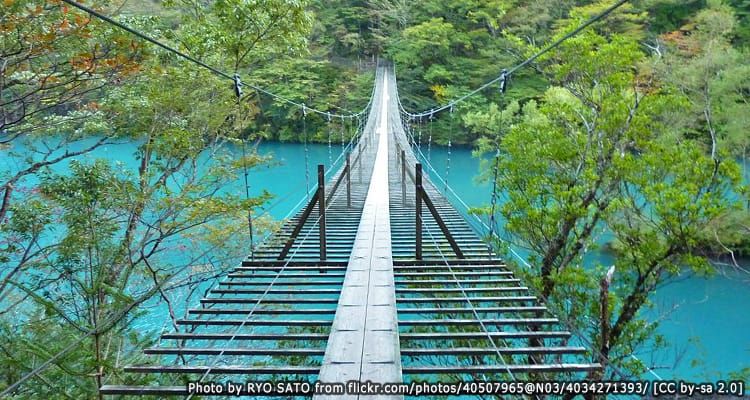
When it comes to beautiful bridges in Japan, the Yume no Tsuribashi Suspension Bridge — often called Sumatakyo Bridge by locals — is certainly a top contender. It has been named one of the 100 natural sites to preserve for the 21st century, listed among Japan's 100 notable new attractions, and in 2012 it was selected as one of the world's 10 best suspension bridges.
16. Sumpu Castle
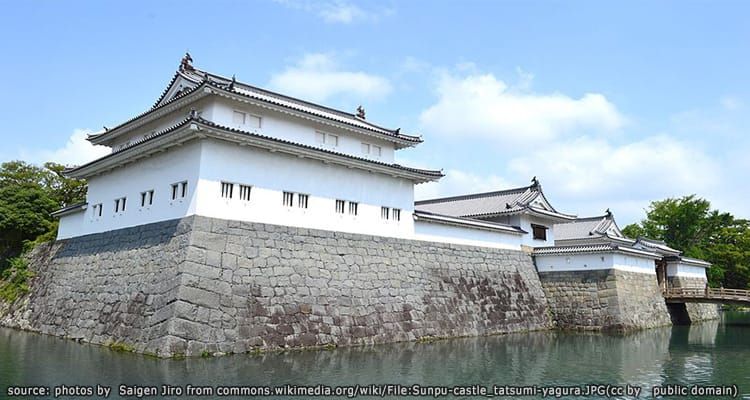
photos by Saigen Jiro from commons.wikimedia.org/wiki/File:Sunpu-castle_tatsumi-yagura.JPG(cc by public domain)
Sumpu Castle is located within Shizuoka City. The original structure was built around 1586, but due to its age, little of the original building remains today. The surrounding area is now Sumpu Castle Park, encircled by a moat. In recent decades, parts of the castle and the guard tower at the east gate have been restored.
17. Fujisan Hongu Sengen Taisha
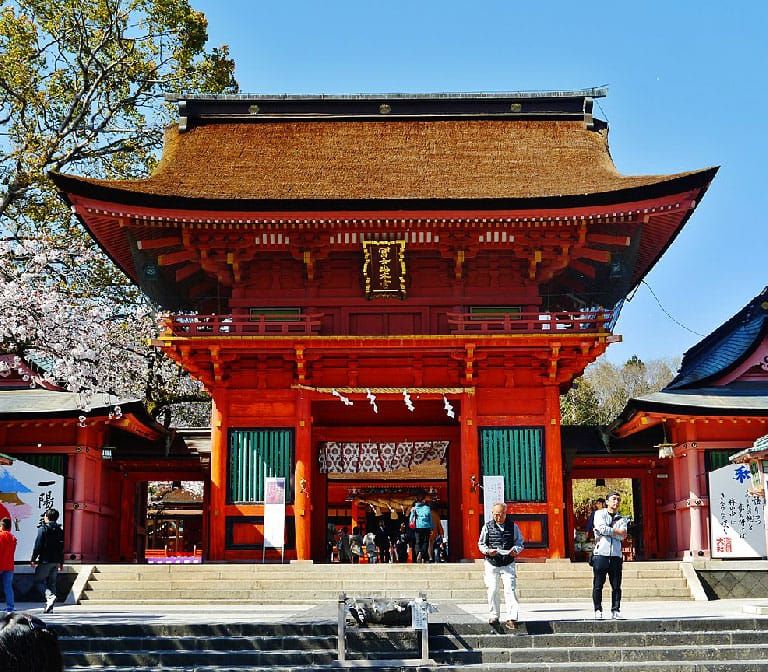
Photo from https://commons.wikimedia.org/wiki/File:Fujinomiya_Fujisan_Hongu_Sengen-taisha_Haupttor_4.jpg
Fujisan Hongu Sengen Taisha is a shrine built to honor deities associated with Mount Fuji. It's one of Japan's important religious sites, believed to have been founded over 1,300 years ago. The shrine is known for its beautiful architecture, with a red torii gate and traditional wooden structures set strikingly against the surrounding greenery. Its main hall, the Honden, is a fine example of traditional Japanese architecture, featuring intricate carvings and elegant roof lines.
Getting there
By train: Fujisan Hongu Sengen Taisha is located near JR Fujinomiya Station. From Tokyo, take the Tokaido Shinkansen to Fujinomiya Station, then take a local bus or taxi to the shrine (about 10–15 minutes by bus).
18. Iwamotoyama Park
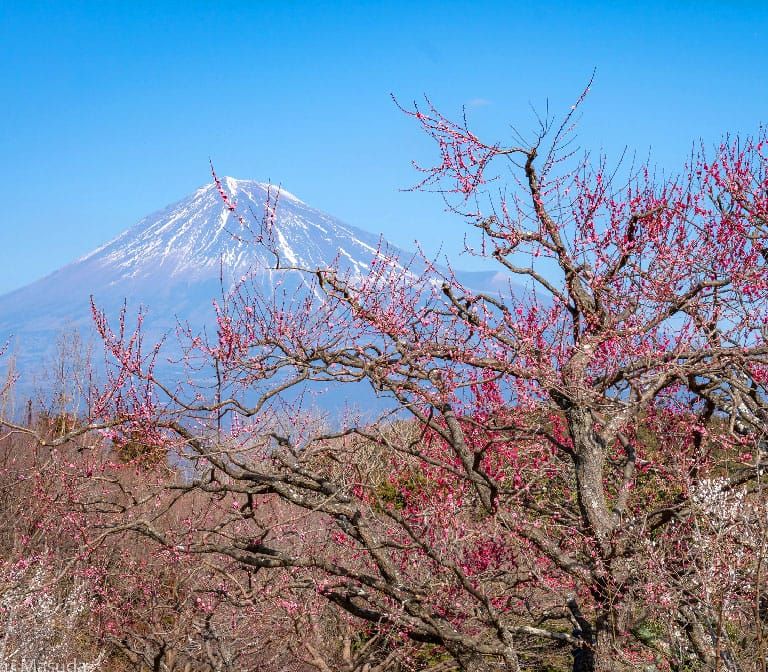
Photo from https://www.flickr.com/photos/kzy619/32192029097/in/photostream/
Iwamotoyama Park is a public park in Shizuoka City, covering about 33 hectares. It's known for its scenic views and full range of outdoor facilities.
One of the highlights of Iwamotoyama Park is its lush greenery, featuring trees and various flowers including cherry blossoms, azaleas, and hydrangeas. The park also has several walking trails, where visitors can enjoy the scenic surroundings and even catch distant views of Mount Fuji.
Getting there
By train: Iwamotoyama Park is located near JR Iwamotocho Station. From Tokyo, take the Tokaido Shinkansen to Shizuoka Station, then transfer to a local train and get off at JR Iwamotocho Station. The park is a short walk from the station.
19. Chibi Maruko Chan Land
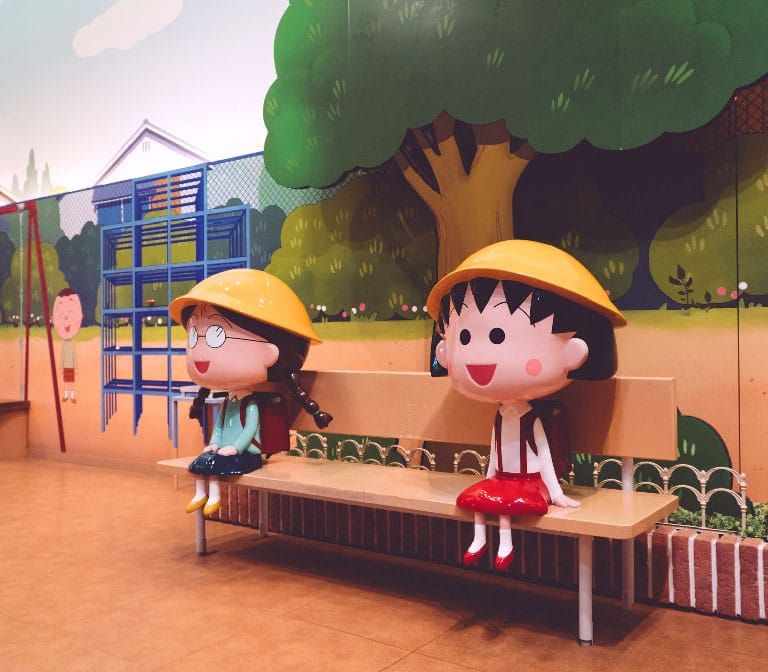
Photo from https://www.flickr.com/photos/sonotoki/35293005433
Chibi Maruko Chan Land is a museum dedicated to the popular Japanese manga and anime 'Chibi Maruko Chan.' Explore the adventures of the young girl Maruko, along with her family and friends, through exhibits across different zones. The museum also sells games and merchandise inspired by the series.
Chibi Maruko Chan Land also features themed rides and attractions, such as the Maruko Express roller coaster and Maruko's House Play Zone. Visitors can join interactive games and activities like the Maruko Quiz Rally and Maruko's School Life Experience.
Getting there
By train: Chibi Maruko Chan Land is located near JR Shizuoka Station. From Tokyo, take the Tokaido Shinkansen to Shizuoka Station, then take a taxi or local bus to Chibi Maruko Chan Land.
20. Miho no Matsubara Culture & Creativity Center
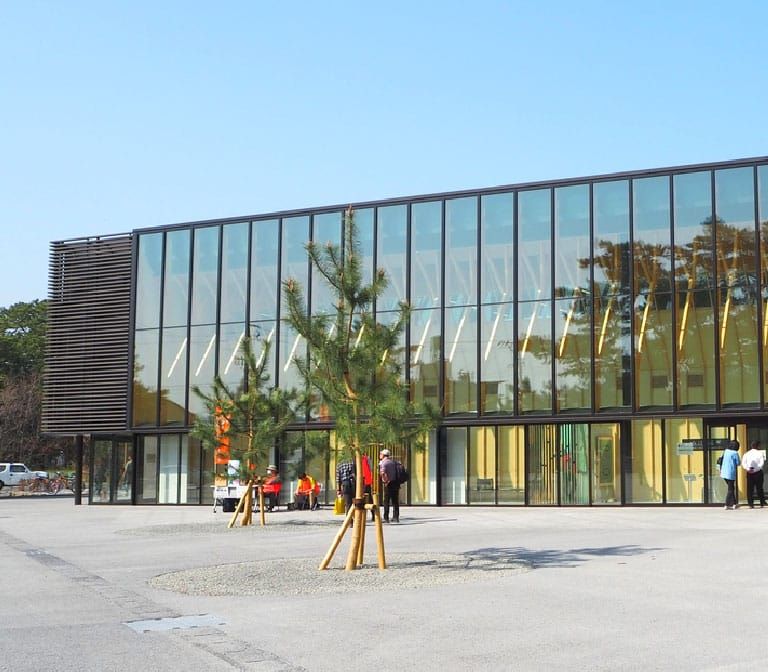
Photo from https://shizuoka.tokaido-guide.jp/location/109?locale=en
The Miho no Matsubara Culture & Creativity Center is set in a beautiful, tranquil location with views of the Miho Peninsula and the Pacific Ocean. It was established to promote the cultural heritage, creativity, and art of the area.
The center hosts a variety of exhibitions and activities, including displays of work by local artists and craftspeople, as well as educational content on the area's history, culture, and traditions. Visitors can explore the exhibits, join workshops, attend lectures, and take part in other activities to learn more about the local cultural heritage and art.
Getting there
By train: The center is located near JR Miho Station. From Tokyo, take the Tokaido Shinkansen to Atami Station, then transfer to a local train to JR Miho Station. The center is a short distance from the station.
21. Ryotanji Temple
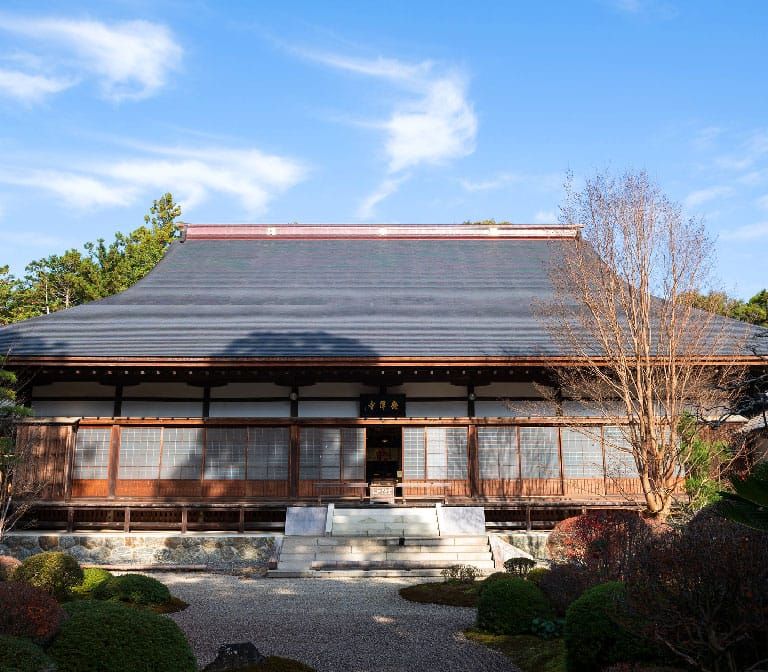
Photo from https://www.flickr.com/photos/bonguri/50864888128
Ryotanji Temple is a Buddhist temple known for one of the largest, most impressive rock gardens in Japan.
The rock garden, built during the Edo period, is an excellent example of traditional Japanese garden design. A large central stone is surrounded by smaller stones and gravel, believed to symbolize the universe and its connection to the human world.
Visitors to Ryotanji Temple can enjoy its tranquil atmosphere and the beauty of its rock garden. The temple also has a traditional Japanese garden, a tea room, and a large hall open to visitors.
Getting there
By train: Ryotanji is located near Ryotanji Station on the Iida Line. From Shizuoka Station, take a local train to Ryotanji Station; the temple is a short distance away.
22. Airpark JASDF Hamamatsu Air Base Museum
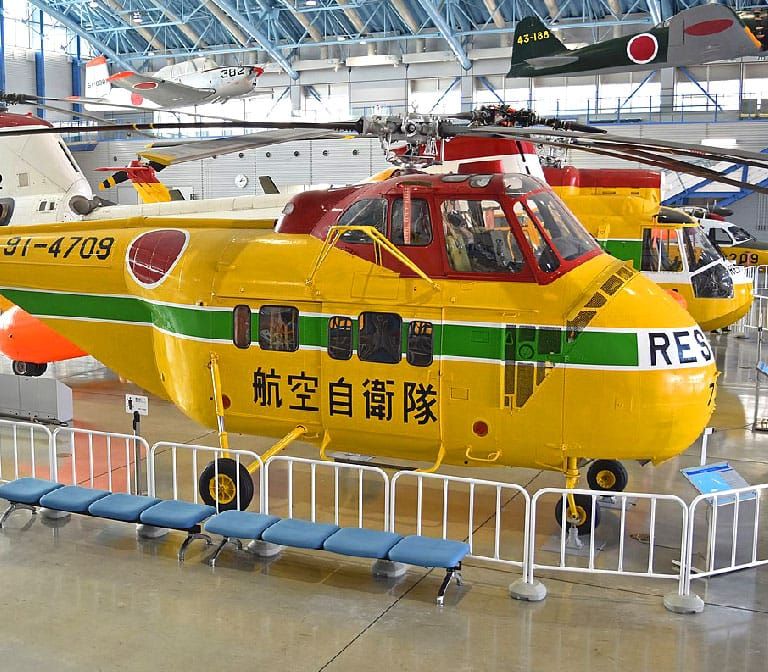
Photo from https://commons.wikimedia.org/wiki/File:Sikorsky_S-55C_%E2%80%9991-4709_709%E2%80%99_%2833839931178%29.jpg
The Airpark JASDF Hamamatsu Air Base Museum is a military museum in Hamamatsu that tells the history and culture of the Japan Air Self-Defense Force (JASDF). It displays a large collection of aircraft and aircraft parts, including fighter jets, transport planes, and helicopters. Visitors can view the aircraft up close and learn about their specifications, capabilities, and uses.
In addition to the aircraft, the museum also features flight simulators, pilot uniforms, aircraft engines, and interactive exhibits that let visitors experience the thrill of flying different types of aircraft.
Getting there
By train: This is the easiest way to reach the museum. Take a local train to Hamamatsu Station, then continue by taxi or bus to the museum.
23. Okuoi Rainbow Bridge
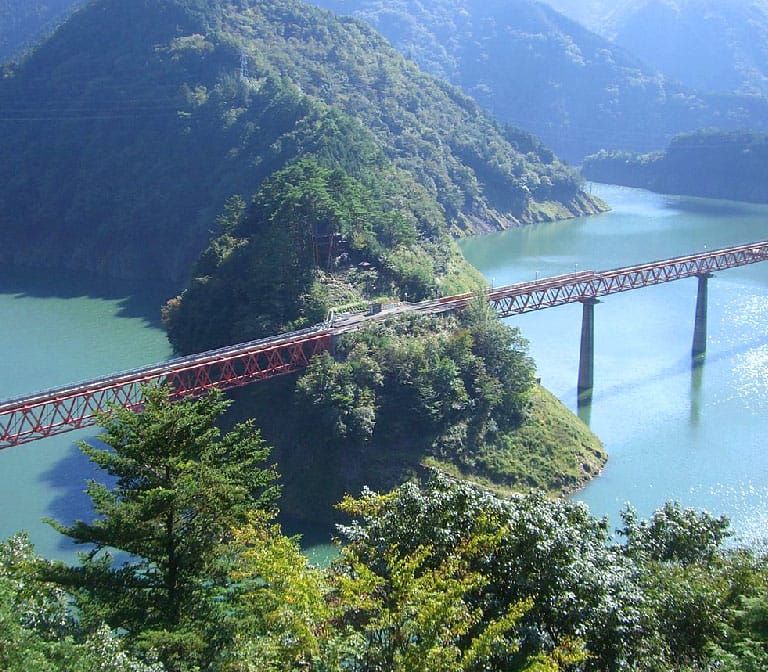
Photo from https://commons.wikimedia.org/wiki/File:Oku-oi_Rainbow_Bridge_on_Oigawa_railway.jpg
The Okuoi Rainbow Bridge is a railway bridge in Shizuoka that spans the Oi River, offering beautiful views of the Oi Dam and the equally scenic Oi Plateau. Built in the early 1980s, the bridge was named for its colorful, rainbow-like appearance, combining vibrant colors with a modern design. It's become a popular destination for both locals and visitors, who can enjoy scenic walks across the bridge, as well as picnicking, fishing, and boating on nearby rivers and lakes.
Getting there
By train: Take the Tokaido Line or Sunzu Line to Okuoi Station, which is located near the bridge.