


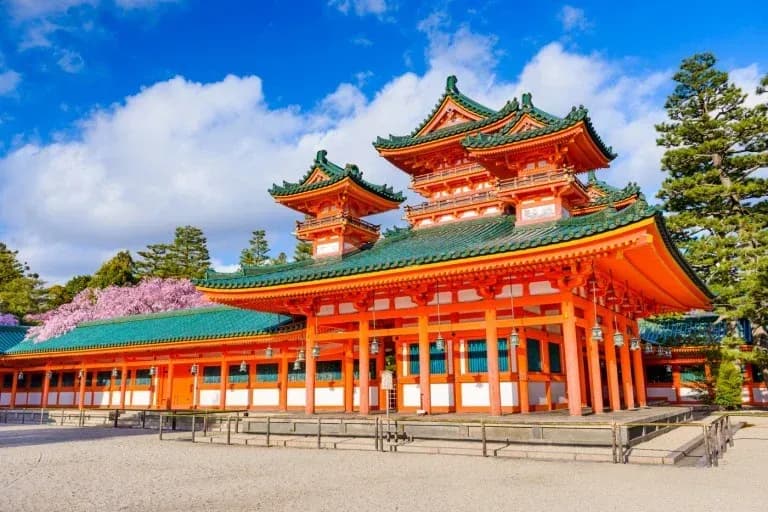


Kyoto is Japan's old capital, known as the true city of art and culture in Japan. Along with Tokyo, the capital, Kyoto is a city you shouldn't miss. It is full of ancient temples and shrines, each beautiful in its own way, and has many interesting places to visit.
We've gathered the 26 most popular places to visit in Kyoto, the city of art and culture, so you can add them to your itinerary when you plan your trip.
[ez-toc]
Dividing Kyoto's attractions into smaller zones makes it easier to plan your trip. Kyoto has both trains and buses, but traffic can be very bad at certain times, so we recommend taking the train whenever possible. We've divided the places into 4 categories:
- Places in the city center reachable by train
- Places in the city center reachable by bus
- Places outside the city center reachable by train
- Places outside the city center reachable by bus
Places in Kyoto City Center Reachable by Train
These are attractions in Kyoto's city center with a train station within about 1 kilometer.
▌1. Heian Shrine
sean-pavone/shutterstock.com
sean-pavone/shutterstock.com
Photo by Toshiyuki IMAI from flickr.com/photos/matsuyuki/27465682236/ [CC by-sa 2.0]

▌2. Higashiyama
sean-pavone/shutterstock.com
summit-art-creations/shutterstock.com
Higashiyama alley atmosphere
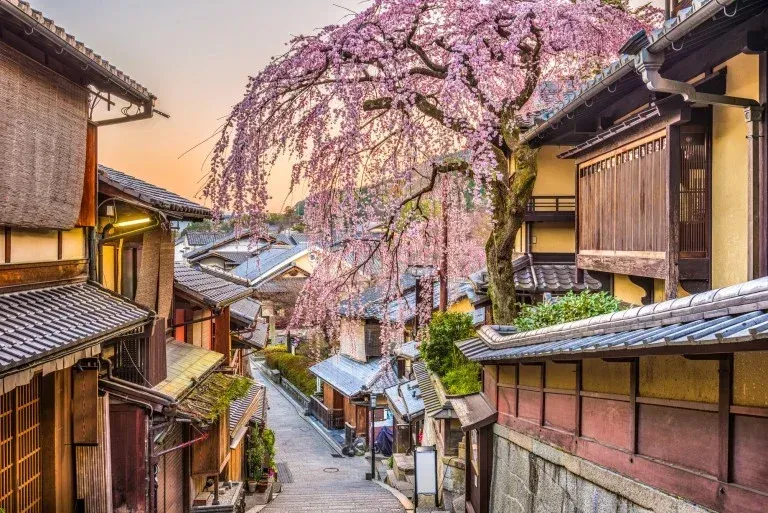
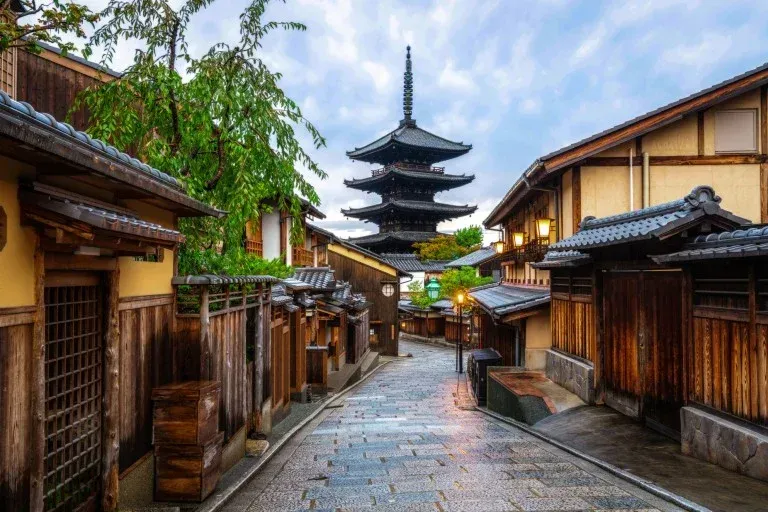
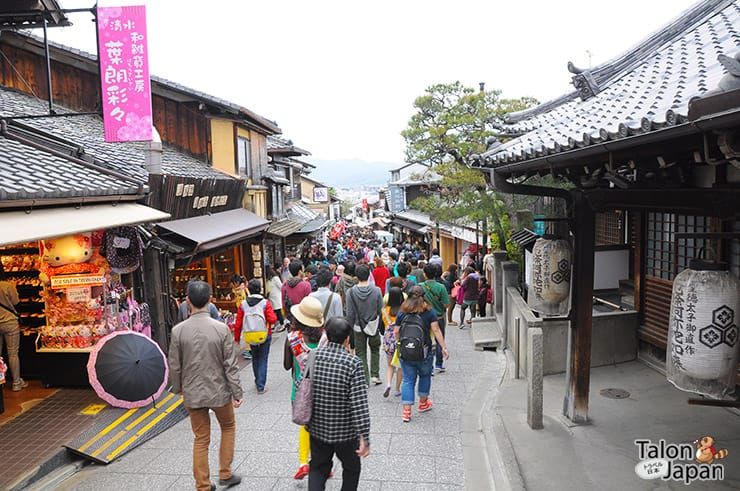
Higashiyama is an old street for strolling and shopping, taking in the historic atmosphere of Kyoto. Both sides of the street are lined with many shops and sweet shops. The area sits on a hill in eastern Kyoto, especially between Kiyomizu-dera Temple and Yasaka Shrine, where narrow walking streets are lined with traditional wooden Japanese buildings, both restaurants and local sweet shops, giving the feeling of an old town that still keeps Kyoto's historic character.
▌3. Nanzenji Temple
amstk/shutterstock.com
kobo/shutterstock.com
mei-yi/shutterstock.com
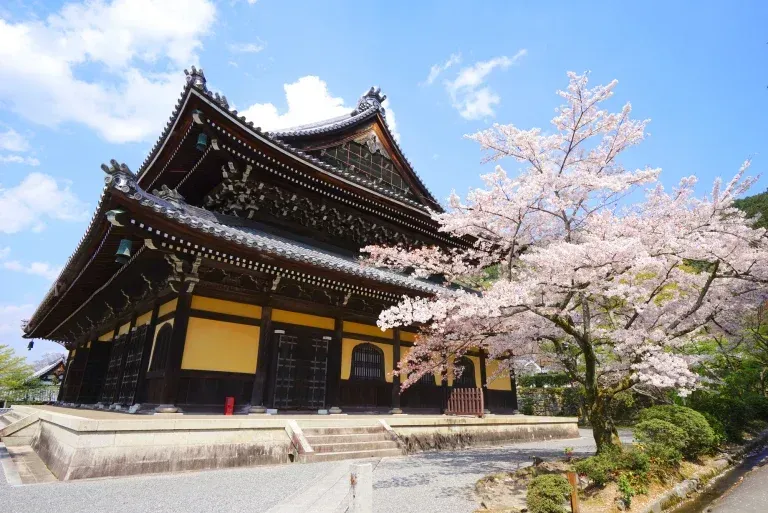
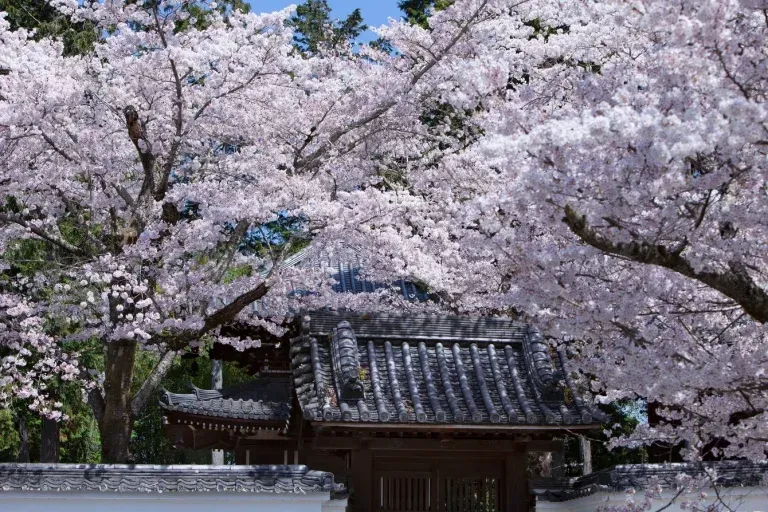
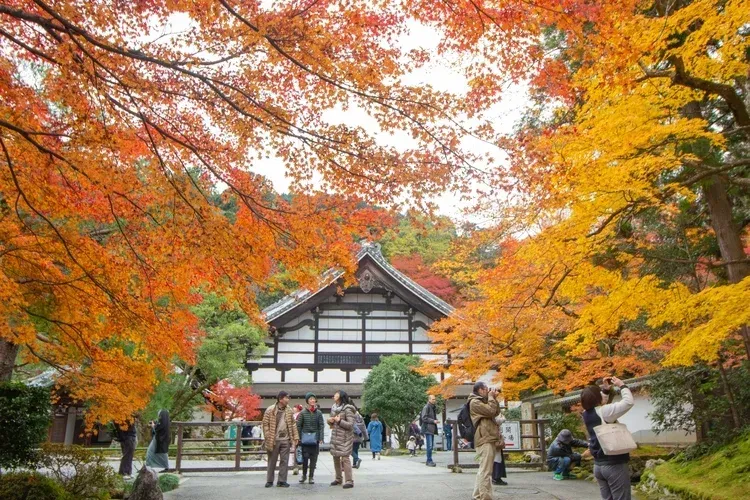
Nanzenji Temple is located near the foot of Higashiyama in Kyoto. This temple is one of the important Zen Buddhist temples, with extensive grounds that are home to several other temples as well. The site was originally built around the 13th century as a retirement residence for Emperor Kameyama and later became Nanzenji Temple. However, many of its structures were badly burned in wars during the Muromachi period, and most of what stands today was rebuilt afterward.
▌4. Gion
cowardlion/shutterstock.com
prasitrodphan/shutterstock.com
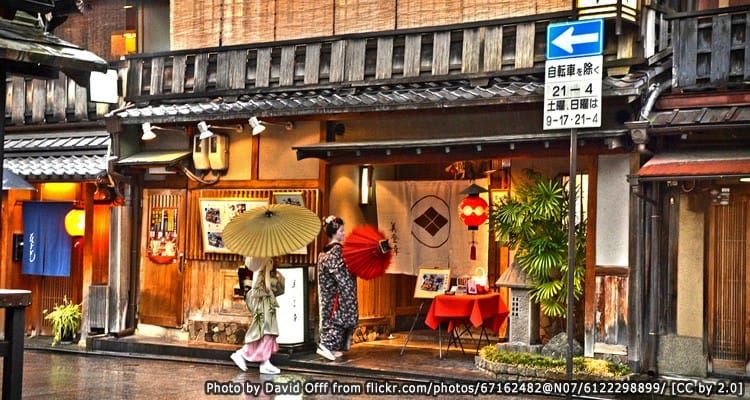
Photo by David Offf from flickr.com/photos/67162482@N07/6122298899/ [CC by 2.0]
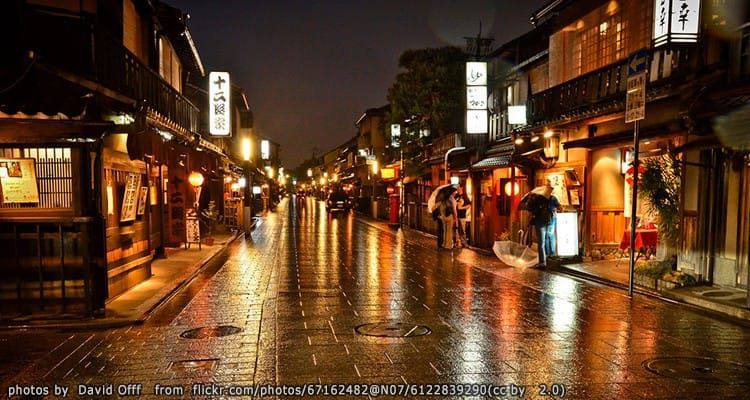
photos by David Offf from flickr.com/photos/67162482@N07/6122839290(cc by 2.0)
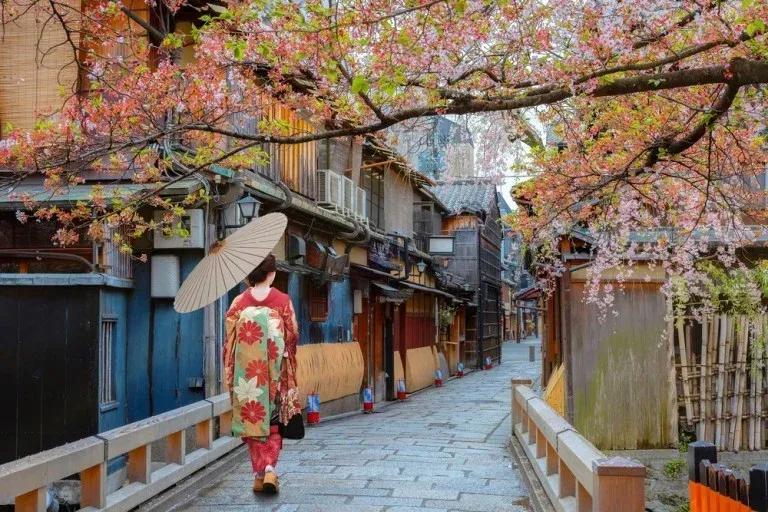
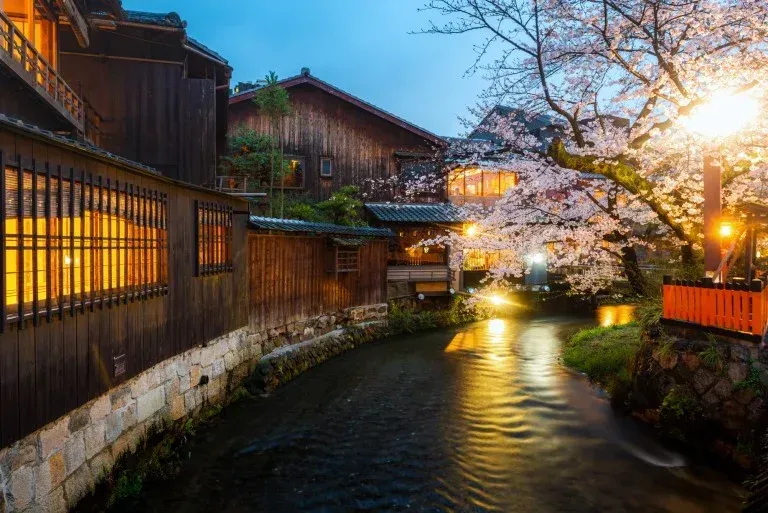
Gion is Kyoto's evening district, where you may see geisha walking around the area. It is near Yasaka Shrine and the Kamo River. The main street is lined with many shops, tea houses, and restaurants, some offering performances by geiko and maiko, which are beautiful and very popular with tourists. The buildings in this area are traditional wooden structures, each only about 5-6 meters wide, and the area starts to come alive from the evening onward.
▌5. Nijo Castle
beeboys/shutterstock.com
keongdagreat/shutterstock.com
richie-chan/shutterstock.com
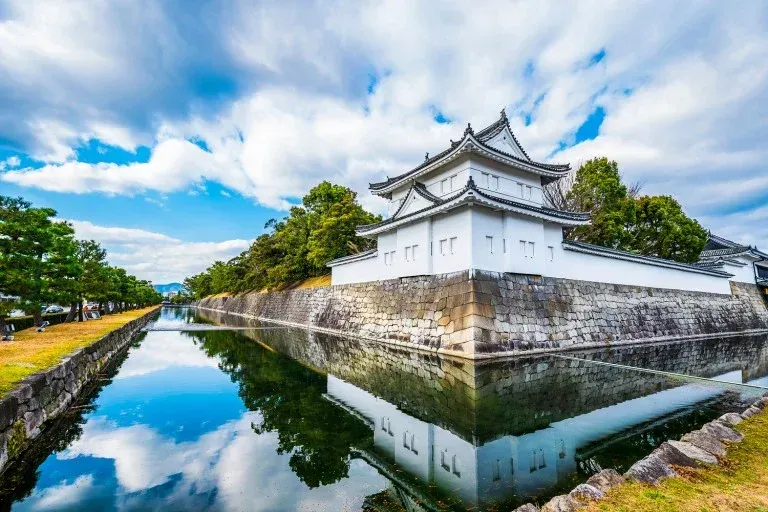
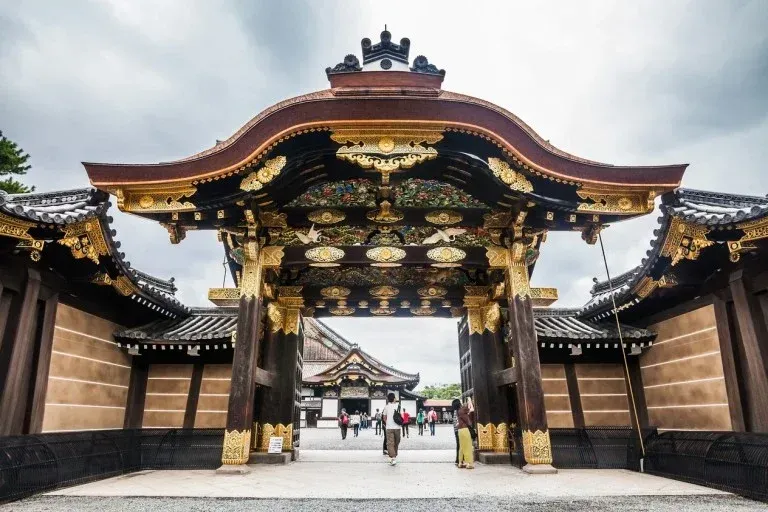
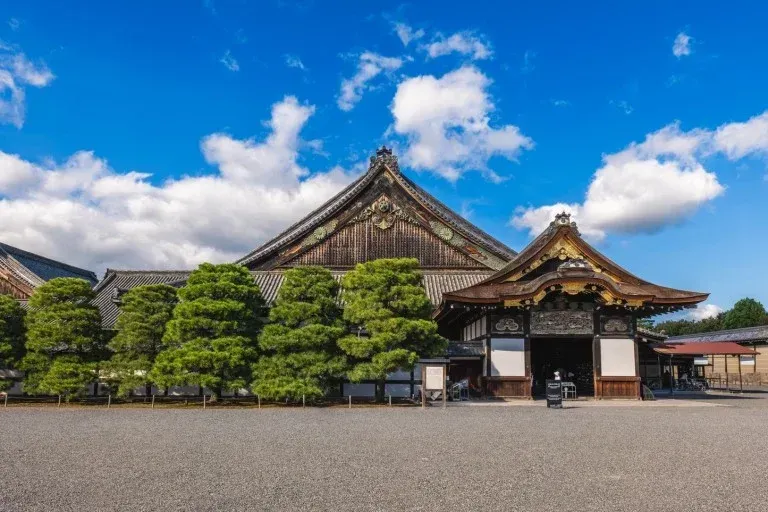
Nijo Castle (二条城) is located in Kyoto and is registered as a UNESCO World Heritage Site. The castle is several hundred years old, having been built around 1603 as the residence of the first Tokugawa shogun of the Edo period (around 1603-1867). Building the castle was no easy task, perhaps because it consists of many structures, and various obstacles at the time meant it took a long time to complete. What we see today is not only what was built during the Edo period; many parts were later added or rebuilt.
▌6. Nishiki Market
kshandley/shutterstock.com
im_chanaphat/shutterstock.com
cowardlion/shutterstock.com
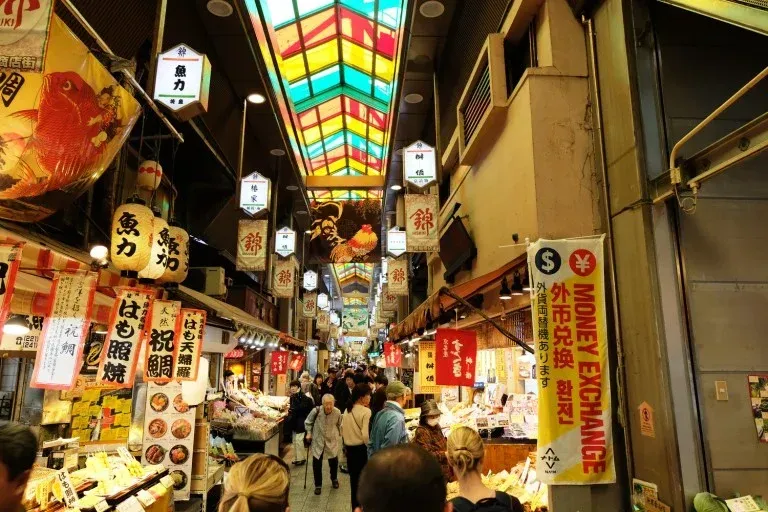
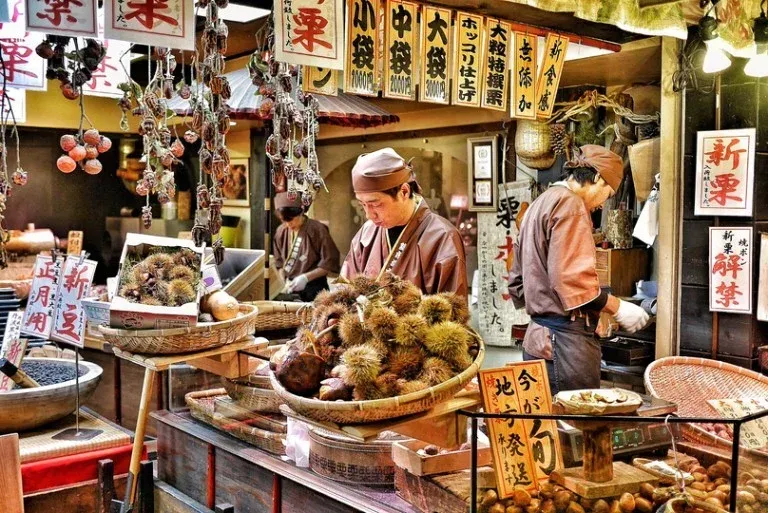
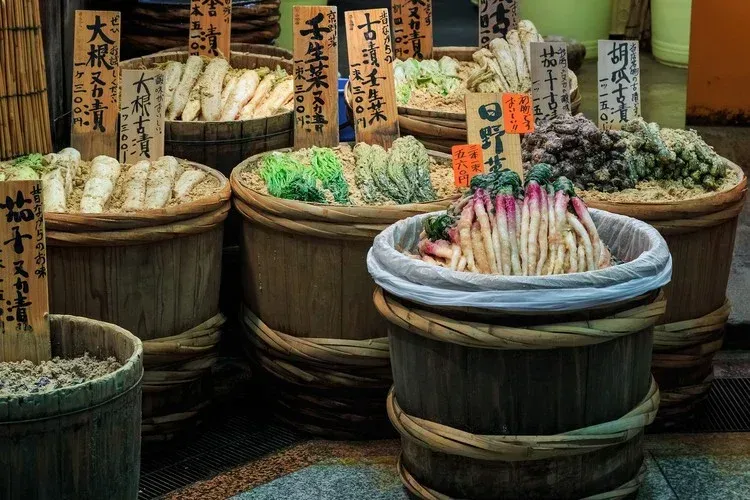
Nishiki Market is considered the most famous market in Kyoto. It's lively at all times, with crowds of people browsing fresh and dried food. There's a wide variety of shops along the whole street, and although it's a narrow shopping street about five blocks long, it has more than 100 shops and restaurants lined up, offering everything from fresh and dried goods to fresh seafood, cookware, Japanese knives, and seasonal foods to buy and taste. Don't miss Kyoto's local specialty foods, such as sweets found only in Kyoto, pickled vegetables, unusual dried seafood, and traditional Kyoto-style sushi. It's a market that brings together all kinds of food in one place, which is why it's nicknamed "Kyoto's Kitchen."
▌7. Sanjusangendo Temple (Temple of the Thousand-Armed Kannon)
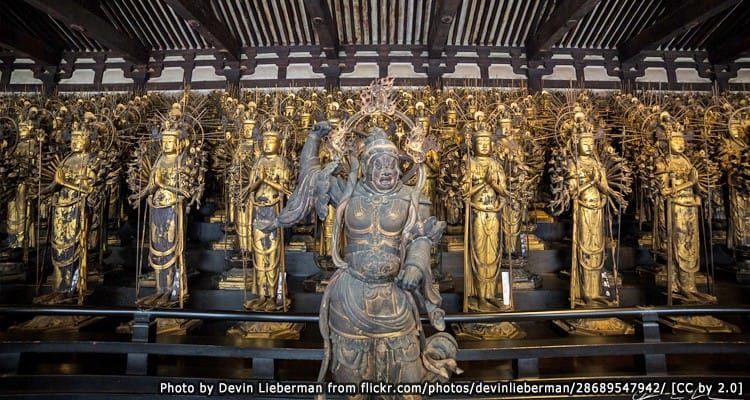
Photo by Devin Lieberman from flickr.com/photos/devinlieberman/28689547942/ [CC by 2.0]
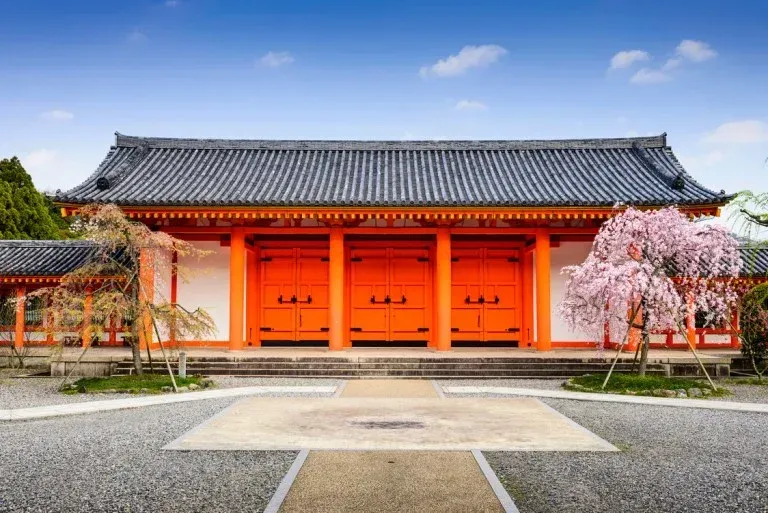
sean-pavone/shutterstock.com
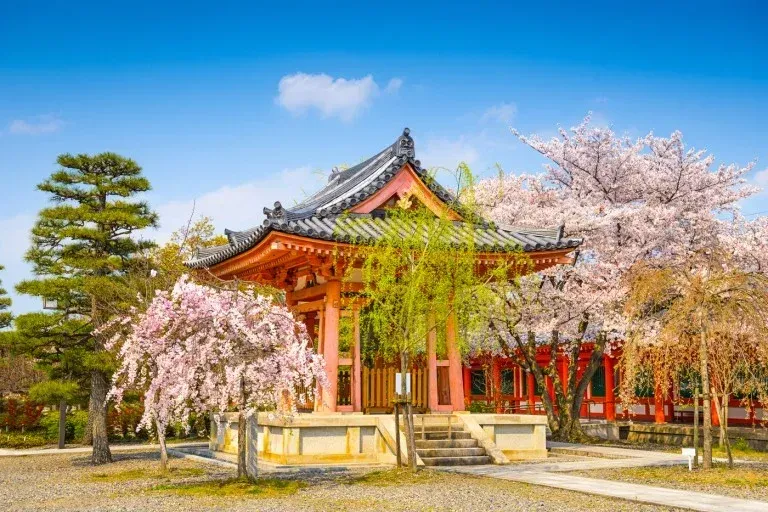
sean-pavone/shutterstock.com
Sanjusangendo Temple is located in eastern Kyoto and is also commonly known as the Temple of the Thousand-Armed Kannon. As the name suggests, the highlight here is its Kannon statues. Inside the temple are as many as 1,001 statues of the thousand-armed Kannon (Senju Kannon). The temple was founded around 1164. In 1249, it suffered heavy fire damage, and it was later restored to the complete state seen today.
▌8. Pontocho
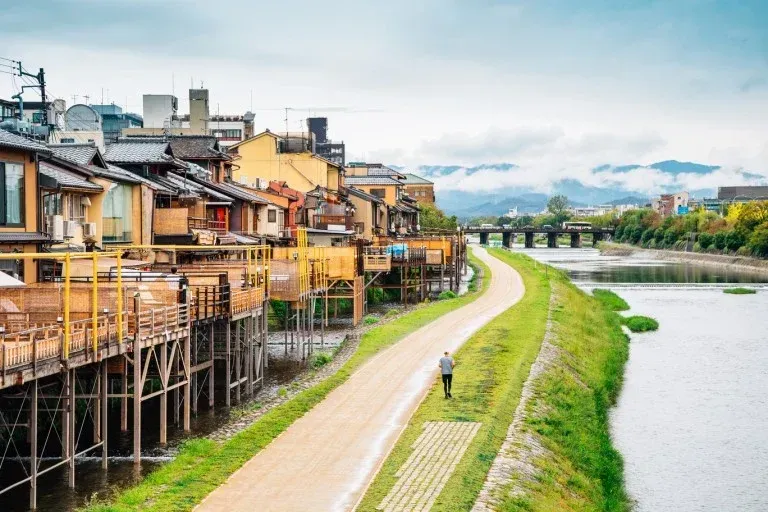
sanga-park/shutterstock.com
pkul/shutterstock.com
gagliardiphotography/shutterstock.com
photos by Opponent from commons.wikimedia.org/wiki/File:Noryo_yuka_of_a_Korean_restaurant_by_Wolfiewolf_in_Pontocho,_Kyoto.jpg(cc by 2.0)
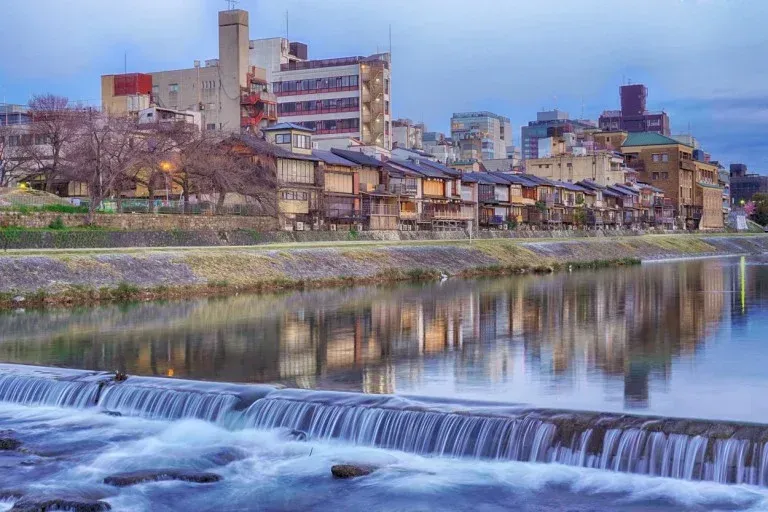
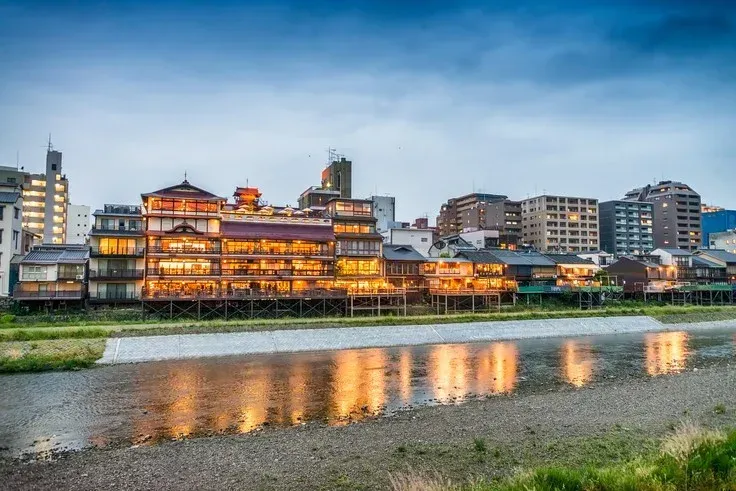
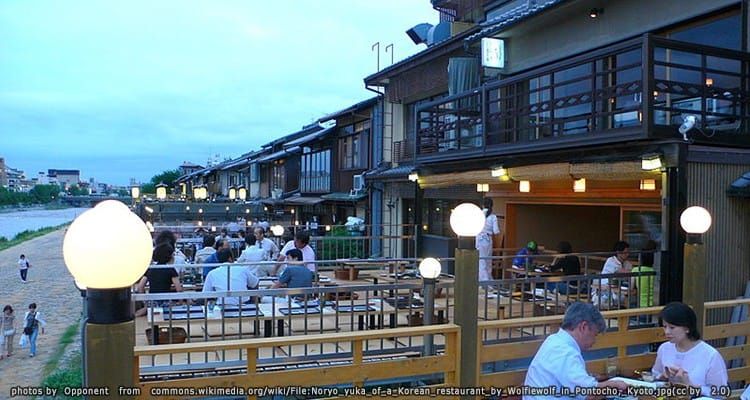
Pontocho covers the area from Shijo-dori to Sanjo-dori. The narrow walking street runs parallel to the Kamo River. Everyone in Kyoto knows this street, as it's both a popular spot for eating and drinking and a relaxing riverside area to stroll in the evening. If you're looking for a restaurant with a great atmosphere, come here, since both sides of the street are lined with many restaurants, pubs, and bars, especially yakitori, traditional grilled skewers. Most shops open in the evening and stay open late, with only a few opening during the day. That's not a bad thing either; daytime visits have their own charm, but evening is best. Restaurants right along the Kamo River (Kamogawa), on the right side of Pontocho, have an especially romantic atmosphere, and you might spend only a little, but the view feels priceless.
▌9. Shinkyogoku and Teramachi Shopping Streets
fotos593/shutterstock.com
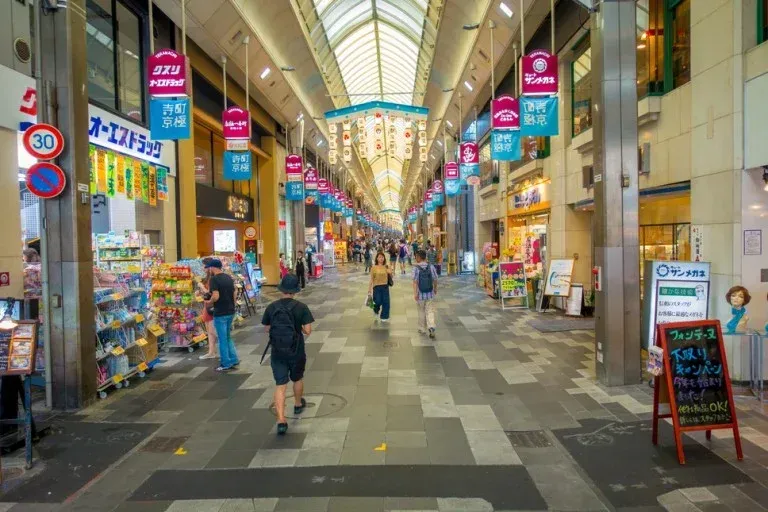
fotos593/shutterstock.com
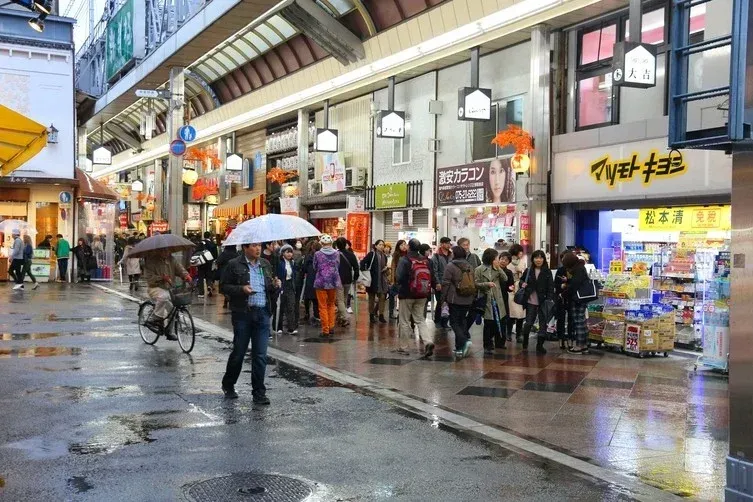
There are two main pedestrian shopping streets in central Kyoto: Shinkyogoku and Teramachi, which run parallel to each other. They are small lanes off Shijo-dori, the main street running through the heart of Kyoto.
Places in Kyoto City Center Reachable by Bus
These are attractions in Kyoto's city center without a train station within 1 kilometer, so you'll need to take the bus.
▌10. Kinkakuji Temple (Golden Pavilion)
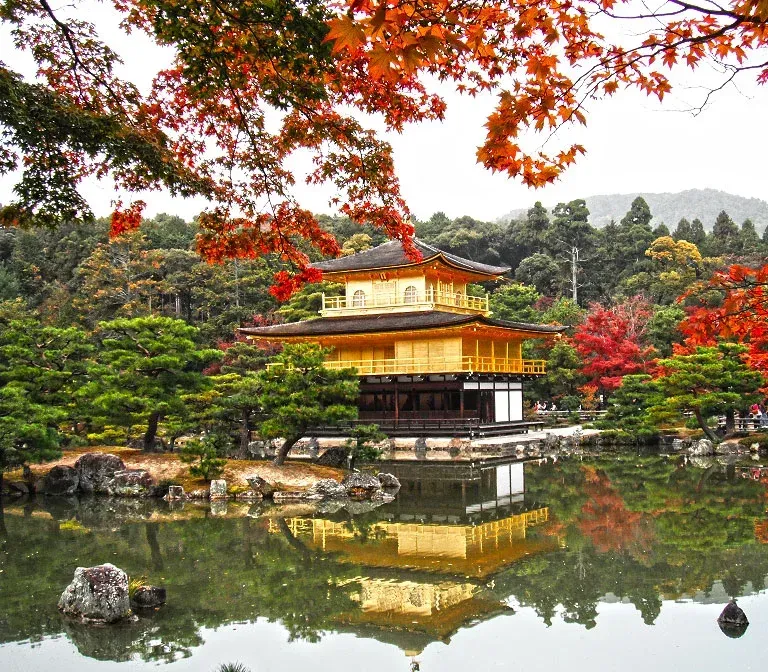
Photo from https://commons.wikimedia.org/wiki/File:Kyoto1.png
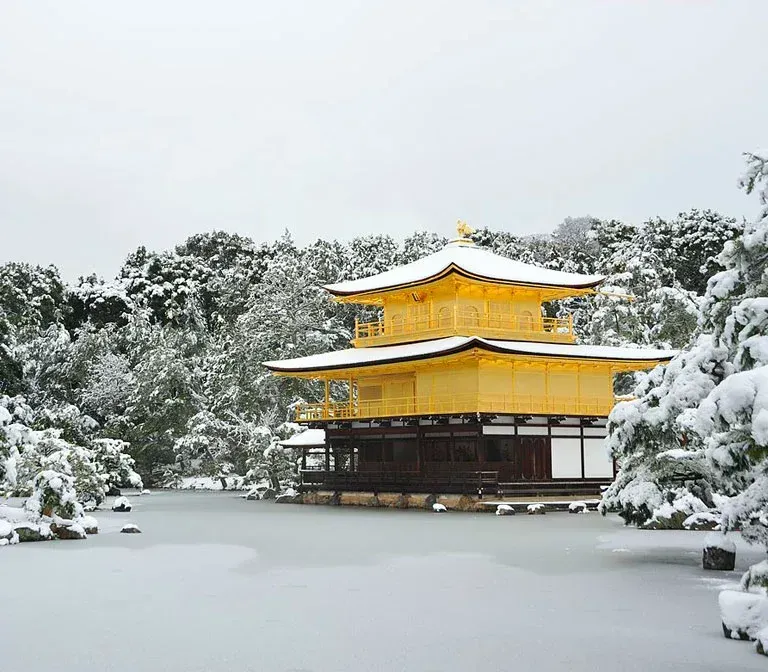
Photo from https://commons.wikimedia.org/wiki/File:%E9%9B%AA%E3%81%AE%E9%87%91%E9%96%A3%E5%AF%BA_Kinkakuji_temple_in_snow_%285360143285%29.jpg
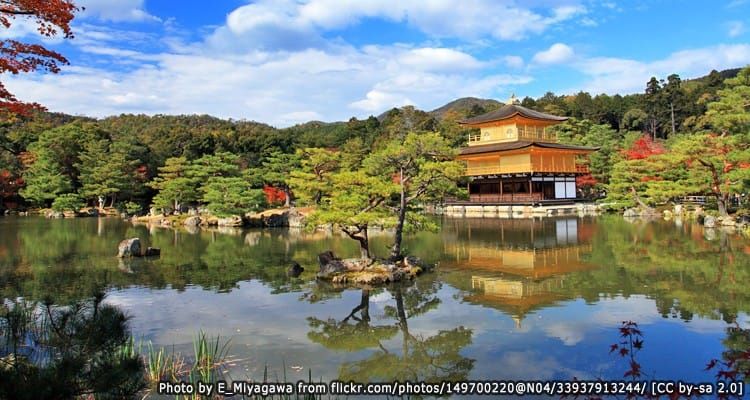
Photo by E_Miyagawa from flickr.com/photos/149700220@N04/33937913244/ [CC by-sa 2.0]
▌11. Kiyomizu-dera Temple
sunday-cat-studio/shutterstock.com
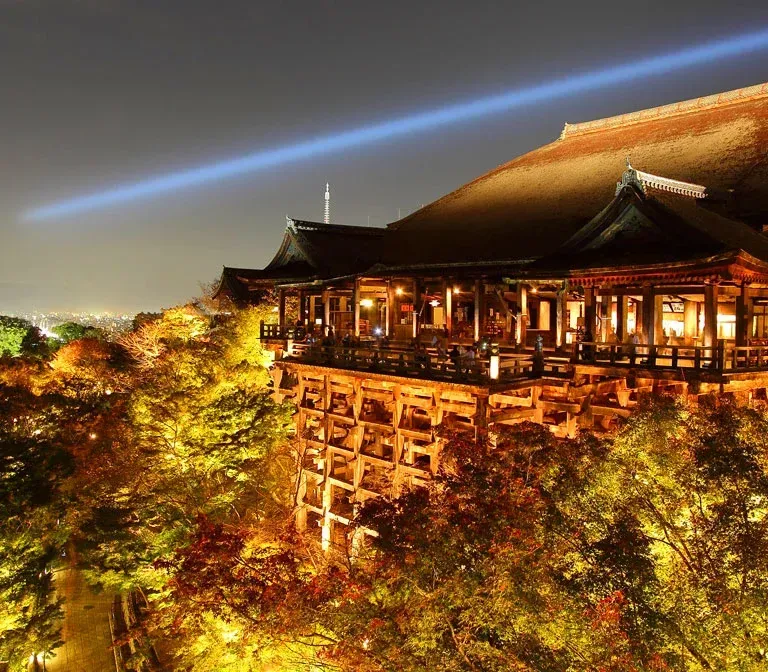
Photo from https://www.flickr.com/photos/ecomesam/6383167507
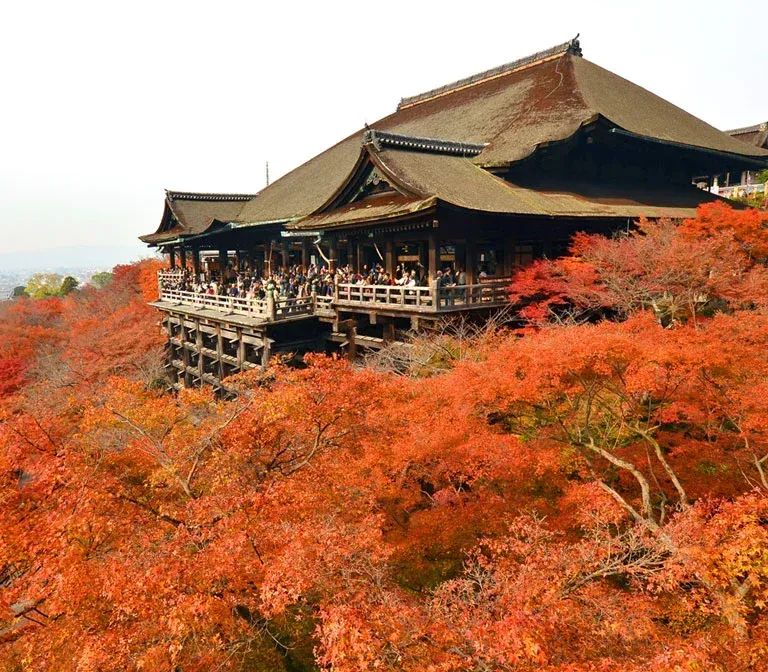
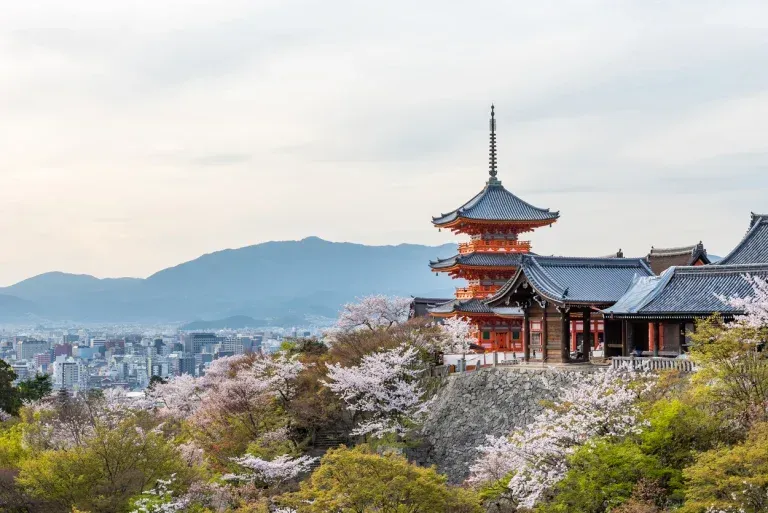
Kiyomizu-dera Temple is one of the most famous temples in Japan. It was built in 780, and natural water flowing from Otowa Waterfall gives the temple its name, meaning "Pure Water Temple." It is also registered as a UNESCO World Heritage Site. The temple's famous main hall is a large wooden structure that juts outward on pillars 13 meters tall, making it a beautiful viewpoint overlooking Kyoto in every season. It is also a famous spot for viewing cherry blossoms and autumn leaves in Kyoto. In addition, Kiyomizu-dera's wooden buildings were built without using a single nail.
▌12. Eikando Temple
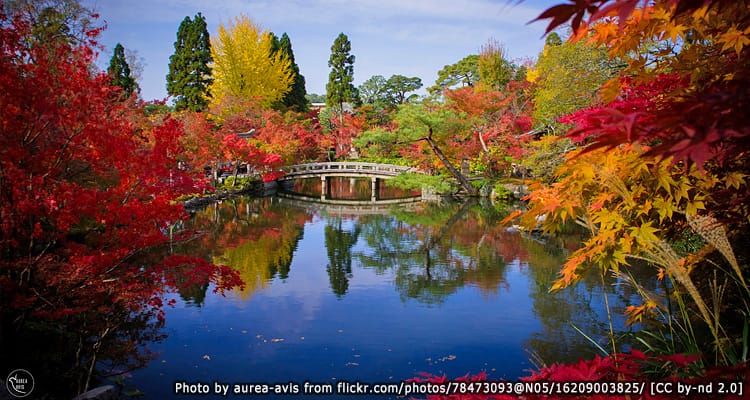
Photo by aurea-avis from flickr.com/photos/78473093@N05/16209003825/ [CC by-nd 2.0]
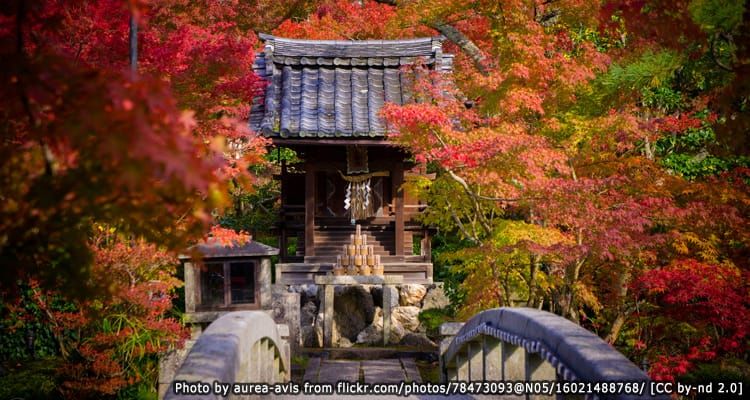
Photo by aurea-avis from flickr.com/photos/78473093@N05/16021488768/ [CC by-nd 2.0]
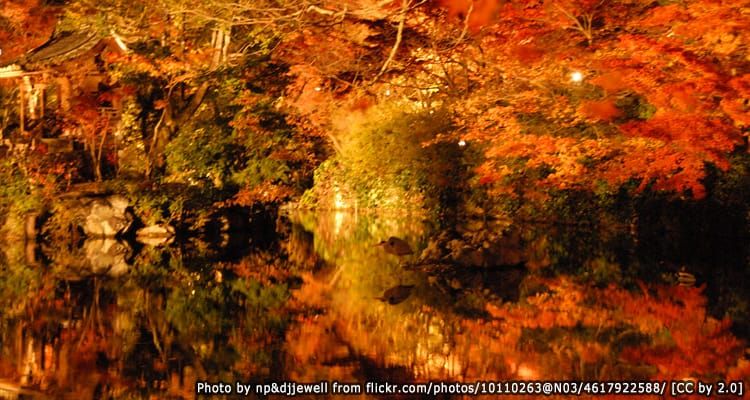
Photo by np&djjewell from flickr.com/photos/10110263@N03/4617922588/ [CC by 2.0]
Eikando Temple, also known as Zenrinji Temple, is one of the best spots for viewing autumn leaves in Kyoto. The temple's famous autumn leaf viewing area is in the beautifully decorated Hojo Garden, which has small streams, ponds, and bridges connecting to the temple buildings. It is at its most beautiful in autumn, when it is lit up at night: beautiful by day and stunning by night, a truly romantic spot.
Places Outside Kyoto City Center Reachable by Train
These are attractions outside Kyoto's city center with a train station within about 1 kilometer.
▌13. Fushimi Inari Shrine
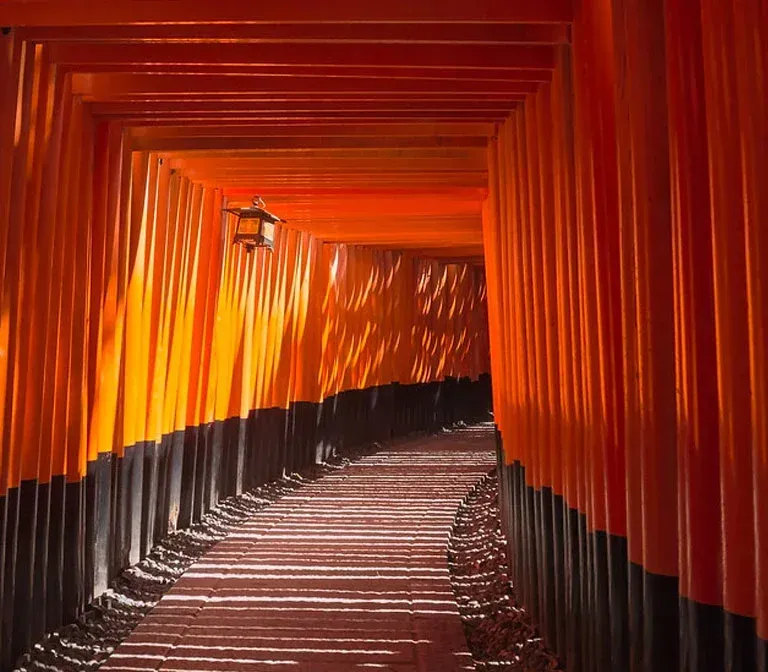
Phot from https://www.flickr.com/photos/adikarla/40949429141/
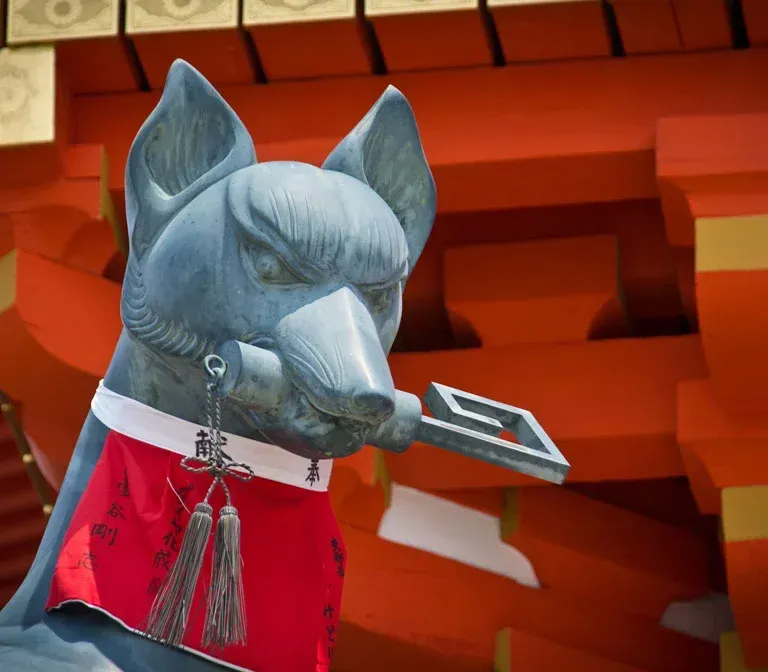
Photo from https://www.flickr.com/photos/johnji/7335266186/
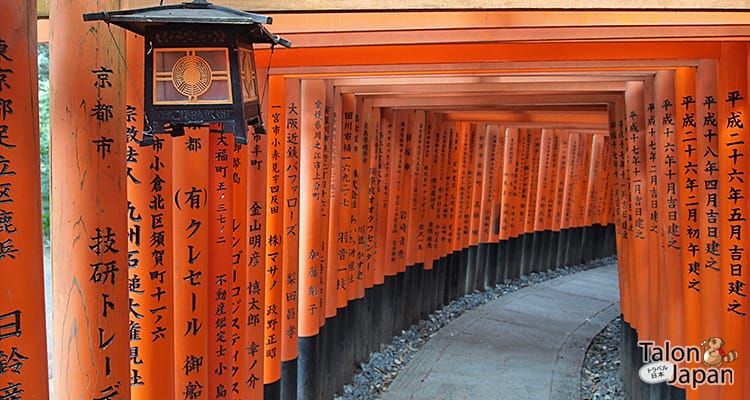
The path beneath the torii gates at Fushimi Inari Shrine
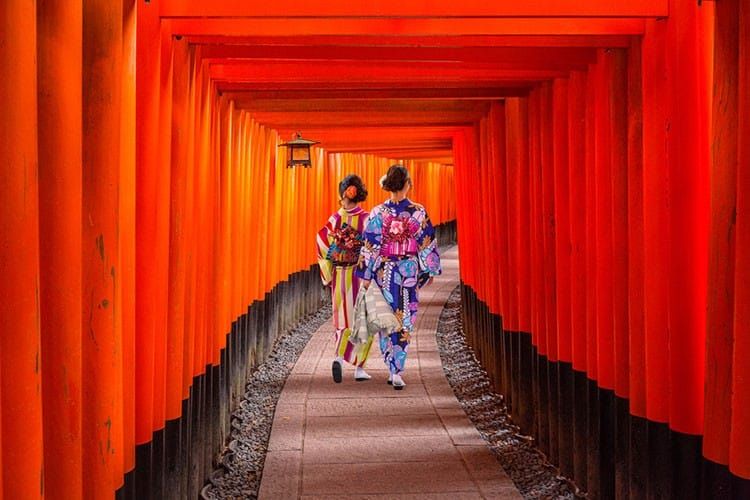
Fushimi Inari Shrine, also called the Red Shrine or Fox Shrine, is one of the most important Shinto shrines in Kyoto. It is famous for its tens of thousands of red torii gates, lined up behind the shrine to form paths across Mount Inari, which is believed to be a sacred mountain. The god Inari represents abundance, rice harvests, and crops in general, and is often accompanied by foxes as messengers (some say the god likes to transform into a fox), so you can also see many fox statues here. This shrine is very old, having been built even before Kyoto itself, thought to date from around 711, or over a thousand years ago.
▌14. Arashiyama
guitar-photographer/shutterstock.com
guitar-photographer/shutterstock.com
guitar-photographer/shutterstock.com
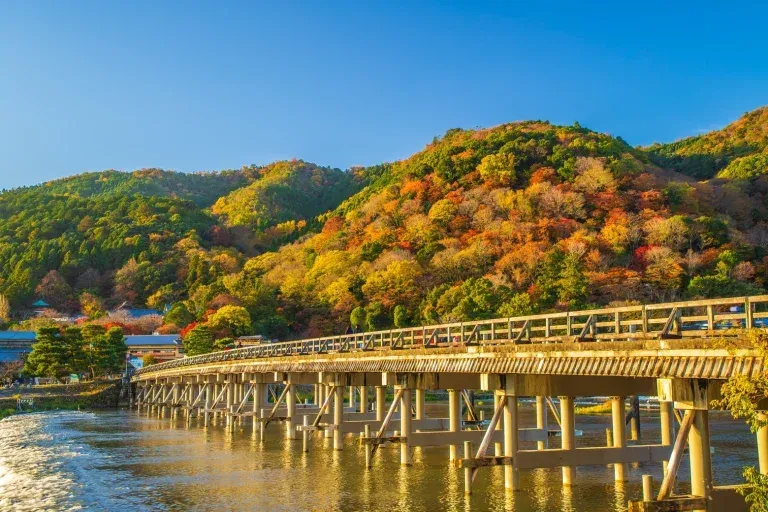
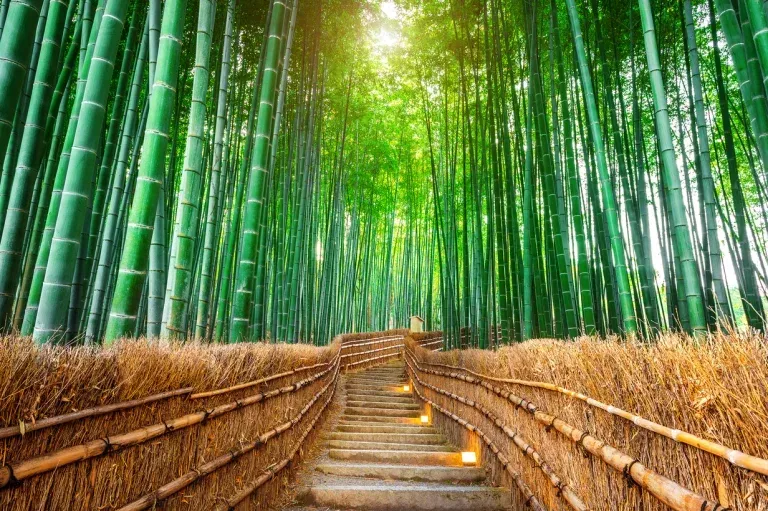
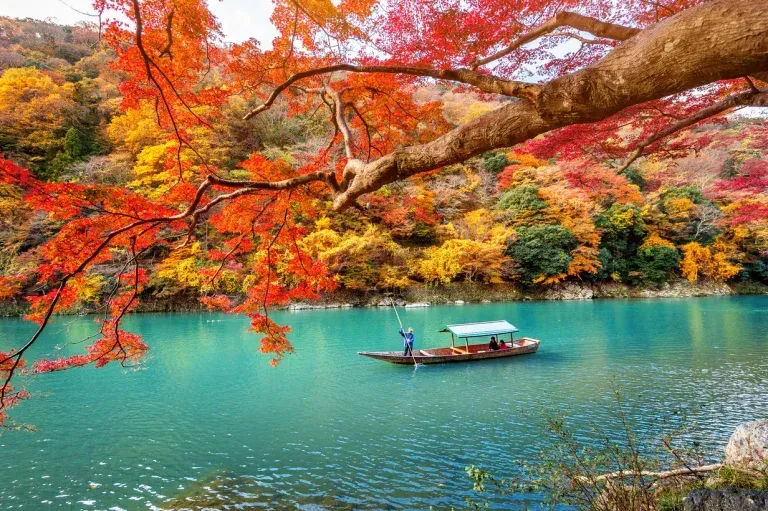
Arashiyama is another popular area with tourists, located in western Kyoto. It draws large crowds during cherry blossom season and the autumn leaf season, especially for riding the Sagano Romantic Train and walking through the striking bamboo grove behind Tenryu-ji Temple, Arashiyama's famous temple.
▌15. Amanohashidate Sandbar
sean-pavone/shutterstock.com
somjade-srimahachota/shutterstock.com
Photo by xanday from flickr.com/photos/xanday/9471035447 [CCSA2.0]
▌16. Toei Studio
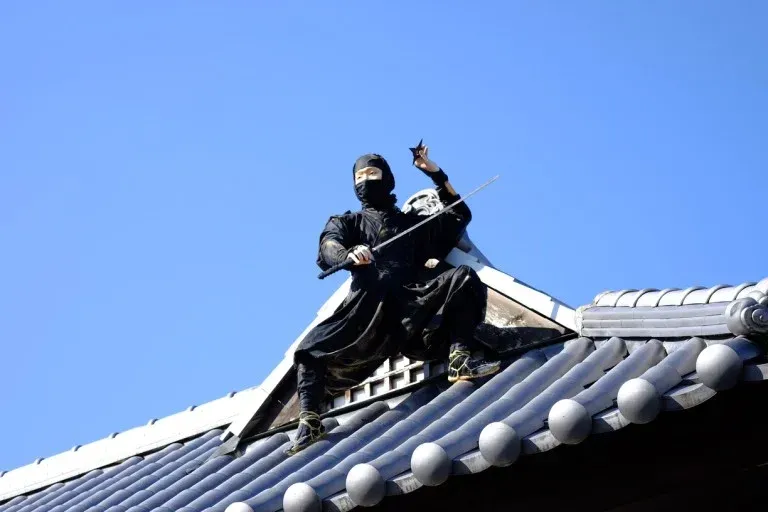
amarisa-s.thongchuea/shutterstock.com
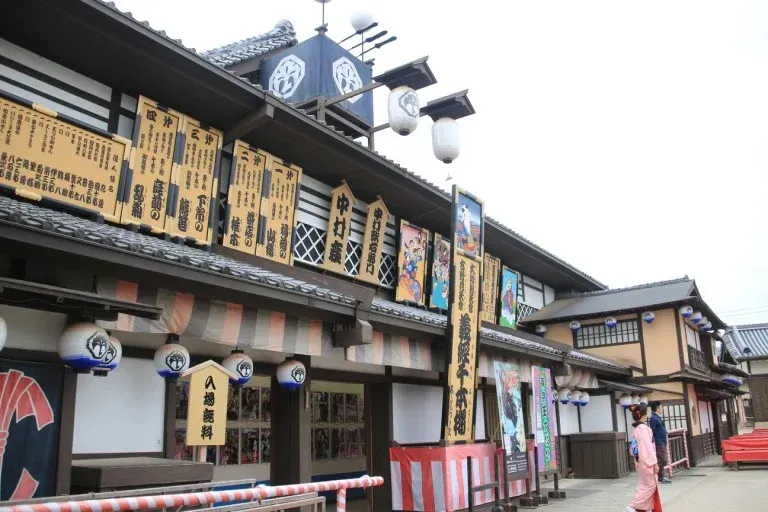
ryushi/shutterstock.com
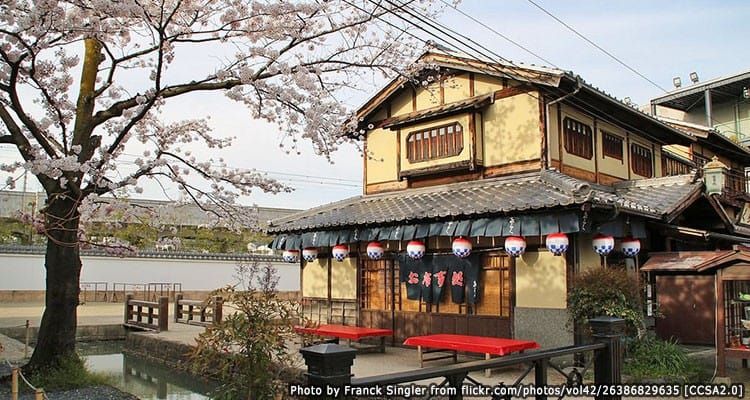
Photo by Franck Singler from flickr.com/photos/vol42/26386829635 [CCSA2.0]
Places Outside Kyoto City Center Reachable by Bus
These are attractions outside Kyoto's city center without a train station within 1 kilometer, so you'll need to take the bus.
▌17. Ginkakuji Temple (Silver Pavilion)
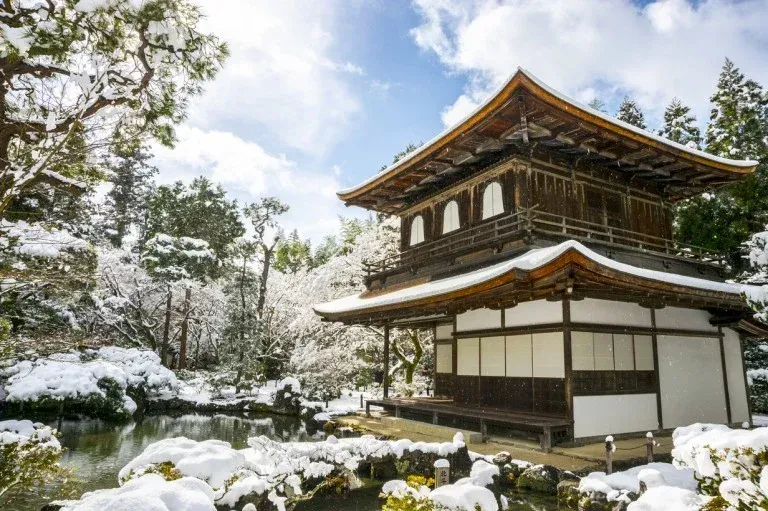
taromon/shutterstock.com
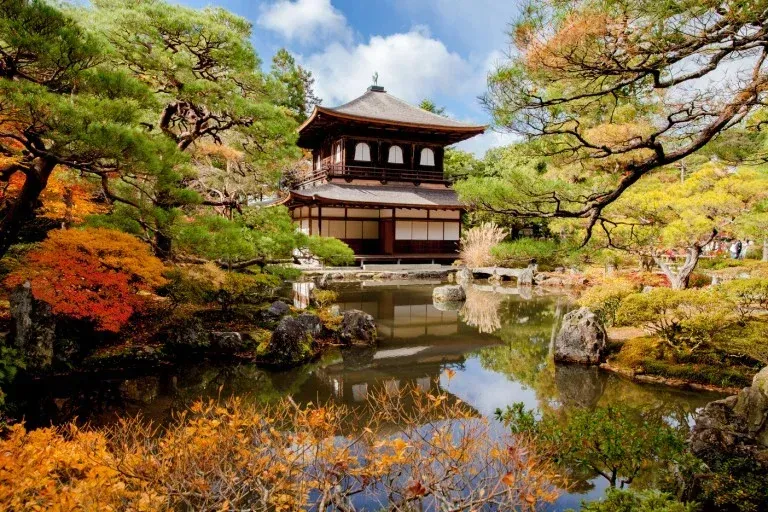
pigprox/shutterstock.com
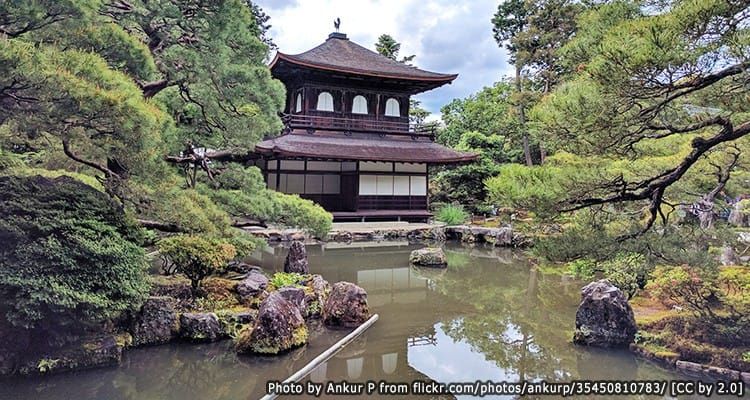
Photo by Ankur P from flickr.com/photos/ankurp/35450810783/ [CC by 2.0]
▌18. Bishamon-do Temple
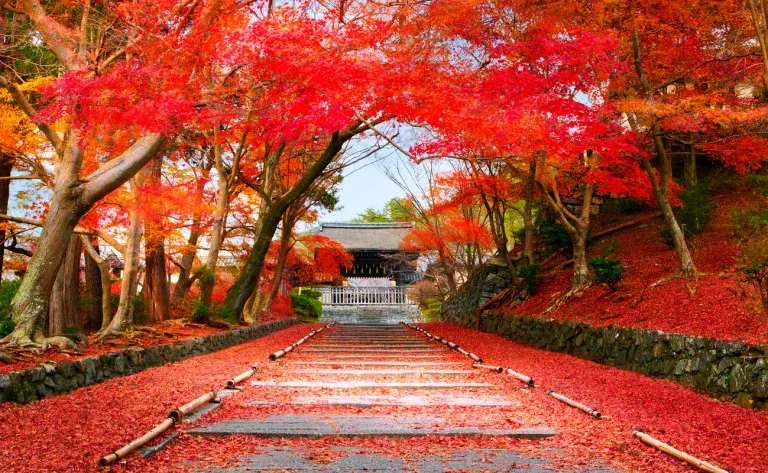
moustache-girl/shutterstock.com
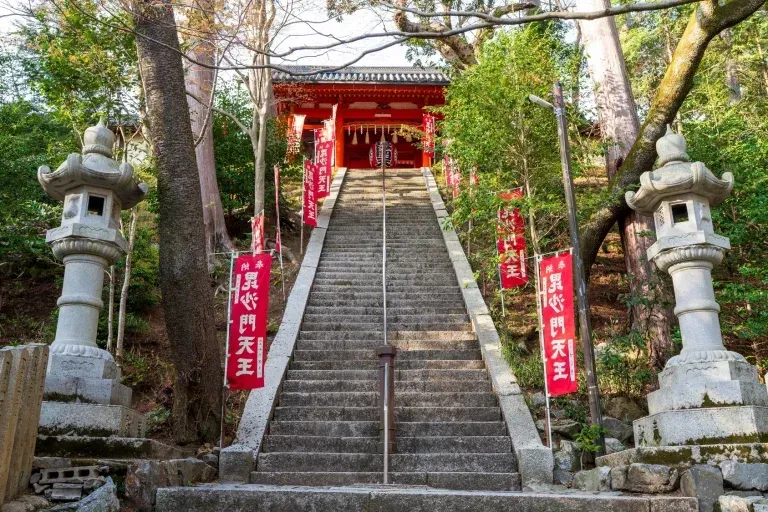
shawn.ccf/shutterstock.com
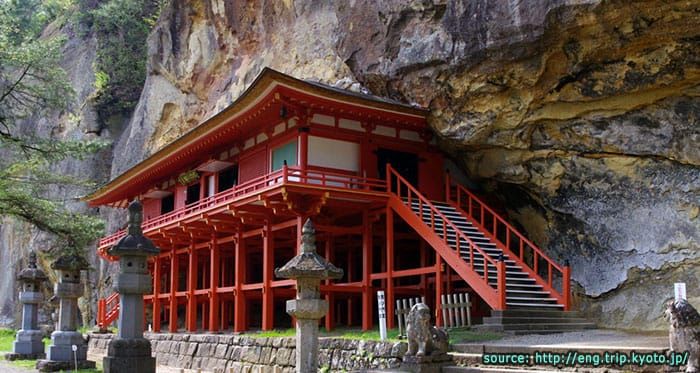
Inside Bishamon-do Temple
Bishamon-do Temple is an old temple on a hill in the Yamashina area, well known for the beauty of its autumn leaves. The path is lined on both sides with red maple leaves, forming what looks like a tunnel of autumn color. Besides autumn leaves, it is also a cherry blossom viewing spot.
▌19. Kibune
beeboys/shutterstock.com
beeboys/shutterstock.com
photos by Norio NAKAYAMA from flickr.com/photos/norio-nakayama/6390119297(cc by 2.0)
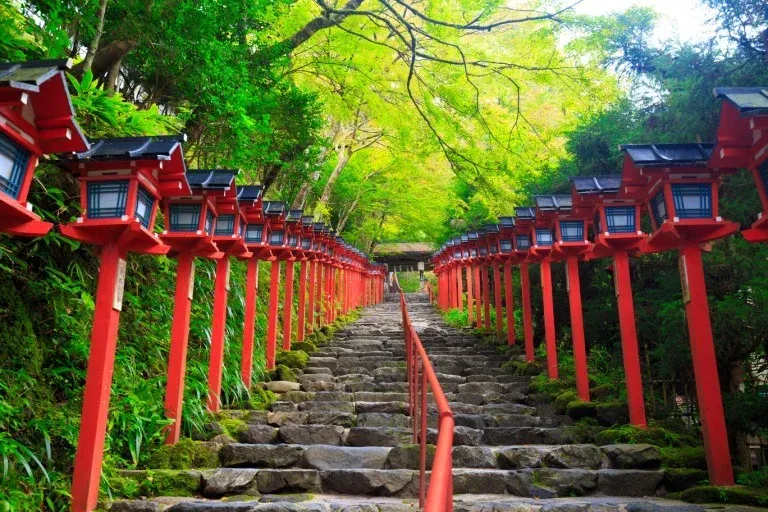
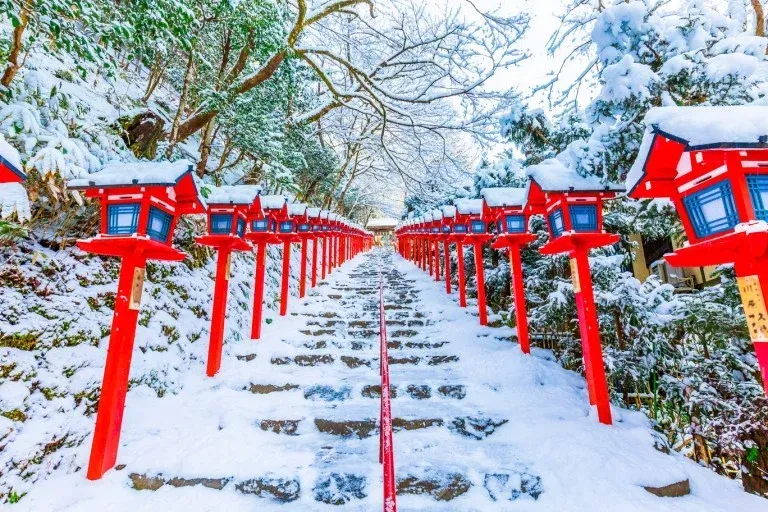
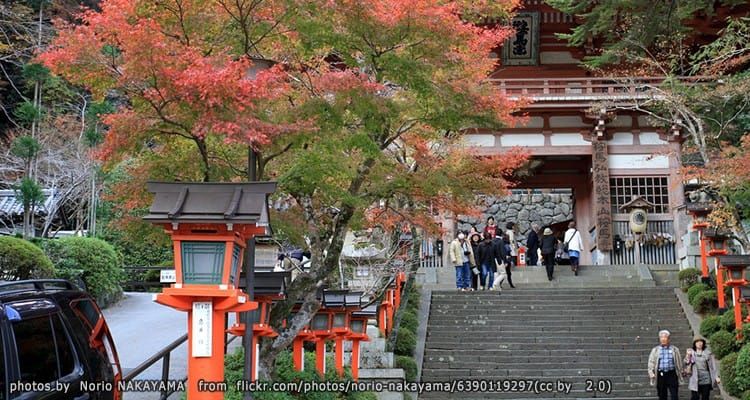
Kibune is a small rural town in the mountains north of Kyoto, known for its natural beauty blended with Japanese art and culture. It's also home to the famous Kifune Shrine. According to legend, a god traveled from Osaka by yellow boat, sailing upriver to the mountains north of Kyoto and arriving at this town, which was then named Kibune, meaning "yellow boat," after the legend.
▌20. Ine, the Traditional Fishing Village
nithid-memanee/shutterstock.com
leungchopan/shutterstock.com
Photo by bryan… flickr.com/photos/bryansjs/25114115231 [CCSA2.0]
▌21. Enryakuji Temple
yoko_ken_chan/shutterstock.com
takayuki-ohama/shutterstock.com
beeboys/shutterstock.com
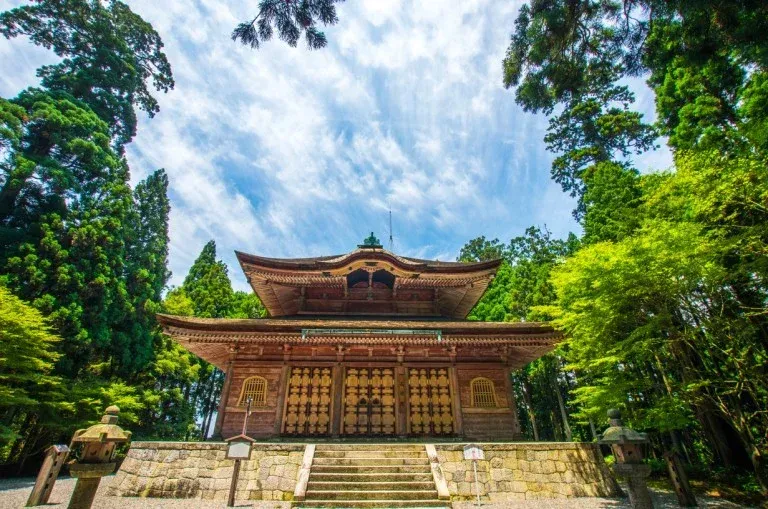
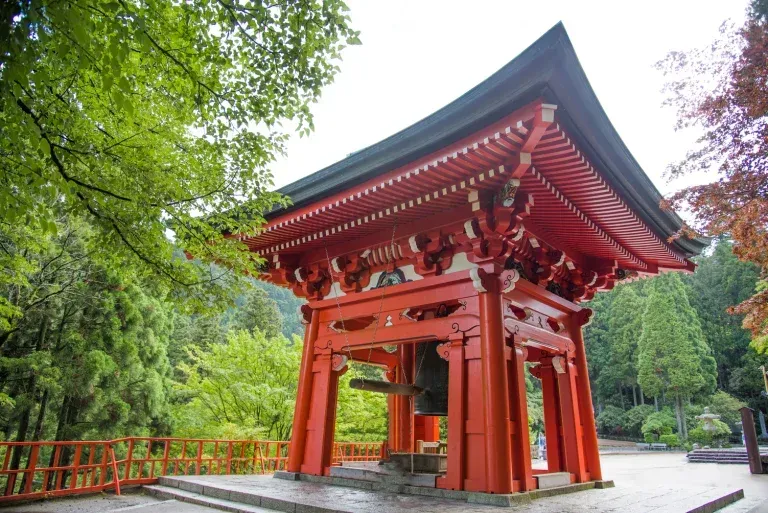
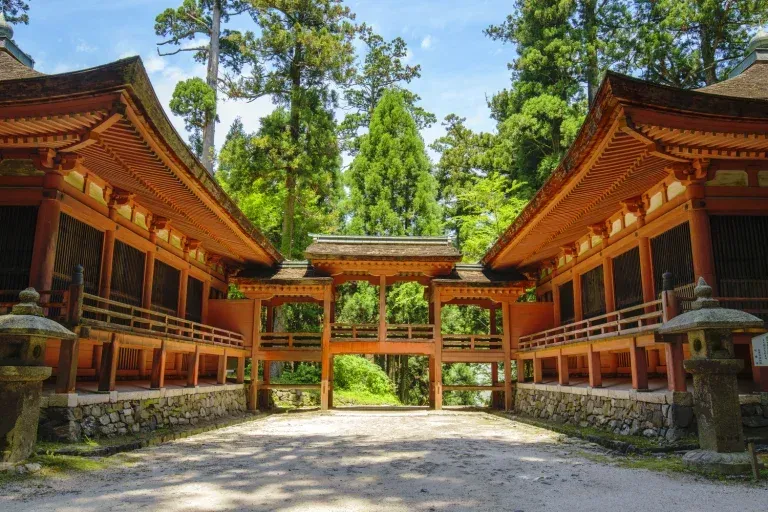
Enryakuji Temple (延暦寺) is located in the mountains on the eastern side of Mount Hiei, on the border between Kyoto and Shiga prefectures. It serves as the center of the Tendai school of Buddhism, and is also one of the most historically significant temples in Japan. The temple was first built around 788 by Saicho, the monk who brought Tendai Buddhism from China to Japan. Many famous monks studied here, including the founders of the Jodo, Zen, and Nichiren sects.
▌22. Miyama Village
lee-yiu-tung/shutterstock.com
jamie-tsai/shutterstock.com
alon-adika/shutterstock.com
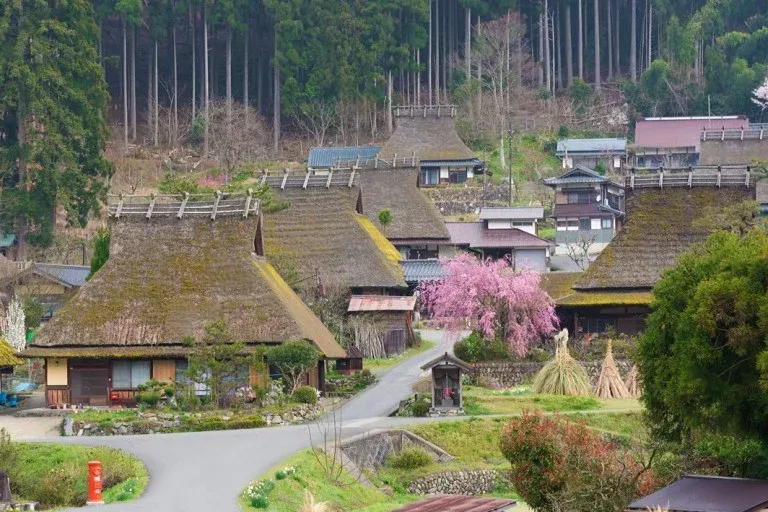
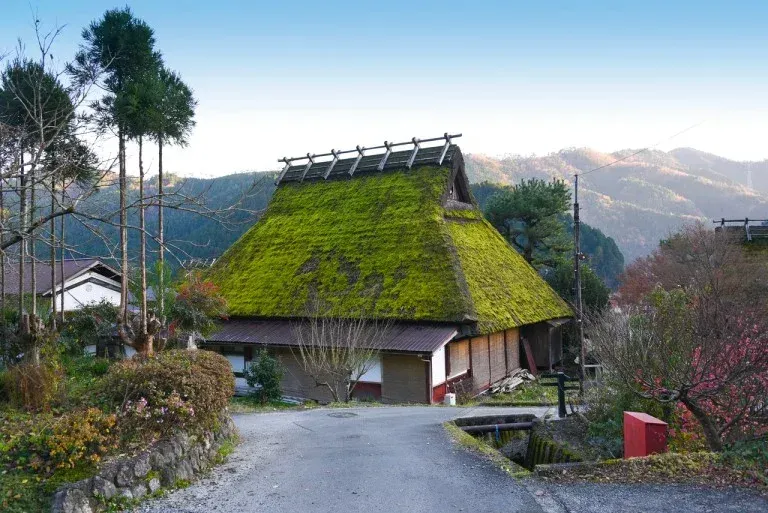
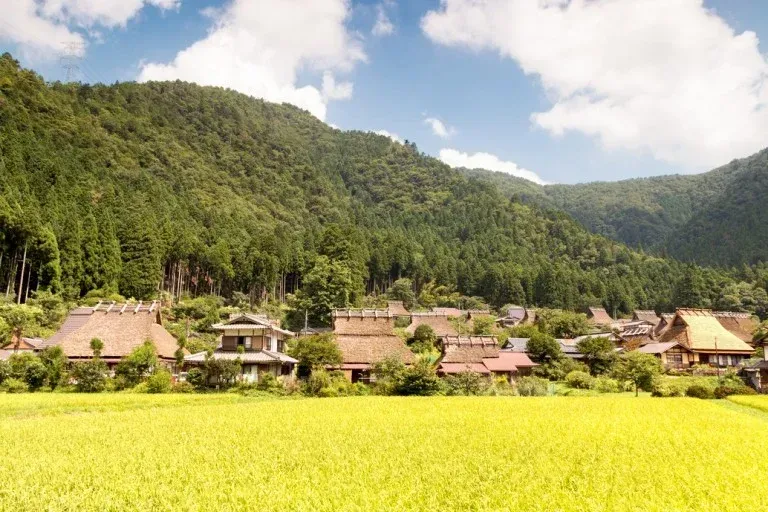
Miyama is a mountainous rural area about 30 kilometers from central Kyoto, a community full of old-fashioned charm. There are more than 200 traditional houses scattered across the area, forming several small villages spread along winding valley roads. The main attraction here is the village to the north, called Kayabuki no Sato, which has nearly 40 thatched-roof cottages. Each house preserves its traditional exterior, famous for its kayabuki thatched roofing. These aren't show houses built for visitors; they are real homes where people live their daily lives like anyone else in the area. At the same time, the well-preserved traditional architecture lets you experience the genuine atmosphere of rural Japan.
▌23. Byodoin Temple
sean-pavone/shutterstock.com
ryota.www/shutterstock.com
bule-sky-studio/shutterstock.com
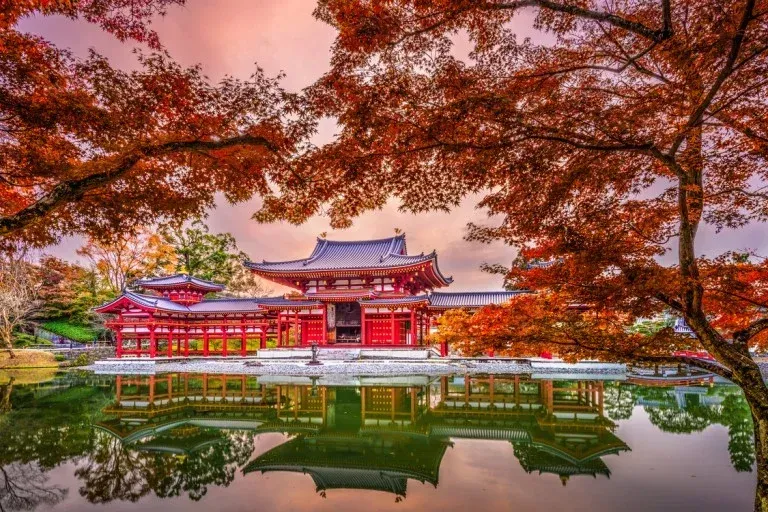
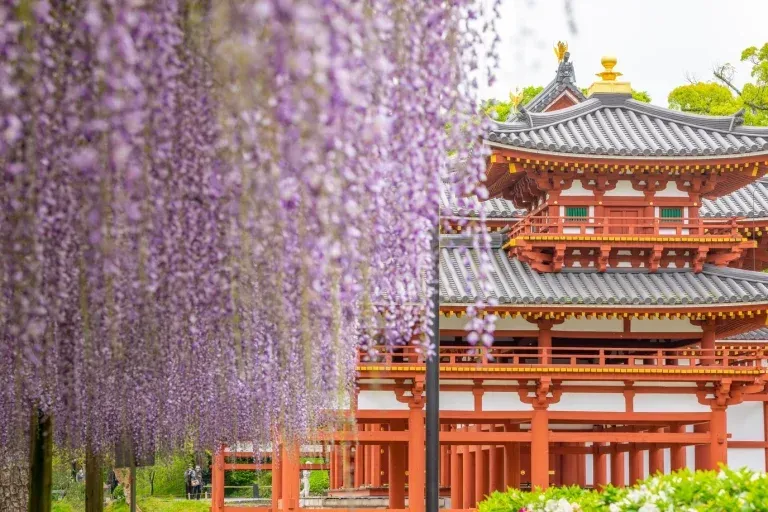
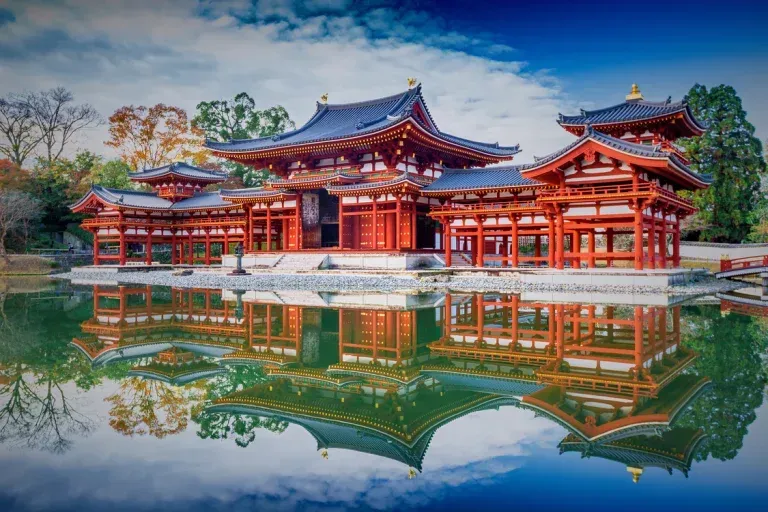
Byodoin Temple (平等院) is considered one of the most distinctive examples of Jodo-style (Buddhist Pure Land) architecture in Japan. What sets it apart is that the whole site is designed around Buddhist ideas, as seen in the garden, which represents the Buddhist Pure Land and later became a model for other temples. Originally, this site was not a temple but a countryside villa belonging to an influential figure of the time. It later changed when the owner's son converted the villa into Byodoin Temple. The site was actually first built in 998, and converted into a temple in 1052. In 1053, the famous Phoenix Hall was built, which later became the design on the front of the Japanese 10-yen coin, a testament to the temple's importance.
▌24. Ryoanji Temple (Rock Garden)
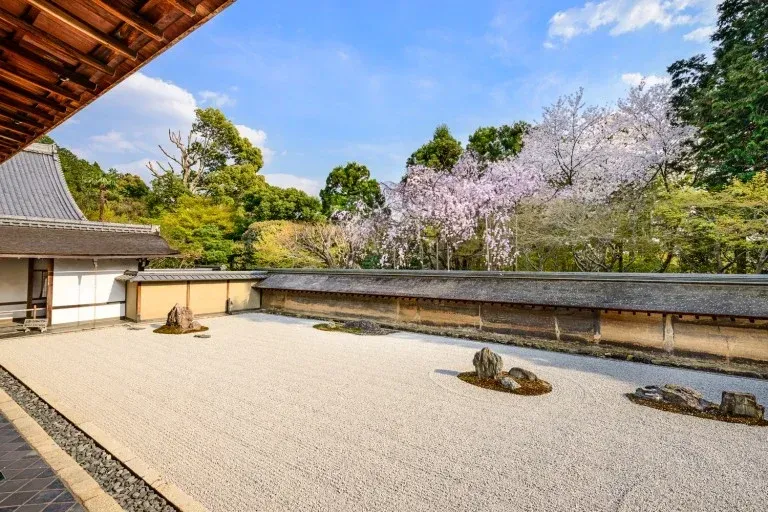
sean-pavone/shutterstock.com
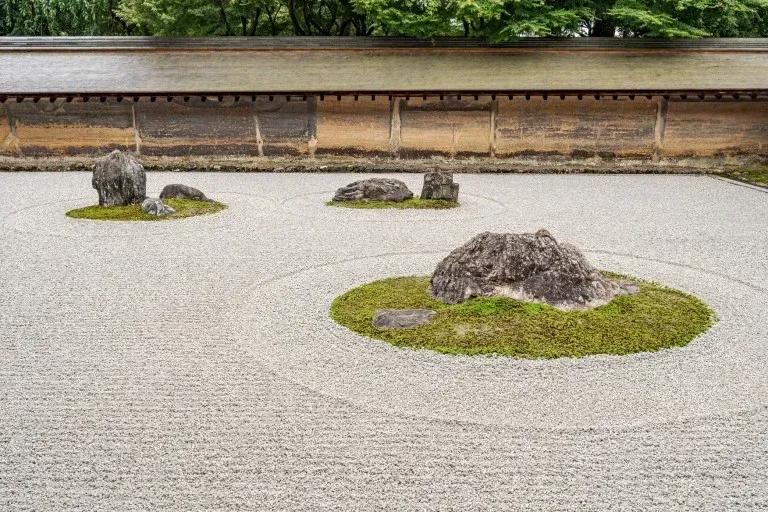
leon-rafael/shutterstock.com
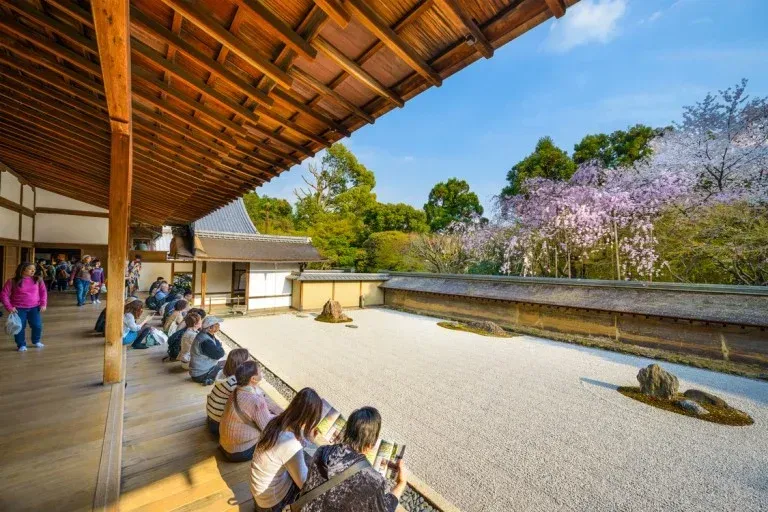
sean-pavone/shutterstock.com
Ryoanji Temple is a Muromachi-period temple famous for the beauty of its rock garden, said to be the finest in Kyoto and among the best in all of Japan. This fame makes it a daily destination for many tourists from Japan and abroad. There's no clear record of exactly when the rock garden was created, but its distinctive design is what has made it so widely renowned. If you want to see a truly beautiful rock garden in Kyoto, Ryoanji Temple is the top choice.
▌25. Yoshiminedera Temple
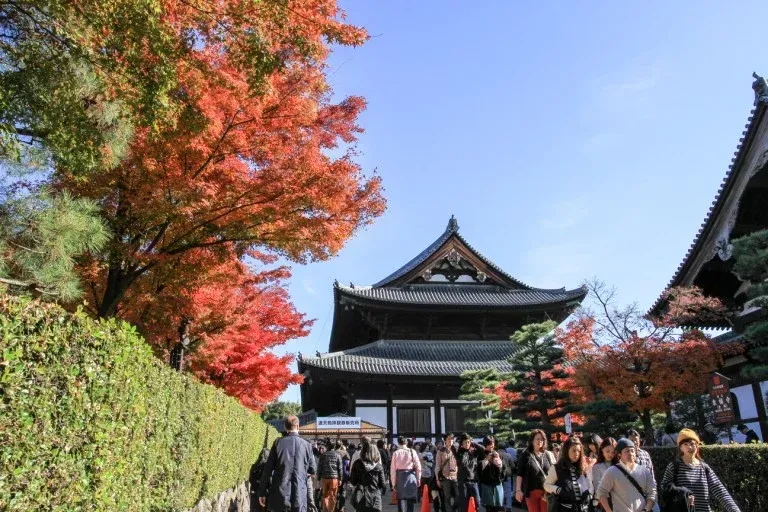
rutphoto/shutterstock.com
yoshihide-kimura/shutterstock.com
shikema/shutterstock.com
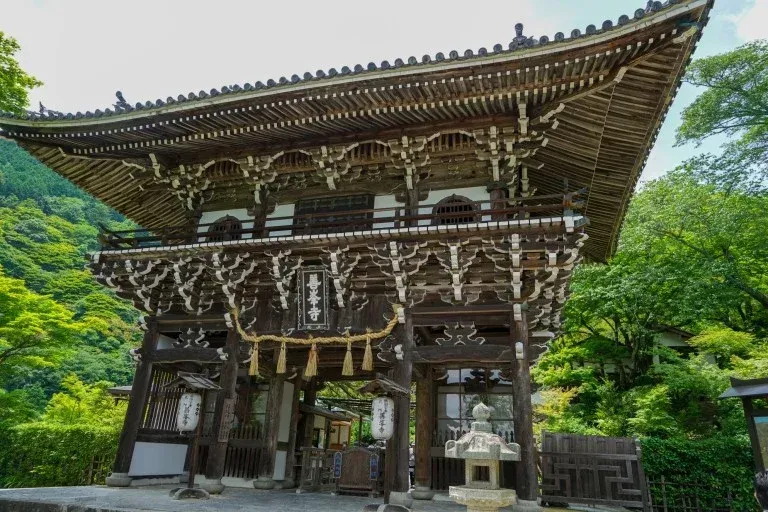
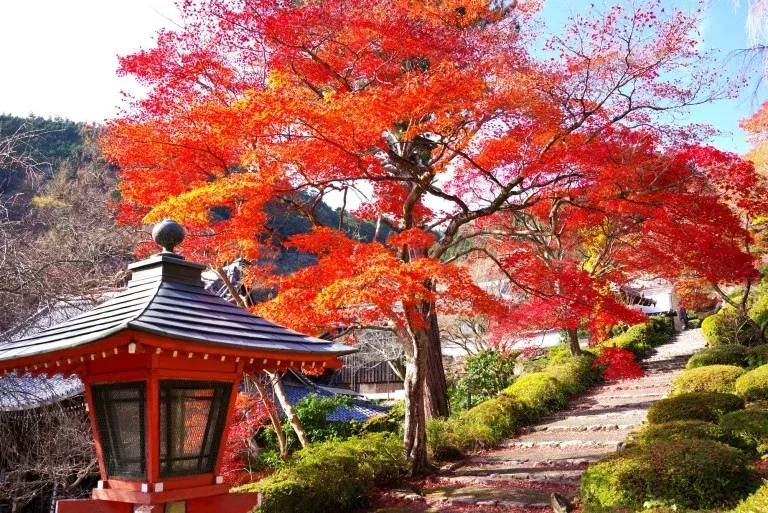
Yoshiminedera Temple is located in the mountains west of Kyoto. It is a Tendai Buddhist temple similar to the famous Kiyomizu-dera Temple on the opposite side of the city. The temple grounds are quite spacious, filled with natural scenery that refreshes the mind and offers a close connection with nature.
▌26. Kokedera (Moss Temple)
fang-chunkai/shutterstock.com
fang-chunkai/shutterstock.com
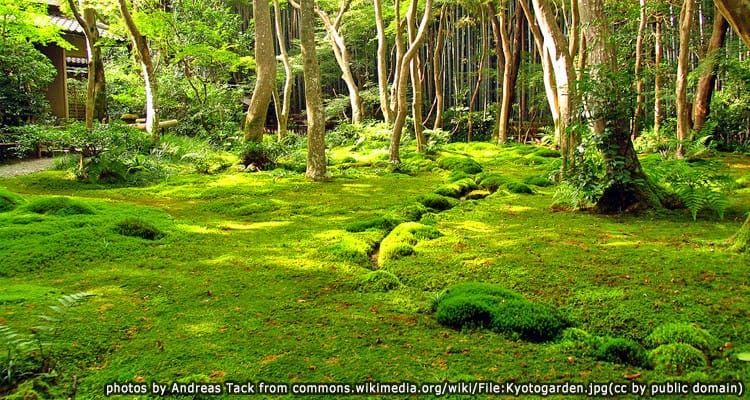
photos by Andreas Tack from commons.wikimedia.org/wiki/File:Kyotogarden.jpg(cc by public domain)
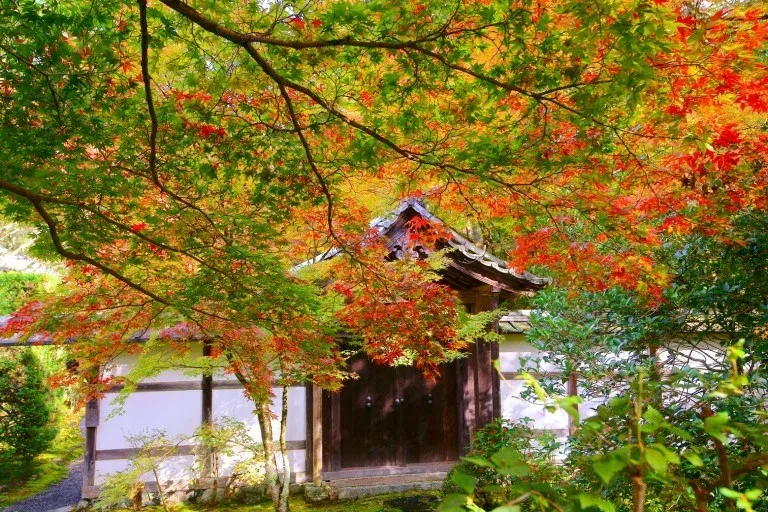
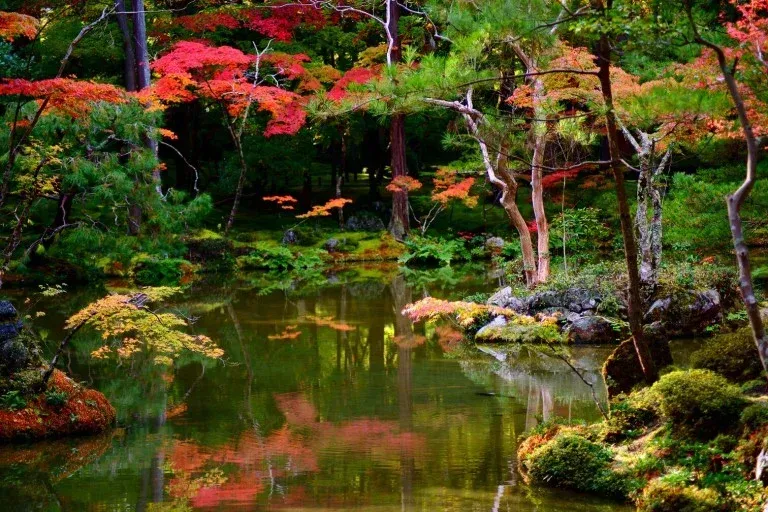
Kokedera, the Moss Temple, gets its name from the temple garden, which is almost entirely covered in moss. It is also registered as a UNESCO World Heritage Site. Visiting requires prior permission from the temple, which can be arranged by sending a letter to the temple; the temple will then send a reply letter, which you present upon arrival.