


Saitama is a large prefecture bordering Tokyo to the north, with many interesting attractions. It's less than an hour from Tokyo, making it a great change of pace from the crowded city, with a more relaxed, countryside-like atmosphere. You can visit as a day trip, or stay overnight for an even better experience.
Here are 17 great places to visit in Saitama — easy to reach and close to Tokyo. You'll find this often-overlooked prefecture is full of charm.
1. Seibuen Amusement Park
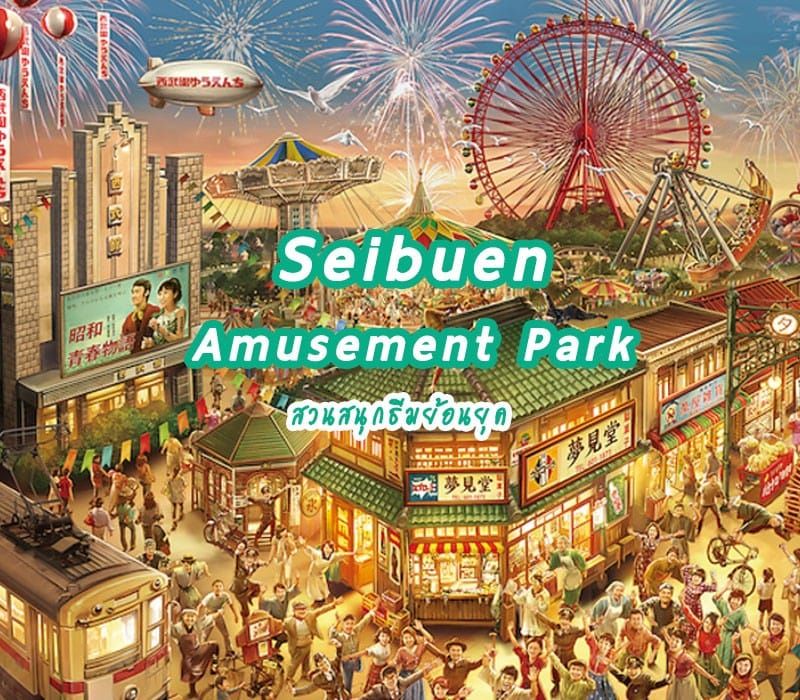
Photo from https://twitter.com/seibuenyuuenchi
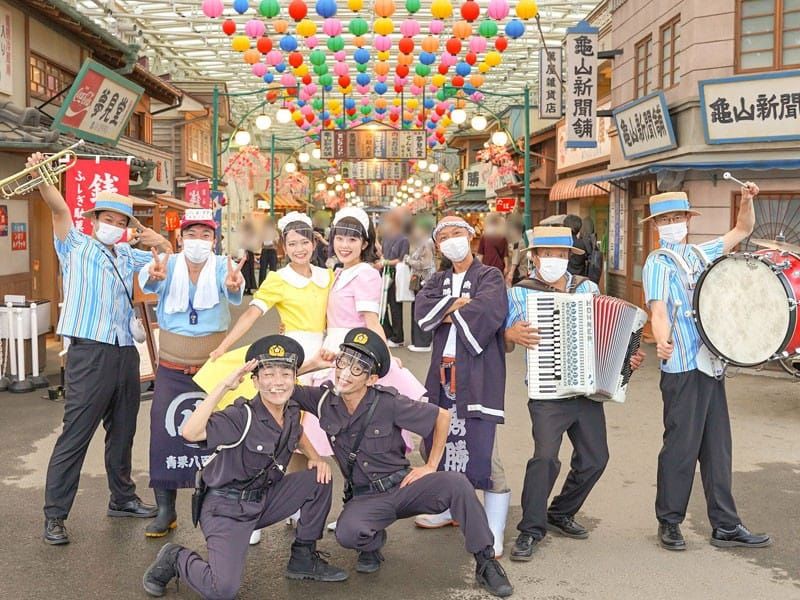
Photo from https://twitter.com/seibuenyuuenchi
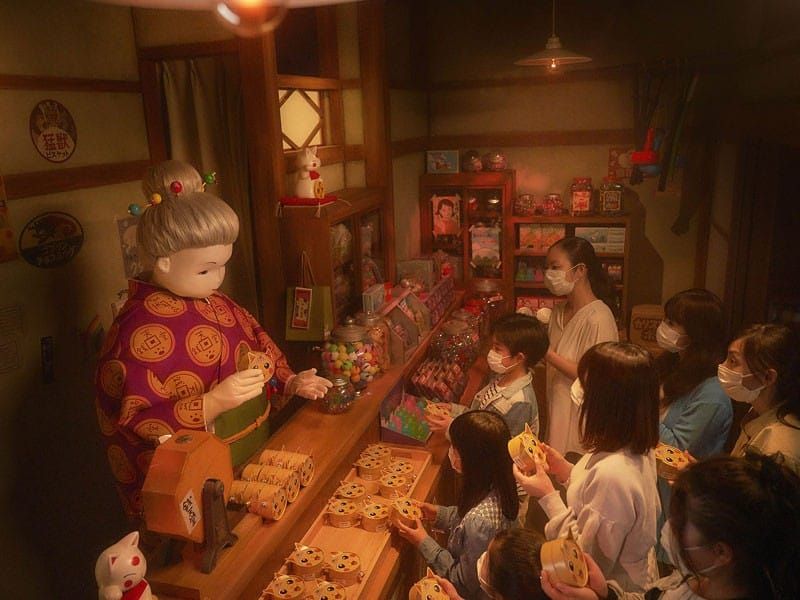
Photo from https://twitter.com/seibuenyuuenchi
Seibuen Amusement Park is a retro-themed amusement park inspired by 1960s Tokyo. Its concept is "a world filled with warmth and happiness." This renovated park recreates the cityscape of the Showa era, taking visitors back to a time before mobile phones and Japan's rapid economic growth.

2. Kumagaya Arakawa Ryokuchi Park
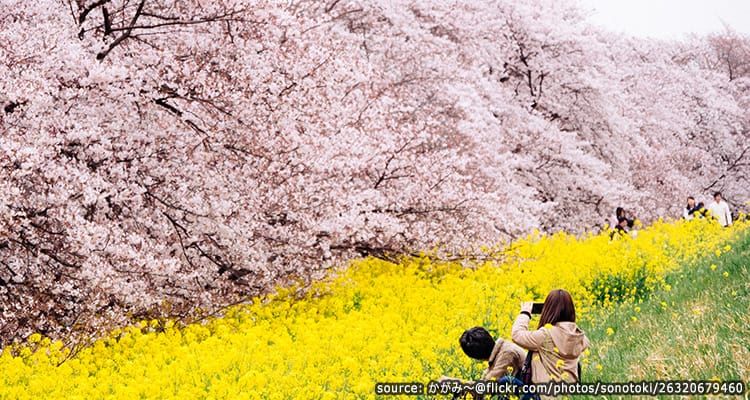
Kumagaya
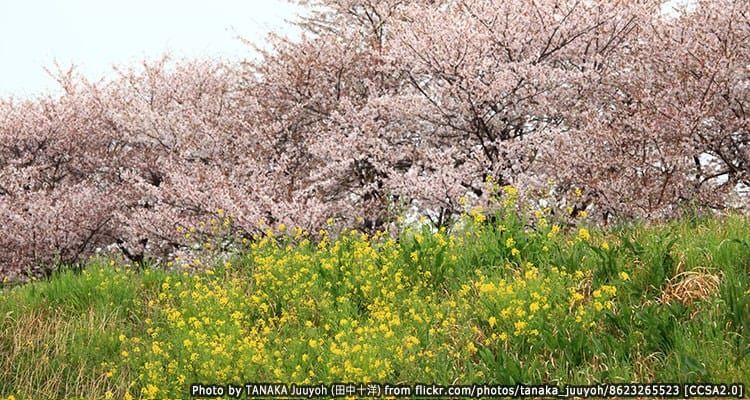
Photo by TANAKA Juuyoh (田中十洋) from flickr.com/photos/tanaka_juuyoh/8623265523 [CCSA2.0]
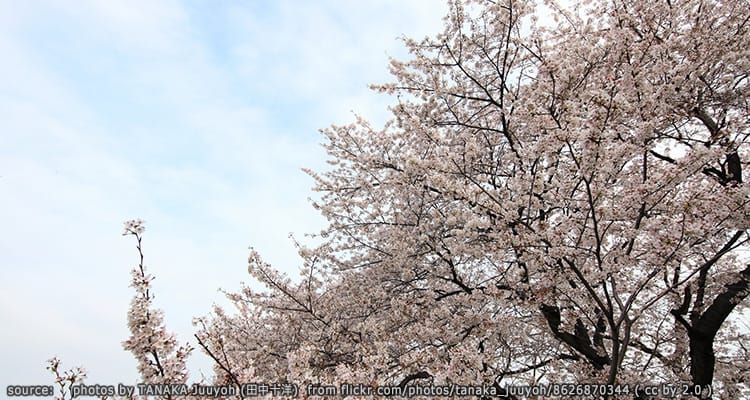
photos by TANAKA Juuyoh (田中十洋) from flickr.com/photos/tanaka_juuyoh/8626870344 ( cc by 2.0 )
Kumagaya Sakura Tsutsumi, a cherry blossom viewing spot, is located within Kumagaya Arakawa Ryokuchi Park, a riverside park with a 2-kilometer tunnel of cherry trees near JR Kumagaya Station in Saitama. It is ranked among Japan's 100 best cherry blossom viewing sites, and at just a 5-minute walk from the station, it's easy to reach. The long park also offers plenty of space for hanami (flower-viewing) picnics. There's also a night cherry blossom festival with illuminated trees, held for about two weeks from early to mid-April.
3. Hitsujiyama Park
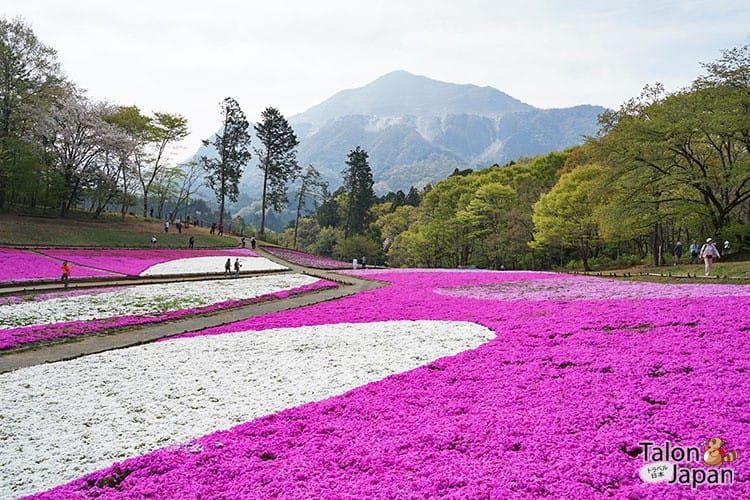
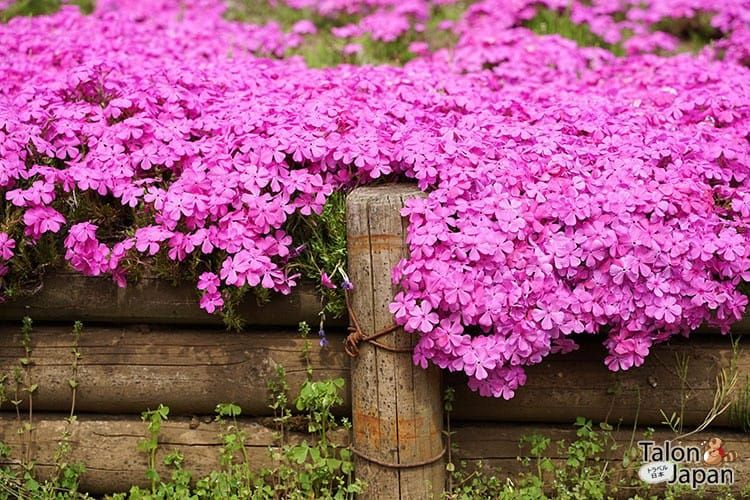
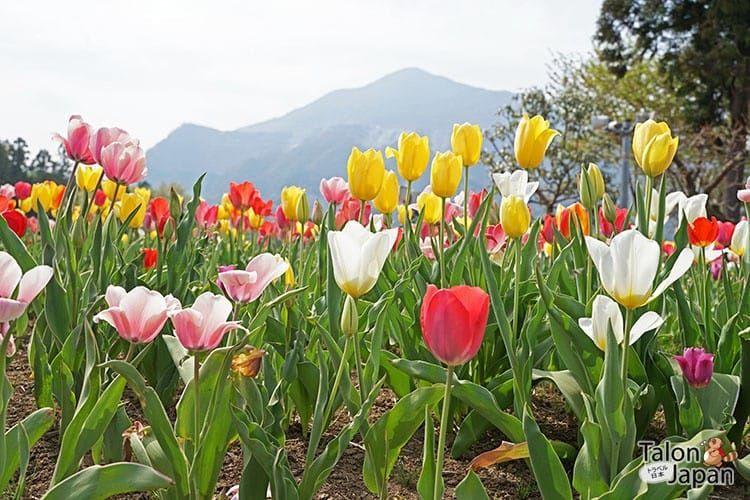
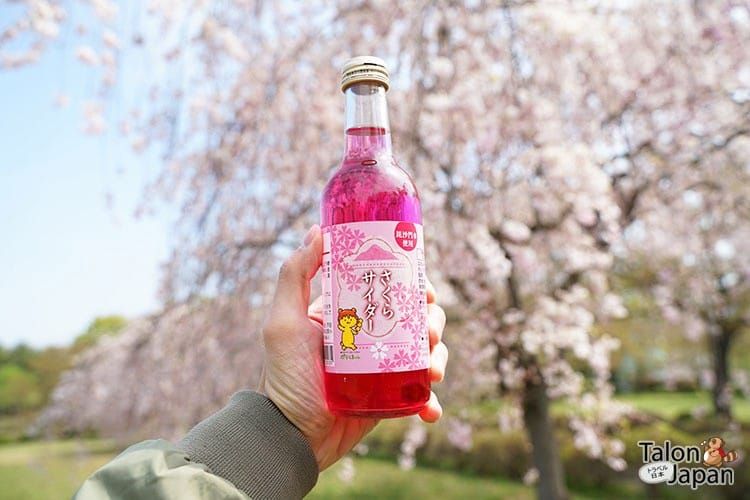
Hitsujiyama Park is one of Saitama's landmarks, especially in spring when the shibazakura (moss phlox) fields bloom. The pink-and-white flower fields, set against the sky and mountains, cover a large area. There's also an area selling food, snacks, and souvenirs — many of them local products, along with limited-edition items available only for the season, such as refreshing shibazakura-flavored drinks.
Getting there
It's a 15–20 minute walk from any of three stations: Seibu-Chichibu Station, Chichibu Station, or Yokoze Station.
4. Kawagoe's Warehouse District
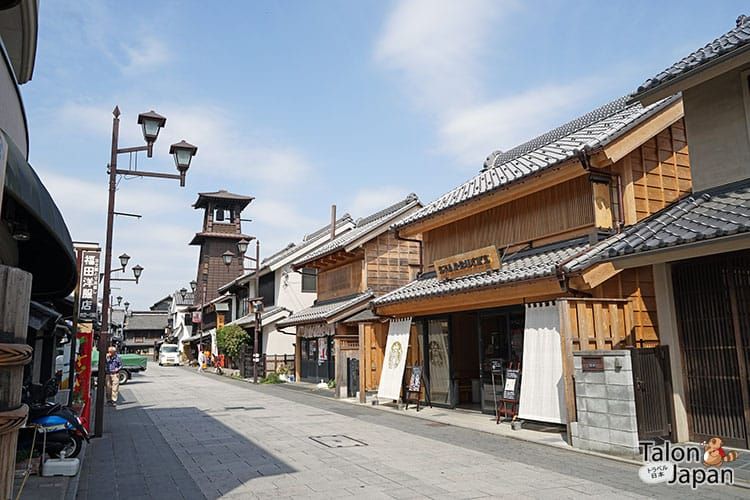
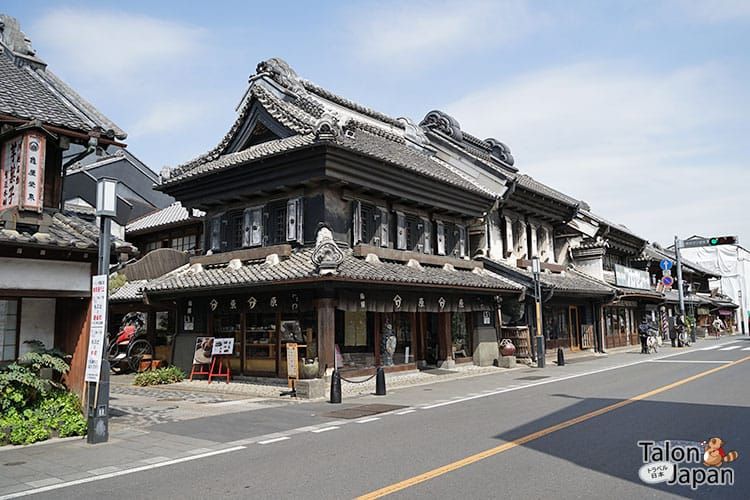
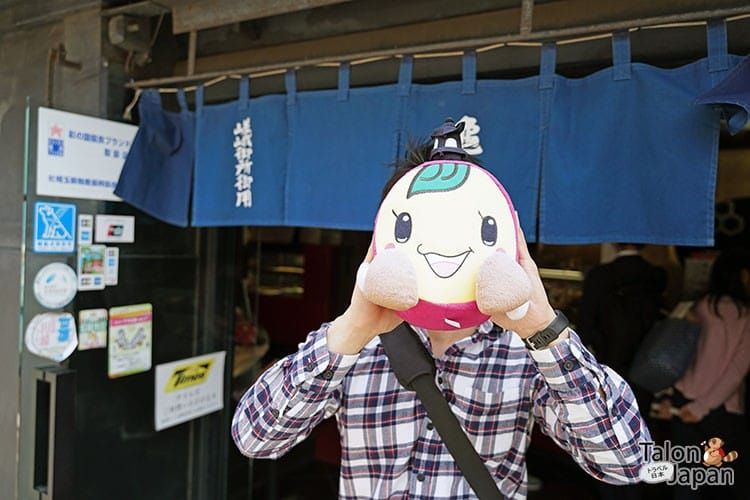
Kawagoe's Warehouse District is a charming and distinctive area located about 2 kilometers north of Kawagoe Station. The main street is about 700 meters long, with alleyways branching off on both sides that are worth exploring. What makes this old town popular with tourists is the well-preserved row of Edo-era buildings lining both sides of the street — so well maintained that it feels like stepping back into the Edo period. This has earned the district the nickname "Koedo Kawagoe," meaning "Little Edo."
5. Hodosan Shrine
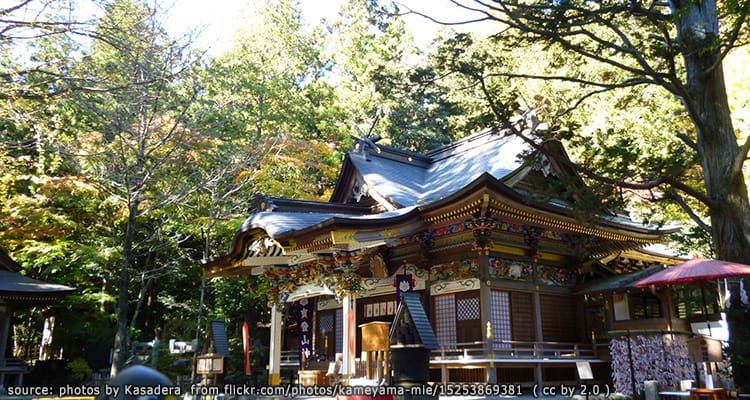
photos by Kasadera from flickr.com/photos/kameyama-mie/15253869381 ( cc by 2.0 )
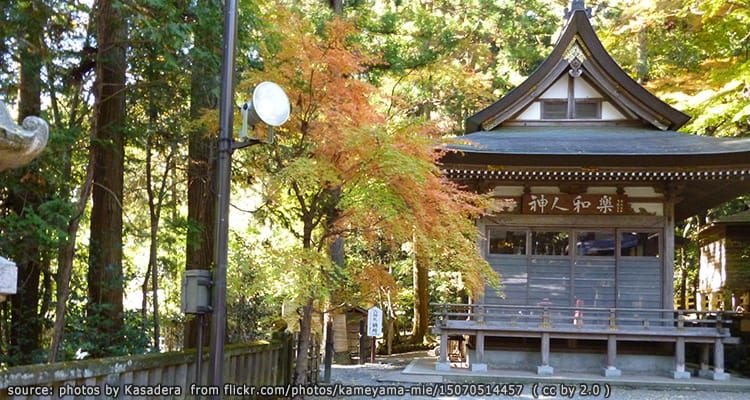
photos by Kasadera from flickr.com/photos/kameyama-mie/15070514457 ( cc by 2.0 )
Hodosan Shrine is nearly 2,000 years old and sits amid the beautiful natural surroundings of Chichibu, Saitama, surrounded by large trees. It received a one-star rating in the Michelin Green Guide in 2011. The shrine buildings are finely and colorfully decorated, and renovations during the Edo period took as long as 30 years. There are three main structures: the Honden, Heiden, and Haiden halls, built in the ancient Gongen-zukuri architectural style.
6. Kawagoe Hikawa Shrine
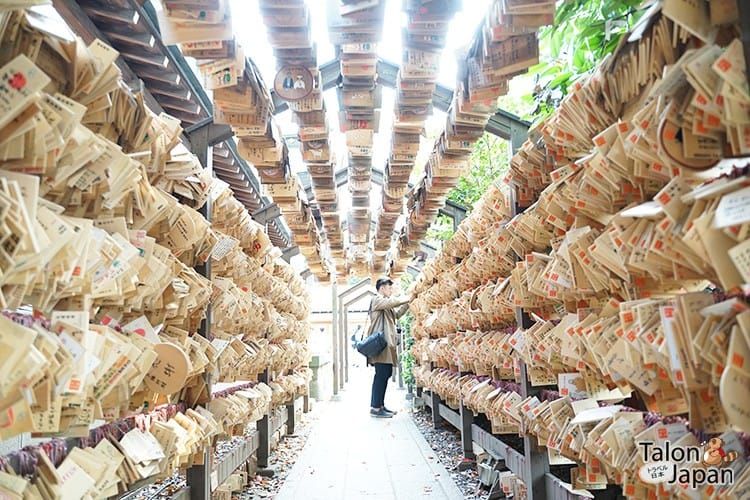
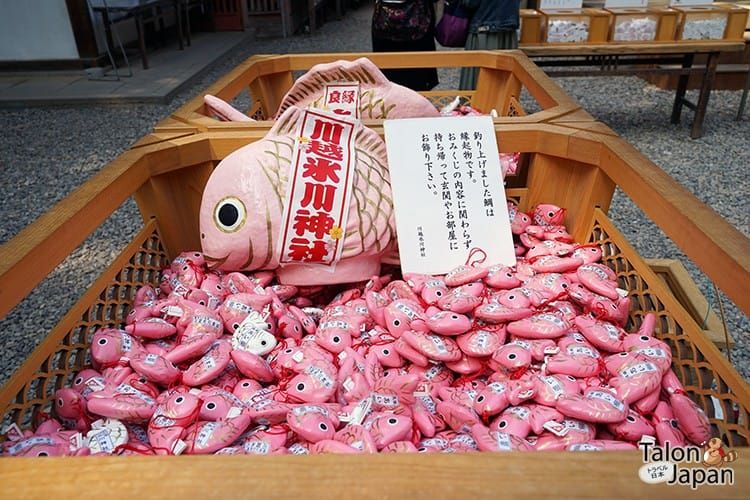
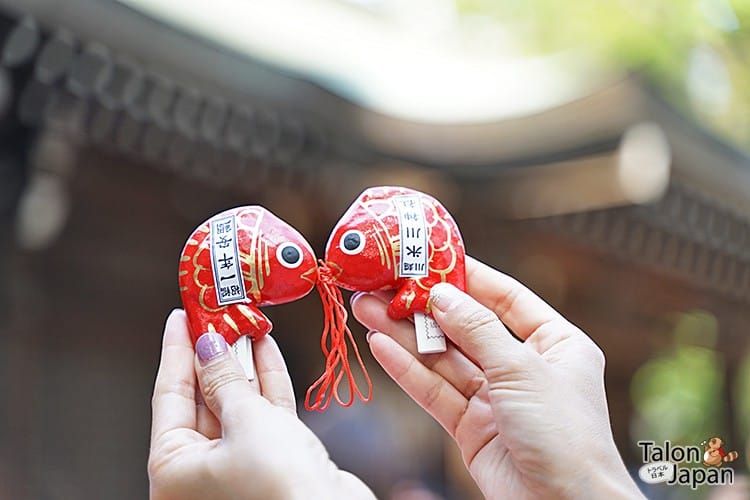
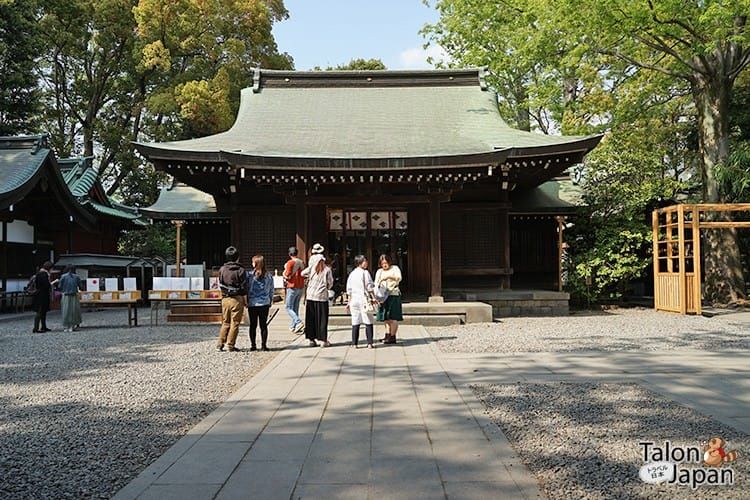
Kawagoe Hikawa Shrine is located in Kawagoe and is one of the most famous shrines in the area. The current shrine buildings were constructed in 1849, and the grounds usually have a quiet, peaceful atmosphere. During annual festivals and special occasions such as New Year, however, it becomes extremely crowded with visitors making their first shrine visit of the year — one of the busiest in Japan.
7. Gongendo Park
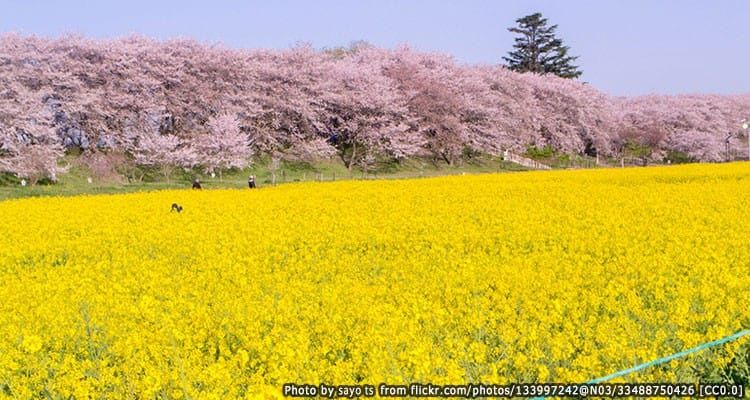
Photo by sayo ts from flickr.com/photos/133997242@N03/33488750426 [CC0.0]
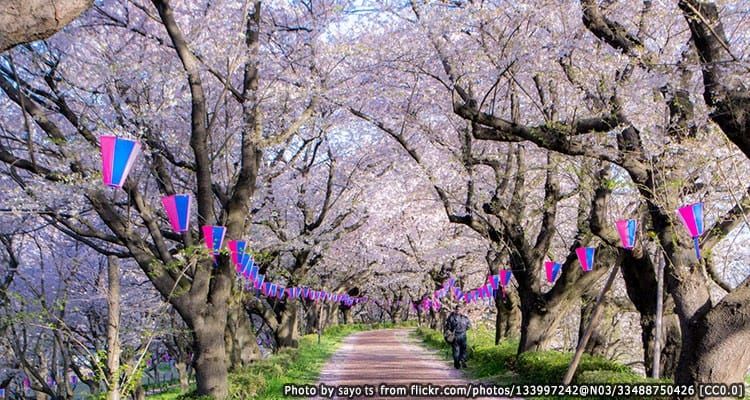
Photo by sayo ts from flickr.com/photos/133997242@N03/33488750426 [CC0.0]
8. Pick and Eat Fresh Strawberries at Komatsuzawa Farm
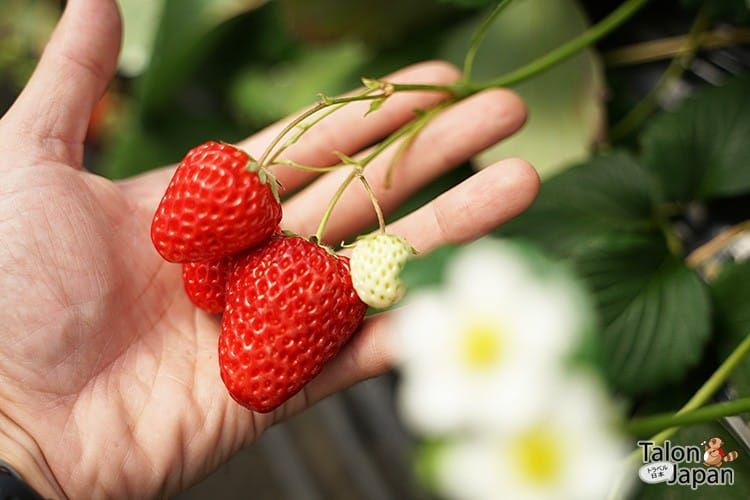
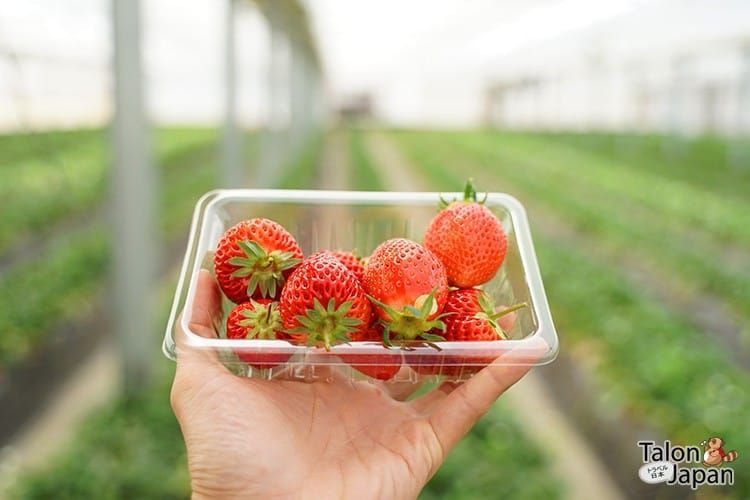
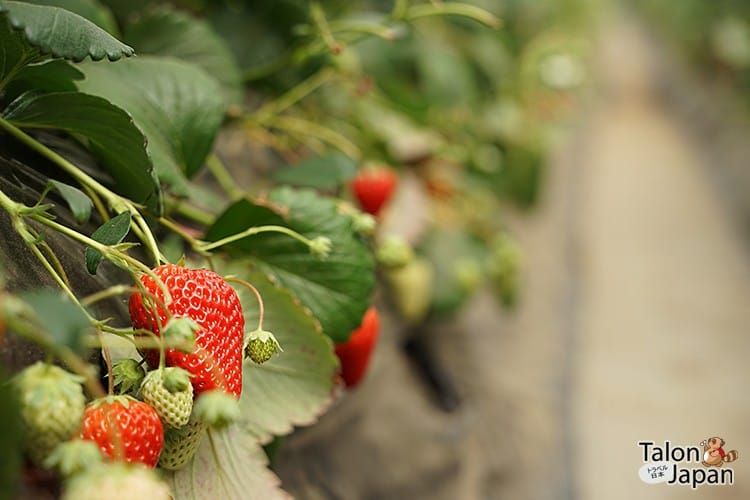
Chichibu is known as one of Japan's leading strawberry-growing regions, with varieties that have won top grand prix honors. Strawberry picking is available from winter through spring. There are several varieties with different flavors, but most are sweet and juicy, with some having no tartness at all. The berries are a good size — not too big, not too small — bright red, crisp on the outside, and juicy inside. They're grown organically and are clean enough to eat straight from the plant.
9. Omiya Railway Museum
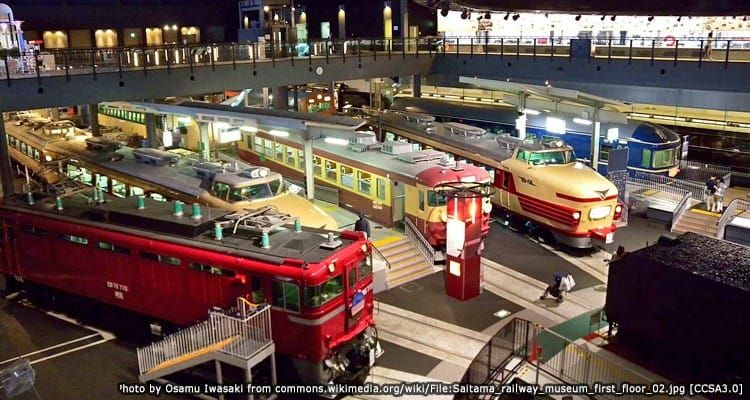
Photo by Osamu Iwasaki from commons.wikimedia.org/wiki/File:Saitama_railway_museum_first_floor_02.jpg [CCSA3.0]
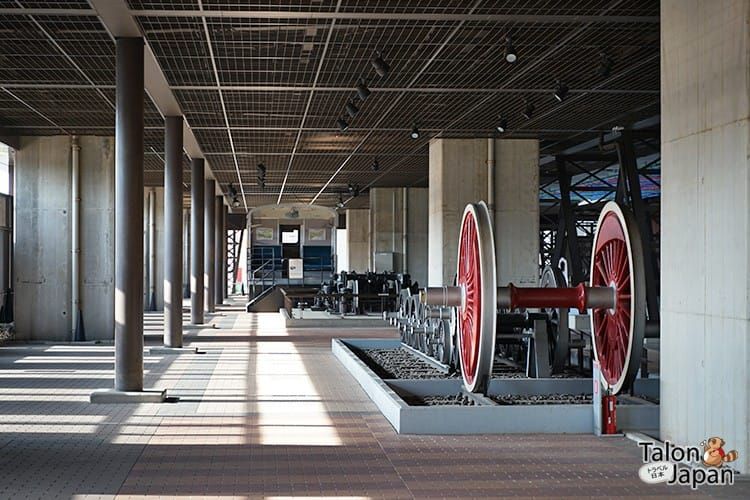
Omiya Railway Museum
Japan has hundreds of train models and series, from old-fashioned steam locomotives to the modern Shinkansen (bullet train), and the Railway Museum brings them together in one place. Train enthusiasts can easily spend hours exploring the real carriages and models on display, and it's a treat for kids too.
10. Chichibu Muse Park
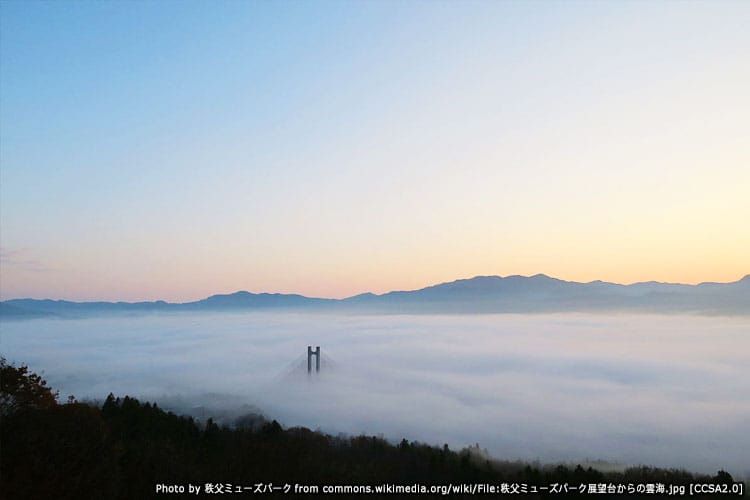
Photo by 秩父ミューズパーク from commons.wikimedia.org/wiki/File:秩父ミューズパーク展望台からの雲海.jpg [CCSA2.0]
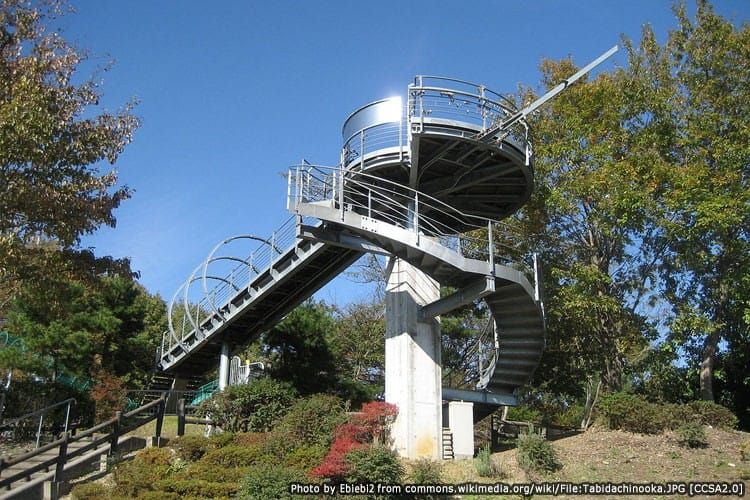
Photo by Ebiebi2 from commons.wikimedia.org/wiki/File:Tabidachinooka.JPG [CCSA2.0]
Chichibu Muse Park, also known locally as Miyuzu Park, is a large public park located on the hills of Chichibu, Saitama. Covering a vast area, it's divided into four main themed zones, each offering its own highlights. The park has a different charm in every season.
11. Kinchakuda-Manjushage Park
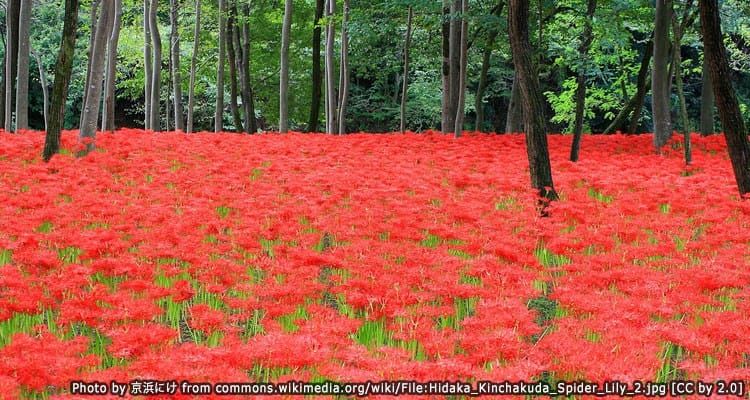
Photo by 京浜にけ from commons.wikimedia.org/wiki/File:Hidaka_Kinchakuda_Spider_Lily_2.jpg [CC by 2.0]
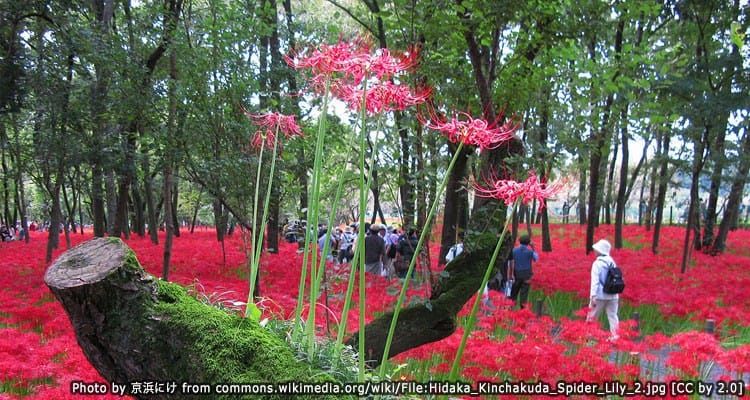
Photo by 京浜にけ from commons.wikimedia.org/wiki/File:Hidaka_Kinchakuda_Spider_Lily_2.jpg [CC by 2.0]
Kinchakuda-Manjushage Park is located in Hidaka, Saitama. If you're looking for one of the most beautiful flower-viewing spots in the area, this park is likely at the top of the list. What makes it famous throughout the Kanto region is the higanbana, also known internationally as the red spider lily. The flowers are hard to find elsewhere in such numbers, but here more than 5 million red blooms line both banks of the Koma River.
12. Bonsai Museum
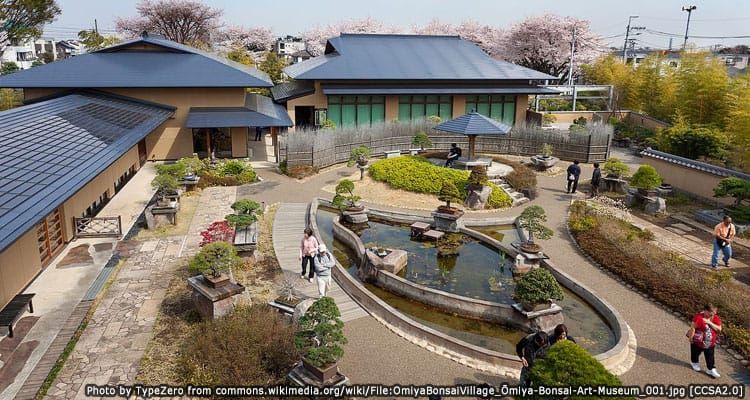
Photo by TypeZero from commons.wikimedia.org/wiki/File:OmiyaBonsaiVillage_Ōmiya-Bonsai-Art-Museum_001.jpg [CCSA2.0]
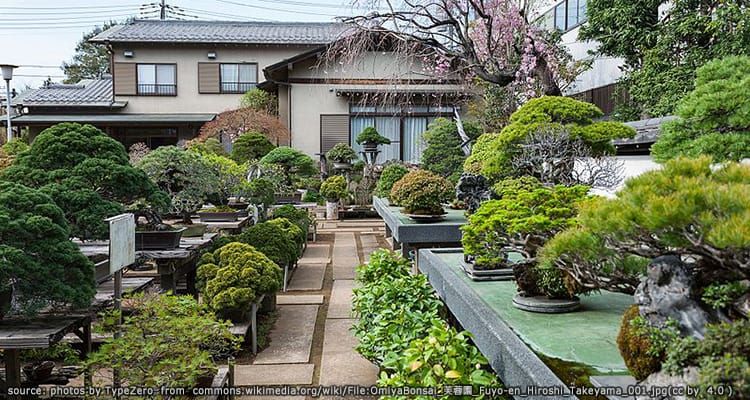
photos by TypeZero from commons.wikimedia.org/wiki/File:OmiyaBonsai_芙蓉園_Fuyo-en_Hiroshi_Takeyama_001.jpg(cc by 4.0 )
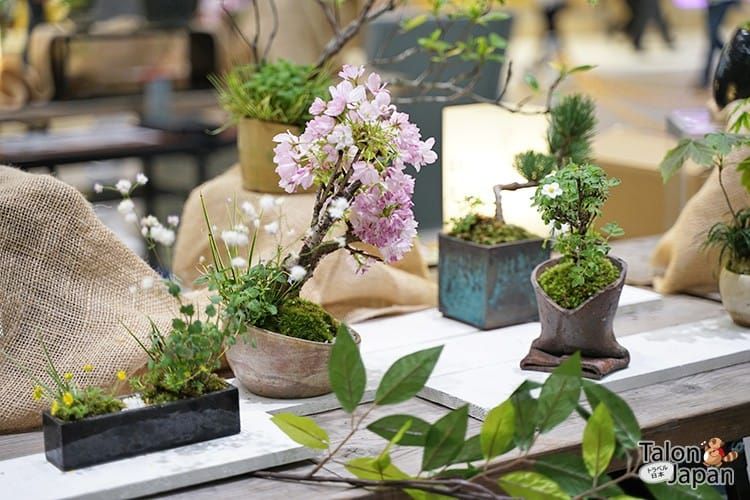
Omiya Bonsai Museum
Bonsai lovers shouldn't miss the Bonsai Museum in Omiya, one of Japan's most famous bonsai towns, which has hosted the World Bonsai Convention several times. Anyone who grows bonsai as a hobby will find this place fascinating.
13. Arakawa River Boat Rides
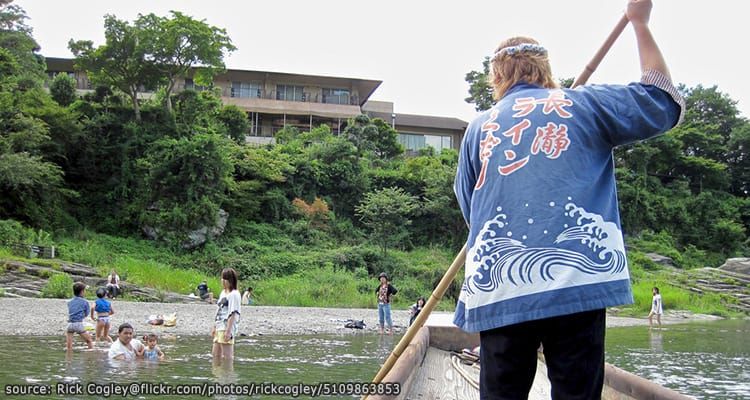
Nagatoro Rafting
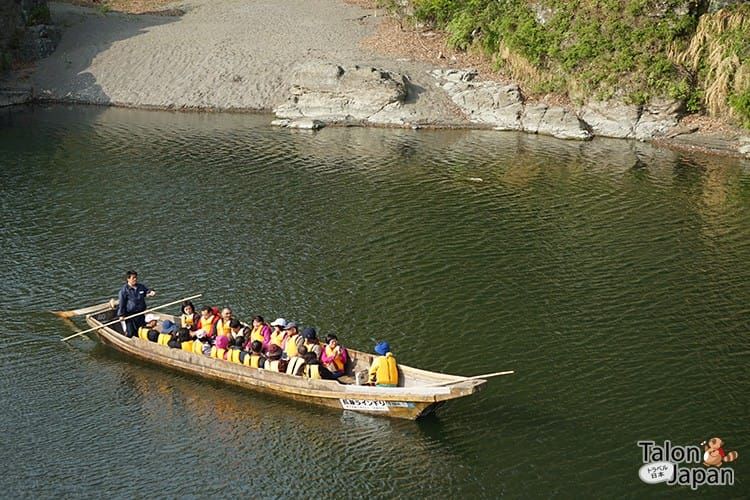
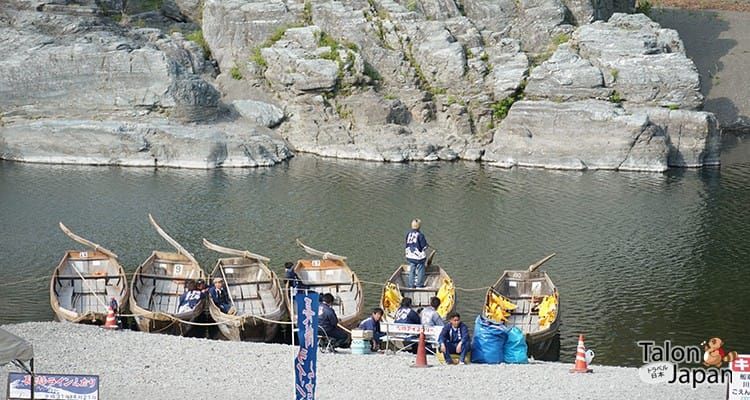
Another highlight of Saitama is boating on the Arakawa River in Nagatoro, especially in summer when the strong currents make for an exciting, splashy ride, or in autumn when the red, orange, and yellow foliage contrasts beautifully with the clear blue-green water.
Getting there
About a 10-minute walk from Nagatoro Station.
14. Hodosan Ropeway
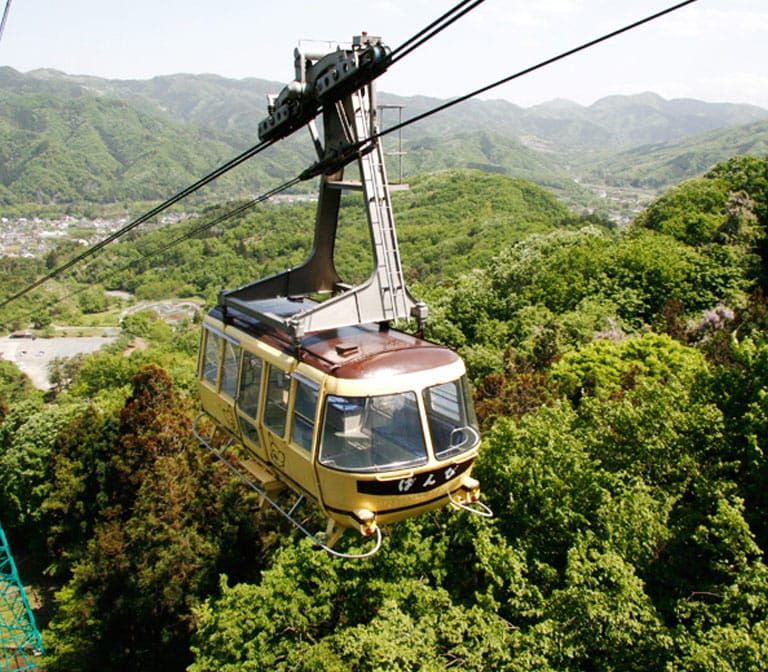
Photo from https://www.nagatoro.gr.jp/en/todo/index.html
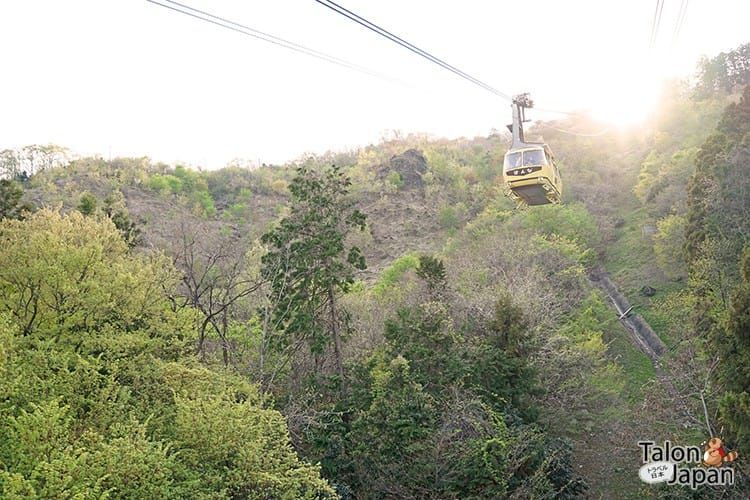
Hodosan Ropeway is the only ropeway in Saitama. The area has a walking path for viewing cherry blossoms, a viewpoint at the top of the mountain, a shrine, and a small zoo. It's also beautiful during the autumn leaves season.
15. Moomin Valley Park
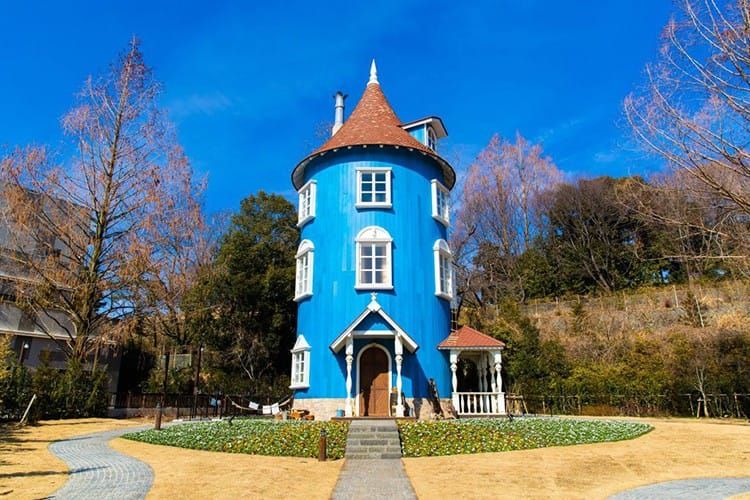
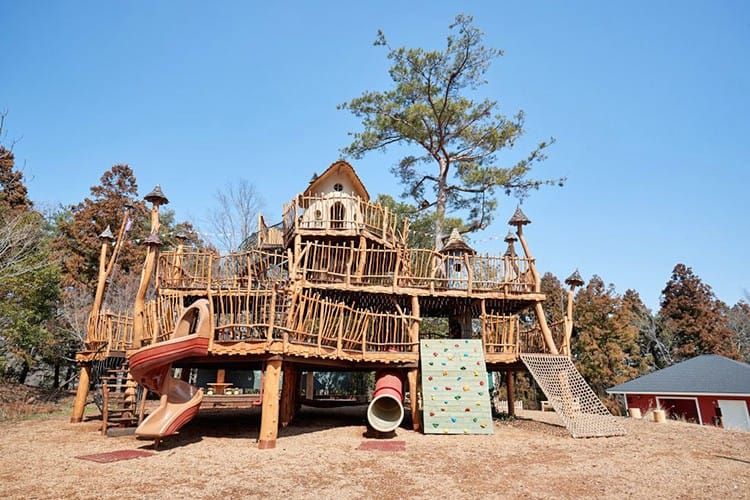

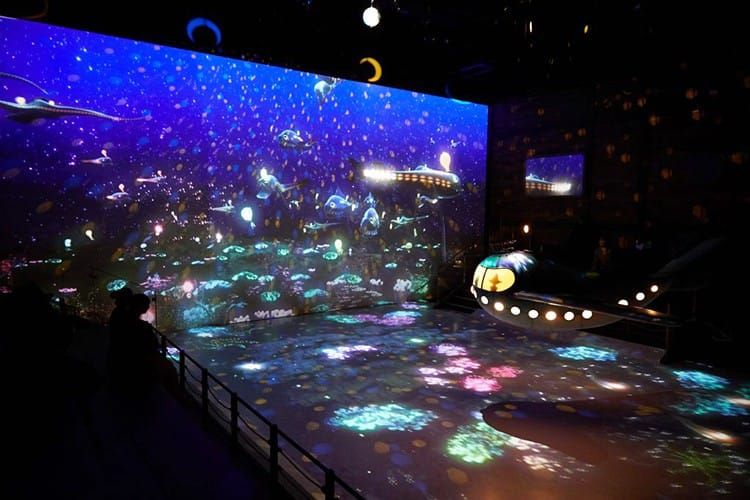
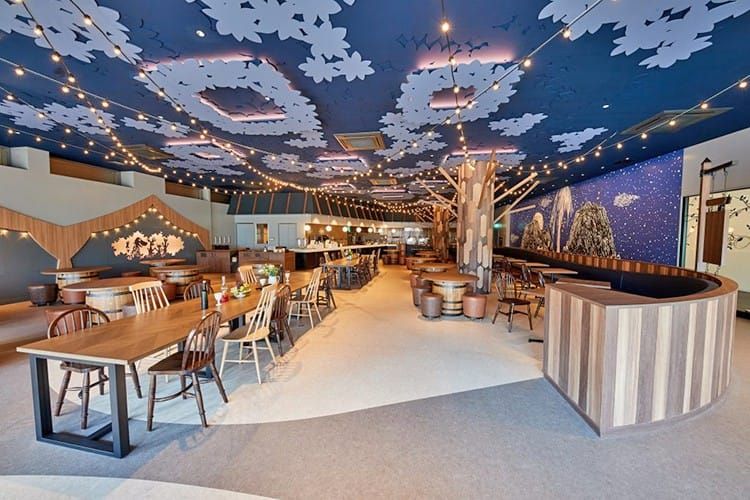
Fans of Moomin, the adorable cartoon characters from Finland, can visit Moomin Valley Park in Saitama. Besides plenty of photo spots, there's also a wide selection of souvenirs to shop for.
16. See Over 500 Statues at Kitain Temple
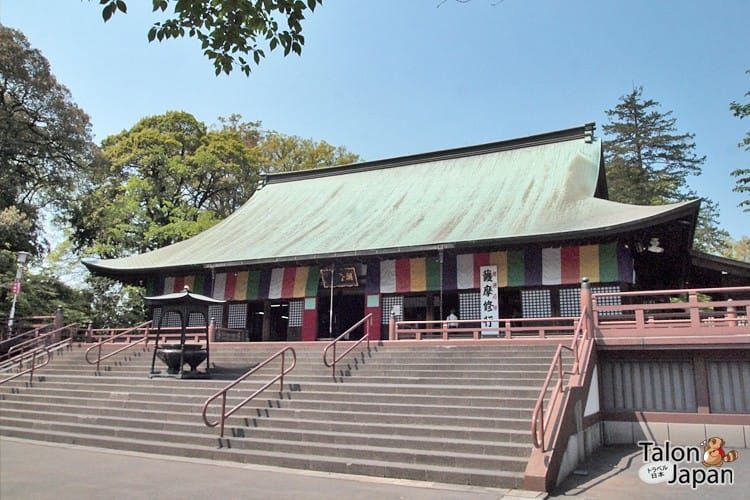
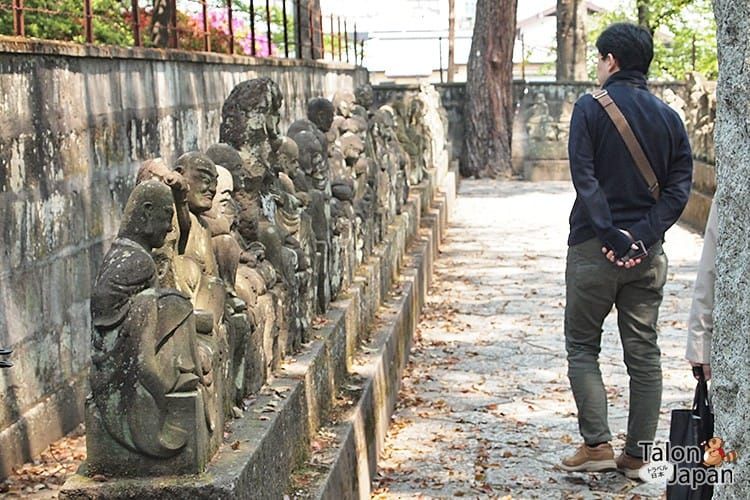
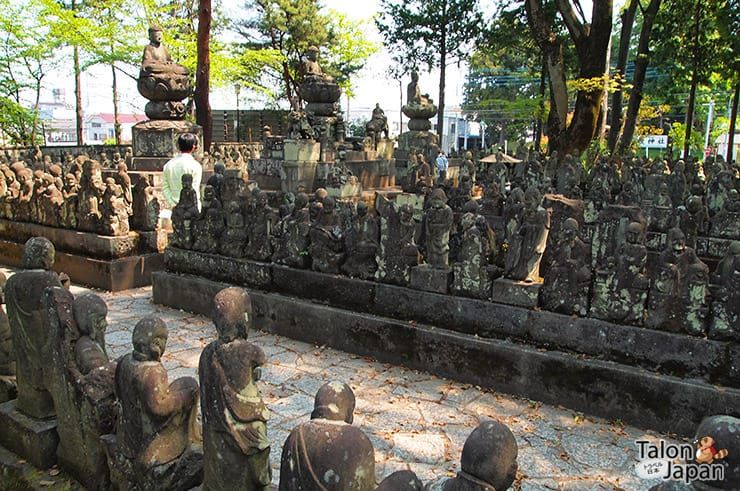
Plaza with various Buddha statues, Gohyaku Rakan
Kitain Temple is one of the oldest temples in Kawagoe and once served as the head temple of the Tendai sect in the Kanto region, thanks to an Edo-period shogun who greatly admired its head priest. The temple's main highlight is its collection of 538 statues, each carved with a different facial expression and pose, making them especially fascinating to see. The temple was originally built in 830, though parts of it were later destroyed, leaving only sections that were relocated from Edo Castle.
17. The Icicles of Misotsuchi
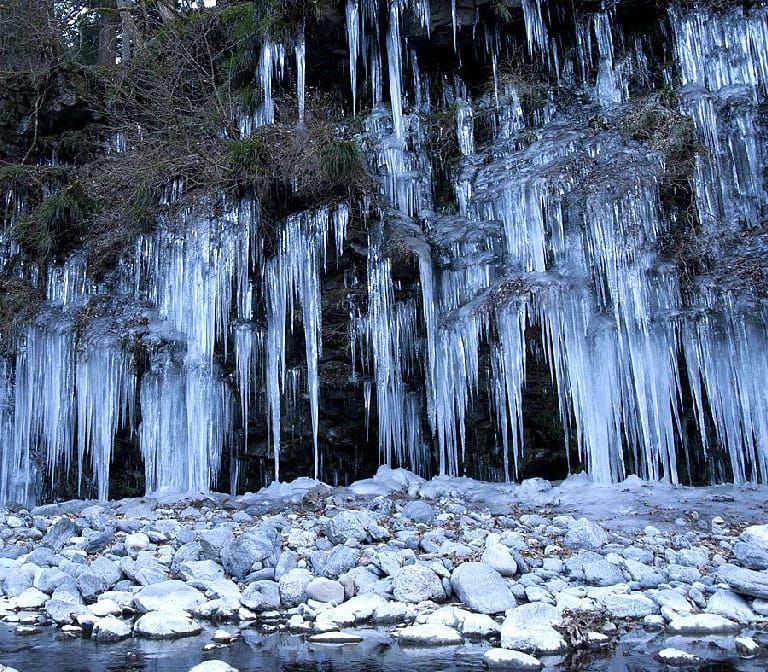
Photo from https://commons.wikimedia.org/wiki/File:Icicles_of_Misotsuchi_04.jpg
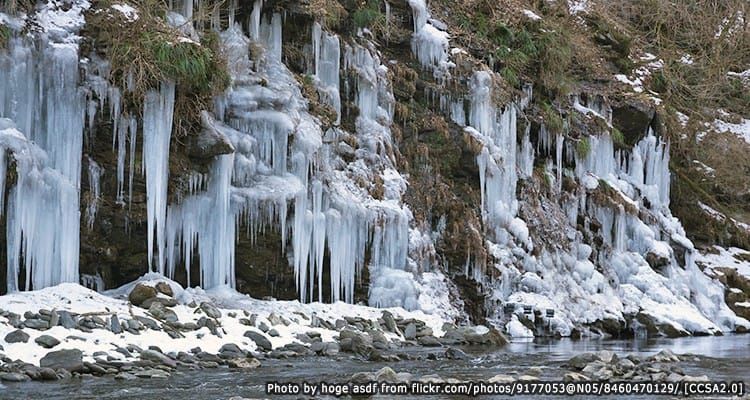
Photo by hoge asdf from flickr.com/photos/9177053@N05/8460470129/ [CCSA2.0]