


The Tohoku region is located in northeastern Japan and is now connected to Hokkaido by a new Shinkansen line. It has beautiful, captivating scenery and landscapes. Tohoku's complex topography gives the region its unique landscapes. The local people's love for their hometowns shows in the warm atmosphere and lively local festivals. Tohoku is also an important rice-growing area, and in summer the neatly arranged rice fields create stunning scenery. It is made up of 6 prefectures, with Sendai as the region's largest city. Tohoku has many beautiful and interesting places to visit, and we have picked out the best of them for you in 15 top places to visit in Tohoku
Zao Fox Village

Photo by CloudVisual from commons.wikimedia.org/wiki/File:Zao_Fox_Village,_Shiroishi-shi,_Japan_(Unsplash).jpg [CC0 1.0]
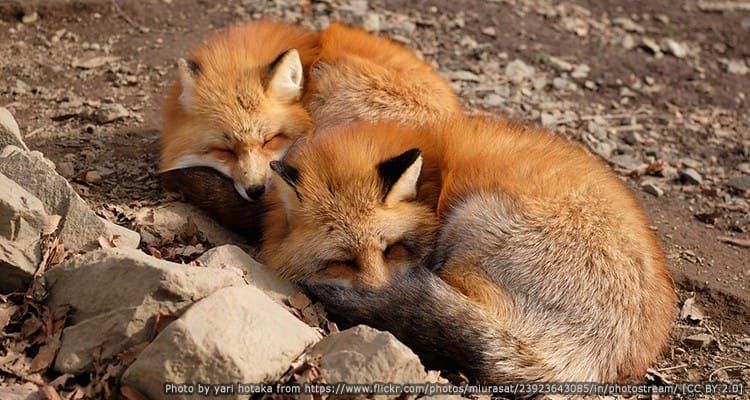
Photo by yari hotaka from https://www.flickr.com/photos/miurasat/23923643085/in/photostream/ [CC BY 2.0]

Photo by yari hotaka from flickr.com/photos/miurasat/23296868823 [CC BY 2.0]

Hirosaki Castle
Note: Since November 23, 2025, you cannot go inside the keep of Hirosaki Castle because of repair work. This will continue until about 2032. You can still visit the park and see the keep from the outside.
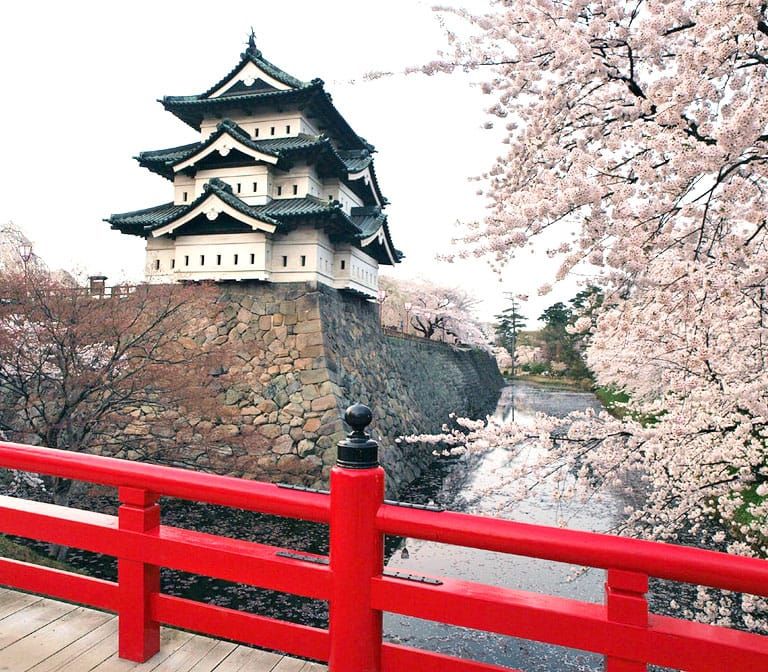
Photo from https://commons.wikimedia.org/wiki/File:Hirosaki_castle.jpg
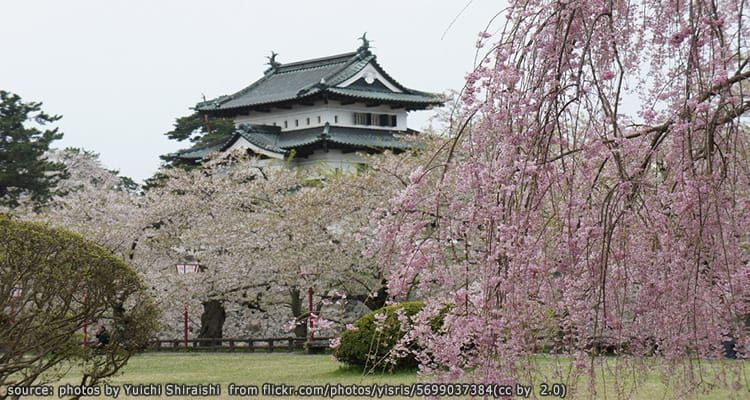
photos by Yuichi Shiraishi from flickr.com/photos/yisris/5699037384(cc by 2.0)
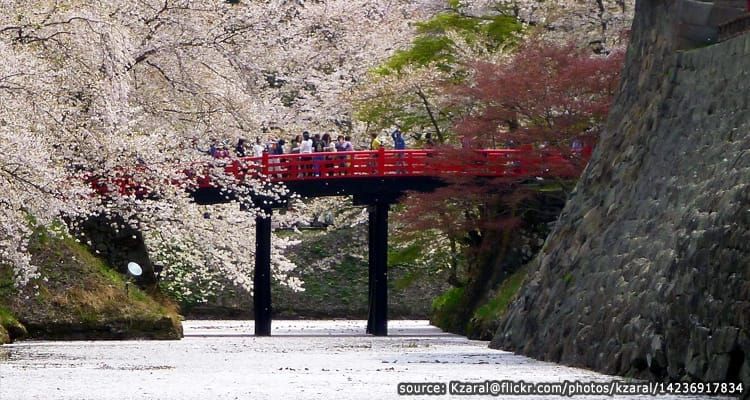
Hirosaki Castle, the most popular cherry blossom viewing spot
Hirosaki Castle was built in 1611 by the Tsugaru clan. The castle keep has three stories, and the grounds include a moat, fortifications, gates, and corner towers. It stands in Hirosaki Park, which covers an area of about 0.6 square kilometers. The original five-story structure was destroyed by fire after being struck by lightning in 1627, and was rebuilt in 1810 as the three-story castle seen today.
Ginzan Onsen
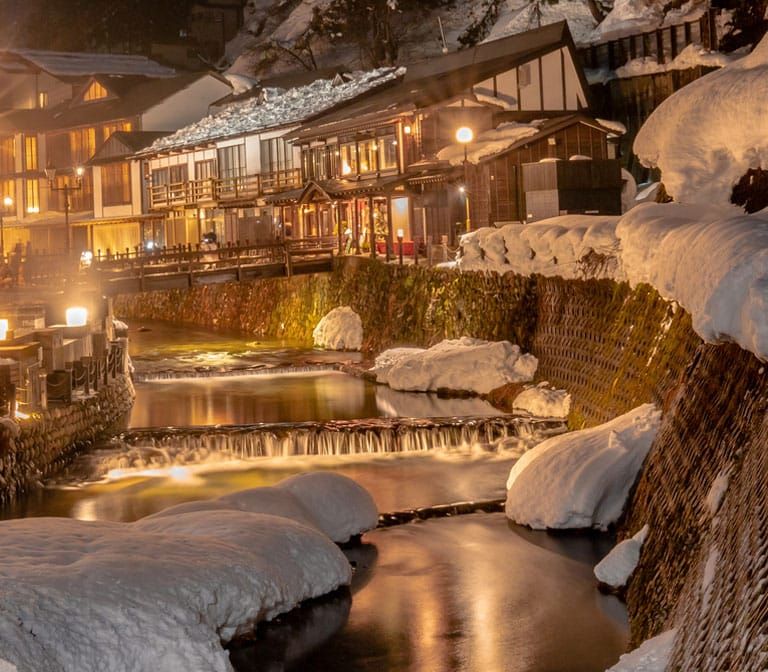
Photo from https://www.flickr.com/photos/188045646@N04/50821107641/
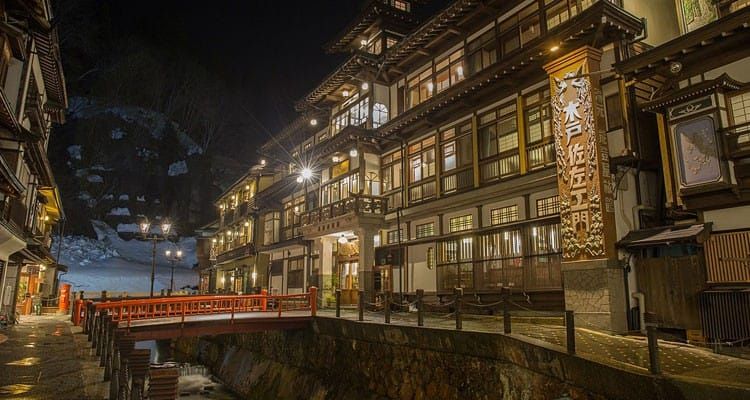
photos by Eiji Kikuta from https://pixabay.com/photos/japan-hot-spring-ryokan-yamagata-1366872
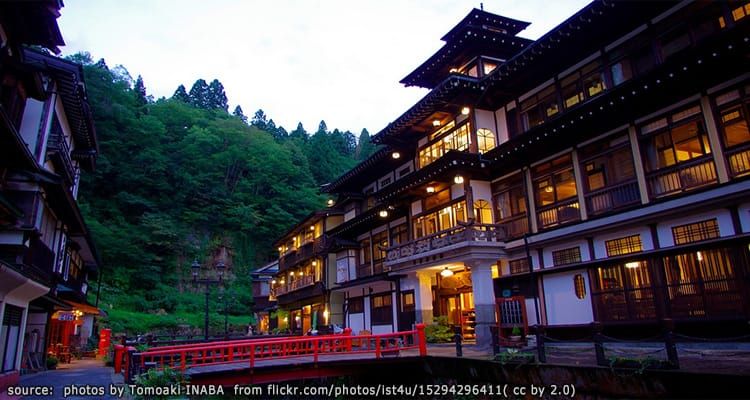
photos by Tomoaki INABA from flickr.com/photos/ist4u/15294296411( cc by 2.0)
Ginzan Onsen is a quiet hot spring town in the mountains of Yamagata Prefecture, built around a former silver mine area that has since been redeveloped. It is ranked among the most beautiful onsen towns in Japan, with ryokan lining both sides of the river. The ryokan here are built in a traditional style, as three- to four-story wooden buildings with clean white plaster walls that make you feel like you have stepped back in time. The one exception is Fujiya Ryokan, located in the center of town, which was rebuilt recently by the well-known architect Kengo Kuma. He gave the building a modern, distinctive design that still hides traditional elements within its wood and white plaster.
Hanamiyama Park
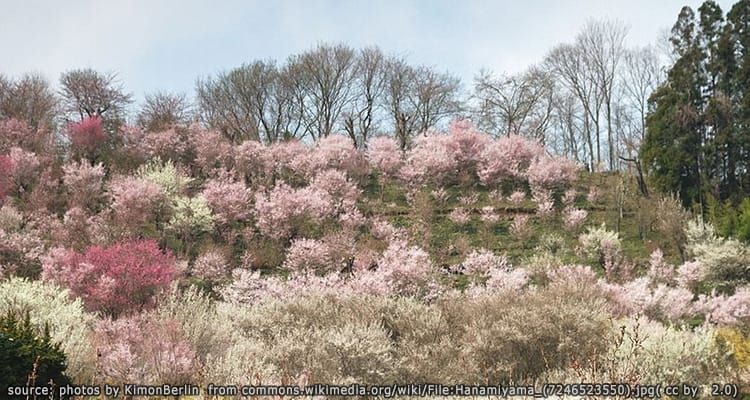
photos by KimonBerlin from commons.wikimedia.org/wiki/File:Hanamiyama_(7246523550).jpg( cc by 2.0)
photos by KimonBerlin from commons.wikimedia.org/wiki/File:Hanamiyama_(7246549136).jpg( cc by 2.0)
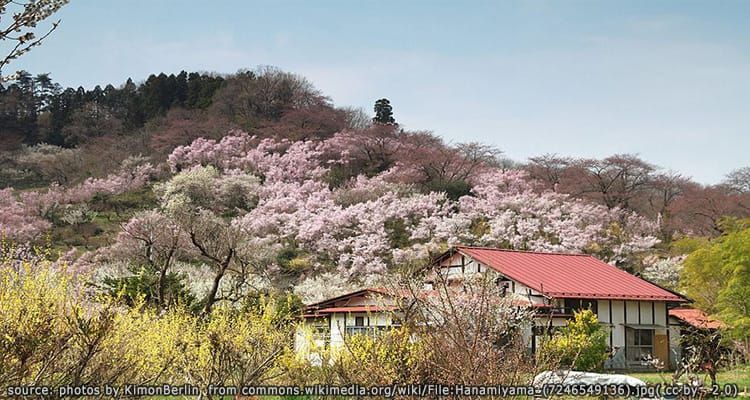
Hanamiyama Park (花見山) is a hillside park surrounded by rural farmland on the outskirts of Fukushima City. It began when local farmers started planting flowering and ornamental trees on the hills around their own land, and the planting gradually spread. In 1959 it was opened to the public so that visitors could enjoy the cherry blossoms every spring, and it now draws hundreds of thousands of visitors.
Lake Towada
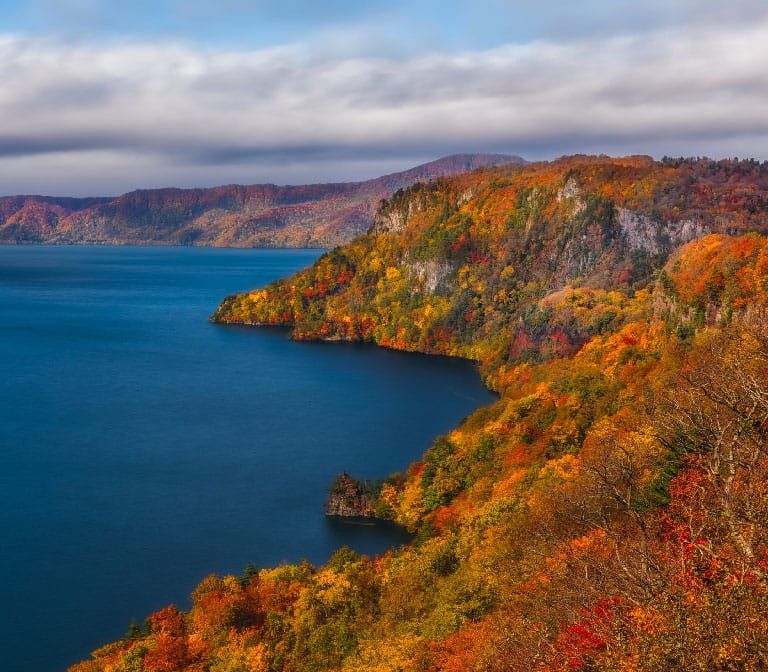
Photo from https://www.flickr.com/photos/agustinrafaelreyes/22518309205
photos by Kzaral from flickr.com/photos/kzaral/8411352772(cc by 2.0)
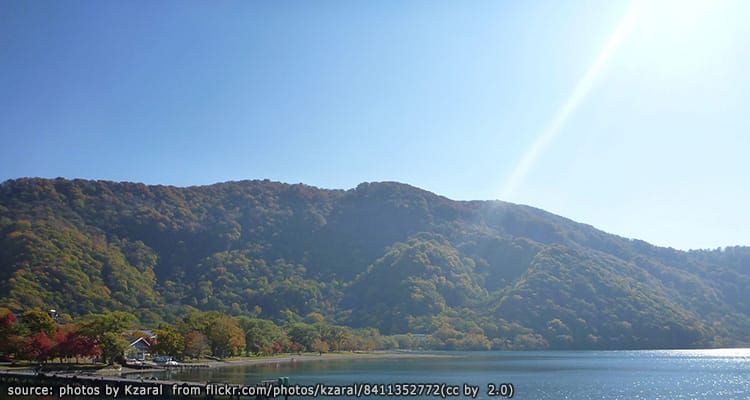
Lake Towada is the largest caldera lake on Honshu, Japan's main island. It is one of the most popular spots to view the autumn leaves, especially around Oirase Stream on the lake's eastern shore. The area around Lake Towada is covered in dense forest rising several hundred meters above the water, and the surroundings remain largely natural. The exception is the small town of Yasumiya, a transport hub with its own sights, including Towada Shrine, a small natural history museum, and a statue of a Tohoku maiden.
The Frost-Covered Trees of Hakkoda Mountains
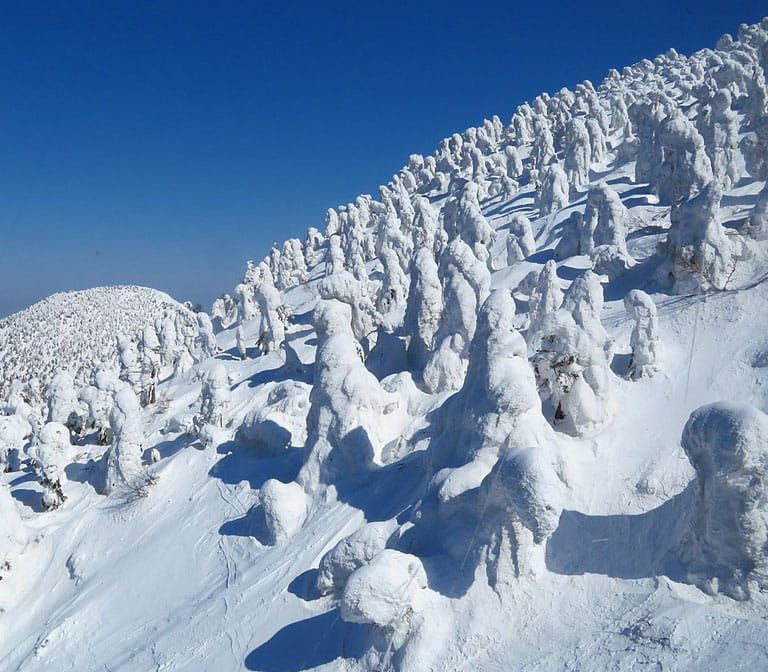
Photo from https://commons.wikimedia.org/wiki/File:Juhyo_of_Hakkoda_02.jpg
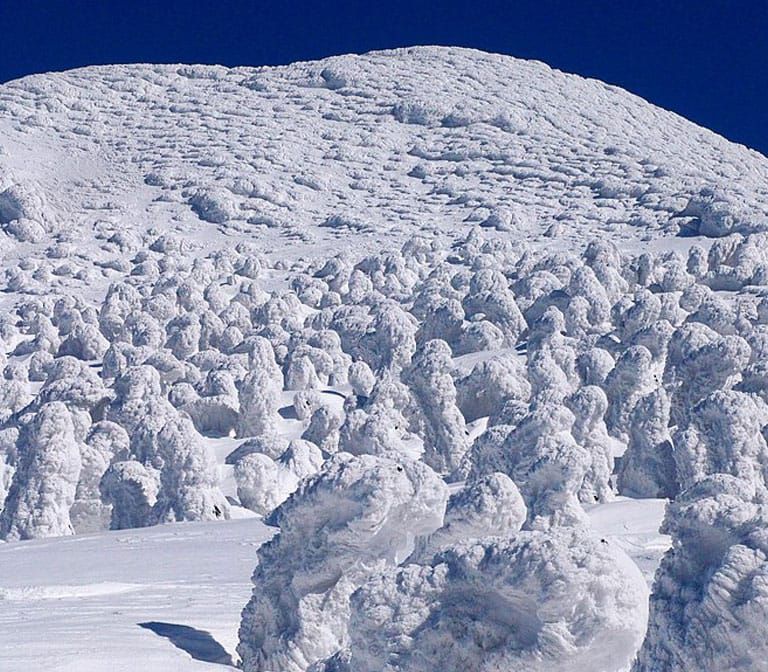
Photo from https://commons.wikimedia.org/wiki/File:Mt.Hakkoda_%28%E5%85%AB%E7%94%B2%E7%94%B0%E3%81%AE%E6%A8%B9%E6%B0%B7%29_-_panoramio.jpg
The Frost-Covered Trees of Hakkoda Mountains are found on Mount Hakkoda in Aomori, which is known for heavy snowfall in winter that coats the trees in thick layers of frost. This natural phenomenon creates an amazing landscape that draws visitors from all over the world. From a distance, the frosted trees look like snow monsters.
Aquamarine Fukushima
photos by takacchi from commons.wikimedia.org/wiki/File:Aquamarine_Fukushima_(アクアマリン_ふくしま)_-_panoramio.jpg( cc by 3.0)
photos by Yu Morita from flickr.com/photos/securecat/2913951267( cc by 2.0)
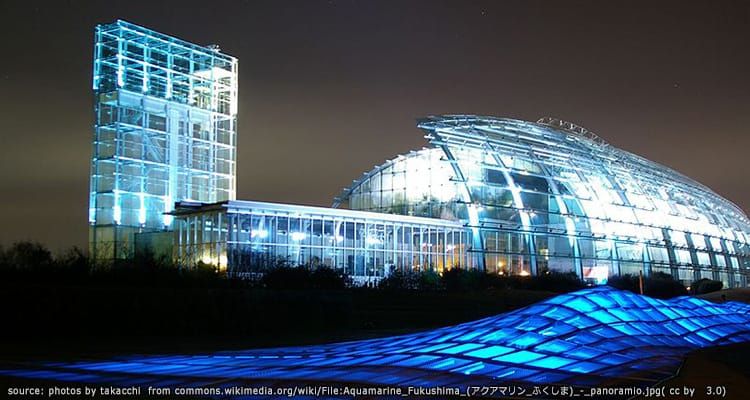
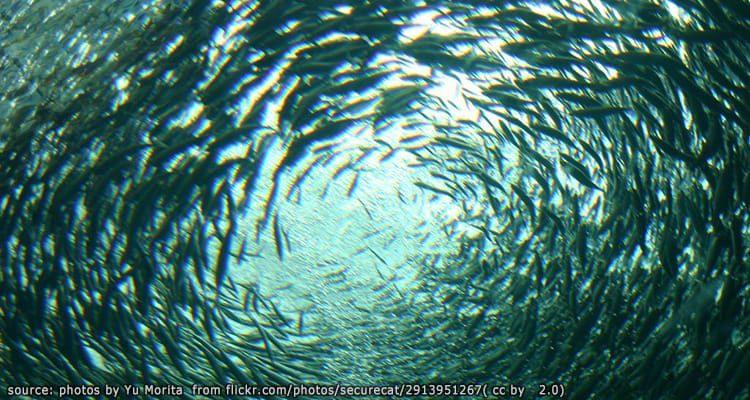
Aquamarine Fukushima is an aquarium facing the Pacific Ocean coast. Inside, it displays many kinds of aquatic species to show the ecosystems of the waters off Fukushima Prefecture as well as other parts of the world. Part of the aquarium recreates the natural environment of Fukushima Prefecture, with rivers, lakes, mountains, and the Pacific coastline, along with the plants and animals that live there. A large triangular tank shows how the Kuroshio Current from the south and the Oyashio Current from the north meet off the coast of Fukushima Prefecture.
Tsuruga Castle
photos by prelude2000 from flickr.com/photos/prelude-2000/17843210220( cc by 2.0)
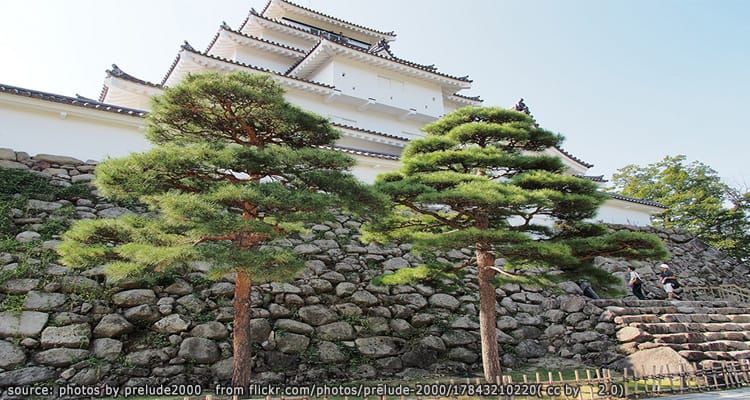
Tsuruga Castle was built in 1384. Control of the castle changed hands many times while the area was still known as the Aizu region, and it was destroyed after the Boshin War of 1868, a civil war between the new Meiji government and the former shogunate that ended the feudal rule of the Tokugawa shogunate. The castle was rebuilt in concrete in 1965, and its restoration was completed in 2011. Its roof, originally gray, was changed to red, making it unlike any other castle in Japan.
Okama Crater
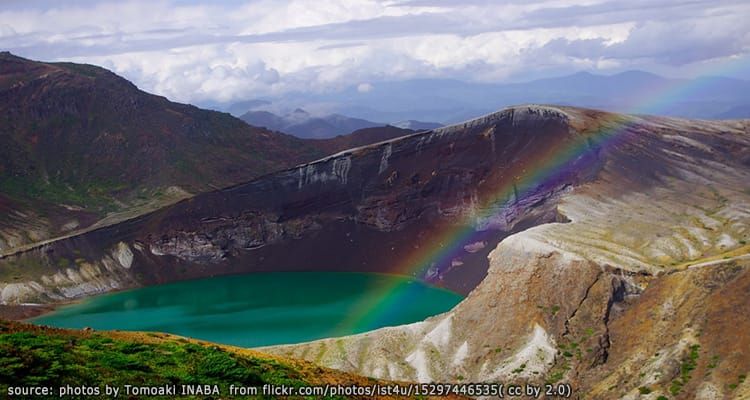
photos by Tomoaki INABA from flickr.com/photos/ist4u/15297446535( cc by 2.0)
Okama Crater sits atop Mount Zao at a height of 1,841 meters, the most prominent volcano in the Tohoku region. The crater holds a beautiful blue lake called Okama, shaped like a traditional cooking pot. Visitors cannot get close to the lake. It can only be viewed from a distance, and only outside the winter season.
Tashiro Island
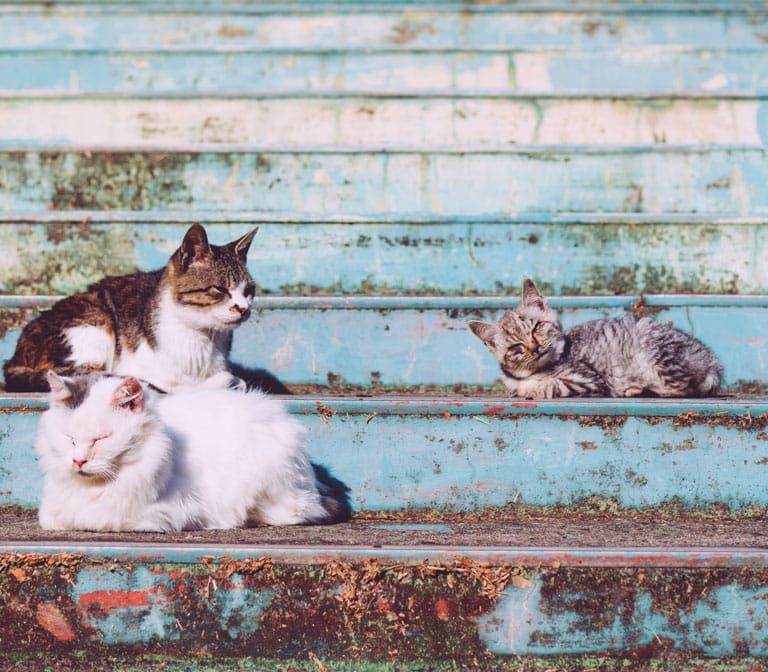
Photo from https://www.flickr.com/photos/sonotoki/38112600274/in/photostream/
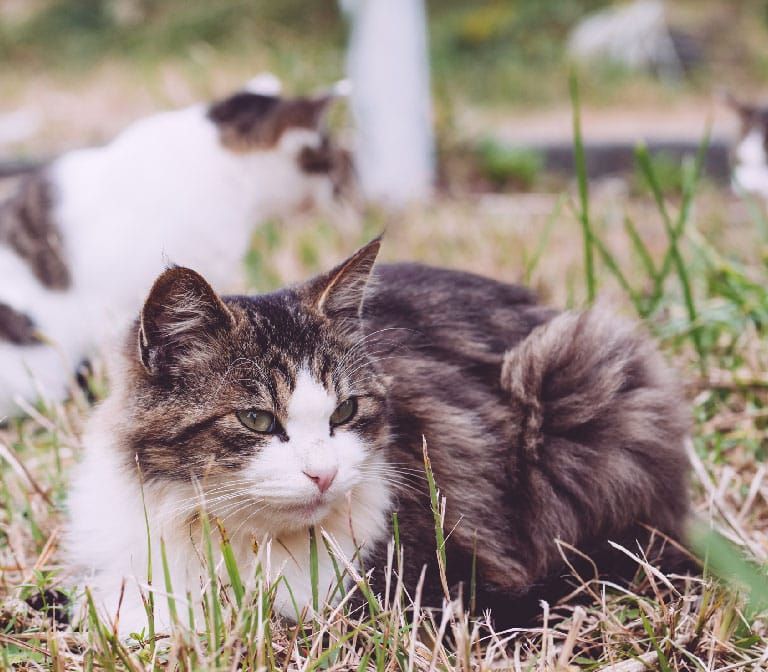
Photo from https://www.flickr.com/photos/sonotoki/38752406061
Tashiro Island is a small island off the coast of Ishinomaki City in Miyagi Prefecture. It is nicknamed "Cat Island" because it is home to several hundred cats, cared for by the villagers who live there. Cats were originally brought in to help control pests on the island's silkworm farms, and their numbers later grew, with cats now outnumbering people by almost 4 to 1. This has drawn cat lovers from all over the world to visit Tashiro Island.
Naruko Gorge
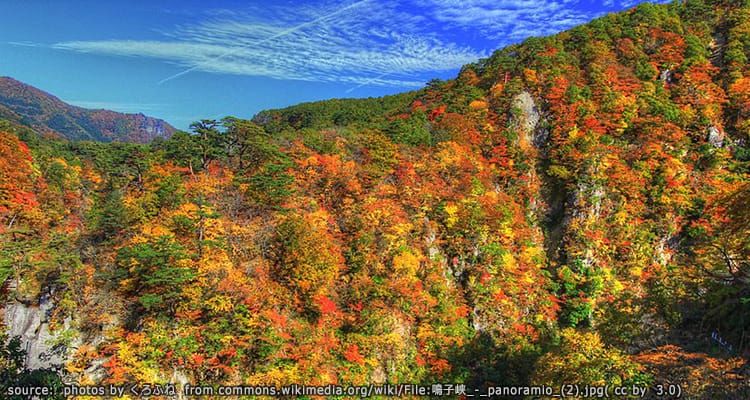
photos by くろふね from commons.wikimedia.org/wiki/File:鳴子峡_-_panoramio_(2).jpg( cc by 3.0)
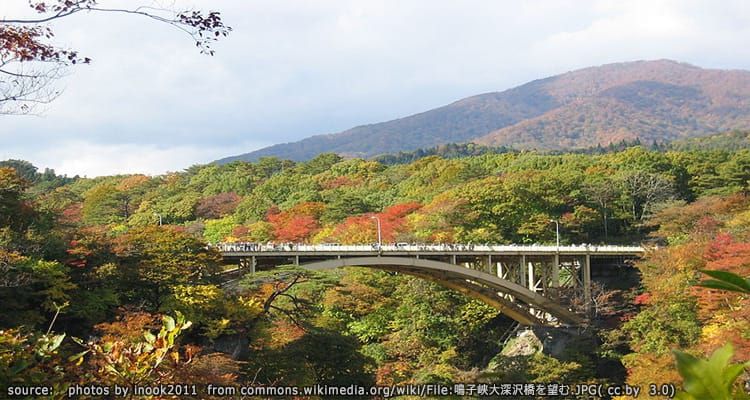
photos by inook2011 from commons.wikimedia.org/wiki/File:鳴子峡大深沢橋を望む.JPG( cc by 3.0)
Naruko Gorge is one of the most beautiful gorges in the Tohoku region, located in the northwest of Miyagi Prefecture, about 70 kilometers from Sendai and just 2 kilometers from Naruko Onsen. Every year from late October to November, the whole gorge is covered in colorful autumn leaves, making it one of the region's most popular spots to view the changing colors.
Zao Onsen
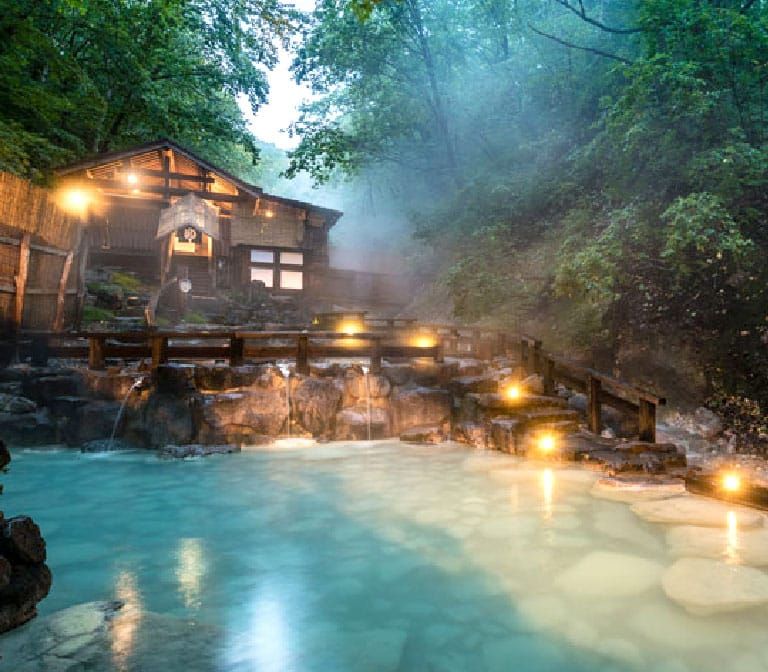
Photo from https://www.jupeer-zao.com/roten/
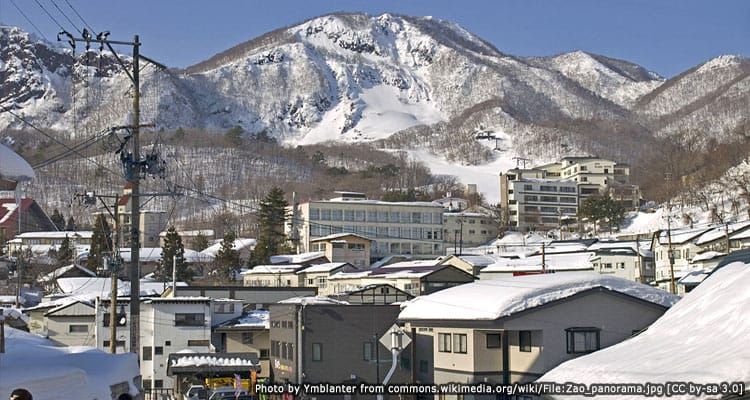
Photo by Ymblanter from commons.wikimedia.org/wiki/File:Zao_panorama.jpg [CC by-sa 3.0]
Mount Azuma
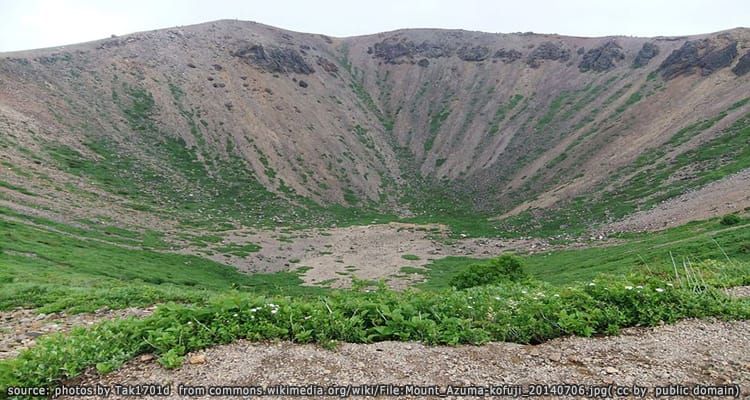
photos by Tak1701d from commons.wikimedia.org/wiki/File:Mount_Azuma-kofuji_20140706.jpg( cc by public domain)
photos by Qwert1234 from commons.wikimedia.org/wiki/File:Goshikinuma-azuma_0810.JPG( cc by 3.0)
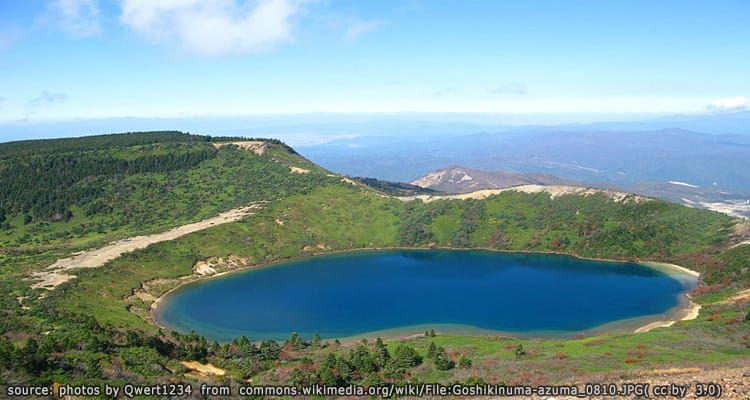
Mount Azuma rises about 2,000 meters, northeast of Mount Bandai, along the border between Fukushima and Yamagata prefectures. Several hiking trails lead to the summit, offering beautiful views of the volcano, lowlands, and ponds.
Kakunodate Samurai District
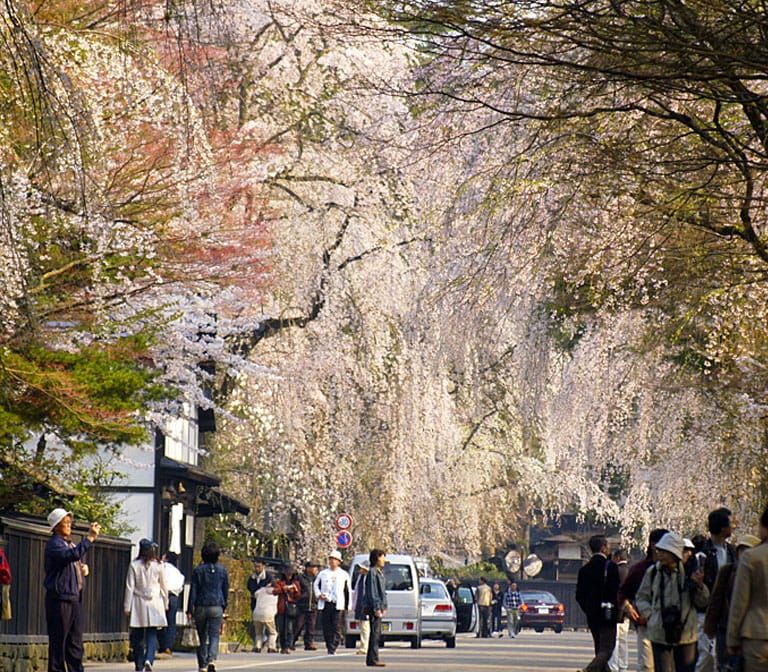
Photo from https://commons.wikimedia.org/wiki/File:Cherry_Blossom_-_panoramio_-_tsushima_%283%29.jpg
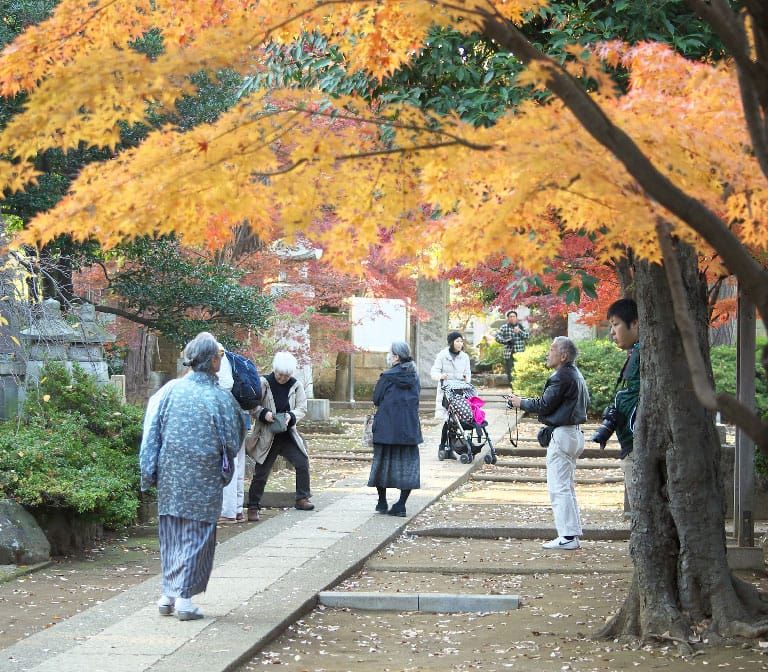
Photo from https://www.flickr.com/photos/tokutomi/11008049146
photos by Yuichi Shiraishi from flickr.com/photos/yisris/5435696397(cc by 2.0)
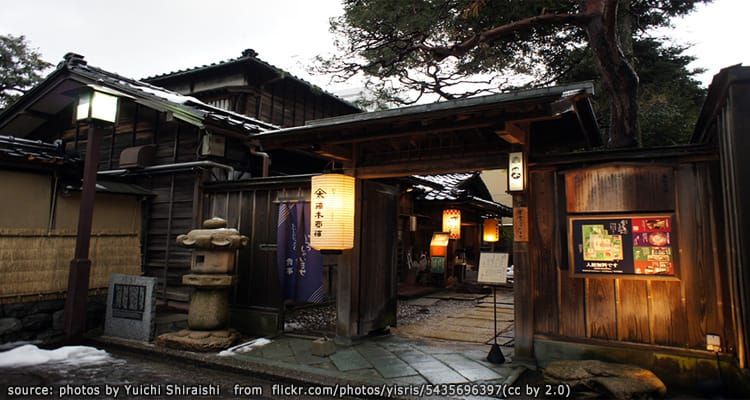
Kakunodate Samurai District consists of about 80 homes built in traditional samurai architecture, considered some of the finest examples in Japan. The district has wide streets lined with cherry trees that bloom from late April to early May, making it a popular cherry blossom viewing spot as well.
Shirakami Sanchi
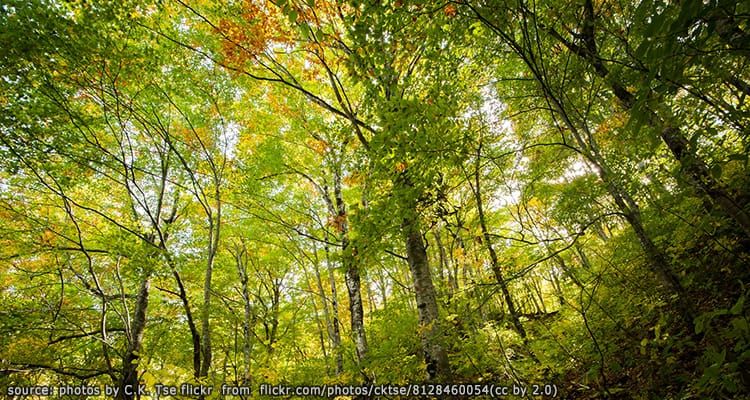
photos by C.K. Tse flickr from flickr.com/photos/cktse/8128460054(cc by 2.0)
Shirakami Sanchi lies on the border between Aomori and Akita prefectures, in the north of the Tohoku region, and was registered as a UNESCO World Heritage Site in 1993.