


Wakayama Prefecture is located in the southern part of Japan's Kansai region. It is a World Heritage area with a rich diversity of nature and ancient culture, offering many interesting attractions — from the sea and mountains to temples with long histories. The prefecture also has unique traditions, especially festivals such as the Nachi Fire Festival (Ogi Matsuri) and the Oto Matsuri. Wakayama is also known for its local food, especially fresh seafood and fruits such as Wakayama mikan. Here are some of the attractions in the prefecture that travelers should not miss:
[ez-toc]
Dividing Wakayama's attractions into smaller zones makes it easier to plan a trip. Most of the prefecture's highlight attractions are located outside the city center, such as the Kumano area and the Koyasan area, while the city center has castles, gardens, and shrines.
Attractions in Wakayama City Centre
▌1. Wakayama Castle
leungchopan/shutterstock.com
Sean Pavone/shutterstock.com
Cooler8/shutterstock.com
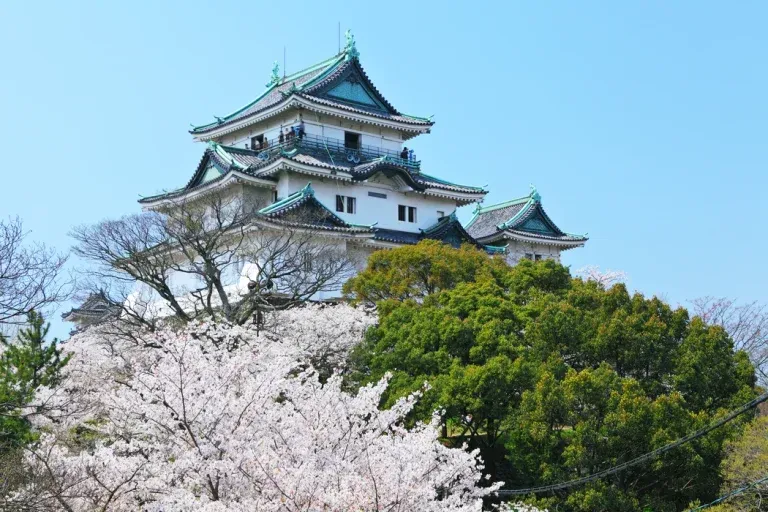
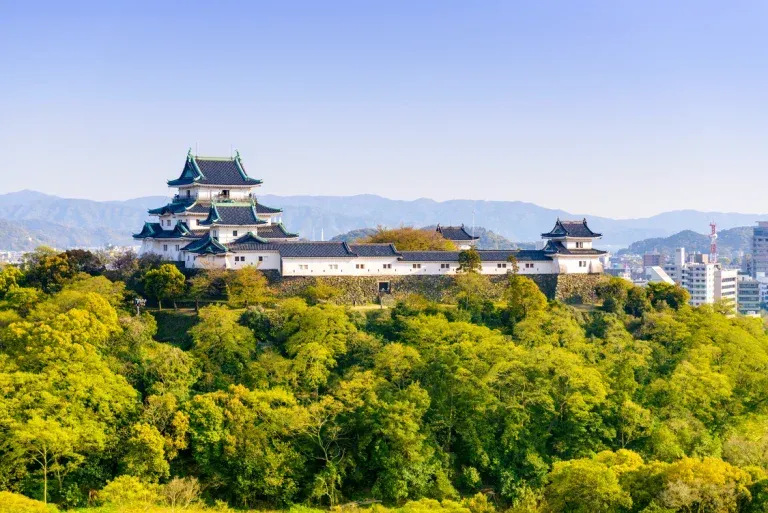
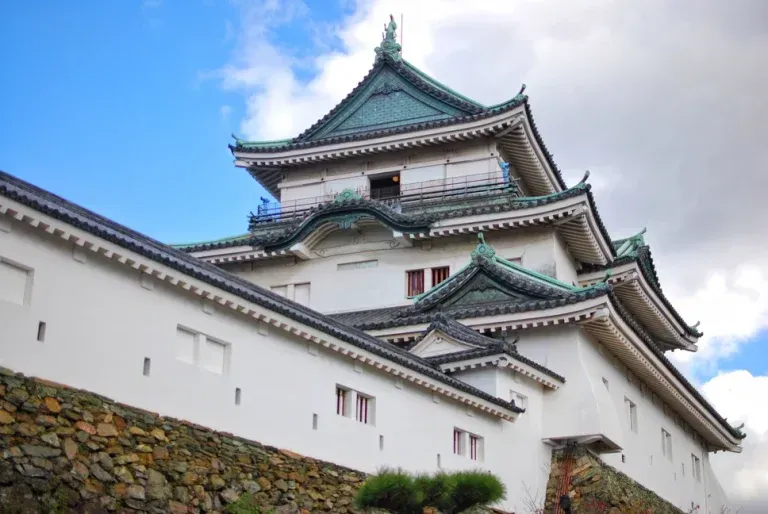
Wakayama Castle is admired for its architecture and scenery, and it also holds cultural and historical significance. The castle was built in 1585, but it suffered heavy damage in several later wars, especially during World War II, when its main tower was destroyed. It was rebuilt in 1958 and has since become one of the city's popular attractions. The castle stands on a hill and has three levels, with exhibition rooms inside that tell its history. The surrounding grounds are landscaped as a Japanese garden where visitors can stroll and enjoy seasonal flowers — especially in spring, when the garden fills with blooming cherry blossoms. The top floor of the castle also serves as a viewpoint, offering sweeping views over the city of Wakayama and the sea beyond.
- Access: From Wakayama Station, take a bus to the Koen-mae stop, then walk about 10 minutes to reach the castle.
- Location: https://maps.app.goo.gl/Ndq97gjGzqsbnMaa9

▌2. Wakayama Marina City
Go_Legacy/shutterstock.com
Sitthipong Pengjan/shutterstock.com
Sitthipong Pengjan/shutterstock.com
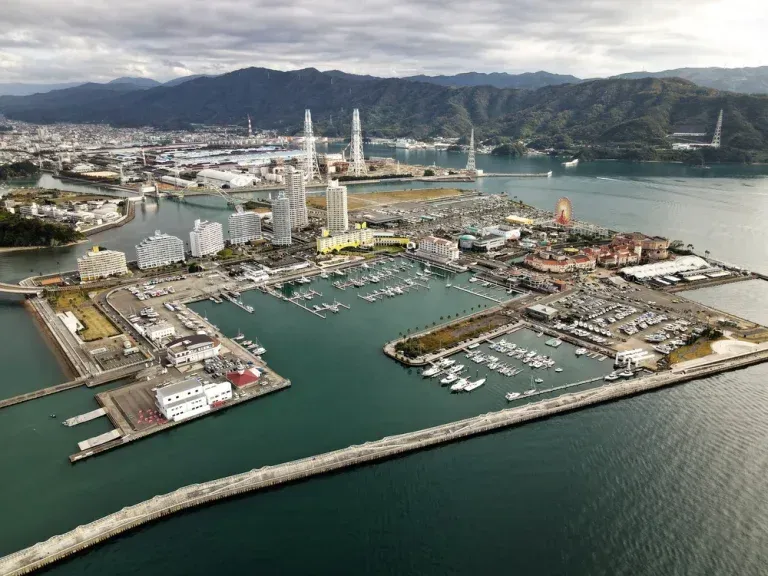
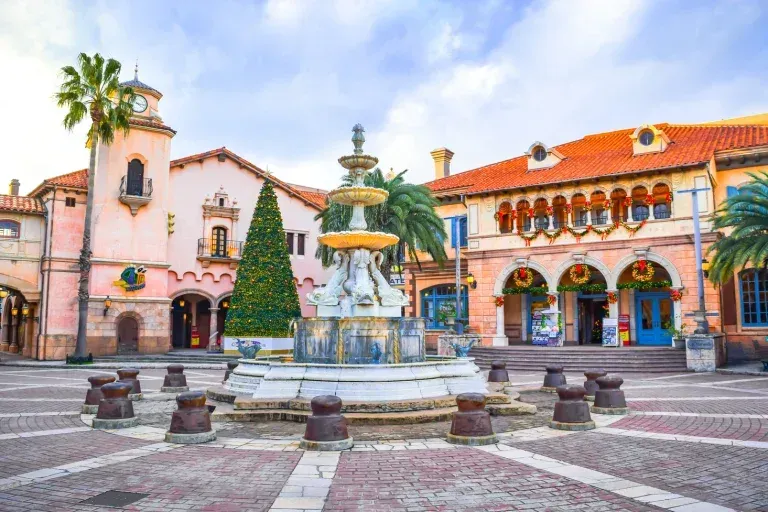
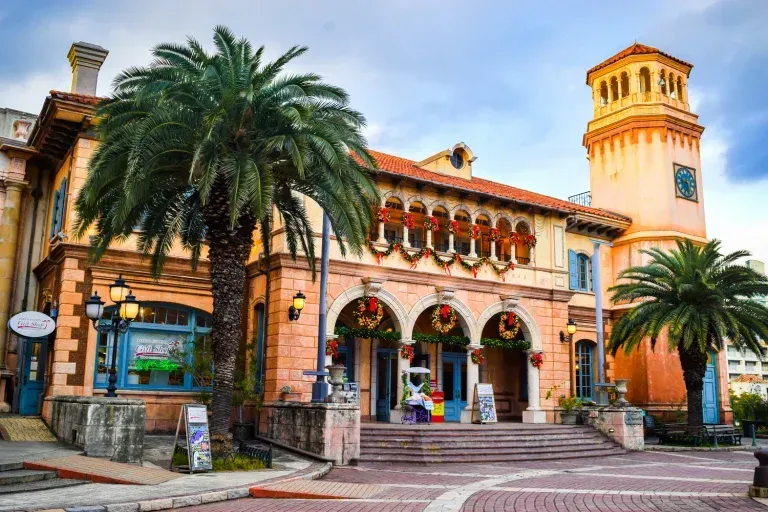
Wakayama Marina City sits on an artificial island reclaimed from the sea in Wakayama Bay. The island offers a range of attractions, including shopping areas, an amusement park, a fish market, and entertainment venues, making it a great spot for a relaxing holiday. Highlights include Porto Europa, an amusement park styled after southern Europe with rides such as a roller coaster, a Ferris wheel, a pirate ship, and a mock town with charming architecture. The island also has a shopping mall with many stores and restaurants, along with Kuroshio Ichiba, a well-known fish market selling a wide variety of fish — most famously fresh tuna — as well as other seafood. Visitors who want to relax can also enjoy a hot spring bath on the island.
- Access: Take the Nankai Line from Namba Station to Wakayamashi Station, then take a bus to the Marina City stop and walk about 2–3 minutes.
- Location: https://maps.app.goo.gl/KpDY45LswX8imkp97
Attractions in the Kumano Area (Kii Peninsula)
The Kumano area is arguably the highlight of Wakayama Prefecture.
▌3. Kumano Nachi Taisha
Iam_Anuphone/shutterstock.com
LEOCHEN66/shutterstock.com
cowardlion/shutterstock.com
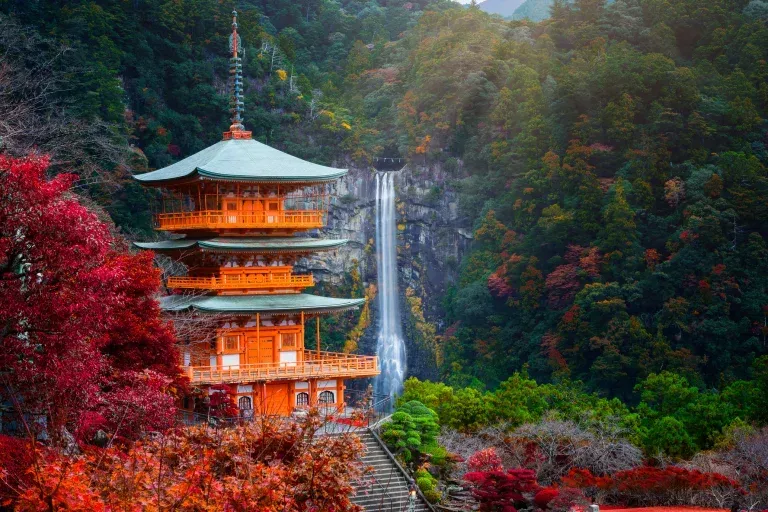
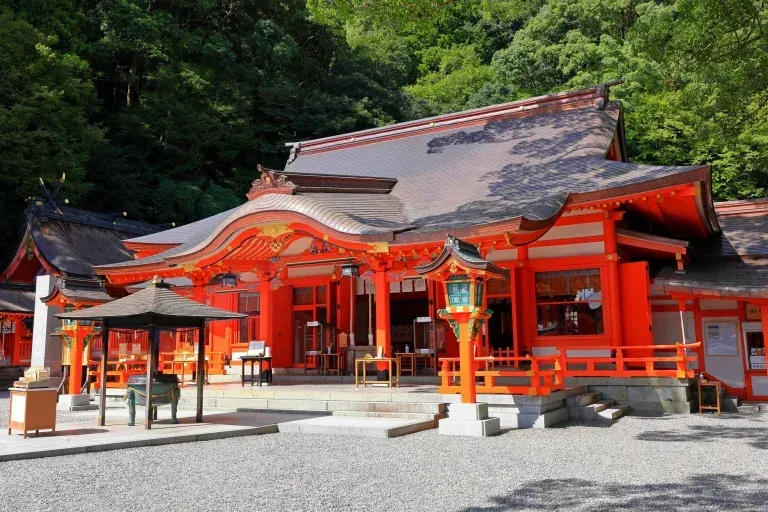
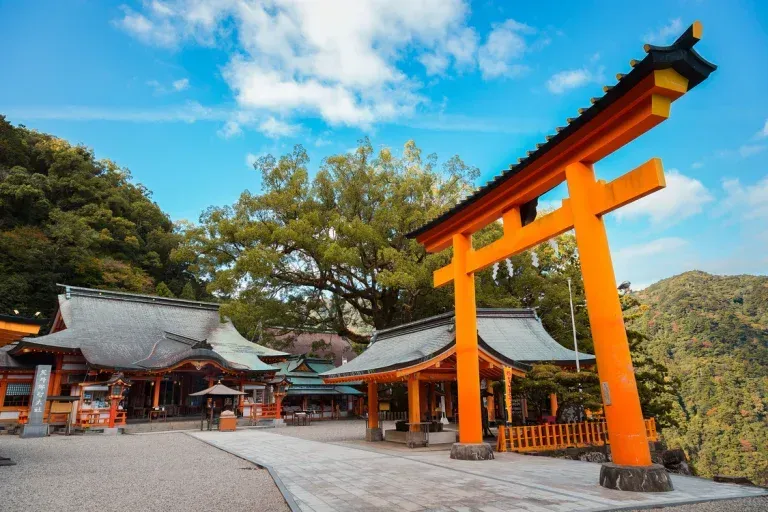
Kumano Nachi Taisha is one of the three main shrines of Kumano in Shinto tradition. It is not only a religious site but also a scenic destination with a history spanning thousands of years, and it is registered as a UNESCO World Heritage Site. Highlights include the red three-story pagoda of Seiganto-ji Temple, which stands near Nachi Falls. From the shrine, visitors can enjoy a stunning view of the pagoda with the waterfall, mountains, and forest as a backdrop. Nachi Falls also has the tallest single drop of any waterfall in Japan. Kumano Nachi Taisha and Seiganto-ji Temple lie along the Kumano Kodo pilgrimage route, one of the most important pilgrimage routes in Japan. Visitors can walk this route to experience the pilgrimage and take in the beautiful scenery along the way.
- Access: From JR Nachi Station, take a bus to the Nachisan stop, then walk about 10–15 minutes.
- Location: https://maps.app.goo.gl/DmZqkMqoKF5g8c6NA
▌4. Kumano Hongu Taisha
YUN JUNGU/shutterstock.com
Jen Wei Chen/shutterstock.com
worldroadtrip/shutterstock.com
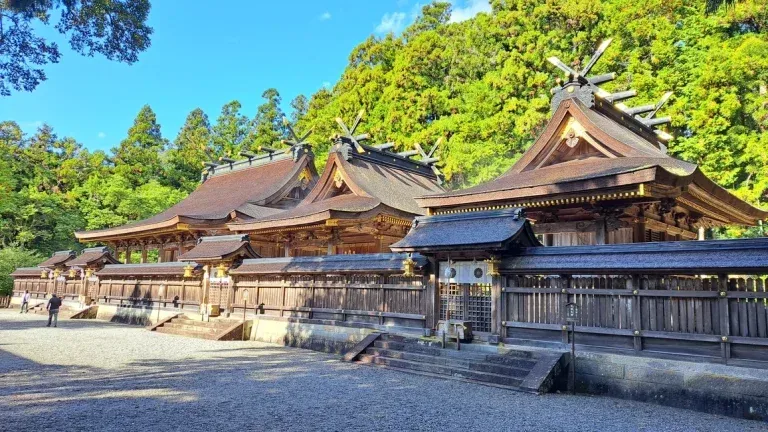
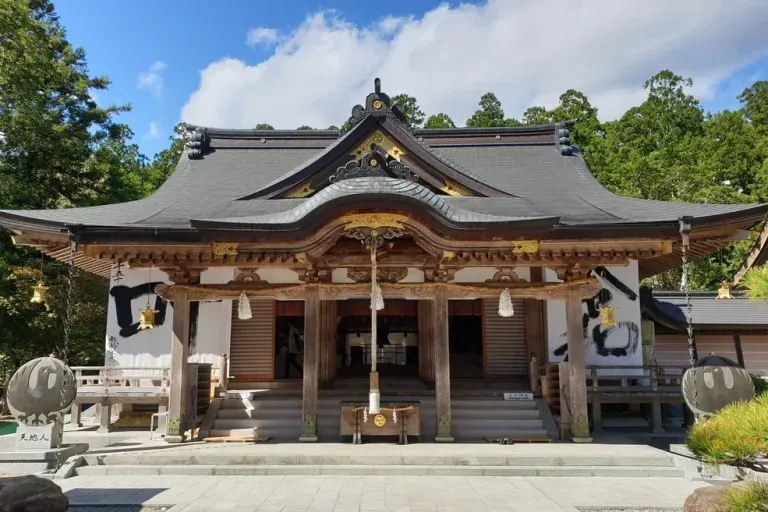
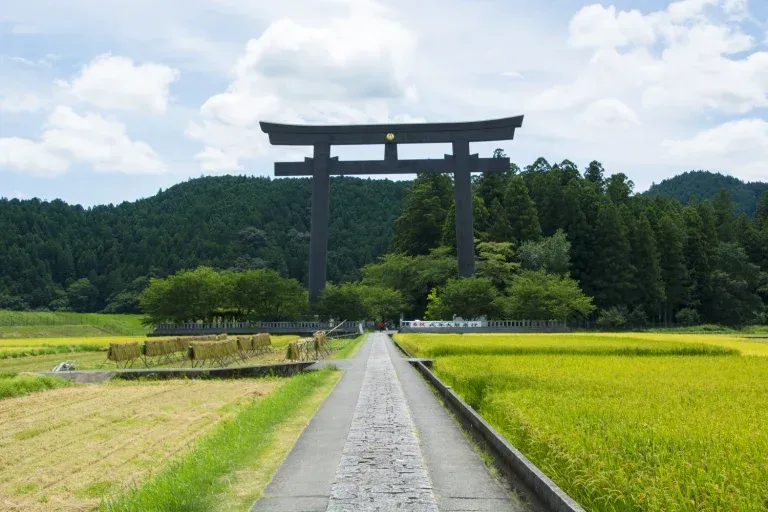
Kumano Hongu Taisha is an ancient shrine with a history of more than 1,000 years and serves as the center of pilgrimage in the Kumano region. It is one of the three main shrines of Kumano, along with Kumano Nachi Taisha and Kumano Hayatama Taisha, connected by the pilgrimage route that is also registered as a UNESCO World Heritage Site. The shrine's buildings are made of wood, following traditional Japanese architecture with fine, elegant craftsmanship, including a massive torii gate standing 33 meters tall that can be seen from a distance. Given its historical and cultural importance, the shrine is a fascinating destination for both travelers and pilgrims. Besides visiting the main structures, visitors can take part in activities such as hiking, joining religious ceremonies, and experiencing local culture up close.
- Access: From JR Shingu Station, take a bus to the Hongu Taisha stop, then walk about 10 minutes to the shrine.
- Location: https://maps.app.goo.gl/QuwE7ZS8yboKjXto6
▌5. Kumano Hayatama Taisha Shrine
Veerachart/shutterstock.com
RITSU MIYAMOTO/shutterstock.com
beibaoke/shutterstock.com
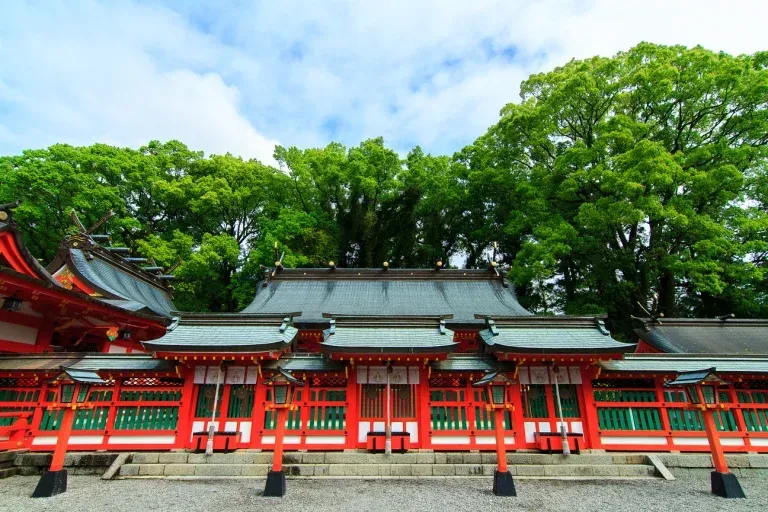
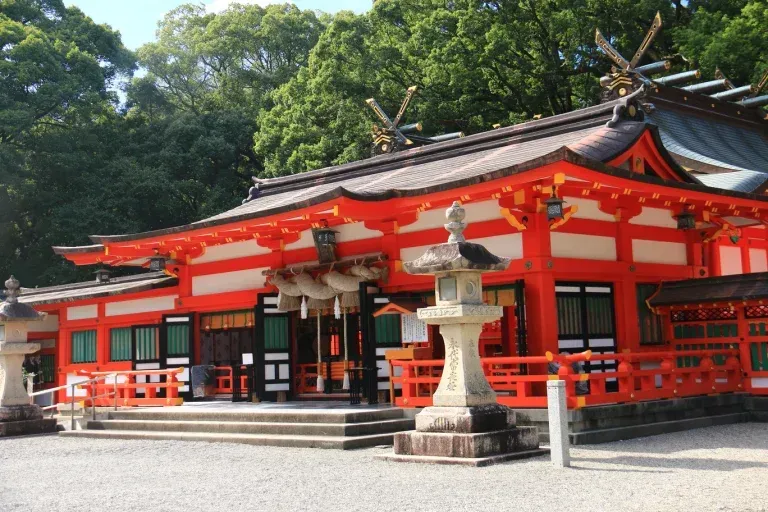
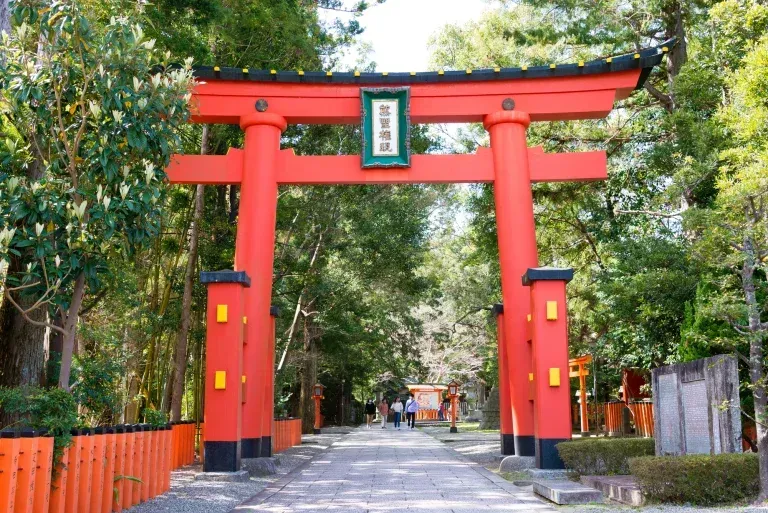
Kumano Hayatama Taisha Shrine is another shrine not to be missed, as it is also one of the three main shrines on the Kumano Kodo pilgrimage route registered as a UNESCO World Heritage Site. It is the oldest of the three main Kumano shrines, dating back more than a thousand years. The main hall is built of wood painted a striking red, with a tall torii gate standing before the entrance. The shrine grounds also contain a sacred tree more than 800 years old, along with a museum displaying artifacts and treasures related to the shrine's history and the pilgrimage tradition, offering visitors a detailed look at the shrine's story and significance.
- Access: Take the JR Line to Shingu Station, then walk about 15 minutes.
- Location: https://maps.app.goo.gl/4peBrScx1suF4waJ8
▌6. Yunomine Onsen
chuck hsu/shutterstock.com
Tanya Jones/shutterstock.com
Tanya Jones/shutterstock.com
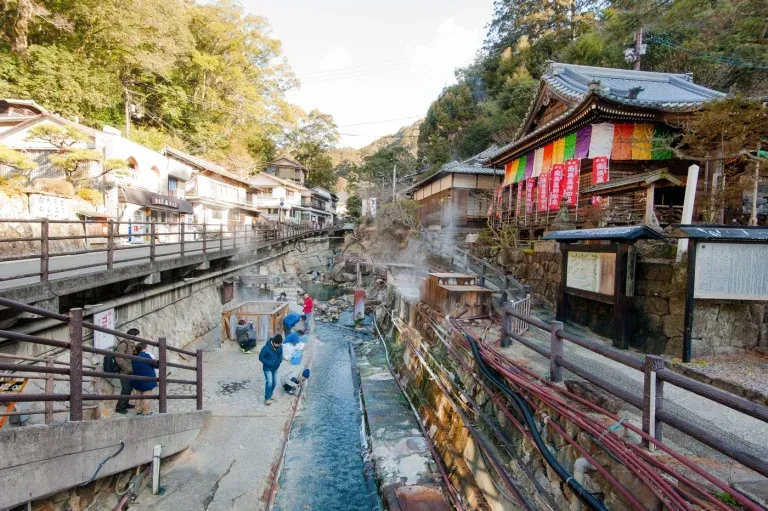
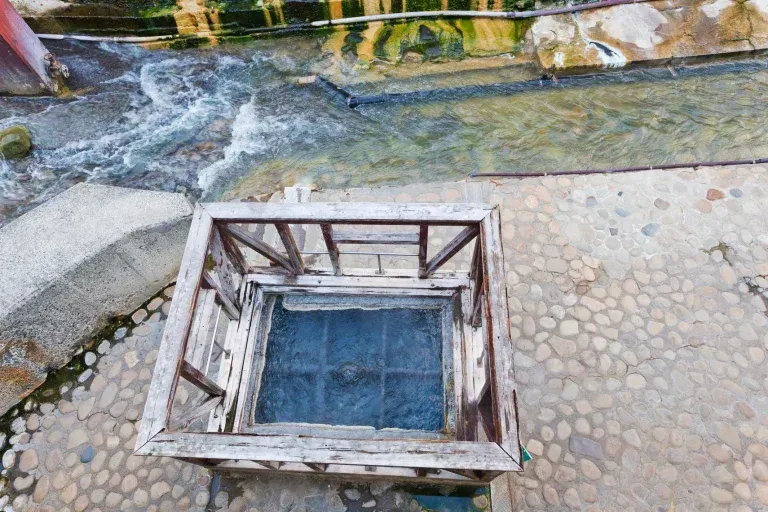
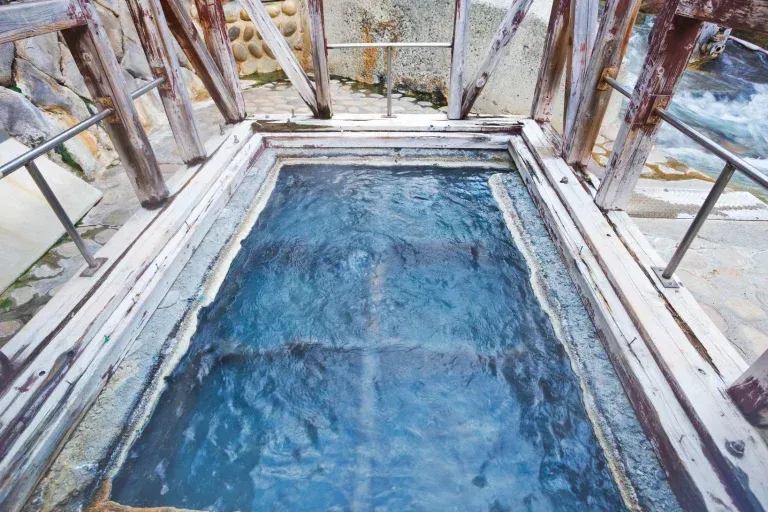
Yunomine Onsen is another ancient hot spring with a history spanning more than 1,800 years, and it is also registered as a UNESCO World Heritage Site. The mineral water is at a comfortable temperature for bathing and has a mild salty taste. The water in the spring also changes color up to seven times a day due to the various minerals dissolved in it. These minerals are said to have special properties that nourish the skin and relieve various ailments. Pilgrims traditionally visit here to pray and purify themselves before continuing on to Kumano Hongu Taisha. The bath itself is lined with wooden boards around the edge and can only fit one or two people at a time. With its peaceful atmosphere and beautiful natural surroundings, Yunomine Onsen is an ideal spot to relax in the mineral waters and experience traditional Japanese culture.
- Access: From JR Shingu Station, take a bus to the Yunomine Onsen stop, then walk about 5 minutes.
- Location: https://maps.app.goo.gl/ea85YevaEJHyzMBi7
▌7. Cape Shionomisaki
Sean Pavone/shutterstock.com
Avant Visual/shutterstock.com
osap/shutterstock.com
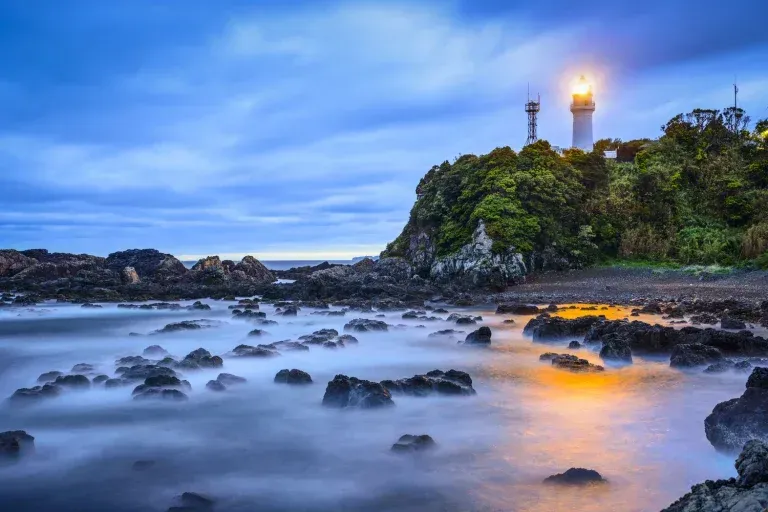
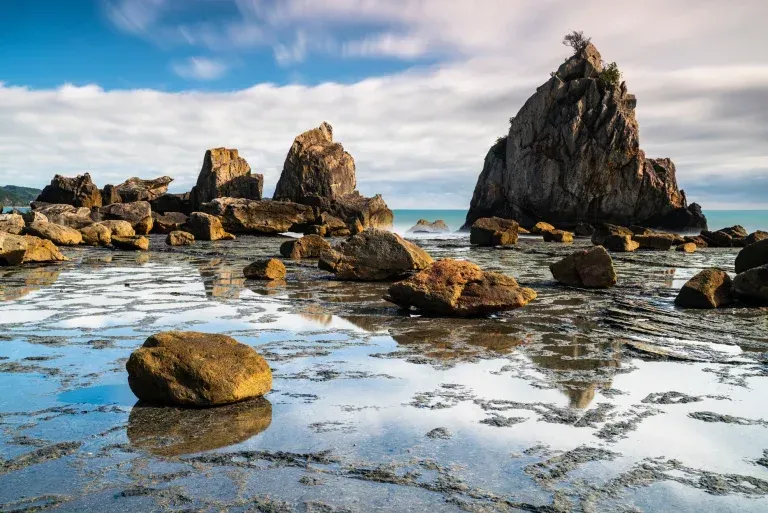
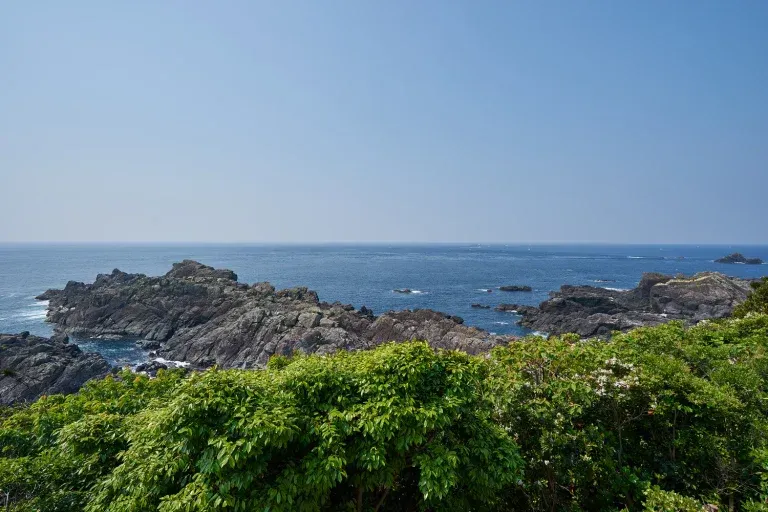
Cape Shionomisaki, located at the southern tip of the Kii Peninsula, has been an important site in Japan's maritime history since ancient times. The area is also home to a historic lighthouse built in 1873, which played a key role in guiding ships and is still in use today. The cape offers beautiful views of the Pacific Ocean, along with the nearby Hashigui-iwa in Kushimoto, about 40 unusually shaped rock formations of varying sizes, dating back more than 15 million years and lined up neatly along a stretch of more than 900 meters. It is also a popular spot for watching sunrise and sunset. Visitors can climb the lighthouse for a 360-degree view from above, with scenery that is sure to leave a lasting impression.
- Access: From JR Kushimoto Station, take a community bus to the Cape Shionomisaki stop.
- Location: https://maps.app.goo.gl/iMJdefKcFRvVzPWK7
▌8. Kumano River
365 Focus Photography/shutterstock.com
Salty_Fish/shutterstock.com
Lexter Yap/shutterstock.com
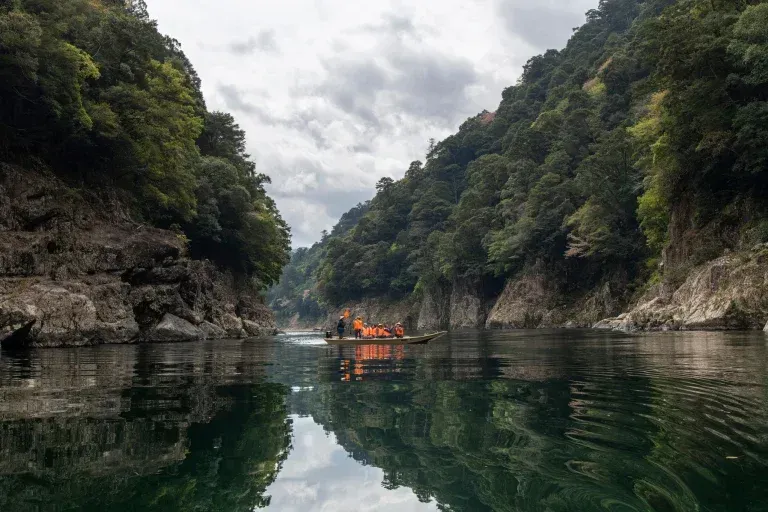
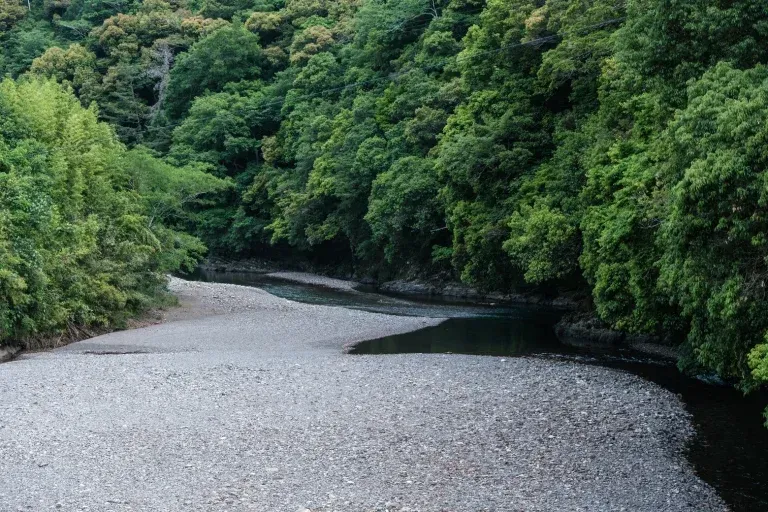
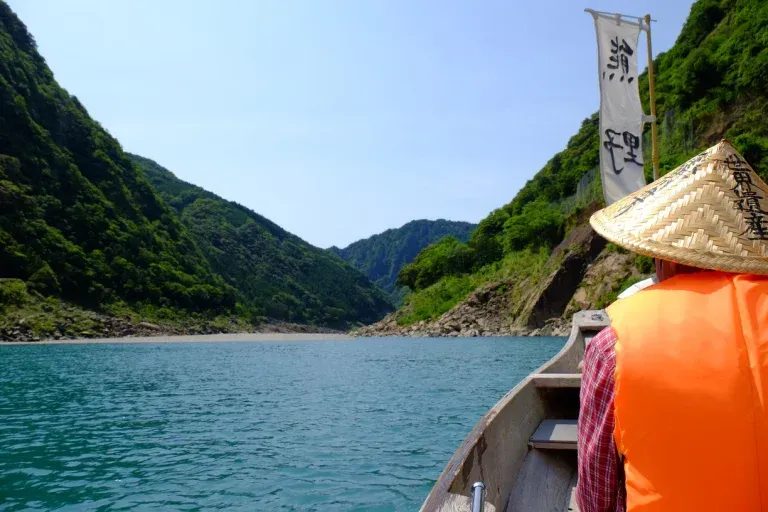
Kumano River is a historic river registered as a UNESCO World Heritage Site in 2004. Located on the Kii Peninsula, it stretches more than 183 kilometers and forms part of the Kumano Kodo pilgrimage route. A highlight not to be missed is a 90-minute boat ride tracing the pilgrimage route aboard a traditional wooden boat, taking in the clear waters and lush green mountains along the way while learning about the region's history and culture. The boat trip passes important historical and religious sites, including shrines and ancient ruins, and includes a visit to Kumano Hongu Taisha, a grand shrine more than a thousand years old. There are also hiking trails along the Kumano Kodo route suited to adventure-loving travelers, with options to choose from based on difficulty and distance.
- Access: From JR Shingu Station, take a bus to the Hitari stop, then walk about 5 minutes.
- Location: https://maps.app.goo.gl/5EguyrgkuMVu4aGN9
▌9. Taiji Whale Museum
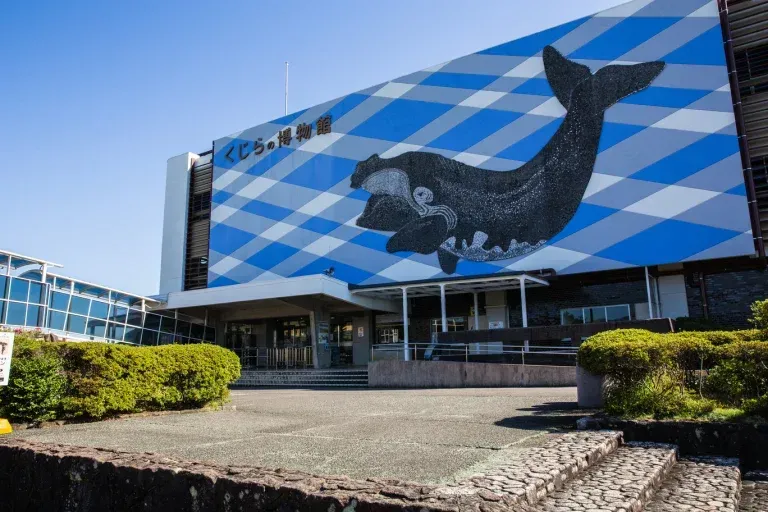
tipwam/shutterstock.com
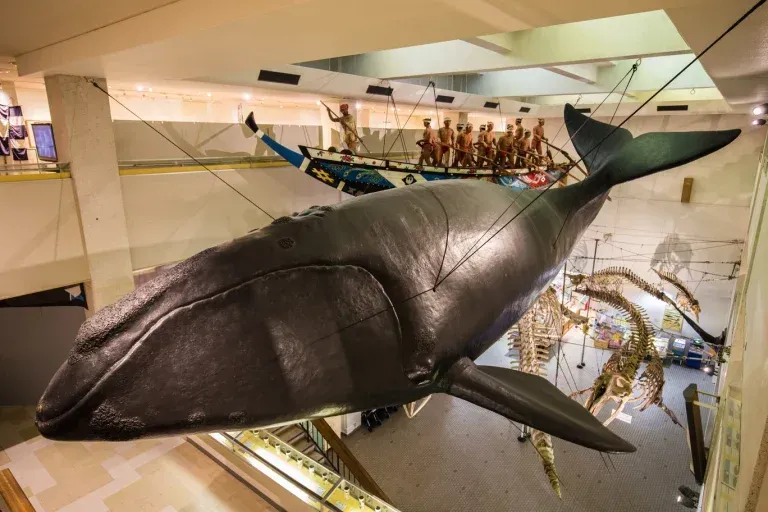
tipwam/shutterstock.com
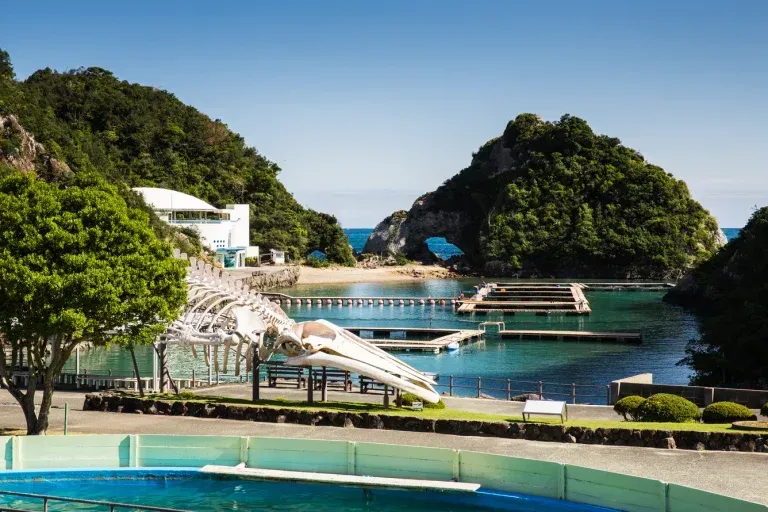
tipwam/shutterstock.com
Taiji Whale Museum is located in Taiji, in the Kii-Katsuura area, a well-known onsen district in Wakayama Prefecture. The town was historically known as a center of whaling in Japan for hundreds of years. The museum was established in 1969 with the aim of preserving and sharing knowledge about whales and Japanese whaling. Exhibits cover the history of whaling and the importance of whales in Japanese culture. Visitors can learn about whale evolution, traditional whaling methods, and modern whale conservation, alongside displays on various whale species, large whale skeletons, and tools once used for hunting. Besides the whale exhibits, the museum stages dolphin shows in which trained dolphins perform tricks and visitors can learn about dolphin behavior. Another highlight is a boat trip to see whales and dolphins in the open sea — an exciting experience that also sheds light on whale conservation in the wild.
- Access: Take the train from JR Shingu Station to Kii-Katsuura Station, then take a bus to the Taiji Whale Museum.
- Location: https://maps.app.goo.gl/VvtK7ECCXe7aMgrU6
Attractions in the Koyasan Area
▌10. Danjo Garan Temple
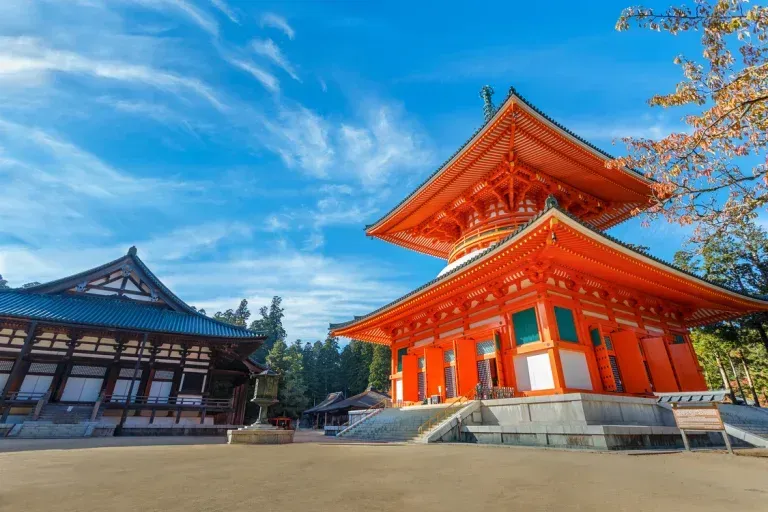
cowardlion/shutterstock.com
cowardlion/shutterstock.com
cowardlion/shutterstock.com
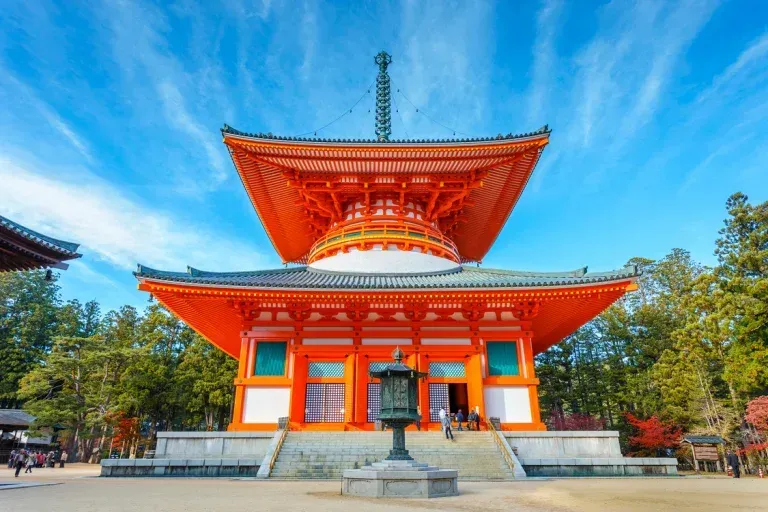
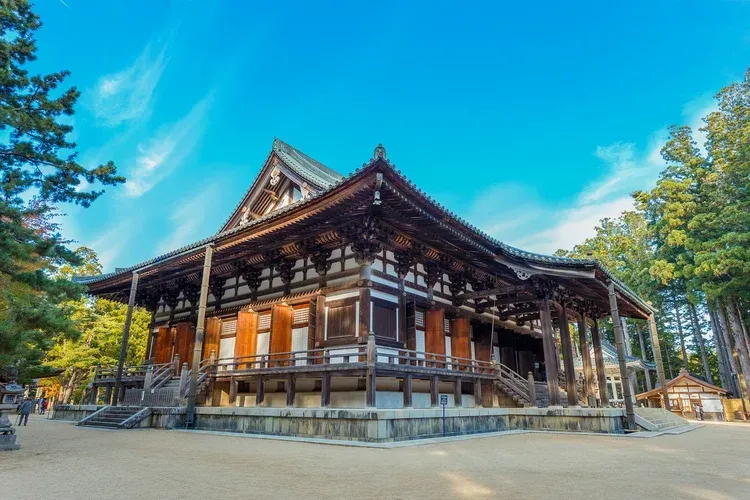
Danjo Garan Temple stands on Mount Koya, a mountain with a history spanning more than 1,200 years and the center of Shingon Buddhism, an important sect of Buddhism in Japan. Danjo Garan was founded by Kobo Daishi and serves as the religious center for various rituals. Highlights include the Konpon Daito Pagoda, the main pagoda of Danjo Garan and the first tahoto-style (multi-treasure) pagoda in Japan, standing 48.5 meters tall and built to symbolize the universe according to Shingon belief. Inside are beautiful paintings and sculptures depicting the Buddha and various deities. Since the temple sits at an elevation of more than 800 meters, the air stays cool year-round, and the scenery is stunning — especially in spring, when cherry blossoms bloom across the mountaintop, and in autumn, when the valley is filled with vivid autumn colors.
- Access: Take the train from Namba Station in Osaka to Gokurakubashi Station, then transfer to the cable car up to Koyasan Station, followed by a bus to Danjo Garan.
- Location: https://maps.app.goo.gl/UrSnBaWjUs7mcwe19
▌11. Okunoin Temple
fukez84/shutterstock.com
Daniel Vine Photography/shutterstock.com
Daniel Vine Photography/shutterstock.com
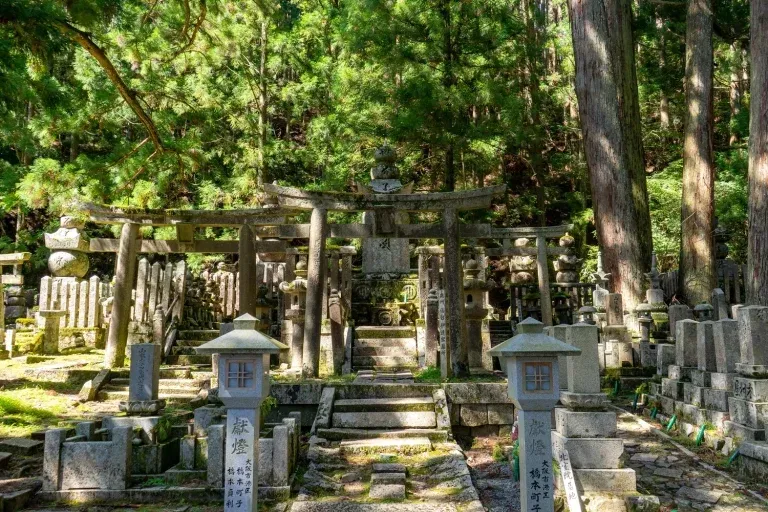
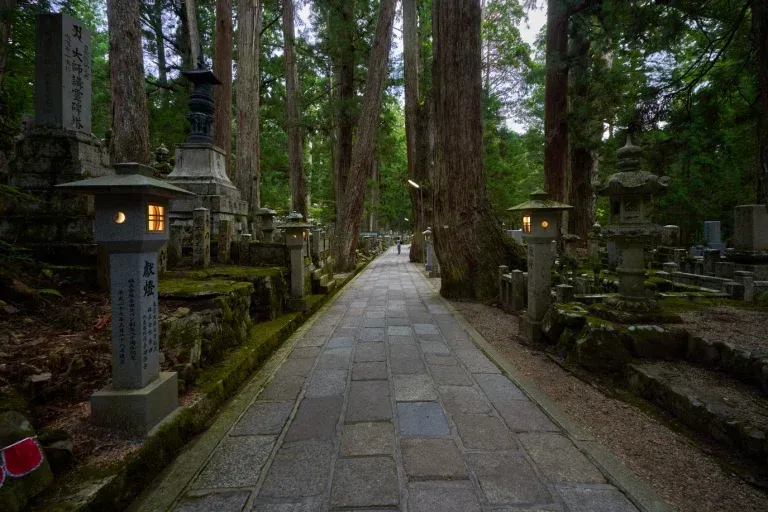
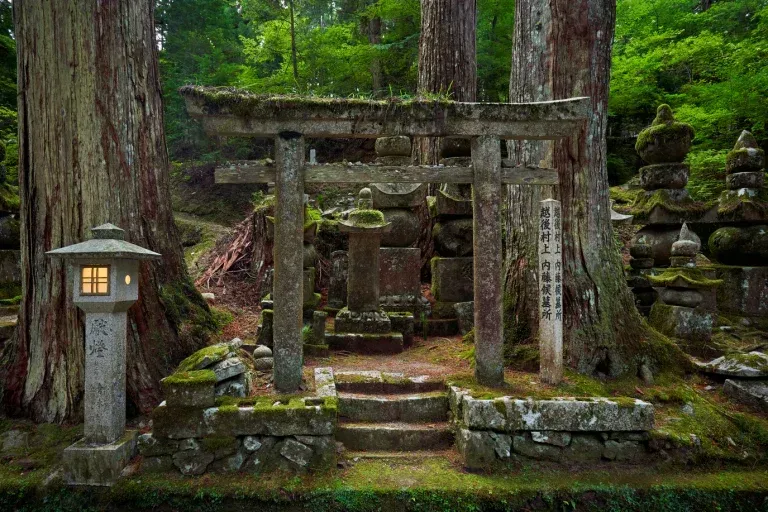
Okunoin Temple holds great religious significance as the site of the mausoleum of Kobo Daishi (Kukai), the revered founder of Shingon Buddhism. It is believed that Kobo Daishi did not die but entered eternal meditation within the mausoleum. The temple is also a destination for pilgrims traveling along the Kumano Kodo, a pilgrimage route registered as a UNESCO World Heritage Site. Notable sites within the temple grounds include Okunoin Cemetery, the largest cemetery in Japan, where many important figures are buried along a long path lined with ancient cedar trees, and the Toro-do (Lantern Hall), a hall containing thousands of hanging lanterns kept lit around the clock, some of which have burned continuously for over a thousand years. There is also the Gobyobashi Bridge, which visitors cross before entering the mausoleum grounds — believed to mark the boundary between the human world and the sacred realm.
- Access: Take the Nankai Line from Namba Station in Osaka to Gokurakubashi Station, transfer to the cable car up to Koyasan Station, then take a bus to the Okunoin-mae stop.
- Location: https://maps.app.goo.gl/CmmzFB5FFJhWE39a9
▌12. Kongobuji Temple
alinasharoiko/shutterstock.com
gnohz/shutterstock.com
Amstk/shutterstock.com
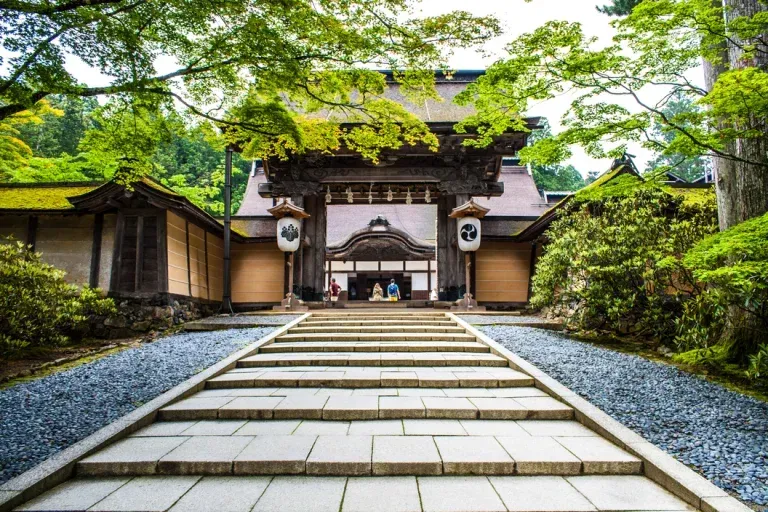
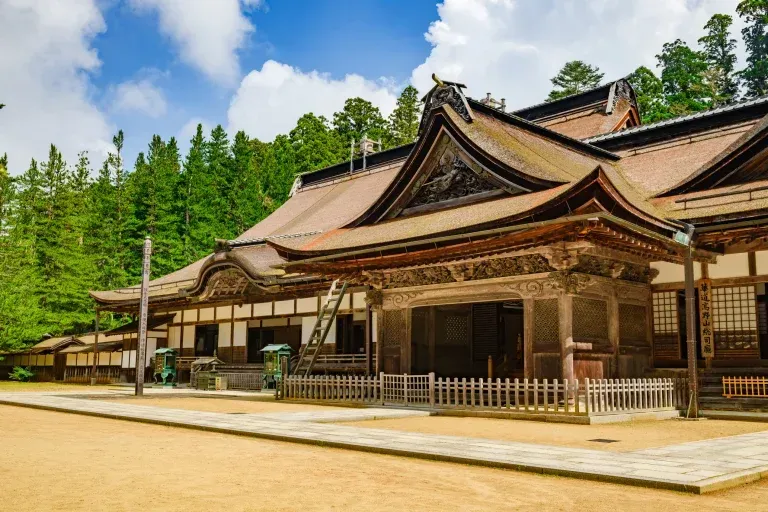
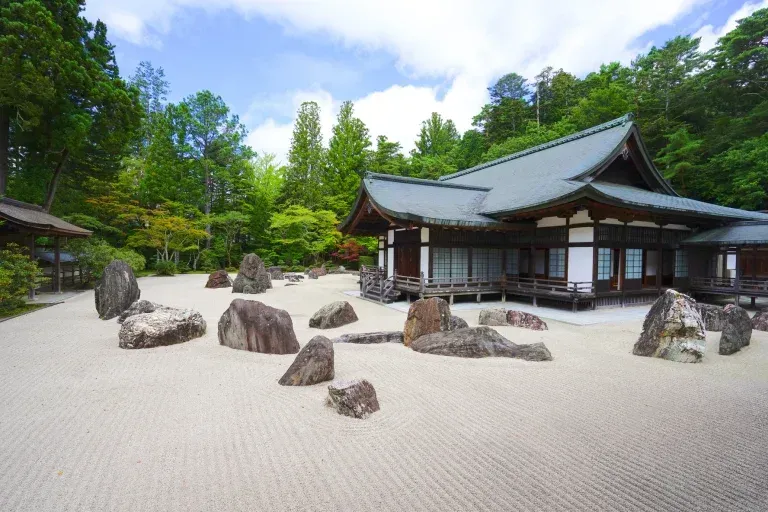
Kongobuji Temple was built in 1593 by Toyotomi Hideyoshi, a major figure in Japanese history, to honor his mother. It was later merged with a neighboring temple and became a center for spreading the teachings of Shingon Buddhism. The temple's oldest building is the main hall, which contains the Ohiroma Room, decorated with gold-leafed sliding doors and walls painted with cranes — works of great beauty and religious significance by the renowned Japanese painter Kano Tanyu. This hall is still used today for important religious ceremonies. Another highlight is the Banryutei Rock Garden, the largest rock garden in Japan, where more than 140 tons of granite stones are arranged to depict two dragons rising from a sea of clouds. The temple's peaceful atmosphere and beautiful scenery make it another must-see destination in Wakayama Prefecture.
- Access: Take the Nankai Koya Line from Namba Station to Gokurakubashi Station, transfer to the cable car up to Koyasan Station, then take a bus and get off at stop No. 16, Kongobuji-mae.
- Location: https://maps.app.goo.gl/cabvtHjBC3nHf8F97
Attractions in the Shirahama Beach Area
▌13. Shirahama Beach
aines/shutterstock.com
Kapi Ng/shutterstock.com
okimo/shutterstock.com
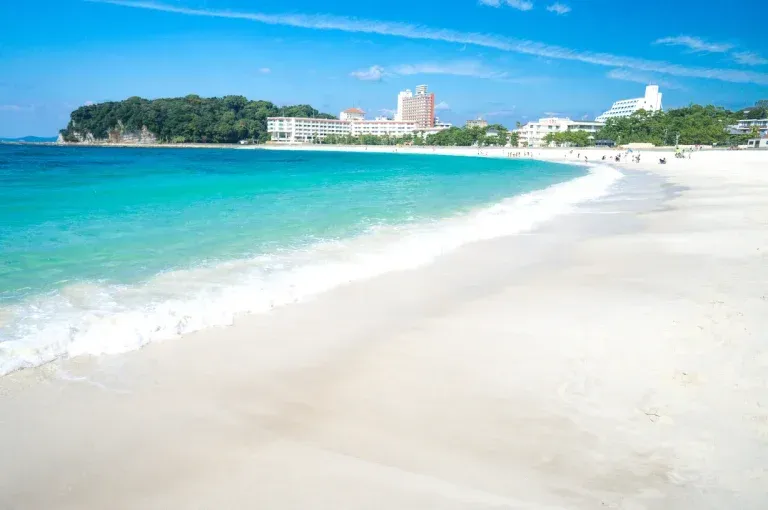
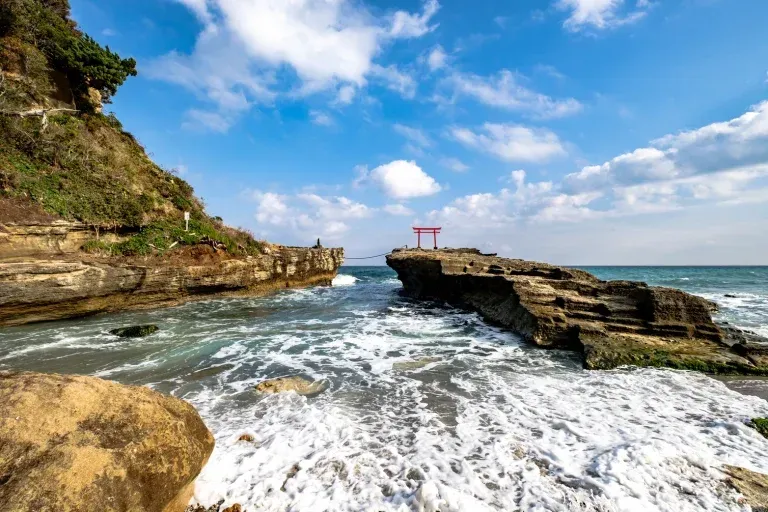
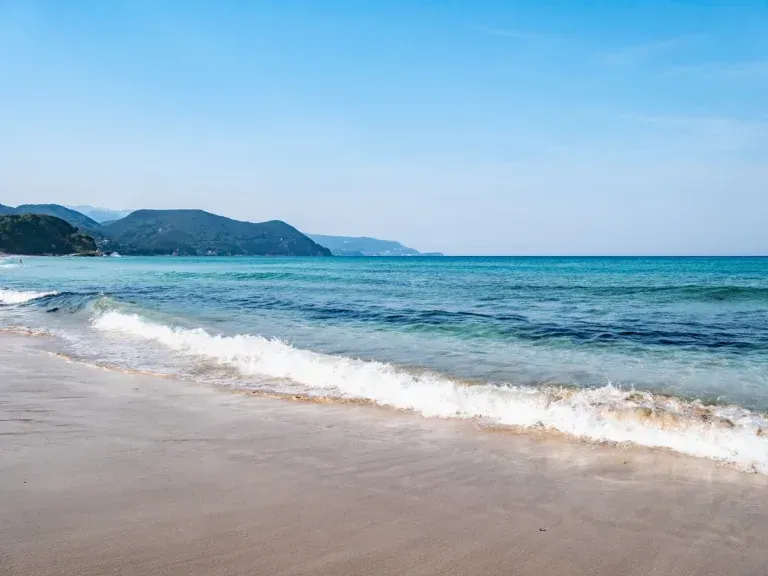
Shirahama Beach is one of the most famous and popular beaches in the Kansai region. About 620 meters long, it has fine white sand and clear water where the seabed is visible. The surroundings are quiet and relaxing, and many hotels and resorts are located near the beach, allowing visitors to stay and fully enjoy the coastal scenery. The beach is a popular spot for a summer getaway, with plenty of activities nearby, including swimming, sunbathing, jet skiing, kayaking, banana boat rides, and snorkeling or diving to explore the coral and marine life. There is also a natural hot spring near the beach where visitors can soak while enjoying ocean views.
- Access: Take the train from JR Shin-Osaka Station or JR Kyoto Station to JR Shirahama Station, then take a bus or taxi to the beach.
- Location: https://maps.app.goo.gl/CPQFy3bKD6Xq3stT9
▌14. Adventure World
tera.ken/shutterstock.com

studio_s/shutterstock.com
U3photos/shutterstock.com
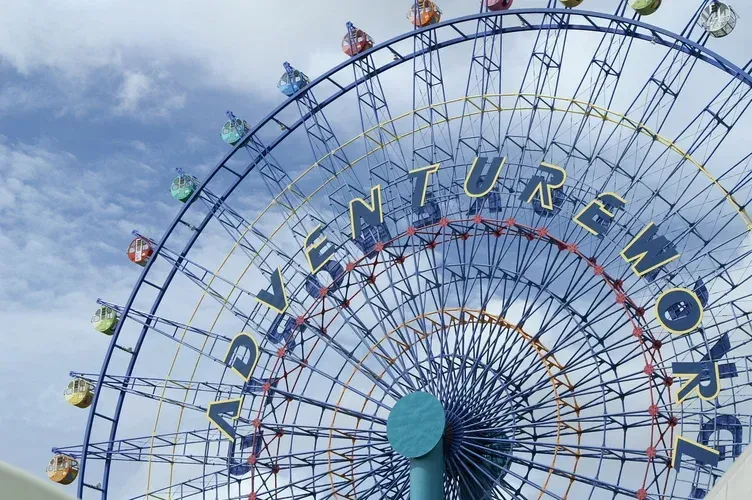
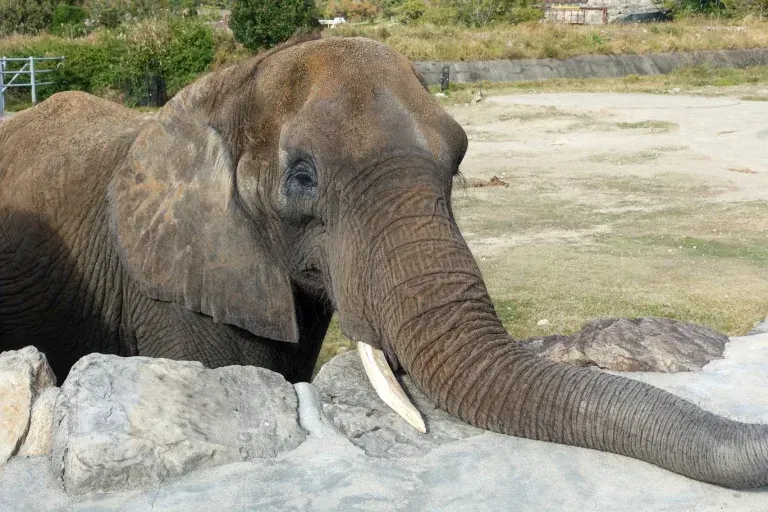
Adventure World is both an amusement park and a zoo with a wide range of activities, making it a great destination for all ages. Visitors can enjoy the rides, see many different animals, and watch exciting shows. The park is divided into several zones: Panda Land, one of the few places in Japan where visitors can see pandas at a zoo, with exhibits and talks to learn more about them, plus a chance for a close-up encounter at Panda Love; Safari World, where visitors can ride through and view animals such as lions, elephants, giraffes, and rhinos up close in a natural setting; and Adventure World Venture, which brings together thrilling rides and activities such as roller coasters, a Ferris wheel, and rides for children. The park also hosts exciting shows including dolphin performances, penguin parades, and other trained-animal shows.
- Access: Take the train from Wakayama Station to Shirahama Station, then take a local bus to the Adventure World stop.
- Location: https://maps.app.goo.gl/yT5NKdrUE36tGqN89
Other Attractions in Wakayama
▌15. Tomogashima Island
daisai/shutterstock.com
pinetail0510/shutterstock.com
JoshuaDaniel/shutterstock.com
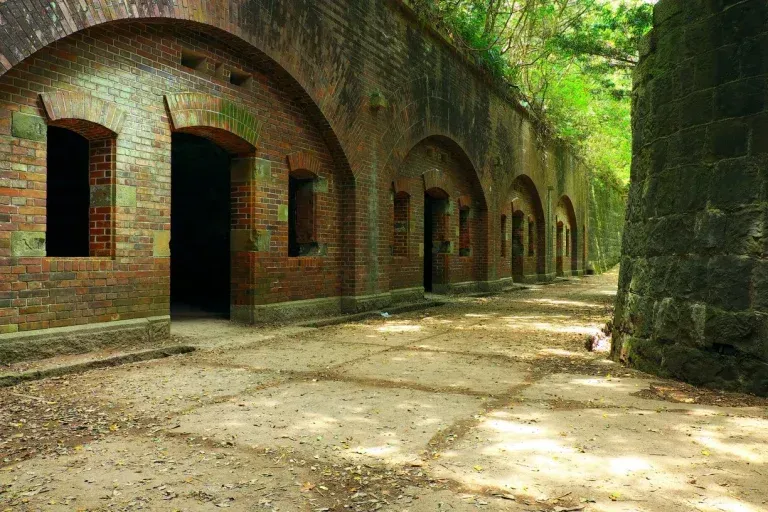
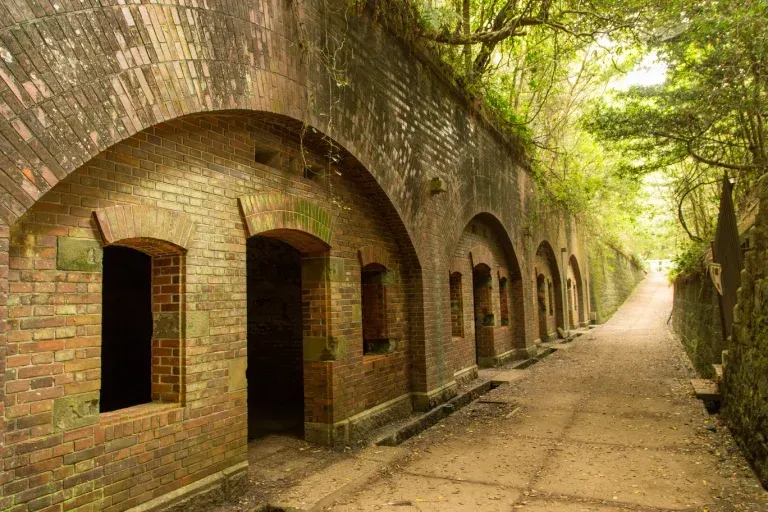
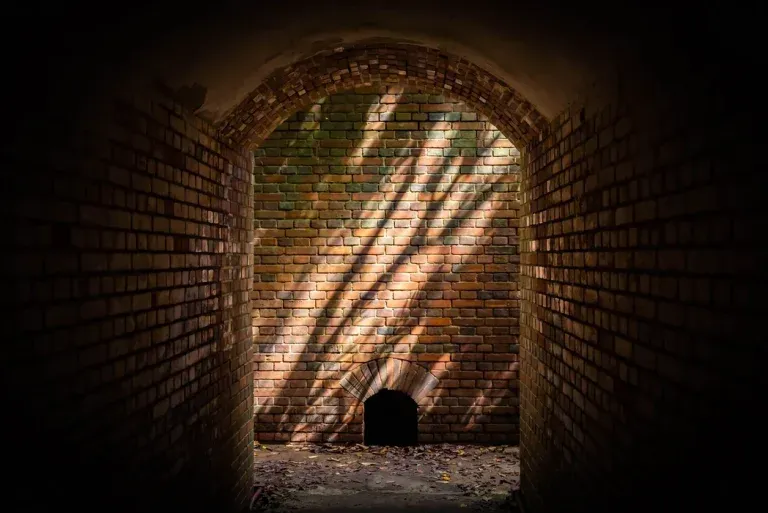
Tomogashima Island is an uninhabited island with beautiful scenery, a great destination for anyone who loves adventure and nature exploration. During the Meiji era, the island served as a Japanese military base, with several forts and military structures built to defend against foreign invasion. These fortifications are now popular attractions where visitors can walk around and learn about the island's history. Highlights include the old forts and military bases, which make for a walk that feels like stepping back in time, as well as challenging hiking trails through the forest with beautiful views of the sea and nature along the way. Camping and picnicking are also allowed on the island — for anyone who wants to enjoy its nature for longer, spending a night camping here is sure to be a memorable experience.
- Access: Take a ferry from Wakayama Kada Port to Tomogashima Island.
- Location: Kada, Wakayama 640-0102, Japan
- Hours: Open daily according to the ferry schedule. Boats depart from Kada Port between 9:00 a.m. and 4:00 p.m., and from Tomogashima Island between 9:30 a.m. and 4:30 p.m., with 4 crossings per day.
- Fare: Tomogashima Kisen round-trip ferry ticket: ¥2,000 for adults, ¥1,000 for children.
- Website: https://tomogashimakisen.com/
- Facebook: https://www.facebook.com/tomogashima/
- Location: https://maps.app.goo.gl/QMsPRbGHesSq5nJ39
What to Eat in Wakayama
Wakayama offers a mix of traditional and modern dishes worth trying:
Wakayama Ramen: Wakayama-style ramen features a rich pork bone broth and soft, chewy noodles. Try it at Ide Shoten or other shops recommended by locals.
Meharizushi: A traditional sushi made by wrapping rice in pickled mustard greens, traditionally enjoyed during farm work.
Kue Nabe: A hot pot made with kue, a rare and pricey fish, giving it a distinctive and delicious flavor. Try it at local restaurants in Wakayama.
Umeboshi: Wakayama's pickled plums, sour and salty with a fragrant aroma. Try them at Toretore Market in Shirahama.
Shirasudon: A rice bowl topped with shirasu, tiny white fish with a mild, delicate flavor. Try it at Kadoya Shokudo in Yuasa.
Takoyaki: Octopus-filled takoyaki, recommended at Toretore Market in Shirahama.
Getting Around Wakayama
Getting around Wakayama: The prefecture has both express and local trains connecting its towns, along with bus services covering major areas, taxis, and cycling routes around the city.
Getting to Wakayama: From Osaka, it takes just about an hour by train on the JR Hanwa Line or the Nankai Electric Railway. There are also direct bus services from Kansai Airport to Wakayama.
Where to Stay in Wakayama
Wakayama offers accommodation to suit every budget and style:
Around Wakayama JR Station: Convenient for getting around, with plenty of accommodation options near the station — ideal for a short stay in the city.
Downtown Wakayama: The Hondori area has shopping streets and large malls, close to shopping, dining, and other attractions — ideal for shoppers or those staying in the city for several days.
Shirahama Beach: A popular seaside resort area for Japanese travelers, ideal for those wanting a relaxing beach stay, with many hotels and ryokan located near the beach.
Seasons in Wakayama
Wakayama can be visited year-round, with each season offering something different:
Spring (March–May): Pleasant weather with cherry blossoms in bloom.
Summer (June–August): Humid, with occasional rain and monsoon periods; waterfalls are full and the forests are lush green.
Autumn (September–November): Cool, comfortable weather with beautiful autumn colors.
Winter: Cold, but the city offers activities and illumination events.
How Many Days to Spend in Wakayama
We recommend spending 2–4 days in Wakayama, though this depends on your interests:
1–2 days: Enough time for major sights such as Wakayama Castle and Kuroshio Ichiba fish market.
3–4 days: For a relaxed pace covering Kii National Park, the Kumano shrines, and trying local food.
5+ days: Ideal for a deeper exploration of the city and surrounding areas, including day trips to nearby towns.