


Takayama is a city in Gifu Prefecture, in the heart of the Japanese Alps. It is an old town with historic and cultural charm that has preserved its traditional character remarkably well. The city is known as "Little Kyoto" because of its architectural and cultural similarities to Kyoto. It was also once a center for carpenters during the Edo period, and craftsmen from Takayama worked on palaces and temples in Kyoto and Nara. Takayama is also home to beautiful natural attractions as part of the Hida Mountains, offering many interesting natural, historical, and cultural sites, such as Hida Folk Village, which showcases traditional rural life, and the UNESCO World Heritage village of Shirakawa-go, known for its traditional houses.
Takayama is also known for the Takayama Matsuri Festival, held in spring and autumn, considered one of Japan's most beautiful festivals. There is also the Higashiyama Walking Course, which links picturesque old streets, quiet temples and shrines, Takayama Jinya — the only surviving Edo-period government building in Japan — and a centuries-old local morning market. The Sanmachi Suji district preserves Edo-period architecture, filled with wooden houses and old-style shops, letting visitors fully experience the atmosphere and lifestyle of Japan's past.
Here are the must-see attractions in Takayama.
1. Hida Folk Village
Yupgi/shutterstock.com
Se.eS/shutterstock.com
Florian Augustin/shutterstock.com
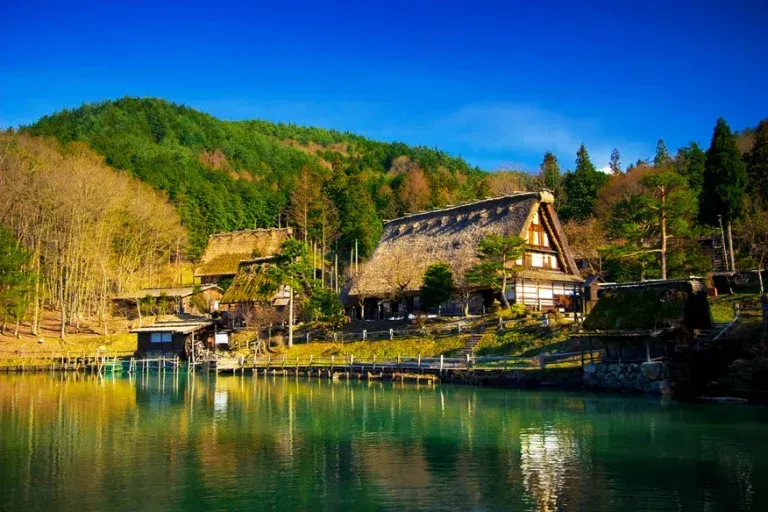
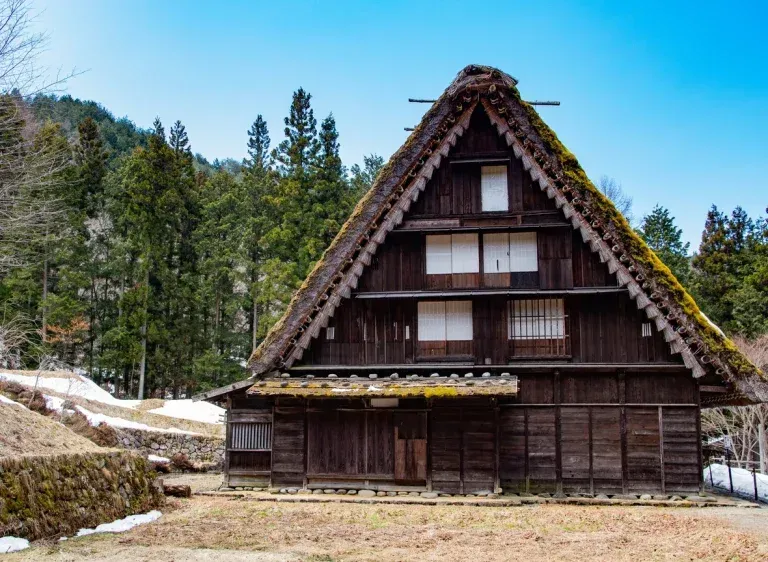
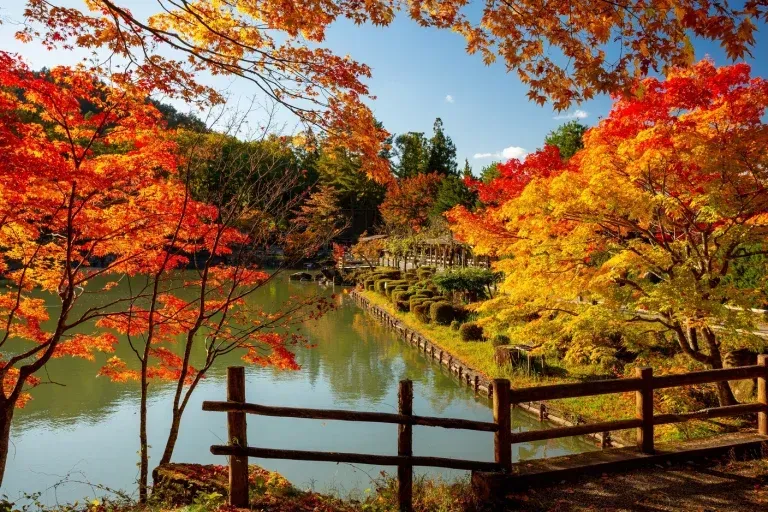
Hida Folk Village is known in Japanese as Hida no Sato. It is a reconstructed village that functions like an open-air museum, established in 1971 to preserve traditional houses and structures, along with the lifestyle of earlier generations, which might otherwise be lost to modernization and urban development. The village has gathered more than 30 traditional houses, some over a hundred years old, from across the Hida region. Most are built in the gassho-zukuri style, with steep thatched roofs designed to suit the climate, especially in winter — the sturdy structure supports the weight of snow, and the steep slope lets snow slide off easily. The village also offers activities visitors can join, such as weaving, pottery making, wood carving, miso making, and sake brewing.
- Getting there: Take the Sarubobo Bus from Takayama Nohi Bus Center to the Hida no Sato bus stop (about 9 minutes).

2. Hida Kokubunji Temple
PJjaruwan/shutterstock.com
Phurinee Chinakathum/shutterstock.com
PixHound/shutterstock.com
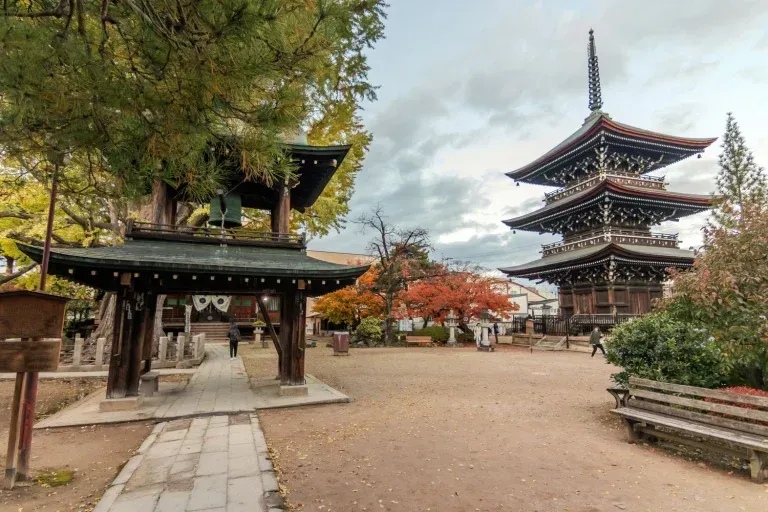
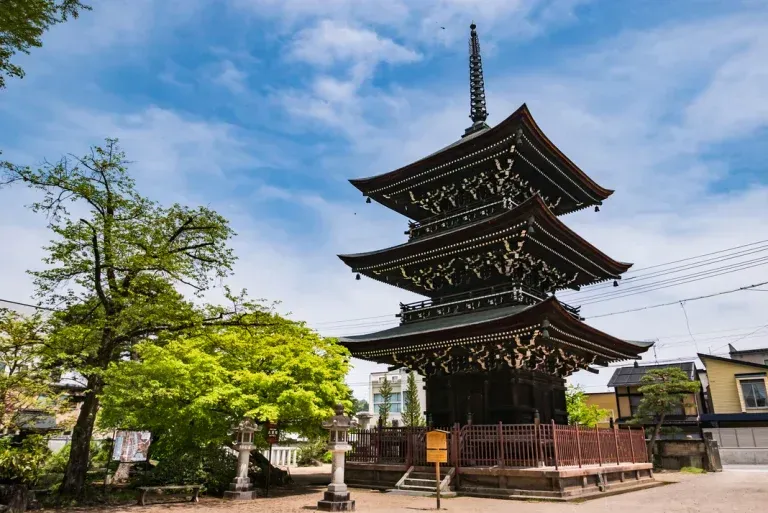
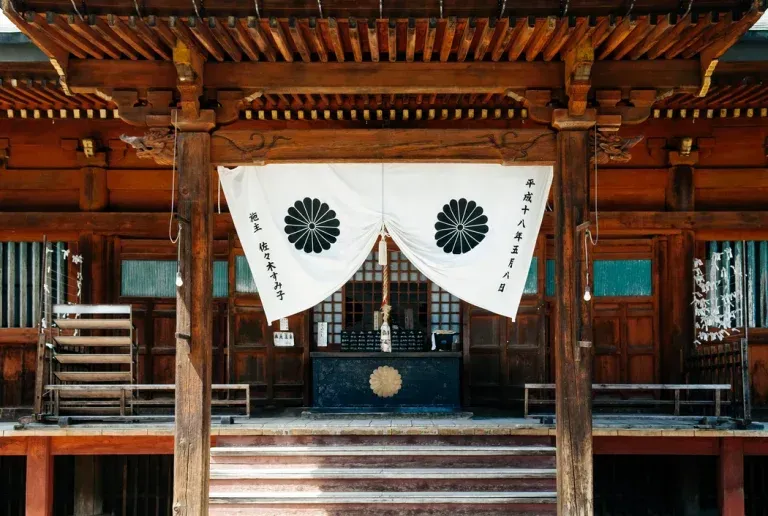
Hida Kokubunji Temple is an ancient Buddhist temple built in 746 by Emperor Shomu. It is one of the most important and famous historic sites in Takayama and the Hida region, serving not only as a religious center but also as a showcase of ancient Japanese architecture. One of its most striking structures is the three-story pagoda, rebuilt in 1821 during the Edo period (the nearby bell gate, not the pagoda, was relocated from Takayama Castle). The pagoda stands about 20 meters tall and is one of the oldest structures in the region. The temple's Main Hall is decorated with finely carved woodwork and beautiful Buddhist paintings. Another highlight for visitors is an ancient ginkgo tree, more than 1,200 years old, standing in the temple grounds — one of the oldest trees in Japan. In autumn, its leaves turn a brilliant golden yellow.
- Getting there: From JR Takayama Station, it is about a 5-minute walk to the temple.
3. Takayama Jinya
topimages/shutterstock.com
Tanwa Kankang/shutterstock.com
CHEN WS/shutterstock.com
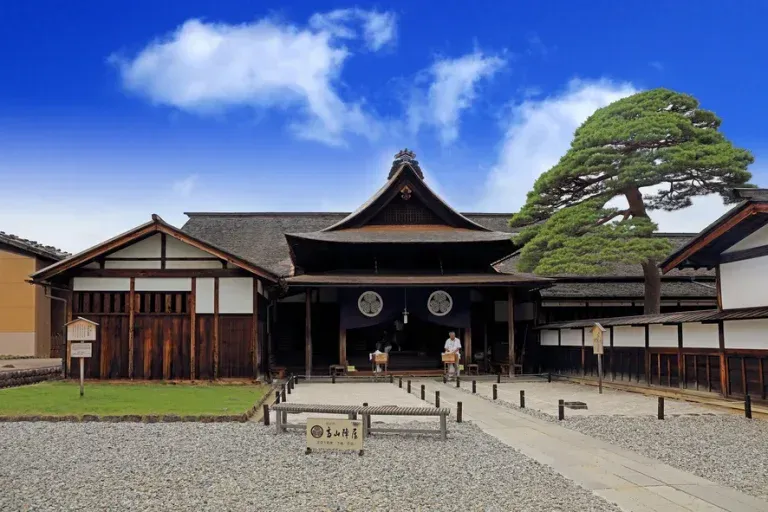
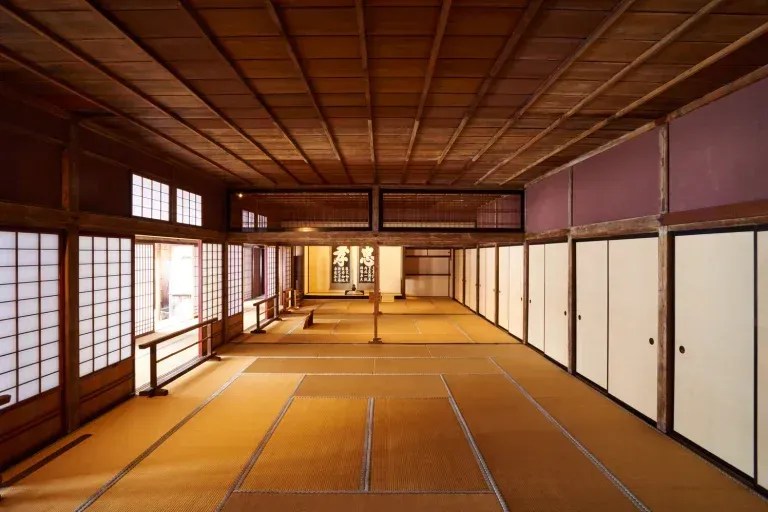
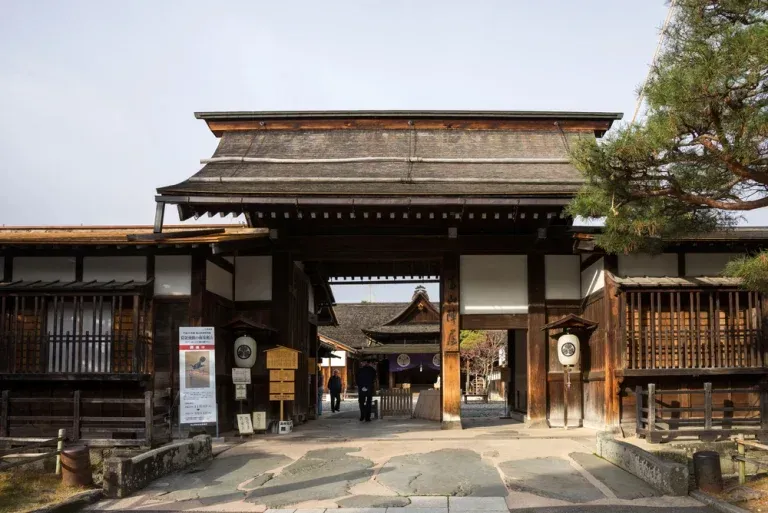
Takayama Jinya was built in 1692 as the administrative headquarters for high-ranking officials governing the Hida region. It served as the officials' residence as well as a government office and courthouse. The building's design and construction reflect traditional Japanese architecture. Today it is well preserved and open to the public, allowing visitors to learn about the region's history. Inside, various rooms display the lifestyle and work of officials from that era, along with Edo-period tools and artifacts such as farming equipment, medical instruments, and everyday household items. Takayama Jinya sits in a quiet, shaded area surrounded by a beautiful Japanese garden. It is the only surviving local government building of its kind in Japan.
- Getting there: About a 10-minute walk from Takayama Station.
4. Takayama Old Town
Se.eS/shutterstock.com
Noppasin Wongchum/shutterstock.com
PixHound/shutterstock.com
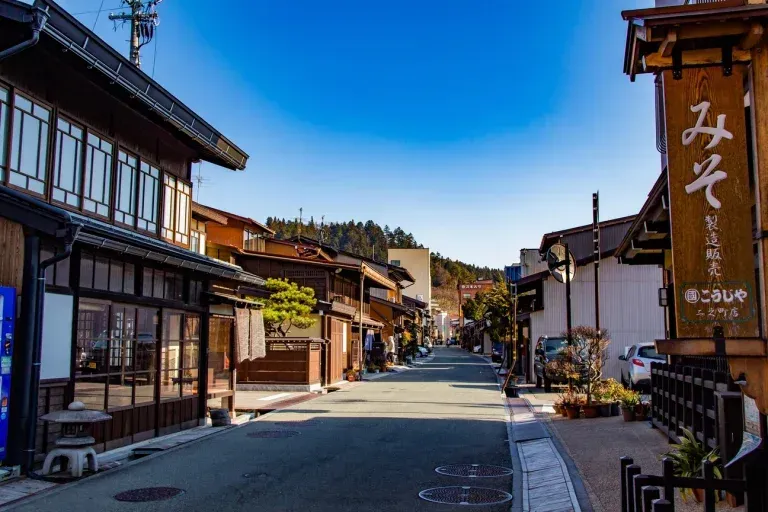
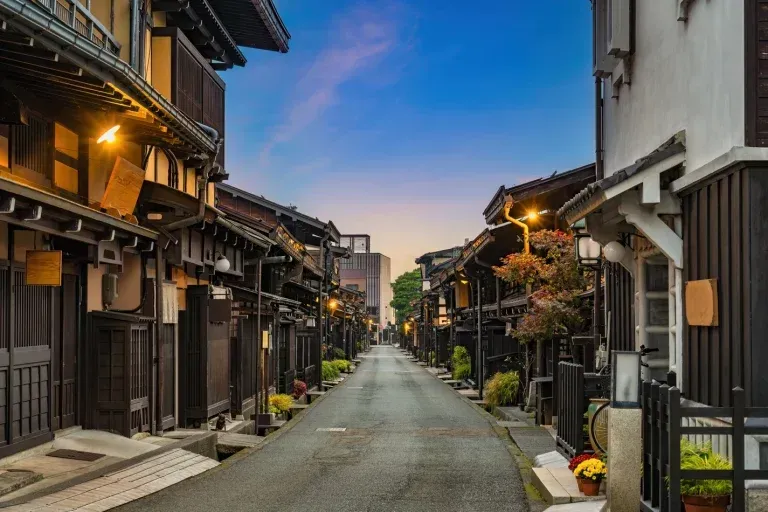
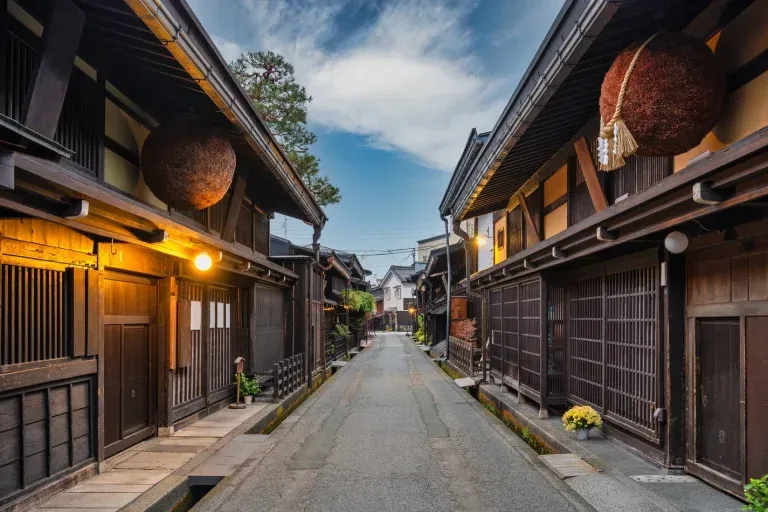
Takayama Old Town has a long history dating back to the Edo period, giving visitors a genuine taste of Japanese history and culture. In that era, it was an important center of trade and craft production, home to many merchants and artisans who built houses and shops with great care, following an organized city layout. The Sanmachi Suji district is the heart of the old town and remains beautifully preserved. Must-see spots include the Kawahara House, a well-preserved example of an Edo-period residence displaying everyday items and tools from that time, and the local sake breweries — Takayama is known for producing high-quality sake, and visitors can tour the breweries and sample the distinctive local sake.
- Getting there: Take the train to JR Takayama Station, then walk about 10 minutes.
5. Nakabashi Bridge
Becris/shutterstock.com
ThavornC/shutterstock.com
SHEE HENG CHONG/shutterstock.com
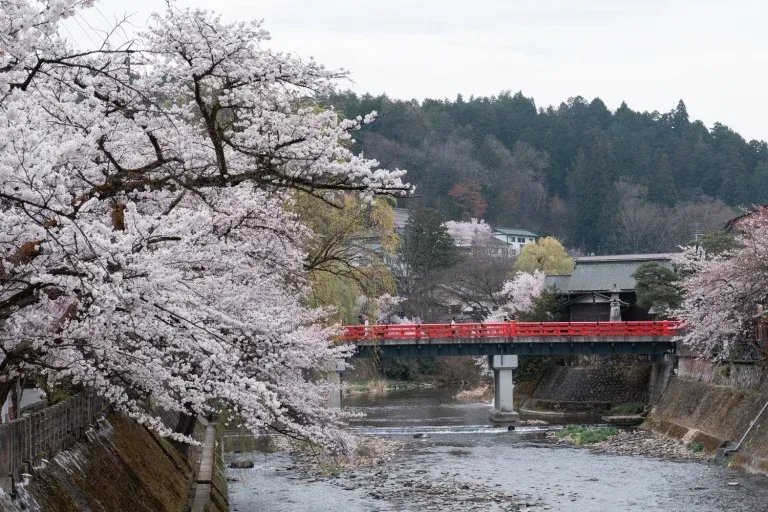
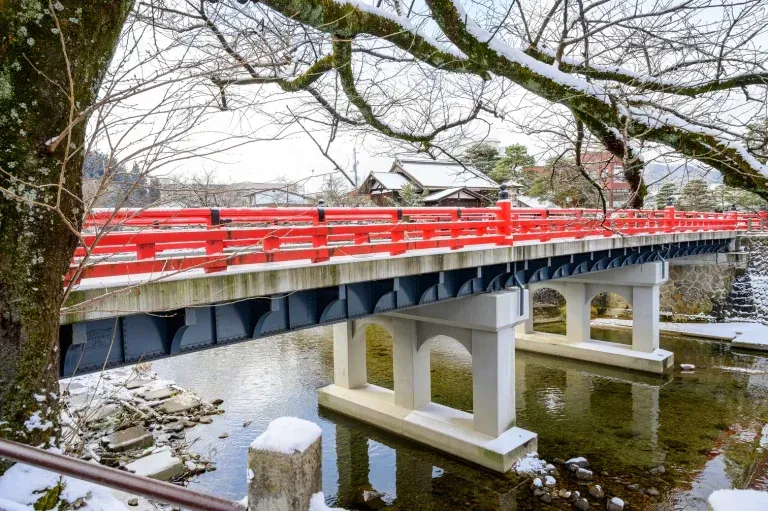
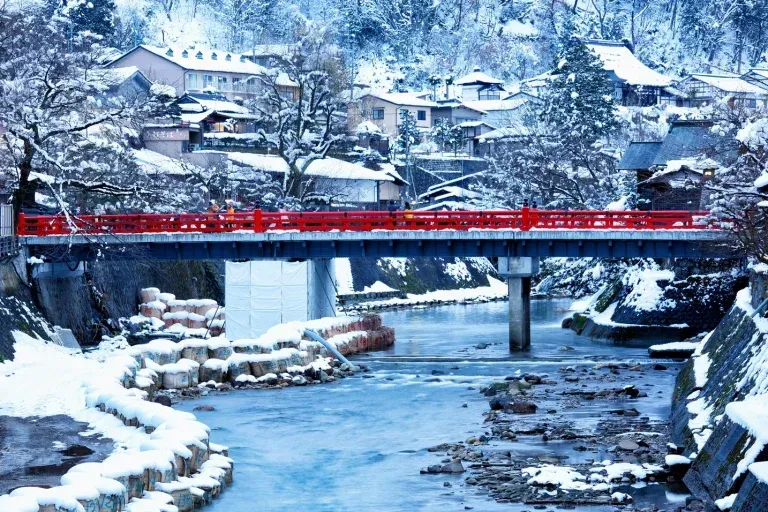
Nakabashi Bridge is a bright red bridge spanning the Miyagawa River, surrounded by beautiful scenery of water and mountains. In spring, cherry blossoms bloom along the riverbanks, and in autumn, the area turns vivid and lively with colorful foliage. The bridge is more than just a crossing — it is also an important cultural and historical symbol of Japan. Built of wood, it stretches about 20 meters, with simple, elegantly designed railings on both sides in traditional Japanese style. At night, the bridge is illuminated, making it even more striking and beautiful. It also serves as a main route connecting the city's key attractions.
- Getting there: About a 10-15 minute walk from Takayama Station, or take a bus or taxi from the station.
6. Sakurayama Hachimangu Shrine
Mai.Chayakorn/shutterstock.com
beibaoke/shutterstock.com
Suthikait Teerawattanaphan/shutterstock.com
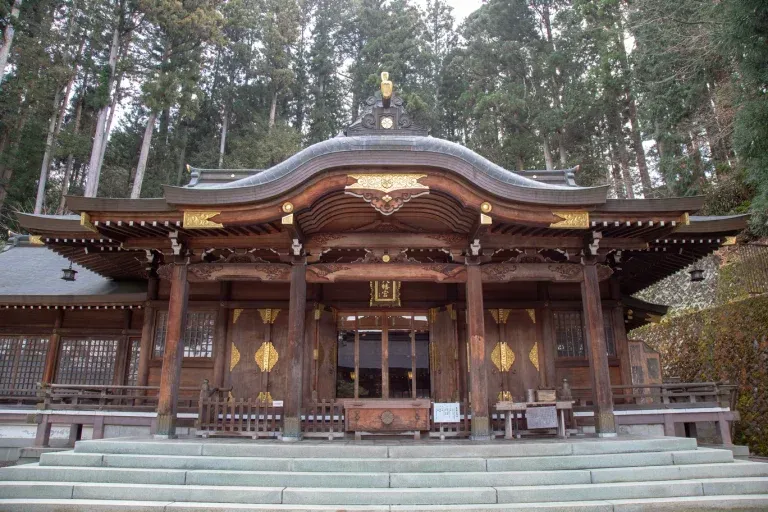
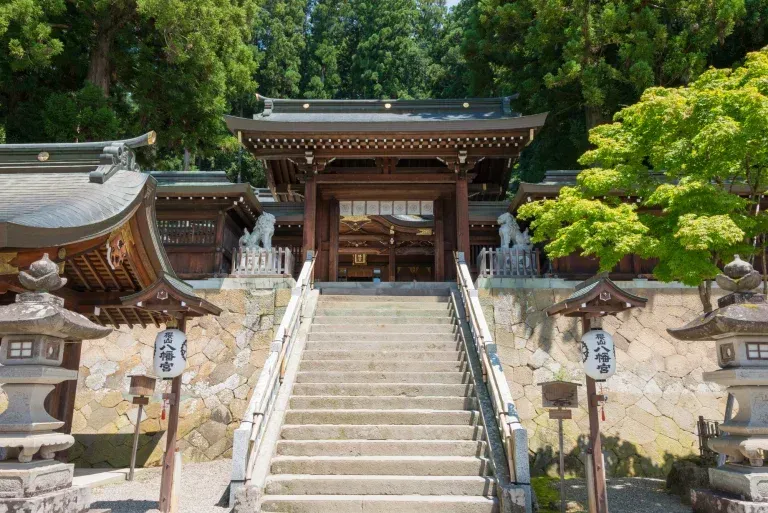
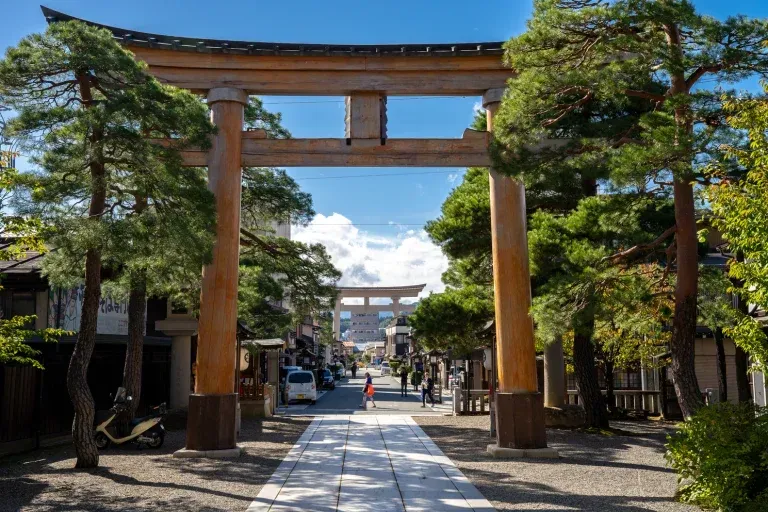
Sakurayama Hachimangu Shrine is the largest shrine in Takayama, with great historical and cultural significance. It was built on Sakurayama Hill during the reign of Emperor Nintoku, around the fourth century. The front entrance features a bright red torii gate, and the main hall is built entirely of fragrant hinoki wood in a traditional style, its beauty unchanged over time. The grounds are quiet and shaded. The shrine holds great importance for the local community, having hosted rituals and festivals for hundreds of years. It is not only a religious center but also the starting point of the famous Takayama Festival, which draws visitors from around the world every year and is considered one of Japan's three most beautiful festivals.
- Getting there: From Takayama Station, take a bus from Takayama Nohi Bus Center to the Kusakabe Mingeikan-guchi stop, then walk about 300 meters.
7. Okuhida Hot Springs
ANUCHA PONGPATIMETH/shutterstock.com
gypsy.aiko/shutterstock.com
sumito/shutterstock.com
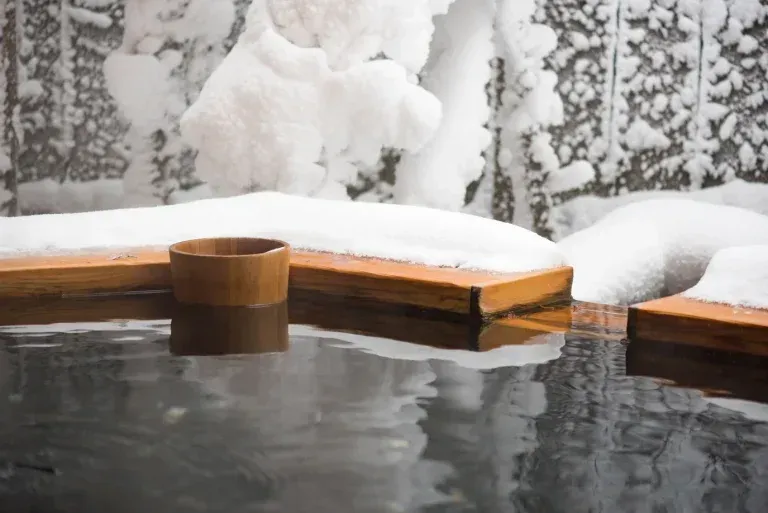
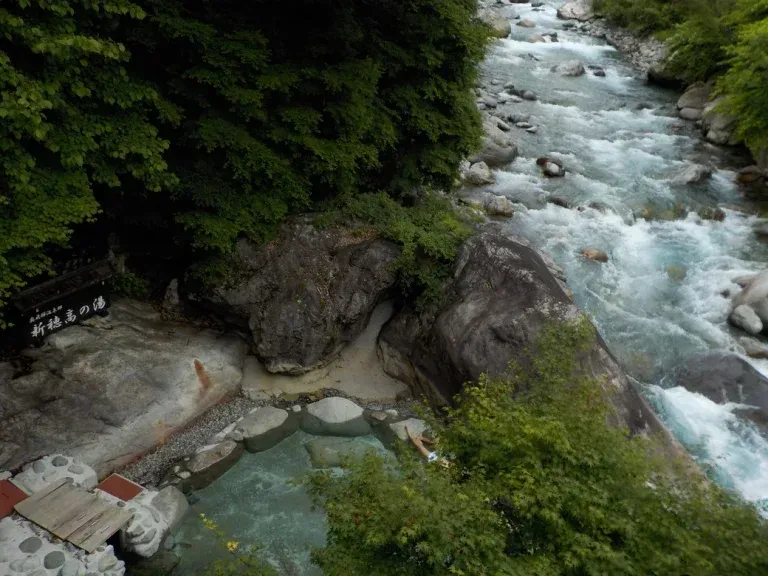
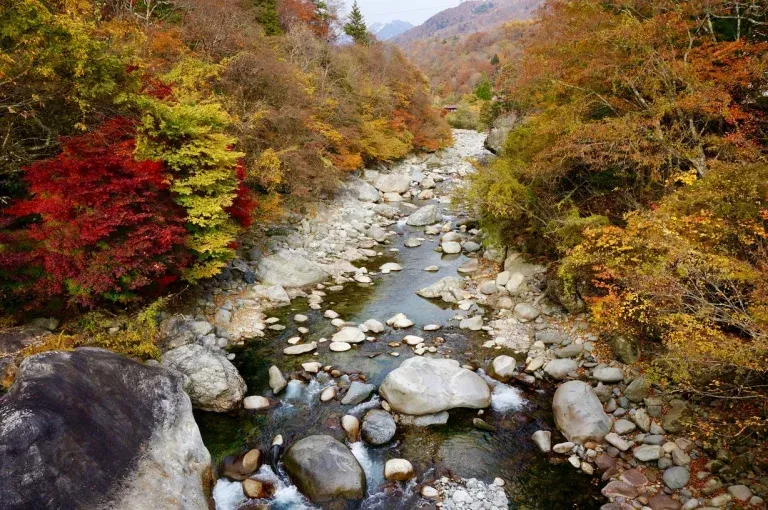
Okuhida is a well-known hot spring area popular with both domestic and international visitors, combining beautiful mountain scenery with a wide variety of baths for a relaxing soak. The area consists of five onsen: Hirayu, Fukuji, Shinhotaka, Tochio, and Shinhirayu. Each is set amid scenic natural surroundings and has different therapeutic properties. Besides bathing, Okuhida offers other activities such as hiking, flower and autumn leaf viewing, and visiting local villages.
- Getting there: From JR Takayama Station, take the Nohi Bus to Hirayu Onsen (about 1 hour).
8. Miyagawa Morning Market
NavinTar/shutterstock.com
Glen Berlin/shutterstock.com
dreamstory/shutterstock.com
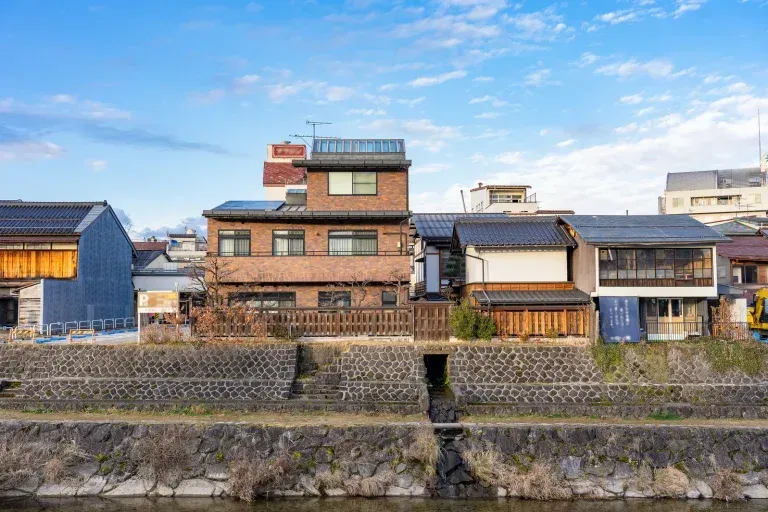
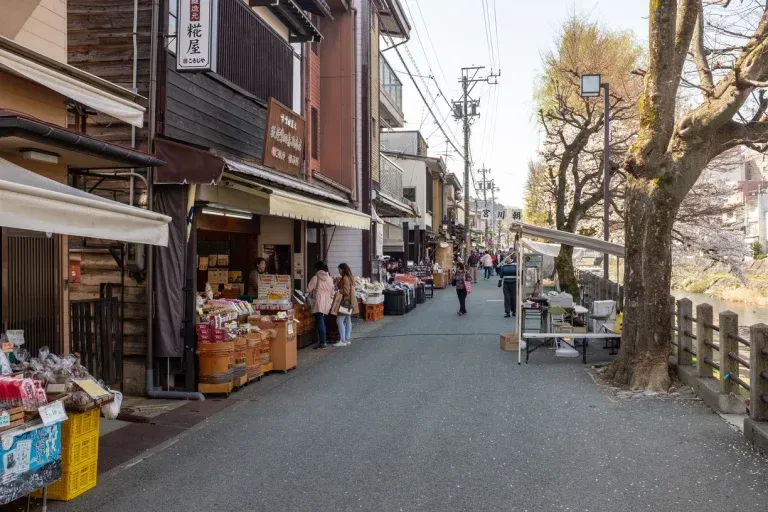
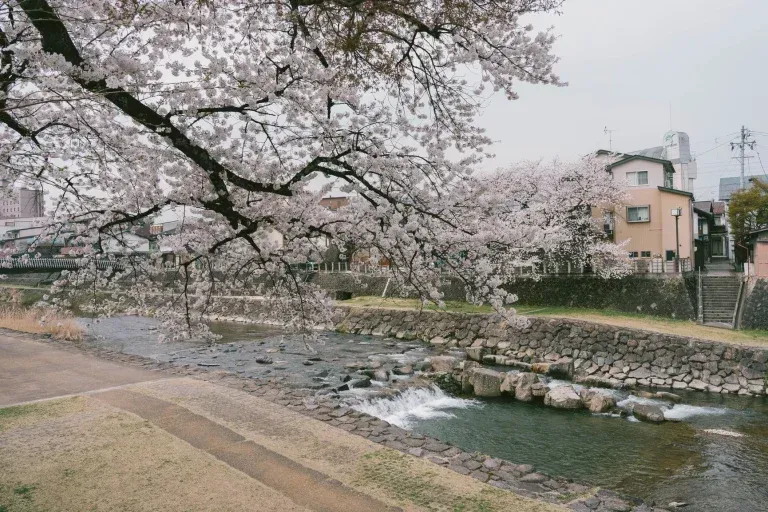
Miyagawa Morning Market dates back to the Edo period, making it hundreds of years old, and is one of the most famous and popular morning markets among visitors. Located along the Miyagawa River, it offers a wide variety of local products, including fresh food, local vegetables and fruits, handmade crafts, and souvenirs. There is plenty of delicious local food to try, including teppanyaki, sushi, Hida beef, and freshly made rice crackers. The market is more than just a shopping spot — it lets visitors experience local life and culture up close. Steps near the market lead down to the Miyagawa River, where kamo (a type of duck) can be seen, adding to the shaded, scenic atmosphere.
- Getting there: About a 10-minute walk from Takayama Station.
9. Shiroyama Park
Various images/shutterstock.com
Kitinut Jinapuck/shutterstock.com
iamlukyeee/shutterstock.com
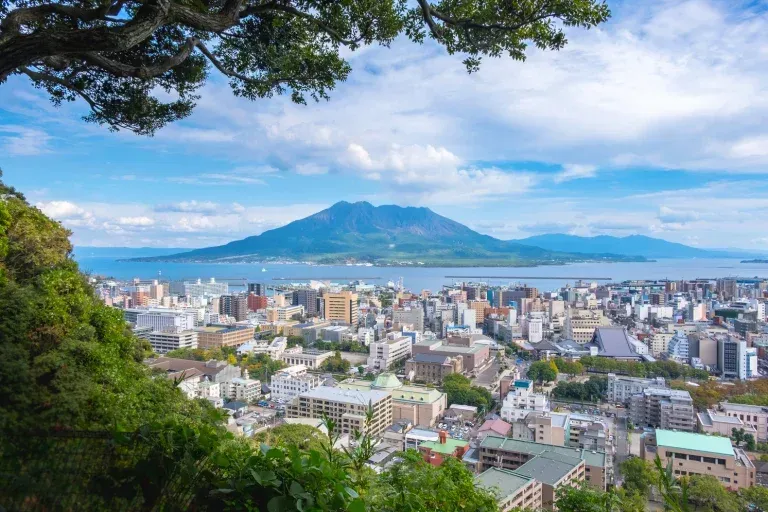
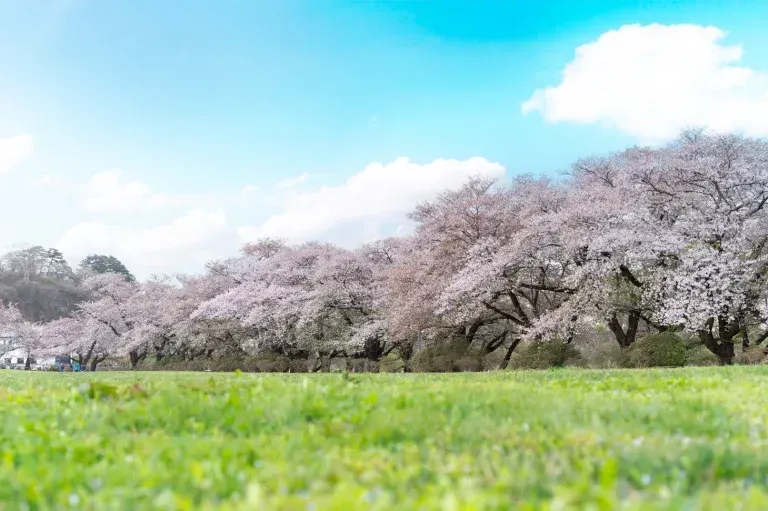
Shiroyama Park is a public park with both natural beauty and historical significance, as it was once the site of Takayama Castle, built during the samurai era as the region's administrative center. Today, only the castle's foundation remains for visitors to view and photograph. The park is spacious and shaded, with each season bringing its own natural beauty — cherry blossoms fill the park in spring, while in autumn the leaves turn vivid red, yellow, and orange. Atop the hill in the park is a viewpoint offering clear views of Takayama and the Japanese Alps, a popular spot for watching the sunrise and sunset.
- Getting there: From Takayama Station, walk or take a local bus to the park.
10. Yoshijima Heritage House
YingHui Liu/shutterstock.com
Lee Jung Tak/shutterstock.com
365 Focus Photography/shutterstock.com
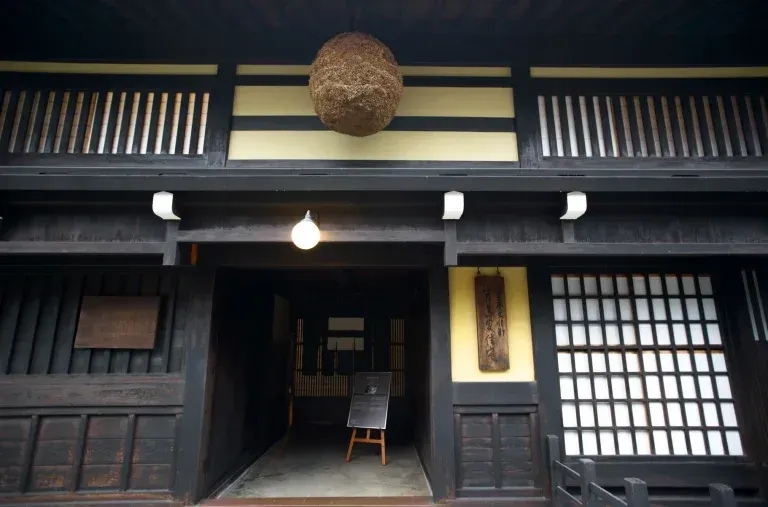
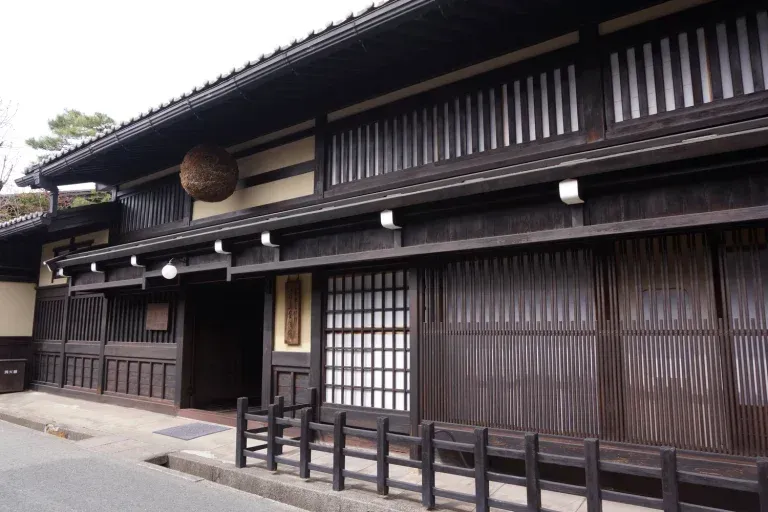
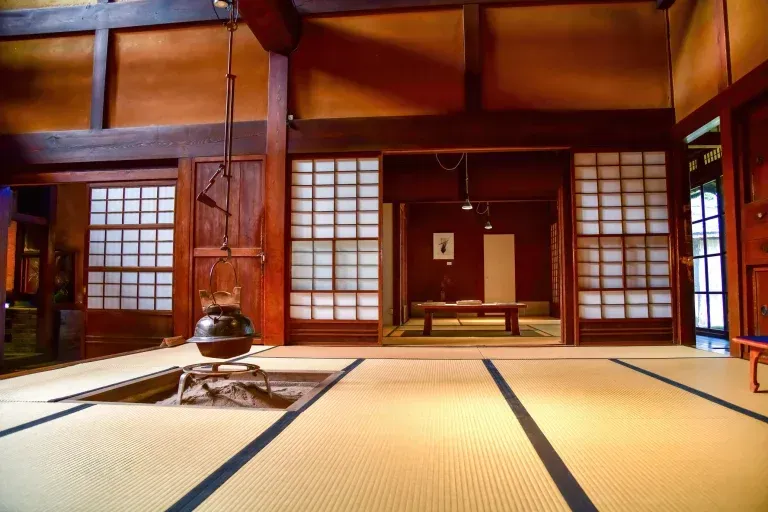
Yoshijima Heritage House was built in 1907 by the Yoshijima family, well-known entrepreneurs in the sake and timber trades. The house was designed to serve both as a residence and a sake trading business, built in the traditional Japanese "machiya" style. Yoshijima Heritage House is an important cultural heritage site for both Takayama and Japan, open to the public for anyone who wants to learn about traditional Japanese life and culture. A visit here offers a close look at Japan's traditional history and architecture. The house can be visited year-round, with exhibits on the history of the house and the Yoshijima family, as well as displays of tools and equipment used in sake production. Other activities include sake tasting and tea ceremony experiences.
- Getting there: About a 10-15 minute walk from Takayama Station.
- Address: 1 Chome-51 Oshinmachi, Takayama, Gifu 506-0851, Japan
- Hours: Open 9:00 AM - 5:00 PM. Closed on Tuesdays from December to February.
- Admission: Adults ¥500, elementary/junior high school students ¥300; groups of 30 or more: adults ¥450, elementary students ¥250
- Website: https://www.kankou-gifu.jp/spot/detail_1209.html
- Coordinates: https://maps.app.goo.gl/cEyk4bL3294XZBzp9
Sample Takayama Itinerary
Takayama's main attractions are clustered near Takayama Station, most of them in the old town area, within about a 10-minute walk of the station — including Hida Kokubunji Temple, Takayama Jinya, Nakabashi Bridge, and Miyagawa Morning Market. If you only want to see the highlights, a day trip from a nearby city such as Nagoya or Kanazawa works well. Just pick up a map on arrival and walk through the old town. For a more complete experience, staying overnight for 1-2 nights is recommended.
Takayama is also often used as a base for visiting other nearby highlights, such as Kamikochi, the Shin-Hotaka Ropeway, and Okuhida Hot Springs.
What to Eat in Takayama
Hida Beef
Hida beef is a highlight of Takayama's food scene. This melt-in-your-mouth wagyu can be enjoyed in many forms, available throughout the city, such as:
- Hida Beef Sushi: Fresh Hida beef served atop rice, often found at sushi bars, with some restaurants specializing in it.
- Grilled Hida Beef: Cooked to perfection on a teppanyaki grill, served with sauce or simply seasoned with salt.
- Hida Beef Sukiyaki: Thinly sliced beef simmered with vegetables in a rich broth.
Other Local Dishes in Takayama
Besides Hida beef, Takayama has several other local dishes:
- Hoba Miso: A well-known dish where ingredients, such as Hida beef, are grilled on a magnolia leaf and topped with miso.
- Takayama Ramen: A local ramen with thin noodles coated in a rich broth, topped with chashu pork, bamboo shoots, and green onions.
Traditional Tea Houses and Sake Breweries
- Sake Breweries: Takayama is home to several long-established sake breweries, many offering tastings and tours. The local sake, made with pure mountain water, is renowned for its quality and flavor.
- Traditional Tea Houses: Experience a traditional Japanese tea ceremony, taking a break from sightseeing with a cup of tea and traditional Japanese sweets at one of Takayama's charming tea houses, commonly found throughout the old town.
Where to Stay in Takayama
Accommodation in Takayama is mainly concentrated in two areas: near Takayama Station and around the old town. If you prefer convenience, there are plenty of options near the station. For a traditional Japanese ryokan experience, there are several choices around the old town.

Getting Around Takayama
Walking
Central Takayama is compact, making it easy to explore on foot. Most main attractions, such as the old town and various temples, are within walking distance.
Cycling
Several bicycle rental shops operate in Takayama, and the city has dedicated cycling routes, making it safe and convenient to get around by bike.
Local Buses
The Sarubobo Bus covers the main areas and attractions, with several routes, such as the Machinami Line for the historic district. A day pass is an economical option for visitors.
Taxis
Taxis are widely available in Takayama and can be hailed on the street or found at taxi stands near key locations such as the train station and major hotels. While convenient, they are more expensive than other transport options.
Seasons in Takayama
Takayama is a great destination year-round, with each season offering its own unique charm and activities.
Spring (March to May)
Spring in Takayama brings blooming cherry blossoms and pleasantly cool weather:
- Temperature: Average highs rise from 12°C in March to 21°C in May.
- Spring Takayama Festival (Sanno Matsuri): Held in April, this festival features elaborately decorated floats, traditional music, and lively parades, and is considered one of Japan's most beautiful festivals.
- Cherry Blossoms: The city and surrounding areas are filled with blooming cherry blossoms, creating beautiful scenery for hanami (flower viewing).
Summer (June to August)
Summer brings warm weather and lush greenery:
- Temperature: Average highs rise from 25°C in June to 29°C in August.
- Outdoor Activities: The Hida Mountains offer beautiful hiking trails with lush green scenery.
- Local Festivals: Smaller festivals and events celebrate local culture and traditions, offering a chance to experience community life in Takayama.
Autumn (September to November)
Autumn is a beautiful time to visit Takayama, with cool weather and vibrant autumn foliage:
- Temperature: Average highs drop from 26°C in September to 13°C in November.
- Autumn Takayama Festival (Hachiman Matsuri): Held in October, this festival features beautifully decorated floats and nighttime parades lit by lanterns.
- Autumn Leaves: The mountains and city parks are covered in red, orange, and yellow leaves, creating stunning scenery.
Winter (December to February)
Winter transforms Takayama into a snowy wonderland:
- Temperature: Average highs are 5°C in December, dropping to 2°C in January and February, with lows sometimes reaching -5°C or lower.
- Snow Activities: Ski resorts near the Hida Mountains offer skiing, snowboarding, and other winter sports.
- Winter Scenery: Snow-covered streets and traditional buildings create a magical, picturesque atmosphere, especially in the old town.
- Onsen (Hot Springs): One of the must-do experiences in Takayama — soaking in an onsen in the cold winter air, with mineral-rich water that leaves skin feeling soft and smooth.
How to Get to Takayama
Takayama is accessible from major cities across Japan, especially nearby ones. Here's how to get there from key cities:
From Tokyo
From Tokyo, you can reach Takayama by shinkansen (bullet train):
- Take the Tokaido Shinkansen from Tokyo Station to Nagoya Station (about 1 hour 40 minutes).
- From Nagoya Station, transfer to the JR Wide View Hida Limited Express to Takayama Station (about 2 hours 20 minutes).
- Total travel time is about 4 hours.
From Nagoya
Nagoya is the closest major city to Takayama, making travel very convenient via the JR Wide View Hida Limited Express:
- Take the train directly from JR Nagoya Station to Takayama Station (about 2 hours 20 minutes).
- This train offers beautiful scenery along the way, making the journey a memorable experience.
From Kyoto and Osaka
From Kyoto and Osaka, you can reach Takayama using the shinkansen and limited express trains:
- From Kyoto:
- Take the Tokaido Shinkansen from Kyoto Station to Nagoya Station (about 35 minutes).
- From Nagoya Station, transfer to the JR Wide View Hida Limited Express to Takayama Station (about 2 hours 20 minutes).
- Total travel time is about 3 hours.
- From Osaka:
- Take the Tokaido Shinkansen from Shin-Osaka Station to Nagoya Station (about 50 minutes).
- From Nagoya Station, transfer to the JR Wide View Hida Limited Express to Takayama Station (about 2 hours 20 minutes).
- Total travel time is about 3 hours 30 minutes.
From Kanazawa
Traveling from Kanazawa is convenient and scenic via the JR Limited Express:
- Take the train from JR Kanazawa Station to Takayama Station via Toyama Station (about 2 hours).
- This route offers beautiful mountain and natural scenery.
Fascinating Facts About Takayama
- Takayama Jinya: Takayama Jinya is the only surviving Edo-period government office building in Japan. It served as a local government office for more than 300 years and is now a history museum.
- Hida Folk Village: This open-air museum features traditional farmhouses from the Hida region, some over 500 years old, including gassho-zukuri houses recognized as important cultural properties of Japan.
- Sanno and Hachiman Festivals: Held in spring and autumn respectively, these are among Japan's three most beautiful festivals, featuring elaborate floats considered national treasures.
- Miyagawa Morning Market: One of Japan's three largest morning markets, Miyagawa Morning Market has existed for over 300 years, selling local products, crafts, and street food.
- Hida Beef: Takayama is famous for Hida beef, one of Japan's top three wagyu brands, known for its rich marbling and melt-in-your-mouth texture.