


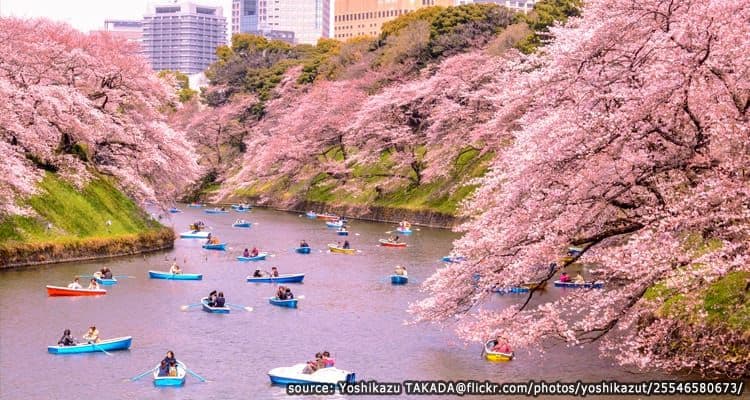


Tokyo, the capital of Japan, is one of the most visited cities in the country. It has a wide range of interesting attractions, including temples, shrines, Japanese-style gardens, palaces, amusement parks, shops, restaurants, local markets, modern shopping districts, and flower gardens, each with its own beauty that changes with the seasons. There are also various festivals that add extra interest throughout the year, making Tokyo a city worth visiting no matter the season, and one you can return to again and again.
Let's take a look at what makes each season in Tokyo interesting.
Spring, between March and May
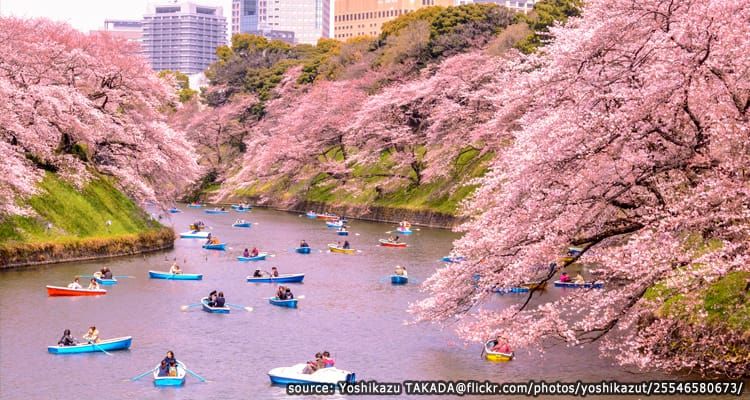
In Japan, spring is a season of new beginnings, from graduations to the beautiful blooming of various flowers, especially cherry blossoms. Tokyoites enjoy "hanami," the custom of cherry blossom viewing, at parks such as Ueno Park. Besides cherry blossoms, Tokyoites also enjoy watching many other flowers bloom around the city, such as rapeseed flowers in March, azaleas in April, wisteria from late April to early May, and roses in May.
See 14 famous cherry blossom viewing spots in Tokyo
Summer, between June and August
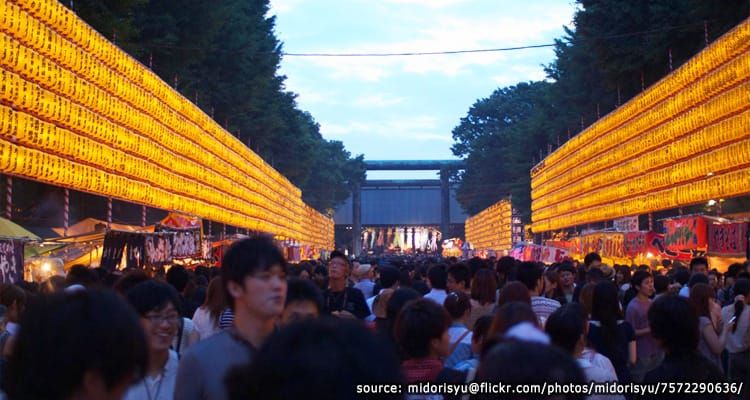
During the Japanese summer, more than 20 fireworks festivals are held on weekends from July to August. Japanese fireworks (hanabi) are a delicate art form and are considered among the most beautiful in the world. At these festivals you can also enjoy delicious food from food stalls. Another important summer festival is the Bon Odori dance festival, where people dance to traditional music. From July to late September, more than 200 Bon Odori festivals are held in Tokyo, and everyone is welcome to join the dancing.
There is also the Tanabata festival, held once a year at temples and shrines throughout Japan. People write their wishes on strips of paper and hang them on bamboo branches after praying. It's a great opportunity to experience a traditional custom.
Autumn, between September and November
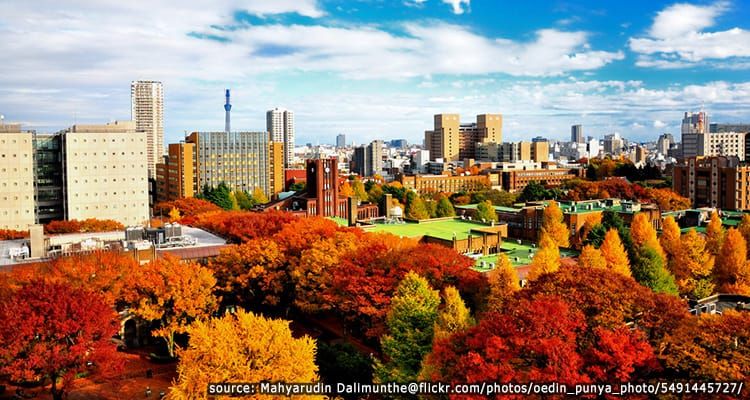
Autumn is known among the Japanese as the season of good appetite, and it's the best season for getting out to explore different places and enjoy outdoor activities. Visitors can enjoy the beautiful autumn leaves and sample all kinds of delicious food.
Autumn is harvest season, and people love to gather with friends and enjoy a wide variety of food while watching the leaves change from green to yellow, orange, and red. Today, various regions hold events such as food festivals and Japanese tea ceremonies set against the backdrop of the changing leaves, drawing large numbers of tourists to Japan during this period, to the point that it could be called Japan's high season. Besides the well-maintained parks and gardens, there are also many small parks and other public spaces where you can enjoy the beautiful red and yellow autumn leaves. Some flowers also bloom beautifully during this season, such as chrysanthemums and asters.
The religious festival held during this season is Tori-no-Ichi, an annual tradition held in November at shrines and temples throughout Tokyo, to give thanks for protection over the past year and to pray for happiness and good luck in the year ahead. People commonly buy kumade (bamboo rakes), a lucky charm believed to bring prosperity in business.
10 best spots to see autumn leaves in Tokyo
Winter, between December and February
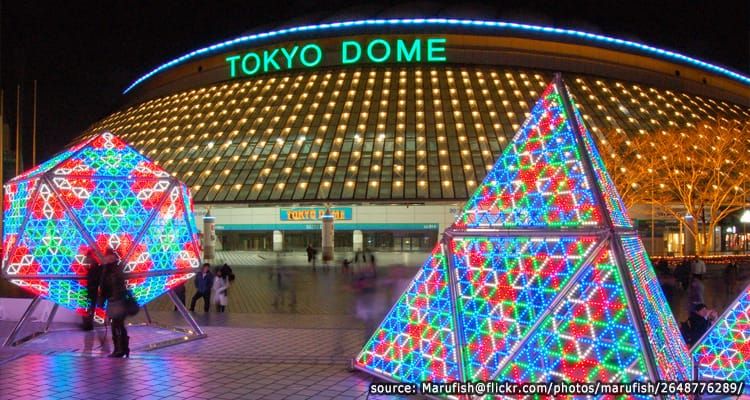
Winter is when Tokyo is filled with illuminations, especially in shopping districts like Shinjuku, Shibuya, Omotesando, and Roppongi, making the city feel most alive during this period, especially as Christmas and the New Year approach, when the whole city lights up even more.
The major religious festival during this season is Hatsumode, similar to Tori-no-Ichi in autumn: visiting temples and shrines on New Year's Day to give thanks for protection over the past year and pray for safety and happiness in the new year. Every shrine and temple is packed with people coming to pray, draw omikuji fortunes, and buy lucky charms.
Another event for shoppers is the huge New Year sale known as Hatsuuri. Department stores and shops offer major discounts to attract buyers, and you'll find "lucky bags," known in Japanese as "fukubukuro," bags filled with a variety of items sold for less than the value of what's inside.
Before we finish, a bonus note on Tokyo's weather. Tokyo has a humid subtropical climate with four distinct seasons. After a hot, humid summer comes a cool, comfortable autumn, followed by a cold winter with relatively little snow. Spring and autumn are the mildest and most comfortable seasons, while heavy rain is mostly limited to June and July, about 2 months, with little to no rain the rest of the year.
Tokyo's average temperatures by month are as follows
January: average temperature 5.4°C
February: average temperature 6.1°C
March: average temperature 9.4°C
April: average temperature 14.3°C
May: average temperature 18.8°C
June: average temperature 21.9°C
July: average temperature 25.7°C
August: average temperature 26.9°C
September: average temperature 23.3°C
October: average temperature 18.0°C
November: average temperature 12.5°C
December: average temperature 7.7°C
Information courtesy of the Tokyo tourism website gotokyo.org