


Osaka is truly a vibrant city, full of color. It offers every kind of attraction — temples, sacred and beautiful shrines, world-famous large-scale amusement parks, traditional Japanese architecture, and shopping districts as huge as Tokyo's. The food is excellent too, with countless delicious local dishes to try. All this makes Osaka a perennial favorite destination for travelers to Japan. Best of all, costs — food and accommodation — are noticeably lower than in Tokyo. Osaka is a city full of charm: perfect for a first visit, and never boring no matter how many times you return. Read on to see the best places to visit in Osaka.
This article answers key questions for anyone planning their own trip to Osaka. Besides the city's main attractions, we'll cover what to see in Osaka, which districts are worth visiting, where to stay, what food and restaurants to try, where to shop, how to get around, how many days you need, how to plan your trip, and how each season in Osaka differs — all in one place. You'll also find links to more detailed articles on each topic at the end, or you can search Google for TalonJapan plus the topic you want to know more about.
[ez-toc]
What Districts Are There to Visit in Osaka?
Osaka is a large city, rivaling Tokyo in size, so it helps to group attractions by area for each day or half-day to avoid backtracking. We've divided Osaka into five areas as follows:
Namba: A lively, vibrant district with shopping areas, markets, pedestrian streets, shops, restaurants, and plenty of entertainment, making it popular with both tourists and locals. Main train stations: Namba Station, Shinsaibashi Station, Nipponbashi Station. Highlights include Dotonbori, Shinsaibashi, and Namba, known for neon signs, restaurants, and shopping streets; Kuromon Ichiba Market; and Namba Yasaka Shrine.
Umeda: Another bustling business, office, and commercial district in Osaka, with high-rise buildings, department stores, and plenty of entertainment. Main train stations: Osaka Station or Umeda Station. Highlights include the Umeda Sky Building, a skyscraper with a floating observation deck.
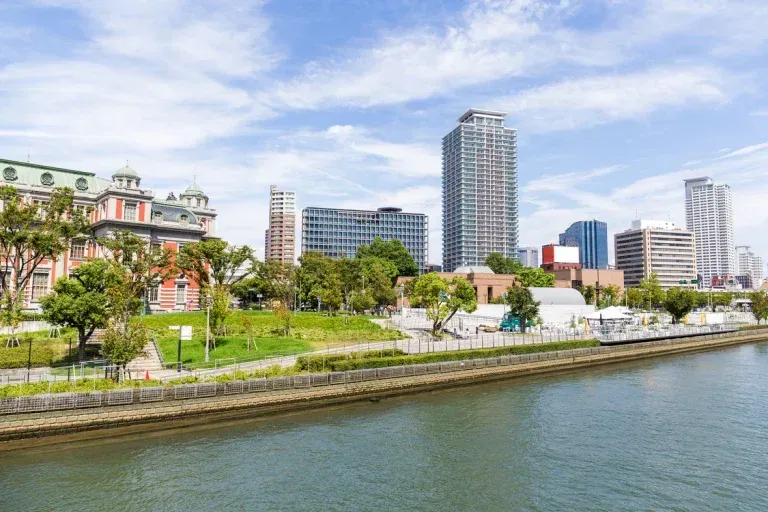
Nakanoshima: A small island in central Osaka, between the Dojima and Tosabori rivers. This area has beautiful parks, museums, and architecture blending modern and traditional styles. Main train station: Nakanoshima Station. Highlights include Nakanoshima Park, with seasonal flowers and river views; the newly opened Nakanoshima Museum of Art; and the National Museum of Art, Osaka.
Nagai: Home to a large park with a botanical garden, a stadium, and digital art installations. It's a peaceful area with plenty of green space and cultural attractions. Main train station: Nagai Station. Highlights include Nagai Botanical Garden and teamLab Botanical Garden.
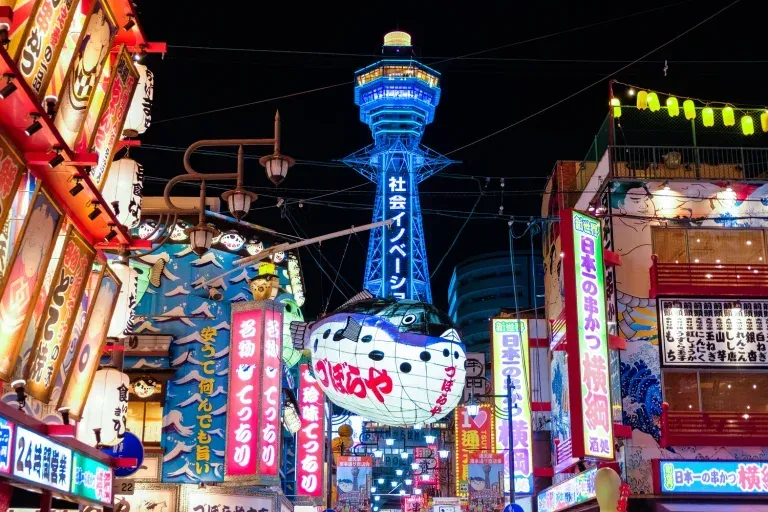
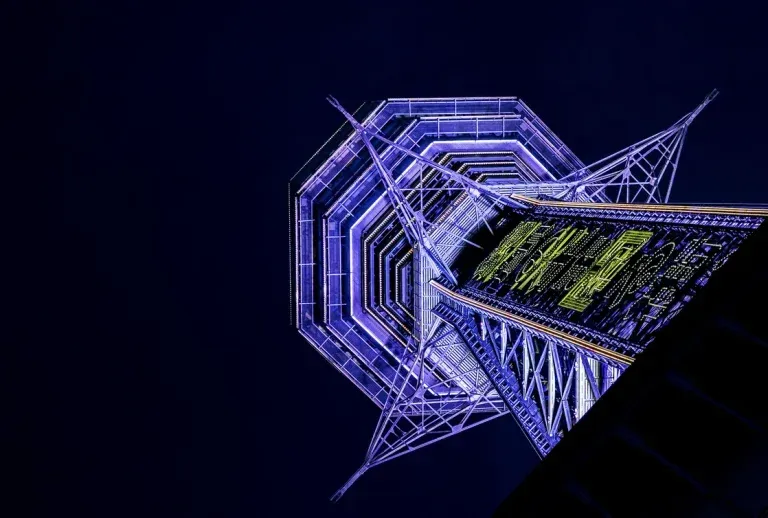
Tennoji: A blend of tradition and modernity, with historic sites, shopping areas, and one of Japan's tallest buildings. Main train station: Tennoji Station. Highlights include Abeno Harukas observation deck, Tsutenkaku Tower in the Shinsekai district, and Shitennoji Temple.
Osaka Castle Area: A historic district home to the famous Osaka Castle, surrounded by beautiful gardens and other cultural attractions. Main train station: Osakajokoen Station. Highlights include Osaka Castle.
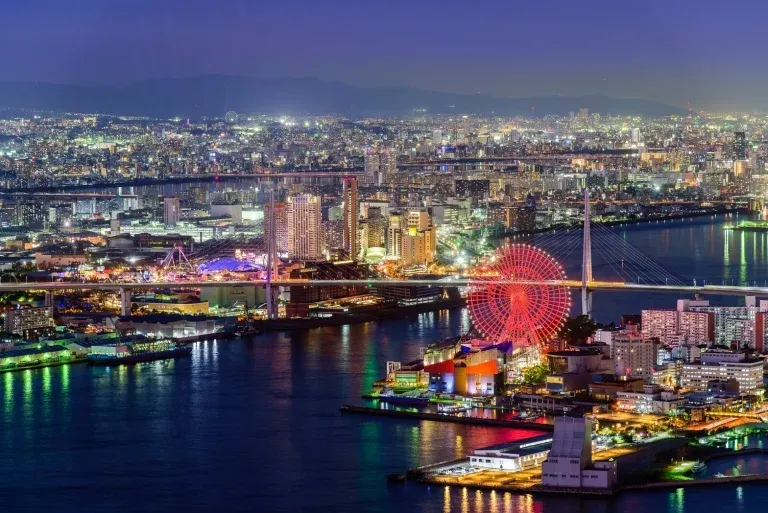
Osaka Bay: This area focuses on activity-based attractions, including amusement parks and scenic bay views. Main train stations: Universal City Station and Osakako Station. Highlights include Universal Studios Japan, one of Japan's most popular amusement parks, and Osaka Aquarium Kaiyukan, one of the largest aquariums in the world.
The areas surrounding Osaka, about 20-60 minutes from the city center, are mostly natural attractions that are at their best in certain seasons — autumn leaves at Expo '70 Commemorative Park, for example, or the waterfall at Minoo Park.
Now that you know Osaka's districts, let's look at the newest attractions in Osaka.
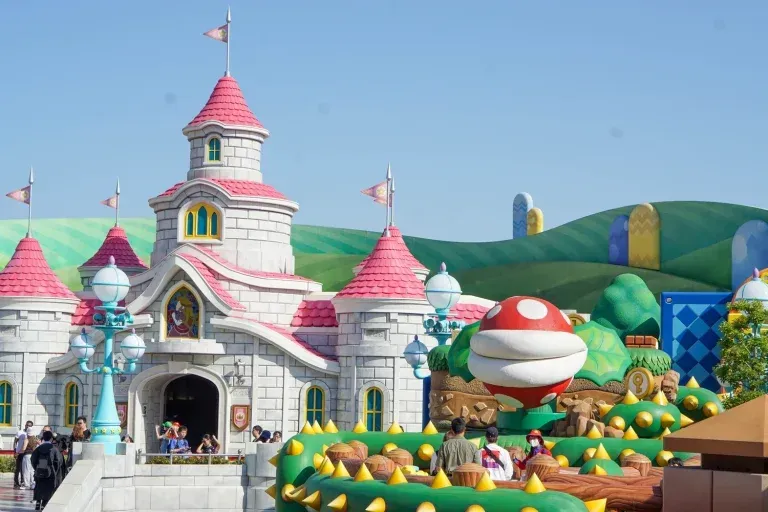
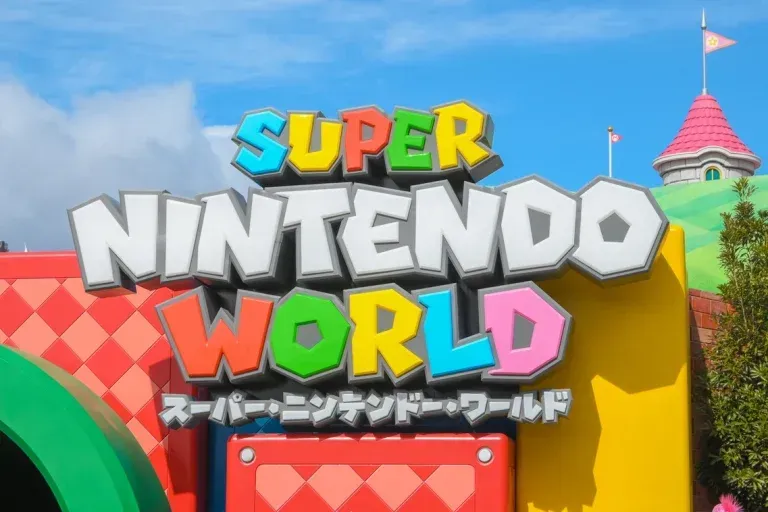
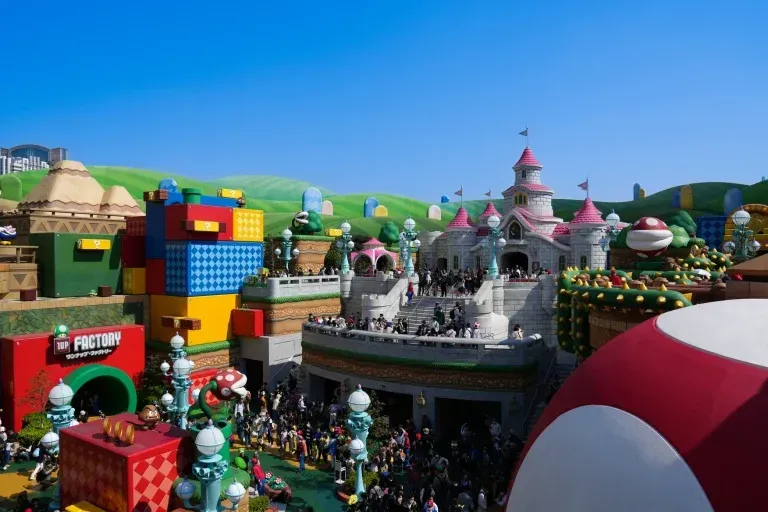
1. Super Nintendo World, the New Zone at Universal Studios Japan
ibubie/shutterstock.com
kanta-maam/shutterstock.com
mergeidea/shutterstock.com
Super Nintendo World is the newest attraction zone at Universal Studios Japan in Osaka, officially opened on March 18, 2021. This brand-new land is a dream come true for Nintendo fans, with restaurants, snack stands, character greetings, shops, and plenty of interactive elements. It's suitable for all ages, whether you're visiting with family, a partner, or a group of friends.
Universal Studios Japan is one of the largest theme parks in Asia. It's best to arrive early and plan for a full day, and it's worth buying an express pass to avoid long queues. The Wizarding World of Harry Potter zone is a must for fans of the magical world, and Minion Park is another favorite for fans of the mischievous yellow characters. With 10 zones packed with thrilling rides, plus spectacular parades, there's plenty to enjoy.
Access
Take the JR Yumesaki Line to Universal City Station (about a 5-minute walk from there).

2. teamLab Botanical Garden
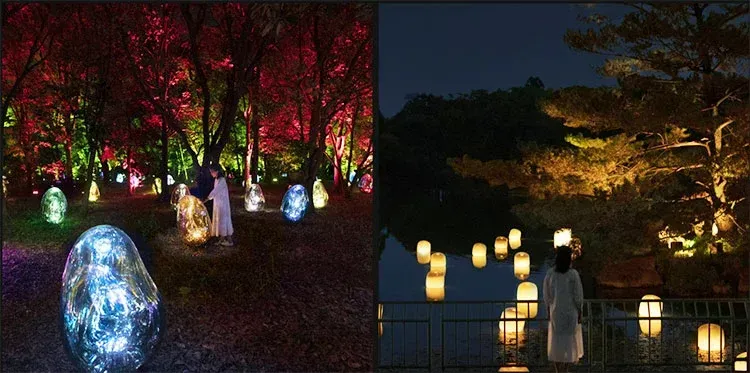
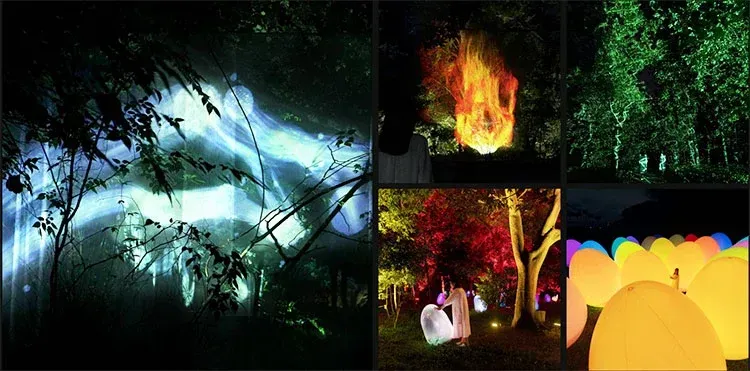
teamLab Botanical Garden is an immersive digital art museum that lets visitors interact with and become part of the artwork. This famous, award-winning Japanese exhibition series is staged in cities around the world. This location is set inside Nagai Park, and uniquely, it's open only at night.
3. Nakanoshima Museum of Art
marco-fine/shutterstock.com
leungchopan/shutterstock.com
richie-chan/shutterstock.com
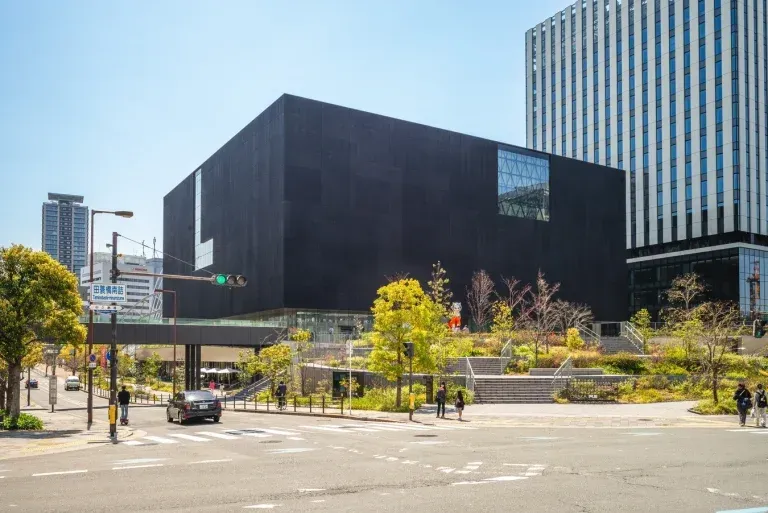
The Nakanoshima Museum of Art is a newly opened museum, housed in a striking dark, modern-minimalist building on Nakanoshima island. It hosts a rotating variety of art exhibitions. To see what's currently on display, check the official website.
4. Nijigen no Mori (Anime Park)
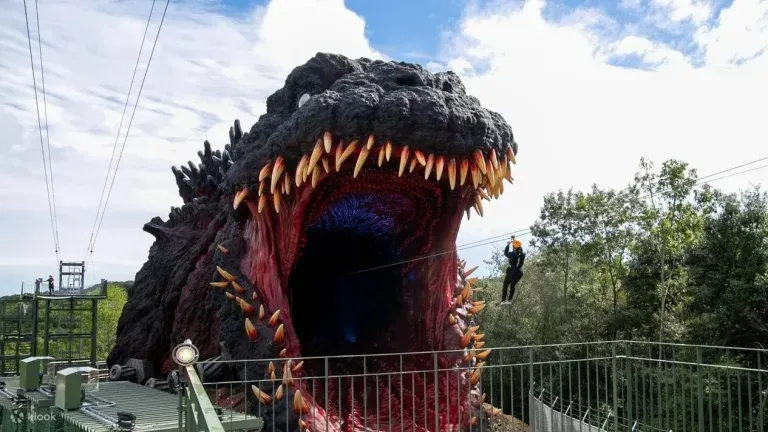
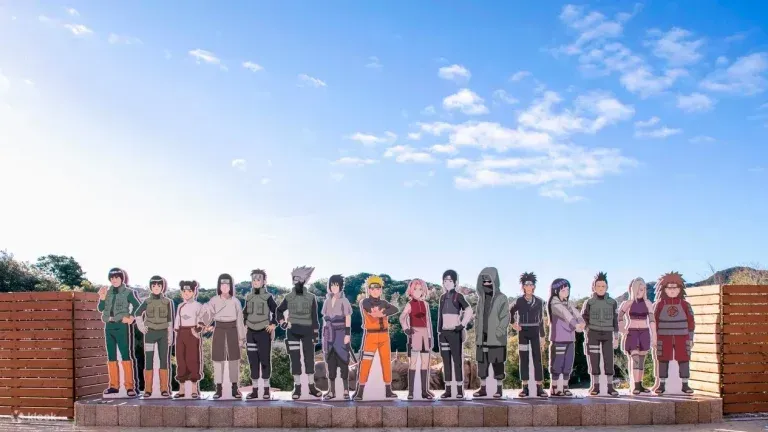
Nijigen no Mori is a theme park designed for anime fans, featuring multiple themed zones that Japanese fans love, including Godzilla, Naruto, Dragon Quest, and Crayon Shin-chan. Although it's located on Awaji Island rather than in Osaka, it isn't far away and can easily be visited as a day trip. There are also themed accommodations, such as Dragon Quest-themed rooms, if you'd like to stay overnight.
Official website: https://nijigennomori.com/en/
Next, let's look at Osaka's timeless must-visit attractions.
5. Osaka Castle
sean-pavone/shutterstock.com
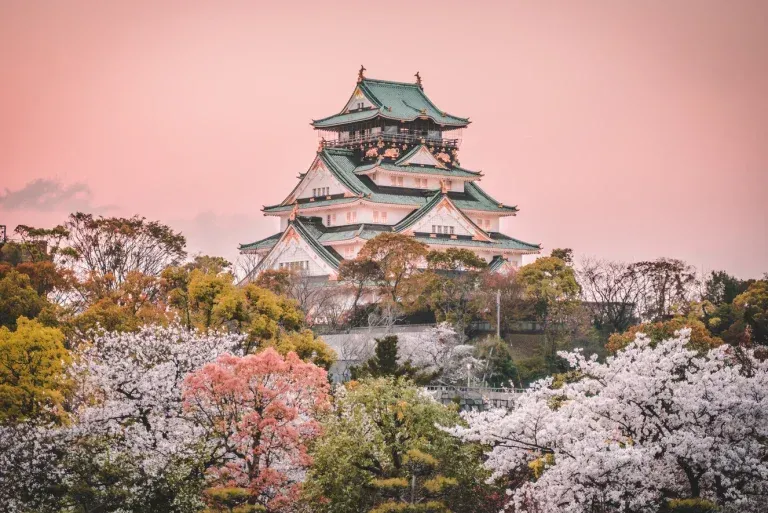
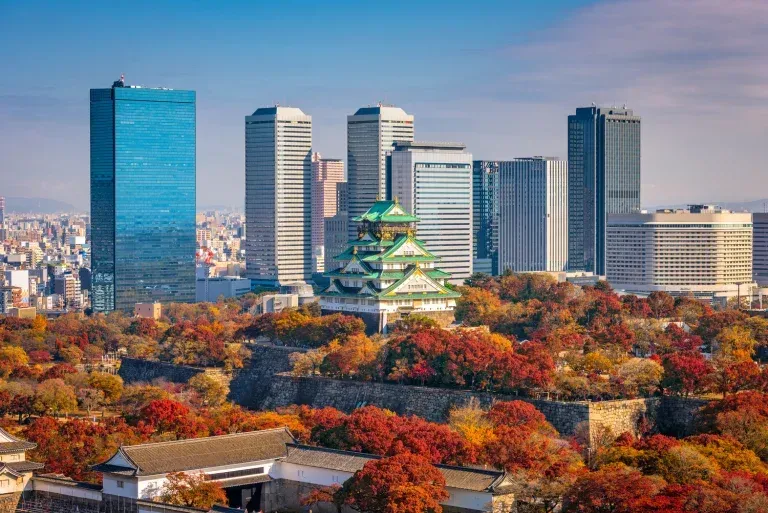
Osaka Castle is one of the city's most popular attractions and a symbol of Osaka itself. Built in 1583, it's surrounded by a large park filled with cherry trees that bloom beautifully in late March during cherry blossom season.
Access: Take the subway to Osaka Business Park Station, or the JR line to Osakajokoen Station.
6. Dotonbori, Shinsaibashi, and Namba
f11photo/shutterstock.com
sanga-park/shutterstock.com
beeboys/shutterstock.com
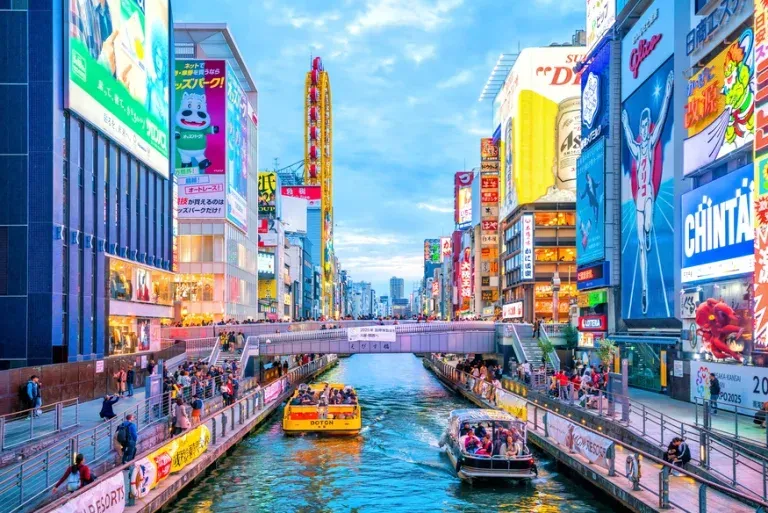
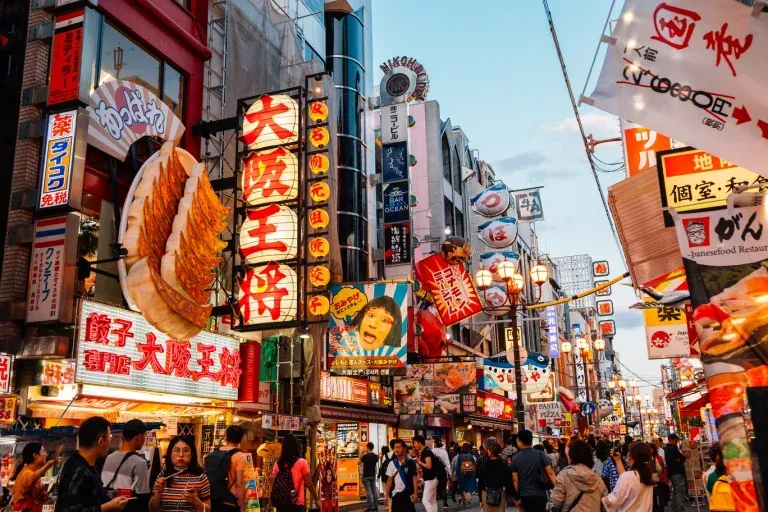
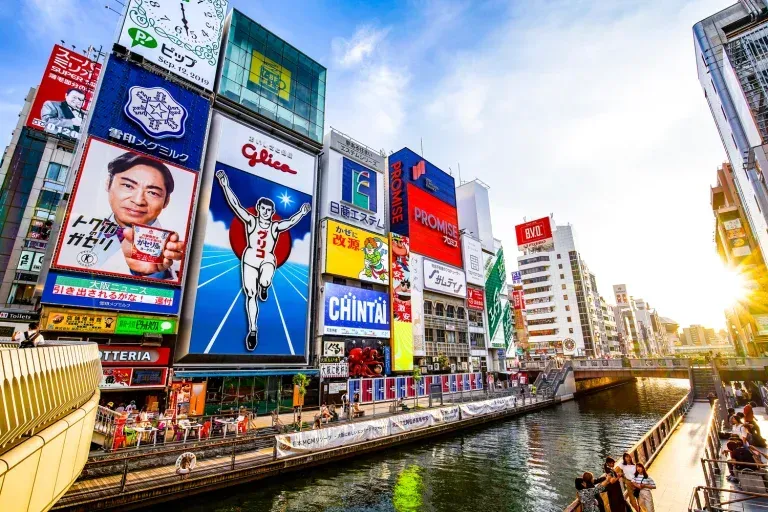
These three neighboring districts — Dotonbori, Shinsaibashi, and Namba — form one of Osaka's most popular areas. A semi-indoor shopping street stretches about 600 meters, lined with retail shops, franchise stores, high-end boutiques, top fashion brands, restaurants, and sweet shops. At night, the area comes alive with colorful lights and lively crowds, along with countless food options. Be sure to take a photo at the famous Glico Running Man sign, which has become another iconic symbol of Osaka.
Access: Take the Subway Midosuji Line or Nagahori Line to Shinsaibashi Station.
7. Abeno Harukas Observation Deck
dutchmen-photography/shutterstock.com
madsolar/shutterstock.com
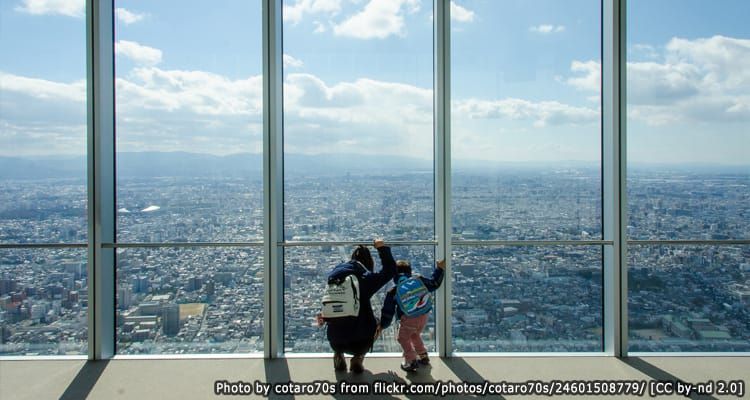
Photo by cotaro70s from flickr.com/photos/cotaro70s/24601508779/ [CC by-nd 2.0]
Access: Walk from Tennoji Station.
8. Sumiyoshi Taisha
sean-pavone/shutterstock.com
jasonyan/shutterstock.com
cowardlion/shutterstock.com
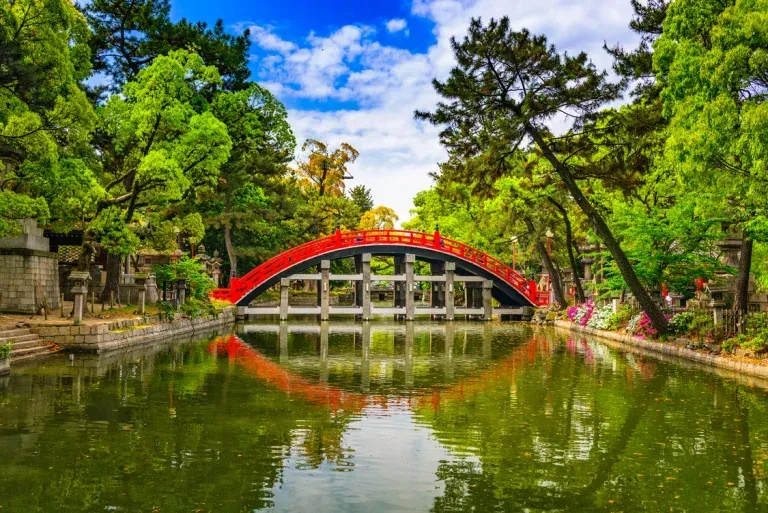
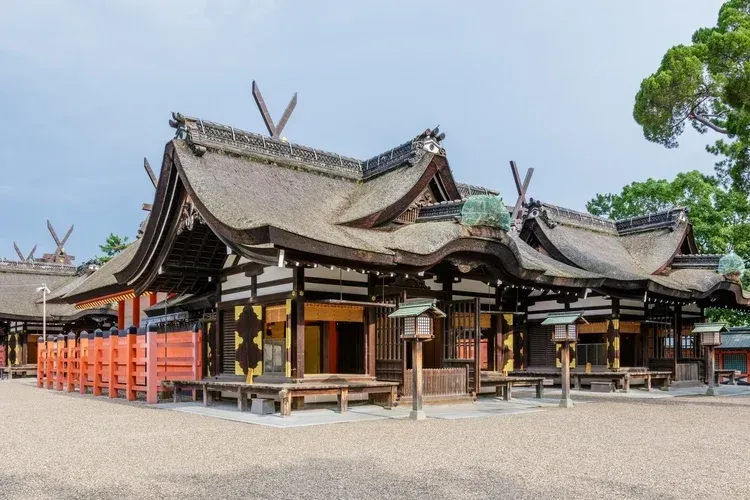
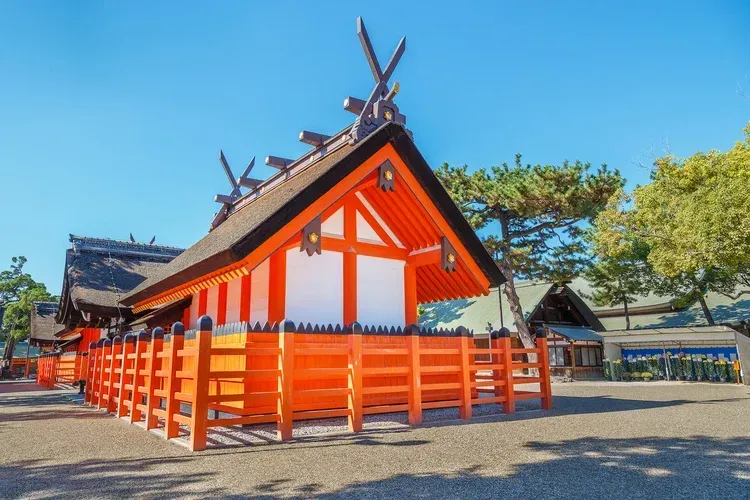
Sumiyoshi Taisha is one of Japan's oldest and most famous shrines, drawing as many as 2 million visitors over the New Year period to pray for good fortune. Its architecture is distinctive and unlike any other shrine. A popular photo spot is the red wooden Sorihashi Bridge, said to bring good fortune to those who cross it, with some of the best views in the Kansai region.
Access: Take the Hankai Tramway to Sumiyoshi-Toriimae Station.
9. Osaka Aquarium Kaiyukan
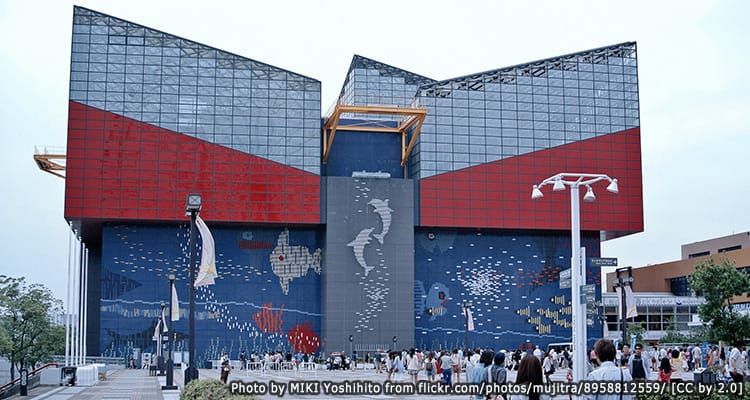
Photo by MIKI Yoshihito from flickr.com/photos/mujitra/8958812559/ [CC by 2.0]
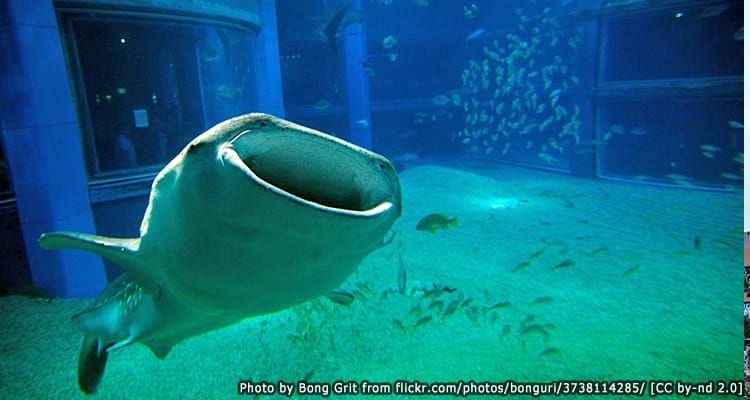
Photo by Bong Grit from flickr.com/photos/bonguri/3738114285/ [CC by-nd 2.0]
Access: Take the Subway Chuo Line to Osakako Station (about an 11-minute walk from there).
10. Kuromon Ichiba Market
lee-yiu-tung/shutterstock.com

fornstudio/shutterstock.com
jaysonphotography/shutterstock.com
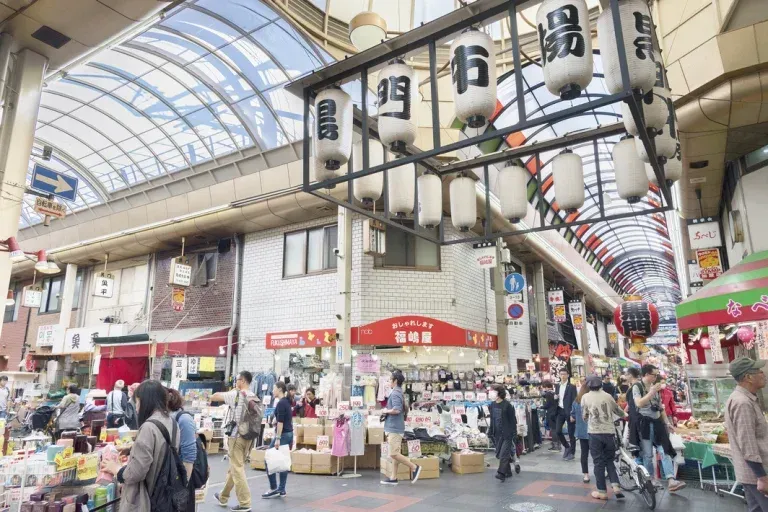
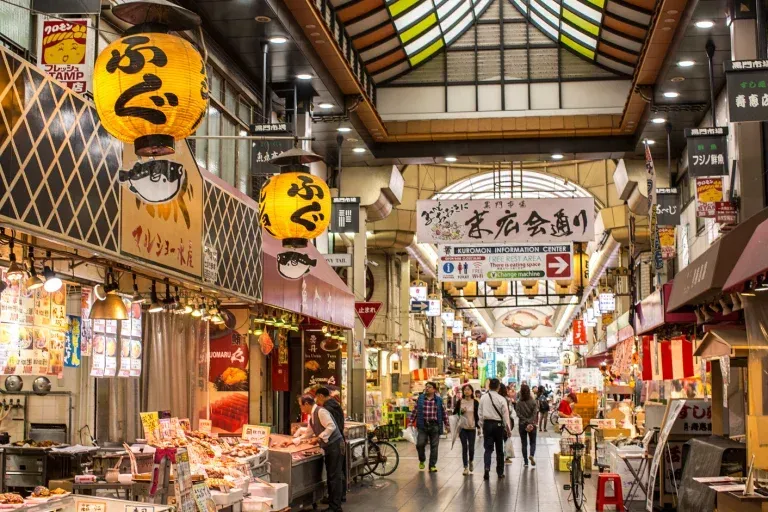
Kuromon Ichiba Market is one of Osaka's oldest and most famous markets, earning the nickname "Osaka's Kitchen." It's a narrow, 600-meter arcade lined with over 160 shops selling fresh produce as well as ready-to-eat food, offering plenty of snacks and local dishes to try.
Access: Located near Nipponbashi Station on the Sakaisuji Line, via Exit No. 5 or 10.
11. America Mura
george-photo-cm/shutterstock.com
madsolar/shutterstock.com
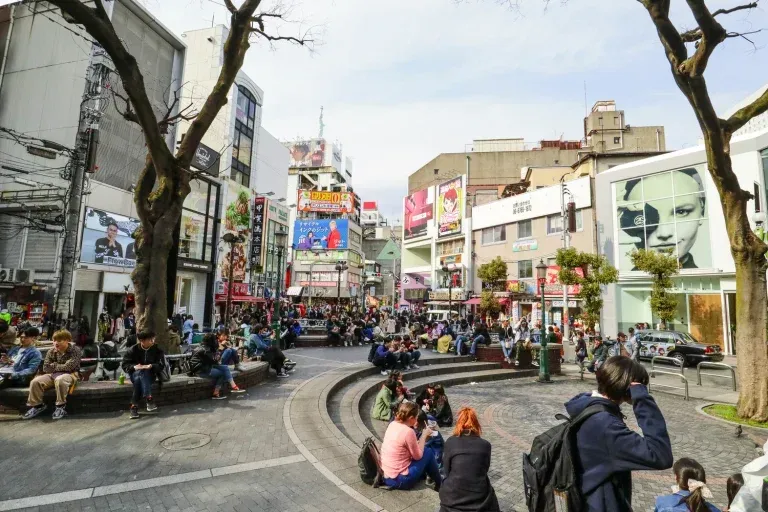
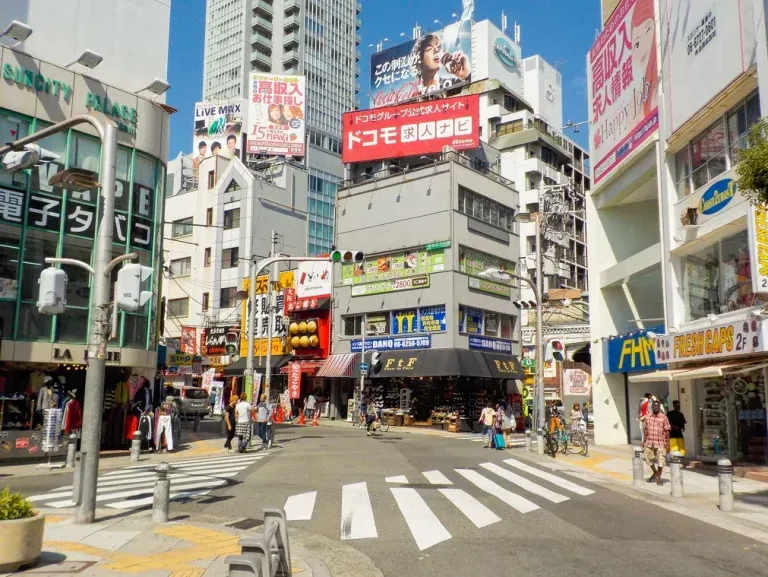
This trendy fashion district has an American vibe, somewhat reminiscent of Shibuya in Tokyo, though with its own distinct atmosphere centered on American-style shops and fashion. On weekends, it's especially lively with young people gathering for dancing, singing, and live music. It's one of Osaka's most colorful neighborhoods.
Access
- Take the Yamatoji Line to JR Namba Station (about an 8-minute walk from there).
- Take the Subway Midosuji Line to Shinsaibashi Station (about a 7-minute walk from there).
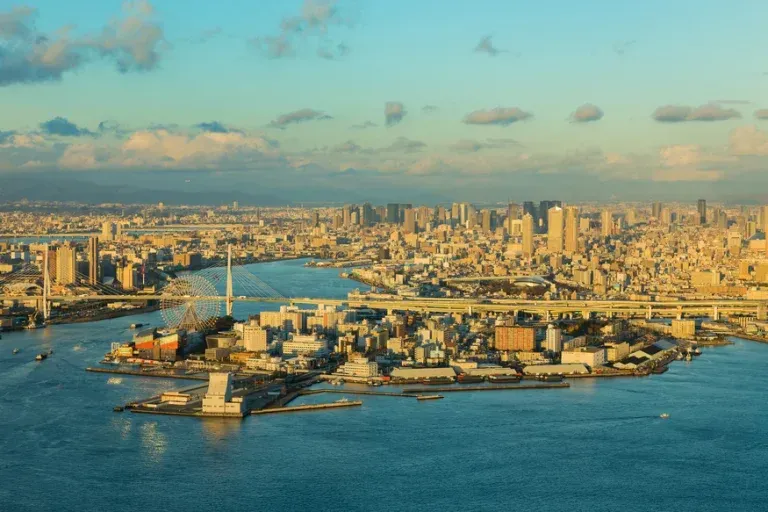
12. Tempozan Ferris Wheel and Osaka Bay Area
torjrtrx/shutterstock.com
theoldhiro/shutterstock.com
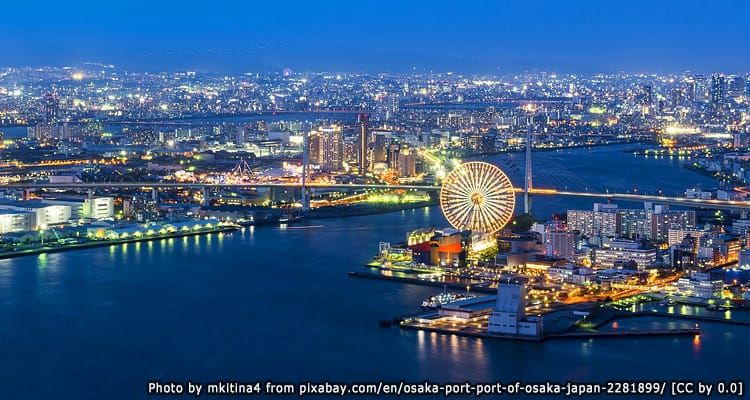
Photo by mkitina4 from pixabay.com/en/osaka-port-port-of-osaka-japan-2281899/ [CC by 0.0]
Access: Take the Subway Chuo Line to Osakako Station (about an 8-minute walk from there).
13. Expo '70 Commemorative Park
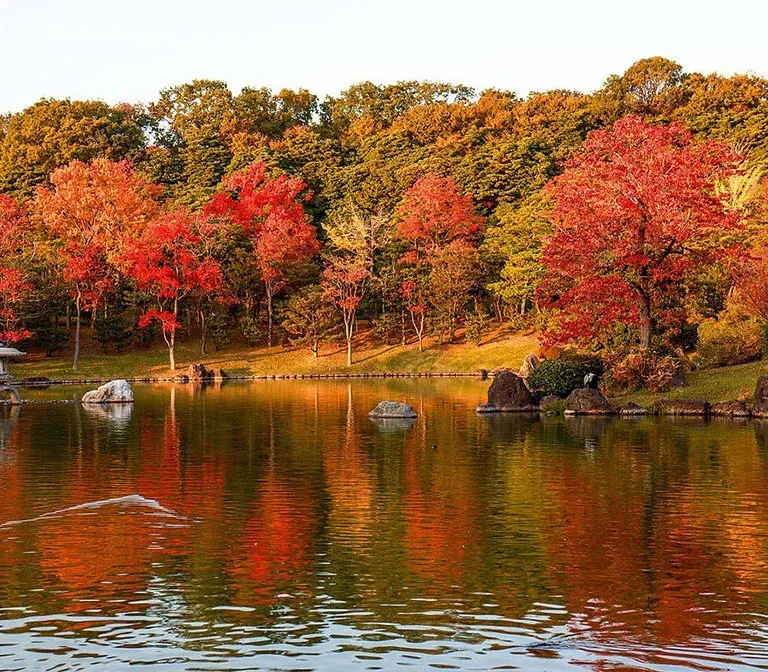
Photo from https://commons.wikimedia.org/wiki/File:Scenery_of_Shinji_pond_at_Expo%E2%80%9970_Commemorative_Park_in_Osaka,_November_2016_-_829.jpg
yusheng-hsu/shutterstock.com
sanga-park/shutterstock.com
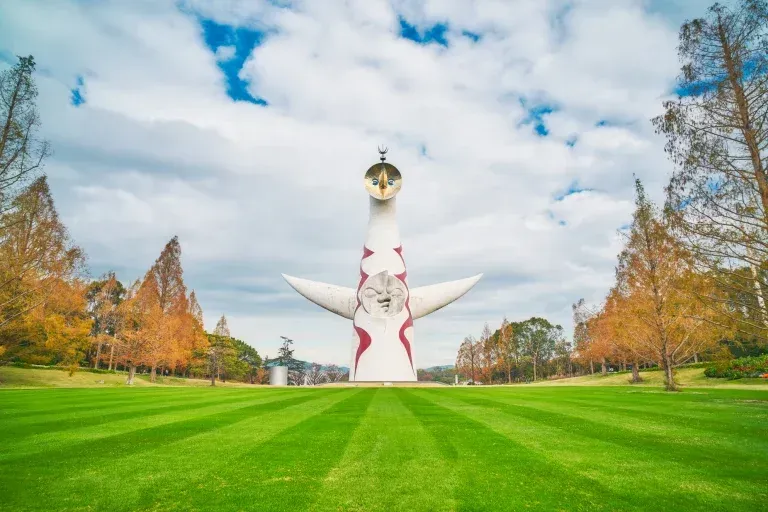
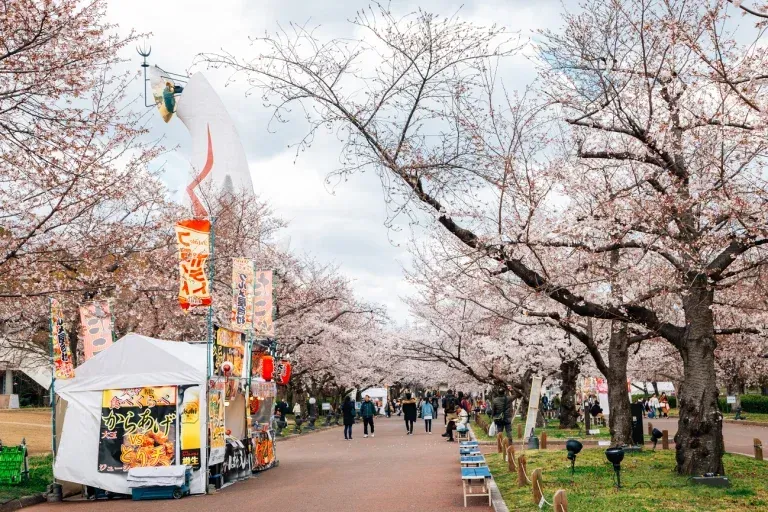
Expo '70 Commemorative Park, also known as Banpaku Memorial Park, is a large park that once hosted the Japan World Expo. Its iconic landmark is the Tower of the Sun. The best time to visit is during cherry blossom season, when the park's famous 5,500 cherry trees bloom — one of the most celebrated cherry blossom festivals in the Kansai region.
Access Take the Osaka Monorail Main Line to Banpaku-Kinen-Koen Station, then walk about 7 minutes.
14. National Museum of Art, Osaka
auttaz/shutterstock.com
nattakit-jeerapatmaitree/shutterstock.com
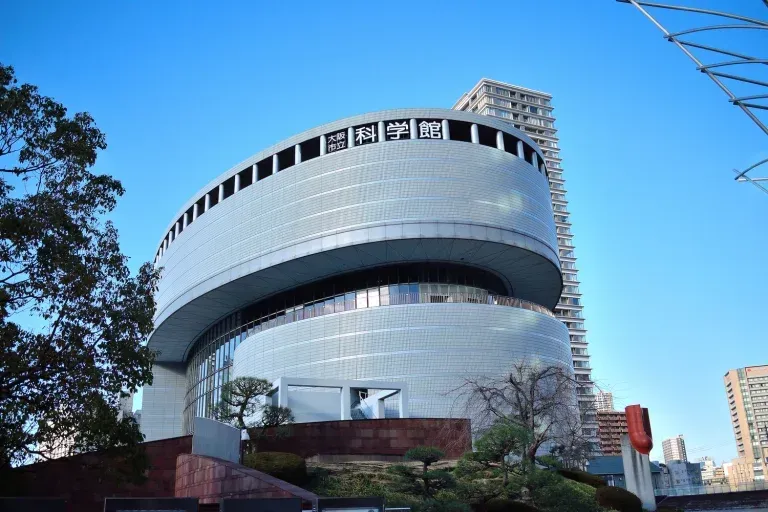
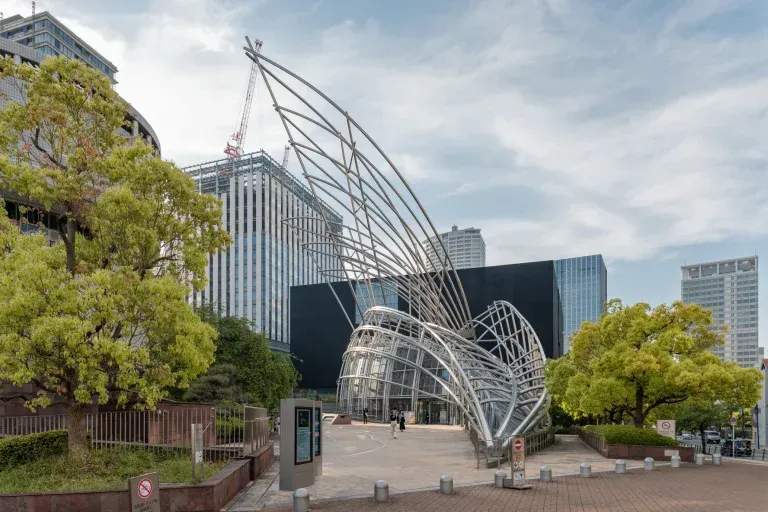
This art museum brings together works from various genres, from the past to the present, and hosts special rotating exhibitions. The building itself draws attention for standing out from its surroundings. It was designed by Cesar Pelli, a world-renowned Argentine-American architect, and features a distinctive curved facade with metal materials.
Access Take the Nakanoshima Line to Watanabebashi Station, then walk about 5 minutes.
15. Osaka Tenmangu Shrine
beeboys/shutterstock.com
sanga-park/shutterstock.com
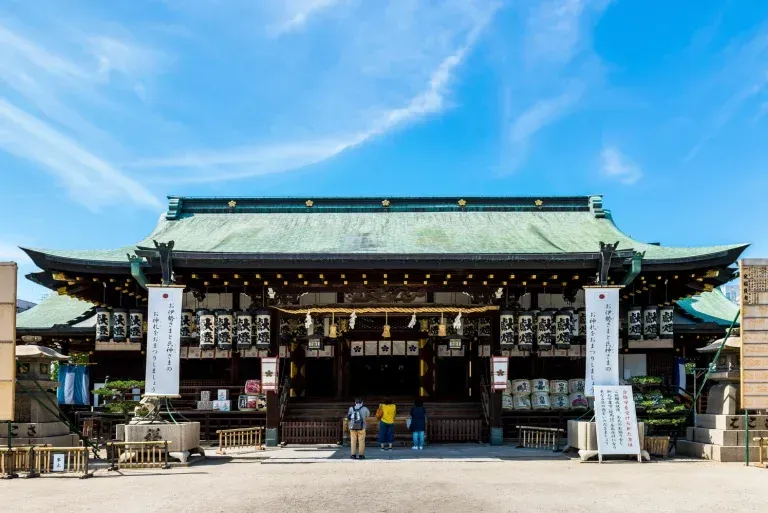
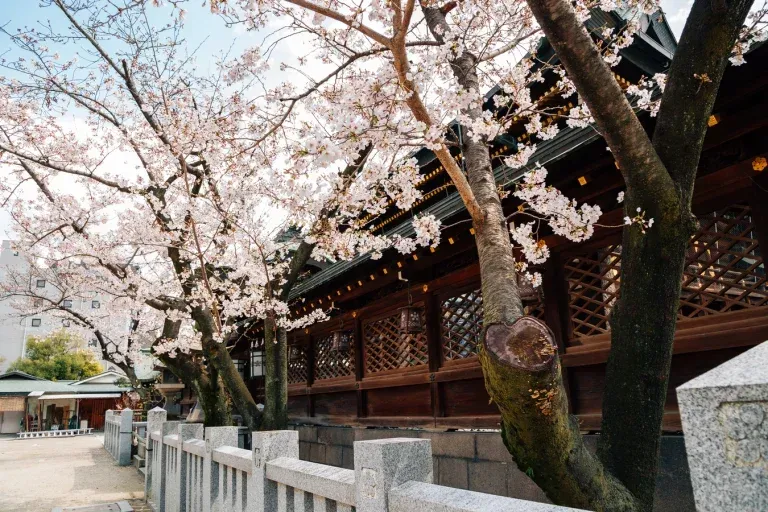
This is one of Japan's most famous shrines, well known for prayers related to studies and exams. Around exam season, it fills with students hoping for success in their tests or entrance exams. Its greatest fame, however, comes from hosting the Tenjin Matsuri, one of Japan's three largest festivals.
Access Take the Sakaisuji Subway Line to Minamimorimachi Station, then walk about 6-7 minutes.
16. Umeda Sky Building
ymgerman/shutterstock.com
tanya-jones/shutterstock.com
kiattisak-anoochitarom/shutterstock.com
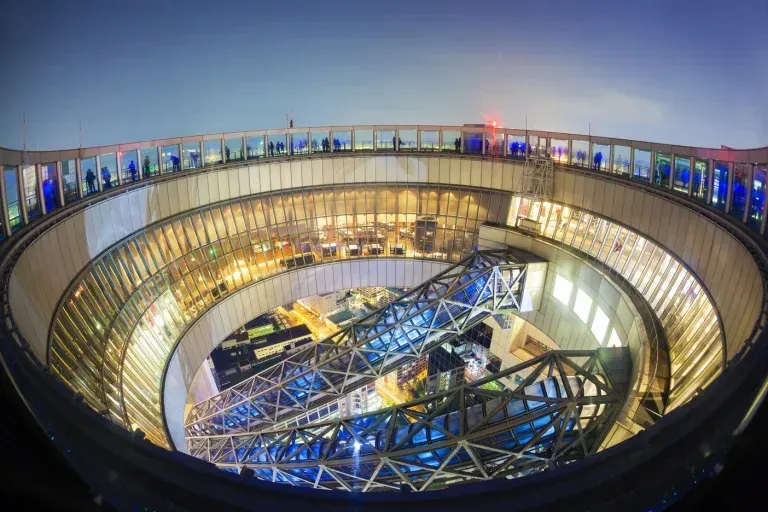
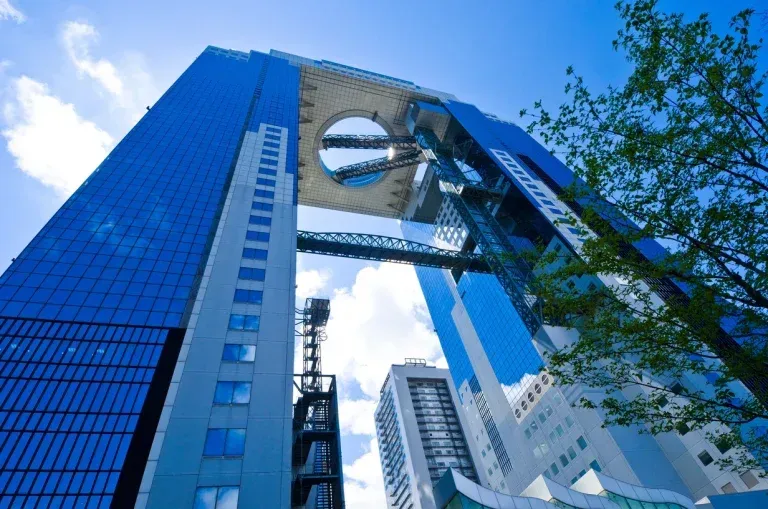
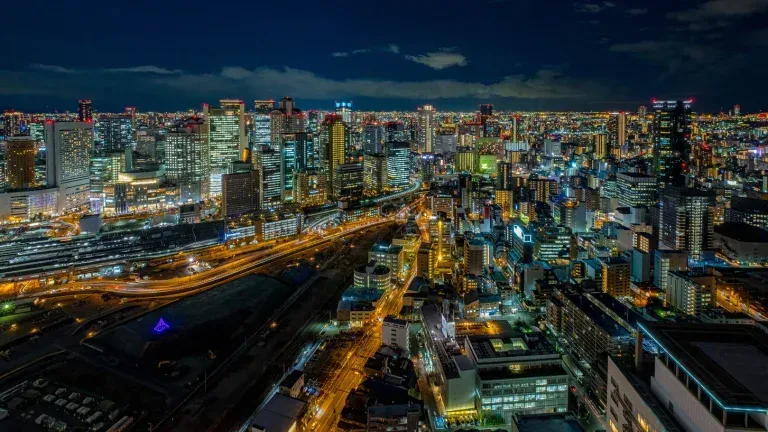
This high-tech skyscraper stands in the Kita district of Osaka, near Osaka and Umeda Stations. Also known as New Umeda City, the building rises to a height of 173 meters.
Access From Osaka Station or Umeda Station, walk about 15 minutes.
17. Nakanoshima Park
leungchopan/shutterstock.com
marco-fine/shutterstock.com
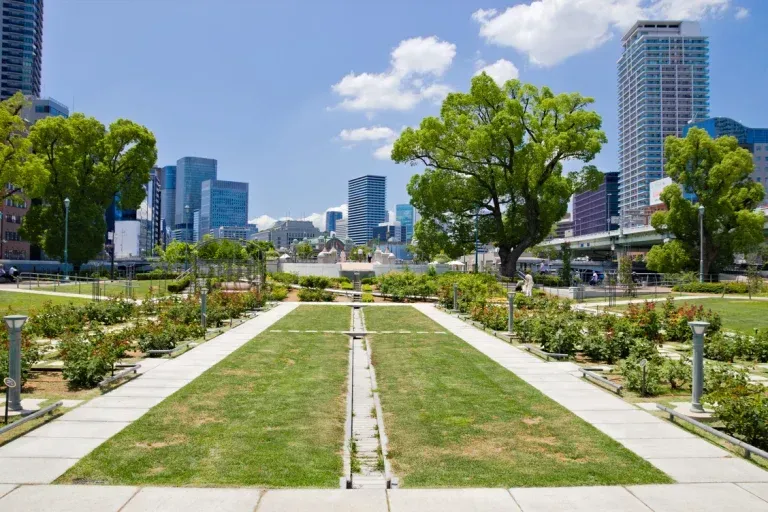
This riverside park sits amid the city's buildings, earning it the nickname "Oasis of Osaka." It is a popular spot for locals to relax, especially thanks to its rose garden of more than 4,000 plants across 100 varieties, which bloom together from mid-May to mid-October. Its beauty has earned it a place among the 100 best scenic views in Osaka.
Access
- Take the Midosuji Line to Yodoyabashi Station, then walk about 9 minutes.
- Take the Keihan Line to Kitahama Station, then walk about 5-6 minutes.
18. Tsutenkaku Tower
gengorou/shutterstock.com
evergreenplanet/shutterstock.com
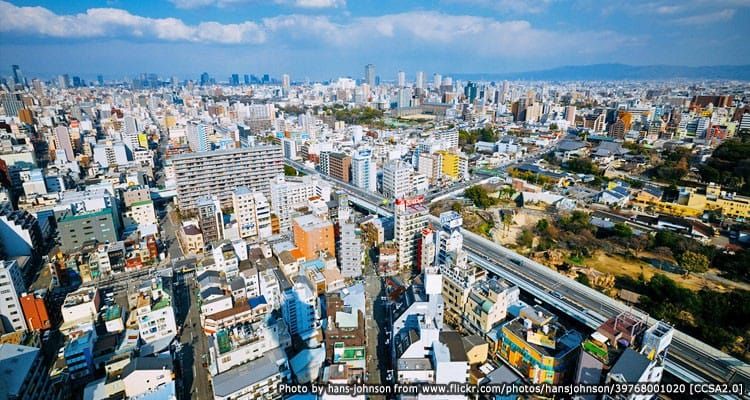
Photo by hans-johnson from www.flickr.com/photos/hansjohnson/39768001020 [CCSA2.0]
19. Namba Yasaka Shrine
cowardlion/shutterstock.com
jasonyan/shutterstock.com
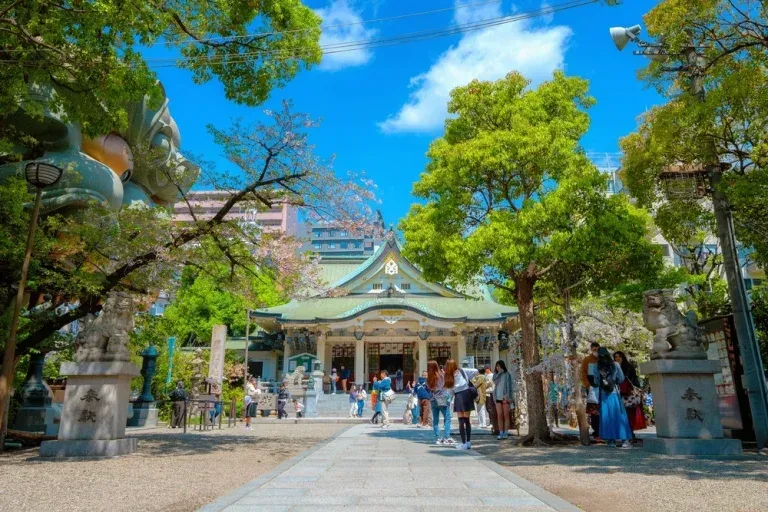
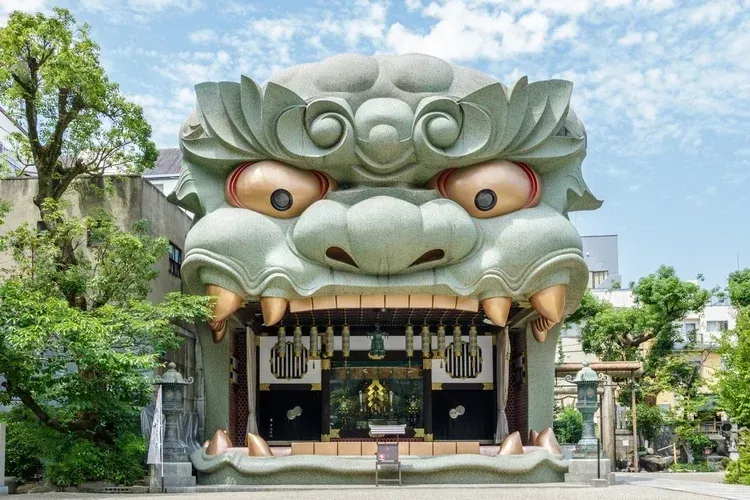
Namba Yasaka Shrine is located in Osaka's Namba district, about a 15-minute walk from the popular Glico sign photo spot. Its most distinctive feature is a large, fierce-looking lion head statue at the front, standing 12 meters tall, 11 meters wide, and 7 meters deep. It is believed that the giant lion's mouth can swallow up misfortune, ward off evil, and bring good luck. This has made it a popular spot for visitors praying for success in their studies or careers. The lion statue's striking design, despite its fierce expression, has also made it a favorite photo spot for shrine visitors.
20. Aquarium Nifrel (Nifrel Aquazoo)
chanon83/shutterstock.com
chanon83/shutterstock.com
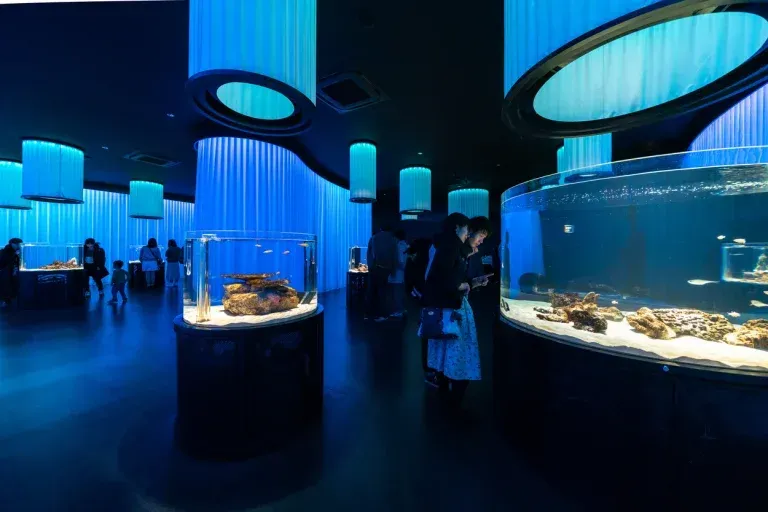
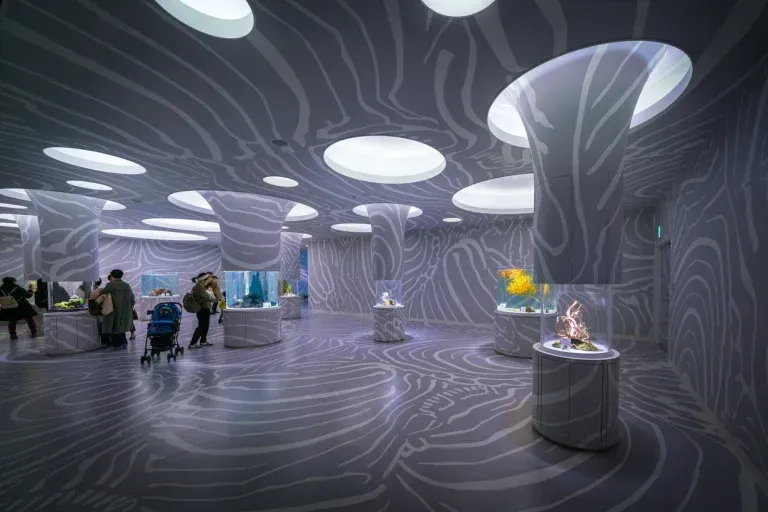
This outstanding aquarium presents a new style of exhibiting aquatic life, using interactive technology to make viewing anything but ordinary. Lighting, color, and sound effects combine to create an experience unlike anywhere else. You can also get closer to the animals than at other aquariums. There's also a zone for rare animals, from unusual creatures to adorable penguins and white tigers, keeping the excitement going non-stop.
Access
Take the Osaka Monorail to Banpaku-Kinen-Koen Station, then walk about 4 minutes.
21. Momofuku Ando Instant Ramen Museum
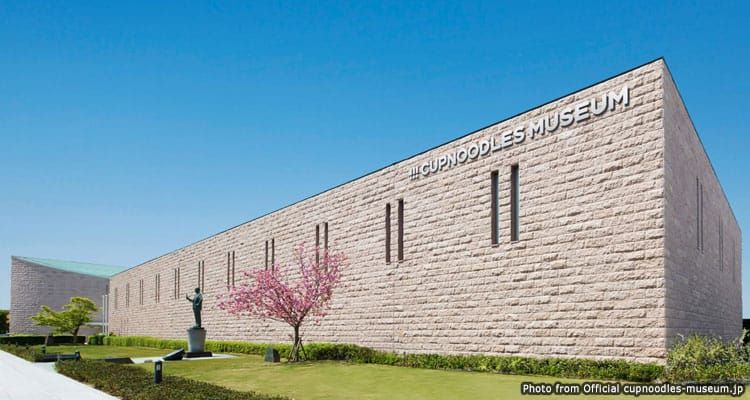
Photo from Official cupnoodles-museum.jp
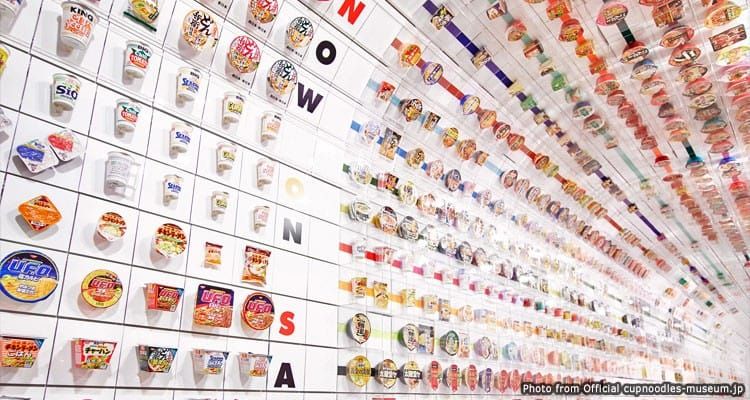
Photo from Official cupnoodles-museum.jp
This museum not only showcases the history of instant noodles from the past to the present, but also lets visitors create their own custom cup noodles, choosing their own soup and toppings, and even paint a one-of-a-kind cup design. It's an experience that combines learning and fun, along with a memorable souvenir to take home.
Access
Take the Hankyu-Takarazuka Line to Ikeda Station, exit toward Masumi-cho, then walk about 6-7 minutes.
22. Abeno Harukas Observatory
dutchmen-photography/shutterstock.com
madsolar/shutterstock.com
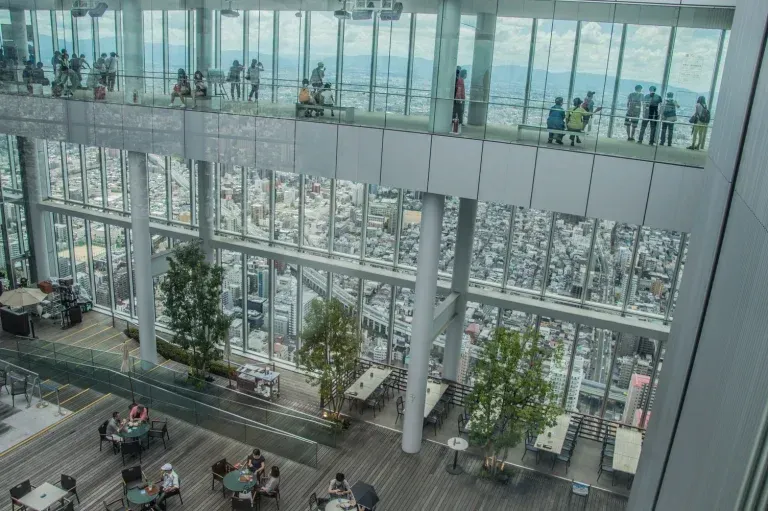
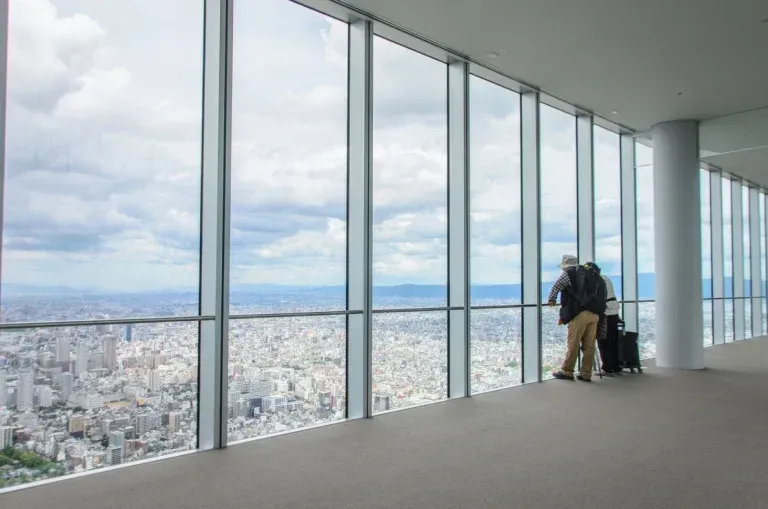
This observatory sits atop a 300-meter-tall building, one of the tallest skyscrapers in Japan, located across from JR Tennoji Station. Besides the observation deck, the building also houses a shopping mall, an art museum, and a hotel. The observation deck, called Harukas 300, spans floors 58 to 60 (three floors in total) and is accessed by elevator from the 16th floor. The 58th floor has a wooden terrace, a café, and a souvenir shop, while the 60th floor offers a 360-degree view.
Access Within walking distance of Tennoji Station.
23. Shitennoji Temple
sanga-park/shutterstock.com
cowardlion/shutterstock.com
beeboys/shutterstock.com
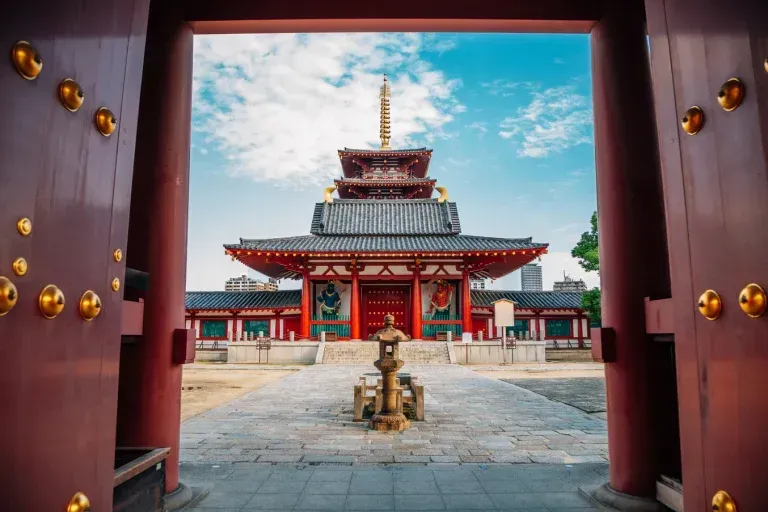
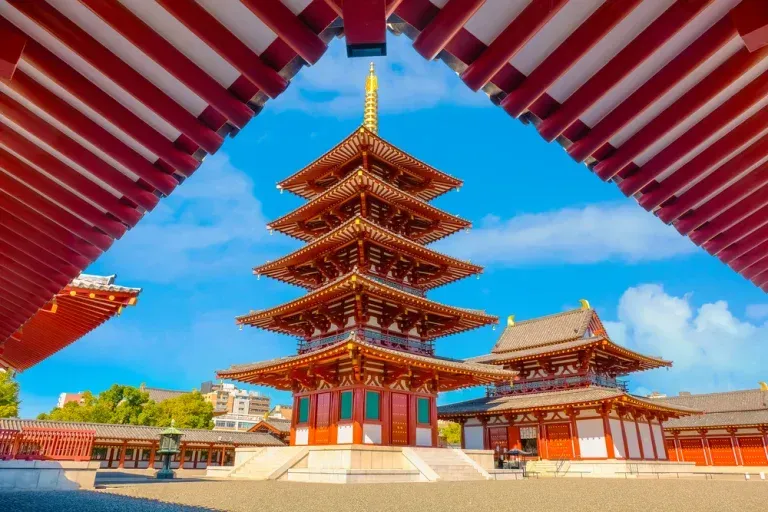
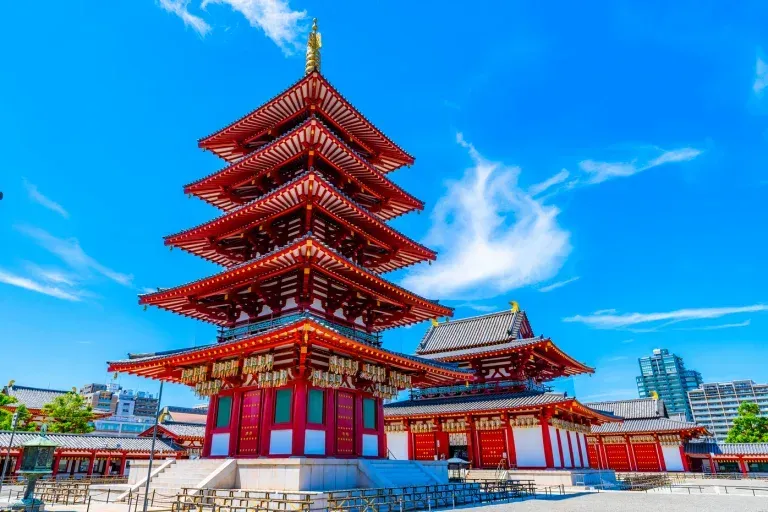
Shitennoji Temple is known as Japan's first and oldest Buddhist temple. Prince Shotoku, a devout Buddhist, sponsored its construction in 593, making it about 1,400 years old. Destroyed by fire numerous times, the temple has been rebuilt and restored over the centuries, preserving the same style it had in the 6th century.
How Many Days Should You Spend in Osaka?
We recommend spending 3 to 5 days in Osaka to experience a variety of attractions. Here's a sample short itinerary:
Day 1: Explore Central Osaka - Visit Osaka Castle, stroll around Shinsaibashi and Dotonbori, and enjoy the view from Umeda Sky Building
Day 2: Explore Central Osaka - Visit the Osaka Museum of History, Sumiyoshi Taisha Shrine, and Kuromon Ichiba Market
Day 3: Day Trip to Nara or Kyoto - Choose between Todai-ji Temple in Nara or Kinkaku-ji Temple and Fushimi Inari Taisha in Kyoto
Day 4: Theme Parks or Aquarium - Visit the Osaka Aquarium Kaiyukan, Universal Studios Japan, and relax at Spa World
Must-Try Food in Osaka
Osaka is famous for its delicious food, with many dishes you shouldn't miss, especially Takoyaki and Okonomiyaki:
- Takoyaki: Round batter balls filled with octopus, sold widely along Dotonbori and in local markets.
- Okonomiyaki: A savory pancake with ingredients like cabbage, pork, and seafood, available at restaurants in the Shinsekai area.
- Kushikatsu: Deep-fried skewers of meat and vegetables, popular in the Shinsekai area.
- Ramen: Osaka offers many ramen styles, from pork bone broth to spicy varieties.
- Teppanyaki: Try it at upscale teppanyaki restaurants in Osaka.
- Sweets and Desserts: Osaka has many sweet shops offering treats such as mochi and fluffy pancakes.
Getting to Osaka
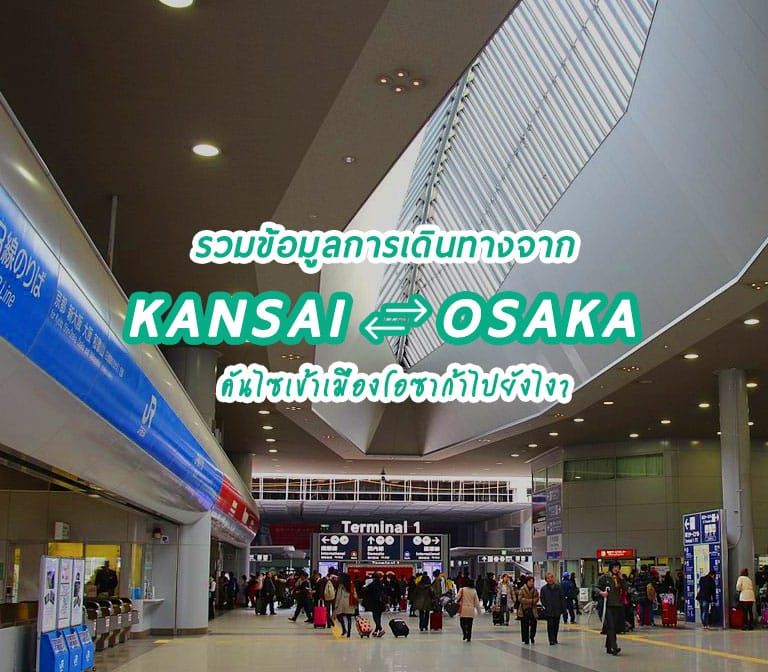
Photo from https://commons.wikimedia.org/wiki/File:JP-Osaka-Kansai-AirPort-Station-Entrance.JPG
There are several ways to get to Osaka:
- By Air: The main airports are Kansai International Airport (KIX) and Osaka Itami Airport (ITM), with direct flights from major cities around the world
- By Shinkansen (bullet train): Take the Shinkansen from Tokyo to Shin-Osaka Station (about 2.5-3 hours)
- By Bus or Rental Car: Buses run from various cities in Japan, or you can rent a car to drive yourself
Getting Around Osaka
Osaka has a convenient and extensive transportation network:
- Subway: Osaka's subway system connects all parts of the city, with major stations including Namba, Umeda, and Tennoji
- JR Trains: The JR Osaka Loop Line connects major attractions around Osaka
- Bus: Bus services cover various areas throughout the city
- IC Cards: IC cards such as ICOCA and Suica can be used on both trains and buses
Osaka Tickets and Passes
Using tickets and passes makes traveling around Osaka more convenient and affordable:
- Osaka Amazing Pass: Offers free entry to major attractions and unlimited use of public transportation
- Kansai Thru Pass: Ideal for traveling around the Kansai region, including Osaka, Kyoto, Nara, and Kobe
- JR Pass: Ideal for traveling throughout Japan, including JR trains in Osaka
- Osaka Visitors' Ticket: A ticket for tourists that offers discounted subway fares
Best Time to Visit Osaka
The best time to visit Osaka depends on the weather and activities you're interested in, as each season offers a different atmosphere and highlights:
- Spring (March-May): Mild weather, with cherry blossom season at Kema Sakuranomiya Park and Osaka Castle Park
- Summer (June-August): Hot and humid, with fireworks festivals such as Tenjin Matsuri
- Autumn (September-November): Mild weather, with autumn leaves at Minoo Park and Expo ’70 Commemorative Park
- Winter (December-February): Cold weather, with New Year celebrations and illuminations at Osaka Hikari Renaissance