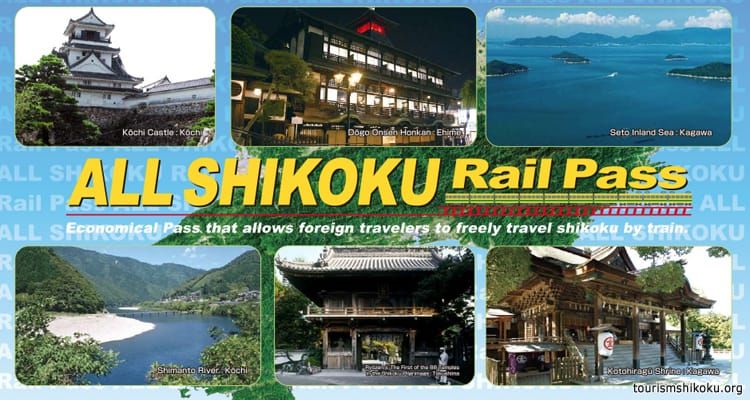


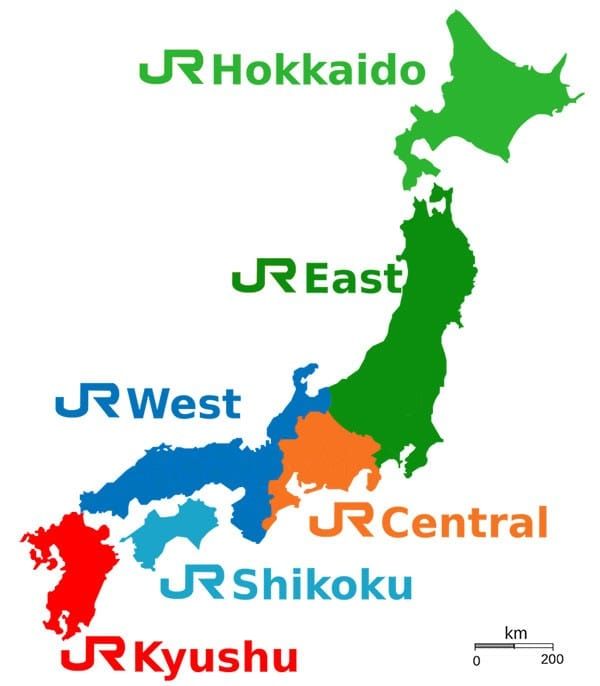
JR trains are operated by the private companies of the JR Group, with routes covering nearly every area and city across the country. That makes them the transport option most tourists rely on when travelling in Japan. There are also unlimited-ride passes sold exclusively to tourists. They can be used as many times as you like within the validity period, area, and routes covered by the pass you buy. There are many types of passes to choose from, each priced differently. They are mainly divided by region — for example, the JR Kyushu Rail Pass can only be used on Kyushu and not in other regions, while the Japan Rail Pass can be used nationwide, though it costs more than regional passes. Before choosing which pass to use, it's worth researching and comparing your options.
* The new post-pandemic JR Pass is no longer a booklet that requires you to walk through the staffed side gate. Instead, it looks like a regular train ticket that can be inserted directly into the automatic ticket gate. Just remember to take it back from the machine.
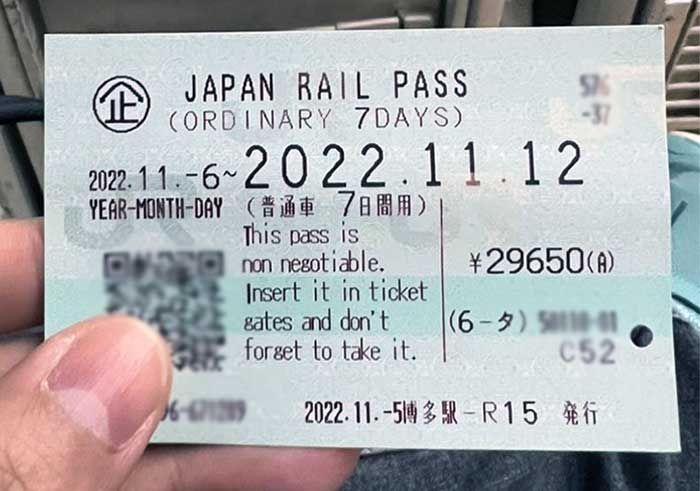
The new JR Pass format can be inserted into the ticket gate like a regular train ticket. Photo from klook.com
Is the JR Pass Worth Buying?
As mentioned, a pass can be used on nearly every train within the area and on the lines it covers — from local city trains to high-speed Shinkansen (bullet train) services between cities. You can also reserve seats in advance for free. The advantages are speed and convenience, since you don't need to buy tickets for every trip. The downsides are the relatively high price and the fact that it doesn't cover city transport such as subways and buses, or intercity highway buses.
The JR Pass suits travelers planning trips across multiple cities who want the speed and convenience of the Shinkansen, since bullet train fares are fairly expensive — sometimes just two rides can cost as much as the pass itself. It depends on your itinerary: if you're only visiting one or two cities, the JR Pass may be an unnecessary expense, but if you plan to travel to several cities, it can be a great value.

How to Use the JR Pass: From Purchase to Boarding
Using the JR Pass is simple, as follows:
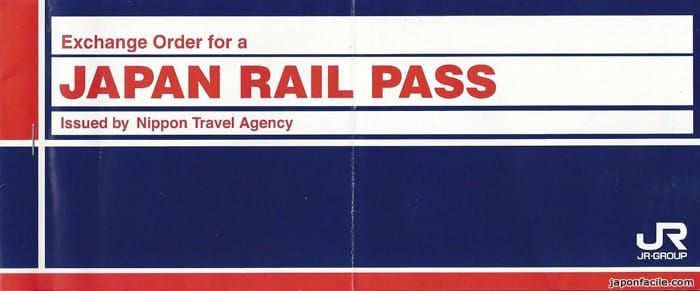
1. When you purchase the pass, whether in person or online, you will receive a temporary voucher called an Exchange Order (EO). This may be a printed slip or an A4-size document.
2. Bring the Exchange Order along with your passport to exchange it for the actual JR Pass in Japan. You can exchange it at JR train stations or major airports across the country.
3. For regular, non-high-speed trains, you can simply board without a reservation (some trains do allow reservations, which is recommended to guarantee a seat). Just show your JR Pass to the staff at the gate before entering the platform. For Shinkansen (bullet train) services, you can reserve a seat in advance at the train station, where staff will help you choose your preferred departure time and issue a separate ticket.
4. When you arrive at your destination, simply show your JR Pass at the exit gate.
Types of JR Pass
A rail pass valid nationwide, ideal for travelers making long-distance trips across regions in Japan — for example, from Tokyo to Osaka, Osaka to Kumamoto, or Osaka to Hokkaido.
Coverage area: All of Japan

A rail pass for eastern Japan. Coverage area: Kanto, Tohoku, and other regions.
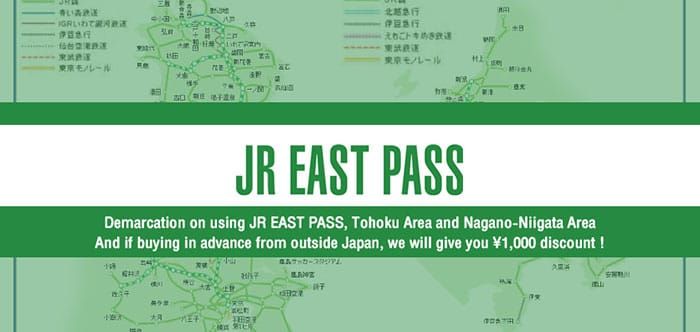
▌JR West
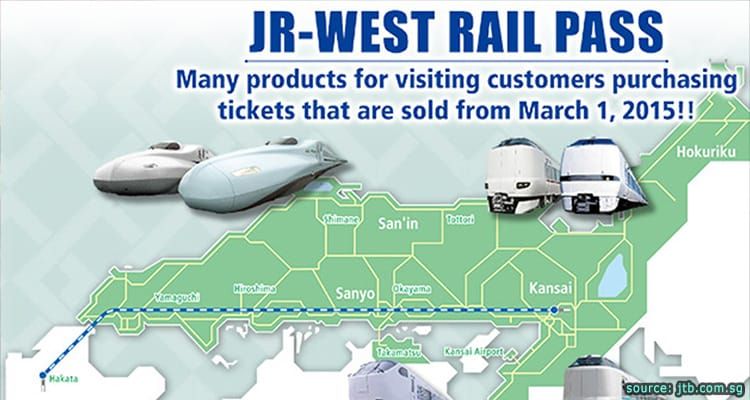
A rail pass for western Japan. Coverage area: Kansai, Hiroshima, Hakata, and other regions.
- JR WEST PASS : Covers all JR WEST routes. This is the widest-coverage JR WEST pass, spanning from Osaka to Toyama to Fukuoka.
- JR Kansai Area Pass : Mainly covers Osaka, Kyoto, Nara, Kobe, and Himeji.
- JR Kansai Wide Area Pass : Similar to the Kansai Area Pass but with wider coverage, reaching Kinosaki Onsen, Shingu, and Takamatsu.
- JR Kansai-Hiroshima Area Pass : Covers Kansai and Hiroshima.
- JR Sanyo-San'in Area Pass : Covers the Chugoku region, parts of Kansai, and extends to Fukuoka.
- JR Kansai-Hokuriku Area Pass : Covers Kansai, the Hokuriku region, and Okayama.
- JR Hokuriku Area Pass : Covers the Hokuriku region.
- JR San'in-Okayama Area Pass : Covers Okayama, Tottori, and Shimane.
- JR Hiroshima-Yamaguchi Area Pass : Covers Hiroshima, Yamaguchi, and extends to Fukuoka.
▌JR Central Pass
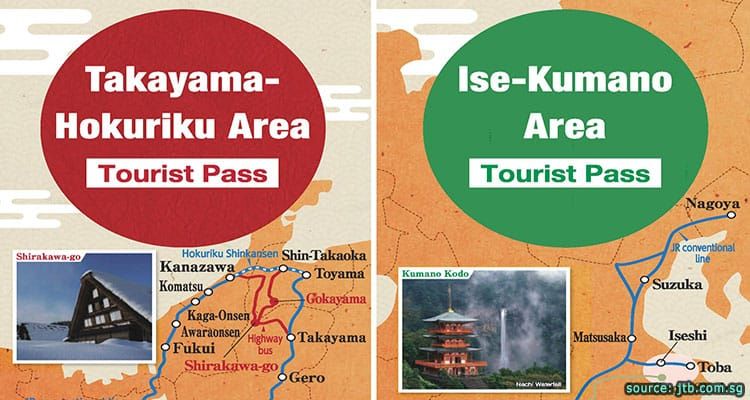
A rail pass for central Japan. Coverage area: Takayama, Kumano, Shirakawa-go, and other areas.
- Takayama-Hokuriku Area Tourist Pass covers the historic village of Shirakawa-go, Takayama, and Kanazawa.
- Alpine-Takayama-Matsumoto Area Tourist Pass covers the Snow Wall route (open only from mid-April to November each year).
- Mt.Fuji Shizuoka Area Tourist Pass Mini covers the Mount Fuji and Shizuoka area.
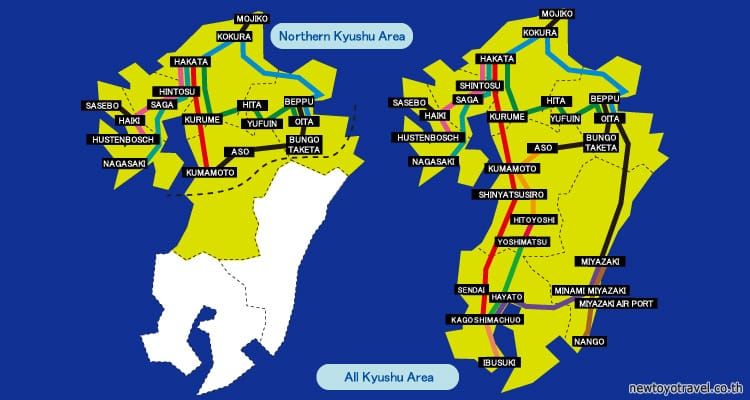
A rail pass for the Kyushu region. Allows unlimited rides on JR trains across Kyushu (excluding the Sanyo Shinkansen) for 3, 5, or 7 consecutive days. Coverage area: Kyushu Island. Click for details
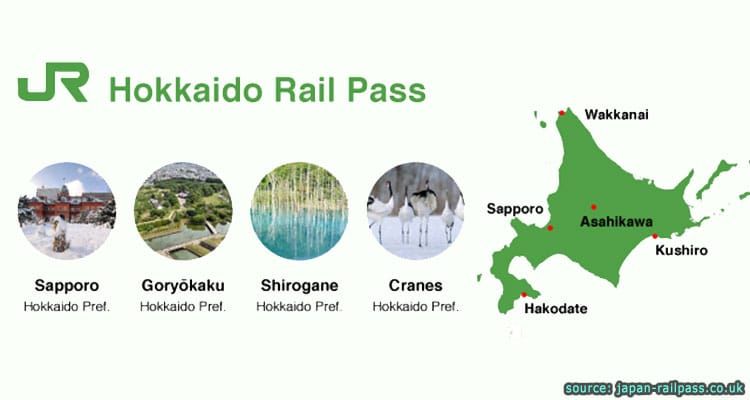
▌JR Hokkaido Pass
A rail pass for the Hokkaido region. Coverage area: Hokkaido Island.
- JR Hokkaido Rail Pass: Covers all of Hokkaido (for foreign tourists only).
- JR Hokkaido IC Card:
A rail pass for the Shikoku region. Allows unlimited rides on JR, Kotoden, Iyotetsu, Tosaden, Tosa Kuroshio, and Asa Kaigan trains for 3, 4, 5, or 7 consecutive days.
Coverage area: Shikoku
Click for details